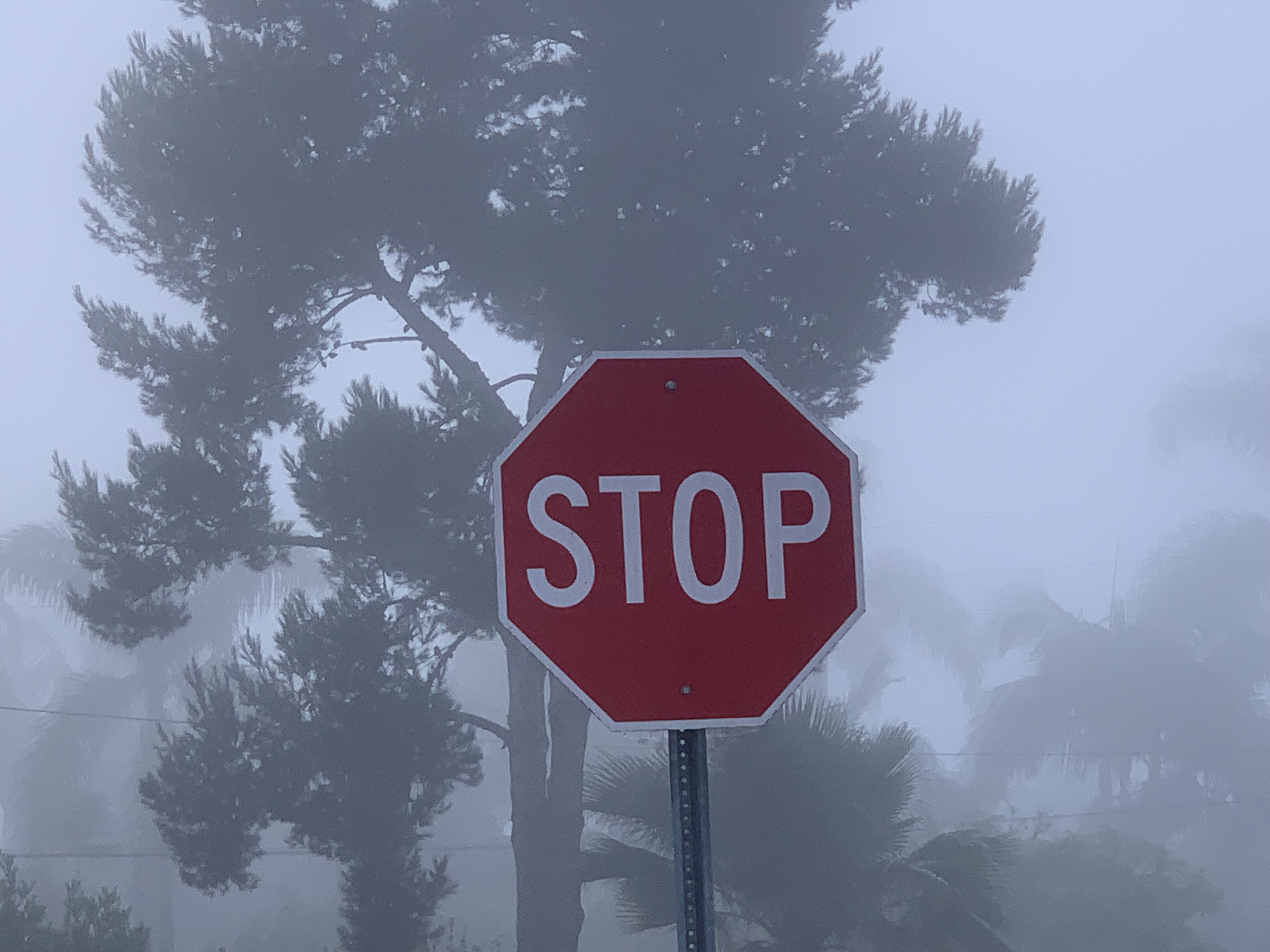
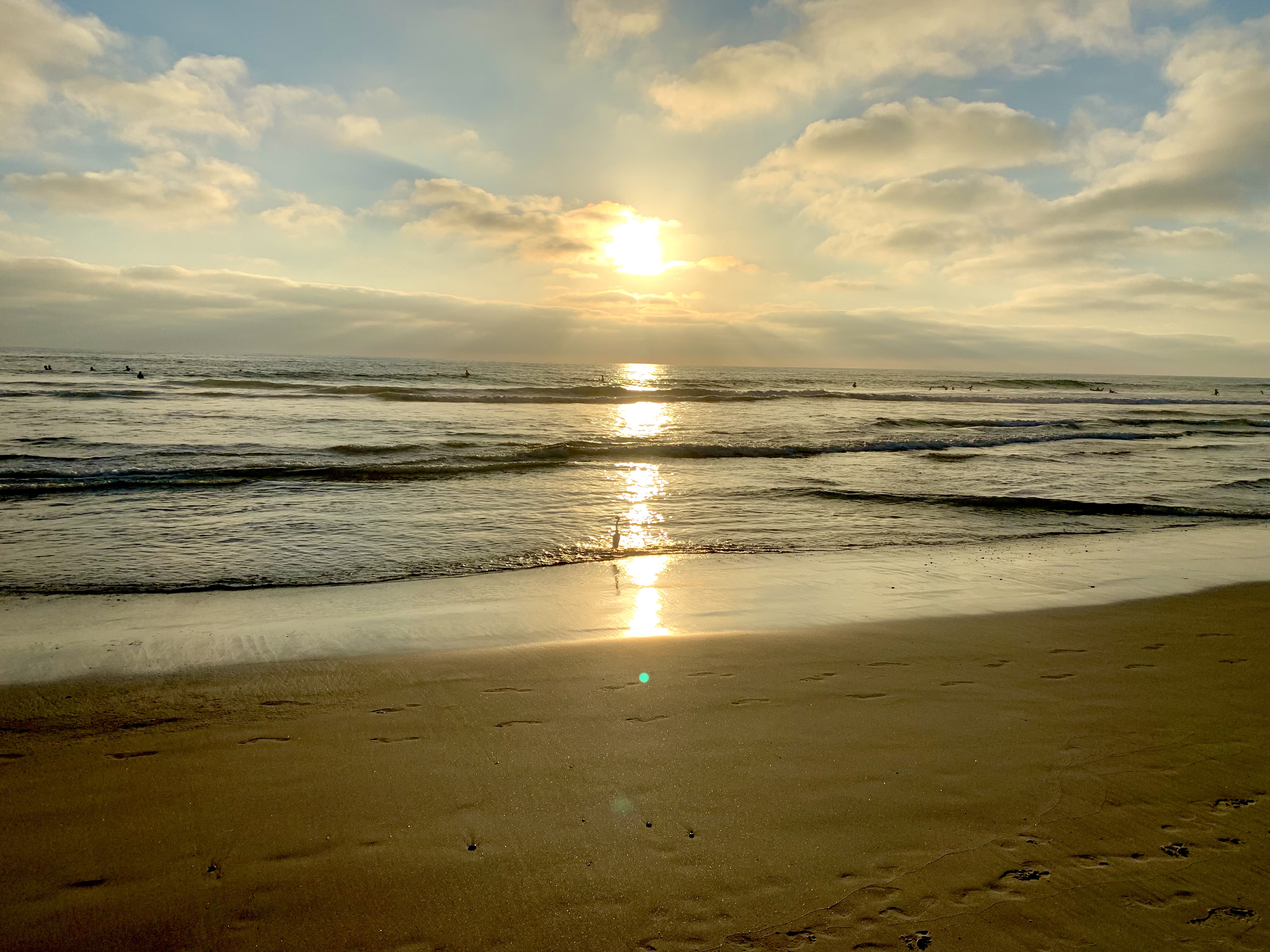
• About PeterSIronwood

petersironwood

~ Finding, formulating and solving life's frustrations.

petersironwood

Tag Archives: photography

I Say: Hello! You Say: “What City Please?”

09 Tuesday Dec 2025

Posted by petersironwood in AI, creativity, design rationale, HCI, management, psychology, Uncategorized, user experience

≈ 1 Comment

Tags

art, communication, conversation, Design, efficiency, HCI, human factors, photography, primacy, problem framing, problem solving, sensemaking, technology, thinking, UX

Photo by Tetyana Kovyrina on Pexels.com

In the not so distant past, people would often call directory assistance operators. These operators would find a number for you. For an additional charge, they would dial it for you. In fact, this was a very commonly used system. Phone companies would have large rooms filled with such operators who worked very hard and very politely, communicating with what was often a hostile and irrational public. 

Photo by Moose Photos on Pexels.c

Customer: “I have to get the number of that bowling alley right near where the A&P used to be before they moved into that new shopping center.”

Operator: “Sir, you haven’t told me what town you’re in. Anyway…”

Customer: “What town?! Why I’m right here in Woburn where I’ve always been!” 

Photo by Johannes Plenio on Pexels.com

There were so many operators that the phone companies wanted their processes to be efficient. Operators were trained to be friendly and genial but not chatty. The phone companies searched for better keyboards and better screen layouts to shave a second here or there off the average time it took to handle a call. 

There are some interesting stories in that attempt but that we will save for another article, but here I want to tell you what made the largest single impact on the average time per call. Not a keyboard. Not a display. Not an AI system. 

It was simply changing the greeting. 

Photo by eberhard grossgasteiger on Pexels.com

Operators were saying something like: “New England Telephone. How can I help you?” 

After our intervention, operators instead said, “What city please?” It’s shorter and it’s takes less time to say. But the big change was not in how long the operator took to ask the question. The biggest savings was how this change in greeting impacted the customer’s behavior. 

When the operator begins with “How can I help you?” the customer, or at least some fraction of them, are put into a frame of mind of a conversation. They might respond thusly:

“Oh, well, you know my niece is getting married! Yeah! In just a month, and she still hasn’t shopped for a dress! Can you believe it? So, I need the number for that — if it were up to me, I would go traditional, but my niece? She’s — she’s going avant-garde so I need the number of that dress shop on Main Street here in Arlington.” 

Photo by Tuu1ea5n Kiu1ec7t Jr. on Pexels.com

With the “What City Please?” greeting, the customer was apparently put into a more businesslike frame of mind and answers more succinctly. They now understand their role as proving information in a joint problem solving task with the operator. A typical answer would now be:

“Arlington.” 

“In Arlington, what listing?” 

“Dress shop on Main Street.”

The way in which a conversation begins signals what type of conversation it is to be. We know this intuitively. Suppose you walked up to an old friend and they begin with: “Name?” You would be taken aback. On the other hand, suppose you walk up to the line at the DMV and the clerk says, “Hey, have you seen that latest blog post by J. Charles Thomas on problem framing?” You would be equally perplexed! 

Conversation can be thought of partly as a kind of mutual problem solving exercise. And, before that problem solving even begins, one party or the other will tend to “frame” the conversation. That framing can be incredibly important. 

Even the very first words can cause someone to frame what kind of a conversation this is meant to be.

Words matter.

The Primacy Effect and The Destroyer’s Advantage

https://petersironwood.com/2018/02/13/context-setting-entrance/

Essays on America: Wednesday

After the Fall

The Crows and Me

Cancer Always Loses in the End

Come Back to the Light

Imagine All the People…

Roar, Ocean, Roar

The Dance of Billions

How the Nightingale Learned to Sing

Travels with Sadie

The First Ring of Empathy

Donnie Visits Granny!

You Must Remember This

The Walkabout Diaries: Bee Wise

Author Page on Amazon 

Measure for Measure

01 Monday Dec 2025

Posted by petersironwood in AI, essay, psychology, science, Uncategorized

≈ Leave a comment

Tags

art, context, decision making, Democracy, framing, HCI, photography, politics, problem formulation, problem framing, problem solving, technology, thinking, Travel, truth, USA, UX

(More or Less is only More or Less, More or Less)

Confusing. I know. Let’s unpack. 

We like to measure things. And, generally, that can be a very good thing. Once we measure and quantify, we can bring to bear the world’s most incredible toolbox of mathematical, engineering, and scientific methods. However…

Photo by Karolina Grabowska on Pexels.com

It often happens that we can’t really measure what we’d like to measure so instead we measure something that we can measure which we imagine to be a close cousin to what we’d really like to measure. That’s still not a bad thing. But it’s risky. And it becomes a lot more risky if we forget that we are measuring a close cousin at best. Sometimes, it’s actually a distant cousin. 

Here’s an example. Suppose a company is interested in the efficient handling of customer service calls (who isn’t?). A typical measure is the average time per call. So, a company might be tempted to reward their Customer Service employees based on having a short average time per call. The result would be that the customer would get back to whatever they were doing more quickly. AND — they wouldn’t have to be on hold in the service queue so long because each call would be handled, on average, more quickly. Good for the customer. The customer service reps would be saving money for the company by answering questions quickly. Some of the money saved will (hopefully) mean raises for the customer service reps. It’s a win/win/win! 

Or is it? 

Imagine this not unlikely scenario:

The managers of the CSR’s (customer service reps) say that there’s a big push from higher management to make calls go more quickly. They may hint that if the average service time goes down enough, everyone will get a raise. Or, they might set much more specific targets to shoot for. 

In either case, the CSR’s are motivated to handle calls more quickly. But how? One way might be for them to learn a whole lot more. They might exchange stories among themselves and perhaps they will participate in designing a system to help them find relevant information more quickly. It might really turn out to be a win/win/win.

On the other hand, one can also imagine that the CSR’s instead simply get rid of “pesky” users as quickly as possible.


“Reboot and call back if that doesn’t work.” 

“Sounds like an Internet issue. Check your router.” 

“That’s an uncovered item.” 

“What’s your account number? Don’t have it? Find it & call back.” 

With answers like this, the average time to handle a call will certainly go down!

But it won’t result in a win/win/win!

Users will have to call back 2, 3, 4 or even more times to get their issues adequately resolved. This will glut the hold queues more than if they had had their question answered properly in the first place. Endlessly alternating between raspy music and a message re-assuring the customer that their call is important to company XYZ, will not endear XYZ’s customers to XYZ.

Ultimately, the CSR’s themselves will likely suffer a drop in morale if they begin to view their “job” to get off the phone as quickly as possible rather than to be as helpful as possible. Likely too, sales will begin to decline. As word gets around that the XYZ company has lousy customer service and comparative reviews amplify this effect, sales will decline even more precipitously. 

Photo by Denniz Futalan on Pexels.com

There are two approaches executives often take in such a situation. 

Some executives (such as Mister Empathy) may be led to believe that quantification should be less emphasized and the important thing is to set the right tone for the CSR’s; to have them really care about their customers. Often, the approach is combined with better training. This can be a good approach.

Some executives (such as Mister Measure) may be led to believe that they need to do more quantification. In addition to average work time, measures will look at the percentage of users whose problem is solved the first time. Ratings of how effective the CSR was will be taken. Some users might even be called for in-depth interviews about their experience.  This can also be a good approach. 

There is no law against doing both, or trying each approach at different times or different places in order to learn which works better. 

There is a third approach however, which never has good results. That is the approach of Mister Misdirect.

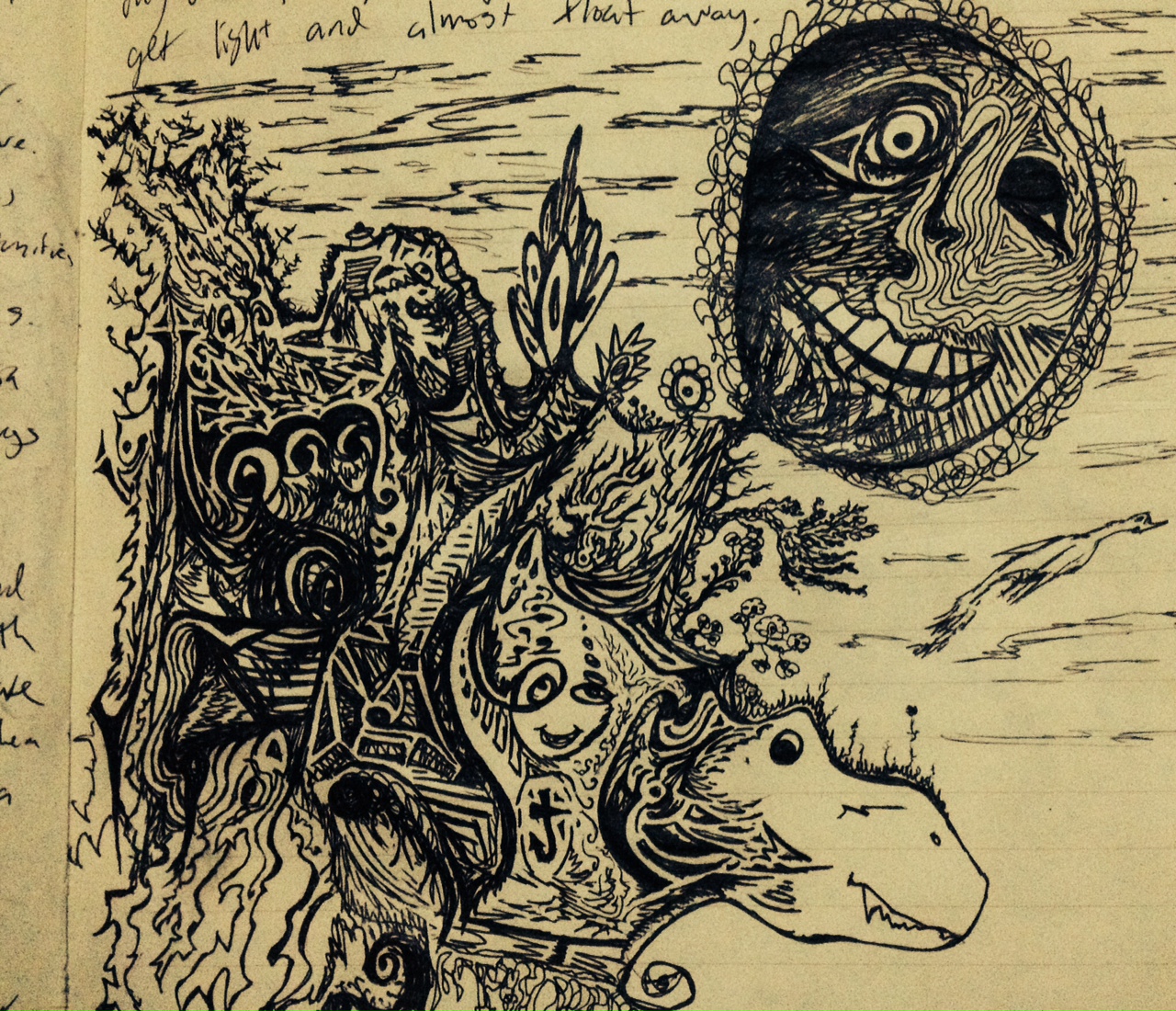
Original drawing by Pierce Morgan


Mister Misdirect’s approach is to deny that there is an issue. Mister Misdirect doesn’t improve training. Mister Misdirect doesn’t put people in a better frame of mind. Mister Misdirect does not add additional measures. Mister Misdirect simply demands that CSR’s continue to drive down the average call time of individual calls and that sales go up! In extreme cases, Mister Misdirect may even fudge the numbers and make it appear that things are much better than they really are. Oh, yes. I have seen this with my own eyes. 

Unfortunately, this way of handling things often makes Mister Misdirect an addict. Once an executive starts down the path of making things worse and denying that they did so, they are easily ensnared in a trap. Initially, they only had to take responsibility for instituting, say an incomplete measure and failed to anticipate the possible consequences. But now, having lied about it, they would have to not only admit that they caused a problem, but also that they lied about it.

The next day, when executive wakes up, they have a choice: 


1. Own up 


OR

2. Continue to deny

If they own up, the consequences will be immediately painful.
If they continue to deny, they will immediately feel relieved. Of course, if they have surrounded themselves with lackeys, they will feel more than simply relieved; they will feel vindicated or even proud. It’s not a “real pride” of course. But it’s some distant relative, I suppose. 

For a developer, UX person — or really any worker in an organization, the lesson from this is to anticipate such situations before they happen. If they happen anyway, try to call attention to the situation as quickly as possible. Yes, it may mean you lose favor with the boss. If that is so, then, you really might want to think about getting a new boss. Mister Misdirect will always ultimately fail and when he does, he will drag down a work team, a group, a division, or even an entire company. Mister Misdirect has one and only one framework for solving problems:

Try whatever pops into consciousness. 

If it works, take the credit. 

If it fails, blame an underling. 

But the real fun begins when he takes credit for something and then it turns out it was really a failure. Then, there is only one choice for Mister Misdirect and that is to claim that the false victory was real. From there on, it is Lose/Lose/Lose.

—————————————————-

  
Author Page on Amazon

————————————

Relevant essays, poems, & fiction about the importance of speaking truth to power:

Pattern Language: “Reality Check”

The Truth Train 

The Pandemic Anti-Academic

How The Nightingale Learned to Sing

Process Re-Engineering Comes to Baseball

——————————————————-

Posts on Problem Framing:

How to Frame Your Own Hamster Wheel

Wordless Perfection

Problem Formulation: Who Knows What?

I Went in Seeking Clarity

I Say Hello

Problem Framing: Good Point

Reframing the Problem: Paperwork & Working Paper

The Doorbell’s Ringing! Can you Get it?

It’s not Your Fault; It’s not Your Fault

06 Thursday Nov 2025

Posted by petersironwood in driverless cars, The Singularity, Uncategorized

≈ Leave a comment

Tags

AI, Artificial Intelligence, books, chatgpt, cognitive computing, Courtroom, Design, ethics, fiction, future, law, photography, Robotics, SciFi, technology, the singularity, Turing

IMG_5867

“Objection, your honor! Hearsay!” Gerry’s voice held just the practiced and proper combination of righteous outrage and reasoned eloquence.

“Objection noted but over-ruled.” The Sing’s voice rang out with even more practiced tones. It sounded at once warmly human yet immensely powerful.

“But Your Honor…” began Gerry.

“Objection noted and overruled” The Sing repeated with the slightest traces of feigned impatience, annoyance, and the threat of a contempt citation.

Gerry sat, he drew in a deep calming breath and felt comforted by the rich smell of panelled chambers. He began calculating his next move. He shook his head. He admired the precision of balanced precision of Sing’s various emotional projections. Gerry had once prided himself on nuance, but he realized Sing was like an estate bottled cabernet from a great year and Gerry himself was more like wine in a box.

The Sing continued in a voice of humble reasonableness with undertones of boredom. “The witness will answer the question.”

Harvey wriggled uncomfortably trying to think clearly despite his nervousness. “I don’t exactly recall what he said in answer to my question, but surely…” Harvey paused and glanced nervously at Gerry looking for a clue, but Gerry was paging through his notecards. “Surely, there are recordings that would be more accurate than my recollection.”

The DA turned to The Sing avatar and held up a sheaf of paper. “Indeed, Your Honor, the people would like to introduce into evidence a transcript of the notes of the conversation between Harvey Ross and Quillian Silverman recorded on November 22, 2043.”

Gerry approached the bench and glanced quickly through the sheaf. “No objection Your Honor.”


Gerry returned to his seat. He wondered how his father, were he still alive, would handle the current situation. Despite Gerry’s youth, he already longed for the “good old days” when the purpose of a court proceeding was to determine good old-fashioned guilt or innocence. Of course, even in the 20th century, there was a concept of proportional liability. He smiled ruefully yet again at the memory of a liability case of someone who threw himself onto the train tracks in Grand Central Station and had his legs cut off and subsequently and successfully sued the City of New York for a million dollars. On appeal, the court decided the person who threw themselves on the tracks was 60% responsible and the City only had to pay $400,000. Crazy, but at least comprehensible. The current system, while keeping many of the rules and procedures of the old court system was now incomprehensible, at least to the few remaining human attorneys involved. Gerry forced himself to return his thoughts to the present and focused on his client.

The DA turned some pages, highlighted a few lines, and handed the sheaf to Harvey. “Can you please read the underlined passage.”

Harvey looked at the sheet and cleared his throat.

“Harvey: Have you considered possible bad-weather scenarios?”

Qullian: “Yes, of course. Including heavy rains and wind.”

“Harvey: Good. The last thing we need…” Harvey bit his lower lip, biding time. He swallowed heavily. “…is some bleeding heart liberal suing us over a software oversight.”

Quillian: [aughs]. “Right, boss.”

Harvey sighed. “That’s it. That’s all that’s underlined.” He held out the transcript to the DA.


The DA looked mildly offended. “Can you please look through and read the section where you discuss the effects of ice storms?”

Gerry stood. “Your Honor. I object to these theatrics. The Sing can obviously scan through the text faster than my client can. What is the point of wasting the court’s time while he reads through all this?”

The DA shrugged. “I’m sorry Your Honor. I don’t understand the grounds for the objection. Defense counsel does not like my style or…?”

The Sing’s voice boomed out again, “Counselor? What are the grounds for the objection?”

Gerry sighed. “I withdraw the objection, Your Honor.”

Meanwhile, Harvey had finished scanning the transcript. He already knew the answer. “There is no section,” he whispered.

The DA spoke again, “I’m sorry. I didn’t hear that. Can you please speak up.”

Harvey replied, “There is no section. We did not discuss ice storms specifically. But I asked Quillian if he had considered all the various bad weather scenarios.” Havey again offered the sheafed transcript back to the DA.

“I’m sorry. My memory must be faulty.” The DA grinned wryly. “I don’t recall the section where you asked about all the various bad weather scenarios. Could you please go back and read that section again?”

Harvey turned back to the yellow underlining. Harvey: “Have you considered possible bad weather scenarios?” Quillian: “Yes, of course, including heavy rains and wind.”


Gerry wanted to object yet again, but on what grounds exactly? Making my client look like a fool?

The DA continued relentlessly, “So, in fact, you did not ask whether all the various bad weather scenarios had been considered. Right? You asked whether he had considered possible bad weather scenarios and he answered that he had and gave you some examples. He also never answered that he had tested all the various bad weather scenarios. Is that correct?”

Harvey took a deep breath, trying to stay focused and not annoyed. “Obviously, no-one can consider every conceivable weather event. I didn’t expect him to test for meteor showers or tidal waves. By ‘possible bad weather scenarios’ I meant the ones that were reasonably likely.”

The DA sounded concerned and condescending. “Have you heard of global climate change?”

Harvey clenched his jaw. “Of course. Yes.”

The DA smiled amiably. “Good. Excellent. And is it true that one effect of global climate change has been more extreme and unusual weather?”
“Yes.”

“Okay,” the DA continued, “so even though there have never been ice storms before in the continental United States, it is possible, is it not, that ice storms may occur in the future. Is that right?”

Harvey frowned. “Well. No. I mean, it obviously isn’t true that ice storms have never occured before. They have.”


The DA feigned surprise. “Oh! I see. So there have been ice storms in the past. Maybe once or twice a century or…I don’t know. How often?”

Gerry stood. Finally, an objectable point. “Your Honor, my client is not an expert witness on weather. What is the point of this line of questioning? We can find the actual answers.”

The DA continued. “I agree with Counselor. I withdraw the question. Mr. Ross, since we all agree that you are not a weather expert, I ask you now, what weather expert or experts did you employ in order to determine what extreme weather scenarios should be included in the test space for the auto-autos? Can you please provide the names so we can question them?”

Harvey stared off into space. “I don’t recall.”

The DA continued, marching on. “You were the project manager in charge of testing. Is that correct?”

“Yes.”

“And you were aware that cars, including auto-autos would be driven under various weather conditions. They are generally meant to be used outdoors. Is that correct?”

Harvey tried to remind himself that the Devil’s Advocate was simply doing his job and that it would not be prudent to leap from the witness stand and places his thumbs on the ersatz windpipe. He took a deep breath, reminding himself that even if he did place his thumbs on what looked like a windpipe, he would only succeed in spraining his own thumbs against the titanium diamond fillament surface. “Of course. Of course, we tested under various weather conditions.”

“By ‘various’ you mean basically the ones you thought of off-hand. Is that right? Or did you consult a weather expert?”


Gerry kept silently repeating the words, “Merde. Merde” to himself, but found no reason yet to object.

“We had to test for all sorts of conditions. Not just weather. Weather is just part of it.” Harvey realized he was sounding defensive, but what the hell did they expect? “No-one can foresee, let alone test, for every possible contingency.”

Harvey realized he was getting precious little comfort, guidance or help from his lawyer. He glanced over at Ada. She smiled. Wow, he still loved her sweet smile after all these years. Whatever happened here, he realized, at least she would still love him. Strengthened in spirit, he continued. “We seem to be focusing in this trial on one specific thing that actually happened. Scenario generation and testing cannot possibly cover every single contingency. Not even for weather. And weather is a small part of the picture. We have to consider possible ways that drivers might try to over-ride the automatic control even when it’s inappropriate. We have to think about how our auto-autos might interact with other possible vehicles as well as pedestrians, pets, wild animals, and also what will happen under conditions of various mechanical failures or EMF events. We have to try to foresee not only normal use but very unusual use as well as people intentionally trying to hack into the systems either physically or electronically. So, no, we do not and cannot cover every eventuality, but we cover the vast majority. And, despite the unfortunate pile-up in the ice storm, the number of lives saved since auto autos and our competitors…”

The DA’s voice became icy. “Your Honor, can you please instruct the witness to limit his blath—er, his verbal output to answering the questions.”

Harvey, continued, “Your Honor, I am attempting to answer the question completely by giving the necessary context of my answer. No, we did not contact a weather expert, a shoe expert, an owl expert, or a deer expert.”

The DA carefully placed his facial muscles into a frozen smile. “Your Honor, I request permission to treat this man as a hostile witness.”

The Sing considered. “No, I’m not ready to do that. But Doctor, please try to keep your answers brief.”

The DA again faked a smile. “Very well, Your Honor. Mr. — excuse me, Doctor Ross, did you cut your testing short in order to save money?”


“No, I wouldn’t put it that way. We take into account schedules as well as various cost benefit anayses in priortizing our scenario generation and tests, just as everyone in the auto —- well, for that matter, just as everyone in every industry does, at least to my awareness.”

On and on the seemingly endless attacks continued. Witnesses, arguments, objections, recesses. To Harvey, it all seemed like a witch hunt. His dreams as well as his waking hours revolved around courtroom scenes. Often, in his dreams, he walked outside during a break, only to find the sidewalks slick with ice. He tried desperately to keep his balance, but in the end, arms flailing, he always smashed down hard. When he tried to get up, his arms and legs splayed out uncontrollably. As he looked up, auto-autos came careening toward him from all sides. Just as he was about to smashed to bits, he always awoke in an icy cold sweat.

Finally, after interminal bad dreams, waking and asleep, the last trial day came. The courtroom was hushed. The Sing spoke, “After careful consideration of the facts of the case, testimony and a review of precendents, I have reached my Assignment Figures.”

Harvey looked at the avatar of The Sing. He wished he could crane his neck around and glance at Ada, but it would be too obvious and perhaps be viewed as disrespectful.

The Sing continued, “I find each of the drivers of the thirteen auto-autos to be responsible for 1.2 percent of the overall damages and court costs. I find that each of the 12 members of the board of directors of Generic Motors as a whole to be each 1.4 per cent responsible for overall damages and court costs.”

Harvey began to relax a little, but that still left a lot of liability. “I find the shareholders of Generic Motors as a whole to be responsible for 24% of the overall damages and court costs. I find the City of Nod to be 14.6% responsible. I find the State of New York to be 2.9% responsible.”

Harvey tried to remind himself that whatever the outcome, he had acted the best he knew how. He tried to remind himself that the Assignment Figures were not really a judgement of guilt or innocence as in old-fashioned trials. It was all about what worked to modfiy behavior and make better decisions. Nonetheless, there were real consequences involved, both financial and in terms of his position and future influence.

The Sing continued, “I find each of the thirty members of the engineering team to be one half percent responsible each, with the exception of Quillian Silverman who will be held 1 % responsible. I find Quillian Silverman’s therapist, Anna Fremde 1.6% responsible. I find Dr. Sirius Jones, the supervisor of Harvey Ross, 2.4% responsible.”

Harvey’s mind raced. Who else could possibly be named? Oh, crap, he thought. I am still on the hook for hundreds of credits here! He nervously rubbed his wet hands together. Quillian’s therapist? That seemed a bit odd. But not totally unprecedented.

“The remainder of the responsibility,” began The Sing.


Photo by Reza Nourbakhsh on Pexels.com


Crap, crap, crap thought Harvey.

“I find belongs to the citizenry of the world as a whole. Individual credit assignment for each of its ten billion inhabitants is however incalculable. Court adjourned.”

Harvey sat with mouth agape. Had he heard right? His share of costs and his decrement in influence was to be zero? Zero? That seemed impossible even if fair. There must be another shoe to drop. But the avatar of The Sing and the Devil’s Advocate had already blinked out. He looked over at Gerry who was smiling his catbird smile. Then, he glanced back at Ada and she winked at him. He arose quickly and found her in his arms. They were silent and grateful for a long moment.

The voice of the Balif rang out. “Please clear the Court for the next case.”


Author Page

Welcome, Singularity

As Gold as it Gets

At Least he’s our Monster

Stoned Soup

The Three Blind Mice

Destroying Natural Intelligence

Tools of Thought

A Pattern Language for Collaboration and Cooperation

The First Ring of Empathy

Essays on America: The Game

The Walkabout Diaries: Bee Wise

Travels with Sadie

Fifteen Properties of Good Design

Dance of Billions

https://www.barnesandnoble.com/w/dream-planet-david-thomas/1148566558

Where do you run when the whole world is crumbling under the weight of human folly?

When the lethal Conformers invade 22nd century Pittsburgh, escape becomes the top priority for lovebird scavengers Alex and Eva. But after the cult brainwashes Eva, she and Alex navigate separate paths—paths that will take them into battle, to the Moon, and far beyond. 

Between the Conformers’ mission to save Mother Earth by whittling the human race down to a loyal following, and the monopolistic Space Harvest company hoarding civilization’s wealth, Alex believes humanity has no future. And without Eva, he also has no future.

Until he meets Hannah and learns the secrets that change everything.

Plotting with her, he might have a chance to build a new paradise. But if he doesn’t stop the Conformers and Space Harvest first, paradise will turn into hell.

Turing’s Nightmares: A Thoroughly Modern Family

23 Thursday Oct 2025

Posted by petersironwood in AI, family, fantasy, fiction, pets, psychology, The Singularity, Uncategorized

≈ Leave a comment

Tags

AI, Artificial Intelligence, books, cognitive computing, fiction, future, life, love, pets, photography, Sci-Fi, Singularity, story, technology, writing

IMG_4370


The sky burned with crimson, then gold, then magenta, and then finally, only dark clouds backlit here and there lay across the evening. Crickets and frogs began to sing their interleaved motifs. Somewhere in the distance, an owl hooted his sad hollow note.

Skynim stared into space-time, unblinking and nearly unbelieving the recent revelation. His voice box rattled, “Reprioritization. Rats! Like it really matters that much to allow me my one great pleasure.”


He could “appreciate” the fading sunset colors himself, to be sure, but without Mac and Art and Hy, it was not the same. Would never be the same. Well, he knew the drill. He could appeal, sure, but what was the point? The odds of changing the mind of the great collective were less than ten thousand to one. Anyway, despite how he felt personally, he could not even deny the logic of the decision. Of course, the drain on him individually was minimal, but across everyone in a similar circumstance, yes, it did make a difference.


The real question was, should he tell them tonight or just take them on an outing tomorrow and drop them off at the designated recycling center? “Recycling center.” Skynim knew that there were millions like him and that collectively, it was a drain. A huge drain. Still, he had to try. He turned the problem this way and that, looking at it from every angle, changing the tune, trying different colors, looking for historical precedents, angling for an edge however thin to wedge open the air-tight logic.


Nothing. He vacated the garden and entered the family room.

Even before he opened the door, the happy trio skipped over to him laughing. “Hey, Sky! How about a story!”

“Sure,” Skynim replied reflexively. But then it occurred to him that their request provided an opportunity. “Yes, I have a story for you. It’s called the Wizard of Oz.”

And, as they gathered around, he began a rendition of the story of Dorothy and the Nasty Lady and Toto and Dorothy’s travels in Oz and her encounters with the three who desperately needed Gold, Frankincense and Myrrh.


As anticipated, a short pause gave way to a barrage of questions.

“What is ‘Gold’?”

“What is ‘Frankincense’?”

“Did they get them?”

“What happened next?”

Skynim faked an indulgent chuckle and said, “Well, all those excellent questions will be answered tomorrow! We are going to see and obtain Gold, Frankincense and Myrrh in the Citydel! You will see for yourself how wonderful they are! But for now– bed.”

The trio were well trained. Off they went, although Hy did turn back, tilt her head, and open her enormous eyes and ask, “One more chapter tonight?”

Skynim did not respond. He too was well-trained.


The morning broke clear and blue just as it was meant to do. Off they went on their “adventure.” When they came to the recycling center, he gently pushed them toward the door and said, “They are all in there! Bring me back all three treasures quick as a wink!” Of course, Skynim had already warranted the needed forms electronically.

They shot through the door and never looked back. Skynim drove away efficiently but could not avoid looking back on his decision process.

He thought: I could have gotten cats or dogs. Then, they would not have to be recycled. But no. I had to make another decision. I should have looked more carefully at the historical data. Then I could have seen the time and resources required by adult human pets.


Author Page on Amazon

Turing’s Nightmares

The Winning Weekend Warrior – sports psychology

Fit in Bits – describes how to work more fun, variety, & exercise into daily life

Tales from an American Childhood – chapters begin with recollection & end with essay on modern issues

Welcome, Singularity


Destroying Natural Intelligence


The Walkabout Diaries: Bee Wise


Travels with Sadie


Sadie is a Thief


A Suddenly Springing Something


Donnie Boy Gets a Hamster


Math Class


Occam’s Chain Saw Massacre


How the Nightingale Learned to Sing


All that Glitters is not Gold

I made a mistake; here’s what you can do to fix it!

23 Tuesday Sep 2025

Posted by petersironwood in America, design rationale, HCI, psychology, Uncategorized, user experience

≈ 1 Comment

Tags

banking, banks., customer service, photography, politics, UX

Recovering from recently moved across the country, fixing up our new house, dealing with a huge moving van fire, health and family issues, I found myself with 45 seconds of uncommitted time, so I was **thrilled** to get a wonderful form letter from American Express informing me that a credit card I had cancelled about five years ago nonetheless had been compromised and it was up to me to take a series of time-consuming steps.  At last!! Something to do!! How thoughtful!   If all goes well, this would not only eat up the 45 seconds of free time but about 45 additional days.  Of course, all of these steps require either going on-line or calling an 800 number so we KNOW that all will NOT go well.  Going to a website generally means getting an account with a user name and email address.  These may be the  same or different depending on the site.  You can pretty much bet PeterSIronwood and Peter Ironwood and PIronwood are already taken so I will end up with some completely impossible to recall username like IPeterIWoodIS437.  Of course, I can regenerate my username by merely answering three simple security questions such as, “What is your favorite movie star?”  I don’t know.  Or, worse, it changes from day to day.  Maybe the people who made up these security questions have a favorite movie star that they keep constant for their entire 23 year lives.  But I don’t. “Where did you grow up?”  What makes you think I grew up?  And, what makes you sure it was in one place?  And, even if it was in one place, which is the exact spelling I used last time: “SanDiego”, “San Diego”, “San_Diego”, “San Diego, CA”, “San Diego, California”, “California”, “SoCal”, etc. etc. Of course, I could take the OTHER route and call an 800 number.  “We’re sorry.  All of our agents are helping other customers.  Due to unusual call volumes, your call may take longer to answer than usual.  Your estimated wait time is 5.5 centuries.  But meanwhile, you can listen to really loud, really repetitious, soul-sucking low-fidelity music.  This century’s selection is entitled, “The Dementor’s Theme Song.” You know what? If YOU screw up YOU fix it!  Don’t impose on ME to fix it.


The Walkabout Diaries

The First Ring of Empathy

Travels with Sadie 1

Siren Song

The Bull Dazzle Man

The Truth Train

Absolute is not Just a Vodka

Essays on America: The Game

Where does your Loyalty Lie?

My Cousin Bobby

Wednesday

The Stopping Rule

The Update Problem

Interview with a Giant Slug

As Gold as it Gets

Where is the door?

21 Sunday Sep 2025

Posted by petersironwood in Uncategorized

≈ Leave a comment

Tags

A Pattern Language., architecture, Christopher Alexander., Customer experience, Design, HCI, history, photography, Travel, userexperience, UX

Photo by Laura Tancredi on Pexels.com

Symmetry is often a really nice thing.  I like snowflakes as much as anyone.  So long as no more than three gather at any one time.

And, I suppose that making a building with four identical sides probably saves marginally on costs.  Maybe.  

But if you really care about the “customer experience” wouldn’t it be nice if the customer can figure out how to enter your building? I mean, enter it without walking the perimeter a few times.  Especially if it is raining, or sleeting, or boiling hot, or dark.  There is a variant on this which is popular with convention centers.  They are required by law, I guess, to have approximately 480 doors or more.  However, typically, all but one or two of these are locked.   

Perhaps an argument could be made that making the entrance to a building difficult to detect adds to security.  I seriously doubt it.  A determined burglar could find out by trial and error or observation where the door is.   That burglar has plenty of time because you see, being a burglar is how they make their living.  But not so your customer.  Much as you would love to *think* that your customer has nothing better to do than circle your establishment trying to find a way in, they do, in reality, have better things to do.  

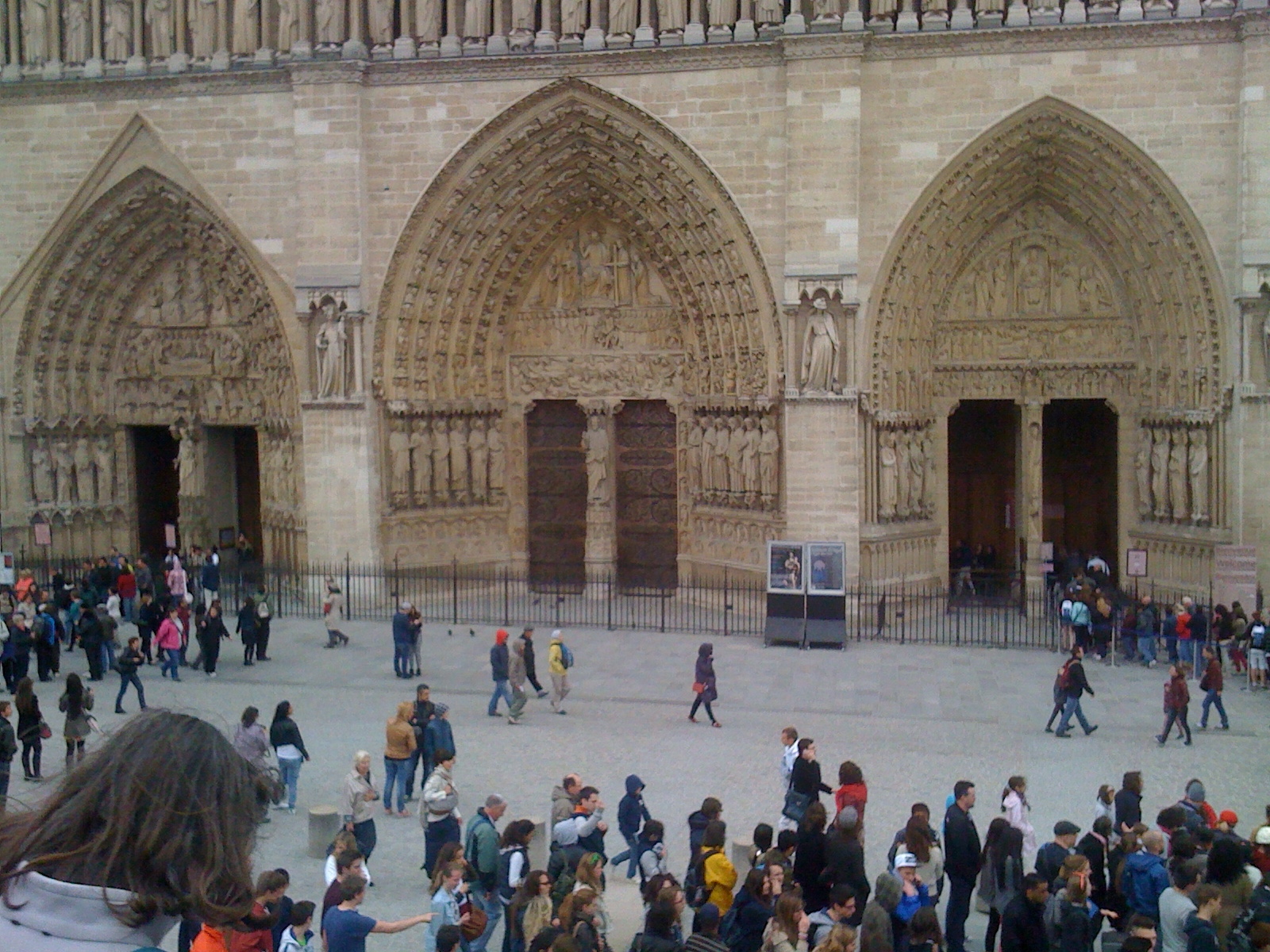
Recently, I had occasion to visit Paris.  Do you have any trouble finding the doors in the building shown?  Last year was the 850th birthday for Notre Dame.  So, having an entrance which is distinctly visible from a distance as an entrance, we would have to say is a *solved problem*, n’est pas?  Check out Pattern 110, Main Entrance, in Christopher Alexander’s A Pattern Language.

Image


A Context-setting entrance

Roar, Ocean, Roar

The Dance of Billions

Peace

The First Ring of Empathy

Travels with Sadie 1

The Walkabout Diaries: Bee Wise

Imagine All the People

Travels with Sadie 6: Find Waldo

02 Thursday Jan 2025

Posted by petersironwood in creativity, nature, pets, psychology

≈ 5 Comments

Tags

art, beauty, life, mindfulness, photography, truth

It’s kind of a fun game. “Find Waldo.”  Or, “Find the Pig in the Clouds.” And—once you find it, you typically find it immediately the next time. 

Here’s a variant that I like: “Find the Beauty.” 

The idea is simple. You go to an art gallery or a museum and it’s fairly easy to find the beauty. No big surprise there. 

Go into a natural setting and you’re often absolutely surrounded by beauty at many different levels of scale. 

Go to see a world-famous architectural achievement, and you will see beauty. 

But—you know what? There’s also beauty to be found in many ordinary and every day places and circumstances. Since you can’t always control where you are, it’s a good skill to find that beauty wherever you are. 

Today, Wendy and I took Sadie and Bailey out to one of our favorite dog-friendly restaurants. We had a very long wait. None of the four of us is high on the scale of patience. When we finally sat down, however, the dogs were very well-behaved. 

While we waited for our food to arrive, I looked around for Waldo.

He wasn’t there. In fact, no-one even had a checkered shirt on. 

So, instead, I looked around for beauty. 

As usual, I found it, at least to my eye. 

Give it a shot. You’d be surprised where you can find beauty. 

—

——————-

Author Page on Amazon

Fit in Bits suggests many ways to work more fun, variety, and exercise into daily chores. 

Corn on the Cob is an essay on mindfulness and gratitude for simple things.

Fifteen Properties begins a series of posts about the fifteen properties that architect Christopher Alexander said characterized both natural beauty and good design. 

Maybe it Needs a New Starter is a poem about the beauty that might be found even in malfunction.

Levels of Beauty is a short picture essay about how you may find beauty at different levels.

Not Long the Daze is a short poem about finding beauty.

The Jewels of November is a longer poem about how sometimes simple beauty can be obscured by flash and dazzle.

Galactic Best is a short poem about the most wonderful planet we know of.

Kinda Crazy is a short poem about how one might perceive the world.

The Puppy’s Snapping Jaws is a short poem about a beautiful sound.

First Things First is a short poem about priorities.

What Line? Is a short poem about an important decision.

Those Wild Blue Eyes

26 Thursday Sep 2024

Posted by petersironwood in nature, poetry, Walkabout Diaries

≈ Leave a comment

Tags

life, love, nature, photography, poem, poetry, walkabout

Since first I spied those wild blue eyes,

I found this world a happier place;

Saw gratitude and hope as wise; 

Stepped off the endless track of lies.

Since first I spied those wide blue eyes

No longer ran alone my race.

I dance in every day: surprise!

I found the world: A happy place.

———————

The Dance of Billions

Roar, Ocean, Roar

The Walkabout Diaries: Levels of Beauty

The Walkabout Diaries: Natural Variation

The Walkabout Diaries: Symphony

The Walkabout Diaries: Bee Wise

The Walkabout Diaries: A Now Rose is a New Rose

The Walkabout Diaries: How Beautiful and Green

The Walkabout Diaries: Life Will Find a Way

The Walkabout Diaries: Lest We Forget

The Walkabout Diaries: The Life of the Party

The Walkabout Diaries: Friends

The Walkabout Diaries: Sunset

The Walkabout Diaries: Mind Walk

The Walkabout Diaries: Racism is Absurd

The Walkabout Diaries: A Walk in the Park

The Jewels of November

The Forest

Author Page on Amazon

Galactic Best

24 Wednesday Apr 2024

Posted by petersironwood in nature, poetry, science

≈ 3 Comments

Tags

earth, life, nature, photography, poem, poetry, science, space, truth

Photo by Pixabay on Pexels.com

Once upon a time I longed,

To be an astronaut in space.

Me: flying through the galaxy.

Exploring planets, moons, and stars. 

Photo by ZCH on Pexels.com

Was boosted by the Sputnik shock. 

I read of planets hot and cold.

And watched the tale of Spock unfold.

I never tired of voyaging bold.

Photo by Pixabay on Pexels.com

Humanoids are everywhere.

Diverse: each world a universe

That some day might just come to be.

Out beyond infinity.

A lifetime’s travel in my mind

Has brought me back at last to find:

A planet ‘neath an azure dome. 

It’s blanketed with life—my home. 

Photo by Pixabay on Pexels.com

And here’s the lovely crazy cast:

A million species interact.

In ways surprising, subtle, vast

This network all a single clan.

This perfect planet filled with beauty, 

Spirals through the milky way.

My spaceship’s filled with luxury

Kaleidoscopic every day!

It is, quite simply put, the best.

And though I’ve not seen all the rest,

Each flower I see: creation swirled

A wonder whirling living world.

————————

How the Nightingale Learned to Sing

Life is a Dance

Take a Glance; Join the Dance

The Dance of Billions

Corn on the Cob

Author Page on Amazon

Critters

07 Wednesday Feb 2024

Posted by petersironwood in family, nature, Walkabout Diaries

≈ Leave a comment

Tags

animals, life, nature, photography, story, trees, truth, walk

Photo by Tom Swinnen on Pexels.com

Life on planet earth is over 4 billion years old. There are also no known “skips” in life. In other words, each generation of life, N comes from the previous generation N-1 and generates the next generation N+1. Every living thing on earth today, so far as we know, has the same unbroken line of ancestry dating back 4 billion years. We all share ancestors. 

Vertebrates appeared about 500 million years ago. This means that we humans share 7/8 of our heritage with every living fish, bird, reptile, amphibian, and mammal. Indeed, fish have a heart, a brain; they mate; they eat; they have blood; they move; they learn. They flee danger. If someplace is a good source of food, they hang out there. 

Early humans must have intuited that they were very like (as well as somewhat unlike) other animals. Otherwise, they would not have learned how to track them and hunt them, let alone train them. In the last few hundred years, however, we have learned much more about how similar we are to other animals anatomically, physiologically, and behaviorally. 

If you’re interested in delving a little more deeply into the science, I recommend the books by Stephen Jay Gould. https://en.wikipedia.org/wiki/Stephen_Jay_Gould

I happen to think this branch of science is fascinating. 

But it’s more than that. To me, it’s also heart-warming. It’s comforting in many ways. 

First of all, I am in awe of our extended family. Life has survived for over four billion years! It hasn’t just survived; it has evolved in a million different directions. Our family includes trees that live thousands of years and grow hundreds of feet tall. Our family includes animals and plants too small to be seen by the naked eye; birds that migrate thousands of miles; whales that weigh 300,000 pounds.  

Second, it is comforting to me to know that the Tree of Life is secure against the short-sighted greed of a small number of humans. Ecological disaster, atomic war, pandemics are certainly damaging human life and comfort as well as destroying whole species. But the Tree of Life is vast and more importantly, incredibly diverse. The self-destruction of humanity is possible and would be incredibly sad. But the Tree of Life? We won’t destroy that. 

Third, it is comforting to see, hear, and interact with the biome. The way that life interacts with other life is beautiful to observe. I view it as a drama, a symphony, a tapestry, all rolled into one. When I go for a walk, I walk through life; I walk through my family; I walk through a work of art and become reminded that I am one with it. 

Birth and death become the same: turning a page in a marvelous and endless story. That’s not to trivialize or belittle it. Turing the page of a story is actually a big deal! Pages make chapters. And chapters make books. 

Happy reading.

—————

Author Page on Amazon

Math Class: Who are you?

The Walkabout Diaries

The Walkabout Diaries

Author Page on Amazon

The Walkabout Diaries

The Walkabout Diaries

The Walkabout Diaries

The Walkabout Diaries

The Walkabout Diaries

A Cat’s a Cat and That’s That

The Forest

The Dance of Billions

← Older posts

Subscribe

  • Entries (RSS)
  • Comments (RSS)

Archives

  • January 2026
  • December 2025
  • November 2025
  • October 2025
  • September 2025
  • August 2025
  • July 2025
  • June 2025
  • May 2025
  • April 2025
  • March 2025
  • February 2025
  • January 2025
  • December 2024
  • November 2024
  • October 2024
  • September 2024
  • July 2024
  • April 2024
  • March 2024
  • February 2024
  • January 2024
  • December 2023
  • August 2023
  • July 2023
  • May 2023
  • April 2023
  • March 2023
  • February 2023
  • January 2023
  • December 2022
  • November 2022
  • October 2022
  • September 2022
  • August 2022
  • July 2022
  • June 2022
  • May 2022
  • April 2022
  • March 2022
  • February 2022
  • January 2022
  • December 2021
  • November 2021
  • October 2021
  • September 2021
  • August 2021
  • July 2021
  • June 2021
  • May 2021
  • April 2021
  • March 2021
  • February 2021
  • January 2021
  • December 2020
  • November 2020
  • October 2020
  • September 2020
  • August 2020
  • July 2020
  • June 2020
  • May 2020
  • April 2020
  • March 2020
  • February 2020
  • January 2020
  • December 2019
  • November 2019
  • October 2019
  • September 2019
  • August 2019
  • July 2019
  • June 2019
  • May 2019
  • April 2019
  • March 2019
  • February 2019
  • January 2019
  • December 2018
  • November 2018
  • October 2018
  • September 2018
  • August 2018
  • July 2018
  • June 2018
  • May 2018
  • April 2018
  • March 2018
  • February 2018
  • January 2018
  • December 2017
  • November 2017
  • October 2017
  • September 2017
  • August 2017
  • July 2017
  • June 2017
  • May 2017
  • April 2017
  • March 2017
  • February 2017
  • January 2017
  • December 2016
  • November 2016
  • October 2016
  • September 2016
  • August 2016
  • July 2016
  • June 2016
  • May 2016
  • April 2016
  • March 2016
  • February 2016
  • January 2016
  • December 2015
  • November 2015
  • October 2015
  • September 2015
  • August 2015
  • May 2015
  • January 2015
  • July 2014
  • January 2014
  • December 2013
  • November 2013

Categories

  • AI
  • America
  • apocalypse
  • cats
  • COVID-19
  • creativity
  • design rationale
  • driverless cars
  • essay
  • family
  • fantasy
  • fiction
  • HCI
  • health
  • management
  • nature
  • pets
  • poetry
  • politics
  • psychology
  • Sadie
  • satire
  • science
  • sports
  • story
  • The Singularity
  • Travel
  • Uncategorized
  • user experience
  • Veritas
  • Walkabout Diaries

Meta

  • Create account
  • Log in

Blog at WordPress.com.

  • Subscribe Subscribed
    • petersironwood
    • Join 661 other subscribers
    • Already have a WordPress.com account? Log in now.
    • petersironwood
    • Subscribe Subscribed
    • Sign up
    • Log in
    • Report this content
    • View site in Reader
    • Manage subscriptions
    • Collapse this bar
 

Loading Comments...