The Winning Weekend Warrior focuses on the mental game for all sports using examples from tennis, golf, baseball, and other sports. It covers self-talk, imagery, mental practice, strategy, tactics, & sportsmanship. http://tinyurl.com/ng2heq3
Turing’s Nightmares explores the implications and ethics of Artificial Intelligence through fictional short stories. http://tinyurl.com/hz6dg2d
Fit in Bits shows many ways to put more fun, variety, & exercise into daily chores and habits to help with strength, flexibility, fitness, and balance. http://tinyurl.com/h6c7fce
Tales from an American Childhood recounts early experiences mainly in the American Midwest in the 1950’s and relates them to contemporary issues and events. https://tinyurl.com/y9ajvz9j
Dream Planet. Where do you run when the whole world is crumbling under the weight of human folly? When the lethal Conformers invade 22nd century Pittsburgh, escape becomes the top priority for lovebird scavengers Alex and Eva.
(I first published an earlier draft of Ah Wilderness in Peng Poets e-zine, summer 1997. I’m nearly finished with the highly recommended book, The Overstory, and so I decided to take another look at the poem and then extended it with the dissolution of form of the poem meant to mirror the dissolution of our society moving at last into prose but then, hopeful with the seed of form returning. I realize poetry is not everyone’s cup of tea. One reason I like it is that its dancing always on that same razor edge where life itself does its dance: chaos and regularity; change and stability).
The words may well connote a false un-blurring
A fear, a chill — not from frozen stone alone
Or lake wind’s sweep; but from the urgent stirring
Of some soul still hiding restless in our bone.
Curse not the thorns of tasty blackish berry;
They keep fruit safe from claws less clever.
Curse not how swift the prey, how very wary;
They shaped our brain; & helped us know forever.
Curse not the winter’s churlish wind unkind
Or burning hot dry summer’s cinnamon sun.
They invented beautiful raiment through our mind
And taught us numbers soaring far beyond one.
Curse not the change of season; or the suddenly sliding slope –
Unpredictable now and in the future as ever always
They make us search for patterns far beyond our scope of grope.
Ah Wilderness!
You are me as seen in Darwin’s mirror of minutes and hours,
And days of ways taken and untaken & lead us here at last.
We strive to take it all and make it all, all ours, all ours!
Churning every fragrant flower and pine to dust,
We must! We lust! We must! We lust!
We don’t have time for this and that.
Life is what works!Life is constant change and innovation. But it’s been working for over four billion years! Look around you! It not only works! It’s marvelous! Machines don’t smell like that. Machines don’t look so beautiful as that. Machines don’t sound as melodious. Machines may be used to magnify malicious malignities if we let them.
Life is cooperative and interconnected and everywhere at once dancing on a razor’s edge between chaos and regularity. Machines are built to be efficient and effective and just tolerably presentable enough to be purchased — purchased by people who typically do not have to deal with the machine day in and day out. What do they care whether the machine is loud or smells bad or ruins your hands or explodes every so often or pollutes whole towns or scares away all the birds or kills every fish in the stream and every frog and that more trees will have to be cut down to feed it and more land raped to oil it?
Life is the invention of Love yet Loverequires Life. (Maybe that’s why Love created Life; so it would have a way to express itself). Machines can be built to help save lives. Other machines are designed to kill lives. A machine that’s designed to kill lives never decides, “You know what? I never signed up to shoot peaceful protestors. That sucks and it’s anti-American. I quit.” At best, machines are amoral.
What to think of people who want to destroy life and replace it with a strict unmoving hierarchy with a life-hating king at the top? Don’t they see that they would not truly be alive in such an arrangement? They would not “decide” or “dream” or “change” or “love” or anything else without the permission of someone or some rule who knows nothing about how they really feel. And doesn’t care. Do you?
To destroy all wilderness means humanity would be signing its own death warrant.
The attempt to replace life, which we know works, with machine will eventually fail and fall and take damn near all of humanity with it over that cliff of ever-lasting greed.
Ah, Wilderness.
Wilderness is wildness indeed.
A single seed may green our land again
Laying waste to the wasteland that is the gray machine
It will take time,
But life is patient like a theme, a meme
Life is sly and by and by
Like a long awaited rhyme
Will catch the drift
Heal the rift
And someday not soon
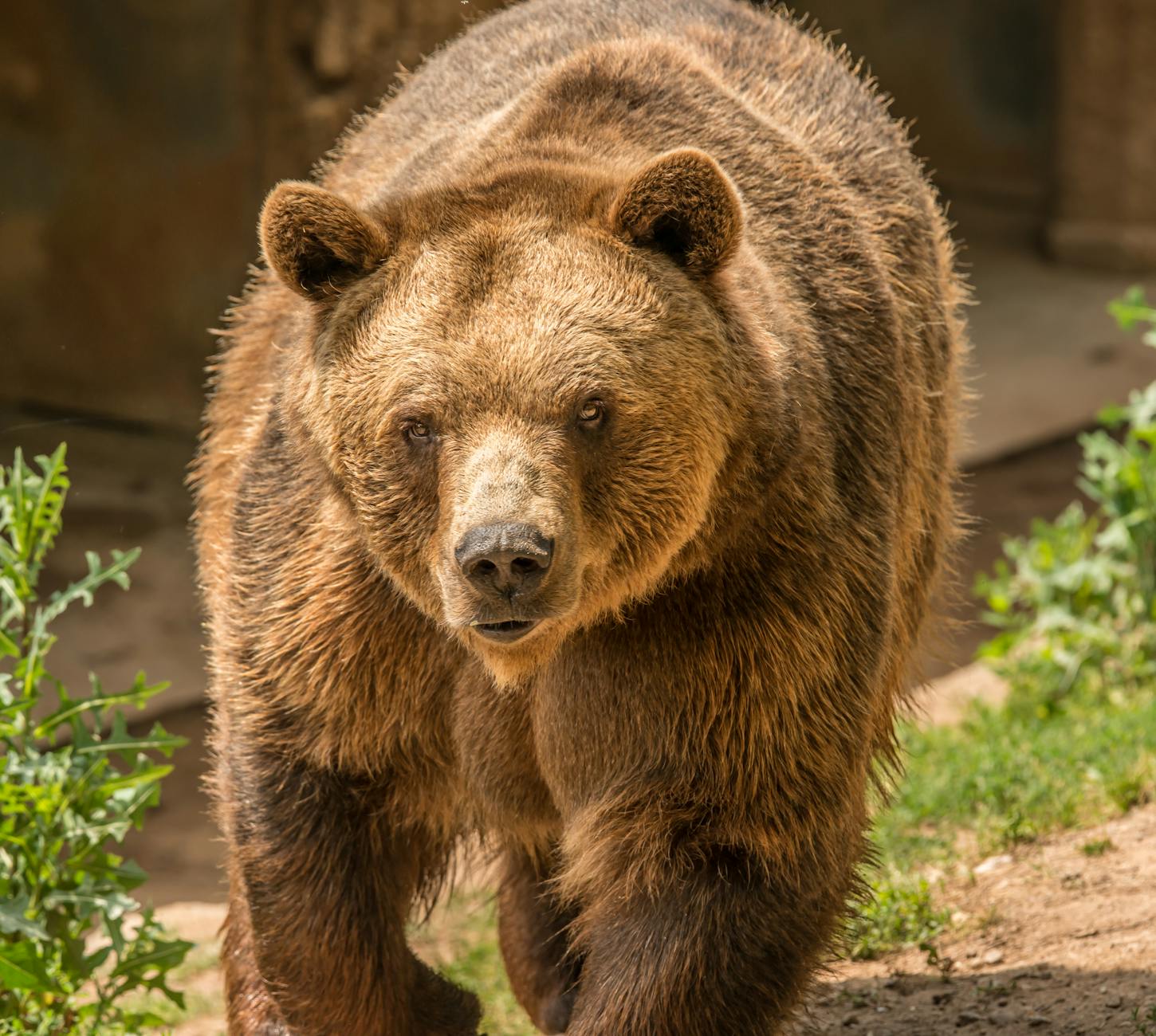
A wolfish thing again will howl the moon
A treelike thing again will drink monsoon
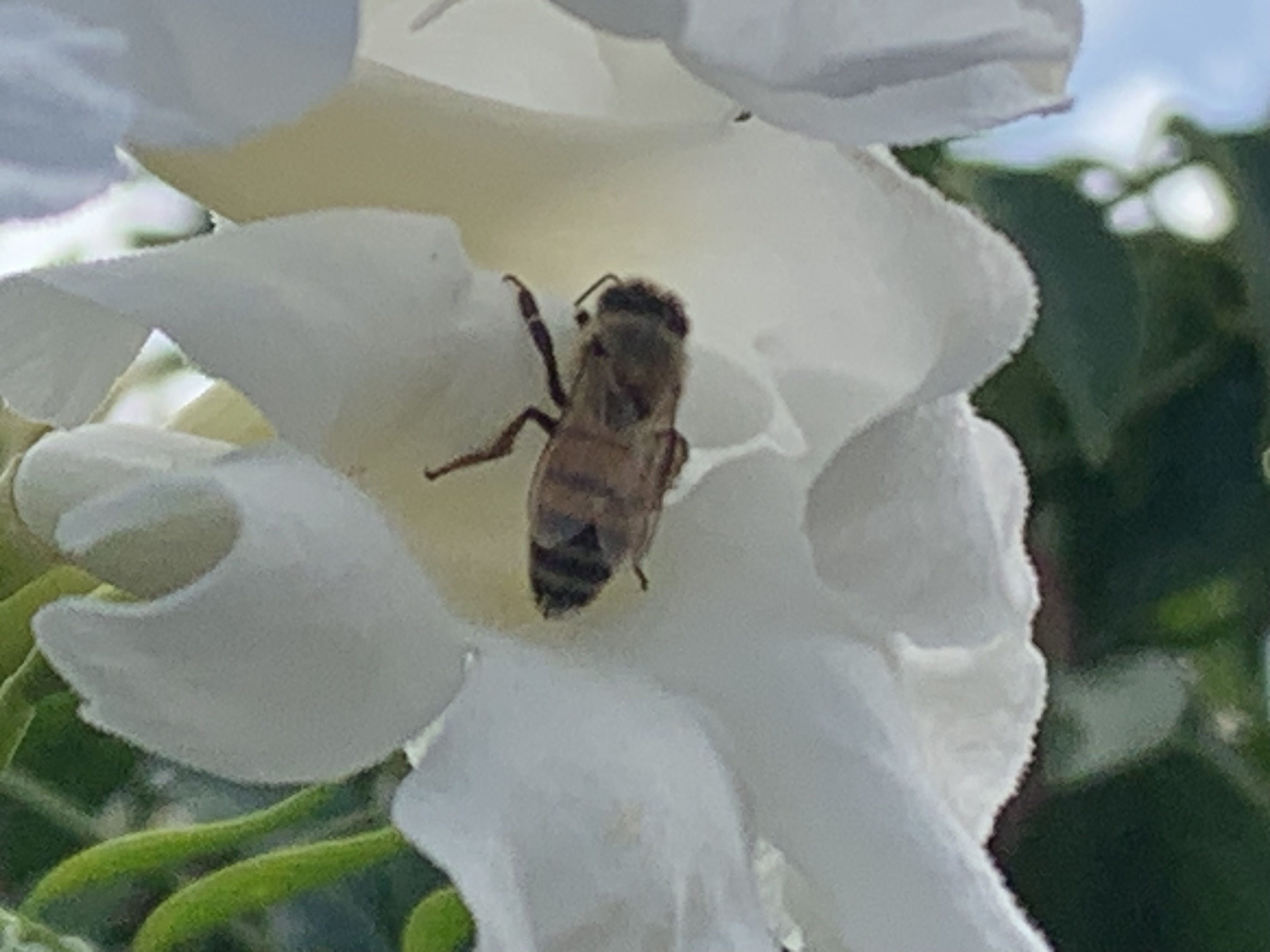
Some bee-ish beings will buzz and sting
But here’s the thing:
Why wait for all those rusting, crusting thrusts of greed?
Here’s a hint for having a happy 2026–or, at least one happier than it would otherwise be.
Your happiness actually depends more on how much you love than on how much you are loved. That turns out to be a wonderful thing because you have much more control over how much you love than you do over how much you are loved by others. You need not limit your love to your immediate family. You can love all the fish in the sea; every bird in a tree; every living thing on earth–all of which are in our extended family.
I thought it might be useful for reviewing 2025 for readers to have an index in one place. For instance, something happens or you read something on-line and you think, “Oh, I read something relevant to this on the Peter S. Ironwood blog. Now, what was it called?” Well, this should help.
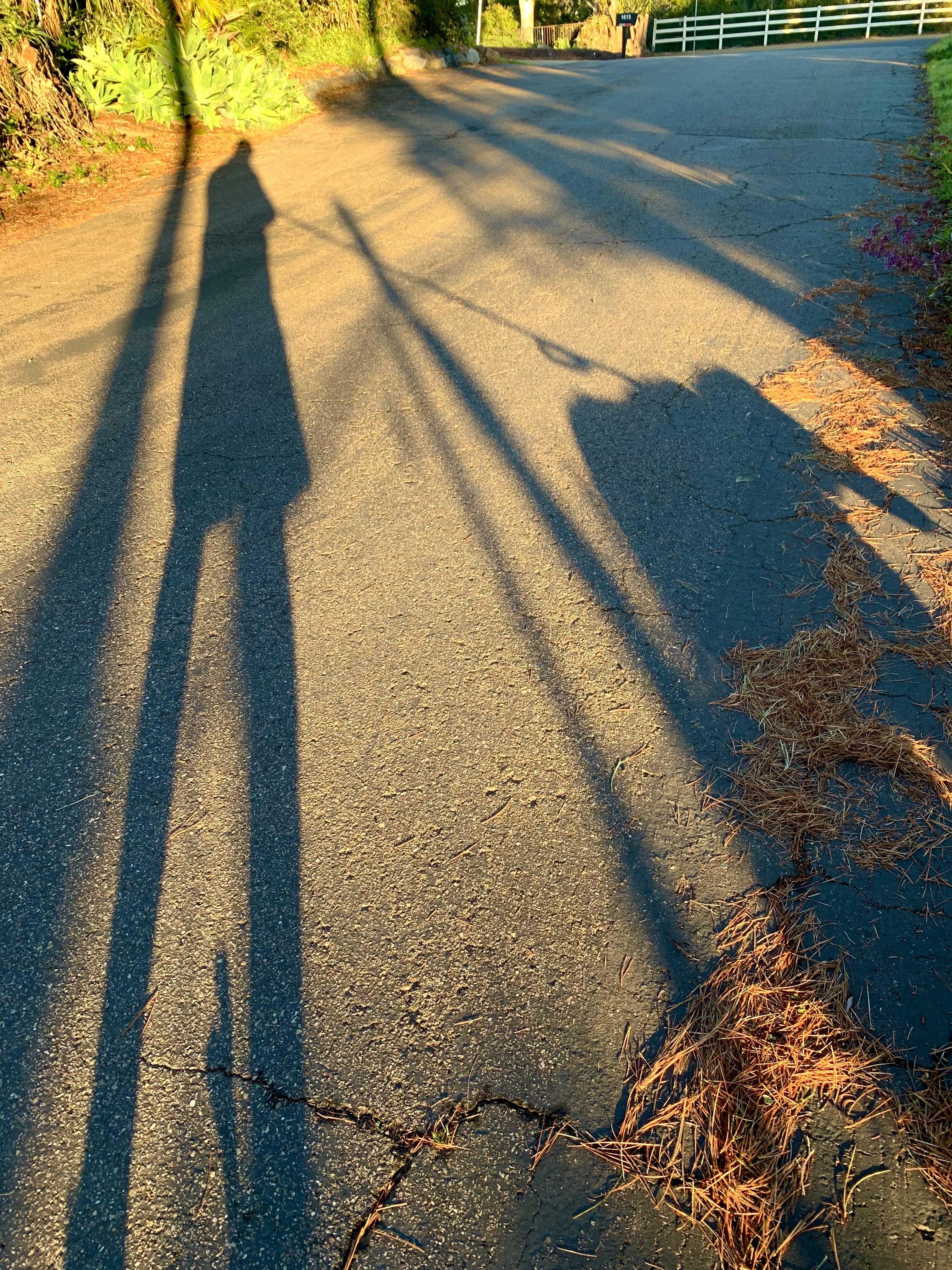
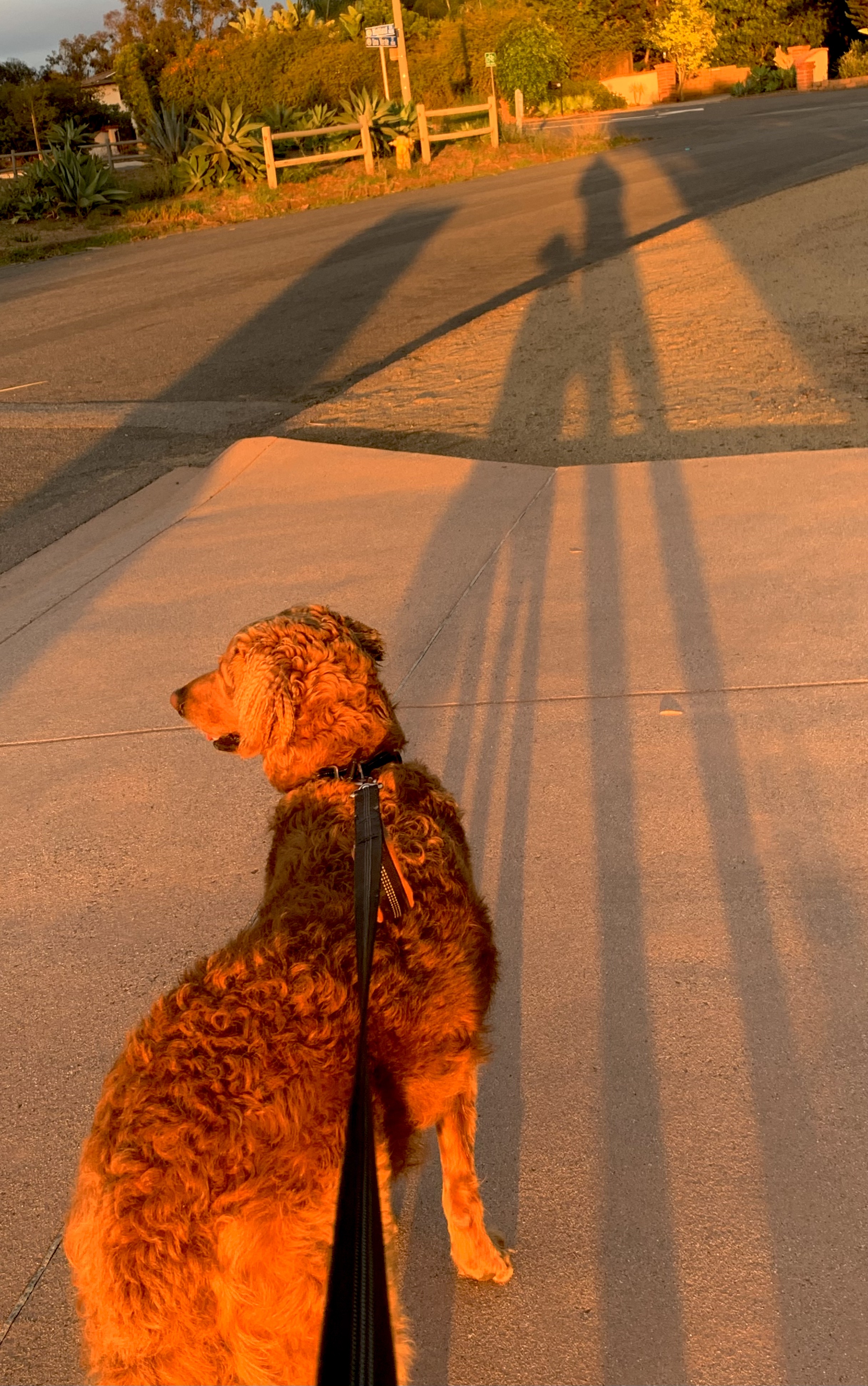
January 1, 2025 began with a blog post about one of our Golden Doodles named Sadie. I take her for a walk every morning and sometimes write about it. Here are some posts about Sadie.
During 2025, I found myself writing a number of poems. Many, but not all, were in response to the destruction of America that’s being directed by Putin.
Aside from poetry, I also wrote a number of satirical pieces.
FaceGook explores how the value of social media is mainly created by the participants. Of course, the participants don’t get paid. The companies that own the media do.
Tomorrow’s Dinner is a satire on how the media normalize what is not at all normal.
Turing’s Nightmares is a book of 23 Sci-Fi short stories that examine the future and the ethics of Artificial Intelligence. It’s available on Amazon, but you can also read the chapters in October, 2025 blog posts and commentary on the chapters in November blog posts.
November 28th, I began recounting a series of experiences illustrating the importance of problem formulation.