• About PeterSIronwood

petersironwood

~ Finding, formulating and solving life's frustrations.

petersironwood

Category Archives: politics

11. Roughness

24 Thursday Sep 2026

Posted by petersironwood in creativity, design rationale, essay, HCI, leadership, management, nature, politics, psychology, Uncategorized, user experience

≈ Leave a comment

Tags

adaptation, architecture, art, beauty, Design, evolution, HCI, human_factors, leadership, organizations, psychology, Roughness, TNOO, UI, usability, user experience, UX, writing

Roughness

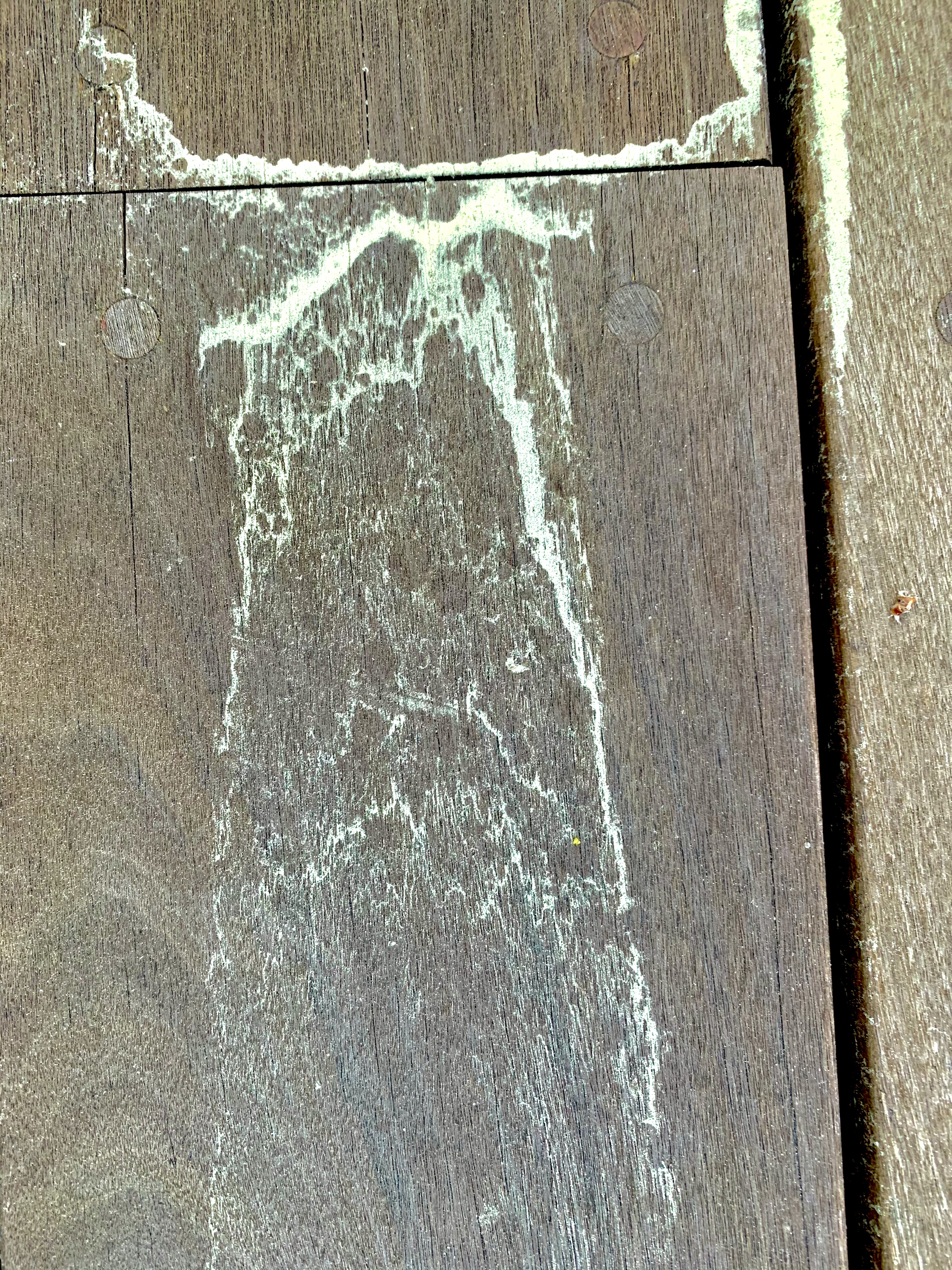
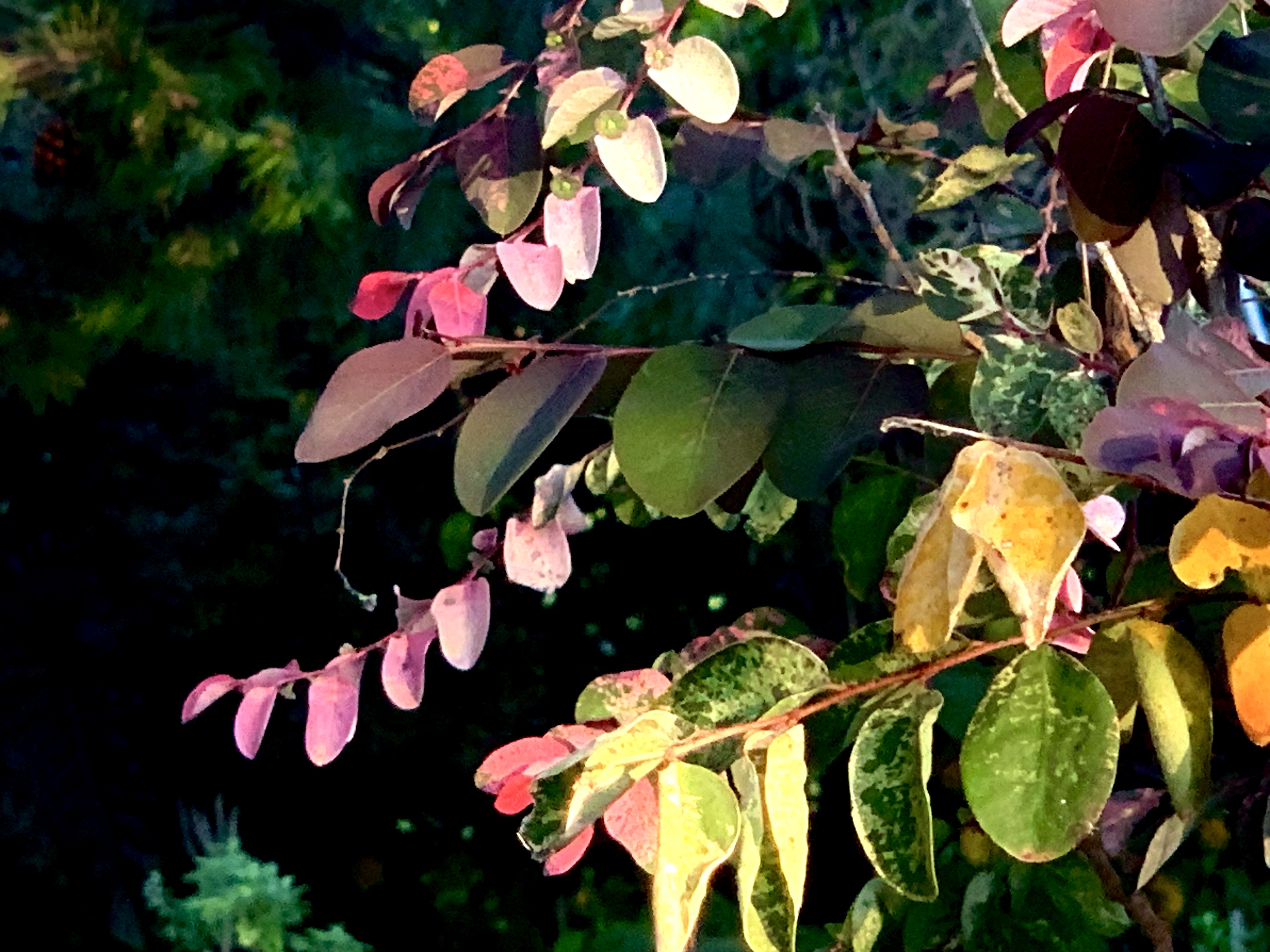
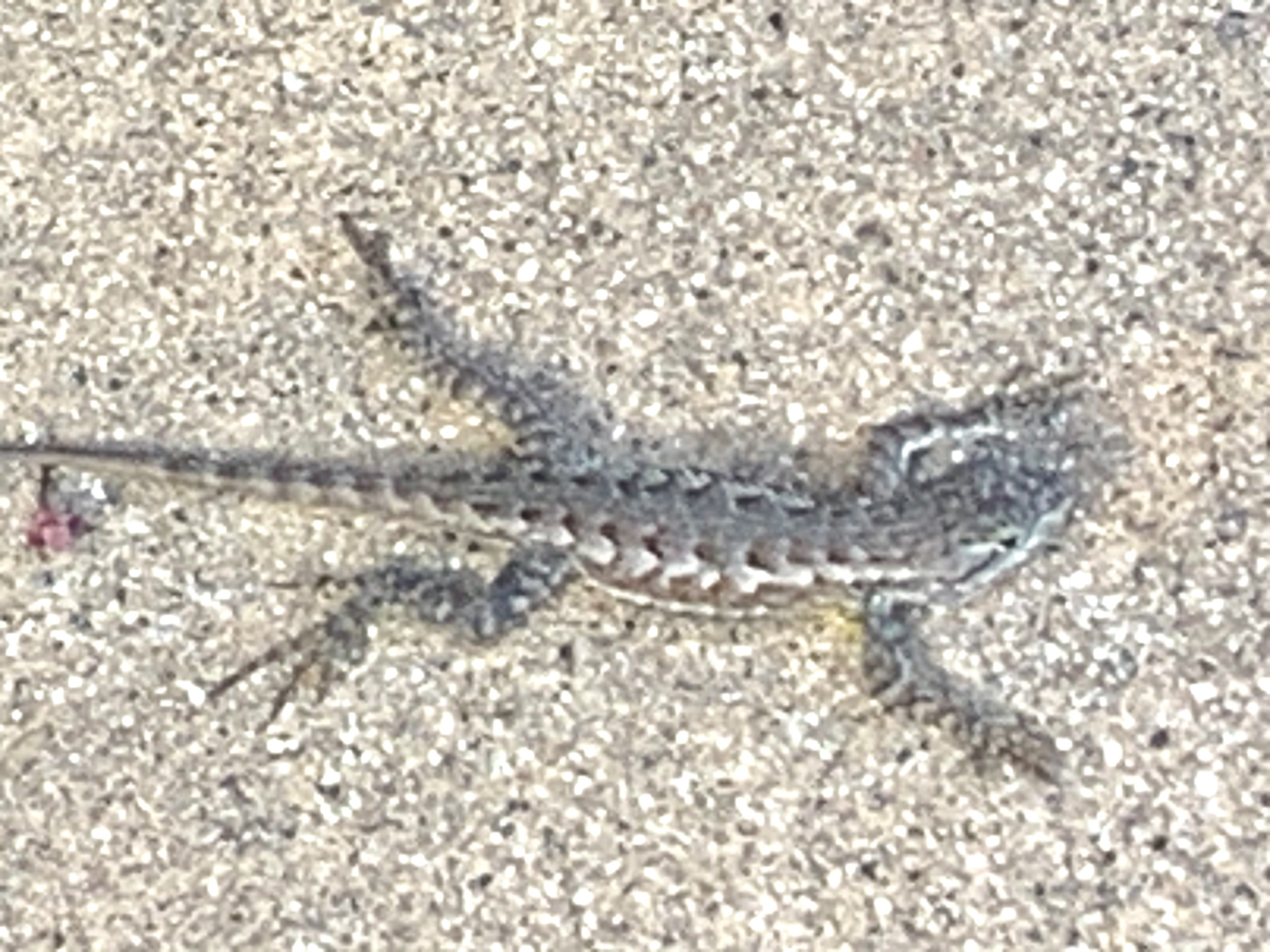
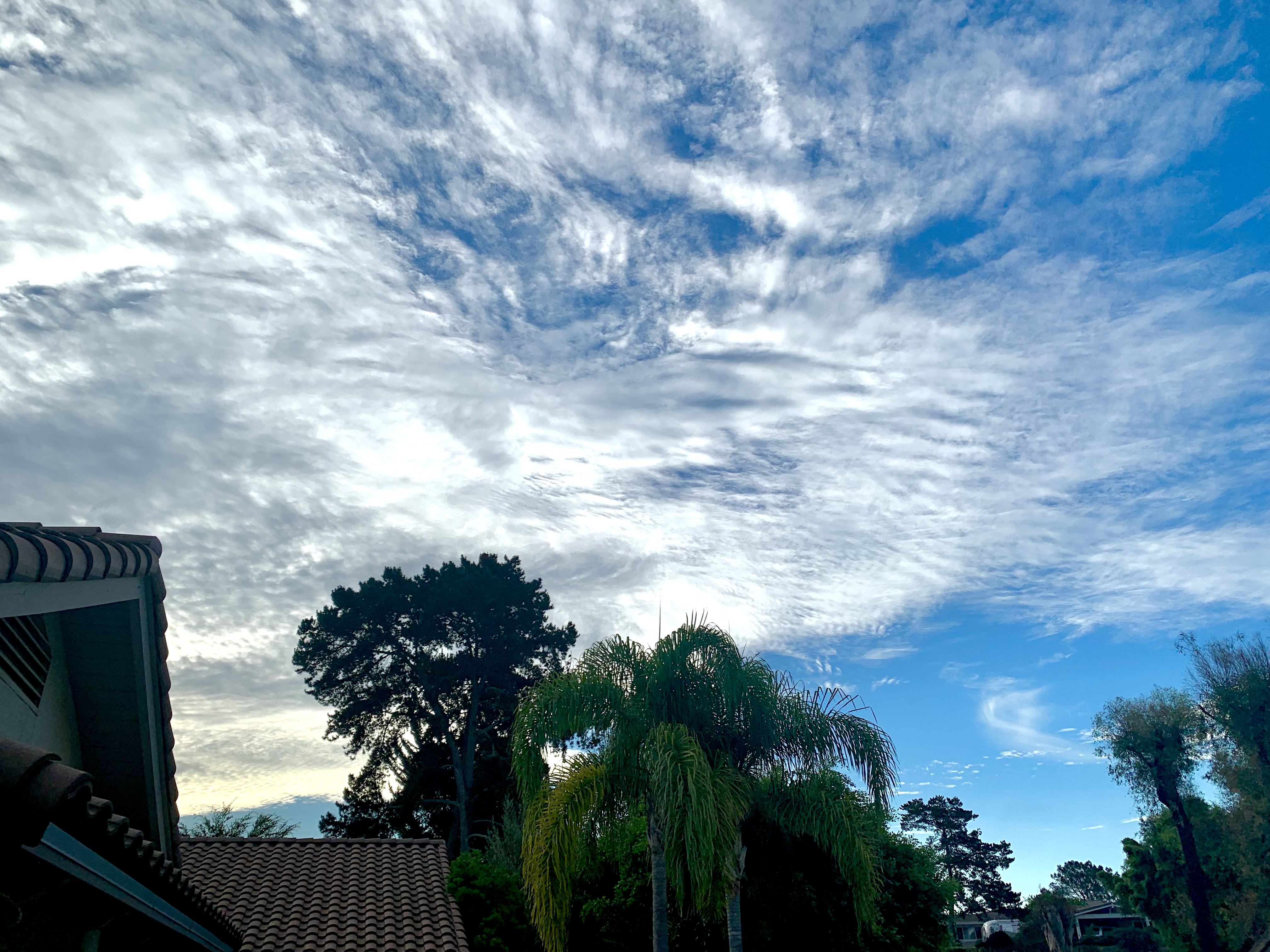
Materials and organisms in the natural world such as wood, rock, clouds, reeds, water, animals, and plants exhibit a degree of roughness. By contrast, mass production ideally produces items that are identical and “sharp” or “smooth” at the boundaries. 

Think of the difference between a hand-thrown pot and a cup that is mass produced. Think of the difference between a cottage made of stone and a house made of prefabricated walls. Think of a path with flagstones and gravel versus a “sidewalk.” 

A rough path may mean it takes you longer to reach your goal. It may also make the entire journey more enlightening and enjoyable.

Perhaps because our ancestors evolved in a natural world for billions of years, we sense that roughness connotes something natural. To me, the property of “roughness” evokes beauty and comfort while perfectly straight lines and rectangles makes me feel as though I am in, and perhaps imprisoned in, a purposefully constructed space. Someone who builds a tower of stones or wooden blocks must be mindful of the whole. Tiny to moderate variations in size, angle and texture mean the constructor must pay careful attention. No two constructions are identical. By contrast, if you and I were to build a plastic rectangular lego tower of a specified size out of specified blocks, the results would be indistinguishable. It is much like cursive script versus printing. It is much like making a stew from scratch versus heating up a TV dinner. 
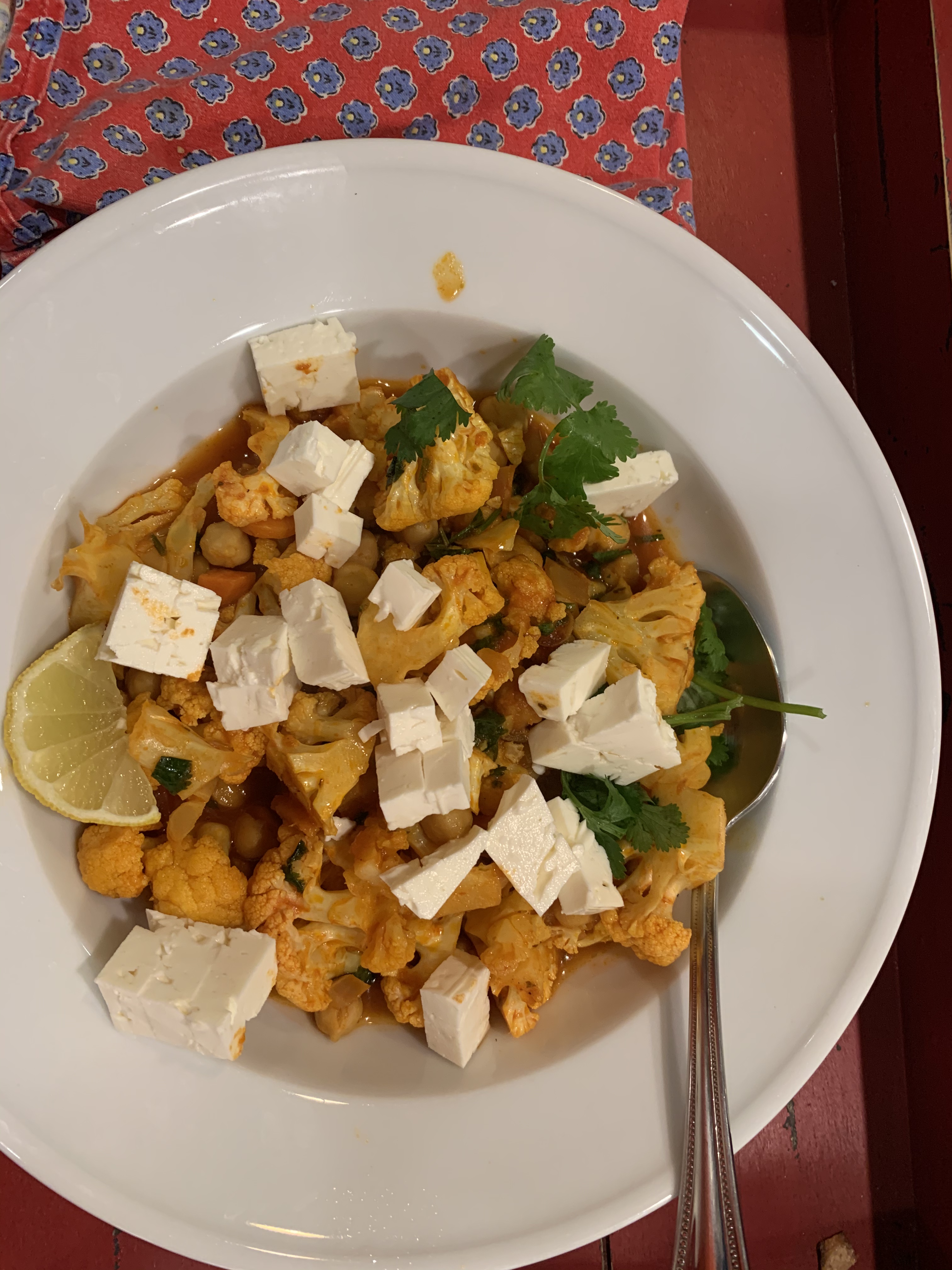
An old house is prone to crumbling, leaks, misalignments, idiosyncrasies, and cracks. If we allow the house to go completely to ruin, it becomes impractical or at least quite inconvenient to live in. On the other hand, a little bit of roughness gives the abode more character. Since glass is actually a fluid, old windows begin to “flow” slightly introducing irregularities in the glass and therefore in what is seen through the glass. A new window, on the other hand, it typically “perfect” and therefore somewhat boring. 

As a driveway ages, the effect of nearby life and natural forces begins to produce small cracks. These make the surface more interesting visually. It also requires someone walking to pay more attention to where they are stepping; that is, to be more in the moment. Such cracks encourage further incursions by living forms. 

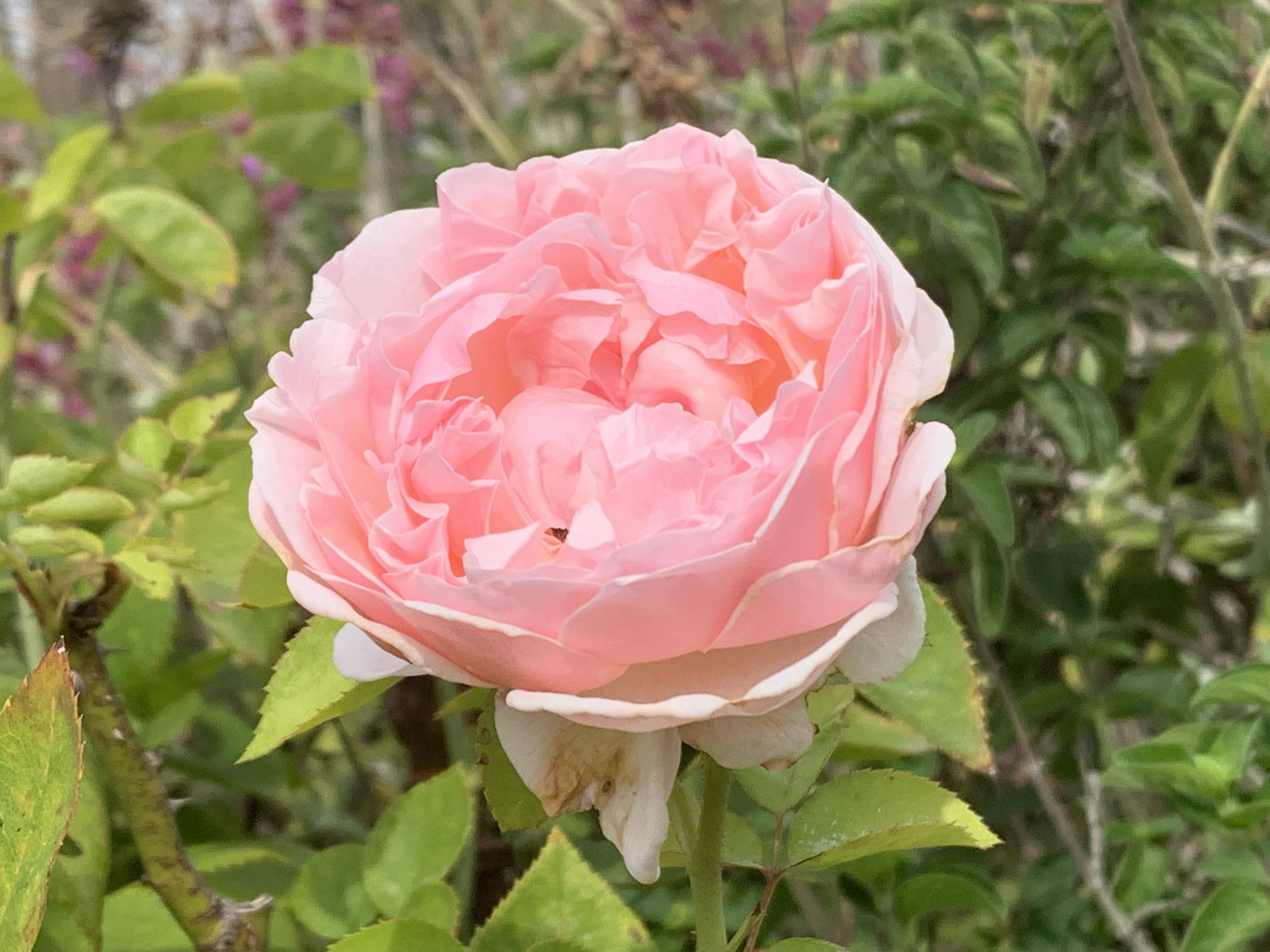
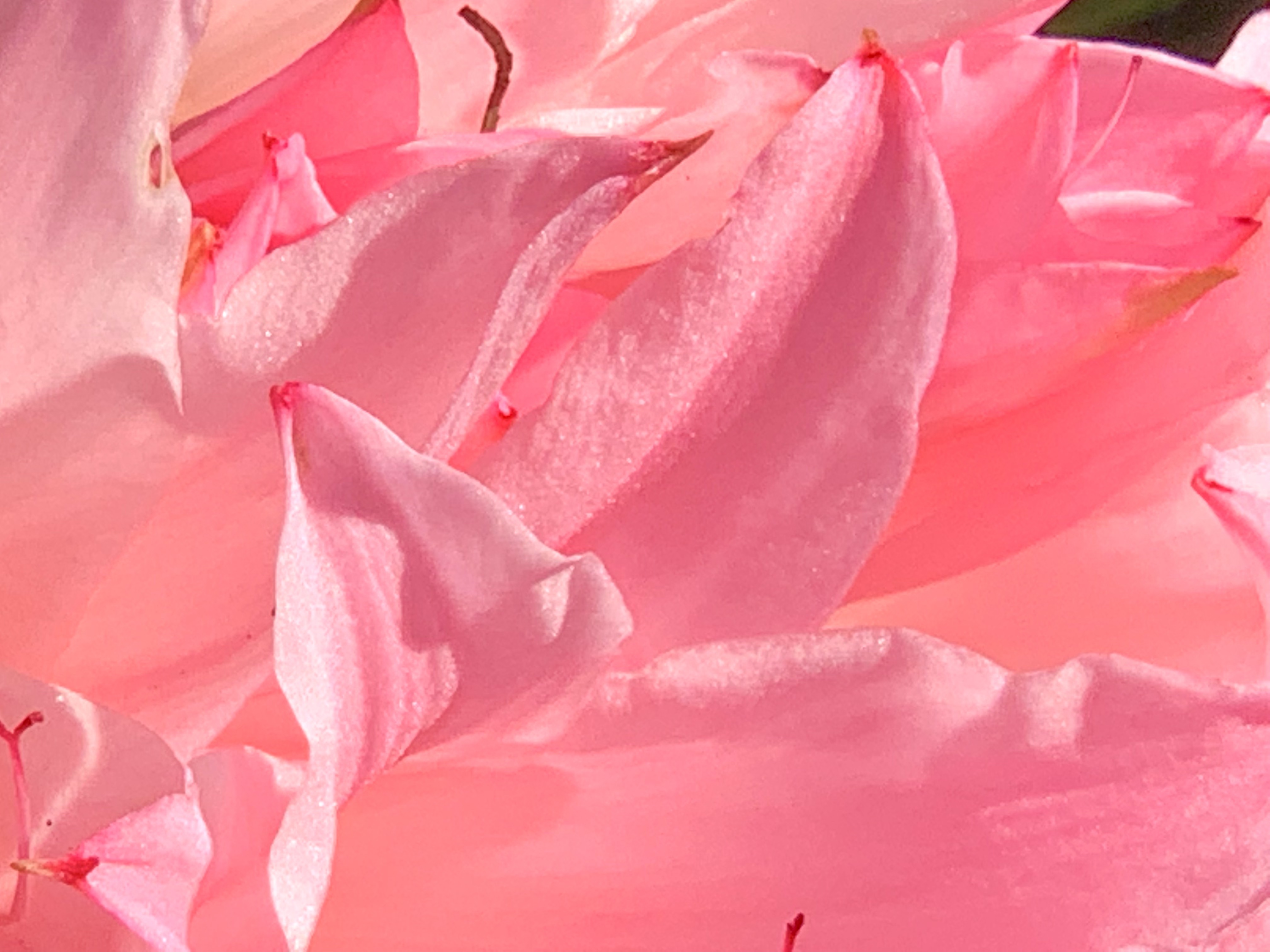
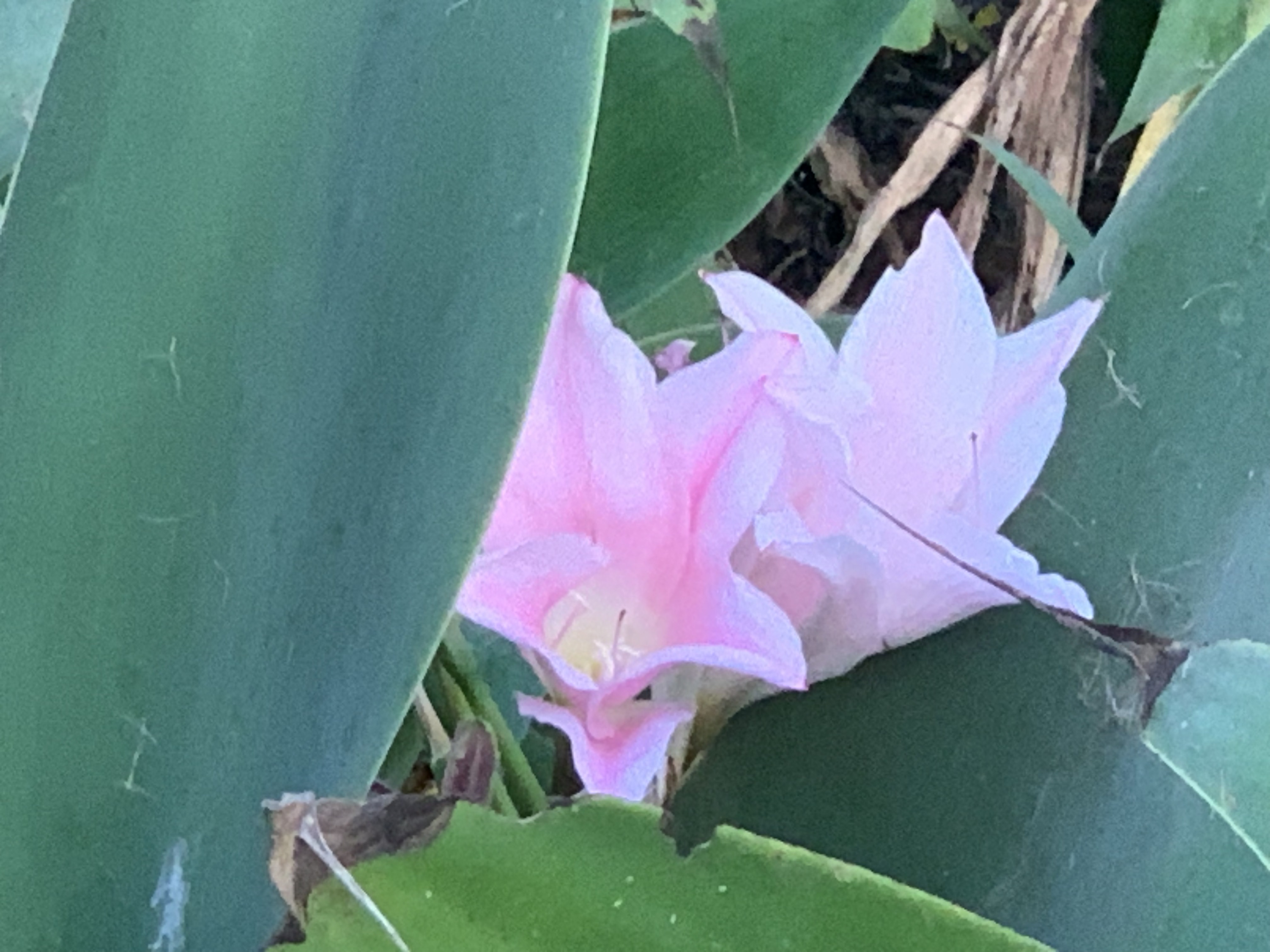
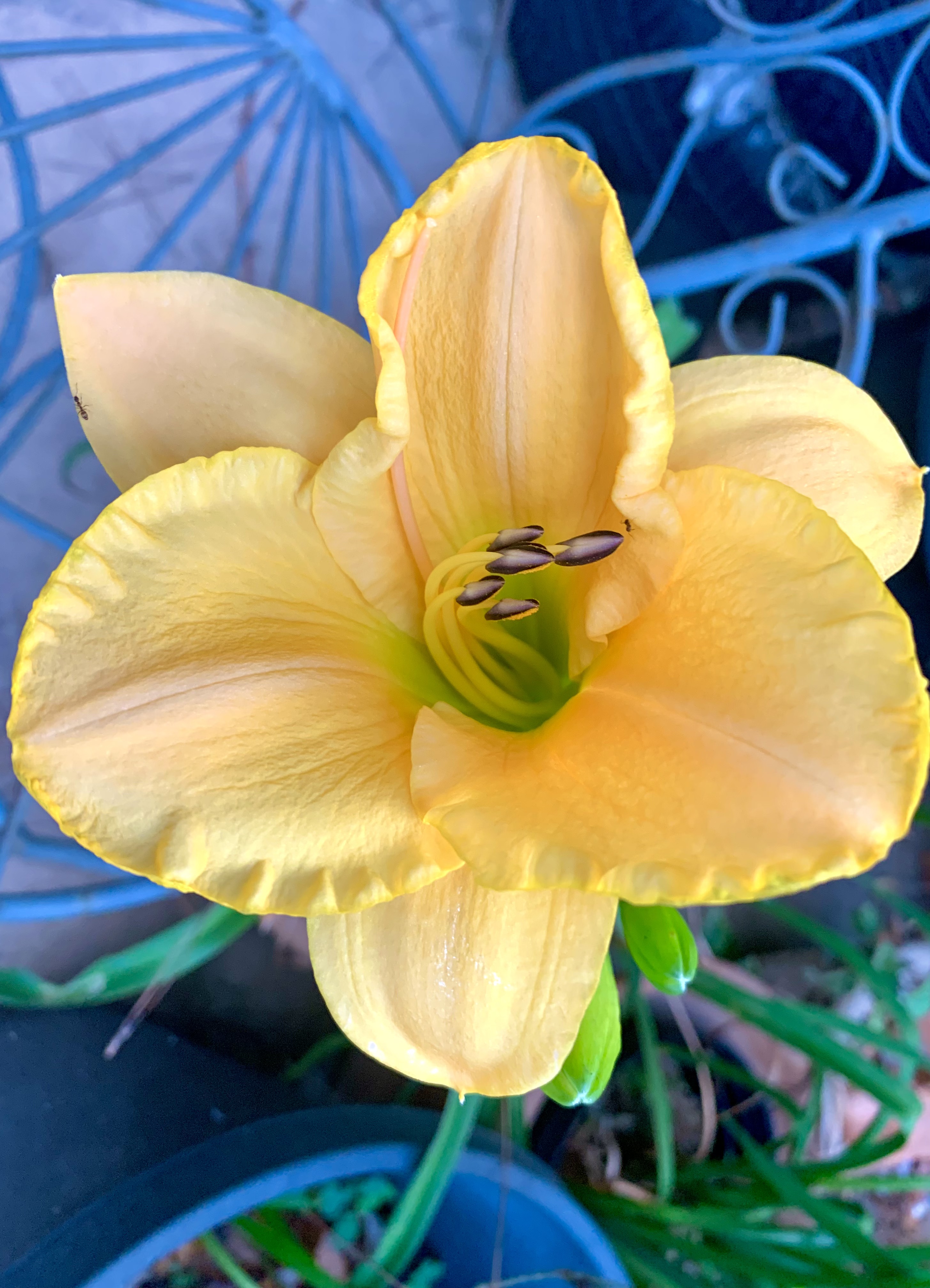
Flowers often exhibit beautiful symmetry. The symmetry, to me, is made more beautiful because of slight variations in the size, angle and color of the individual petals. If instead, you imagine a mathematically perfect flower in which there is zero perceptible difference in the size, angle and color of the petals, do you feel that is more beautiful? Does it make you feel more comfortable? 

I don’t mind that your keyboard may be identical to mine (although probably not quite because my ‘N’ key and ‘A’ key are completely illegible and the ‘E’ key nearly so). I use the computer as a tool. Sometimes, it is used to produce art of one sort or another. But if the art that everyone produced were as much the same as the keyboards, it would seem sterile, non-living, mechanical. A brand new chair will hopefully be evenly painted and the upholstery will be unworn. Over time, the paint will begin to chip and the upholstery will be threadbare and potentially stained in places. 

We have been taught to see such things as flaws, defects, and imperfections. But are they? At some point, the “ravages of time” (or, more accurately, perhaps, the “ravages of entropy”) can make things less than ideally functional. For instance, your tires wear over time and, while they may look more interesting, overly worn tires are a safety hazard for you, for your passengers, and for everyone else on or near the road. 

Similarly, if you must undergo surgery, there’s a good reason for your surgeon to use a machine-tooled scalpel with a “perfect” edge. Railroad cars and railroad tracks that were too diverse from each other might look more interesting, but they would be less safe. 

In many cases, however, roughness does not negatively impact functionality. Roughness looks better without negatively impacting functionality. A chair, baseball glove, or pair of shoes that is slightly worn still works. Perhaps it even works better. A new baseball mitt or pair of shoes needs to be “broken in” for optimal use.

Roughness in the body of a living thing often allows local adaptation. The muscles in your body, for example, are not of a “pre-specified” and precise size. If you exercise a muscle, it will get stronger and grow larger. That allows your body to adapt to your circumstances. Your skin is also capable of growing stronger in places where it needs to be. Your bones grow stronger if they are required to bear a greater load. 

Roughness also exists across individuals within a species. Unlike items that come off the assembly line, items that come from life have slight variations from each other. Some seeds are smaller; some are larger; some are stickier; some are smoother. In some cases, these differences will have no impact on the viability of the seed. But sometimes they might. Life is always trying little “experiments” of small variations to see whether one might be better than another. And, by the way, that is not some minor feature of life: in many ways, that is life: the balance between repetition and variation. 
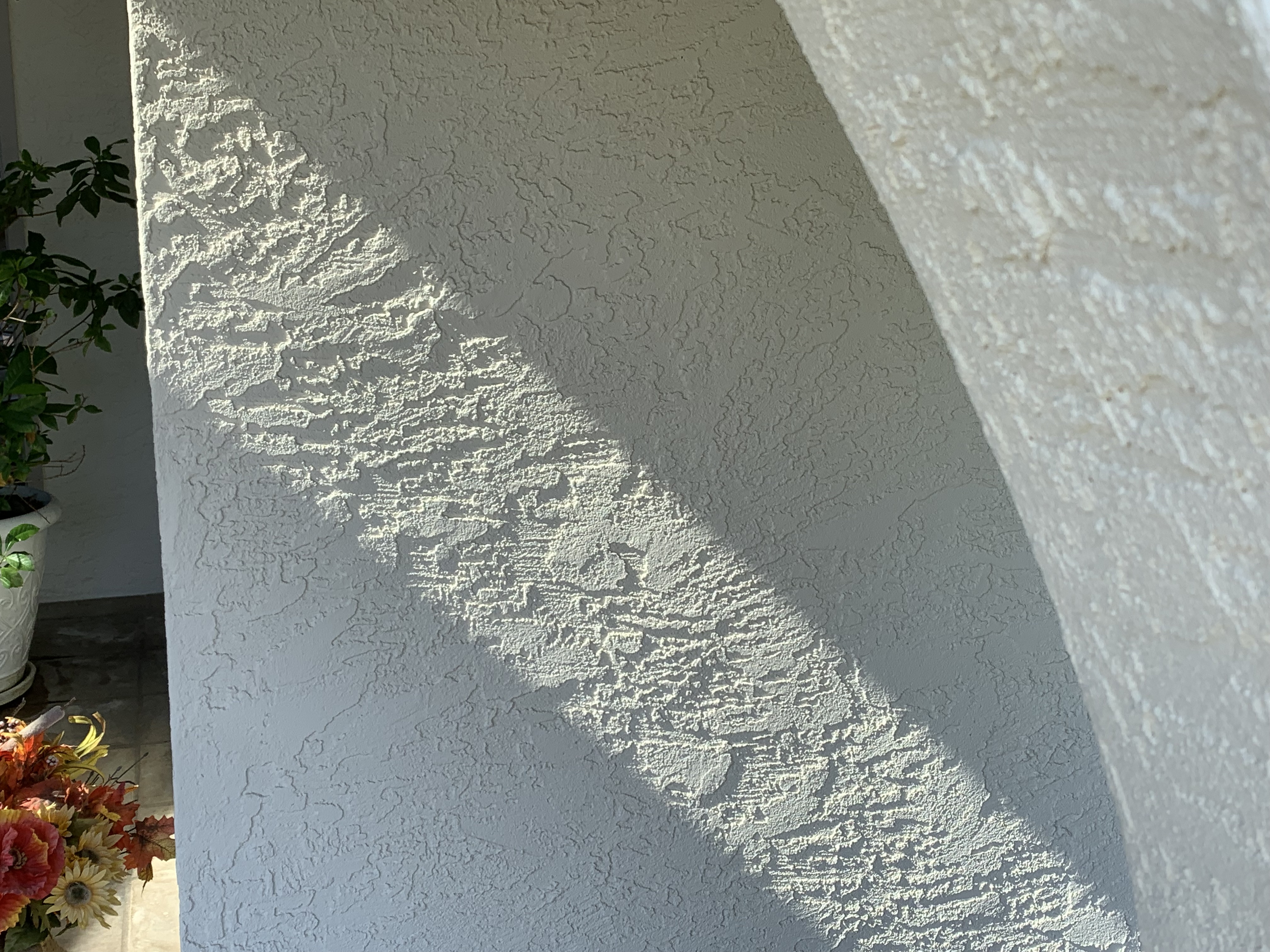
To me, the roughness of stucco adds to its beauty.

It’s ironic that our minds, which sprung from this balance, often strive for imbalance. To make things “simpler” we like to over-regularize and over-specify. Sometimes, you can go a rather long ways in one particular direction if you take such a drastic step. But if you’ve miscalculated in any way, or if your data were inaccurate, or if conditions changed after your data were collected, you’ll be stuck speeding down a railroad track toward what is now obvious disaster. Trying to impose an absolute pre-specification of action that actually works for every set of circumstances is impossible. To achieve something like it, people sometimes ignore the complexities (the roughness) in real life, and throw things into a small number of buckets. Making decisions on the basis of what bucket something is in, is a lot like judging a book by its cover. Such a process takes things which are, in fact, rough and treats them as though they were mathematically perfect.

Because of the “roughness” of circumstances, many societies have found that putting in place the human judgement of many with countervailing interests often works best. In America, for instance, there are three branches of federal government. The judge conducts a trial, with different people advocating for the two sides. In many cases, a jury of twelve decides guilt or innocence. 

Living systems are robust to various changes in circumstances. A conventional car engine, for instance, is designed to use gasoline or diesel. Put in the wrong fuel and you might ruin the engine. But what about a human being? You can use a tremendous number of different kinds of fuel in the form of food. This is just one of the many millions of ways that various life forms show resilience and robustness. Because life endlessly plays; because it exhibits roughness; because it is diverse; because of this, it adapts and it evolves. 

Meanwhile, as we look at things, we feel intuitively that “Roughness” is conducive to life and is also one of the quintessential aspects of life.  

“One could do worse than be a swinger of birches.” — Robert Frost, Birches

If you have ever swung on birches, or tried to climb any other kind of tree, you know that each is shaped and branched a little differently. From the ground, it’s easy to glance at a tree and think the branches are all basically the same. They are not. And if you are a kid who actually spends a lot of time climbing trees (as I once did), you pay attention to the peculiarities of specific trees and specific branches on those trees. Why? So as not to kill yourself, or worse, hear your parents say “I told you so!” after you break your arm swinging from a tree, say. But the miracle is that, although you are not immortal, you can heal your broken arm. In order for that to happen, obviously, some parts of your body have to do things differently than they have been doing. The “Roughness” of life isn’t only a visual characteristic. It’s also a characteristic of the processes of life. It’s also characteristic of a the processes of a healthy organization. 

As a kid, I would have learned every branch of this tree. Noticing “Roughness” is being mindful and sometimes noticing “Roughness” saves lives.

When it comes to the elements of a User Interface, in most cases, the elements are modeled after machines, not natural phenomena or living things. Is that necessary? Perhaps a designs that incorporates “Roughness” would be harder to program, harder to maintain, and may be even confusing to users? What do you think? 

In physical objects, usage often creates or exacerbates “Roughness.” Could it be advantageous for this to happen with UI elements as well? Would window edges that looked “handmade” or “rough hewn” be more beautiful? More comforting? More usable? Less usable? Right now, conventional systems would make it harder to “calculate” the edges of a rough window than a conventional, straight-edged window. Must it be so? Or, could different architectures make roughness easier to calculate and require fewer resources?

When I think about the broader User Experience in terms of Roughness, what I imagine is that a system that has “Roughness” might mean that there is flexibility in the order in which subtasks are carried out. Perhaps, it means that you offer the user of a word processing application different options in terms of font, style, documents. etc. Perhaps it even means that the user can design their own font or create their own document type. What do you think “Roughness” means in terms of User Experience? 

———————————

A short story about the lack of “Roughness.” 

As Gold as it Gets

As Gold as it Gets

A short story illustrating that likely things are not the only things that happen in life. 

Wilbur’s Story

Wilbur’s Story

Categories are useful. But to guide such a horse effectively, hold the reins loosely. 

What about the butter dish?

Wilbur’s Story

Essays on America: Labelism

Checks and Balances

Bounce

The Winning Weekend Warrior focuses on the mental game for all sports using examples from tennis, golf, baseball, and other sports. It covers self-talk, imagery, mental practice, strategy, tactics, & sportsmanship. http://tinyurl.com/ng2heq3

Turing’s Nightmares explores the implications and ethics of Artificial Intelligence through fictional short stories. http://tinyurl.com/hz6dg2d

Fit in Bits shows many ways to put more fun, variety, & exercise into daily chores and habits to help with strength, flexibility, fitness, and balance. http://tinyurl.com/h6c7fce

Tales from an American Childhood recounts early experiences mainly in the American Midwest in the 1950’s and relates them to contemporary issues and events. https://tinyurl.com/y9ajvz9j

Dream Planet. Where do you run when the whole world is crumbling under the weight of human folly? When the lethal Conformers invade 22nd century Pittsburgh, escape becomes the top priority for lovebird scavengers Alex and Eva.

https://www.barnesandnoble.com/w/dream-planet-david-thomas/1148566558

10A. Gradients

23 Wednesday Sep 2026

Posted by petersironwood in creativity, design rationale, essay, HCI, leadership, management, nature, poetry, politics, psychology, Uncategorized, user experience

≈ Leave a comment

Tags

aesthetics, art, beauty, books, Design, gradients, HCI, human_factors, painting, photography, poetry, TNOO, usability, user_experience, UX, writing

10A. Gradients

My first conscious memory of thinking about “gradients” was in college biology. Gradients of chemicals make a difference in terms of cell differentiation, our professor explained. 

For the past few days, I’ve been walking the garden on the lookout for “gradients.” As an experiment, I’m going to break up the discussion of gradients into sub-categories. 

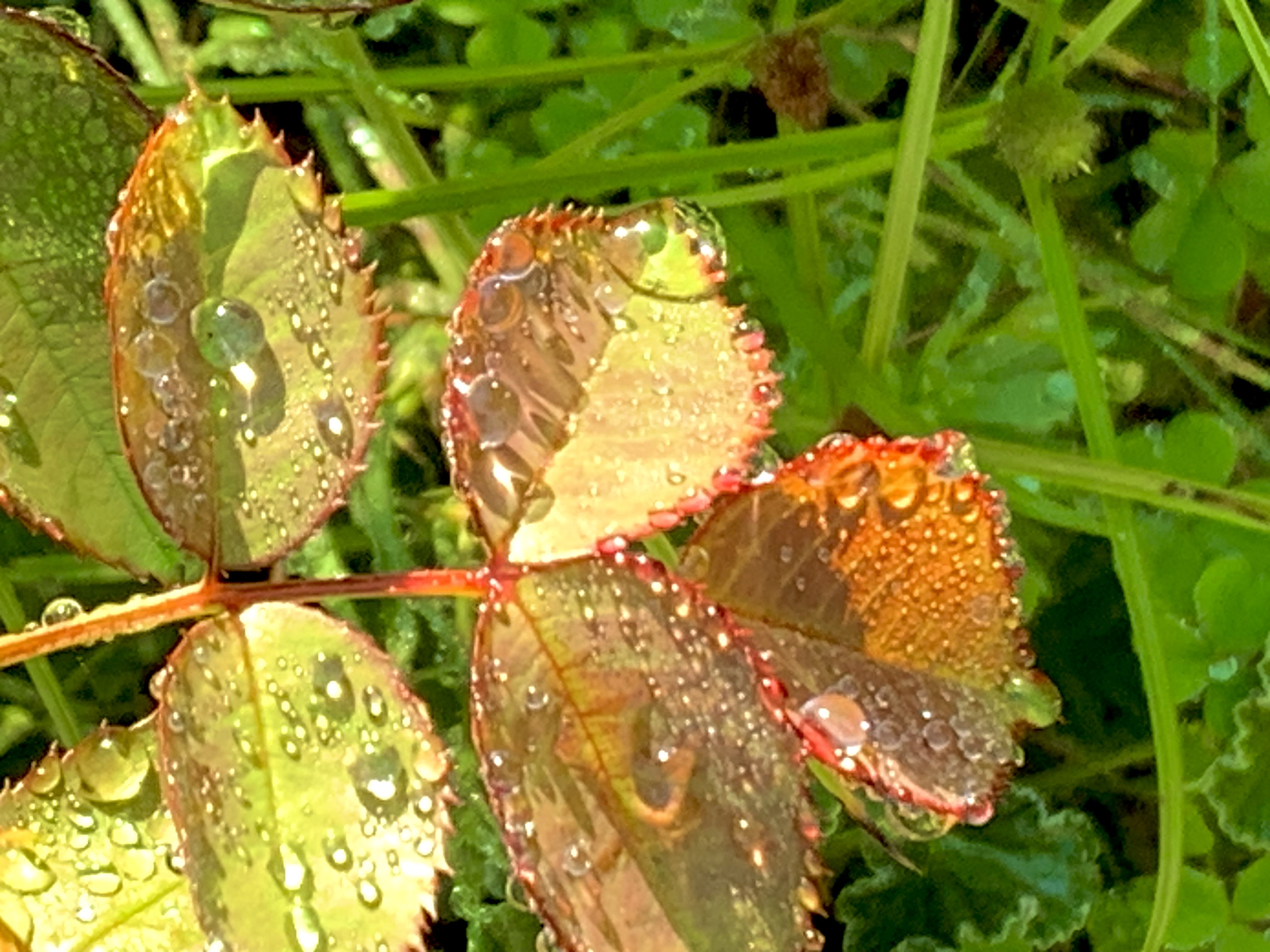
Visually, all the various gradients look similar. I am categorizing them by the cause of the gradient. 

So, first, we have “Perspective Gradient” … as we look at identical or nearly identical items at different distances, they will obviously appear to have different sizes and different distances between those items. 

Second, we have “Light Gradient.” For example, a series of spheres or cylinders lit by a single source, the three-dimensional shape will result in a gradient of light and dark from most angles. 

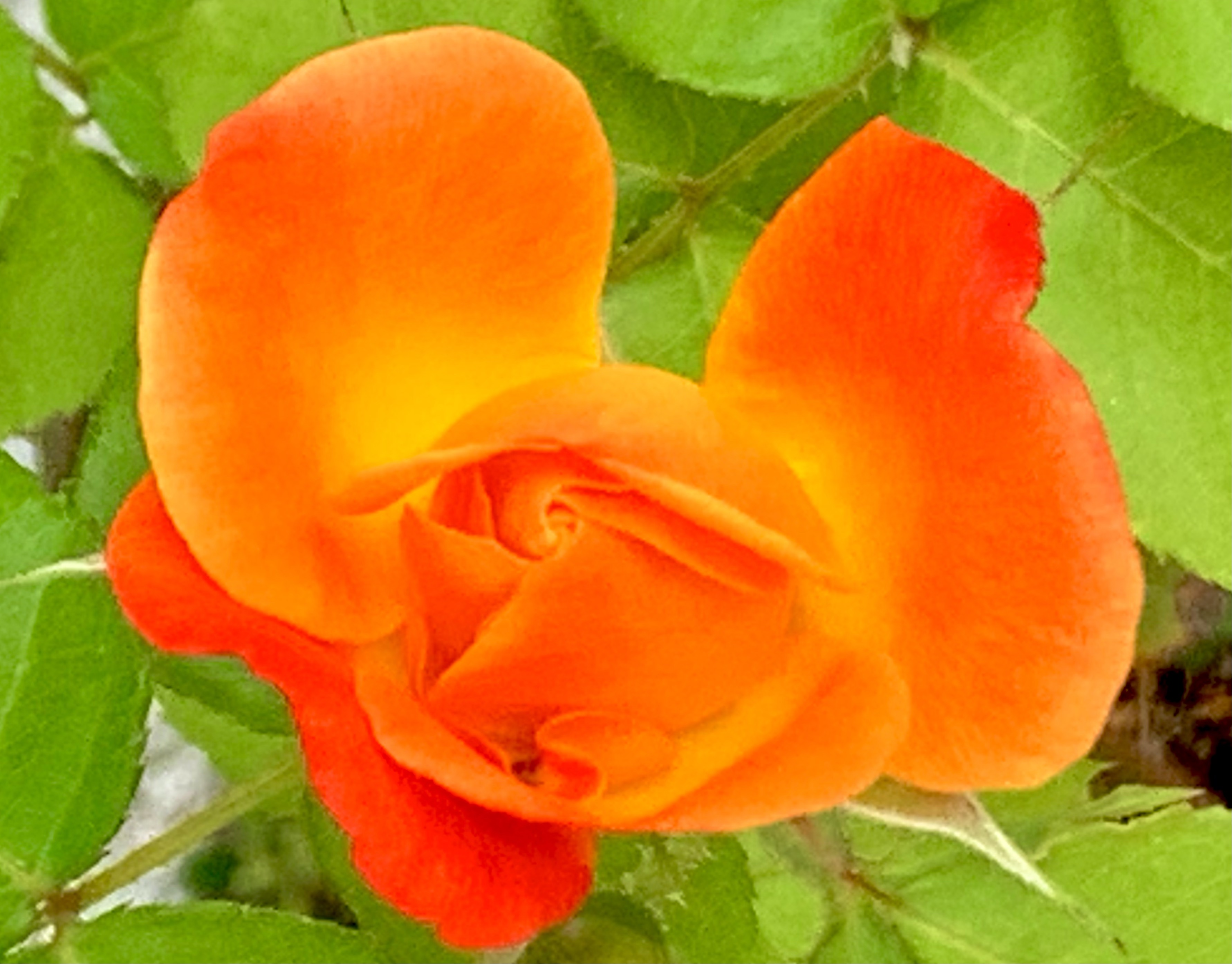
Third, there are often “Color Gradients” for both animals and plants. 

Fourth, there are “Growth Gradients.” Color Gradients, are often a specific example of Growth Gradients. However, there are other types of Growth Gradients. For example, in many plants new growth is at the distal end and is smaller. Old growth is more central or more toward the roots; it is older, and is larger. 

Growth Gradients apply to many plants and animals. They often apply to organizations as well. Imagine a multi-national distributor with field offices in half the countries in the world. If they move into a new country, at first, there will only be a few people; perhaps housed in a small space. Sales will grow hopefully and with the growth, new personnel and space may be added. 

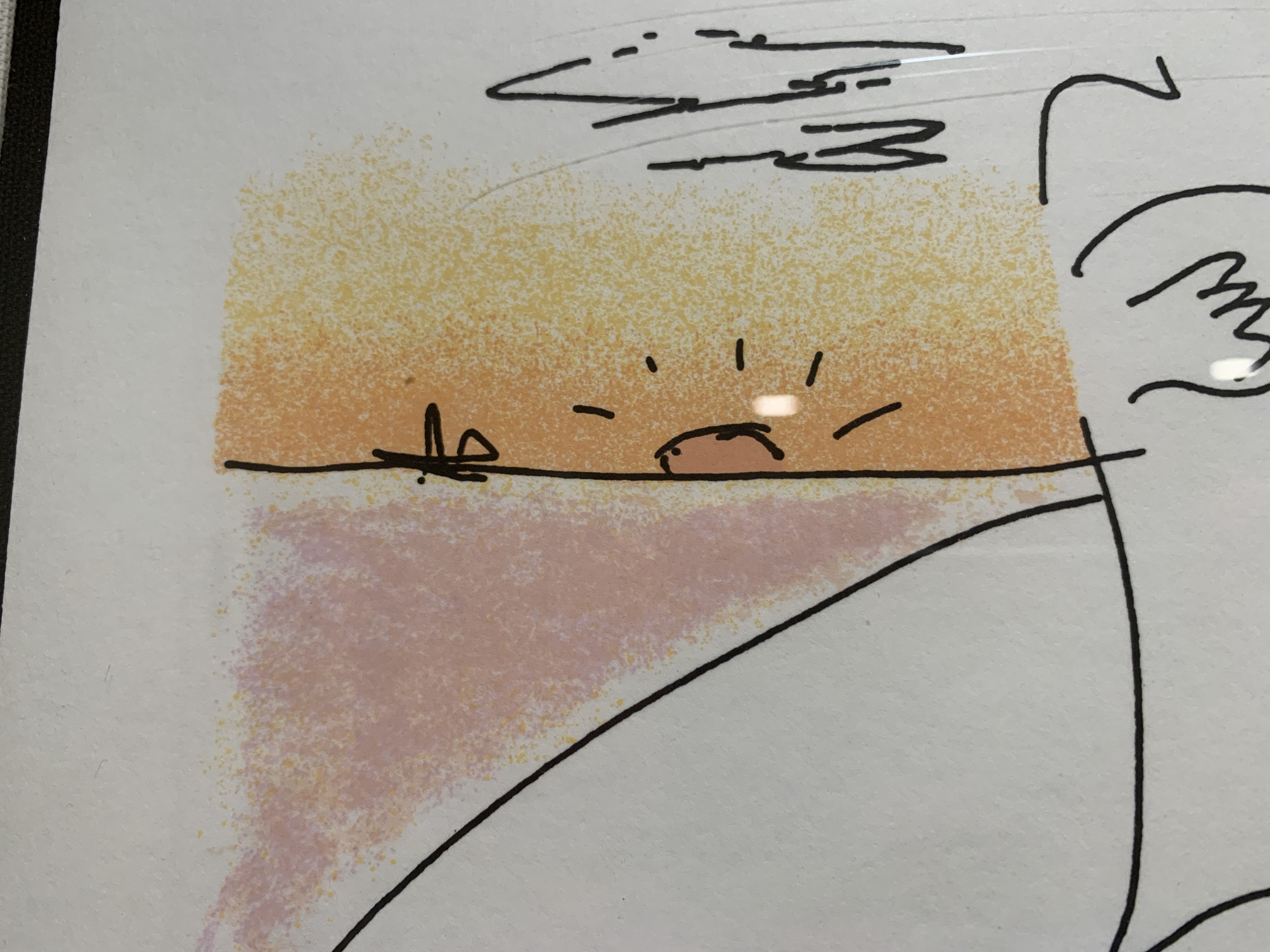
Conversely, Color Gradients can be quite intentionally added by the artist! Here’s a detail from a John Lennon lithograph. Note that “Boundaries” and “Gradients” reinforce each other. The Gradient makes the Boundary Stronger and vice versa.


There are also “Force Gradients” that appear in response to water, wind, gravity, magnetism, etc. One could argue that “Growth Gradients” are due to forces as well. Historically, gradients can arise from evolutionary pressures. These, in turn, are instantiated, in many cases, by chemical gradients of hormones that control growth. However, there are also many non-living cases of gradients.


Finally, there are “Intentional Gradients” that are put in by artists, architects, landscape gardeners, designers, and UX designers. 

Although the examples above are visual, there are also gradients in music. There are gradients in activity. 

Gradients are also present in narrative. Think of the rising passion between two lovers or the increasing tension and suspense in a mystery or horror film scene. 

Photo by Thirdman on Pexels.com

Are there gradients in User Interfaces? One example that springs to mind was in the “Audio Distribution System” and “Olympic Message System.” These were audio messaging systems from IBM that allowed subscribers to the service to leave an audio message to a person or distribution list “on a person’s phone.” (Of course, the message was really on a server and played upon demand.) The UI’s only visual elements were an ordinary touch tone key pad circa 1980 and possibly a small booklet or template with the various command options. Primarily, the user was meant to hear Prompts for actions. 

The gradient part came in the fact that the user could speed up the audio more and more as they became more and more familiar with it. That variable speed applied to prompts and also to messages. A typical user would experience slow messages, then faster messages, then, still faster messages, and so on.

In another IBM project, we built a “Personalized Education System” that would allow IT personnel to build a “Custom Course” for on-line learning that could vary continuously in length and difficulty. However, while each individual user could choose length and difficulty, they typically did not experience a gradient in that regard. By analogy, some insects may prefer to chew on new growth while others may like more mature leaves. An individual insect only experiences one “size & tenderness” yet the plant taken as a whole provides a gradient. Similarly, if you have a barbecue party again, you might offer up a range of options on how done you cook the burgers. In this case, we might say the BBQ service offers gradations though an individual burger is not a gradient. This isn’t strictly true. A well-done burger is fairly consistent throughout but a rare burger may be much more rare in the middle and charred on the edges. So, for that choice, there is a gradient of experience. 

Compared to the natural environment around me, which is positively thick with gradients, I don’t see (or feel) many gradients in any of the UI’s I interact with (games aside). The fisheye lens provides one way of introducing gradient into the UI. It produces, a kind of “Perspective Gradient.” 

https://citeseerx.ist.psu.edu/viewdoc/download?doi=10.1.1.124.1233&rep=rep1&type=pdf

It would be possible to put gradients into many of the visual elements of a UI. Would it make the interface look more like nature? Would it be more beautiful? Would it be distracting? 

——————-

Here’s a poem that illustrates a gradient of love. 

Wonder, wonder, who kept the wonder

Here’s a poem with a gradient of tension and suspense 

Late on the Interstate 

Here’s a story that exhibits gradient. 

As Gold as it Gets

What kind of gradients do you see in this poem?

Somewhere a Bird Cries

Where Does Your Loyalty Lie?

22 Tuesday Sep 2026

Posted by petersironwood in America, apocalypse, COVID-19, politics, psychology, Uncategorized

≈ 1 Comment

Tags

America, Corruption, crime, Democracy, Democrat, GOP, graft, history, JFK, loyalty, Nixon, politics, Republican, treason, Trump, truth, USA

————————-

usa flag waving on white metal pole

Photo by Element5 Digital on Pexels.com

Remember the days when you flew a lot for your organization?

Do you remember getting bonus miles from an airline? 

Do you recall that many them (and companies in other industries) called this a “Loyalty Program”?

Why do you suppose some of them called it a “Loyalty Program” instead of a “Frequent Flyer” program? 

Did you ever work for a manager or supervisor or boss whom you felt loyalty toward? 

Why did you feel that loyalty? 

What would you do if you caught your boss stealing from the company? 

Was your relationship to your boss more personal than your loyalty to the company?

IMG_3320

Artwork by Pierce Morgan

I had many part time jobs working my way through college. One of those jobs was as a projectionist (1964). It did not pay much (less than $2/hour), but it was a fun job in many ways. I got to stride all over the large university campus, mainly to show slides or movies to classes in the School of Architecture, Law School, Medical School, etc. I had a direct supervisor, let’s call him Ted, who taught me the facts of life — at least, when it came to male & female plugs, the value of looping your cords, and of carrying with you at all times on the job, a spare projection lamp, a spare sound drum lamp, and a small film-splicing kit. He happened to be a Democrat. 

Another man, tall and bald (let’s call him Mr. “Cramer), served as boss for the whole A/V department. He was a Republican, like me. I liked both of the people in my “management chain.” Neither one played any stupid “power games.” So far as I could see, we all just wanted to do a good job. That applied to my co-workers as well though I only interacted with them rarely. The nature of being a projectionist then led almost exclusively to solo gigs. 

That was okay with me. If there had been two of us in a projection both hidden away from fellow students and faculty, by sight and sound, being Sophomores, we probably would have acted sophomoronically and made fun of the material being presented or ignored it entirely and played cards or solved the world’s problems in a BS session. Working alone, I listened to every single lecture on topics that would never have been covered in my paid classes; e.g., American 20th Century Architects including my favorite, Frank Lloyd Wright (awesome!); Collagen as a possible cause of aging (it isn’t); Alcohol and Driving. (Spoiler alert on that last one — not a good idea). 

close up photo of martini in cocktail glass

Photo by Engin Akyurt on Pexels.com

In order to get paid (for attending these free lectures), I had to fill out a time card every day and sign it at the end of the week. My direct supervisor hinted that I could put down a few more hours than I actually worked. I didn’t do that. He hinted again. I still didn’t do it. Eventually, Mr. Cramer spoke to me. He explained that if the department didn’t bill for their allotted hours, the departmental budget for the next year would be cut to match the hours that were billed for the current year. I still didn’t pad my hours, though I certainly could have used the money. It did seem a bit unfair to me that the department would have their budget cut because they were efficient. On the other hand, from the perspective of the entire university, it didn’t seem like such a ridiculous system. I didn’t feel as though I was being “disloyal” to my direct supervisor or the department boss to write down my true hours. Nor, did I feel particularly virtuous in putting my hours down accurately. It was just what I felt was the right thing to do. I don’t think it actually occurred to me to try to “rat on” my boss about the policy of padding the hours. I’m not sure whether that thought ever crossed my mind, but I didn’t do it. 

It should be noted that at that point in my life, I considered myself a Republican, though I was not yet old enough to vote. My parents had both been Republican. My mother’s entire family was Republican. I was enthusiastic about Eisenhower and  went to see Nixon talk at a nearby shopping center. I was only about 20-30 feet away. I have zero recollection of what he said, but he had seemed wonderful at the time. 

That same year, I also went to see Kennedy in an open car motorcade down Triplett Boulevard in Akron. He didn’t give a speech; he just waved to the crowd. I was curious because I had heard that he was super handsome. To me, he looked awful and not the least bit handsome. I could not understand why women thought he was attractive. His face looked like wrinkled leather to me. I grew up Republican and was “rooting for” Nixon. (Even my mother thought JFK was handsome, though she still voted for Nixon). 

Nonetheless, like nearly everyone I knew, I was fairly well devastated by John F. Kennedy’s assassination the year before I began working in the university A/V department. I was deeply saddened by his death and wondered seriously about the “conspiracy theories” about Johnson (among other possible criminal masterminds) having engineered the assassination. I didn’t believe any of them, but I did consider many of them as real possibilities. 

But even if it had turned out that Johnson had engineered he whole thing, I wouldn’t have believed that every Democrat was a crook or an evil person. I knew people who were Democrats and they weren’t any more or less ethical than Republicans. They had a different agenda. And a different espoused philosophy. 

woman with face paint with pumpkin

Photo by VisionPic .net on Pexels.com

Ayn Rand had written two of my (then) favorite books, The Fountainhead and Atlas Shrugged. Great stuff, I thought at the time. I felt like I could be one of the heroes in her books. I see now that people are much more interdependent than I realized back then (although, the degree and scope of interdependence has also increased over the last half century — a lot). Her work, at that time, gave me a philosophy somewhat in line with what the Republican Party said it was about — a high degree of individual freedom coupled with a high degree of individual responsibility, focused on, but not limited to oneself. 

In the current days, there are still people who label themselves as “Republican” who claim to subscribe to Ayn Rand’s philosophy. As someone who used to be very simpatico to her ideas, I cry “Bullshit!” The character of folks like Mitch McConnell, Donald Trump, and Rand Paul are much like some of the villains in her fiction — nothing like the heroes. The heroes of The Fountainhead and Atlas Shrugged are the people who earn a lot of money for actually producing something worthwhile; e.g., amazing buildings or a new and extremely cheap energy source. The villains are the cheats and the con men and the people who call in political favors and give contracts to people for kickbacks. The villains are the people who try to subvert the cheap new energy source to keep their oil profits.

Moreover, though it’s risky business to speak on behalf of a dead person, let me put it this way. I cannot imagine Ayn Rand agreeing to the kind of shenanigans that the GOP is trying to pull off now. She would have no doubt been against social security and for privatization. But she would not have thought it ethical to steal the money from the social security taxes and give it out to billionaires. In fact, she was for a progressive income tax. Her rationale was that the rich benefit so much more than do the poor from all the legitimate functions of government: police, fire, roads, post office, armed forces, courts of law, education(?). I’m not sure any more of her precise list, but it’s very short. It certainly doesn’t include having the government take on the job of dictating religious beliefs, or restricting sexual behavior among consenting adults, or of subverting elections, or of taking on the role of Crime Family in Chief. 

Trumputinists are not in any way shape or form taking their values or agenda from Ayn Rand. Some of them are absurdly accurate real-life portraits of her cartoonish villains. None are anything like her heroes. All her heroes provided actual value. Trading money and favors and telling lies and making false promises and being a con man and a child molester — these are not value-creating activities. Not heroes. Villains. 

DCA8FC9A-F229-4538-9EA2-D9E13D4796EB_1_105_c

Of course, there’s nothing sacred about Ayn Rand’s (mislabelled) system of “Objectivism.” There’s no particular reason why the Republican Party, or any other party, should base it’s own philosophy on “Objectivism” but it has made me suspicious about what the Republicans are really are up to. They have claimed to be about individual freedom, but have increasingly been for taking freedoms away — the Second Amendment being the singular exception. Instead of being for real freedoms that actually matter such as — very importantly — Freedom of Religion and Freedom of Speech, they now generate and promulgate made up freedoms such as “The Freedom to Infect Others” or “The Freedom to be an Asshole” and the “Freedom to Call the Police when POC Exists Somewhere I Can See Them.” These are not freedoms. And they are certainly not in line with responsibility. 

So, as you might now guess, I have come a long way politically from being an Ayn Rand fan and a Republican to being a liberal Democrat. Some of that is because I have changed. As I said, it’s far clearer to me now that we really don’t earn our money independently of each other. We don’t live our lives independently. All of us are in this together whether we admit it or not. 

It hasn’t just been me who has been changing though. When I was first forming my opinions about the two major US political parties, it was more often the Southern Democrats who were promoting racism than it was Republicans. And, it was Democrats, not Republicans, who seemed more instrumental in getting us into dubious wars, dubiously led.

police army commando special task force

Photo by Somchai Kongkamsri on Pexels.com


Some of the Republican values seemed to have completely reversed from before. For instance, at this point, the Republican Party is far more ready to embrace racism and racists. No serious Democratic political entity would do that — at least not intentionally. That, to me, is sufficiently evil to put the GOP out of the running for my votes.

On the other hand, until recently at least, the GOP had some quite reasonable positions. I didn’t agree with them all, but they were reasonable. How much should America put time, energy, dollars, and the lives of our citizens at risk to make the world a more democratic place? You can’t look up the answer to a question like that in a trig table. It’s a complex issue requiring a balance of long-term direction and short-term flexibility so you can do the right thing even though the “right thing” is a choice between the lesser of two evils.

How fiscally conservative should the US Government be? How much should the government try to regulate different industries and companies? How much of our tax dollars should go to research various topics in science and medicine? What do we do about climate change? There are a host of issues where it’s actually useful to get input from a variety of different sources and where working together makes sense. 

45C7F827-7044-4735-A58E-C29A63C5580B

Lately, however, the so-called “Republican Party” has made such a sweeping change, that it seems absurd to me to even call it the “Republican” Party any longer. 

For example, “How fiscally conservative should the US Government be?” is not a question that the so-called Republican party even deigns to consider. They have new position which is: “Make the economy look good and do whatever it takes to make the DOW go up all the while funneling as much money as possible to us and a few of our friends.” That is not a political position! That is a criminal position.

abstract barbed wire black white black and white

Photo by Pixabay on Pexels.com

“How much should the government try to regulate different industries and companies?” is not a question that the so-called Republican party wants to consider. Their position is, “How can we make Americans sick by rolling back EPA and OSHA regulations while simultaneously getting kickbacks and making the economy look better.” That is what they are about. Again, it is not a political compromise about where to be on some tradeoff function between economics and health. No. It’s a strategy for crime; for graft; for stealing your tax dollars and making the planet worse for your children and grandchildren — not better — worse. 

“How much of your tax dollars should go to various topics in science and medicine?” This no longer interests the So-Called Republican Party (SCRAP). What does interest them is to funnel as much of your tax dollars as they can to their friends and family and donors. Scientific peer review? So experts will determine what should be funded? Ridiculous! We’ll fund whomever we damned well please. Again, that is not a political tradeoff that should be debated; e.g., how much research money should go to long term versus short term research. No, it is a criminal agenda. That is what SCRAP is up to. In fact, since I published an earlier version of this post, they have morphed into trying to destroy American science entirely. A better name for what they are up to now is the “Not-See Party.”

“What do we do about climate change?” This is an issue that everyone in every party should care about. It is about the quality of the world that we leave for our children, our grand-children, our great grand-children and all the living beings on this planet! And what is the “Not-See Party” position on how we should go about this? It isn’t a problem! It doesn’t exist! It’s all a hoax! 

glacier bay national park and preserve

Photo by Stephen Meyers on Pexels.com

What? Seriously? 

Not so long ago, Republicans and Democrats differed in their philosophies about Judges. The Republicans generally preferred “Strict Constitutionalists” while Democrats preferred judges who would take into account the current situation in interpreting the Constitution. This is nothing like what the “Not-See Party” members on the US Extreme Court are doing. The “Not See Party” wants to select as many judges as possible who will swear loyalty to the Oligarchy.  This is tough to carry out because people often, but not always, get into the law because they respect the Law. So, “conservatives” and “strict constitutionalists” may refuse to render opinions just to please the people who got them confirmed. But the fact that the “Not-See Party” is trying to execute an ineffective criminal plan doesn’t make it any less criminal. 

Political parties evolve. They change. They will continue to change. 

Evolution takes time though. The Republican and Democratic Parties changed their positions on racism over the course of decades.

The changes I am talking about above are massive changes. And, they have taken place only since Donald Trump took office and they have accelerated after the GOP Senate refused (save Mitt Romney) to convict Trump on his impeachment charges. Perhaps even more important than the fact that they failed to convict Trump is that Mitch McConnell swore, along with all the other Senators, to hold a fair and impartial trial. And, then, Mitch McConnell, in full view of everyone, smiled and laughed and promised that Trump would be found Not Guilty and that he would coordinate his running of the trial with Trump’s defense team. He promised Trump that they would subpoena no documents and call no witnesses. 

This goes way beyond being loyal to “your team” or “your party” — this is putting the Party above the Country. This is SCRAP or Not-See Party, not the GOP, not the traditional Republican Party. If anything, my expectations are that actual Republicans might be faulted too much for sticking to the rules and might do so even when common sense demanded a slight bending of the rules. But this is not “bending the rules.” This is throwing the whole idea that rules matter completely out the window. You may think that’s just swell. I don’t. And maybe we can debate that later. But the point here is that it is a massive change in what the label “GOP” is applied to. 

brown and white snake

Photo by Pixabay on Pexels.com

If you think of yourself as a Republican, you have to do some real soul searching here. Are you being loyal to the “Republican Party” that you’ve been a part of for awhile? Or are you being loyal to SCRAP or the “Not-See Party”? Old Time Republican Party — believed in the rule of law; believed in playing fair; believed American power in international affairs was important; believed in individual responsibility. The “Not-See Party” – believes in dictatorship; believes in cheating; believes in letting Russia dictate foreign policy; believes in magic and crime not data-based management of government. They even believe in protecting pedophiles and ignoring and demeaning the victims of pedophilia.

And, there are consequences. In the rush to fulfill Trump’s agenda (make the Trump Crime Family Rich and stay in power as dictator), people have died who did not need to die from COVID19. The respected British medical journal Lancet estimated that at least 200,000 Americans needlessly died from COVID.  Is that really what you signed up for? Is that really the Republican Party? I don’t think it is. But I’m no longer a Republican. I’m looking at this from the outside. The Republicans I have known throughout my life would not support most of this SCRAP. Mr. Cramer, my old A/V boss would not have supported this SCRAP. My grandfather would not have supported this SCRAP. My three uncles who fought in World War II against the Nazis would not have supported this SCRAP. My mother would not have supported this Not-See Party. My father, who also fought in WWII would not have supported this SCRAP.

How about you? 

Where does your loyalty lie? 

architecture art clouds landmark

Photo by Pixabay on Pexels.com


Author Page on Amazon

Trumpism is a New Religion

You Bet Your Life

Wednesday

The Truth Train

The Pandemic Anti-Academic

Absolute is not Just a Vodka

Oh, they’re all the same

18 Friday Sep 2026

Posted by petersironwood in creativity, design rationale, leadership, love, nature, politics, psychology

≈ 1 Comment

Tags

books, Democracy, fantasy, fiction, life, politics, short story, truth, USA, writing

“Oh, they’re all the same!” 

I’m sure you’ve heard someone say that. 

I wouldn’t be surprised if you yourself said it. 

“Oh, they’re all the same!” 

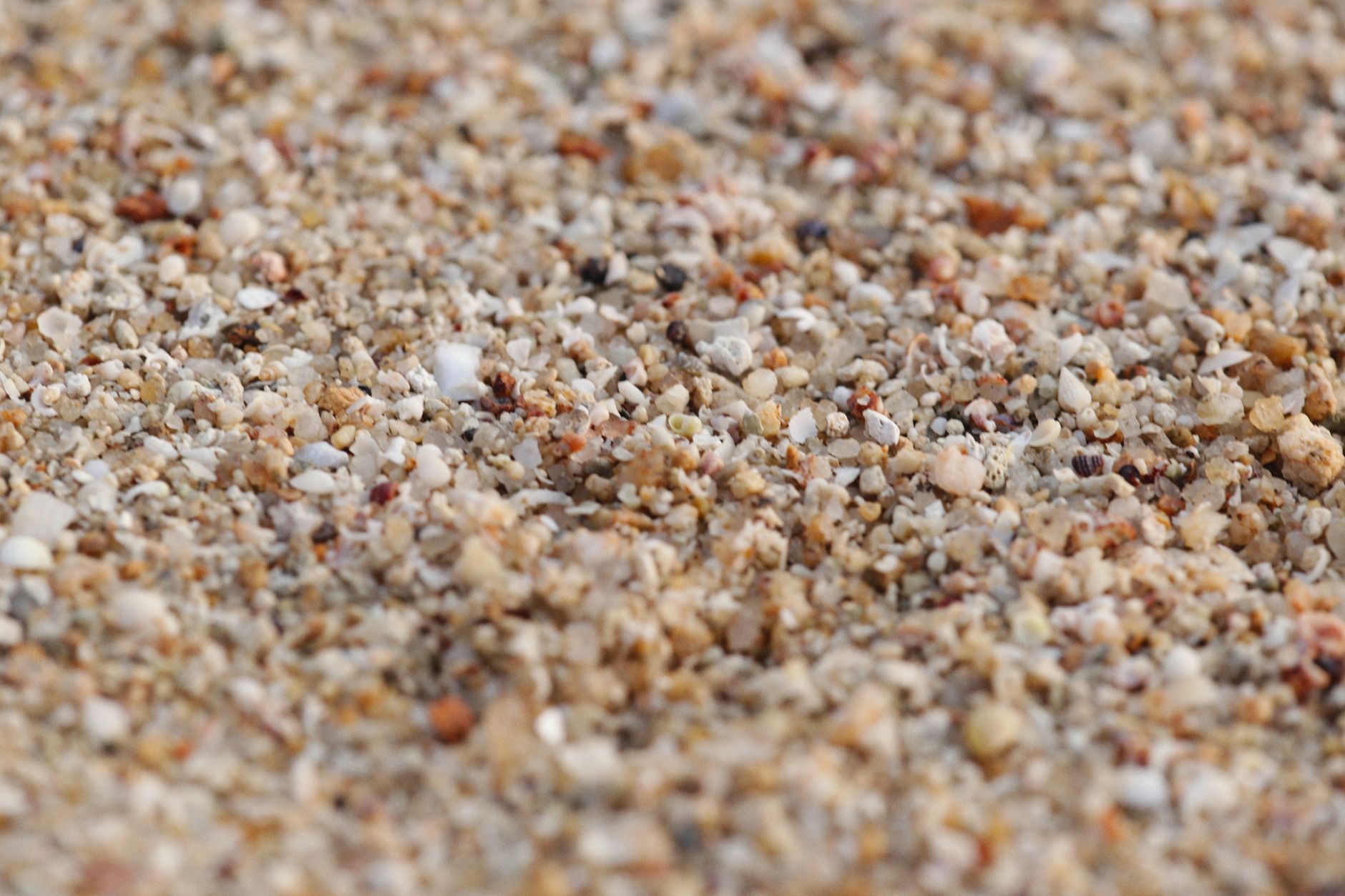
Maybe they are. If you’re talking about grains of sand or cans of beans. But human beings? 

Photo by Alexey Demidov on Pexels.com

We’ll get to humans, but let’s start with the grains of sand and cans of beans. 

Grains of sand are not the same. Not at all other than being found in a beach or sandbox and being smallish in size. Their shape and composition differ. Now, you might think, “OK, but for all practical purposes they are the same.”

Soon after I joined IBM Research, I flew with my boss into an IBM chip fabrication factory in the Northeaster US. We were studying query languages and interviewed some people in quality control who used query languages as a serious part of their job. They recounted a time when the percentage of error free chips fell drastically. For a time, no-one could figure it out. It turned out that the silicon supplier had shifted sands (so to speak) and that had translated into slightly different silicon properties. 

“Oh, they’re all the same!” 

Now, let’s look into beans because it so happens that I made a bean salad tonight that I hadn’t made for a year or two. I pretty much remembered the recipe, but to make sure, I took down the cookbook and propped it open as well. I made the bean salad according to recipe and the bean salad was good. But usually, in the past, it had been great, not just good. The difference was mainly, I decided, in the quality of the beans themselves. Same brand. Always the same brand. So, they’re all the same, right? Possibly.

The following situation is happening all the time. Imagine popcorn hitting its climax. Here’s the history in outline. 

A person or small group works hard and makes a success. They have pride in their product (say, canned beans). But then, they decide that MEGACORP wants to buy their company for a phenomenal amount of money. Yay! Win/Win! Congratulations all around. And, now their wonderful product can continue into the mainstream and more people than ever can taste the pleasure of that high quality can of beans. 

They’re all the same.

Maybe. But maybe the true motive of MEGACORP is to poison a few people. They’re being paid by the Big Bad Beef Business to make people afraid to get their protein from beans and instead make people go for the safer alternative: Meat! Here’s another possibility. They don’t give a can of beans about your cans of beans. They want the guy who knows how to make that great lining so they can use his expertise for their much more lucrative line of Cheese Naughts. But the most likely case is the mundane one. They “cash in” on the brand name you’ve built. They buy the business and then use much cheaper beans and the pass along the savings to the consumer through lower prices and higher wages for their workers. 

Oh, no, no. Never mind. That’s on a different planet. This is planet Earth. That’s the one where MEGACORP keeps every frigging penny of savings for C-Sweet salaries and shareholder confidence. The beans bear the same label in every way. But inside, they are different. Is MEGACORP required to inform their customers that they lowering quality? Of course not. 

“Oh, they’re all the same!” 

But they’re not all the same. Not the grains of sand; not the cans of beans; not the entrepreneurs, not the lab rats I encountered at Oberlin.

My college girlfriend attended Oberlin and I visited many times. One time she asked me to help with a psych experiment. Being a psych major myself, I was eager to oblige. 

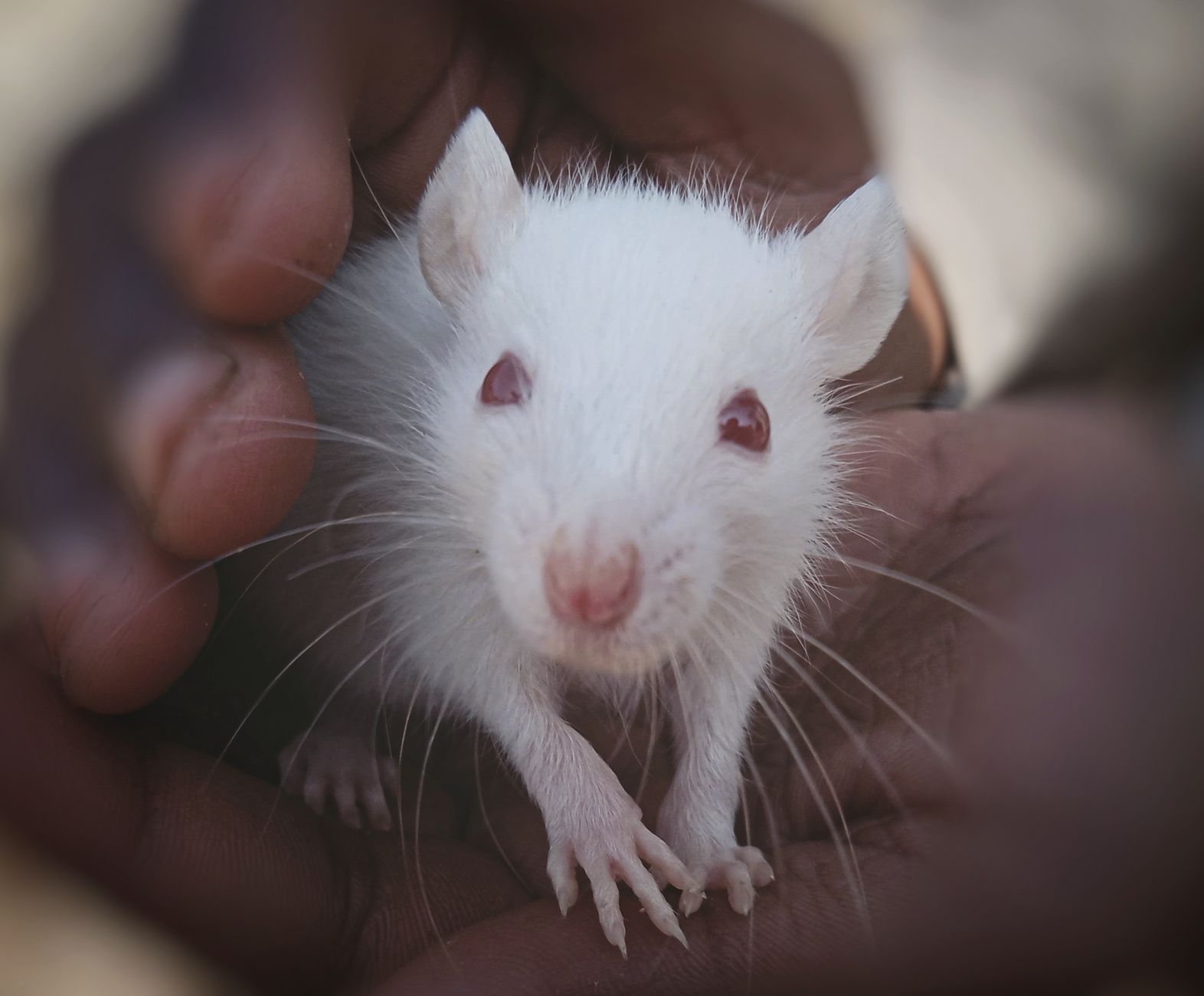
I suppose some people might be freaked out at the idea of grabbing a rat to put it in a maze, but it’s easy to avoid their razor sharp teeth. Oh, and BTW, lab rats don’t look like sewer rats. The lab rats are smaller, cleaner, and far more narrowly educated than sewer rats. 

Photo by Choco Virat on Pexels.com

Photo by Brixiv on Pexels.com

The experiment in question looked at the impact of stress on performance. Typically, stress causes an increase in performance, but only up to a moderate level. Beyond that, more stress generally reduces performance. We controlled stress by holding the rat under the water for a few seconds before having it swim a U-shaped maze. We put it in the maze on the left and then shut the door. Once the rat swam down, turned right and then turned right again it could swim to an air-hole on the other “tine” of the “U”.  

Everything went fine for the first five rats. Not surprising. After all, they’re all the same. They are bred to be the same. For many generations. And, for the most part, the biters and the fighters were probably less likely to be chosen to promulgate the sub-species. Since birth, these mice have been mostly subjected to the same stimuli and the same diet as their lab-mates.

And, then there was Rat P-4547  (I’ve changed the number to protect the rat’s privacy). As I said, these lab rats were easy to pick up. You picked them up by grasping them from above and they just accepted the fact that they been chosen. Who knows? Maybe they had been bred to feel pride in having been chosen for an experiment. 

In any case, Rat P-4547 certainly hadn’t read the manual on appropriate rat behavior. He immediately grasped the cage bars with everyone one of his teeny fingers and toes. Even more remarkably, he screamed. Somehow, he seems to have gotten it into his head that the experiment he was about to engage in was a kind of Putin vivisection game. 

I eventually wrestled Rat P-4547 into the starting gate. There we were supposed to hold him underwater before allowing him to traverse the simple U-shaped maze. A quick glance at the sheet showed that Rat P=4547 was destined to be in the “High Stress” group. Of course he was.

I did it. I held him under the prescribed time and let him go. It was taking too long. At last, we saw him swimming furiously into the end zone, his oasis of oxygen, his Mount Ararat, and then…did he pop his little head up gasping for air? 

He did not. He executed an amazingly coordinated lateral flip turn and swam the wrong way up toward the now closed beginning of the maze. 

I did not want the rat to die, but how could we save him? He swam all the way back to the starting gate —nowhere else to go so we went to open it, discussed whether we should and then heard him make another flip turn before we could open the top. Now, we knew he had to drown. But no! His crazy little head finally ended up where it was supposed to.

I congratulated him on his grit, toweled him off, and settled him back into his cage. Of course, Rat P-4547 is long gone. An asterisk on a undergraduate term paper. Probably have a hard time finding it even with the help of an Artificial Influencer. 

What? You thought the expression was “Artificial Intelligence”? That’s the term they use but that’s not the goal. The goal is to have Artificial Influencers disguised as helpful Artificial Intelligences. 

Returning to the idea that they’re all the same, the truth of the matter is that any two things share some properties and any two things also show some differences. The idea of grouping things together for some purposes does make some sense. When you go to get firewood, for instance, you mostly want to focus on a reasonable size and dry wood. If you went to look for something to carve your attention would focus on the beauty and workability of the wood. If you went to get a cudgel, you’d be looking for a thick, sturdy piece. 

Photo by Peter Fazekas on Pexels.com

Think how absurd it would be for someone who likes to carve chotskies telling you how to pick firewood based on their criteria for choosing carving material. 

———————

How the Nightingale Learned to Sing

Stoned Soup

The Orange Man

The Three Blind Mice

The Dance of Billions

Roar, Ocean, Roar!

Imagine All the People

The Isle of Right

When Greed is the Only Creed

6. Good Shape

16 Wednesday Sep 2026

Posted by petersironwood in creativity, design rationale, HCI, leadership, management, nature, politics, psychology, Uncategorized, user experience

≈ Leave a comment

Tags

art, beauty, creativity, Design, flowers, Good shape, HCI, painting, photography, UX, writing

6. Good Shape.

Good Shape. Positive Space. These seem to be highly related concepts. Most of the pictures I used as illustrations of Positive Space could equally well illustrate Good Shape. A Positive Space is often composed of multiple good shapes arranged in a “balanced way.” 

In order to illustrate “Good Shape,” I decided to take some pictures to illustrate “Bad Shape.” Since I have surrounded myself mainly with nature or with artifacts that were intentionally designed to be aesthetically pleasing, it turned out to be more difficult than I imagined at first. The other issue is that when I take photographs, I (like most people) “frame” the picture so that “Good Shape” is clear. I began to intentionally brake that habitual way of framing with pictures of flowers that overlap. The natural beauty of flowers is so rich that, to me, even a quasi-random framing still results in a beautiful picture. 

This turns out not to be the case with artifacts however. 

Although some of the elements of this seem to have “Good Shape,” the overall composition lacks a coherent center. It seems to me to be an artificial “kludge” of colors, textures, and shapes and there is no overall “Good Shape.” 

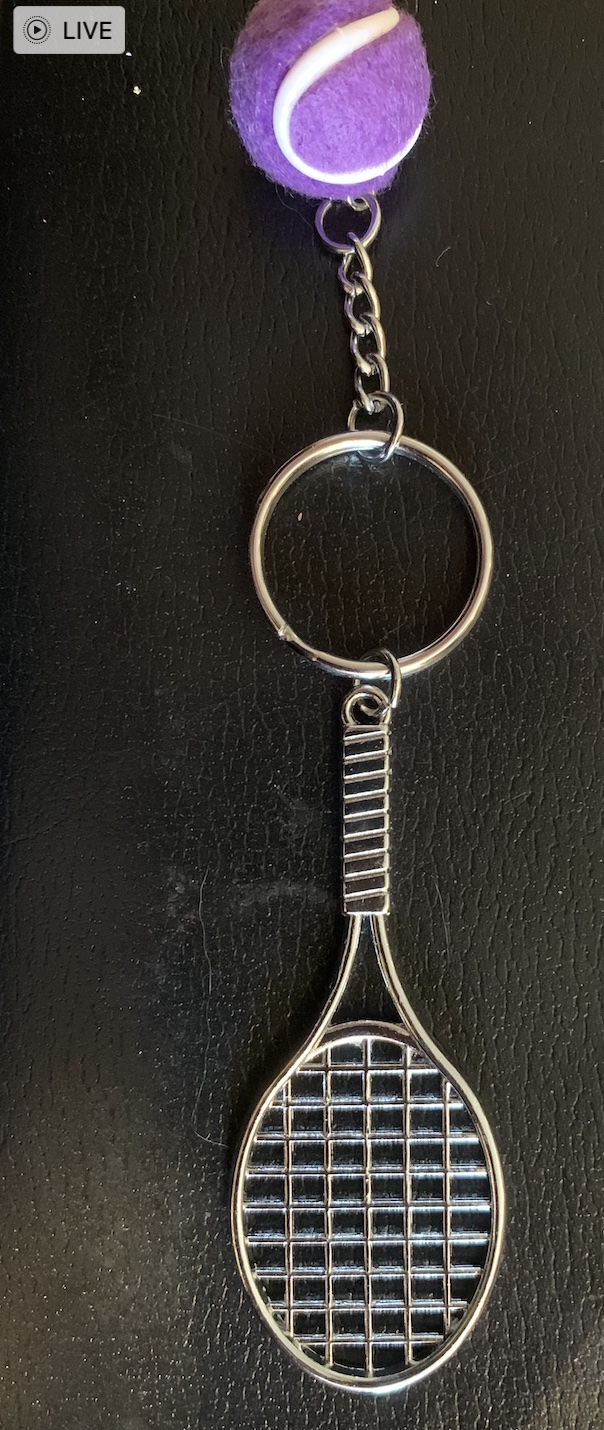
By re-arranging the elements into this form (above), to me, it seems to get closer to “Good Shape” but the purple “tennis ball” seems ill-proportioned and out of place. In “real tennis” there is a physical reason for the ball to be fuzzy but here, the fuzziness of the ball seems added on and arbitrary. 

Here too (above), the overall composition lacks “Good Shape.” The large semi-random dark blob in the middle has no real “Center.” The elements around the edges do not cohere or reflect off of each other. None of the elements around the edges are complete enough to have “Good Shape” except possibly the links of the small chain. 

Here is another example of quasi-random elements brought together into a single picture. Though to me, both the wood and the stone are in and of themselves beautiful, there is nothing about the composition that integrates into a whole. There is no center, no echoes, no alternating repetition, no levels of scale, and despite the nice texture of the stone and wood, the overall effect, to me, is lacking in “Natural Order” and in beauty. 

By way of contrast, the flower here seems to have a good overall shape reinforced by a Strong Center, Alternating Repetition, and each of the petals themselves has Good Shape. Around the flower, to me, is a “Positive Space.” Note that one of the petals seems slightly out of place. To me, however, this does not spoil the “Good Shape.”

The same can be said of these flowers. 

It isn’t necessary to have overall “simplicity” in order to have “Good Shape.” These flowers are not “simple” in shape, but they still have “Good Shape.” 

The bird on a branch shown above seems to me to have “Good Shape” even though it is (in outline) lacking symmetry. Though lacking symmetry in profile, the shape strikes me as “balanced.” I don’t perceive the bird as having to exert a lot of energy to keep from “falling off the branch.” The bird’s shape, like the shapes of most animals and plants is the result of 4.5 billion years of evolutionary history. 

Many people view some creatures as “enemies” and therefore “creepy” or “yucky” or perhaps even as dangerous. If you can set that aside and simply look though, I think you can see that “Good Shape” characterizes all sorts of animals (as well as plants). 

At a more abstract level, it even seems that natural animal behavior often shows beauty. That also seems characteristic of skilled human behavior. The Olympics show plenty of examples. It is hard to imagine an “ugly” baseball swing resulting in a home run. The runners, jumpers, throwers, gymnasts, tennis players, and so on produce “Good Shape” in three spatial dimensions and one temporal dimension. 

I play tennis several times a week. I’m not averse to winning a point even if the ball hits my frame, skids off to the net cord and drops over for a winner. But — I never feel as pleased by such outsized luck as when I hit a good shot that results from proper choice, preparation, and execution (and a history of practice and reflection). I never think of a lucky mis-hit as “beautiful.” 

The concept of “Good Shape” even applies to more complex human organizations and endeavors. Racism, for instance, to me is truly ugly. It is not based on truth, but on a kludge of lies masquerading as truth. White Supremacy for instance, basically says, “We’re white! That makes us superior! In fact, we’re so superior, that we insist every aspect of our society be tilted so we can be guaranteed a win!” 

Huh? 

Bad logic is never beautiful. 

The “Good Shape” exhibited by most plants and animals reflects both a long evolutionary balance of forces (phylogeny) and the development of a particular organism (ontogeny). When biology goes awry, as in cancer, the result is not beauty. The “logic” of cancer is that billions of years of evolution that allows our bodies to work harmoniously is put aside for short-sighted egotism. A random cell says, in effect, “I’m no longer going to do my part for the body as a whole. Instead, I’m going to grab all I can for myself and grow in an unrestricted way!” 

Such a cell, by making that decision, signs its own death warrant. Either the body destroys the cancer and therefore the cancer dies — or, the cancer prevails and in that case it destroys the life of the organism it was supposed to be a part of — and then it dies anyway! It’s an “ugly” decision both because it is disproportionate and because it is illogical. It aims to be self-serving, but it is not even self-serving. It guarantees its own death and kills more life along the way. 

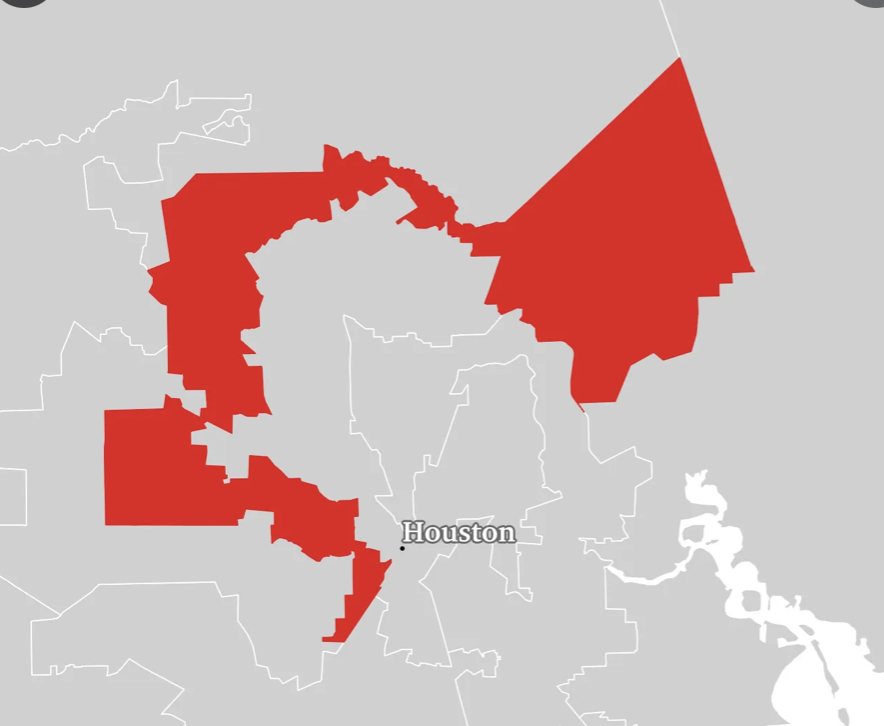
It’s the same, to me, with any dysfunctional human organization. If democracy is perverted by some people demanding that decisions be made so that they can have their way regardless of how it impacts the overall tree of life and the overall health of a city, state, or nation, it lacks “Good Shape” and instead becomes a distorted kludge lacking symmetry, lacking balance, lacking life. It is no accident that “Gerrymandered” districts do not have “Good Shape.” 

In extreme cases, not surprisingly, dictatorships have resulted in a war on truth, beauty, and life itself. It’s no “accident” that Hitler, Stalin, and Mao were each responsible for millions of human deaths. Their activities also show utter disregard for the beauty of the natural environment and the plants and animals of the planet. 

When it comes to User Experience, the most obvious way to apply “Good Shape” is to the visual elements of the interface — icons, windows, menus, tool bars etc. However, I think it also applies to the design process. Are the needs of all stakeholders taken into consideration? 

Do the various disciplines involved in design respect each other? Do people tell the truth and show trust? Does the company treat its users with respect and tell the truth in its various communications? 

If a company provides “free games” or “free services” that are purportedly for entertainment or education but the real purpose is to gather data to sell to advertisers or foreign powers trying to use the data to destroy democracy, it would seem to me that business model itself — the raison d’êtrefor the entire project is an “ugly shape” regardless of how pretty the icons are. 

What do you think? Do the concepts of natural beauty apply to the design of organizations and even governments?

—————————————

Christopher Alexander – Fundamental Property 6: Good Shape

Cancer always loses in the end

Fascism Leads to Chaos

Who Speaks for Wolf? 

Voter Suppression is Life Suppression

The Orange Man

Stoned Soup

The Broken Times

All We Stand to Lose

After All

Imagine All the People

Roar, Ocean, Roar!

The Dance of Billions

Photo by Pixabay on Pexels.com

Do Not Hate

08 Tuesday Sep 2026

Posted by petersironwood in America, leadership, poetry, politics, psychology, Uncategorized

≈ 1 Comment

Tags

Democracy, leadership, life, love, mental-health, peace, poetry, politics, truth, ubuntu, USA, writing

Do not hate.

Do not hate.
Demonstrate. 

Do not hate. 

Educate.

Do not hate.

Navigate.

Do not hate. 

Negotiate. 

Do not hate.
Cooperate.

Justified?
It may well be. 
Everyone who ever hates

Can generate a heap of lies
To make their hate seem justified.

But why be fustified? 

When there are so many better things

To fill your heart and mind?

Do not hate. 

Demonstrate.

Show through word and deed

That hate and greed 

Are not the only creed.

Do not hate.
Educate.

Hate is always based on lies.
There may be one you really do despise.

But everyone? 

That’s a loaded gun

Aimed without a thought

About the cost. 

Do not hate.
Navigate. 

The shortest path 

Is not always the fastest path.

Look ahead.

Use your head. 

Don’t get dead.

Do not hate.
Negotiate. 

It doesn’t always work.

But it’s always worth a try.

Just don’t be a jerk. 

Diplomacy apply. 

Do not hate.

Cooperate. 

There’s at least one thing

About the world that both sides love

Of that you sing

Help that thing rise above.

But mainly, do not hate

Because it hurts you to hate.

Guernica

A Civil War there Never Was

Somewhere a Bird Cries

The Crows and Me

Imagine All the People

Roar, Ocean, Roar

Small Steps

The Dance of Billions

Some recommended books:

The Winning Weekend Warrior focuses on the mental game for all sports using examples from tennis, golf, baseball, and other sports. It covers self-talk, imagery, mental practice, strategy, tactics, & sportsmanship. http://tinyurl.com/ng2heq3

Turing’s Nightmares explores the implications and ethics of Artificial Intelligence through fictional short stories. http://tinyurl.com/hz6dg2d

Fit in Bits shows many ways to put more fun, variety, & exercise into daily chores and habits to help with strength, flexibility, fitness, and balance. http://tinyurl.com/h6c7fce

Tales from an American Childhood recounts early experiences mainly in the American Midwest in the 1950’s and relates them to contemporary issues and events. https://tinyurl.com/y9ajvz9j

Dream Planet. Where do you run when the whole world is crumbling under the weight of human folly? When the lethal Conformers invade 22nd century Pittsburgh, escape becomes the top priority for lovebird scavengers Alex and Eva.

https://www.barnesandnoble.com/w/dream-planet-david-thomas/1148566558

We’re all in this together

29 Saturday Aug 2026

Posted by petersironwood in America, leadership, love, politics, psychology, Uncategorized

≈ 3 Comments

Tags

community, cooperation, Democracy, earth, green, love, music, nature, peace, poem, poetry, relationships, society, ubuntu, writing

We’re all in this together.

Each and every one. 

Oh, my God, it can’t be true. 

Perhaps for me, but not for you! 

You’re too black or brown or yellow!

I’m just an ordinary fellow! 

You’re too gay or straight or mellow!

You even eat that apple jello! 

We’re all in this together.

Each and every one.

Old & young and in-between;

The ever-seen and never-seen.

Oh, my God, it can’t be true. 

Perhaps for me, but not for you! 

You’re too fat or skinny or too tall!

Perhaps you’re short and way too small! 

We’re all in this together.

Each and every one.

Into games or sports of every sort.

Even tall and short and every sort.


Oh, my God, it can’t be true. 

Perhaps for me, but not for you! 

You’re too shallow, smart, or kind;

Too lame or sick or different mind. 

We’re all in this together.

Each and every one.

We’re all in this together.

Each and every one.


Take a glance join the dance

The Watershed Virus

The only “them” that counts is all of us

How the Nightingale Learned to Sing

Myths of the Veritas: The First Ring of Empathy

Stoned Soup

Three Blind Mice

Absolute is not just a Vodka

Fire and Ice

The “All for me” Bee

Life Will Find a Way

Myths of the Veritas: The Orange Man

Myths of the Veritas: The Forgotten Field

Imagine All the People

Roar, Ocean, Roar!

Dance of Billions

Small Steps

The Winning Weekend Warrior focuses on the mental game for all sports using examples from tennis, golf, baseball, and other sports. It covers self-talk, imagery, mental practice, strategy, tactics, & sportsmanship. http://tinyurl.com/ng2heq3

Turing’s Nightmares explores the implications and ethics of Artificial Intelligence through fictional short stories. http://tinyurl.com/hz6dg2d

Fit in Bits shows many ways to put more fun, variety, & exercise into daily chores and habits to help with strength, flexibility, fitness, and balance. http://tinyurl.com/h6c7fce

Tales from an American Childhood recounts early experiences mainly in the American Midwest in the 1950’s and relates them to contemporary issues and events. https://tinyurl.com/y9ajvz9j

Dream Planet. Where do you run when the whole world is crumbling under the weight of human folly? When the lethal Conformers invade 22nd century Pittsburgh, escape becomes the top priority for lovebird scavengers Alex and Eva.

https://www.barnesandnoble.com/w/dream-planet-david-thomas/1148566558

Unite!

25 Tuesday Aug 2026

Posted by petersironwood in America, leadership, love, poetry, politics, psychology, Uncategorized

≈ 1 Comment

Tags

Democracy, family, fiction, life, love, poetry, politics, story, truth, USA, writing

Fight the Night and Light the Light: Unite!

Let King take wing. His ring is not your thing.

Be Free, you see: that’s victory for thee.

Don’t cling to King 

Sing your thing

Let it swing you into soaring wing. 

Photo by Pixabay on Pexels.com

A tight rope height slightly frights your sight.

Delights the kite you hide within your might;

It shatters your delusions;

Tickles your allusions;

You see right through their brightly lit illusions.

A snarky shark remarks on quarks and sparks your curiosity.

Once understanding parks its marks in Noah’s arks,

They multiply ferocity. 

Embark upon the journey with a smile.

Don’t always form in rank and file. 

Be sure to recall:

That Life Will Find a Way;

That Cancer Always Loses in the End;

Honest Folks can always find a friend;

Play hard on every Play;

Learn from every fall.

———————-

Roar, Ocean, Roar!

The Dance of Billions

Imagine All the People

All We Stand to Lose

After All

Somewhere a Bird Cries

Absolute is not Just a Vodka

Poker Chip

Fish Have no Word for Water

After the Reign

Small Steps

Life Will Find a Way

Cancer Always Loses in the End

Your Cage is Unlocked

Some book recommendations:

The Winning Weekend Warrior focuses on the mental game for all sports using examples from tennis, golf, baseball, and other sports. It covers self-talk, imagery, mental practice, strategy, tactics, & sportsmanship. http://tinyurl.com/ng2heq3

Turing’s Nightmares explores the implications and ethics of Artificial Intelligence through fictional short stories. http://tinyurl.com/hz6dg2d

Fit in Bits shows many ways to put more fun, variety, & exercise into daily chores and habits to help with strength, flexibility, fitness, and balance. http://tinyurl.com/h6c7fce

Tales from an American Childhood recounts early experiences mainly in the American Midwest in the 1950’s and relates them to contemporary issues and events. https://tinyurl.com/y9ajvz9j

Dream Planet. Where do you run when the whole world is crumbling under the weight of human folly? When the lethal Conformers invade 22nd century Pittsburgh, escape becomes the top priority for lovebird scavengers Alex and Eva.

https://www.barnesandnoble.com/w/dream-planet-david-thomas/1148566558

The Triply Toxic Worm

14 Friday Aug 2026

Posted by petersironwood in America, apocalypse, politics, psychology

≈ Leave a comment

Tags

history, news, politics, Trump, USA, writing

Here’s what it’s like:

A talking worm develops an extremely loud screaming sound. He’s wrinkled and ugly and orange. But neither his physical ugliness nor his rancorous sound is his worst feature. He has evolved an extremely toxic poison.

How is it so toxic? 

It is really three separate toxins: Fear and Hate and Greed. Together they are much more toxic than any one of them is alone. 

He blackmails everyone around him, from sea to shining sea. He threatens to release the poison into the air if he doesn’t always get his way. 

His way is to take all the money.
His way is to take all the power.

His way is to use the money and power to make more toxin. 

He uses the extra toxin to threaten even more people that he will release the poison into the air if he doesn’t get his way.

Photo by Leonid Danilov on Pexels.com


His way is to take all the money.
His way is to take all the power.

His way is to use the money and power to make more toxin. 

Eventually, he tries to blackmail everyone on earth. 

He explains that he is a “self-made worm” — that it is his right to take over the world because he and he alone made the world. 

That is, of course, a lie. 

Life evolved for 4 billion years. All his ancestors, and the life his ancestors interacted with created the conditions for him to make the toxins. He doesn’t mind that he lies. Lying is fun!


He gets his way.
To him, that’s all that matters.

He gets all the money. 

He gets all the power. 

He’s bored.

For fun, he releases the poison any way. 

But now, it’s enough to destroy every living thing on earth.

Including the ugly orange worm. 

The end?

That’s up to us.

Photo by Lisa Fotios on Pexels.com

——————

Dick-Taters

The Ailing King of Agitate

Stoned Soup

The Three Blind Mice

Where does your loyalty lie?

Wednesday

The Stopping rule

Absolute is not just a vodka

The Update Problem

Poker Chip

My Cousin Bobby

Myths of the Veritas: The Orange Man

Author Page on Amazon

The Extreme Court

That Cold Walk Home

A Little is not a Lot

After All

All We Stand to Lose

We Won the War! We Won the War!

The Silent Screams of Dead Men’s Dreams

Somewhere a Bird Cries

Fish have no Word for Water

The Broken Times

Roar, Ocean, Roar!

The Dance of Billions

Myths of the Veritas: A Pattern Language

12 Wednesday Aug 2026

Posted by petersironwood in politics, psychology, Veritas

≈ Leave a comment

Tags

collaboration, Coopearatoin, fantasy, fiction, leadership, legends, myths, short story, story, Veritas, writing

Many Paths rose. Shadow Walker enfolded her in his strong arms and she returned the gesture. He stepped back, still holding both her hands in his and smiled as he spoke. “Come with me! I’ve got something to show you!” 

Many Paths tilted her head to the side and frowned. “Can it wait? I’ve just been talking with She Who Saved Many Lives. I’ve got the work on setting up our meeting with the other tribes. So much needs to be done.” She sighed and bit her lip. “So much to do, but I’m not sure what comes next.” 

Shadow Walker could see that she was concerned. He frowned sympathetically. Suddenly, Shadow Walker chuckled. 

“What joke is this that brings laughter to your heart?” Asked Many Paths. “I’m serious. There’s much work to be done.”

“I never thought of this before, but — Many Tribes. Many Paths. You see? Just as you yourself think of many ways to do things — many more than most of us have patience for — so too do the various tribes try many paths of how to live.”


The eyes of Many Paths grew wide. “Yes! Of course! I never saw it before either! It’s just the same, in a way. Maybe that is a good way to explain it to the many tribes I hope to convene. It is in keeping with the wisdom of the tale of the Forgotten Field. We don’t necessarily have to agree on every path we take; we just have to be sure that we work together when we must.” 

Shadow Walker laughed again. “That’s what I was thinking. Just because of your name.” Many Paths and Shadow Walker gazed into each other’s eyes for a moment and he squeezed her hands. After a pause, he continued. “But that is not what I came to tell you. Tu-Swift and Cat Eyes have discovered a book that has many recipes for making the kind of meeting that you wish to convene with the many tribes. You should come see for yourself!” 

Many Paths frowned again. “How can that be?”

Shadow Walker smiled and now Many Paths smiled as well. She sensed that the sunny mood of Shadow Walker would not be clouded by her worry. But she looked at her mate askance. “I still don’t see how a book from long ago can be so well-suited to my current task at hand.” 

“Come with me, love, and judge for yourself. It appears that you may not be the first person to think about how best to cooperate, after all.” 

Many Paths snorted. “You will not be deterred I see, so yes, let’s go see this book you claim will help.” 

Shadow Walker smiled again. “Yes! And, if I am wrong, and the book is useless, you and I will have a pleasant walk on a beautiful day and we’ll have a chance to see your brother and his friend, Cat Eyes. 

Shadow Walker and Many Paths soon arrived at the hidden entryway that Trunk of Tree had accidentally discovered while stalking a deer. This hidden path connected the Veritas who had so long lived separately on the two sides of the snowy mountain. They arrived in the Village of the Veritas on the other side of the mountain. They were greeted warmly. Their kin on this side of the mountain felt fully committed to having a meeting with all the tribes. 

Many Paths happened to spy a group of elders chatting excitedly. As she guessed, this signaled that the presence of Tu-Swift and Cat Eyes. Many of the Veritas on this side of the snowy mountain had now learned how to read the strange markings arranged in books. In the center of the group, she smiled to see her young brother, Tu-Swift. She called out his name and  he smiled broadly and waved for her to come join the group. She noticed that though the group included many elders, there were also people of every age, even children of no more than six or seven summers. Gradually, the people so gathered noticed Many Paths and Shadow Walker approaching. Tu-Swift & Cat Eyes came out to greet them. Tu-Swift smiled broadly as he greeted her. “I see Shadow Walker brought you already! Come! Look what we’ve begun to read!” He held out one of the hundreds of books that had been recently discovered. At first glance, the book looked just like the others, but then she noticed that it had an elaborate symmetrical drawing on the cover.

Tu-Swift & Cat Eyes had become proficient at reading. He could hardly constrain himself as Many Paths sounded out the markings on the cover as she read the title aloud, “A Pattern Language for Collaboration and Cooperation.” Tu-Swift could not wait any longer so he began showing her the various chapters. “Look! It’s a whole book to help you with your meeting with the other tribes! Here, look! It is a whole book of recipes or patterns for helping people to better collaborate! Here’s one called ‘Who Speaks for Wolf.’ Another one: ‘The Rule of Six’ and here. Look! Another: ‘Small Successes Early.’ 

He showed her the pages one after another. Many Paths barely had time to read the titles before Tu-Swift jumped to the next one. There were dozens! Tu-Swift laughed. “Can you believe our good fortune? This should help us with the meeting, right?” 

Many Paths hugged her brother and then smiled broadly at Shadow Walker as she assented.
“Yes. These — these Patterns — they seem that they would be a big help. But it will take me time to read these. I am not so swift at reading as you are brother. But thank you for finding these. Can I borrow this book until I have had time to read them all?” 

Cat Eyes said, “Of course. But we have come up with another plan. See what you think. Tu-Swift and I will take turns reading them to you. You and Shadow Walker can listen and then we — and some number of interested Veritas should discuss each one before we go on to the next. We have to see which ones might best work for the meeting, but also for before the meeting and after the meeting. It’s clear from the book of Patterns that an effective meeting depends on what you do before the meeting begins and after as well, not just what happens during a meeting. What do you say?” 

Many Paths let out a long slow breath. “I did not come prepared for such a thing. I thought we would go back this very day. That’s what Shadow Walker led me to believe.” She stared at her mate.

Shadow Walker’s good mood could not be dampened. He shook his head. “I had no inkling that Tu-Swift wanted us to stay for an extended discussion. I think it’s a good idea though. Here’s another. I will walk back and get whatever you need. We don’t both need to go.”

Tu-Swift interjected, “I have an even better idea. I’ve already read most of the book. Let Cat Eyes begin reading these Patterns to you and then you can discuss. Meanwhile, I’ll go back and get anything you really need although I can’t really imagine … we have everything you need right here, Many Paths.” 

Many Paths shook her head. “Is your leg that well heeled already? Why not send someone … someone unhurt?”

Tu-Swift laughed. “You mean someone faster. There is no-one faster.”

Shadow Walker’s face finally managed its own frown. “That can’t be true. You surely can’t be the fastest runner here yet. You’re still on the mend.”

Tu-Swift smiled, “Ah, yes. I am still on the mend. But who said I would be running back?” His eyes twinkled. 

Many Paths pursed her lips. “If you’re not running…. Ah! But you have continued to learn how to ride horses haven’t you?!”

Tu-Swift smiled at his sister and nodded vigorously. “Correct!” 

Many Paths sighed. “You are amazing, dear brother. But you are right. I don’t really need anything. But the people should know.”

Cat Eyes said, “Some of the people here, including my parents, were going to visit later this afternoon for trade. They can take a message to your people.”

All agreed. Many Paths gave her message to and they all found comfortable places to sit. Tu-Swift began reading the first Pattern. 

—————————

A Pattern Language for Cooperation and Collaboration

Author Page on Amazon

The Forgotten Field

Stoned Soup

The Orange Man

The Three Blind Mice

Listen you can hear the Echoes of your Actions

The Declaration of Interdependence

The Only “Them” that counts is all of us

The Watershed Virus

Ghosts of Flowers Past

We’re all in this together

← Older posts
Newer posts →

Subscribe

  • Entries (RSS)
  • Comments (RSS)

Archives

  • November 2026
  • October 2026
  • September 2026
  • August 2026
  • July 2026
  • June 2026
  • May 2026
  • April 2026
  • March 2026
  • February 2026
  • January 2026
  • December 2025
  • November 2025
  • October 2025
  • September 2025
  • August 2025
  • July 2025
  • June 2025
  • May 2025
  • April 2025
  • March 2025
  • February 2025
  • January 2025
  • December 2024
  • November 2024
  • October 2024
  • September 2024
  • July 2024
  • April 2024
  • March 2024
  • February 2024
  • January 2024
  • December 2023
  • August 2023
  • July 2023
  • May 2023
  • April 2023
  • March 2023
  • February 2023
  • January 2023
  • December 2022
  • November 2022
  • October 2022
  • September 2022
  • August 2022
  • July 2022
  • June 2022
  • May 2022
  • April 2022
  • March 2022
  • February 2022
  • January 2022
  • December 2021
  • November 2021
  • October 2021
  • September 2021
  • August 2021
  • July 2021
  • June 2021
  • May 2021
  • April 2021
  • March 2021
  • February 2021
  • January 2021
  • December 2020
  • November 2020
  • October 2020
  • September 2020
  • August 2020
  • July 2020
  • June 2020
  • May 2020
  • April 2020
  • March 2020
  • February 2020
  • January 2020
  • December 2019
  • November 2019
  • October 2019
  • September 2019
  • August 2019
  • July 2019
  • June 2019
  • May 2019
  • April 2019
  • March 2019
  • February 2019
  • January 2019
  • December 2018
  • November 2018
  • October 2018
  • September 2018
  • August 2018
  • July 2018
  • June 2018
  • May 2018
  • April 2018
  • March 2018
  • February 2018
  • January 2018
  • December 2017
  • November 2017
  • October 2017
  • September 2017
  • August 2017
  • July 2017
  • June 2017
  • May 2017
  • April 2017
  • March 2017
  • February 2017
  • January 2017
  • December 2016
  • November 2016
  • October 2016
  • September 2016
  • August 2016
  • July 2016
  • June 2016
  • May 2016
  • April 2016
  • March 2016
  • February 2016
  • January 2016
  • December 2015
  • November 2015
  • October 2015
  • September 2015
  • August 2015
  • May 2015
  • January 2015
  • July 2014
  • January 2014
  • December 2013
  • November 2013

Categories

  • AI
  • America
  • apocalypse
  • cats
  • COVID-19
  • creativity
  • design rationale
  • dogs
  • driverless cars
  • essay
    • guns
  • family
  • fantasy
  • fiction
  • HCI
  • health
  • leadership
  • love
  • management
  • nature
  • pets
  • poetry
  • politics
  • psychology
  • Sadie
  • satire
  • science
  • sports
  • story
  • The Singularity
  • Travel
  • Uncategorized
  • user experience
  • Veritas
  • Walkabout Diaries

Meta

  • Create account
  • Log in

Blog at WordPress.com.

  • Subscribe Subscribed
    petersironwood
    Join 644 other subscribers

    Have a WordPress.com account? Log in now.

  • petersironwood
    View site in Reader
    Manage subscriptionsSign upLog in
    Report this content
    Collapse this bar
Loading Comments...