• About PeterSIronwood

petersironwood

~ Finding, formulating and solving life's frustrations.

petersironwood

Tag Archives: flowers

6. Good Shape

16 Wednesday Sep 2026

Posted by petersironwood in creativity, design rationale, HCI, leadership, management, nature, politics, psychology, Uncategorized, user experience

≈ Leave a comment

Tags

art, beauty, creativity, Design, flowers, Good shape, HCI, painting, photography, UX, writing
6. Good Shape.

Good Shape. Positive Space. These seem to be highly related concepts. Most of the pictures I used as illustrations of Positive Space could equally well illustrate Good Shape. A Positive Space is often composed of multiple good shapes arranged in a “balanced way.” 

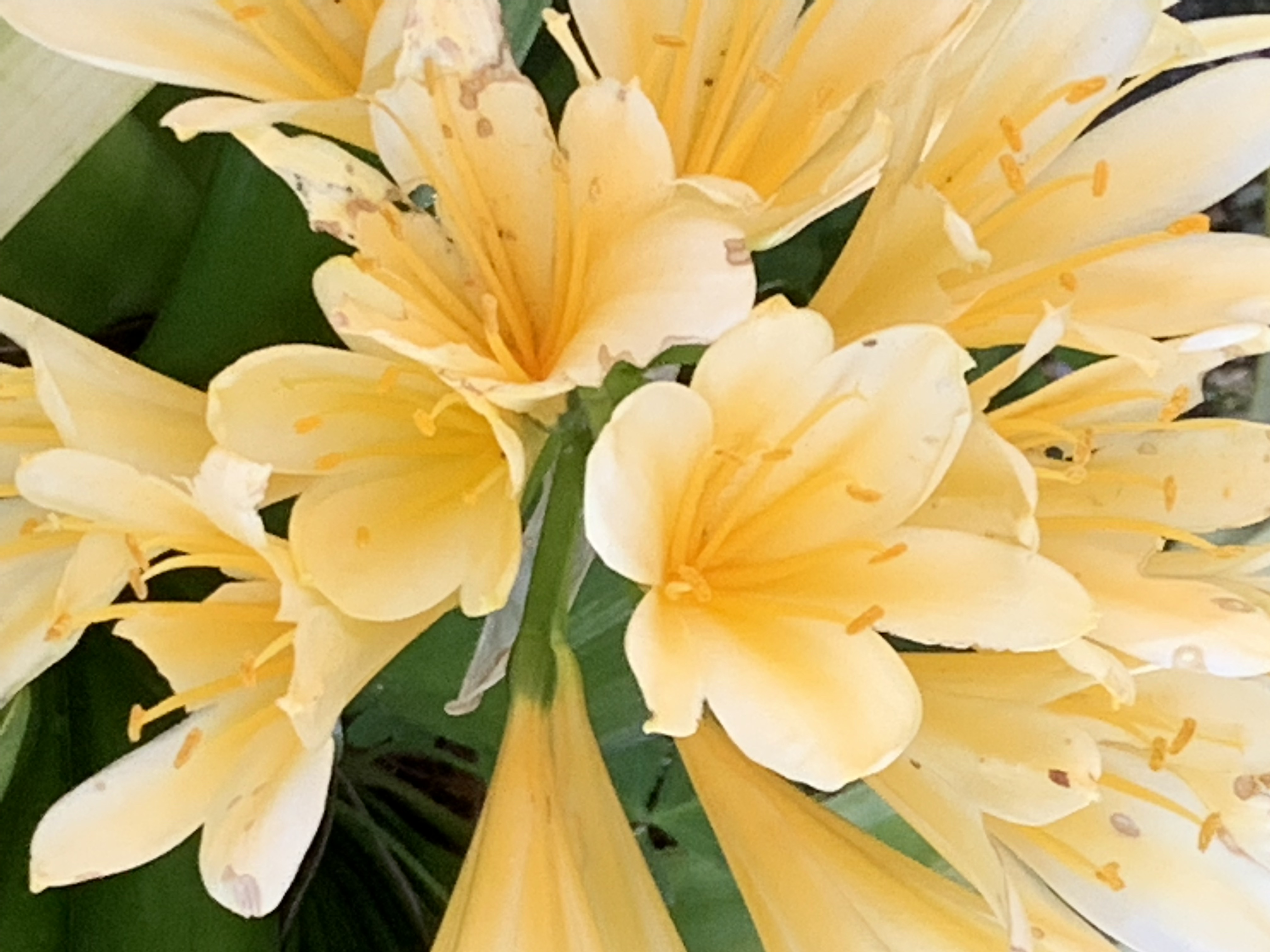
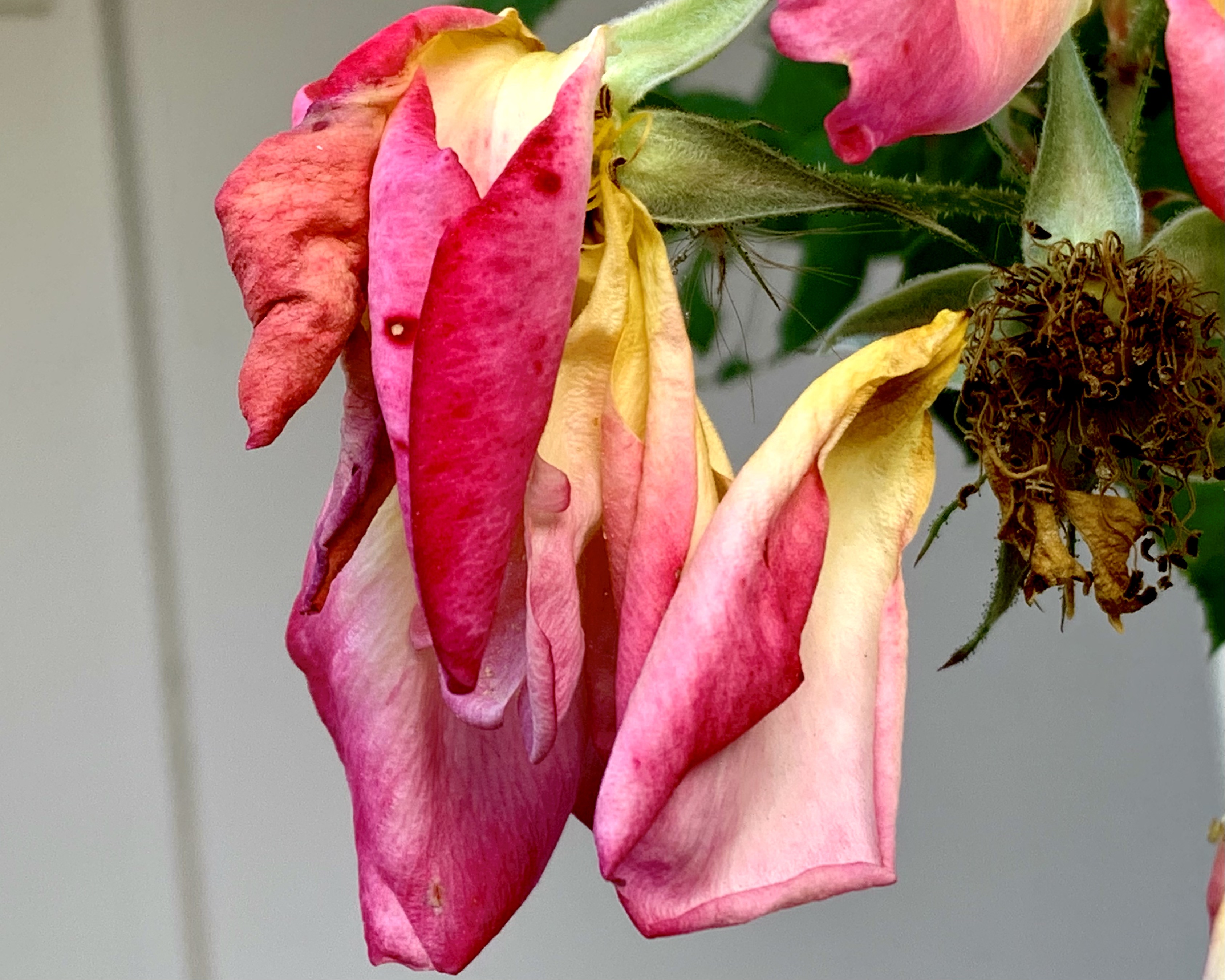
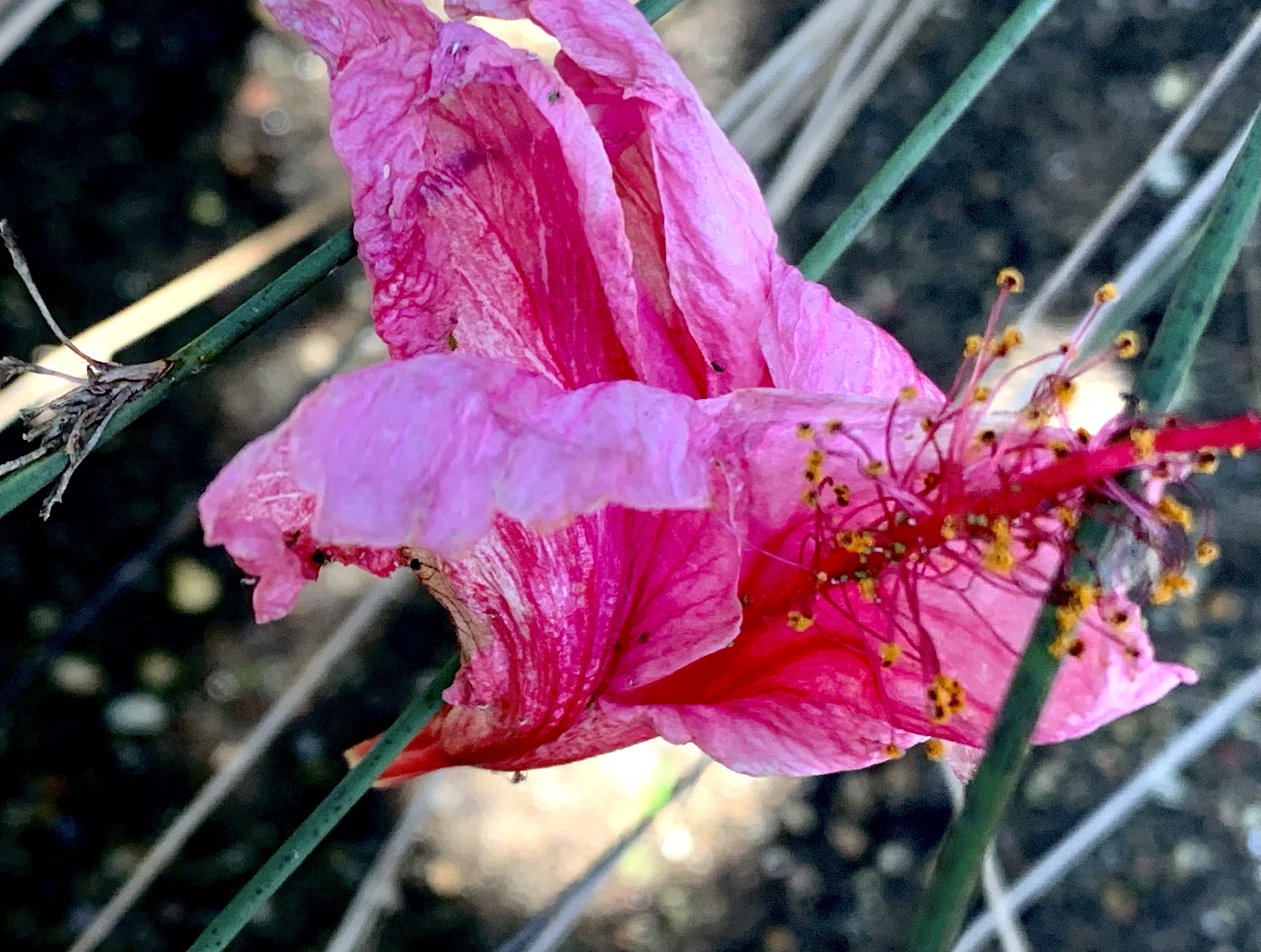
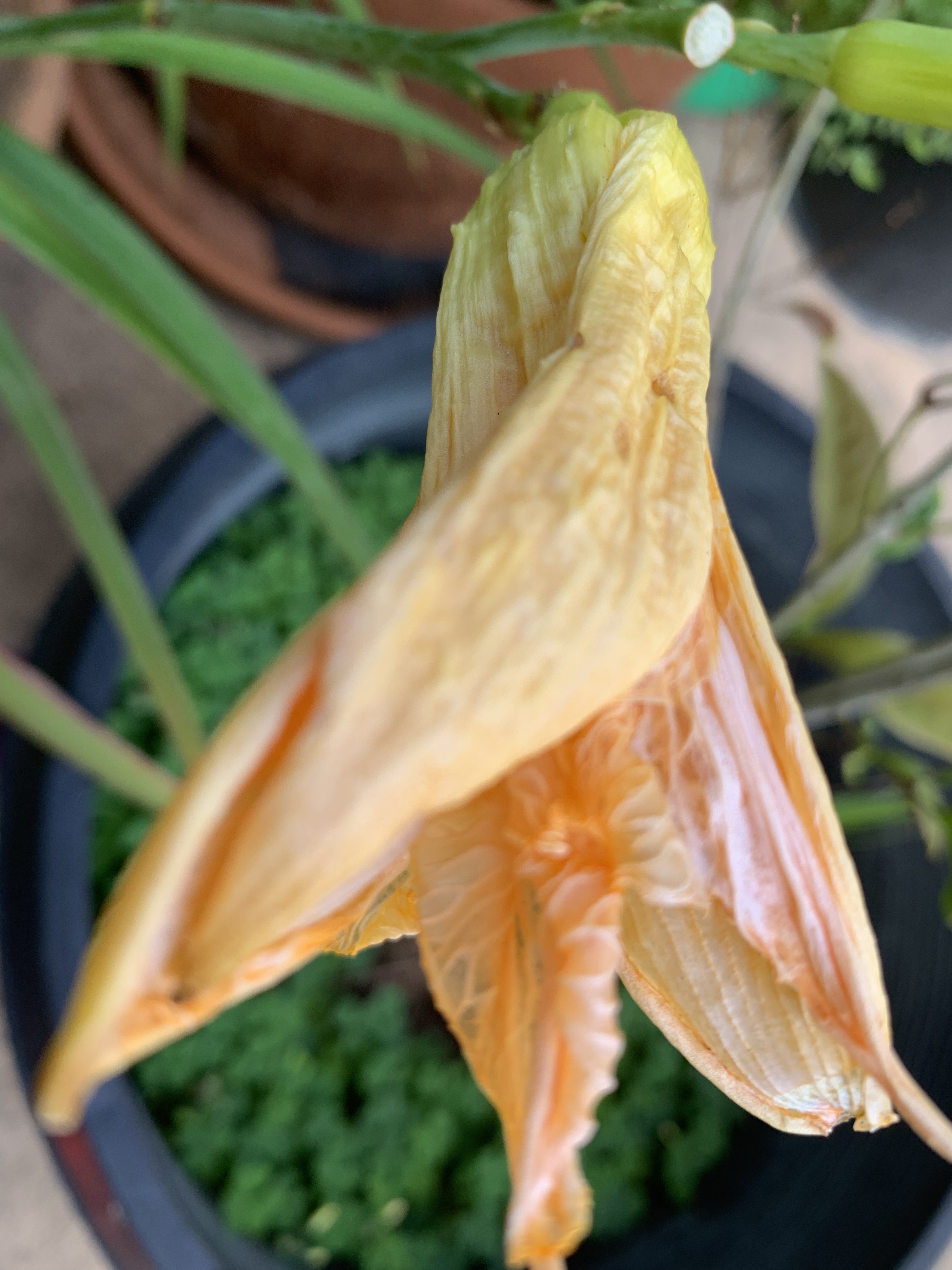
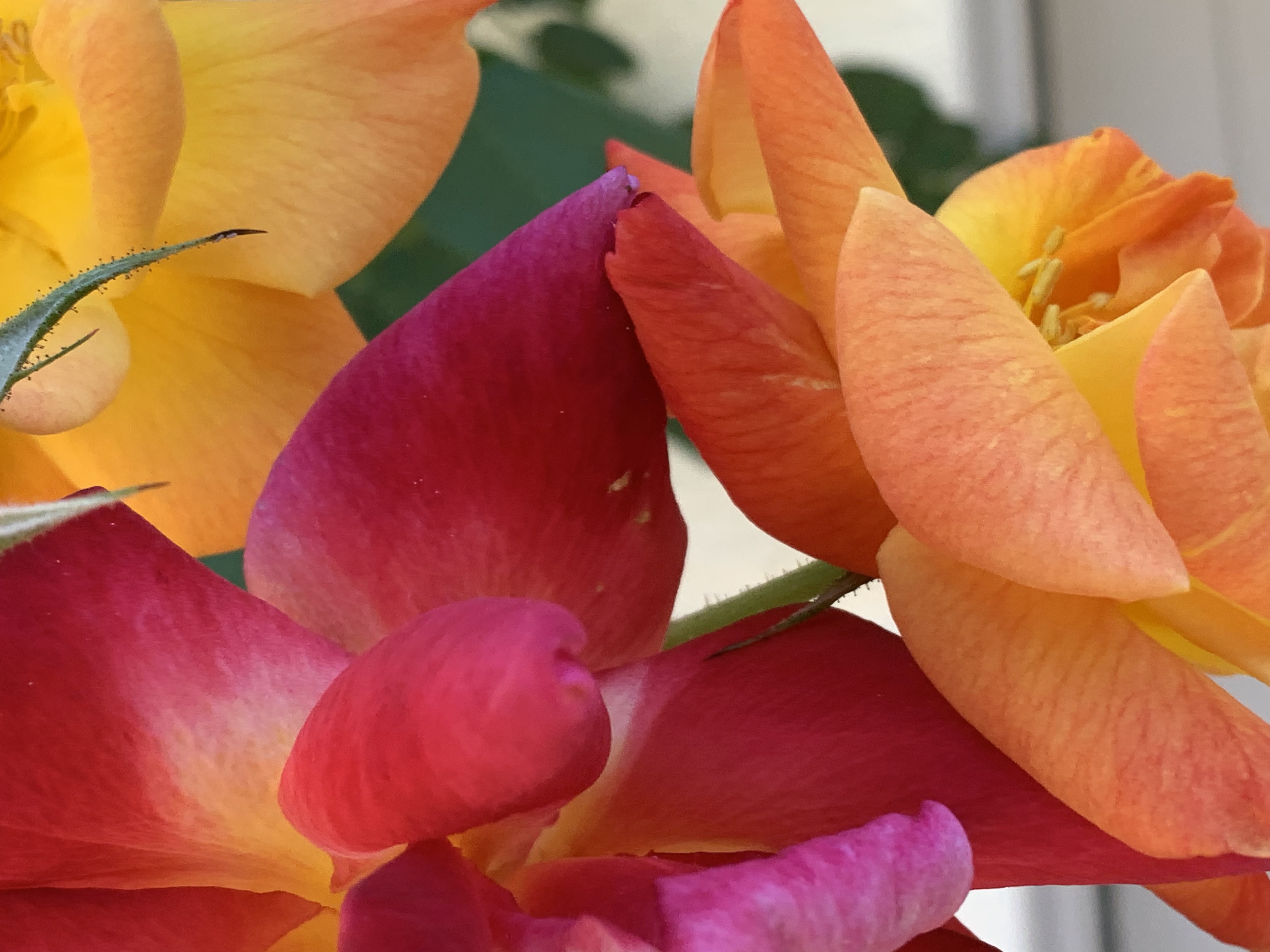
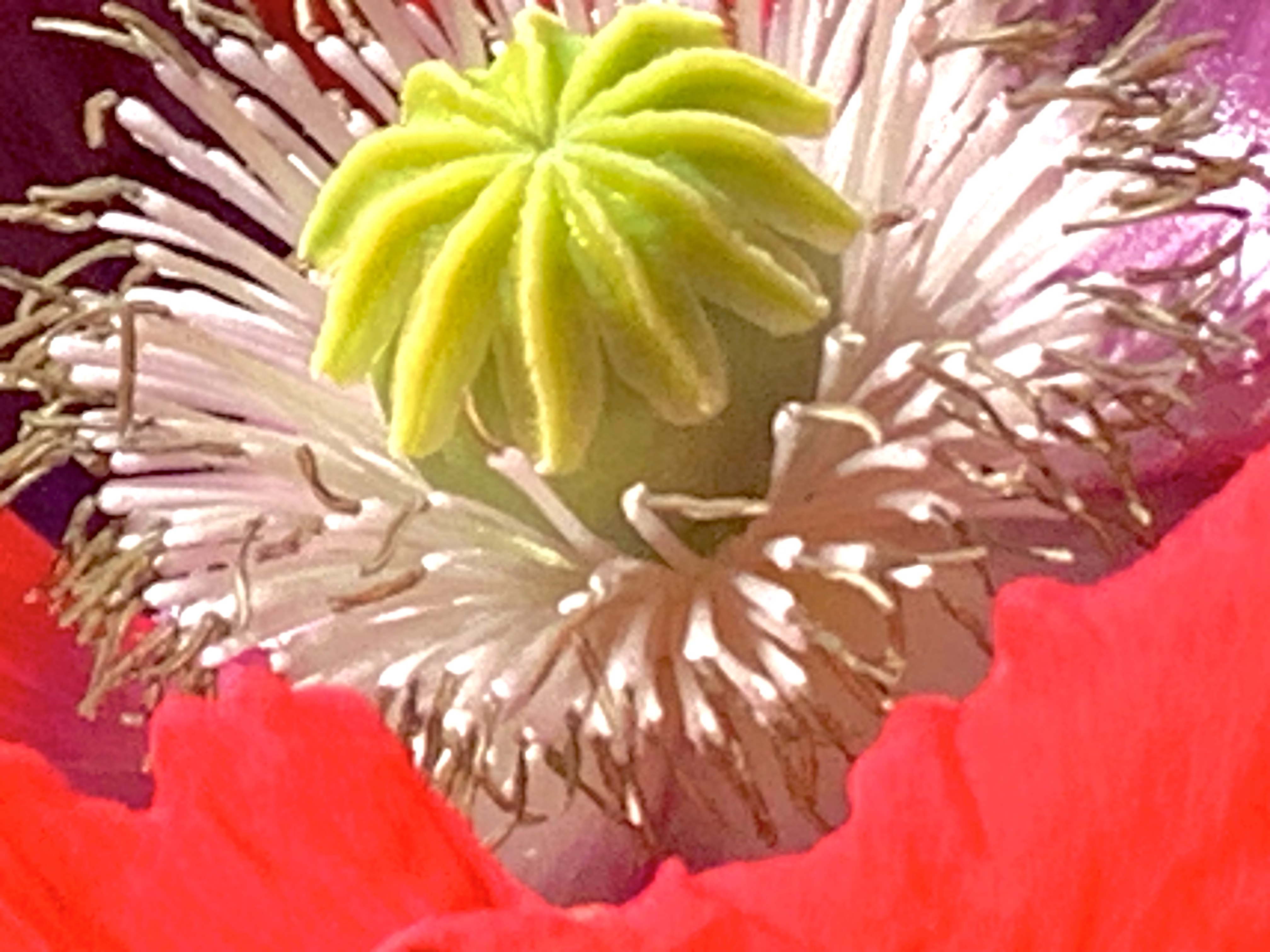
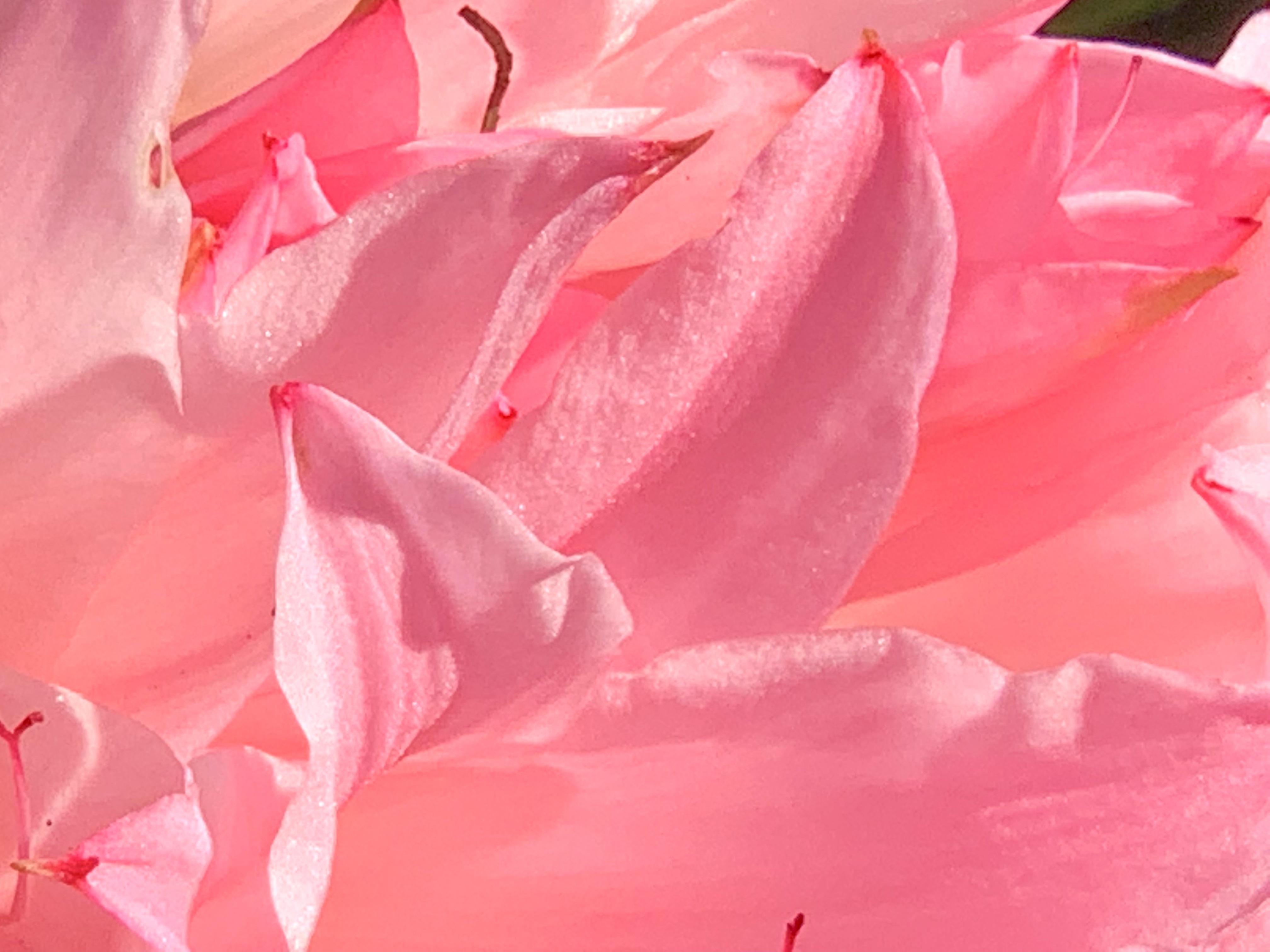
In order to illustrate “Good Shape,” I decided to take some pictures to illustrate “Bad Shape.” Since I have surrounded myself mainly with nature or with artifacts that were intentionally designed to be aesthetically pleasing, it turned out to be more difficult than I imagined at first. The other issue is that when I take photographs, I (like most people) “frame” the picture so that “Good Shape” is clear. I began to intentionally brake that habitual way of framing with pictures of flowers that overlap. The natural beauty of flowers is so rich that, to me, even a quasi-random framing still results in a beautiful picture. 
This turns out not to be the case with artifacts however. 
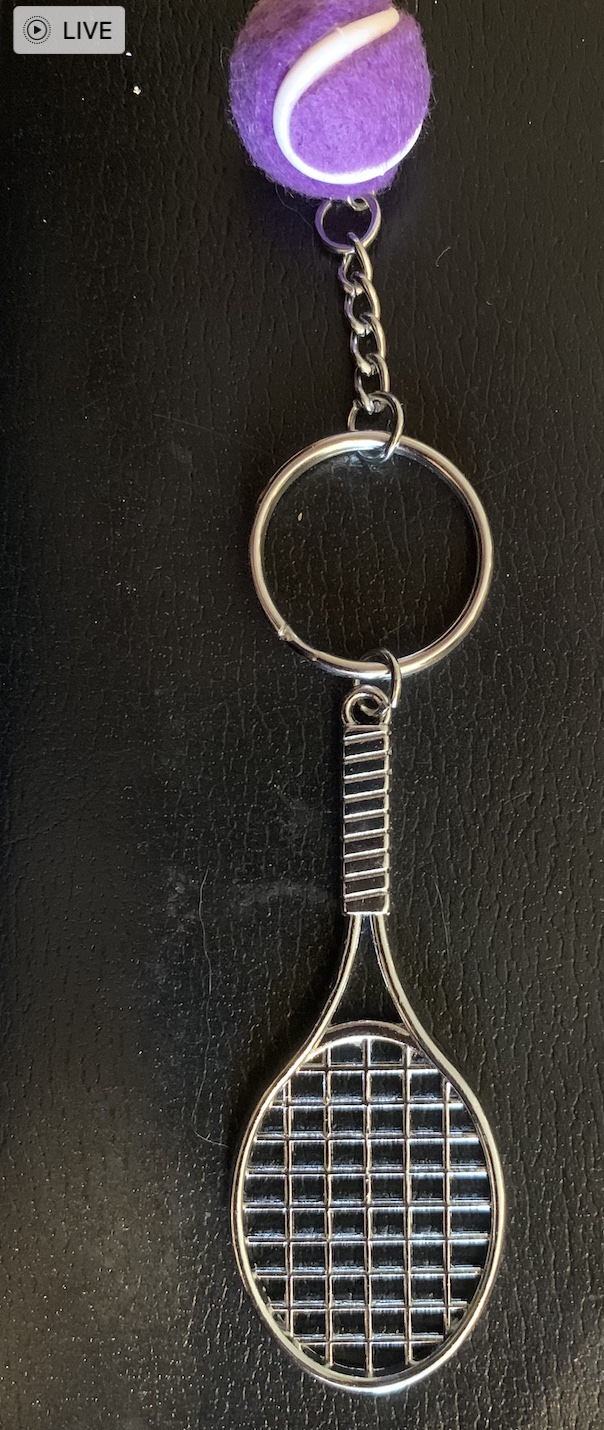
Although some of the elements of this seem to have “Good Shape,” the overall composition lacks a coherent center. It seems to me to be an artificial “kludge” of colors, textures, and shapes and there is no overall “Good Shape.” 

By re-arranging the elements into this form (above), to me, it seems to get closer to “Good Shape” but the purple “tennis ball” seems ill-proportioned and out of place. In “real tennis” there is a physical reason for the ball to be fuzzy but here, the fuzziness of the ball seems added on and arbitrary. 

Here too (above), the overall composition lacks “Good Shape.” The large semi-random dark blob in the middle has no real “Center.” The elements around the edges do not cohere or reflect off of each other. None of the elements around the edges are complete enough to have “Good Shape” except possibly the links of the small chain. 

Here is another example of quasi-random elements brought together into a single picture. Though to me, both the wood and the stone are in and of themselves beautiful, there is nothing about the composition that integrates into a whole. There is no center, no echoes, no alternating repetition, no levels of scale, and despite the nice texture of the stone and wood, the overall effect, to me, is lacking in “Natural Order” and in beauty. 
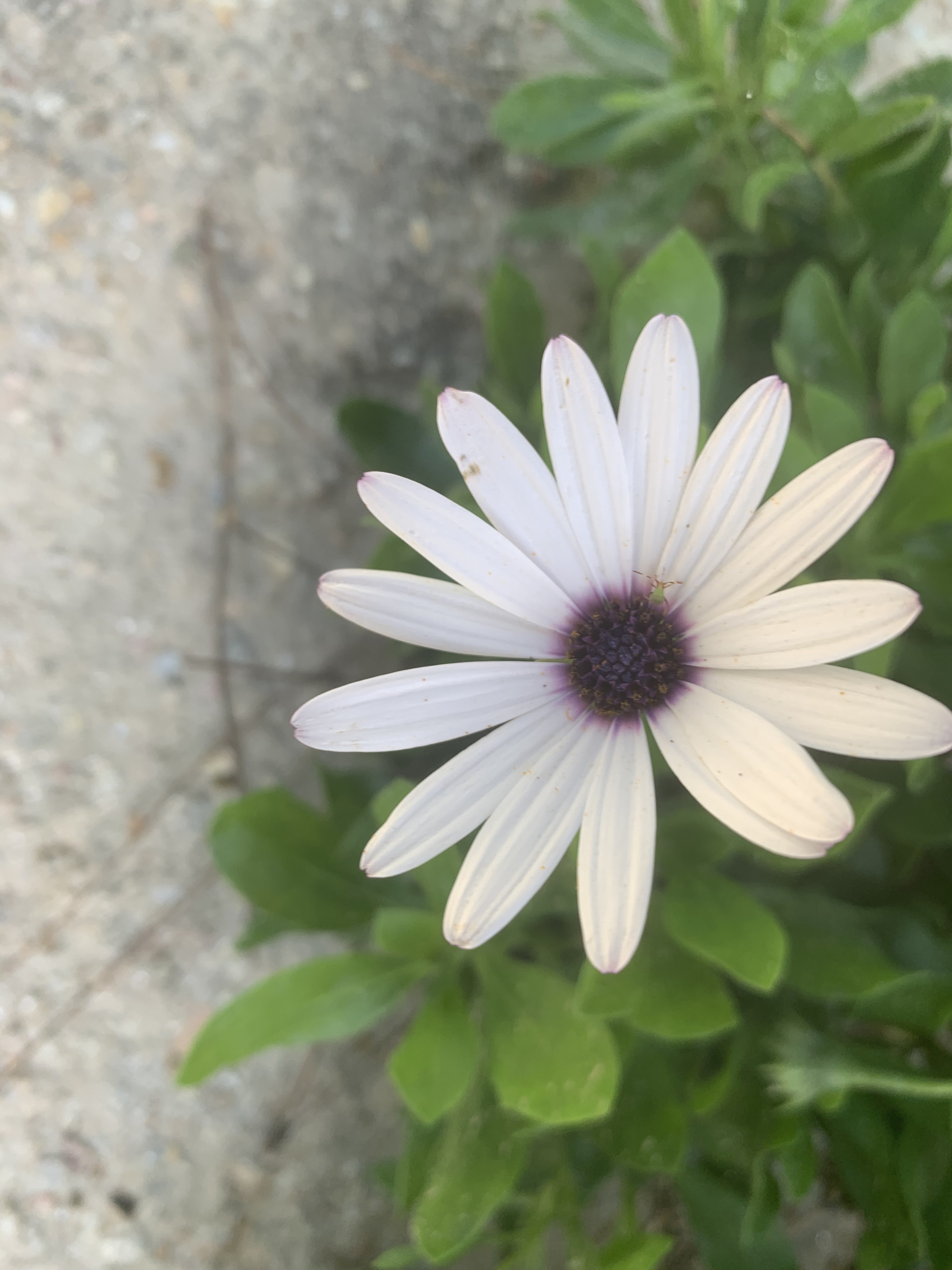
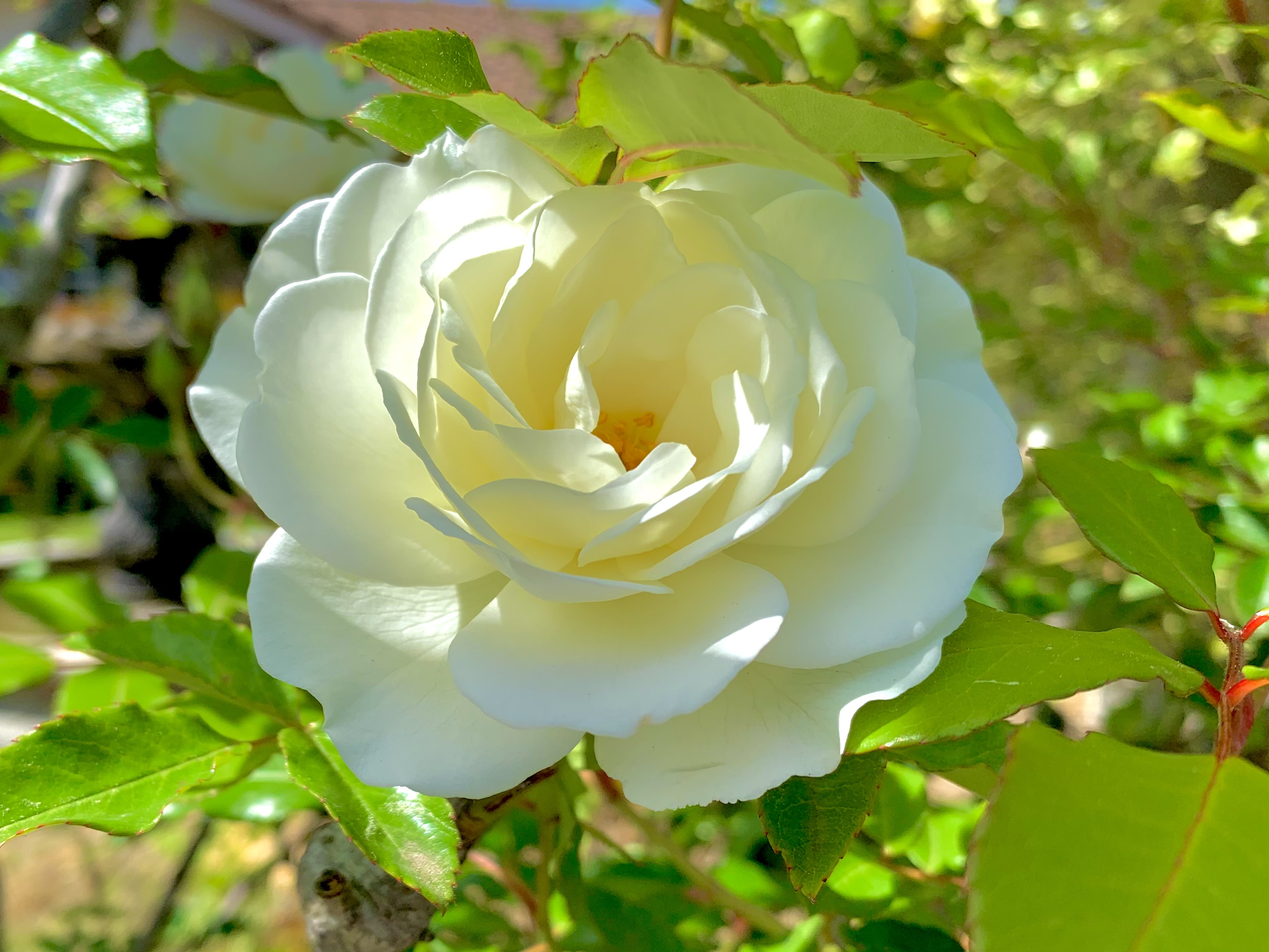
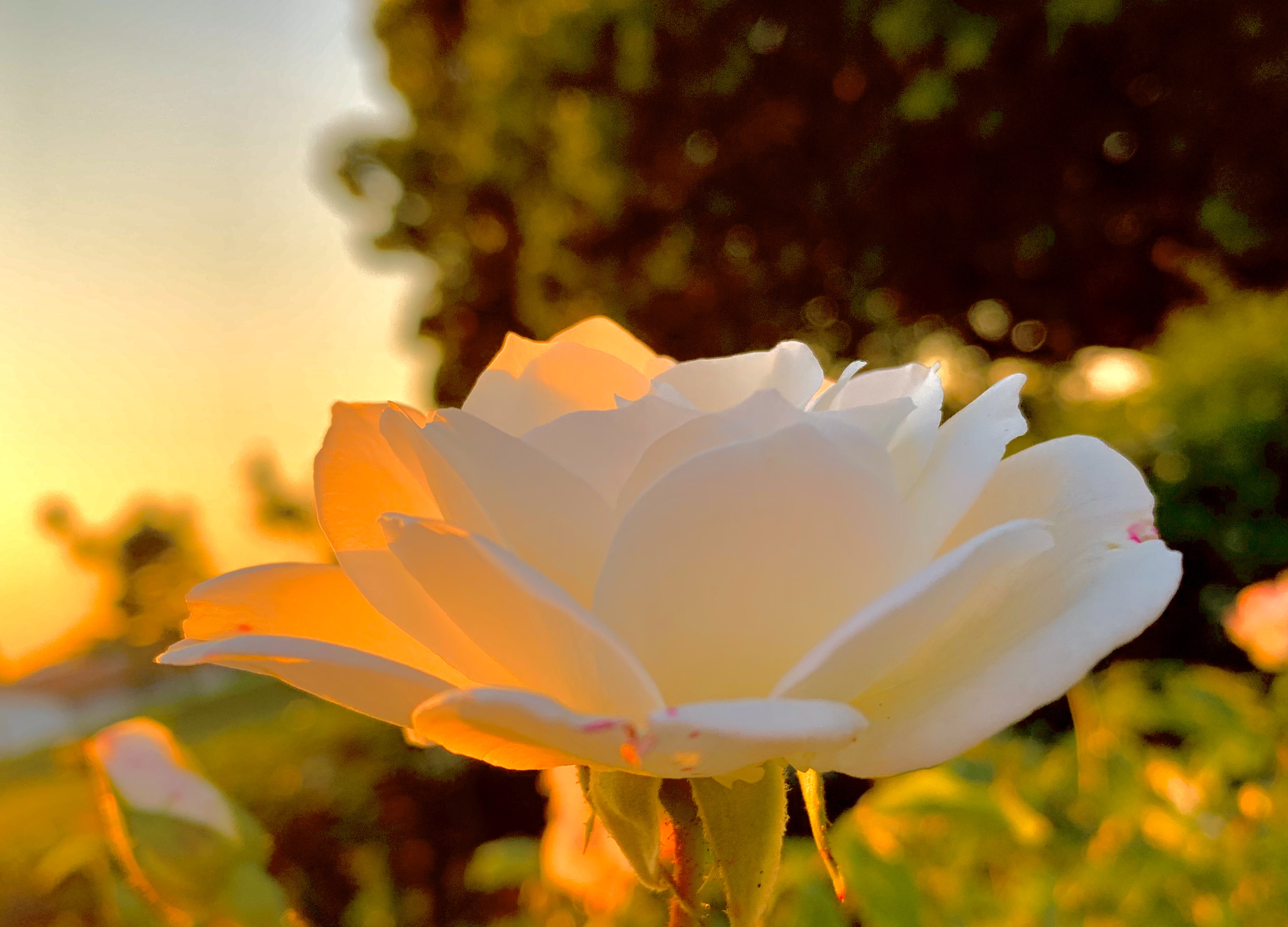
By way of contrast, the flower here seems to have a good overall shape reinforced by a Strong Center, Alternating Repetition, and each of the petals themselves has Good Shape. Around the flower, to me, is a “Positive Space.” Note that one of the petals seems slightly out of place. To me, however, this does not spoil the “Good Shape.”
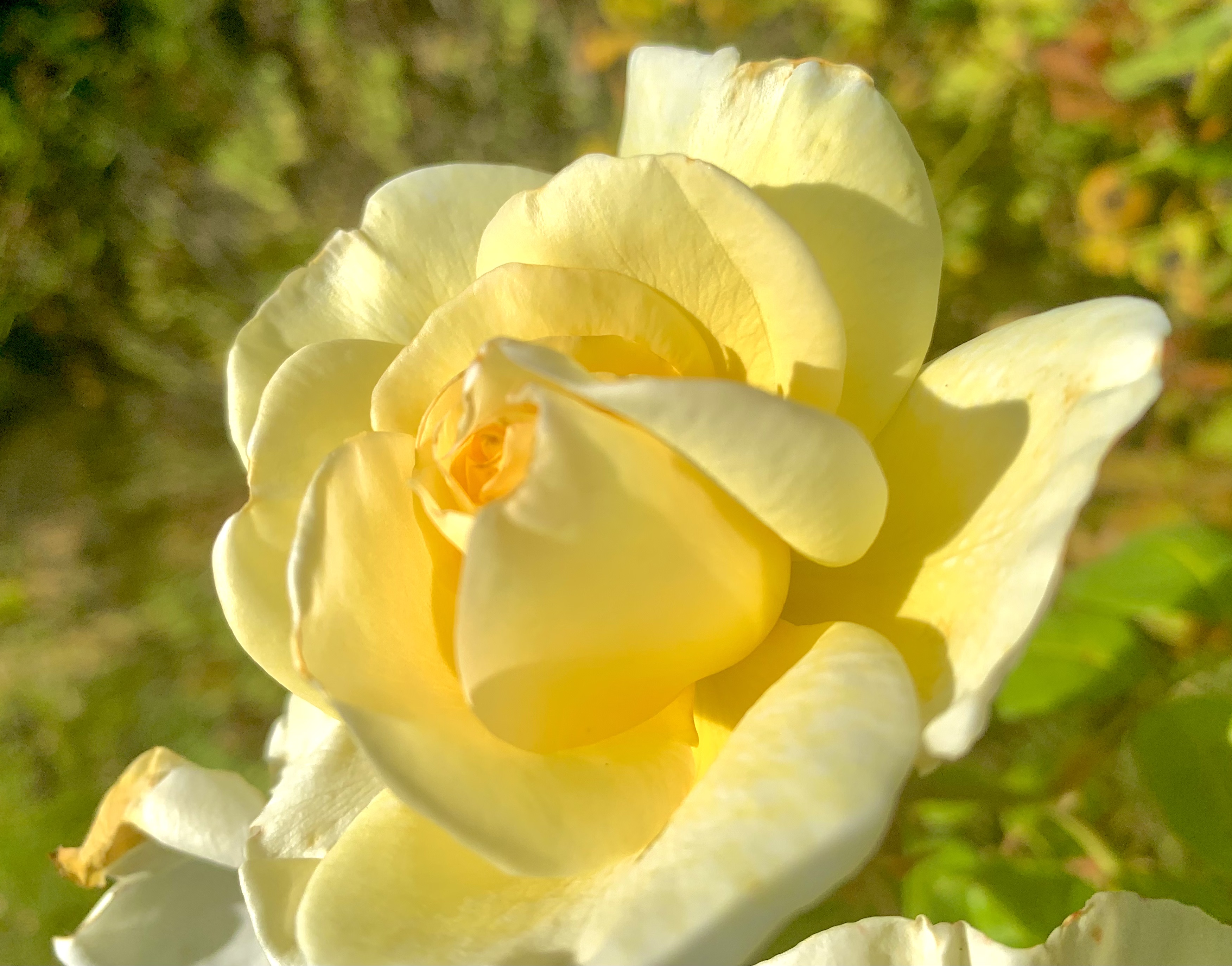
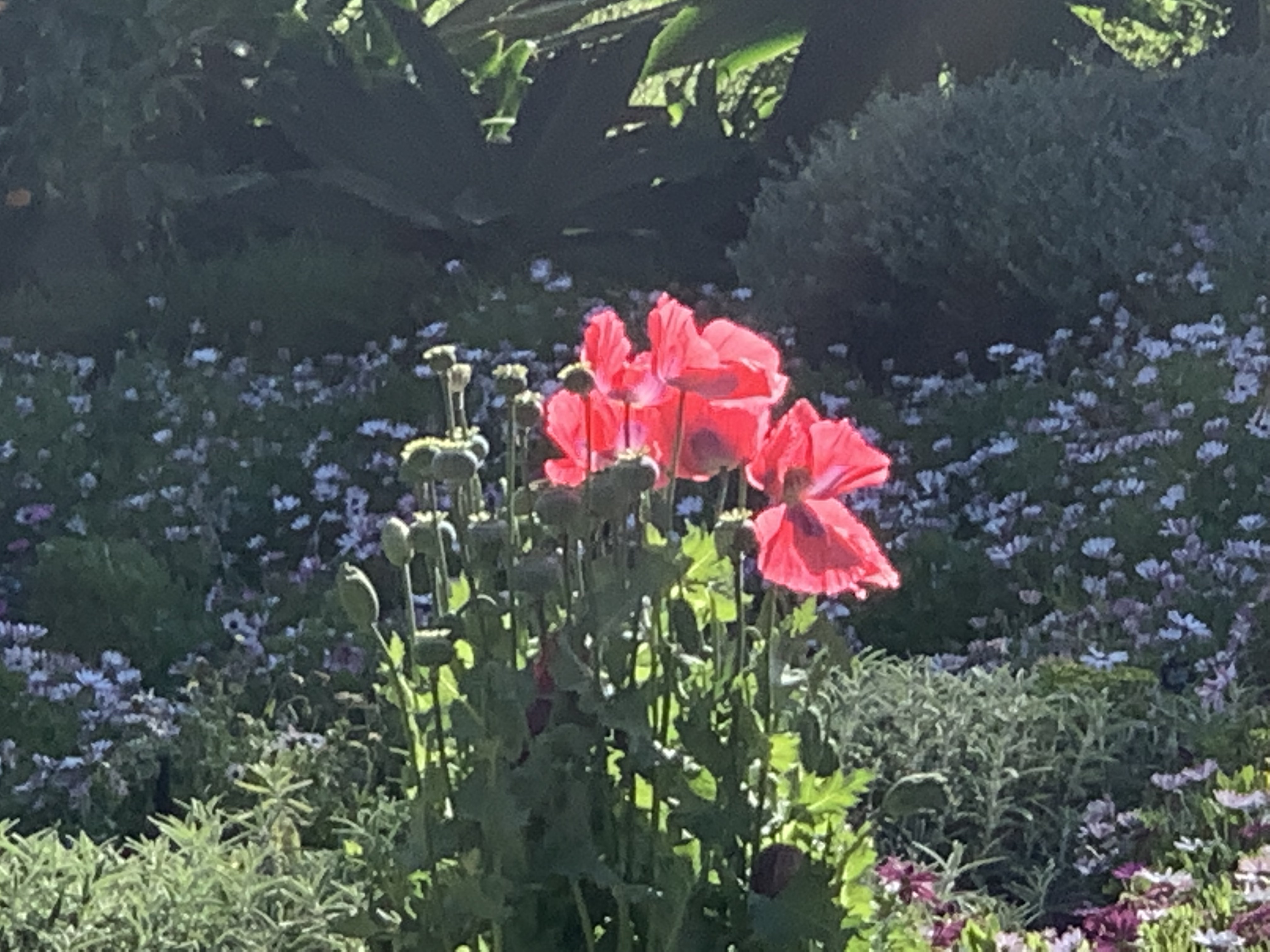
The same can be said of these flowers. 

It isn’t necessary to have overall “simplicity” in order to have “Good Shape.” These flowers are not “simple” in shape, but they still have “Good Shape.” 

The bird on a branch shown above seems to me to have “Good Shape” even though it is (in outline) lacking symmetry. Though lacking symmetry in profile, the shape strikes me as “balanced.” I don’t perceive the bird as having to exert a lot of energy to keep from “falling off the branch.” The bird’s shape, like the shapes of most animals and plants is the result of 4.5 billion years of evolutionary history. 

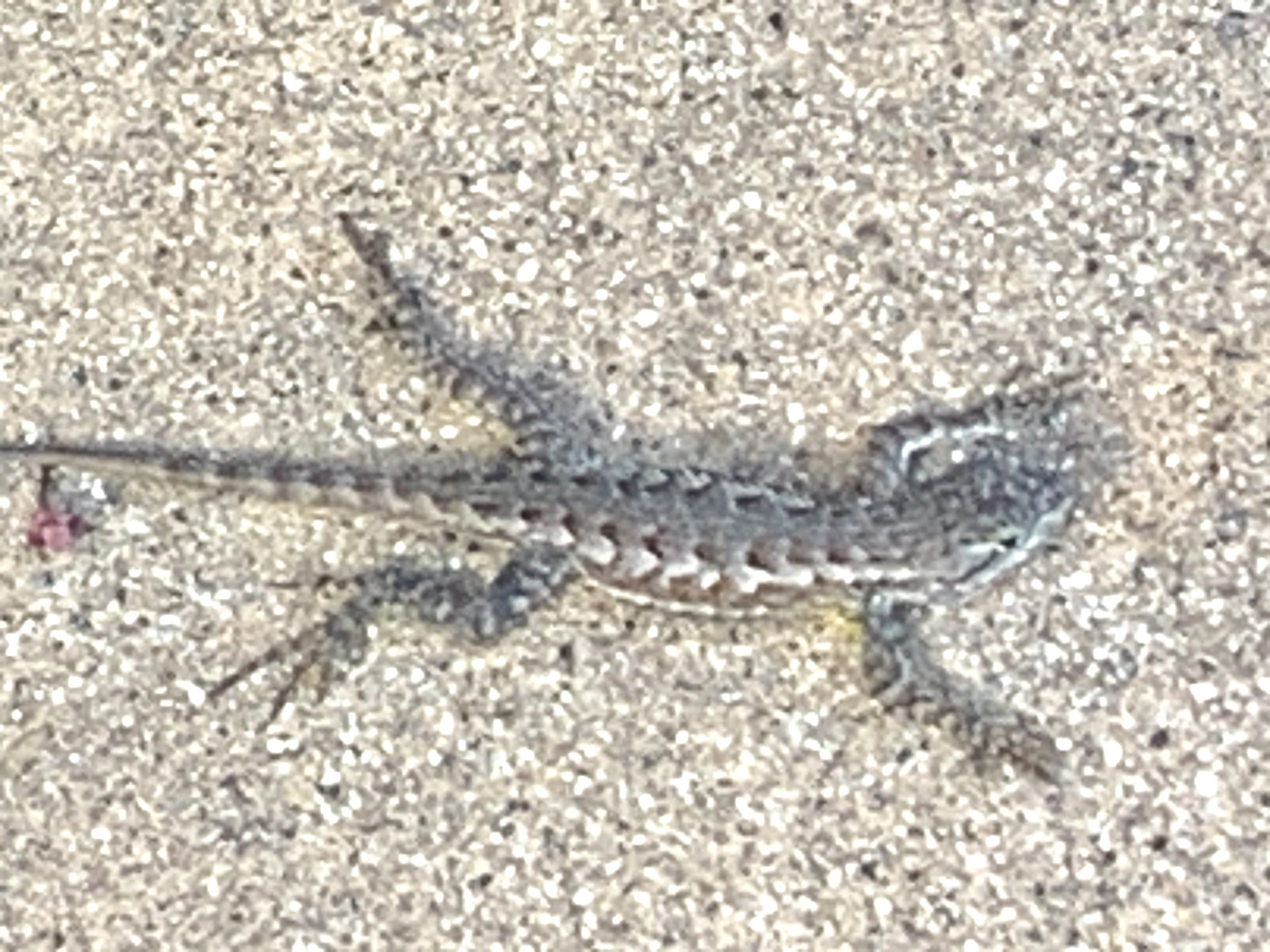
Many people view some creatures as “enemies” and therefore “creepy” or “yucky” or perhaps even as dangerous. If you can set that aside and simply look though, I think you can see that “Good Shape” characterizes all sorts of animals (as well as plants). 

At a more abstract level, it even seems that natural animal behavior often shows beauty. That also seems characteristic of skilled human behavior. The Olympics show plenty of examples. It is hard to imagine an “ugly” baseball swing resulting in a home run. The runners, jumpers, throwers, gymnasts, tennis players, and so on produce “Good Shape” in three spatial dimensions and one temporal dimension. 

I play tennis several times a week. I’m not averse to winning a point even if the ball hits my frame, skids off to the net cord and drops over for a winner. But — I never feel as pleased by such outsized luck as when I hit a good shot that results from proper choice, preparation, and execution (and a history of practice and reflection). I never think of a lucky mis-hit as “beautiful.” 

The concept of “Good Shape” even applies to more complex human organizations and endeavors. Racism, for instance, to me is truly ugly. It is not based on truth, but on a kludge of lies masquerading as truth. White Supremacy for instance, basically says, “We’re white! That makes us superior! In fact, we’re so superior, that we insist every aspect of our society be tilted so we can be guaranteed a win!” 

Huh? 

Bad logic is never beautiful. 

The “Good Shape” exhibited by most plants and animals reflects both a long evolutionary balance of forces (phylogeny) and the development of a particular organism (ontogeny). When biology goes awry, as in cancer, the result is not beauty. The “logic” of cancer is that billions of years of evolution that allows our bodies to work harmoniously is put aside for short-sighted egotism. A random cell says, in effect, “I’m no longer going to do my part for the body as a whole. Instead, I’m going to grab all I can for myself and grow in an unrestricted way!” 

Such a cell, by making that decision, signs its own death warrant. Either the body destroys the cancer and therefore the cancer dies — or, the cancer prevails and in that case it destroys the life of the organism it was supposed to be a part of — and then it dies anyway! It’s an “ugly” decision both because it is disproportionate and because it is illogical. It aims to be self-serving, but it is not even self-serving. It guarantees its own death and kills more life along the way. 

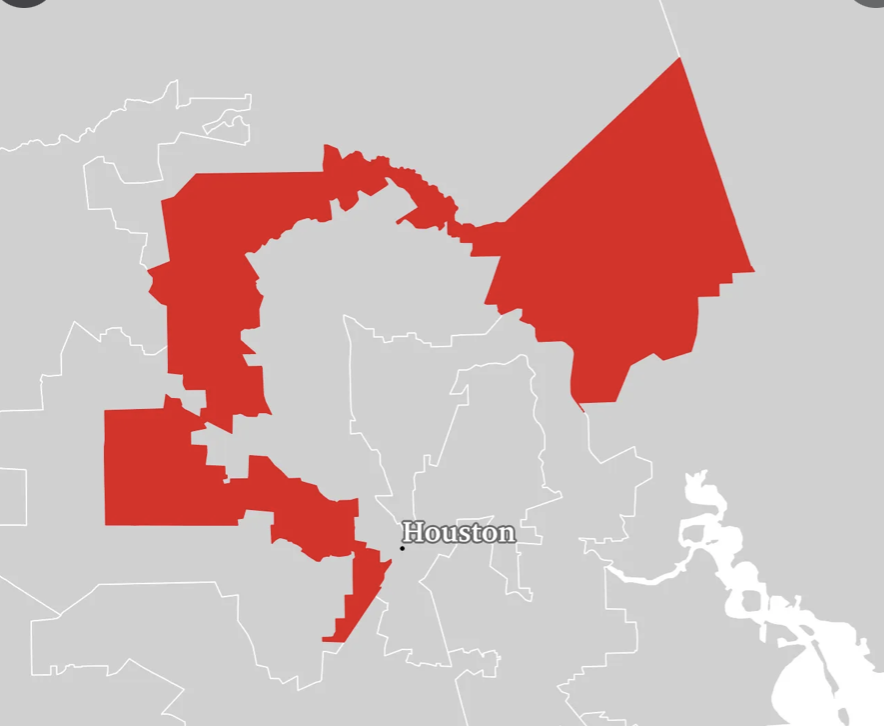
It’s the same, to me, with any dysfunctional human organization. If democracy is perverted by some people demanding that decisions be made so that they can have their way regardless of how it impacts the overall tree of life and the overall health of a city, state, or nation, it lacks “Good Shape” and instead becomes a distorted kludge lacking symmetry, lacking balance, lacking life. It is no accident that “Gerrymandered” districts do not have “Good Shape.” 
In extreme cases, not surprisingly, dictatorships have resulted in a war on truth, beauty, and life itself. It’s no “accident” that Hitler, Stalin, and Mao were each responsible for millions of human deaths. Their activities also show utter disregard for the beauty of the natural environment and the plants and animals of the planet. 

When it comes to User Experience, the most obvious way to apply “Good Shape” is to the visual elements of the interface — icons, windows, menus, tool bars etc. However, I think it also applies to the design process. Are the needs of all stakeholders taken into consideration? 

Do the various disciplines involved in design respect each other? Do people tell the truth and show trust? Does the company treat its users with respect and tell the truth in its various communications? 

If a company provides “free games” or “free services” that are purportedly for entertainment or education but the real purpose is to gather data to sell to advertisers or foreign powers trying to use the data to destroy democracy, it would seem to me that business model itself — the raison d’êtrefor the entire project is an “ugly shape” regardless of how pretty the icons are. 

What do you think? Do the concepts of natural beauty apply to the design of organizations and even governments?

—————————————

Christopher Alexander – Fundamental Property 6: Good Shape

Cancer always loses in the end

Fascism Leads to Chaos

Who Speaks for Wolf? 

Voter Suppression is Life Suppression
The Orange Man

Stoned Soup

The Broken Times

All We Stand to Lose

After All

Imagine All the People

Roar, Ocean, Roar!

The Dance of Billions

Photo by Pixabay on Pexels.com

The Walkabout Diaries: Symphony

22 Saturday Aug 2026

Posted by petersironwood in family, nature

≈ 4 Comments

Tags

collaboration, community, cooperation, Cymru, diaries, empathy, flower, flowers, garden, gardening, karma, love, nature, peace, photos, plants, teamwork, ubuntu, unity, walkabout

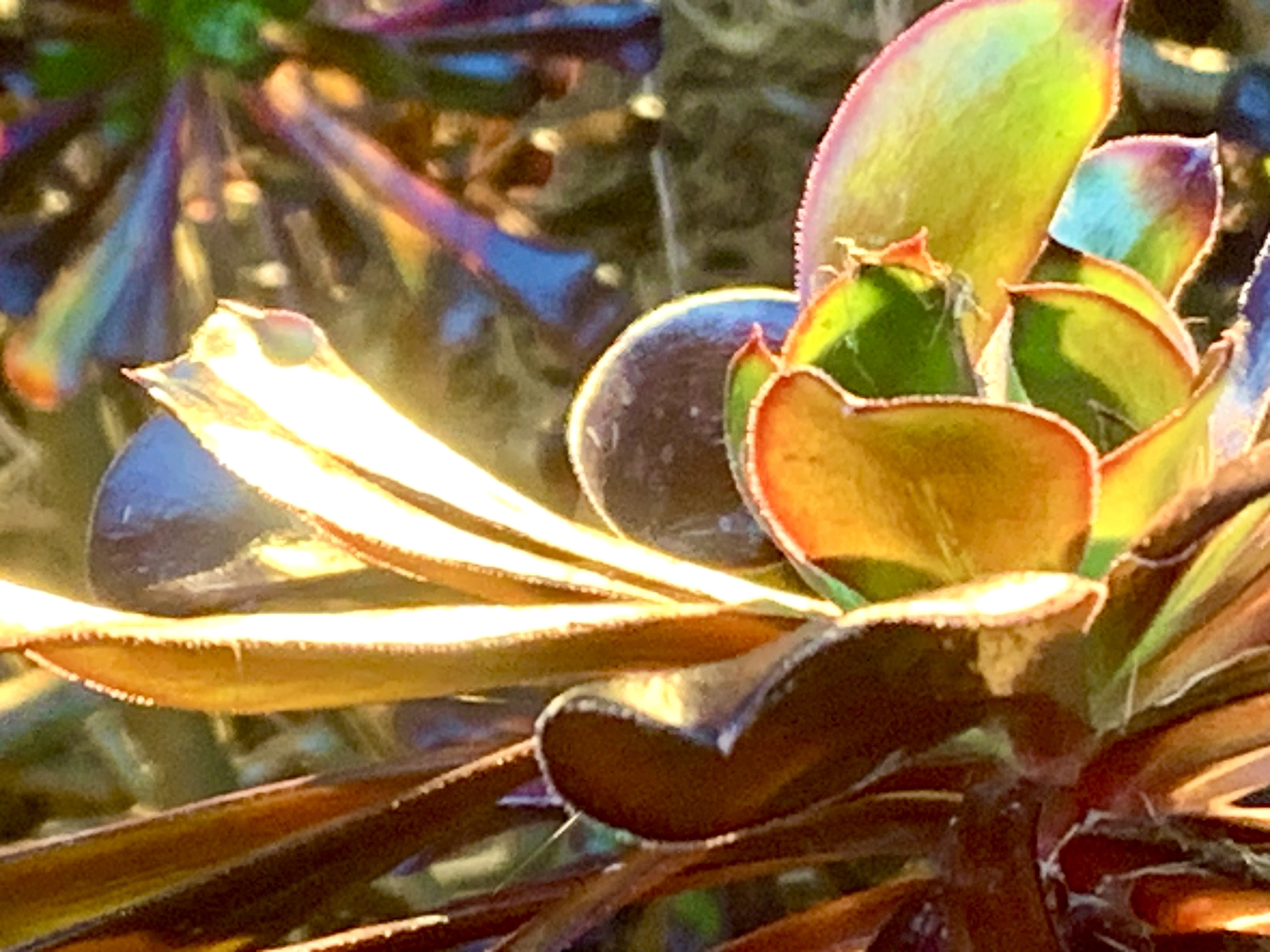
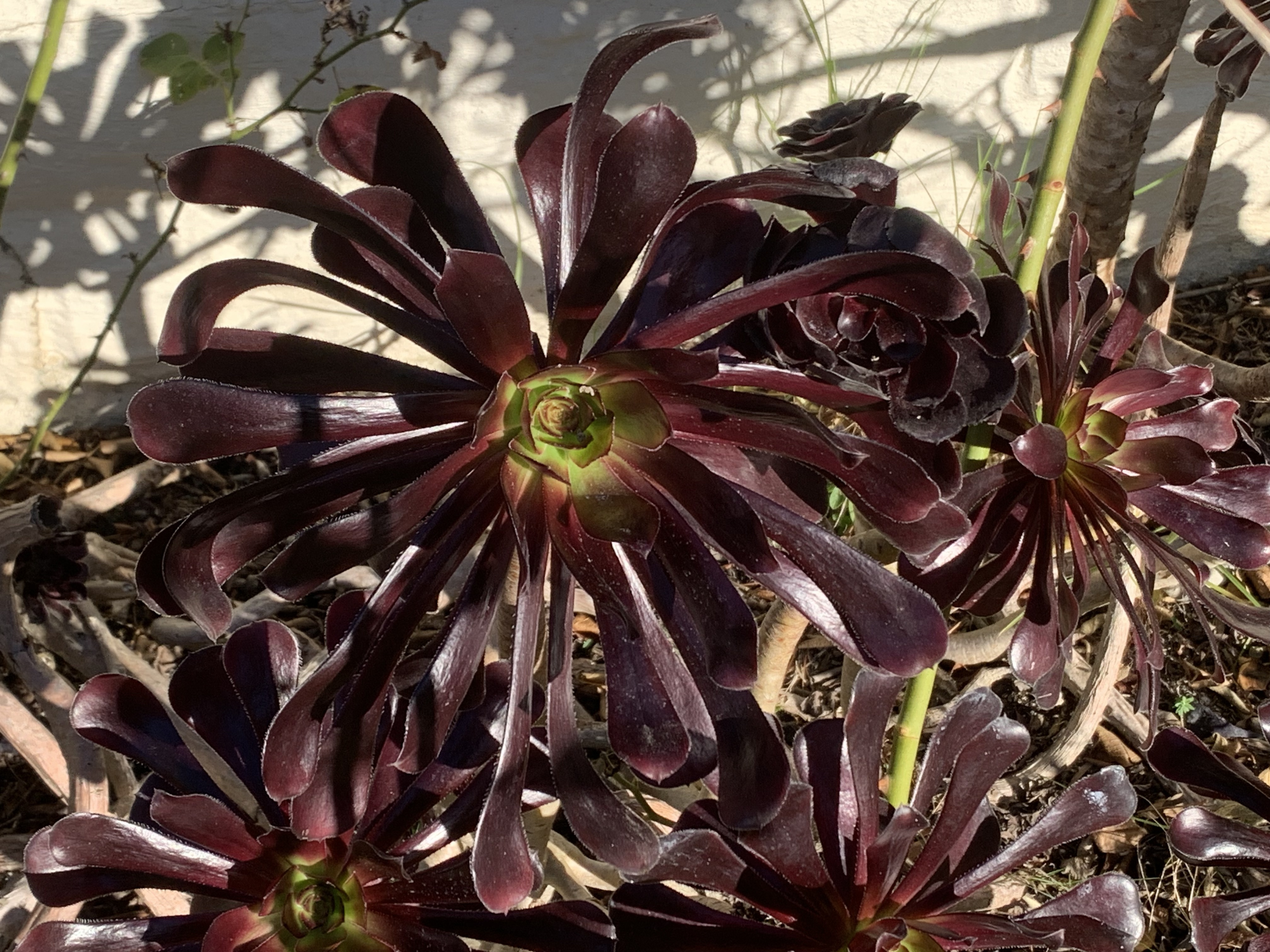
Below is a picture of a plant popularly known as a black rose. It’s a succulent and not closely related to a regular rose (as are apples, by the way). Shown here, by itself, more or less, it shows beauty in its radial symmetry and shiny leaves.

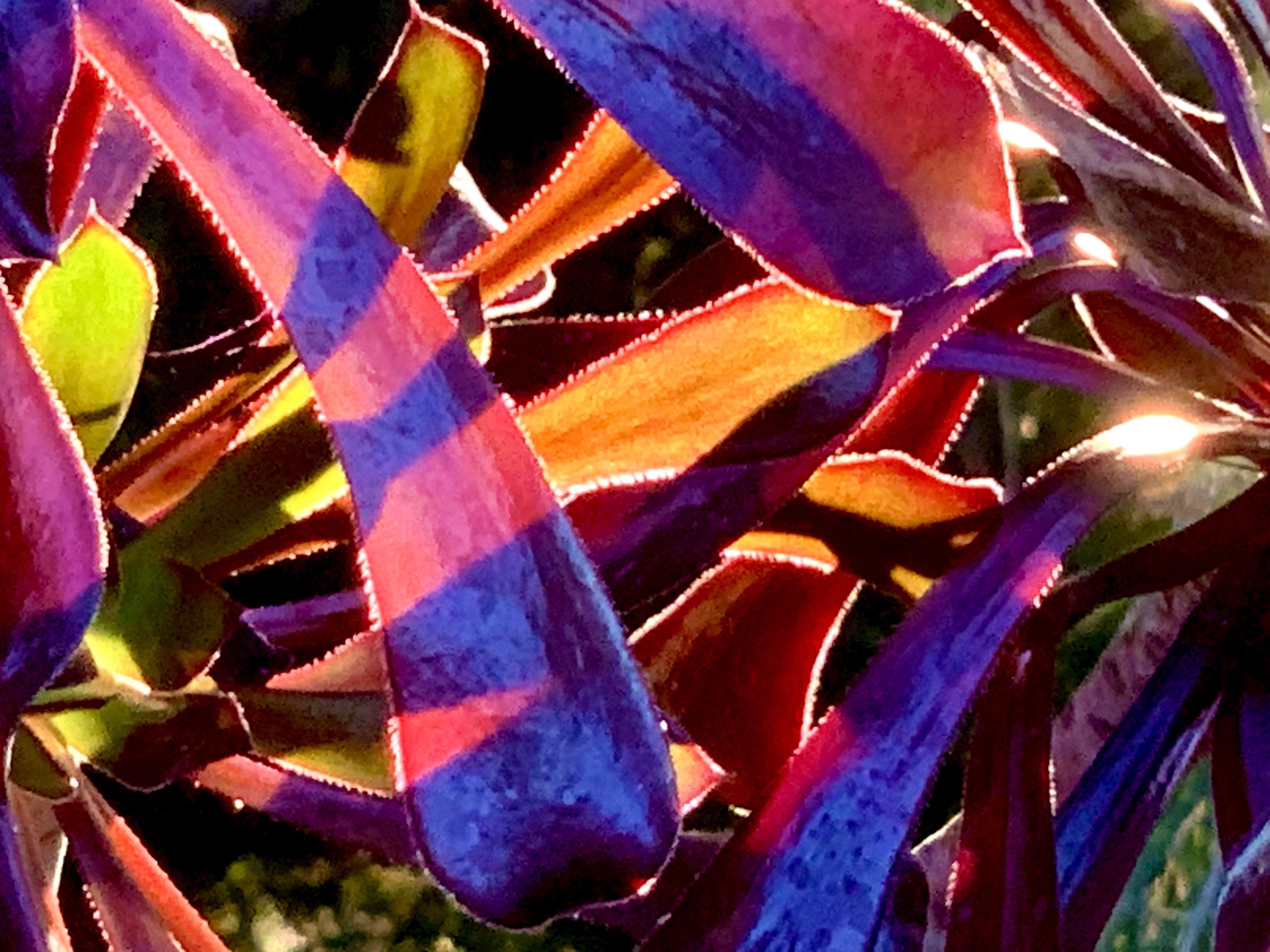
And then, there’s this:

Fireworks. Rainbows. A light show of beauty. What gives?


What gives? Its neighbors — that’s what gives

And it gives back. The beauty, the variety, the subtlety — they only come to life as part of a community of plants. Each one allows, blocks, filters, reflects, or even possibly refracts and diffracts the light of the setting sun. On evenings like this, with not a cloud in the sky, the light here (very dry) is sharply directional and allows these effects to be enhanced. But the main thing is the interaction with the other plants and trees of the garden.


And, isn’t this true for people as well? Someone can look beautiful but true beauty shines when someone is loving, teaching, learning, dancing with, or playing as part of a team or orchestra. That’s when people reveal their most amazing and unique gifts and charms.

In fact, the only special gift humans have is the ability to communicate with each other in complex ways that allow us to cooperate even across time and space.

After originally writing the blog post above in 2022, I discovered that this observation aligns nicely with the concept of “Ubuntu”

https://en.wikipedia.org/wiki/Ubuntu_philosophy

By way of contrast, there is the absurd idea of “the self-made man” — really just a rationalization for psychotic levels of greed.

Dance of Billions

Fencing

What Line?

How the Nightingale Learned to Sing

Listen you can hear the echoes

Series on Leadership and Empathy

The Walkabout Diaries: Bee Wise

The Walkabout Diaries: How Beautiful and Green

The Walkabout Diaries: The Party

The Walkabout Diaries: Life Will Find a Way

The Walkabout Diaries: Life of the Party

The Walkabout Diaries: Friends

The Walkabout Diaries: Sunset

The Walkabout Diaries: Lest We Forget

Some book recommendations:

The Winning Weekend Warrior focuses on the mental game for all sports using examples from tennis, golf, baseball, and other sports. It covers self-talk, imagery, mental practice, strategy, tactics, & sportsmanship. http://tinyurl.com/ng2heq3

Turing’s Nightmares explores the implications and ethics of Artificial Intelligence through fictional short stories. http://tinyurl.com/hz6dg2d

Fit in Bits shows many ways to put more fun, variety, & exercise into daily chores and habits to help with strength, flexibility, fitness, and balance. http://tinyurl.com/h6c7fce

Tales from an American Childhood recounts early experiences mainly in the American Midwest in the 1950’s and relates them to contemporary issues and events. https://tinyurl.com/y9ajvz9j

Dream Planet. Where do you run when the whole world is crumbling under the weight of human folly? When the lethal Conformers invade 22nd century Pittsburgh, escape becomes the top priority for lovebird scavengers Alex and Eva.

https://www.barnesandnoble.com/w/dream-planet-david-thomas/1148566558

Choose Your Weapons!

10 Monday Aug 2026

Posted by petersironwood in America, essay, family, guns, love, politics, psychology, Uncategorized

≈ Leave a comment

Tags

beauty, essay, flower, flowers, gun-violence, guns, photos, politics, USA, writing

“Choose your weapons.” 

An expression that perhaps goes back to the Roman Coliseum or “gentlemanly” dueling. What is a weapon? What can it mean to say, “The pen is mightier than the sword.”? 

A few years ago, I decided to try a little experiment. I knew that studies showed that owning a handgun did not, in general, make you safer. Actually, it was the reverse. Nonetheless, I thought perhaps I would feel safer. For one week, I imagined that my cellphone was a lethal weapon. I could pull it out and cause someone else horrendous pain or end their life or both. As you might imagine, I did not feel more secure or safer. I felt more paranoid about others but also afraid I might accidentally shoot someone. 

In the middle of Monday night, one of our cats turned over some cat bowls and made a huge ruckus. I immediately yelled bloody murder and jumped out of bed. I would not want to have a gun if I’m awakened like that. My body is primed for action and my mind is not yet anywhere to be found. I literally have no idea as to what’s going on. It only last a few moments. But those few moments are enough time to grab a gun and shoot someone. And that someone is far more likely to be someone in my family than a home invader. Maybe they left a book in your room and couldn’t sleep so they came into your room to retrieve it. I don’t really think an error like that is self-forgivable. Your mood would be altered much to the negative for the rest of your life. The only alternative would be to shut off your feelings so completely that you literally become a heartless monster. 

What occurred to me tonight while taking pictures of flowers, as one is wont to do, is that taking pictures is making a much better use of the iPhone than a gun for home protection is. For one thing, if you own a gun for home protection, you hopefully rarely use it. I use the iPhone nearly every day. The statistics say that you’re actually more likely to die in a home invasion if you have a gun, but let’s say, no, in your particular case, you did manage to shoot two people dead. And, that’s that. 

Except of course, it isn’t done at all. You will find out that the families of the two people you shot didn’t think it was so cool and they may sue you. Or, you may find out things about those families such as how desperate they were to make enough money to feed their kids that they turned to crime. Of course, you don’t want to hear that. They broke the law. And, indeed, in many states, that can be enough to get you off the hook. 

The “hook” of the law, that is. But that’s not the only hook. There’s the social hook. How do you think other people would view you? Maybe some will view you as a hero. But certainly many will not. You might end up being much more annoyed at those who view you as a hero than at those who view you as a villain. Either way, your life will never be the same. Those changes are much more likely to be negative on balance. 

There’s another social hook. How would you feel about someone you care about marrying into a family where someone killed two young lads? Better protected? Or, might you be worried about how that gun might be used in the future, in say, a marital dispute? (Although, of course, suicides and accidental killings should also be on your mind, but those are always a possibility with a gun owner. But in the case of the dual killer, we don’t just know he might kill when provoked; we know he will kill when provoked. Maybe you think a home invasion is sufficient reason for murder. But how about a marital dispute? Surely you’ve noticed that even couples who love each other can come to a point where they are too frustrated to think clearly. I don’t really see how a gun helps a situation like that. 

Lastly, there is your own hook. That may be the sharpest and deepest cutting hook of all. You will second guess your actions on the night of the fatal shooting no matter what. That’s just human nature. Some dark, rainy evening, when that re-run is playing for the 13th time, it will hit you that you knew damned well they were unarmed. Another part of your brain screams “Bullshit!” And, so you block it out. Until several weeks later, you discover your cousin’s preferred brand of weed is way stronger than what you’re used to. And, as that snuff movie replays itself yet again, it occurs to you that you not only knew they were unarmed, you thought: “So what? Nobody’s going to put me in prison for it. In this state, they’l think I’m a hero.” Again, you hear the booming voice: “Bullshit!” Only this time, you realize that isn’t your voice at all. That voice is the one he used to destroy you when you told people about his molestations. That’s not you. Or is it? You might, at some point, find yourself depressed by this debate, perhaps riddled with self-doubt. At other times, maybe you’ll come to peace with your actions. But the debate will never stop. 

I take pictures of flowers. They are for anyone to enjoy or ignore. No regrets. That’s my “weapon” of choice. 

————————————

Author Page on Amazon

Family Matters

Stoned Soup

Clarence but not Darrow

Con-Con Man’s Special Friend

How the Nightingale Learned to Sing

The Walkabout Diaries: Bee Wise

The Walkabout Diaries: Sunsets

The Walkabout Diaries: Friends

The Walkabout Diaries: Life will find a way

Ghosts of Flowers Past

Mind Walk

A Walk in the Park

Family Matters: Part One

Love and Guns

Ghosts of Flowers Past

05 Wednesday Aug 2026

Posted by petersironwood in America, essay, family, love, nature, politics, psychology, Uncategorized

≈ Leave a comment

Tags

flower, flowers, garden, ghosts, grandfather, grandpa, life, nature

I was about five when my grandfather held my ear in the Solarium as we watched for cars and tried to guess the color of the next one. And, he quoted Confucius:

“When I reach over and pinch my grandson’s ear for a moment, I hold immortality in my hand.” When I was a child, I took this to mean that I was his immortality since I would live on. And, he did mean that. But I also think that he meant me to remember it when I became a grandfather. So, I pass down this wisdom, originally perhaps from Confucius and perhaps from much older sources.

In any case, when I contemplate their lives, it also means I hold immortality in my mind. I see the unbroken chain of ideas as well as the unbroken chain of biology. We are all part of a great tree of life. And, now we are also part of a giant tree of information. Ideally, the two work together as one. We learn more and as we learn more we use that knowledge to make the tree of life ever more resilient and ever more diverse. The healthier the Great Tree of Life, the more time and energy will be left over for us to learn more and more. Biology and knowledge reinforce each other in a natural virtuous circle. 

Destroying the chain of knowledge and instead corrupting it for selfish purposes will mar the Great Tree of Life. It cannot be otherwise. How can we do what is wise for any part of the Tree of Life, if we are filled with lies? We will utterly fail to be nourishing. The Cancer-Greed will want you to think nothing of the welfare of any life except a small circle which they will, of course, claim to include you in. But focusing that narrowly on life always results in catastrophe. It’s like driving a car in LA traffic while staring at a spot on your steering wheel through a magnifying glass. 

“Short-sightedness can be fatal.” 

——————-

Certain experiences jump so easily to mind after many decades much more readily than they have any right to. For example, my grandfather made a wonderful rock garden with a goldfish pond. Once when I was perhaps 5, we sat on a rock and I saw some ants on the ground traveling in a line. He wondered aloud whether they were “sugar ants” or “fat ants.” He claimed that some ants like sugar and others prefer fat. Well, I certainly knew where I stood on that issue and announced, “Oh, they are sugar ants!” We got two little bottle caps and in one, put some sugary water and in the other some lard. (Back in those days, people used lard. It’s true.) 

I knew, even then, that my grandpa was a really smart guy. And, yet, here I was — absolutely sure of the answer without even having to do an experiment. Fat? Yech! Don’t get me wrong. I already loved bacon and nuts. But Lard? What self-respecting ant is going to want to eat that? I certainly wouldn’t!

It didn’t take long for me to be proven right. The ants almost totally ignored the lard and had an entire supply chain set up in minutes for the sugar water. Of course, it’s easy to see now that my reasoning was completely naive and self-centered. But that didn’t mean I believed it any less fervently. Grandpa designed an experiment and we looked at the results. But it was no experiment to me. I knew the answer — so I thought. It wasn’t as though I thought it more likely that they would go for the sugar. No. I knew they would go for the sugar because that’s what I would do. 

“Pilots who die from running out of gas were sure they wouldn’t when they took off.”

——————————-

Voter Suppression is Life Suppression

Absolute is not just a vodka

It’s not your fault; send me money! 

Essays on America: Wednesday

Math Class: Who are you? 

Essays on America: The Stopping Rule

Essays on America: The Update Problem

How the Nightingale Learned to Sing

The Watershed Virus

Essays on America: The Game

My Cousin Bobby

What about the Butter Dish?

The Loud Defense of Untenable Positions

Roar, Ocean, Roar!

The Dance of Billions

The Isle of Right

Author Page on Amazon

The Walkabout Diaries: Levels of Beauty

14 Sunday Jan 2024

Posted by petersironwood in Walkabout Diaries

≈ 12 Comments

Tags

beauty, flowers, life, nature, peace, poetry, rose, roses, truth

Christopher Alexander was an architect who wrote much about architecture, including the well-known book, A Pattern Language. Later, he also wrote about “The Nature of Order.” He posits 15 properties of natural beauty and good design, the first of which is “Levels of Scale.” I was thinking about that today as I admired our Jacob’s Coat Rose bush which blooms about 3-4 times a year here in San Diego.

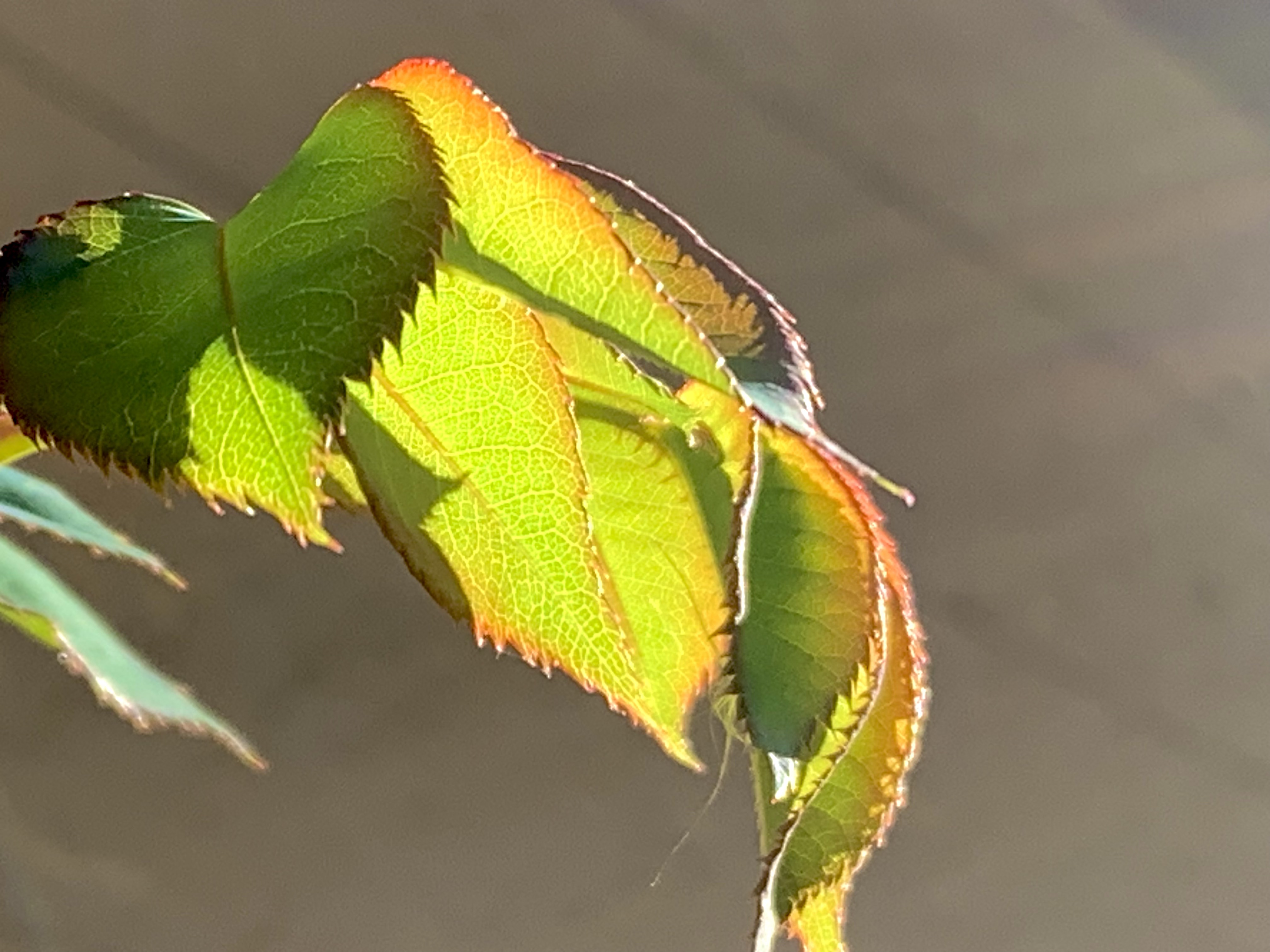
Most of us see the flowers of the rose as beautiful. And indeed they are. They are beautiful from afar. They are beautiful up close. But so too are the other parts of the rose plant. At least, sometimes, the leaves are also quite beautiful.

Even the thorns are beautiful.

Beyond this surface level, the rose, like all living things, is beautiful inside. Like all living things, it’s survived four billion years of evolutionary time. The way cells are arranged and the way they work–this is beautiful as well. Moreover, the relationship that roses have to humans and bees are also beautiful. Imagine having the faith and hope to depend on a completely different species to reproduce. Imagine being so beautiful that human being across the globe spend their time and money to keep you thriving.

Did I mention that, like other green plants, roses remove carbon dioxide from the atmosphere and provide oxygen for animals like us?

Roses are so famous that they play a part in history and pageantry. The War of the Roses. The White House Rose garden. Destroying part of the Rose Garden is also symbolic. The Rose Parade. Individuals give each other roses. They are variously symbols of love, friendship, and peace. Roses appear in poetry, songs, paintings, and both first and last names.

“A Rose is a rose is a rose.”


Fifteen Properties

The Walkabout Diaries

The Walkabout Diaries

The Walkabout Diaries

The Walkabout Diaries

Author Page on Amazon

The Walkabout Diaries: Natural Variations

20 Wednesday Dec 2023

Posted by petersironwood in design rationale, nature, science

≈ 17 Comments

Tags

Democracy, flowers, life, nature, photography, plants, trees, truth, Walkabout Diaries

Weather in San Diego is typically nice almost every day. Today is no exception, but that doesn’t mean that the weather is boring. There is a lot of natural variation. There is variation in the humidity, in the wind, in the position of the sun, in the heat, in the (fairly rare) precipitation.

Reflecting on this reminded me of another kind of natural variation: the variation in organisms of the same species. Without that variation, evolution would be far less effective.

It also reminds me of several of the characteristics of natural beauty and good design that Christopher Alexander writes about.

Things that have zero variation are mechanical, predictable, repetitive, and generally not very pleasing aesthetically. Mindless, endless repetition is aligned with death. Variation is aligned with life, freedom, creativity, growth, and joy.

Among things that are non-living artifacts, there is still a variation in how variable they are. Walls made of stone, are by their nature, “rougher” and more variable (and more beautiful) than walls made of bricks. Walls made of bricks are more irregular and beautiful than one made of solid steel. Similarly, at least to me, fences made of wood are more variable and beautiful than fences made of metal.

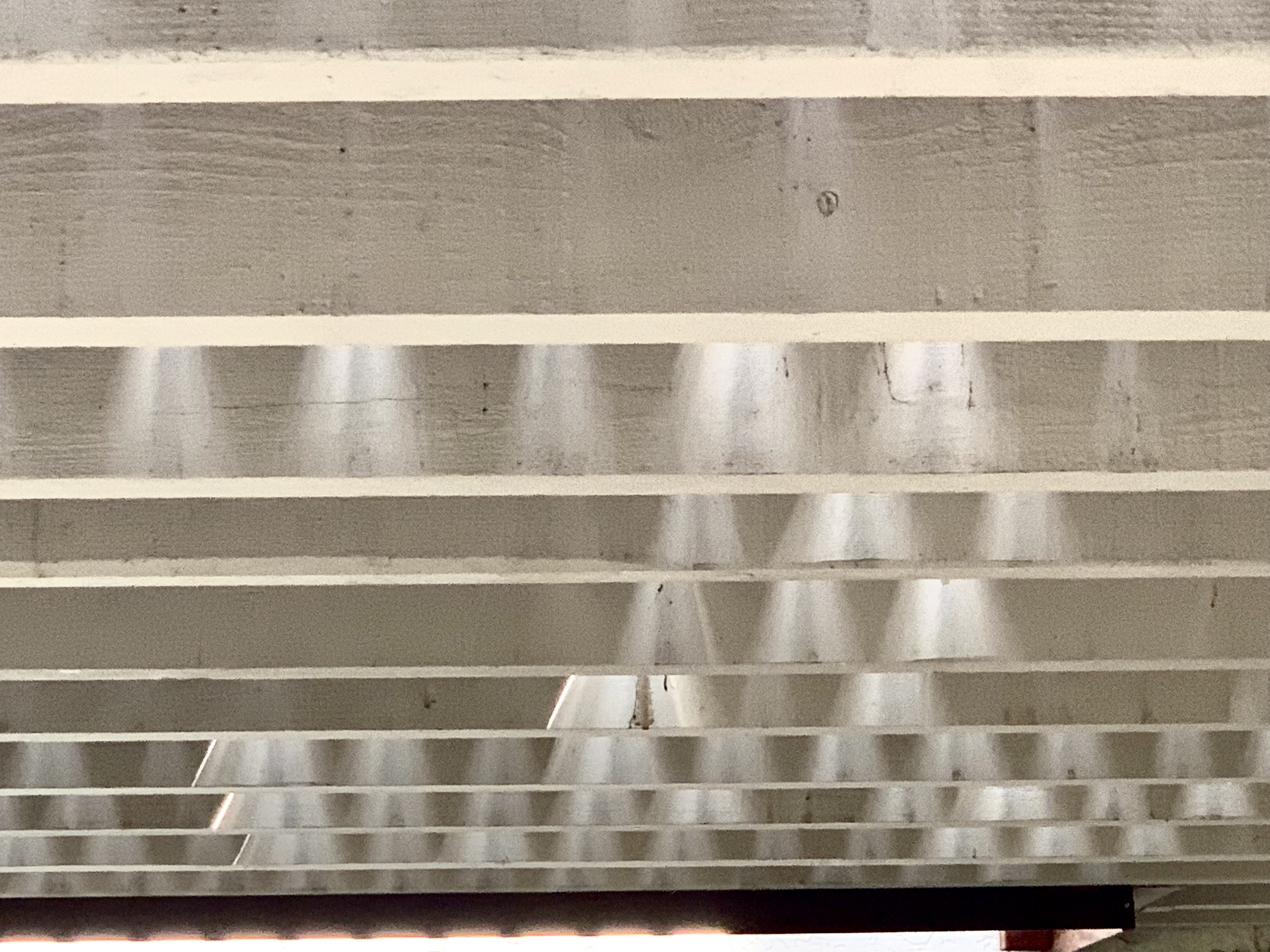
Building elements that make up a wooden deck show grain and irregularities in the surface of the deck. In addition, however, they even have interesting variability below the deck as shown here.

You can also see in this photo below a variety of materials. The stucco, by its very nature, more interesting and variable than steel or plaster.

In these photos, you can see variation within leaves, among the leaves of a particular plant, and also among the plants themselves. Each plant and each part of the plant grows in accordance to its genetic blueprint. Except a “blueprint” is itself too fixed and unbending to be an appropriate metaphor. The growth will depend on the context–water sources, light sources, nutrients in the soil, other nearby plants and rocks will all play a part in how, precisely, a particular plant grows.

It would be absurd for one plant to say to itself: “Every plant should be just like me! I have a plan based on what works for me and everyone should do exactly what I do!”

Fifteen Properties of Beauty

Absolute is not just a vodka

Life is a dance

The Orange Man

Three Blind Mice

The Walkabout Diaries, symphony

The Walkabout Diaries, how beautiful

The Walkabout Diaries the life of the party

Author Page on Amazon

The Walkabout Diaries: Symphony

08 Thursday Dec 2022

Posted by petersironwood in family, nature

≈ 24 Comments

Tags

community, Cymru, diaries, flower, flowers, photos, walkabout

Below is a picture of a plant popularly known as a black rose. It’s a succulent and not closely related to a regular rose (as are apples, by the way). Shown here, by itself, more or less, it shows beauty in its radial symmetry and shiny leaves.

And then, there’s this:

Fireworks. Rainbows. A light show of beauty. What gives?


What gives? Its neighbors — that’s what gives

And it gives back. The beauty, the variety, the subtlety — they only come to life as part of a community of plants. Each one allows, blocks, filters, reflects, or even possibly refracts and diffracts the light of the setting sun. On evenings like this, with not a cloud in the sky, the light here (very dry) is sharply directional and allows these effects to be enhanced. But the main thing is the interaction with the other plants and trees of the garden.


And, isn’t this true for people as well? Someone can look beautiful but true beauty shines when someone is loving, teaching, learning, dancing with, or playing as part of a team or orchestra. That’s when people reveal their most amazing and unique gifts and charms.

In fact, the only special gift humans have is the ability to communicate with each other in complex ways that allow us to cooperate even across time and space.

Dance of Billions

Fencing

What Line?

How the Nightingale Learned to Sing

Listen you can hear the echoes

Series on Leadership and Empathy

The Walkabout Diaries: Bee Wise

The Walkabout Diaries: How Beautiful and Green

The Walkabout Diaries: The Party

The Walkabout Diaries: Life Will Find a Way

The Walkabout Diaries: Life of the Party

The Walkabout Diaries: Friends

The Walkabout Diaries: Sunset

The Walkabout Diaries: Lest We Forget

Rainbow of Flowers

24 Wednesday Aug 2022

Posted by petersironwood in poetry, Uncategorized

≈ 1 Comment

Tags

Democracy, diversity, flowers, poem, poetry, rainbow, Resistance, USA

Photo by James Wheeler on Pexels.com

Flowers white 

Suffused with light

Subtle, quiet they delight.

Flowers red

Fierce and fiery floral head

With love and lust are wed.

Flowers all a golden glow

They seem to simply know

Their seeds I indirectly sow.

Yellow bloom

Lights delight in every room 

Dispels the glum; dispels the gloom.

A flower green 

Magic, mythic and unseen

Hidden in the in-between.

The blossoms blue

A royal choice for royal hue

Who celebrates what’s truly true.

Purple shines of dignity 

Reflecting our infinity

Tells that there are limits to our liberty. 

The blackest flowers 

Tilting turret twisting towers

Protect us in our needful hours. 

Every flower large and small

Reminds us all it’s all for all

Cranny, flower, and the wall. 

We walk this earth some little while

May we feel the heartfelt smile

Let flowers sing their silk beguile. 

Let flowers flash their silky smile

As we go walk our final mile

With them, we go; we go in style. 

—————————————-

Author Page on Amazon

Dance of Billions

Life is a Dance

Tools of Thought

Take a Glance Come Join the Dance

Guernica

After All

Listen, you can hear the echoes of your actions

Walkabout Diaries: Bee Wise

Walkabout Diaries: Sunsets

Walkabout Diaries: Life of the Party

Walkabout Diaries: Friends

Walkabout Diaries Mind Walk

How the Nightingale Learned to Sing

You Must Remember This

The Forest 

A Cat’s a Cat and That’s That

The Walkabout Diaries: The Life of the Party

09 Thursday Jun 2022

Posted by petersironwood in Walkabout Diaries

≈ 16 Comments

Tags

flowers, green, life, love, nature

The Life of the Party!

Have you ever been called the “Life of the Party”? Have you wanted to be the “Life of the Party”?

When you read the expression, “Life of the Party,” who or what do you think of? Who is the “life of the party” when it comes to our Garden?

Is it the brightly colored hooded oriole who flitted about just outside my office window during hours of ZOOM calls? 

Or, was it his more drably colored mate? 

Both are needed for the species to survive. 

You might tend to think of flowers as the “Life of the Party” and it’s true that our Garden has many colorful flowers!

Bougainvillea

A few of the many colors of the “Jacob’s Coat” rose in our Garden.

And even the not-so colorful flowers can be infused with light. Are they then, the life of the party?


White poppies.


In addition to flowers, the garden has more active members such as bees, lizards, and rabbits. I often see coyote scat, though I’ve never seen a coyote in the garden. 

Can a snail be the Life of the Garden?

We may think of flowers as being the life of the party, but without leaves, flowers and fruits would not grow because they wouldn’t have a source of energy. Leaves also can exhibit many beautiful patterns and colors.


There are a few human figures in the Garden — statues engaged in two of my favorite activities: dancing and reading. 

Are they the life of the party? 

The crows are certainly among the most vocal of the participants in the party. Does that make them the life of the party? 

Photo by Pixabay on Pexels.com

And, what about me? I help show the beauty of the Garden far beyond its physical boundaries. Of course, that happens anyway! The bunny eats fruit in the Garden and poops somewhere else to fertilize the soil and perhaps spread seeds, sometimes taking them far beyond the range of the wind. All the green leaf plants in the Garden take CO2 out of the air and return O2, each molecule of which diffuses far and wide, eventually across the planet. The bees cross-pollenate across Gardens. 

So, who, exactly is the life of the Garden? I think the only accurate answer is that everything alive is the “Life of the Garden.” Not just everything within the “boundaries” of our Garden but on the entire planet. Every molecule that is here, will eventually be somewhere else. Every molecule that will be here in a few million years is now far away.

We are all of us, “The Life of the Garden.”


We are, all of us, “The Life of the Party.”

———-

The Walkabout Diaries – A Walk in the Park

The Walkabout Diaries: Life Will Find a Way

The Walkabout Diaries – Mind Walk

The Walkabout Diaries – Sunsets

The Walkabout Diaries: Friends

The Walkabout Diaries – Bee Wise

The Dance of Billions

Life is a Dance

Living on the Edge

The Declaration of Interdependence

Pivot Projects –

Author Page on Amazon

Choose Your Weapons!

06 Wednesday Apr 2022

Posted by petersironwood in Uncategorized

≈ 8 Comments

Tags

beauty, essay, flower, flowers, guns, photos, USA

“Choose your weapons.” 

An expression that perhaps goes back to the Roman Coliseum or “gentlemanly” dueling. What is a weapon? What can it mean to say, “The pen is mightier than the sword.”? 

A few years ago, I decided to try a little experiment. I knew that studies showed that owning a handgun did not, in general, make you safer. Actually, it was the reverse. Nonetheless, I thought perhaps I would feel safer. For one week, I imagined that my cellphone was a lethal weapon. I could pull it out and cause someone else horrendous pain or to end their life or both. As you might imagine, I did not feel more secure or safer. I felt more paranoid about others but also afraid I might accidentally shoot someone. 

In the middle of Monday night, one of our cats turned over some cat bowls and made a huge ruckus. I immediately yelled bloody murder and jumped out of bed. I would not want to have a gun if I’m awakened like that. My body is primed for action and my mind is not yet anywhere to be found. I literally have no idea as to what’s going on. It only last a few moments. But those few moments are enough time to grab a gun and shoot someone. And that someone is far more likely to be someone in your family than a home invader. Maybe they left a book in your room and couldn’t sleep so they came into your room to retrieve it. I don’t really think an error like that is self-forgivable. Your mood would be altered much to the negative for the rest of your life. The only alternative would be to shut off your feelings so completely that you literally became a heartless monster. 

What occurred to me tonight taking pictures of flowers, as one is wont to do, is making a much better use of the iPhone than a gun for home protection is. For one thing, if you own a gun for home protection, you hopefully rarely use it. I use the iPhone nearly every day. The statistics say that you’re actually more likely to die in a home invasion if you have a gun, but let’s say, no, in your particular case, you did manage to shoot two people dead. And, that’s that. 
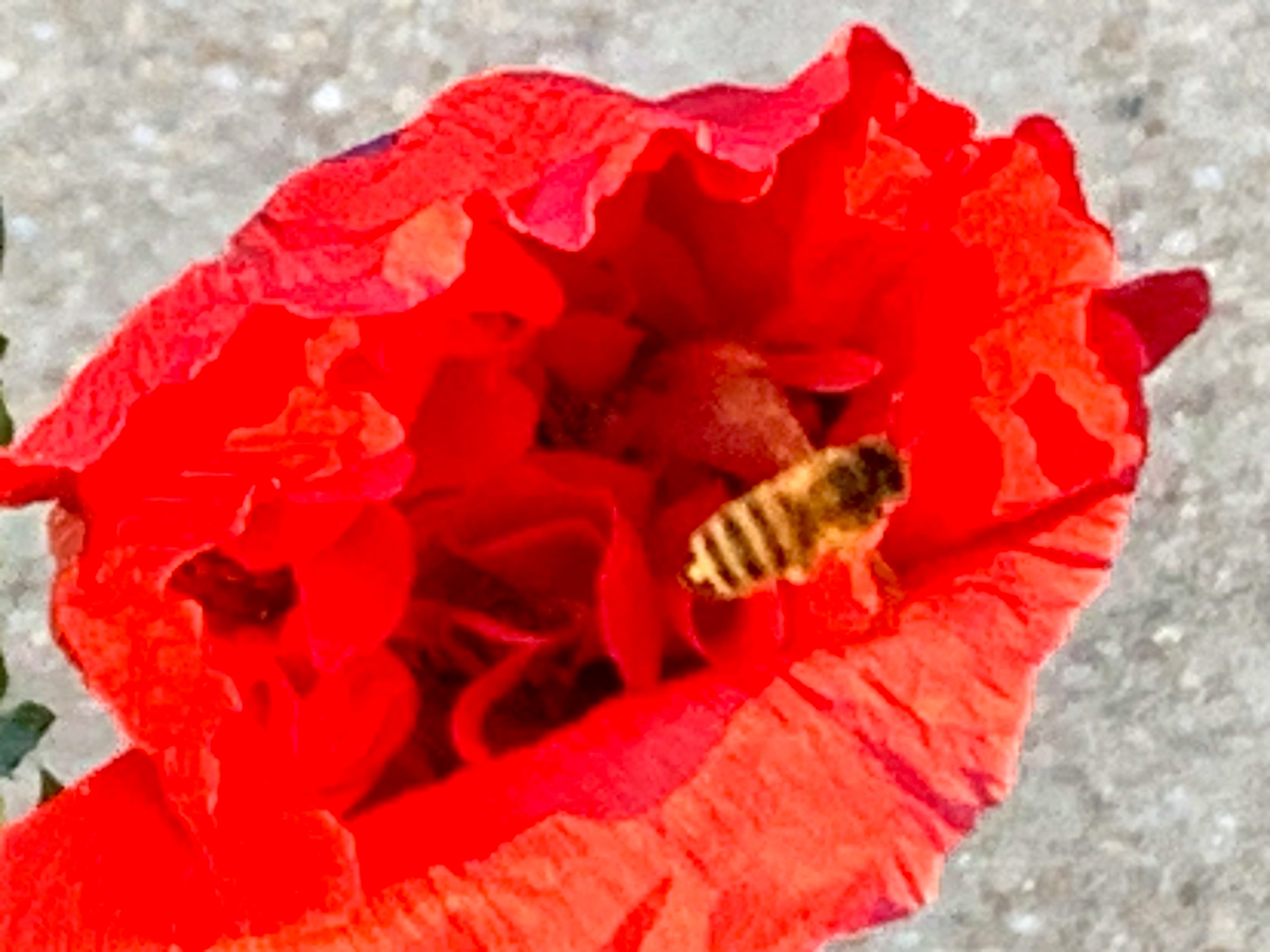
Except of course, it isn’t done at all. You will find out that those two people you shot didn’t think it was so cool and they may sue you. Or, you may find out things about those families such as how desperate they were to make enough money to feed their kids that they turned to crime. Of course, you don’t want to hear that. They broke the law. And, indeed, in many states, that can be enough to get you off the hook. 

The “hook” of the law, that is. But that’s not the only hooks there are. There’s the social hook. How do you think other people would view you? Maybe some will view you as a hero. But certainly many will not. You might end up being much more annoyed at those who view you as a hero that at those who view you as a villain. Either way, your life will never be the same. Those changes are much more likely to be negative on balance. 

There’s another social hook. How would you feel about someone you care about marrying into a family where someone killed two young lads? Better protected? Or, might you be worried about how that gun might be used in the future, in say, a marital dispute? (Although, of course, suicides and accidental killings should also be on your mind, but those are always a possibility with a gun owner. But in the case of the dual killer, we don’t just know he might kill when provoked; we know he will kill when provoked. Maybe you think a home invasion is sufficient reason for murder. But how about a marital dispute? Surely you’ve noticed that even couples who love each other can come to a point where they are too frustrated to think clearly. I don’t really see how a gun helps a situation like that. 
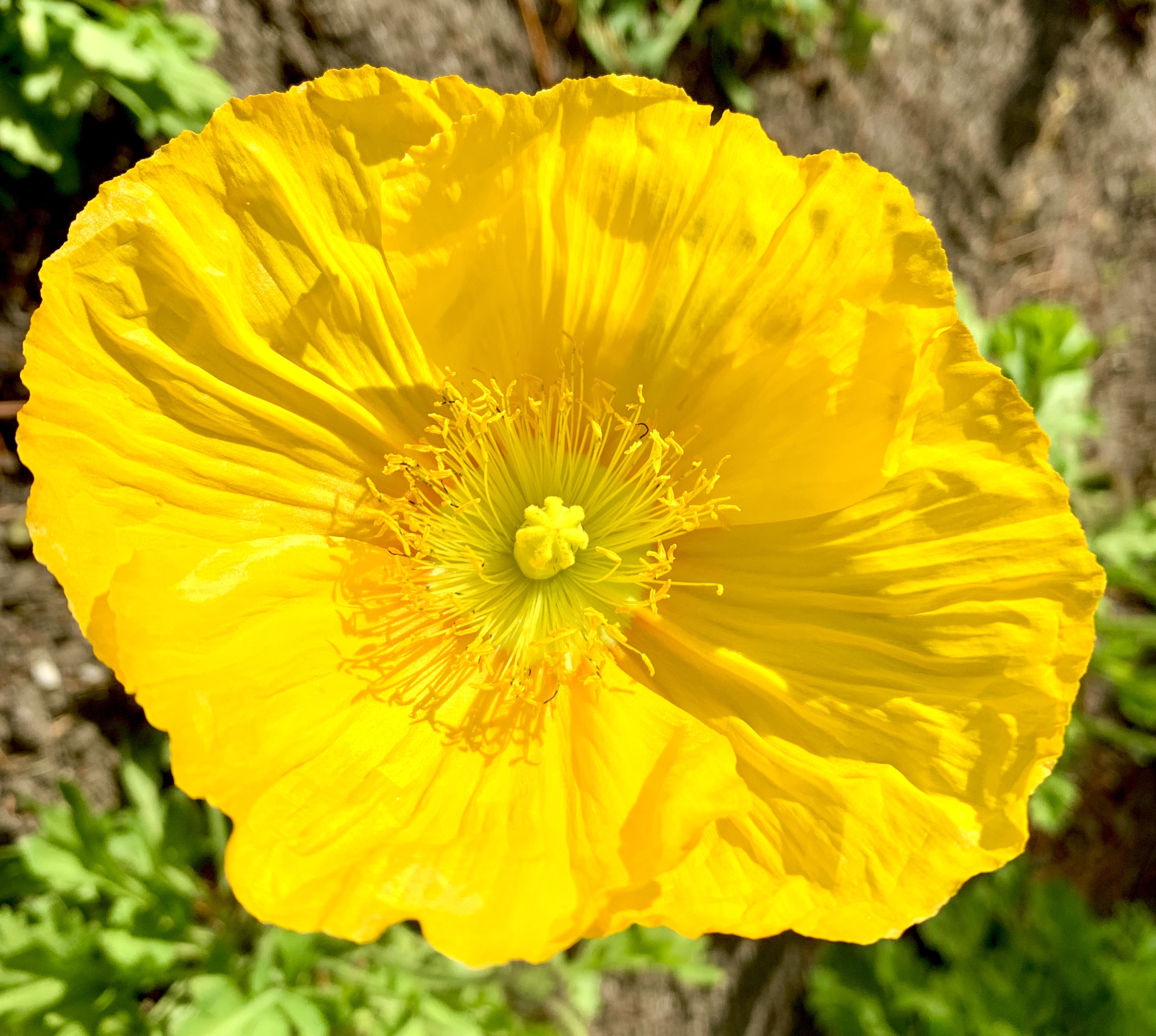
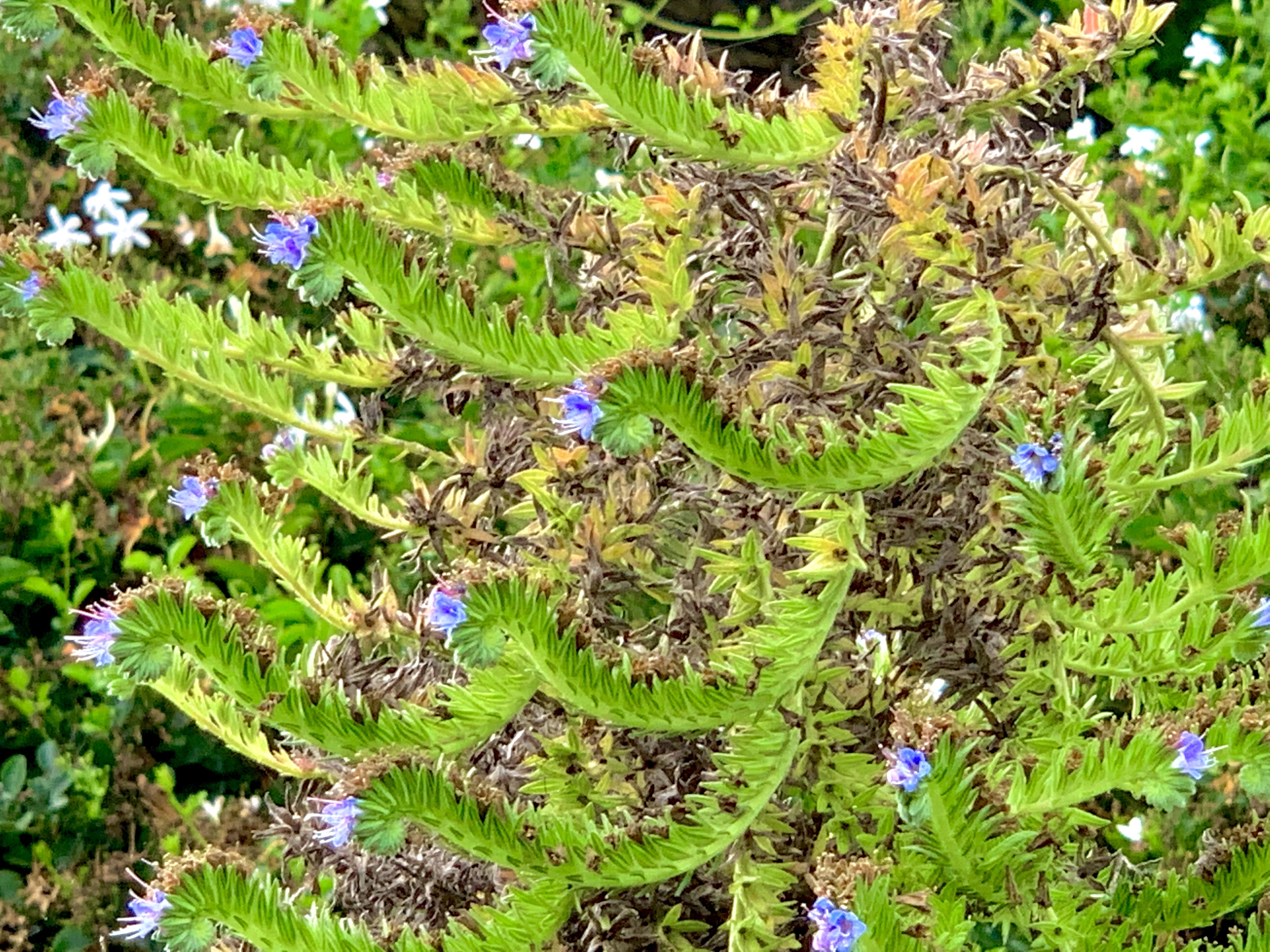
Lastly, there is your own hook. That may be the sharpest and deepest cutting hook of all. You will second guess your actions on the night of no matter what. That’s just human nature. Some dark, rainy evening, when that re-run is playing for the 13th time, it will hit you that you knew damned well they were unarmed. Another part of your brain screams “Bullshit!” And, so you block it out. Until several weeks later, you discover your cousin’s preferred brand of weed is way stronger than what you’re used to. And, as that snuff movie replays itself yet again, it occurs to you that you not only knew they were unarmed, you thought: “So what? Nobody’s going to put me in prison for it. In this state, they’l think I’m a hero.” Again, you hear the booming voice: “Bullshit!” Only this time, you realize that isn’t your voice at all. That voice is the one he used to destroy you when you told people about his molestations. That’s not you. Or is it? You might, at some point, find yourself depressed by this debate, perhaps riddled with self-doubt. At other times, maybe you’ll come to peace with your actions. But the debate will never stop. 

I take pictures of flowers. They are for anyone to enjoy or ignore. No regrets. That’s my “weapon” of choice. 

————————————

Author Page on Amazon

Family Matters

Stoned Soup

Clarence but not Darrow

Con-Con Man’s Special Friend

How the Nightingale Learned to Sing

The Walkabout Diaries: Bee Wise

The Walkabout Diaries: Sunsets

The Walkabout Diaries: Friends

The Walkabout Diaries: Life will find a way

Ghosts of Flowers Past

Mind Walk

A Walk in the Park

← Older posts

Subscribe

  • Entries (RSS)
  • Comments (RSS)

Archives

  • September 2026
  • August 2026
  • July 2026
  • June 2026
  • May 2026
  • April 2026
  • March 2026
  • February 2026
  • January 2026
  • December 2025
  • November 2025
  • October 2025
  • September 2025
  • August 2025
  • July 2025
  • June 2025
  • May 2025
  • April 2025
  • March 2025
  • February 2025
  • January 2025
  • December 2024
  • November 2024
  • October 2024
  • September 2024
  • July 2024
  • April 2024
  • March 2024
  • February 2024
  • January 2024
  • December 2023
  • August 2023
  • July 2023
  • May 2023
  • April 2023
  • March 2023
  • February 2023
  • January 2023
  • December 2022
  • November 2022
  • October 2022
  • September 2022
  • August 2022
  • July 2022
  • June 2022
  • May 2022
  • April 2022
  • March 2022
  • February 2022
  • January 2022
  • December 2021
  • November 2021
  • October 2021
  • September 2021
  • August 2021
  • July 2021
  • June 2021
  • May 2021
  • April 2021
  • March 2021
  • February 2021
  • January 2021
  • December 2020
  • November 2020
  • October 2020
  • September 2020
  • August 2020
  • July 2020
  • June 2020
  • May 2020
  • April 2020
  • March 2020
  • February 2020
  • January 2020
  • December 2019
  • November 2019
  • October 2019
  • September 2019
  • August 2019
  • July 2019
  • June 2019
  • May 2019
  • April 2019
  • March 2019
  • February 2019
  • January 2019
  • December 2018
  • November 2018
  • October 2018
  • September 2018
  • August 2018
  • July 2018
  • June 2018
  • May 2018
  • April 2018
  • March 2018
  • February 2018
  • January 2018
  • December 2017
  • November 2017
  • October 2017
  • September 2017
  • August 2017
  • July 2017
  • June 2017
  • May 2017
  • April 2017
  • March 2017
  • February 2017
  • January 2017
  • December 2016
  • November 2016
  • October 2016
  • September 2016
  • August 2016
  • July 2016
  • June 2016
  • May 2016
  • April 2016
  • March 2016
  • February 2016
  • January 2016
  • December 2015
  • November 2015
  • October 2015
  • September 2015
  • August 2015
  • May 2015
  • January 2015
  • July 2014
  • January 2014
  • December 2013
  • November 2013

Categories

  • AI
  • America
  • apocalypse
  • cats
  • COVID-19
  • creativity
  • design rationale
  • dogs
  • driverless cars
  • essay
    • guns
  • family
  • fantasy
  • fiction
  • HCI
  • health
  • leadership
  • love
  • management
  • nature
  • pets
  • poetry
  • politics
  • psychology
  • Sadie
  • satire
  • science
  • sports
  • story
  • The Singularity
  • Travel
  • Uncategorized
  • user experience
  • Veritas
  • Walkabout Diaries

Meta

  • Create account
  • Log in

Blog at WordPress.com.

  • Subscribe Subscribed
    petersironwood
    Join 653 other subscribers

    Have a WordPress.com account? Log in now.

  • petersironwood
    View site in Reader
    Manage subscriptionsSign upLog in
    Report this content
    Collapse this bar
Loading Comments...