It’s kind of a fun game. “Find Waldo.” Or, “Find the Pig in the Clouds.” And—once you find it, you typically find it immediately the next time.
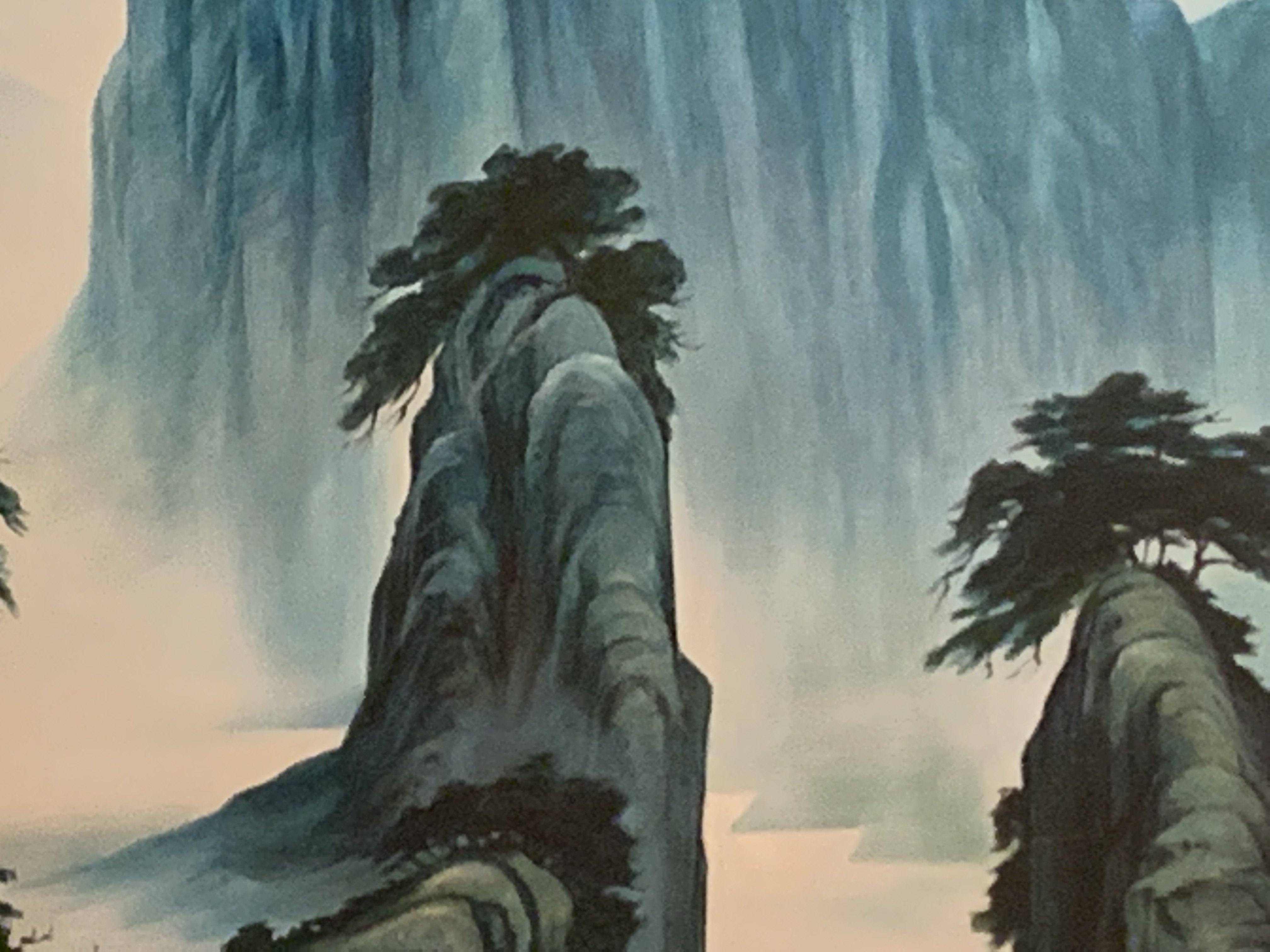
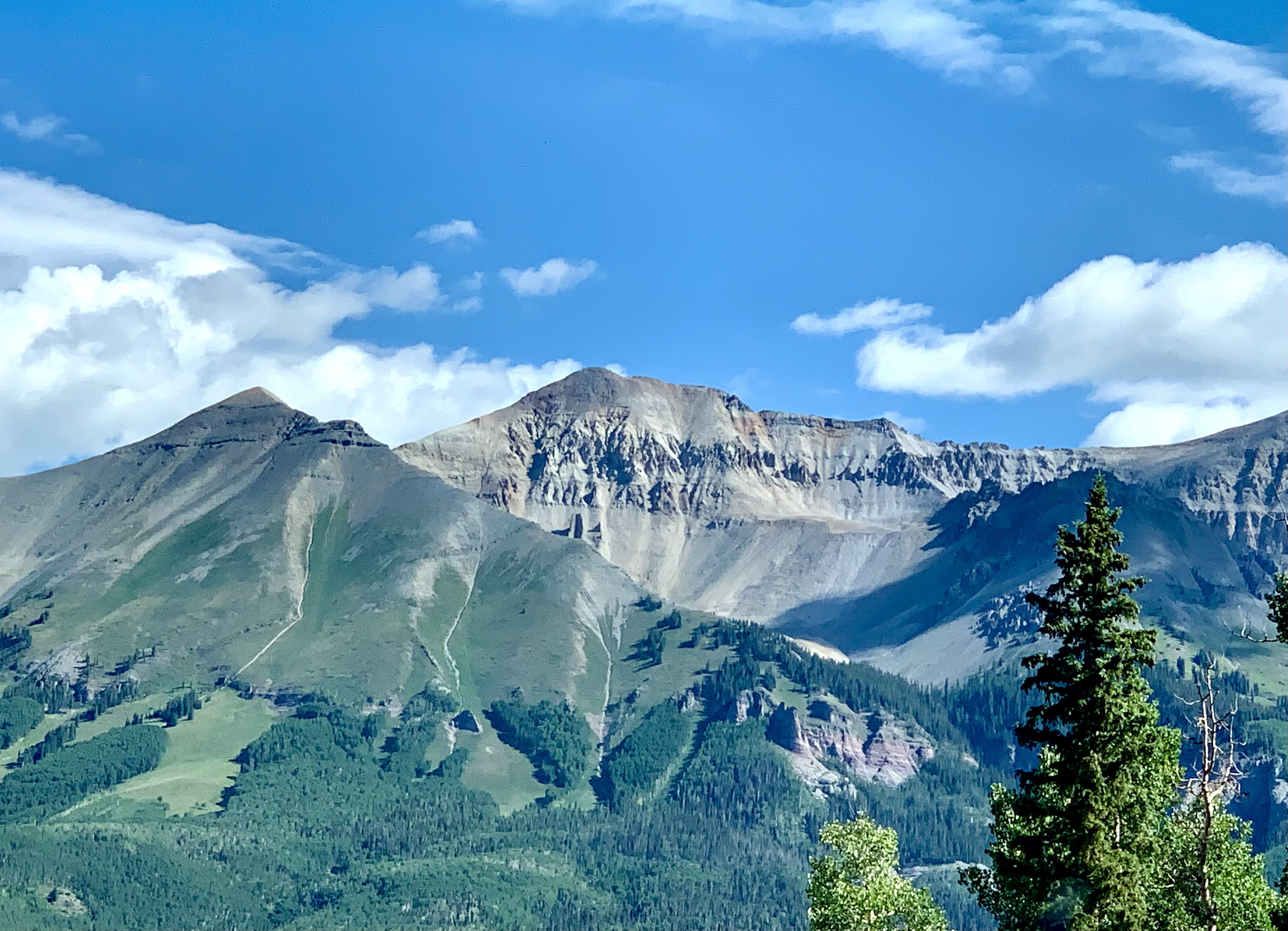
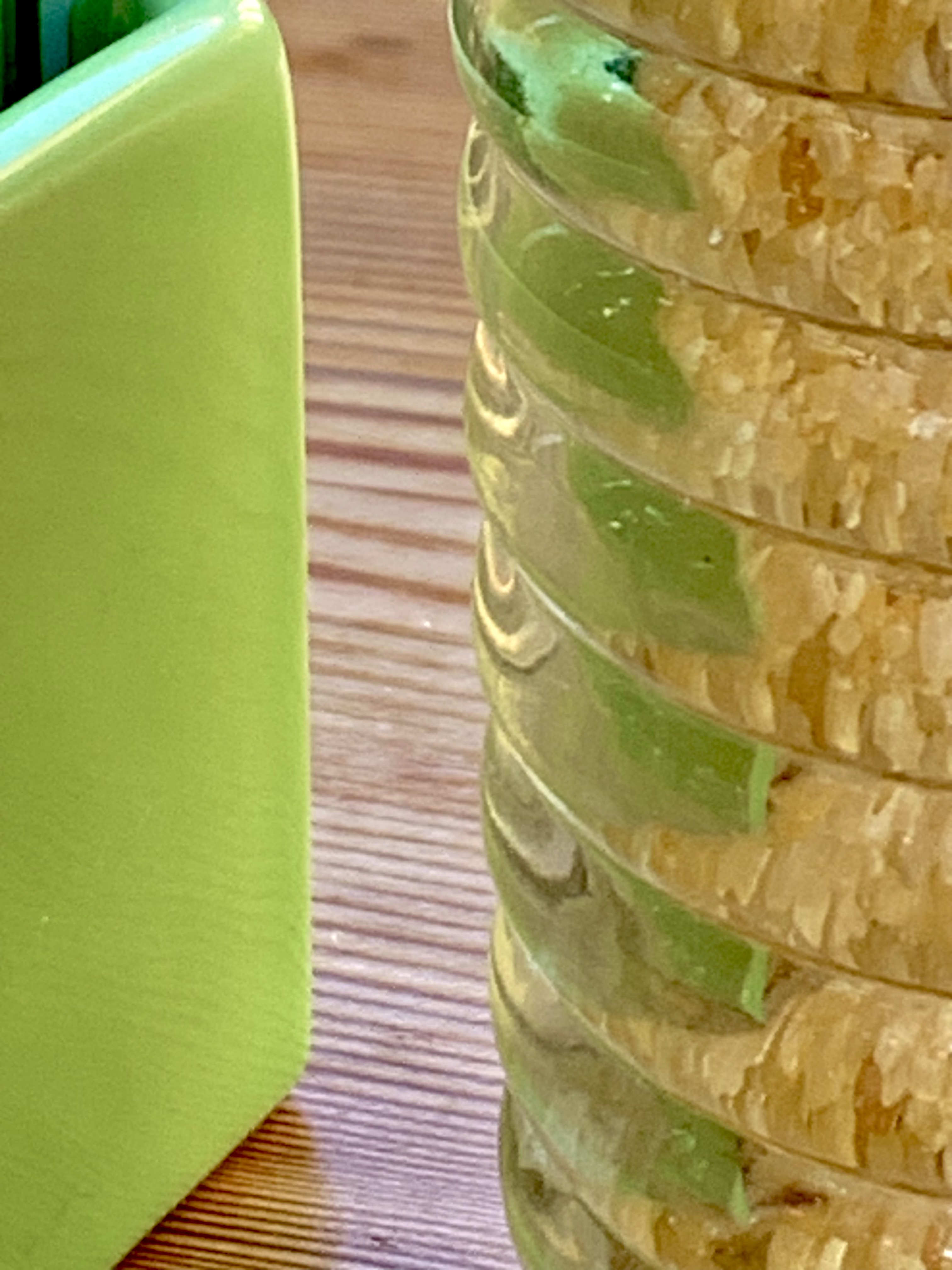
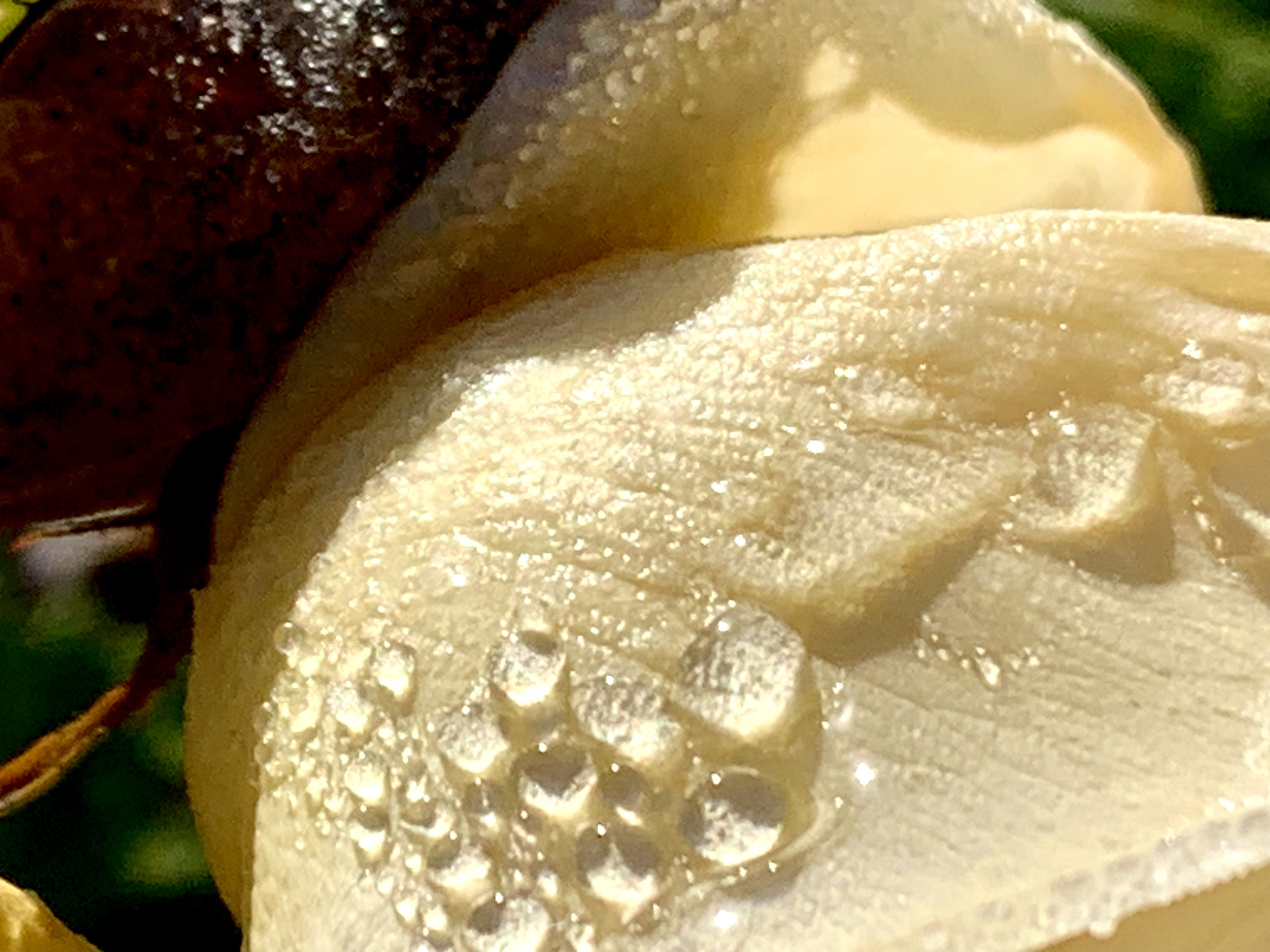
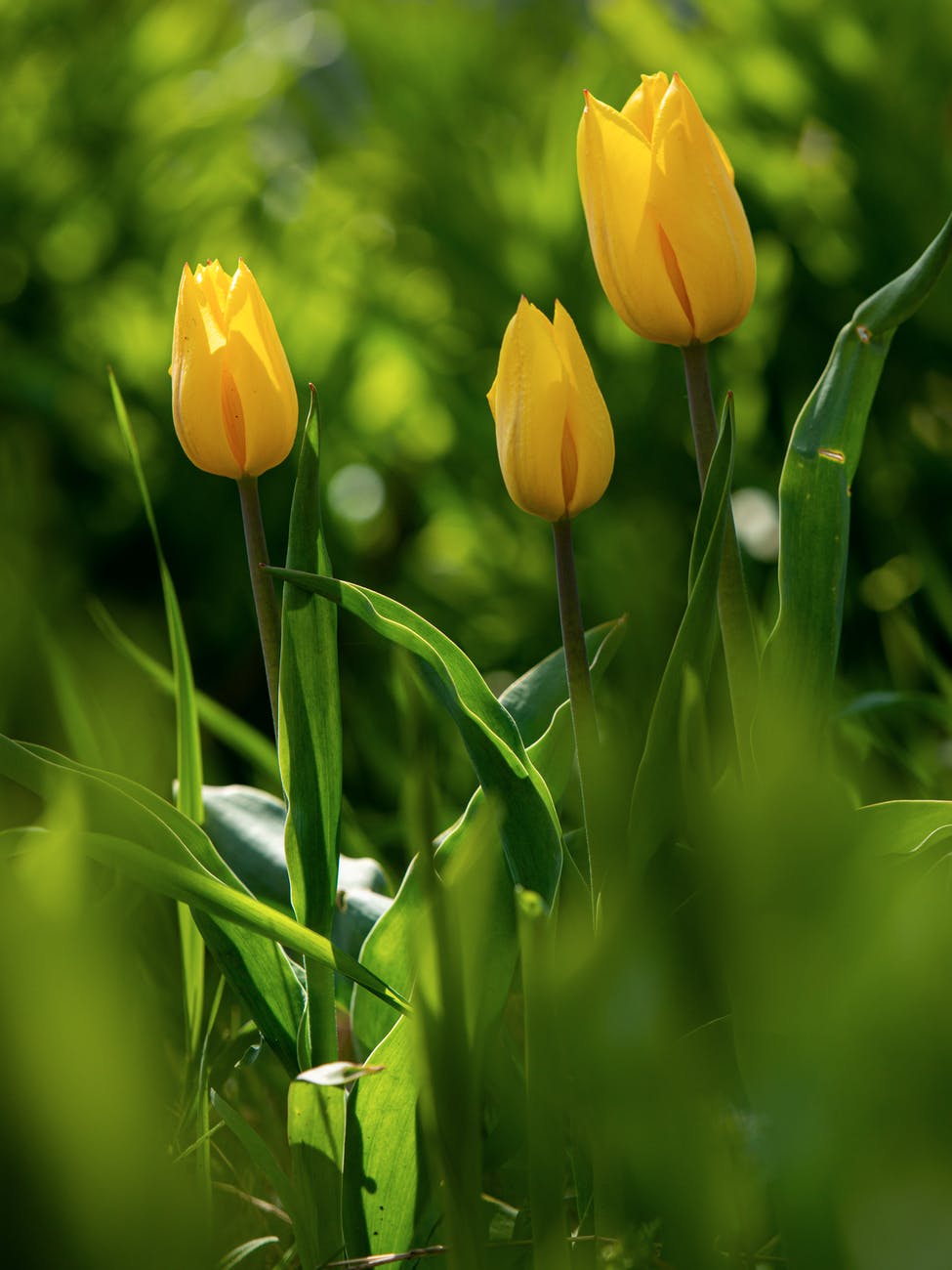
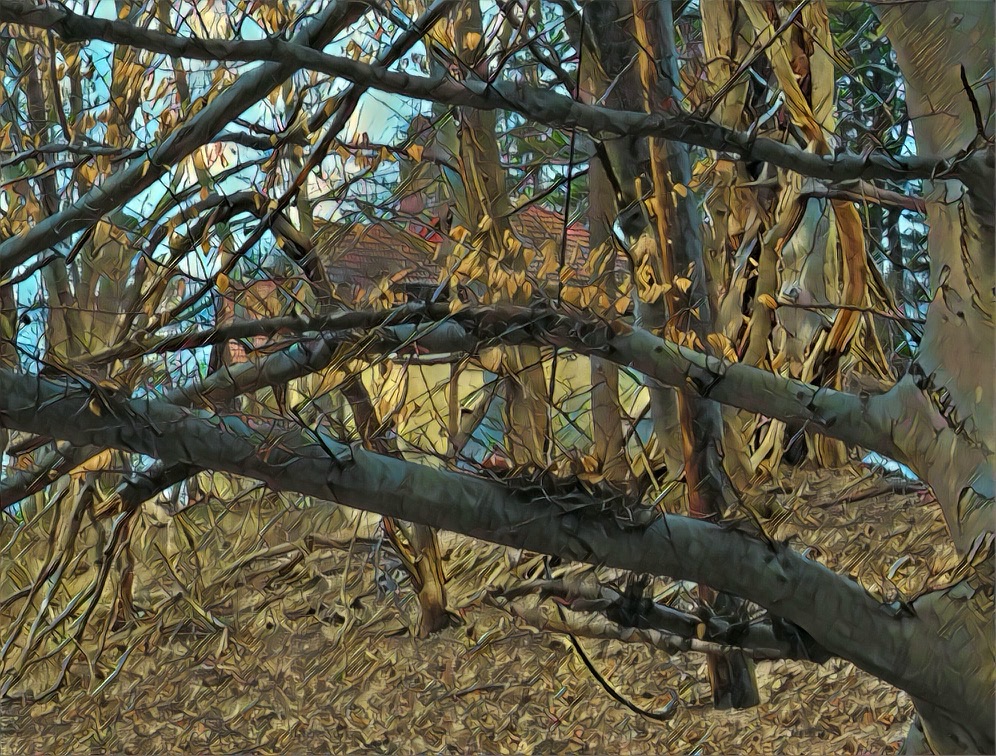
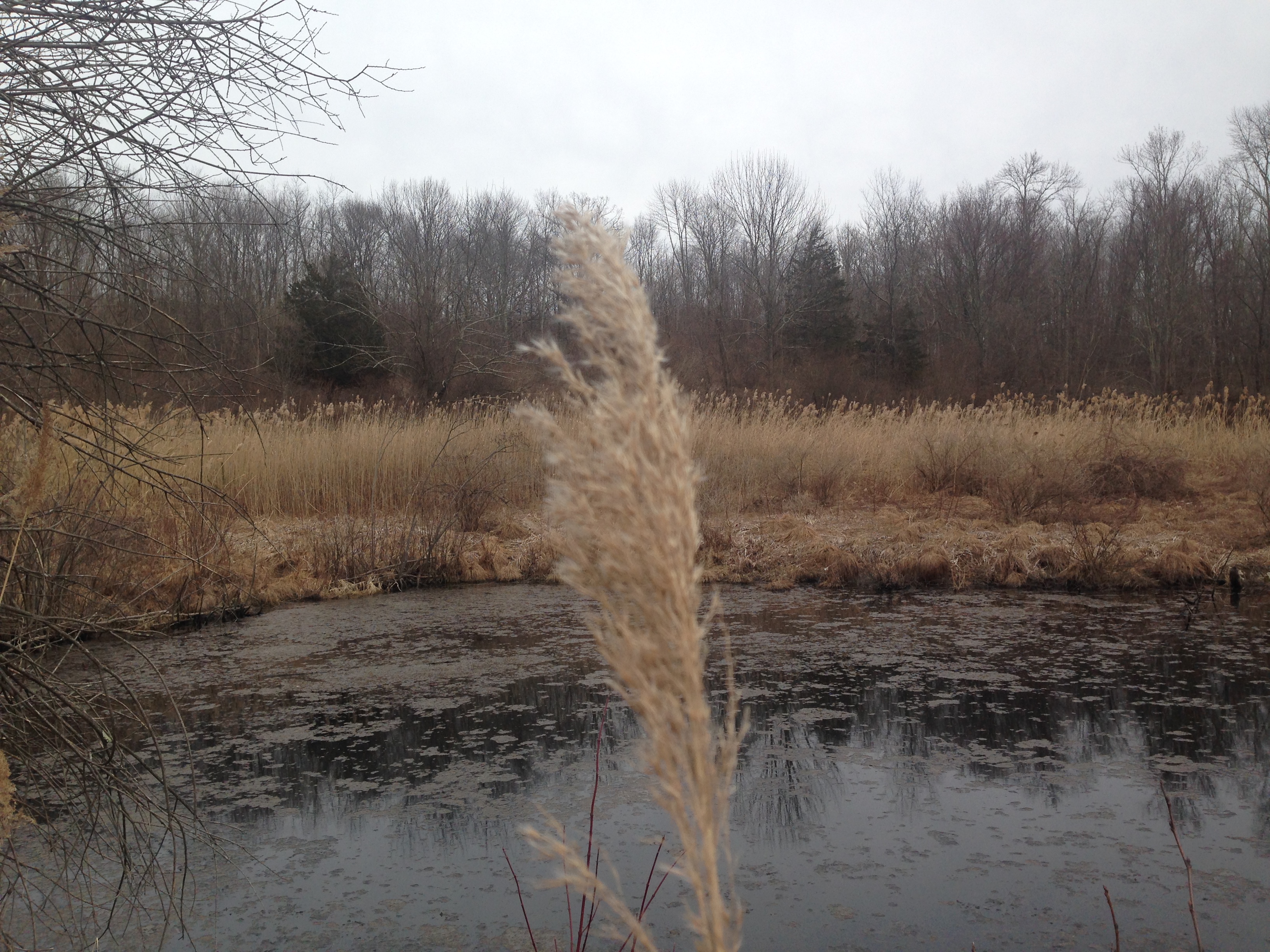
Here’s a variant that I like: “Find the Beauty.”
The idea is simple. You go to an art gallery or a museum and it’s fairly easy to find the beauty. No big surprise there.
Go into a natural setting and you’re often absolutely surrounded by beauty at many different levels of scale.
Go to see a world-famous architectural achievement, and you will see beauty.
But—you know what? There’s also beauty to be found in many ordinary and every day places and circumstances. Since you can’t always control where you are, it’s a good skill to find that beauty wherever you are.
Today, Wendy and I took Sadie and Bailey out to one of our favorite dog-friendly restaurants. We had a very long wait. None of the four of us is high on the scale of patience. When we finally sat down, however, the dogs were very well-behaved.
While we waited for our food to arrive, I looked around for Waldo.
He wasn’t there. In fact, no-one even had a checkered shirt on.
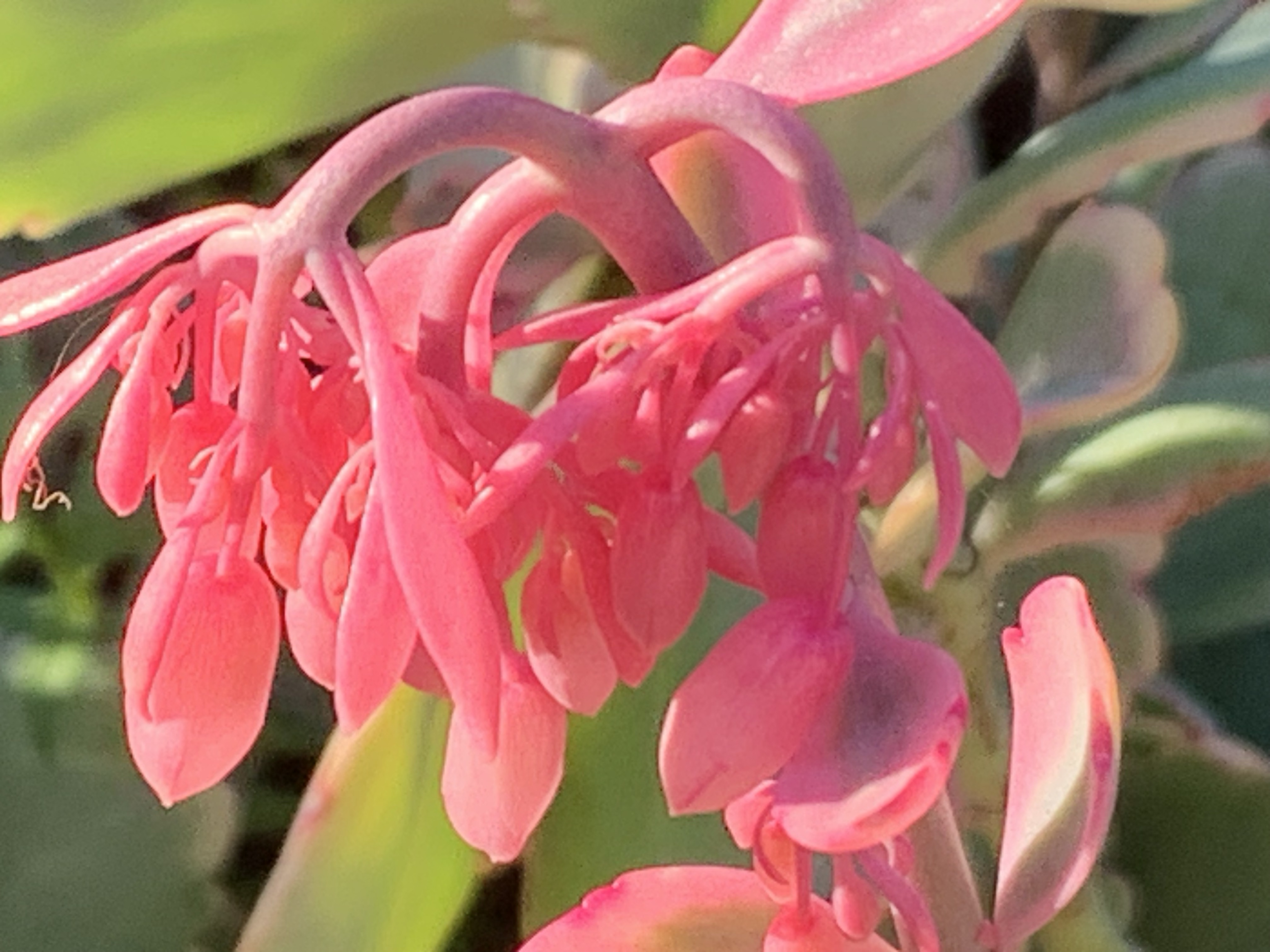
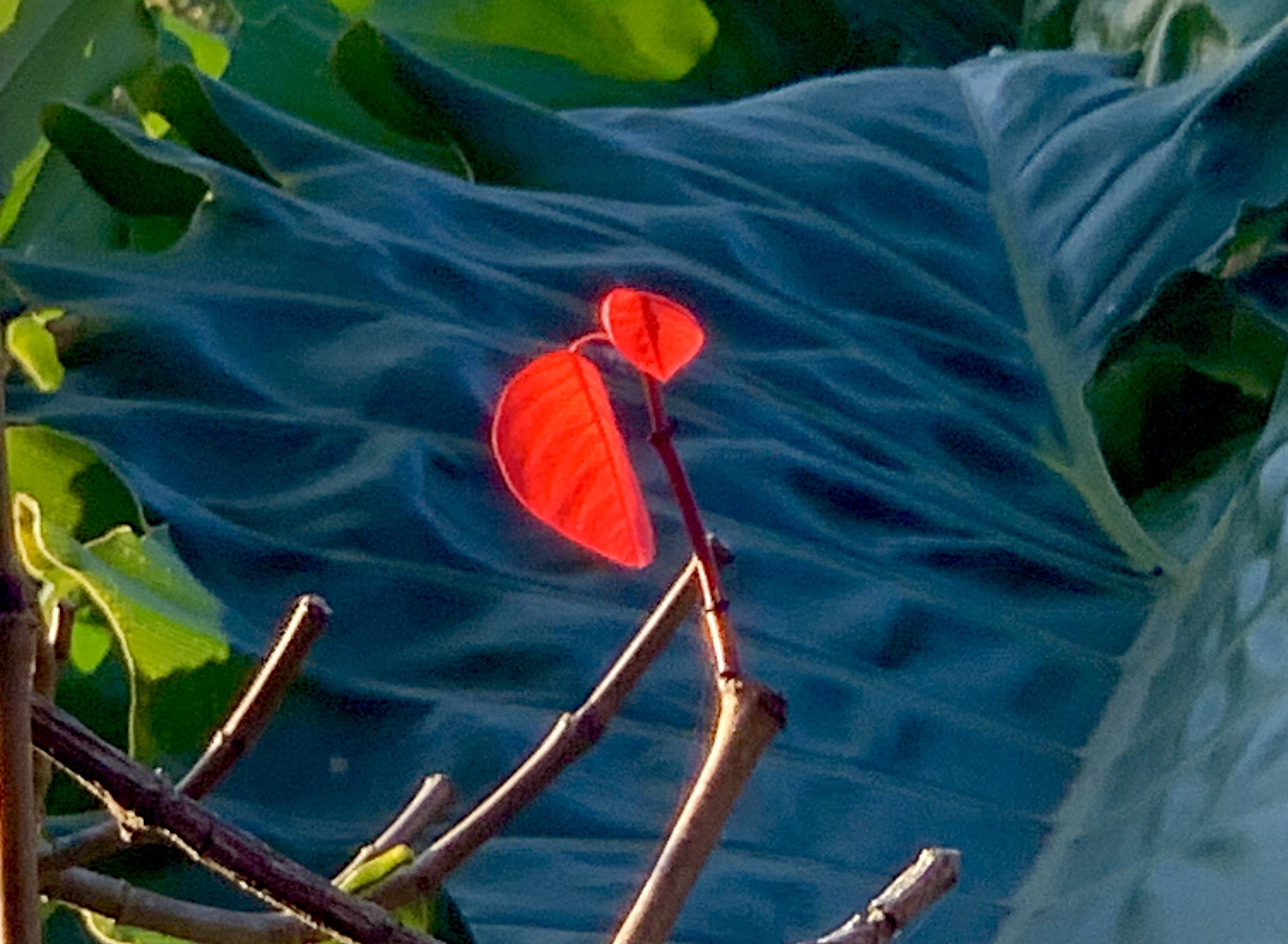
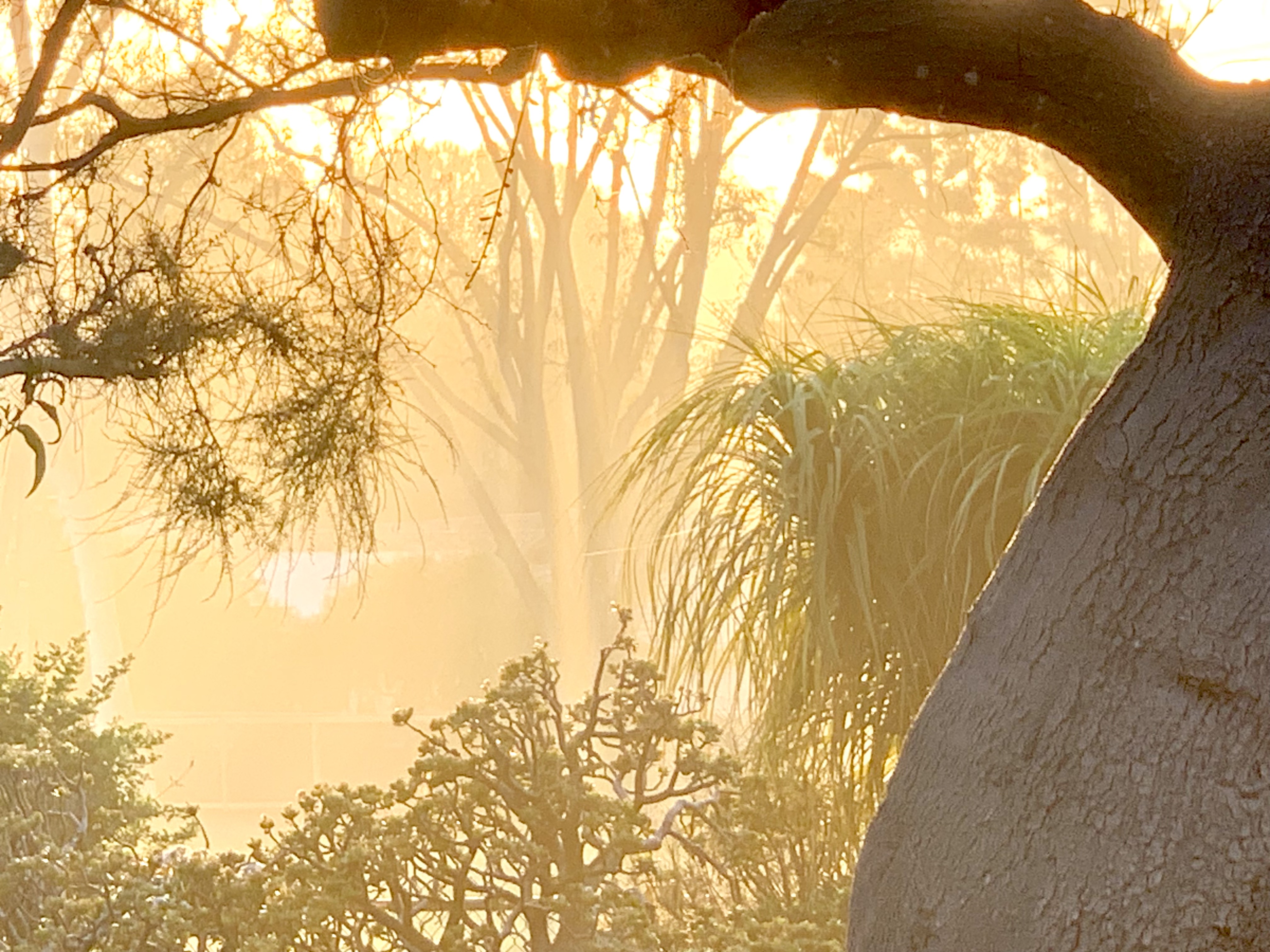
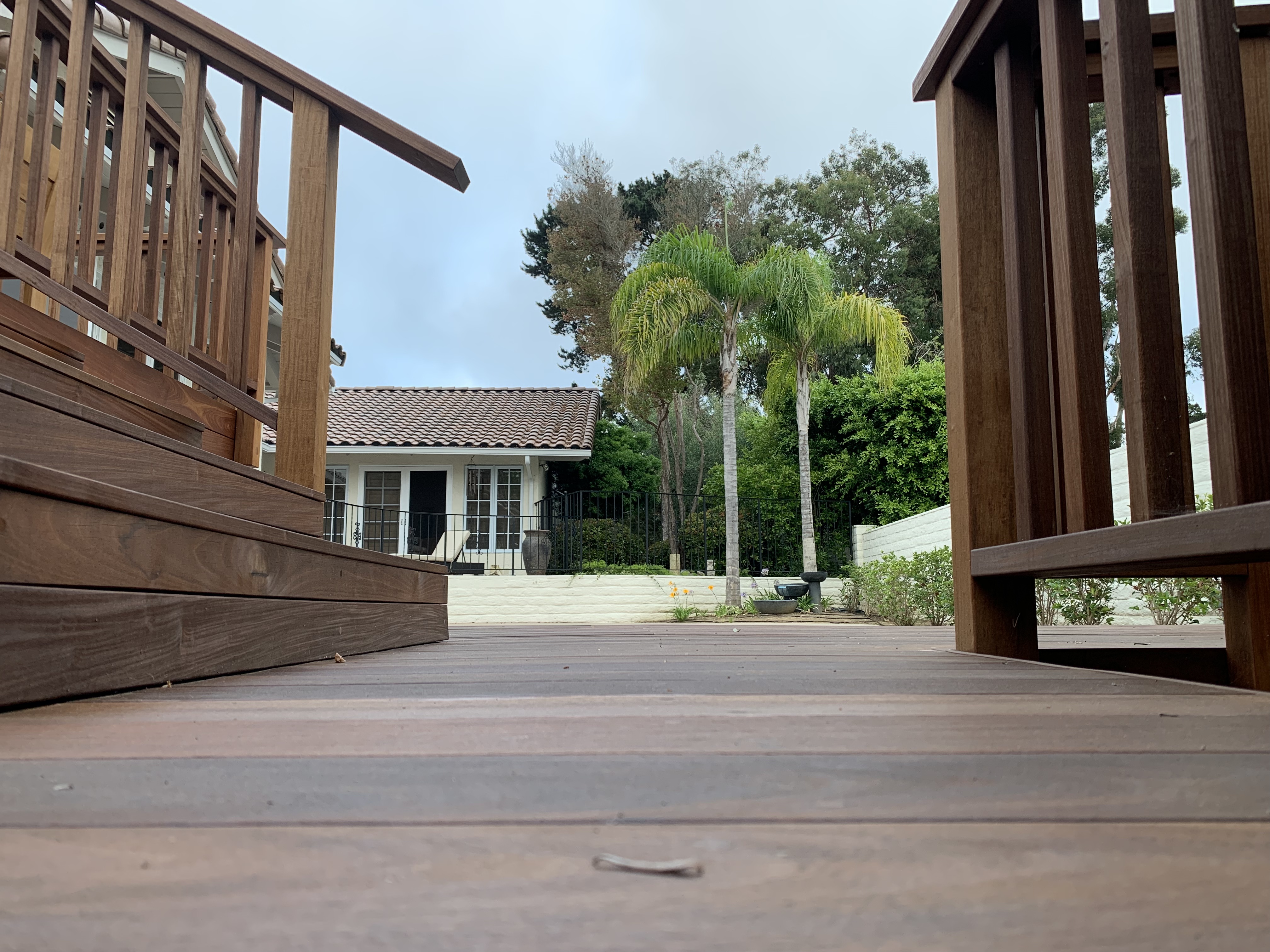
So, instead, I looked around for beauty.
As usual, I found it, at least to my eye.
Give it a shot. You’d be surprised where you can find beauty.
Fit in Bits suggests many ways to work more fun, variety, and exercise into daily chores.
Corn on the Cob is an essay on mindfulness and gratitude for simple things.
Fifteen Properties begins a series of posts about the fifteen properties that architect Christopher Alexander said characterized both natural beauty and good design.
Those of you who might not have read every one of my hundreds of blog posts might have missed the story about my bout with “plantar fasciitis.” I had a persistent pain under my right heel. It was painful when I walked and I liked to walk every day. When I described the symptoms to some of my family and friends, more than one suggested I visit a podiatrist. A podiatrist, after all, is an expert in medical issues of the foot.
I made an appointment and sure enough, she confirmed the diagnosis several of my friends had mentioned: “Plantar fasciitis.” She showed me an exercise to stretch the tendons of my foot; gave me a prescription for megadoses of a non-steroidal anti-inflammatory; and she cautioned me to stop walking so much until my symptoms improved. I followed this advice, but my foot actually began to hurt more. After about a week of this, I went back to walking and my symptoms improved but the pain was still there.
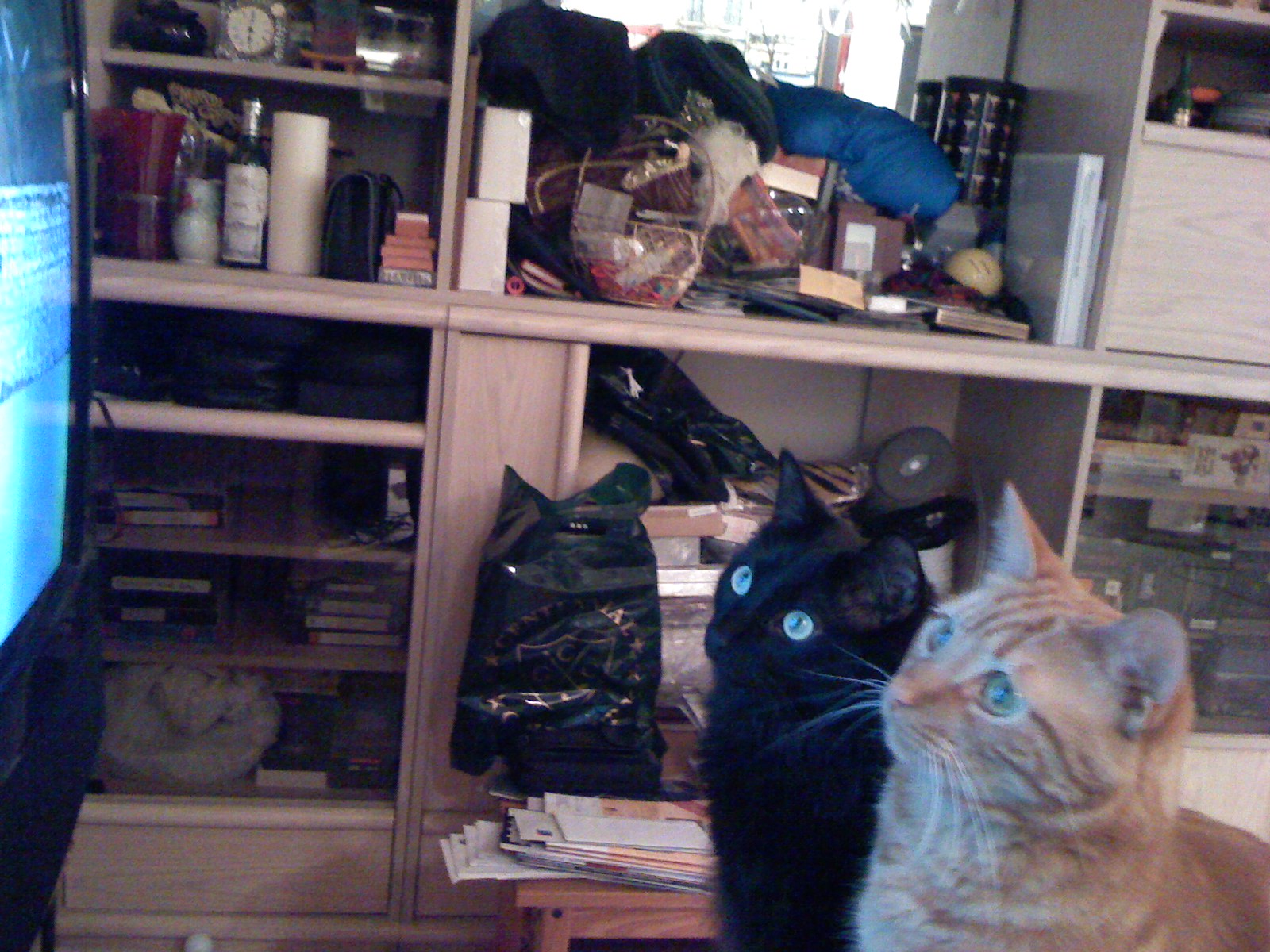
A week later, I was watching TV with my wife and cats and in our nice warm dry basement (Shout out to Be-Dry). I often like to “fiddle with stuff.” On this particular occasion, I happened to “fiddle with” the sole insert in my shoes. I removed the insert and noticed that a small pebble had somehow managed to lodge itself under the heel of the insert on my right shoe.
Now, when I call it a ‘pebble’ I do so simply because I don’t know of a better word. It was larger than a grain of sand, but not by much. When I say ‘pebble’ I’m afraid you might be thinking of something more like the pretty pebbles that one might find beach-combing. You would not have seen this ‘pebble’ unless you were crawling along the beach with your nose about two inches from the ground. It was about the size of a lower case ‘o’ in this font size. Hard. Sharp. But tiny! I thought could this possibly be the source of my pain? No. No. It’s much too small.
Nonetheless, I removed it and my ‘plantar fasciitis’ disappeared.
I was reminded of this today walking my dog Sadie who most often walks with her nose almost on the ground. Sometimes, I see a distinct wet stain that she stops and examines. Most times, I have no idea what she is sniffing at. I presume it’s often a bush leaf where the scent of another dog is particular strong. She pays attention to places I have seen a rabbit or bird earlier. She likes to retrace the path that our other dog Bailey took if I happened to have taken him out to pee. But it isn’t only where he’s peed. She seems to know the path he walked. Similarly, if I have taken the car somewhere in the last 48 hours, she goes over and sniffs that. She sniffs at my door only if I drive somewhere alone. But if I go to the grocery store, she also sniffs at each door that I have take groceries out of.
Yes. We all know dogs have a good sense of smell. But—seriously—how many molecules can she sense? Apparently, dogs can detect some smells in concentrations as small as 1-10 molecules per milliliter of liquid. A very small number of molecules could spell the difference between an escaped prisoner being tracked and recaptured or escaping to a new country and enjoying decades of freedom. Small thing—big effect.
I recall reading a science book as a youngster that showed a man holding a test tube. At the bottom of the test tube was a small amount of white powder. The caption said that this was enough botulism toxin to kill everyone on the planet if properly distributed. That seems an odd use of the word ‘properly’ but leaving that aside, it is clearly extremely toxic. How does the toxin work? It interferes with your internal communication system. Your brain sends a signal to your diaphragm muscle to contract, but the signal never gets to the muscle. Small thing—big effect.
Small things having big effects is not always about small things causing problems. Small things can also be important in having big effects in a positive way. For example, if you do such a small thing as look around you for beauty, you will often find it. If you don’t, look harder. If you still don’t, then create some or go elsewhere. If you make this small habit, over the course of your entire life, you will fill your brain with much more beauty. That is no small thing. It will impact your health and your behavior toward others. Small thing—big effect.
There are many examples from sports. Most athletes realize that they it helps to have a physical routine that is unvarying before throwing a baseball pitch, hitting a tee shot in golf, or hitting a tennis serve. Fewer realize that it’s equally important to have a consistent mental routine as well. I found it useful before every golf shot to say to myself, “Hit it perfect—like you know you can.”
Small things can also make a big difference in terms of what you observe. For instance, in my tennis group, there were, for a time, a high proportion of left handed players. Roughly half of the players were lefties, though only about 10% of the population is left-handed. Of course, it’s fairly obvious immediately that one’s opponent is left-handed. A clear implication is that what constitutes a backhand and forehand are on different sides. A more subtle difference is from the natural sidespin that is put on a shot. A forehand topspin shot, as the name implies, is mainly topspin. Some players hit a fairly flat shot while others—notably Rafa Nadal and, more recently, Carlos Alcaraz, can hit with tremendous top-spin. This shot also has somewhat of a sidespin component and that varies from player to player. Although professionals can alter the degree of sidespin, the amateurs I play with have a habitual way of hitting the ball. As the ball strikes the ground, a right-hander’s shot toward my side of the court will bounce slightly to my right while a left-hander’s ball will bounce slightly to my left. This means that positioning my feet optimally for the return shot will be somewhat different for various players.
There are many small differences in how people play. If you notice such differences, you can do a much better job of “reading” what type of shot a player will hit, where they are aiming, and so on. The differences are slight but cumulatively, the impact of noticing such differences is considerable. Small thing—big effect.
I don’t like to receive flattery and I don’t like to flatter people either. However, I do make a habit of giving people compliments. If you are observant, this is usually easy to do because most people are doing good things most of the time. When I play tennis, for example, my partners and my opponents will often hit excellent shots. I comment on it. It makes for a better game. Over time, it’s better for everyone. Never admit aloud your opponent has just hit a good shot? Keep on your game face? Not my thing. Why make life grimmer and meaner? Someone hits a great serve or a good tee shot or sinks a long putt, I compliment them. I’m impressed. So why not share that feeling? Small thing—big effect.
Sadie is our Golden Doodle puppy (half poodle and half golden retriever). So far, she looks a lot more like a golden retriever. Anyway, a few short weeks ago, she learned to ascend and descend the stairs to our deck. She typically does that once or twice a day as part of our general walk around, exercise, and potty break. As she grew and became more practiced, the stairs became more and more easily scaled.
Until today.
She started up the first step and began sniffing every inch of the step. Same for the second step. How could she have lost so much skill? She scrambled up to the third step and began sniffling at every single leaf and bit of random detritus.
Then, it hit me. She could sprint up the stairs, hindered only by my own oldish legs. She had always viewed the stairs as a means to and end, but now that she had mastered it, she wanted to experience the stairs in the way that she most likes to experience everything — with nose and tongue.
It took her about two weeks to realize that she had forgotten to properly explore the stairs which she did today…
It could be that the guy who cleans the pool once a week, and himself has a dog, came today and it was his scent that she was particularly interested in.
Or, both.
In any case, it made me wonder how often people think of their career ladders, or personal journeys as something to be instrumental; e.g., to get to the top of the stairs. There are advantages to being at the top of the stairs. You can see farther. And, you’re closer to the kitchen. But there are advantages to being at the bottom of the stairs as well.
Do we ever take the time to really experience and explore the steps along the way? If your whole life is using everything as a means to an end, then in the end, it all means nothing. What of all the opportunities to explore the steps?
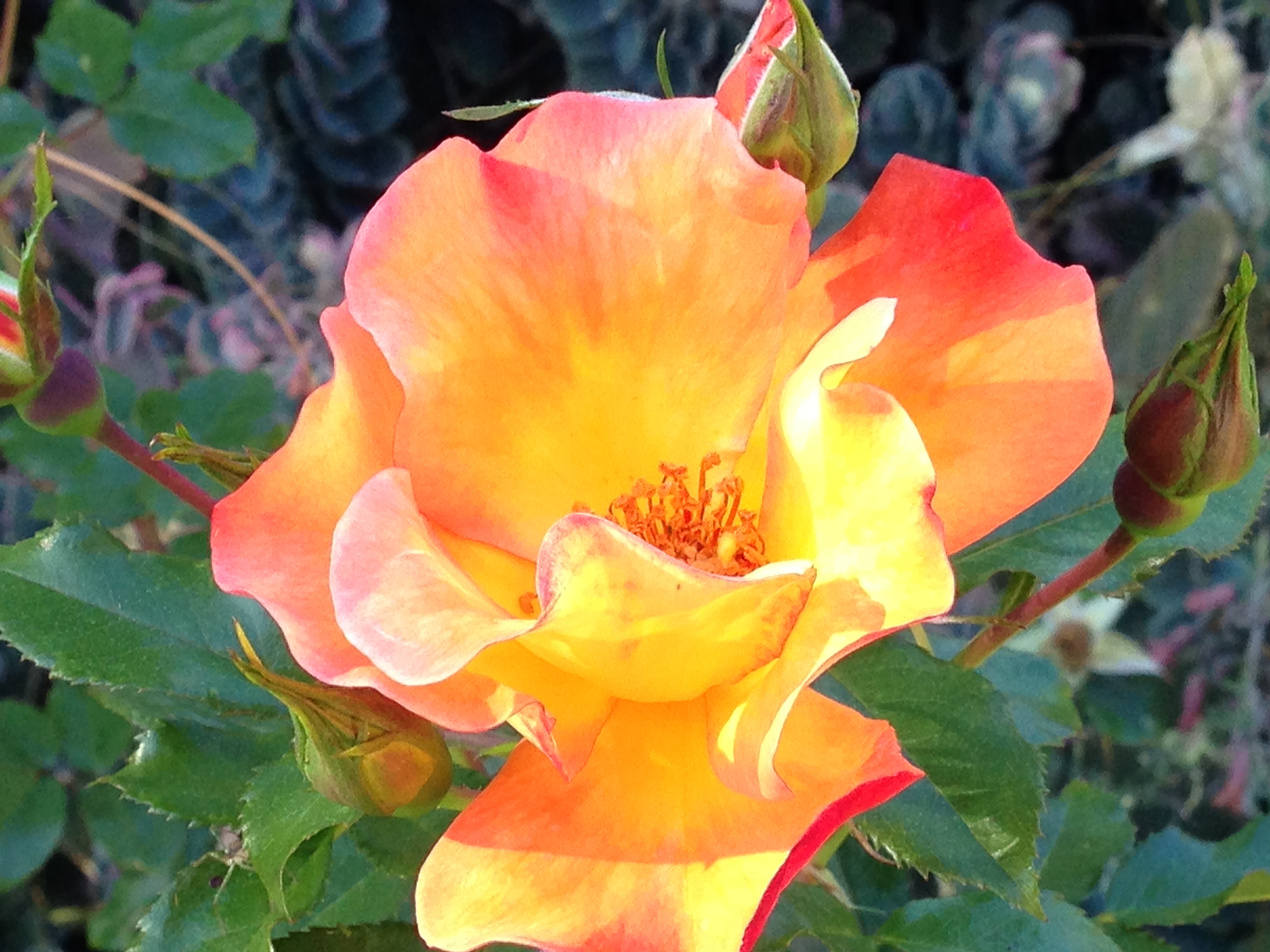
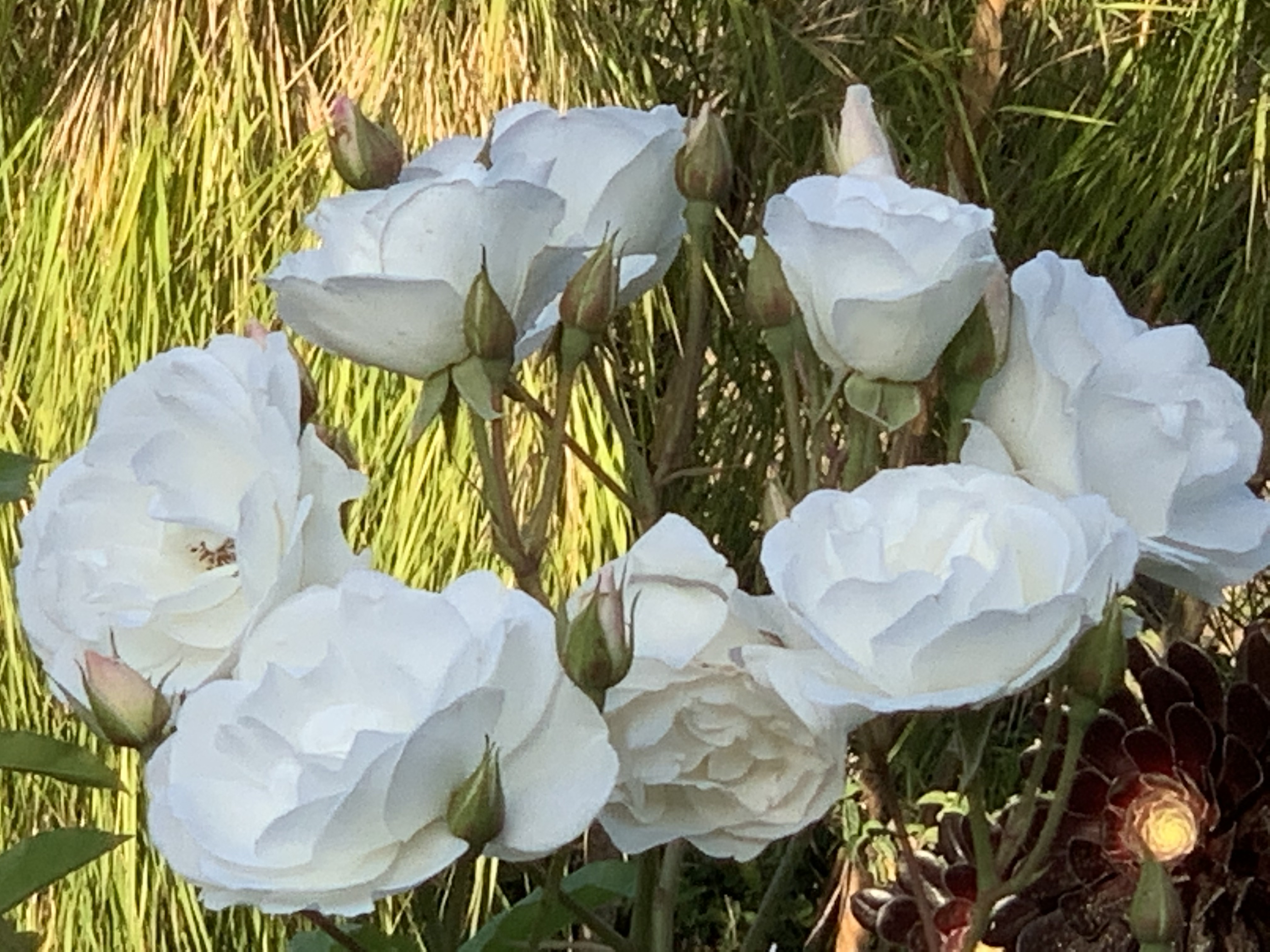
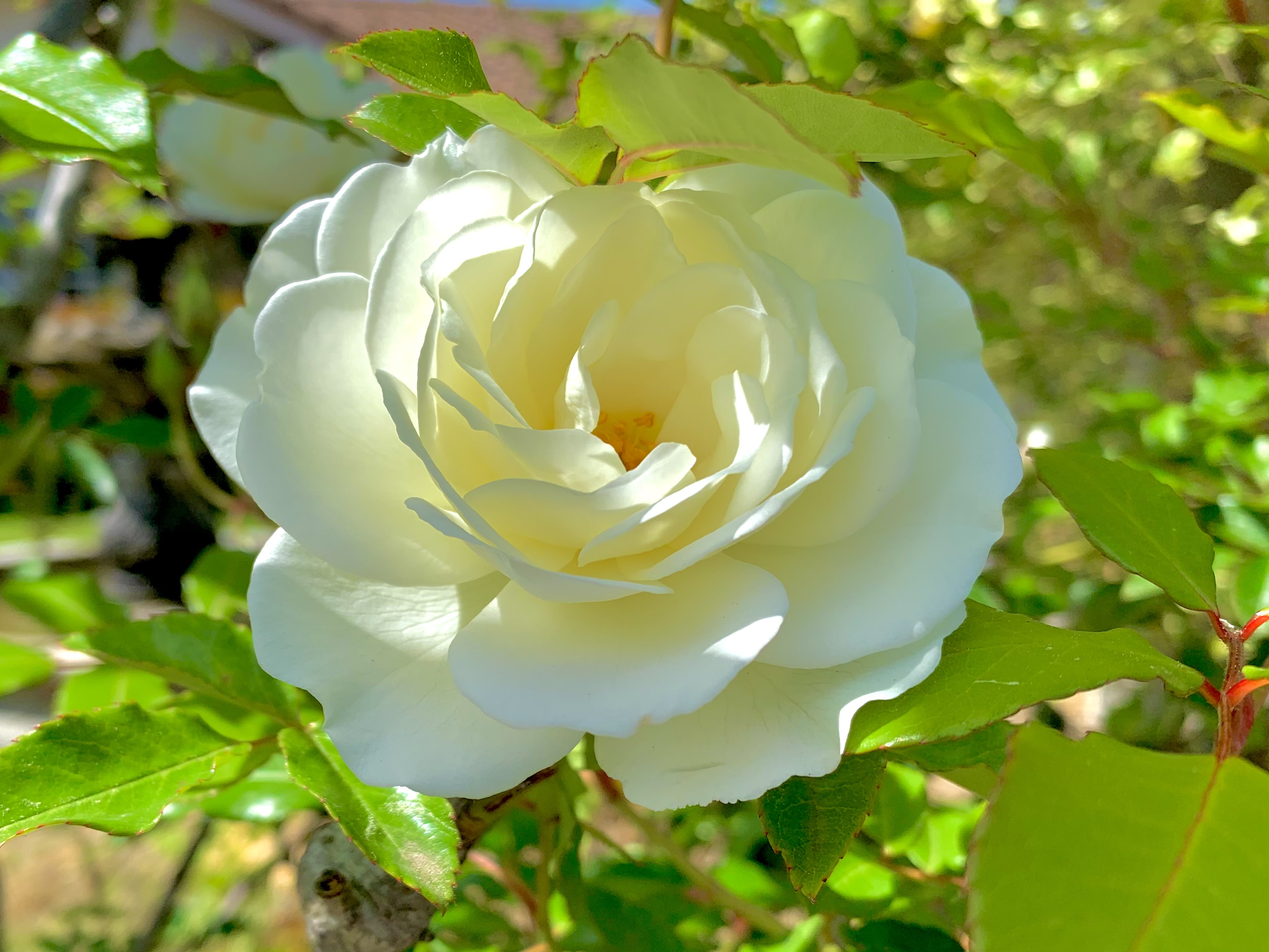
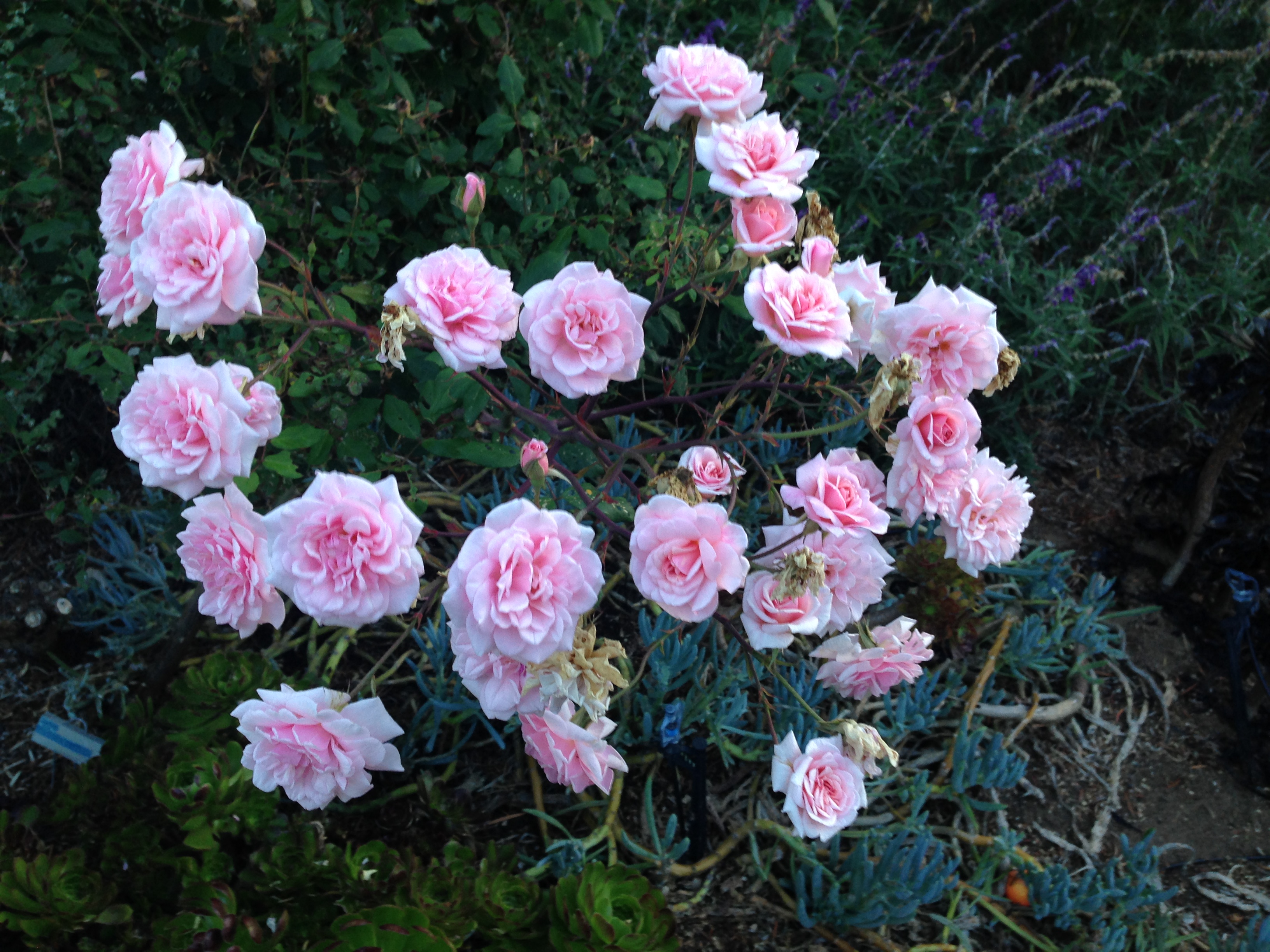
I could take pictures of the same rose bush, and never take exactly the same picture twice. In fact, it wouldn’t even take trying on my part. In fact, no matter how hard I tried to take exactly the same picture, it wouldn’t happen. Moment to moment, my hand would murmur, the sun would slide ever so slightly in the sky, a wanton puff of wind would blow the bush.
Of course, I don’t try to take exactly the same picture. Part of the joy is expanding the universe of possible pictures and being open to the possibilities that abound from angle, light, surround, seasons, my own mood, the bush’s mood, the sun’s mood, the mood of the clouds. No, of course, I don’t believe they have conscious emotions — necessarily — but mood describes it was well as any word and the moods of the world are sometimes extremely important in determining our moods. Ask the survivors of any natural disaster whether their “mood” was “influenced” by the disaster! (No, I won’t pay your medical bills). Of course, we know it in these extreme cases, but don’t we really also know it when it comes to less catastrophic events as well? Isn’t your mood influenced by the weather, the time of day, the noise you’re subjected to, the mood of those around you — all of these impact your mood to some extent and therefore, they will have some impact on the quality of the experiences you have.
Your experience with a photograph will be altered according to the mood of the photographer who took the picture, the mood of the planet at that place and time, and — let’s not forget — your mood as well. And, even if you’ve seen hundreds of my pictures, there is no way you or I could draw in detail what the next picture will look like.
I cannot, indeed, take a picture of a rose. I can only take a picture of the now-rose. And, another now-rose. But, since no two ‘now’s’ are identical, so too, the now-rose is never like any other now-rose. Even if we had two pictures a second apart that were pixel by pixel identical (exceedingly unlikely!) It would only be because of the limitations of our sensors. Let’s not forget that these are living plants doing the “business” of life every second! And even the molecules of inanimate things are moving about, assuming the garden is above absolute zero. Roses are not known to thrive at -435 C. That’s the state, though, that some strive toward now. Absolute predictability based on absolute power means nothing learns; nothing adapts; nothing is truly alive.
Here’s the deal folks.
Every experience with another human being is unique.
Yet, we like to try to categorize them.
By person.
By age of person.
By skin color of person.
By gender.
By religion.
By etc. etc. and so forth.
Yet, you have literally no idea for certain what the next moment will be like. Yet, some people are willing to treat what will happen as a certainty, which would be absurd for something as well-regulated and well-studied as, say, baseball. They would never bet their life that a particular hitter would or would not get a base hit. They wouldn’t do that even if they knew his batting average to the third decimal. But they are willing to stake everything, not on a knowledge of the other person, but based on “knowledge” of a category that is not only useless but based on folklore, propaganda, and fakery.
Instead of being scared by the bees, why not take the time to appreciate the now-rose of human experience — the ever-changing dance of all humanity — which moment will never ever come again. No, not that one either.
{I wrote this poem in 1997 when it won third prize in the Chatfield National Poetry contest. It seems oddly apropos today.}
Winter ripped into our neighborhood last night
Gale and pail of rain turned flake by morning
Gutters filled to overflowing; my basement flooded.
And the riot of yesterday’s autumn light
Gone as though it never burned its magic riots of red and gold.
All the tallest tulip trees and oaks stand naked now,
Black, bucking wet twigs against the steel gray sky.
Bundled in my leather hat, jacket and gloves,
I walk out to survey the carnage of fallen leaf and broken branch.
The wind still gusts to make my eyes smart and my cheeks burn
Low black clouds swim and swirl.
Somewhere a flag cord bangs against an empty pole.
So off I go through deserted streets of a condo Sunday morning
Into the drear of pale November.
The wind sings a shriller note when the leaves are gone,
The hush is replaced by a whistle.
And, walking down the hill toward the main road
I see beneath the broken canopy the first Jewels of November —
Coral leaves laid in relief against the wet black woods
The amber leaves, the carmine leaves of shrubs
Protected by the barren trunks of their taller cousins.
Beside the road, a head of goldenrod casts against green grass.
A few lonely wood asters, white and an occasional blue.
Hanging from the dead vines, clusters of gold and red.
Before me, the sky breaks for a moment only
And a hawk wheels through a single shaft of sunlight
Rejoicing, so it seems, in the thick cold air,
His outstretched white wing fingers glowing white for a moment.
And so I find, here in this gray and lifeless world
Treasures of color and texture and form — and music too
For the overflowing brooks are singing quiet giggles
Just as ten black crows careen and crackle through the trees.
I look down and see a broken piece of branch
Bedecked with lichens, the palest possible shade of blue-green.
I bend to pick it up and out of my jacket pocket coins tumble
Tinkling on the black macadam roadway, they splay themselves:
A shiny copper penny, dime, quarter, nickel and a dark penny.
How fine when I was a child to find a few coins like this! How rich!
I knew the different smell and taste of every coin,
My parents’ dire warnings not to put them in my mouth
Making the taste so much more exotic and exciting.
Now my money comes to me as a blue paper note
Claiming the check was deposited directly in my account.
How efficient, I note.
Another shaft of sunlight strikes me from the briefly parting clouds
As I retrieve my coins one by one
And remember that today is the New York City marathon.
Phillipides, so the story goes, died after bringing the news
Of a Greek victory back, from exhaustion, so we suppose.
But I wonder: was it simply that his life¹s best work was done?
Or could it even be the sheer clear joy of the news delivered?
Or, the ecstasy of the swinging legs and arms, the hot heart,
The heaving chest — feeling so alive that pain itself is joy.
The wind is at my back and I wonder what it would feel like
To run today that long race through the windy streets of New York.
But a walk through the woods is enough for me, enough today,
Stopping to watch the hundred precious scenes laid out before me.
I wonder where all these treasures were last week-end
When I walked this same path.
The answer is, of course, that they were drowned in a sea of color
The neon chaos of autumnal carnival showing off.
I turn back toward home now.
Lonely snowflakes hit and actually bounce once off the black road
Before settling down to melt their brief beauty on still warm tar.
The wind is fully furious in my face.
I dream what lunch I might fix once out of this blowing cold
A steaming chicken broth thick with onions, carrots, and peppers.
And I recall a time when I was a senior in college and had the flu;
The medicine the doctor gave me made me worse
And I ended up not eating for three days
But the at-last, ah-ah, taste of the clear broth I savored oh so slowly!
A feast from a magic bullion cube!
And I wonder as I begin the ascent up the long hill toward home,
Whether winter might not be the whirling earth’s greatest gift.
What would autumn, full summer, or the tender spring be
Without the deadly in-between, the waiting, the wail, the white.
In a land of endless plenty and eternal life, would we ever see
The Jewels of November?
Mister Mitchell is his name.
He would rather be in my lap
Than curled up beside the keyboard
Sneaking a paw out to help me,
Tapping out a random,
(Or, seemingly random),
// here and there.
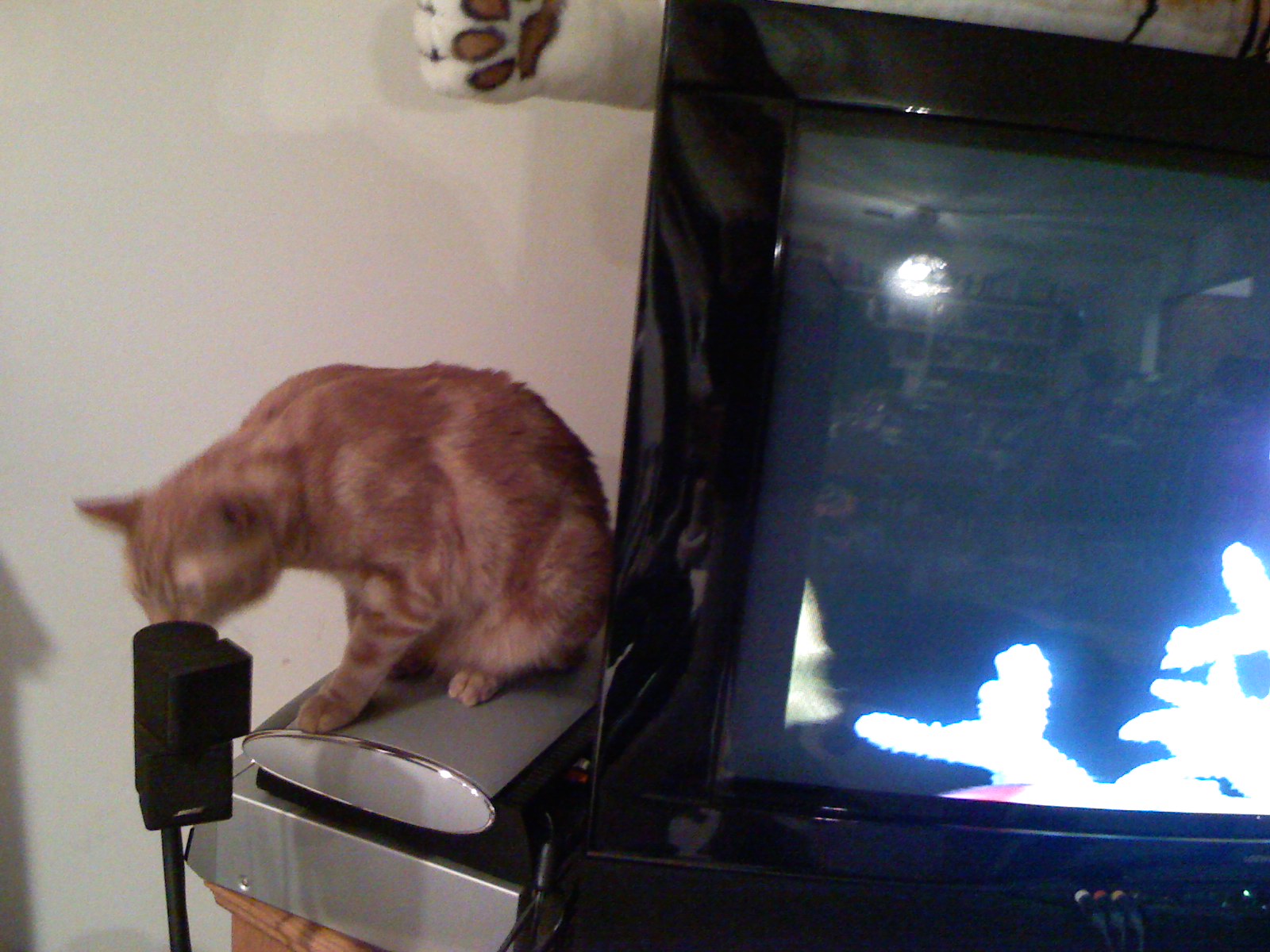
Jones checking out the new sound system.
But //? Who knows?
Perhaps he’s trying to find some website
Devoted to the feline.
After all,
They have a TV program now for cats.
‘Mister Mitchell’ is not a name we chose;
Rather the name came with the cat.
He mostly seems a fur generating machine
Sidling up to the Thinkpad.
Yet, he is not a machine
But a living breathing system
Turning fish and turkey into more Mister Mitchell
And every one of his trillions of cells:
A miracle of masterly mechanism,
Much like me,
Getting sick and getting well,
Much like me,
Sleeping, eating, wishing the endless rain would let up
And some sun would shine at last
Much like me.
I’m not sure he has an opinion on the world situation,
Or of whether we’ll ever fire the Liar-In-Chief,
Or of what should be done with corporate crooks,
Or cares whether the Dow is up or down.
Mister Mitchell never helps me take out the recycling
Or do the dishes or the shopping;
In reality, Mister Mitchell is not much use —
And maybe that’s the point:
The miracle of life is point enough without a use.
People are so forgetful,
Of the miracles all around,
Large and small.



































 petersironwood