• About PeterSIronwood

petersironwood

~ Finding, formulating and solving life's frustrations.

petersironwood

Tag Archives: gratitude

Fifteen Properties of Natural Beauty & UX/HCI

09 Wednesday Sep 2026

Posted by petersironwood in Uncategorized, psychology, creativity, nature, design rationale, user experience, HCI

≈ 1 Comment

Tags

architecture, art, books, Design, gratitude, HCI, human factors, mindfulness, photography, Travel, UX
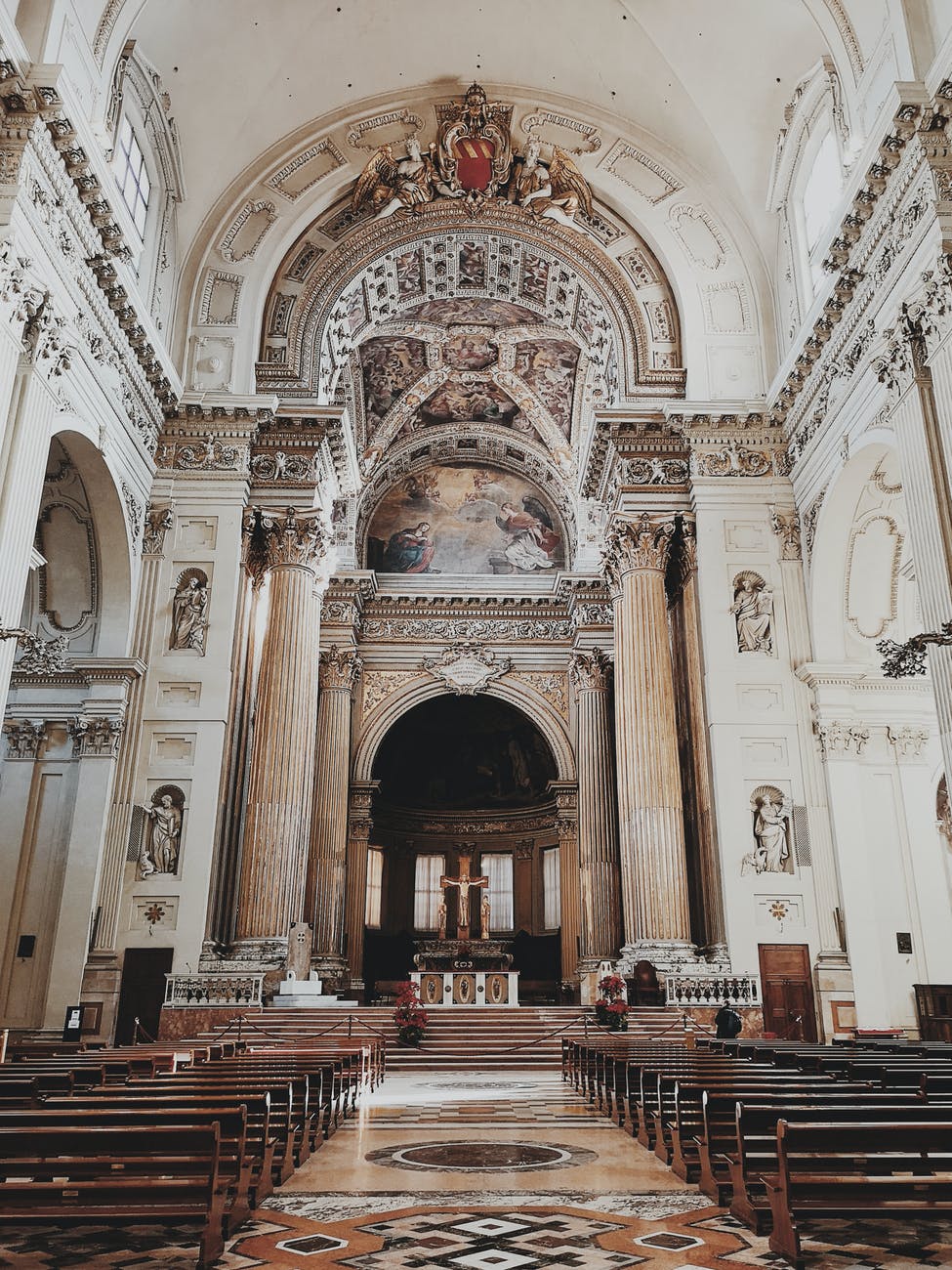
Photo by Dominika Greguu0161ovu00e1 on Pexels.com

This is an introduction to a series of blog posts on the “Nature of Beauty.” 

Christopher Alexander was an architect and city planner. In his MIT dissertation, Alexander took a very mathematical approach to design. In our studies at IBM Research on the “Psychology of Design” I first ran across that work (Notes on the Synthesis of Form). Later in his career, however, he took a quite different approach to design. With an international team, he visited many different parts of the world to see what “worked” in terms of architecture and city planning. The results were documented in the form of a “Pattern Language.” In this sense, a “Pattern” is the named solution to a recurring problem. A “Pattern Language” is a connected lattice of Patterns that together, “cover” a field. 

Others (including me) have emulated his approach for other fields such as pedagogy, organizational change, object-oriented programming, software development processes, and human-computer interaction. A few years ago, I suggested such Patterns for collaboration and teamwork. Here’s a link to the introduction of that effort. Here’s a link to the index of those Patterns. 

Still later in life, Christopher Alexander embarked on a project called The Nature of Order. This work is documented in a series of four books. In the first book, he proposes fifteen properties of good form in nature — and in beautiful artifacts. Explication and example will be needed to appreciate what these properties mean. In this post, I list the fifteen and will attempt to explain the first one with respect to UX and Human Computer Interaction.

OLYMPUS DIGITAL CAMERA

First, you might be wondering what relevance these fifteen properties of nature might have to interface design. After all, can’t the designer just test out their ideas empirically until a UX design is shown to be usable, learnable, and perhaps enjoyable as well? Well, sure. Ideally, every possibility could be explored and tested empirically. 

But how many possibilities are there? Without any guiding principles, there are not only more possibilities than can be tested by you. There are more possibilities than there are atoms in the universe. Imagine a very simple interface on a small mobile device. Let’s say there are only ten screens in your whole application. The iPhone 12, for instance, has nearly 3 million pixels. 24-bit color allows over 16 million colors per pixel. If you literally tested out every possible arrangement, this would mean 16 million to the 3 millionth power for each of the ten screens!! The number of atoms in the universe is estimated to be between 10**78 and 10**82. Obviously, this is far less than 16,000,000**3,000,000 !! 

Of course, I’m not suggesting that anyone would attempt a pixel by pixel test of an interface, but the general point remains: you need some way to limit testing to reasonable alternatives. The notion of using these fifteen properties is not that they dictate a particular design nor that you don’t need to do any empirical testing. Rather, the fifteen properties could be used to help guide design. The properties could be thought of as reducing the search space. 
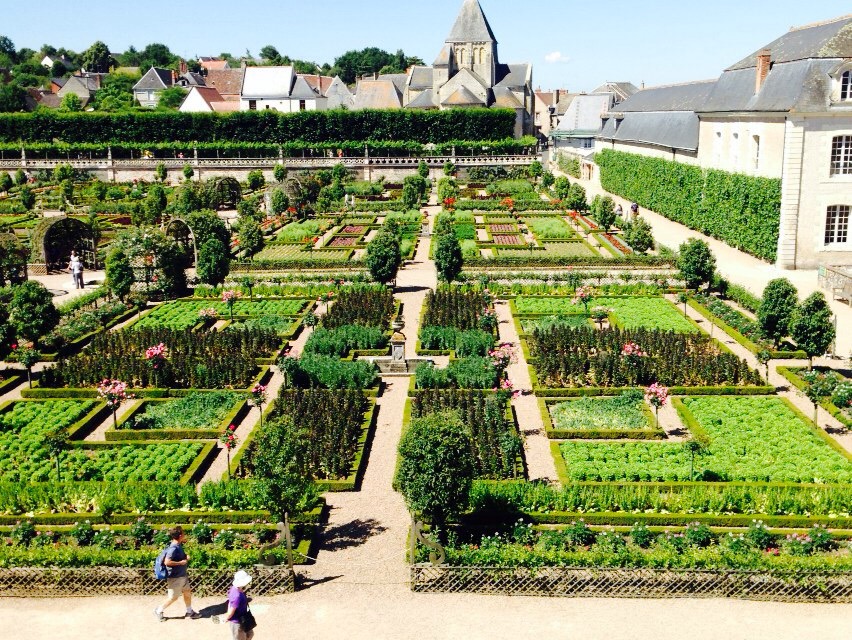
Here are the fifteen properties: 

  1. Levels of Scale
  2. Strong Centers
  3. Boundaries
  4. Alternating Repetition
  5. Positive Space
  6. Good Shape
  7. Local Symmetries
  8. Deep Interlock and Ambiguity
  9. Contrast
  10. Gradients
  11. Roughness
  12. Echoes
  13. The Void
  14. Simplicity and Inner Calm
  15. Not-separateness

Perhaps the names themselves might resonate with your own sense of aesthetics for design and composition, but let’s review them one by one. 

The first is “Levels of Scale.” 

Photo by Roney John on Pexels.com

When it comes to natural beauty, a few moments reflection may provide you with many examples. Christopher Alexander claims this property is also present in traditional art and architecture across many cultures. As you see something such as, e.g., the Taj Mahal or the Parthenon in the distance, you see a beautiful shape. As you approach it, you will see more and more levels of scale. By contrast, many modern buildings are largely featureless between the overall shape and the texture of the building material. 

If your design has multiple levels of scale, it will be easier for your user to orient themselves; to know “where they are” in the application and therefore easier to take appropriate action. Not only are you making their “task” more doable, you are providing a kind of entertainment. If it works well, they will be thinking of the building and perhaps its significance the entire time they approach the building. By contrast, if I approach a modern no-scales building, I bore quickly and, like most people, there are a whole host of things waiting to be thought about. So, I’ll mainly be thinking of one or my problems and largely ignoring your building and what it stands for. Reflect on your own experiences and see whether you agree. Lincoln Memorial, Winchester Cathedral, Temple in Kyoto: they are completely different from each other and yet in this way, they are all the same: they keep your attention focused on the moment. In other words, they help you be fully alive and awake. In the best circumstance, they also elicit some awe and gratitude not only for the geniuses who designed but also for the many laborers who found and mined the materials, constructed something from it, and even those whose taxes paid those workers.

Levels of Scale is something to keep in mind with respect to your design — whether hardware, software, documentation, story, or a building. 

How could you use or see “Levels of Scale” as a desirable property of what you are doing right now? 

———————————-

Some references to Pattern Languages in HCI. 

Pan, Y., Roedl, D., Blevis, E. and Thomas, J. (2012), Re-conceptualizing Fashion in Sustainable HCI. Designing Interactive Systems conference.  New Castle, UK, June 2012.

Thomas, J. C. (2012).   Patterns for emergent global intelligence.   In Creativity and Rationale: Enhancing Human Experience By Design J. Carroll (Ed.), New York: Springer.

Thomas, J. (2012). Edging Toward Sustainability. CHI Workshop Position Paper for Simple Sustainable Living. CHI 2012, Austin, Texas.

Thomas, J. (2012), Enhancing Collective Intelligence by Enhancing Social Roles and Diversity. CSCW Workshop Position Paper for Collective Intelligence and Community Discourse and Action. CSCW 2012, Bellvue, WA.

Thomas, J. (2011), Toward a pattern language for socializing technology for seniors. Workshop position paper accepted for CSCW 2011 workshop: Socializing technology among seniors in China, Hangzhou, China, March 19-23.

Thomas, J. (2011). Toward a Socio-Technical Pattern Language for Social Systems in China and the World. Workshop position paper accepted for CSCW 2011 workshop: Designing social and collaborative systems for China. Hangzhou, China, March 19-23.

Thomas, J. (2011). Toward a Socio-Technical Pattern Language for Social Media and International Development. Workshop position paper accepted for CSCW 2011 workshop: Social media for development, Hangzhou, China, March 19-23.

Bonanni, L., Busse, D. Thomas, J., Bevis, E., Turpeinen, M. & Jardin, N. (2011). Visible, actionalble, sustainable: Sustainable interactin design in professional domains.  Workshop accepted for CHI 2011. Vancouver, B.C., May 7-12.

Thomas, J. (2011). Focus on Ego as Universe and Everyday Sustainability. Workshop position paper accepted for CHI 2011 workshop: Everyday practice and sustainable HCI: Understanding and learning from cultures of (un)sustainability.  Vancouver, B.C., May 7-12.

https://www.researchgate.net/publication/2242380_A_Pattern_Approach_to_Interaction_Design

Click to access dearden-patterns-hci09.pdf

https://www.mit.edu/~jtidwell/common_ground.html

Thomas, J. C. (2018), Building common ground in a wildly webbed world: a pattern language approach. Journal of Information, Communication and Ethics in Society, 16 (3), 338-350.

——————————-

Some recommended books:

The Winning Weekend Warrior focuses on the mental game for all sports using examples from tennis, golf, baseball, and other sports. It covers self-talk, imagery, mental practice, strategy, tactics, & sportsmanship. http://tinyurl.com/ng2heq3

Turing’s Nightmares explores the implications and ethics of Artificial Intelligence through fictional short stories. http://tinyurl.com/hz6dg2d

Fit in Bits shows many ways to put more fun, variety, & exercise into daily chores and habits to help with strength, flexibility, fitness, and balance. http://tinyurl.com/h6c7fce

Tales from an American Childhood recounts early experiences mainly in the American Midwest in the 1950’s and relates them to contemporary issues and events. https://tinyurl.com/y9ajvz9j

Dream Planet. Where do you run when the whole world is crumbling under the weight of human folly? When the lethal Conformers invade 22nd century Pittsburgh, escape becomes the top priority for lovebird scavengers Alex and Eva.

https://www.barnesandnoble.com/w/dream-planet-david-thomas/1148566558

The Walkabout Diaries are photo-essays inspired by walks in nearby neighborhoods, gardens, and parks.

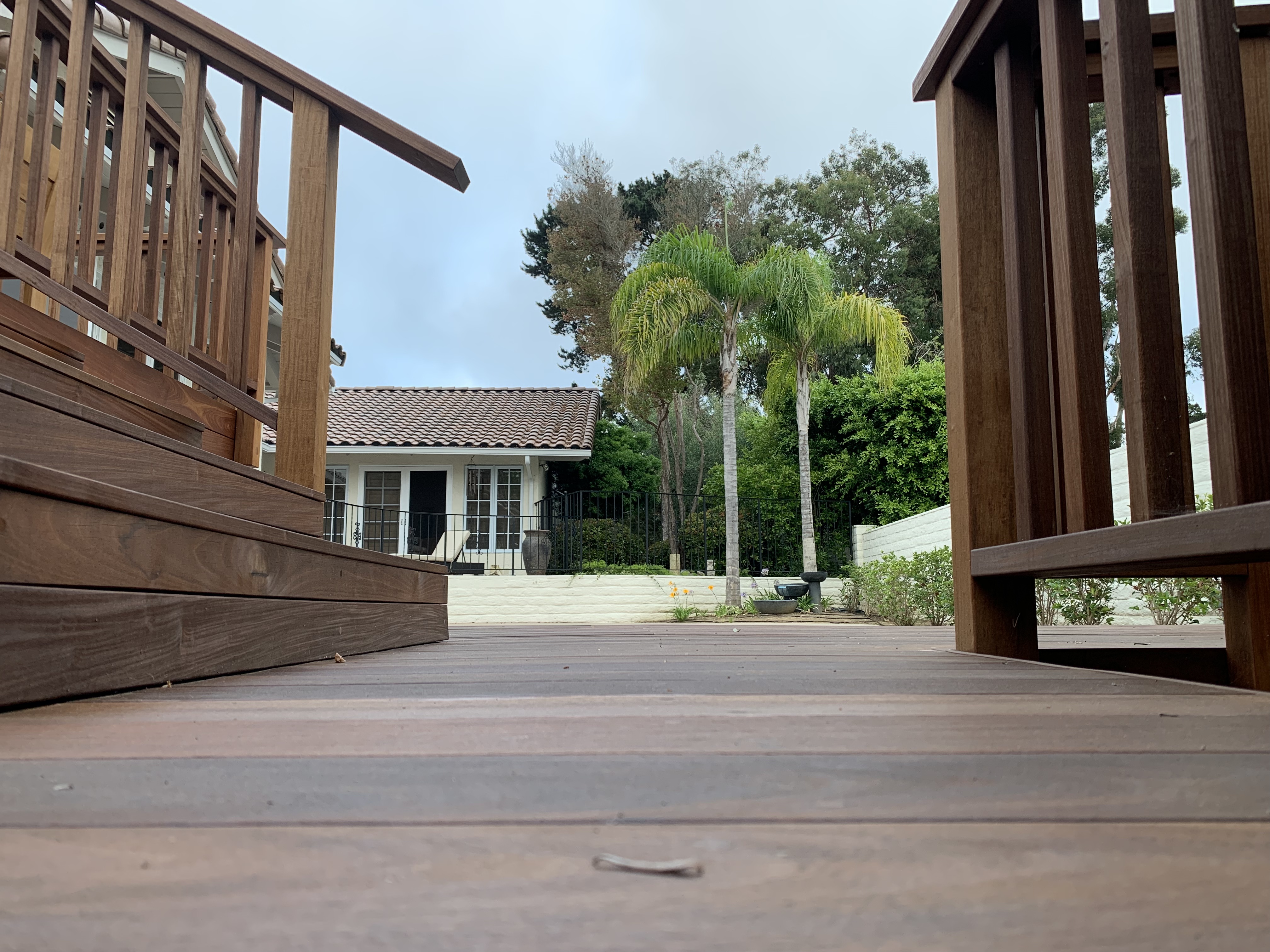
The Walkabout Diaries

Travels with Sadie: To Relish the Steps

21 Friday Aug 2026

Posted by petersironwood in psychology, Uncategorized

≈ Leave a comment

Tags

dogs, family, fiction, gratitude, life, love, mindfulness, pets, psychology, story, writing

Sadie is our Golden Doodle puppy (half poodle and half golden retriever). So far, she looks a lot more like a golden retriever. Anyway, a few short weeks ago, she learned to ascend and descend the stairs to our deck. She typically does that once or twice a day as part of our general walk around, exercise, and potty break. As she grew and became more practiced, the stairs became more and more easily scaled. 

Until today.

She started up the first step and began sniffing every inch of the step. Same for the second step. How could she have lost so much skill? She scrambled up to the third step and began sniffling at every single leaf and bit of random detritus. 

Then, it hit me. She could sprint up the stairs, hindered only by my own oldish legs. She had always viewed the stairs as a means to and end, but now that she had mastered it, she wanted to experience the stairs in the way that she most likes to experience everything — with nose and tongue. 

It took her about two weeks to realize that she had forgotten to properly explore the stairs which she did today…

Photo by Polina Tankilevitch on Pexels.com


Or, 

It could be that the guy who cleans the pool once a week, and himself has a dog, came today and it was his scent that she was particularly interested in. 

Or, both. 

In any case, it made me wonder how often people think of their career ladders, or personal journeys as something to be instrumental; e.g., to get to the top of the stairs. There are advantages to being at the top of the stairs. You can see farther. And, you’re closer to the kitchen. But there are advantages to being at the bottom of the stairs as well. 

Do we ever take the time to really experience and explore the steps along the way? If your whole life is using everything as a means to an end, then in the end, it all means nothing. What of all the opportunities to explore the steps?

Photo by Reza Nourbakhsh on Pexels.com

Corn on the Cob

You Must Remember This

Ah Wilderness

A Cat’s a Cat & That’s That

A Suddenly Springing Something

Sadie Sonnet

Sadie is a Thief

Sadie Shadows

Take Me Out to the Ball Game

Bee Wise

Life Will Find a Way

Peace

Small Steps

The Winning Weekend Warrior focuses on the mental game for all sports using examples from tennis, golf, baseball, and other sports. It covers self-talk, imagery, mental practice, strategy, tactics, & sportsmanship. http://tinyurl.com/ng2heq3

Turing’s Nightmares explores the implications and ethics of Artificial Intelligence through fictional short stories. http://tinyurl.com/hz6dg2d

Fit in Bits shows many ways to put more fun, variety, & exercise into daily chores and habits to help with strength, flexibility, fitness, and balance. http://tinyurl.com/h6c7fce

Tales from an American Childhood recounts early experiences mainly in the American Midwest in the 1950’s and relates them to contemporary issues and events. https://tinyurl.com/y9ajvz9j

Dream Planet. Where do you run when the whole world is crumbling under the weight of human folly? When the lethal Conformers invade 22nd century Pittsburgh, escape becomes the top priority for lovebird scavengers Alex and Eva.

https://www.barnesandnoble.com/w/dream-planet-david-thomas/1148566558

Too Many Tu-Swifts?

10 Tuesday Mar 2026

Posted by petersironwood in America, creativity, psychology, story, Uncategorized, Veritas

≈ Leave a comment

Tags

coping, dissociative state, dreams, fables, fantasy, fiction, gratitude, hope, leadership, legends, myths, psychology, short story, stories, strategy, truth, Tu-Swift, Veritas, writing

{Translator’s Note}: Sometimes, when one finds oneself in an emergency room, they ask you to rate your pain on a ten point scale. It seems that the Veritas had quite a rich and varied vocabulary for pain — and for pleasure. Although it is clear that the Veritas could count (at least that; though the academic debates are raging now about how they could have made the astronomical predictions that they apparently made without advanced mathematics), they would have found the concept of “rating” pain or pleasure bizarre. Even in my own childhood, the idea of rating something as complex as a movie (let alone a human being!) on a numerical scale would have seemed preposterous. As for the Veritas, precisely because they have so many dimensions and nuances of pain, there are not very many instances of any particular token. So, what follows is, as always, my best effort attempt to describe the pain of Tu-Swift. 

IMG_3108

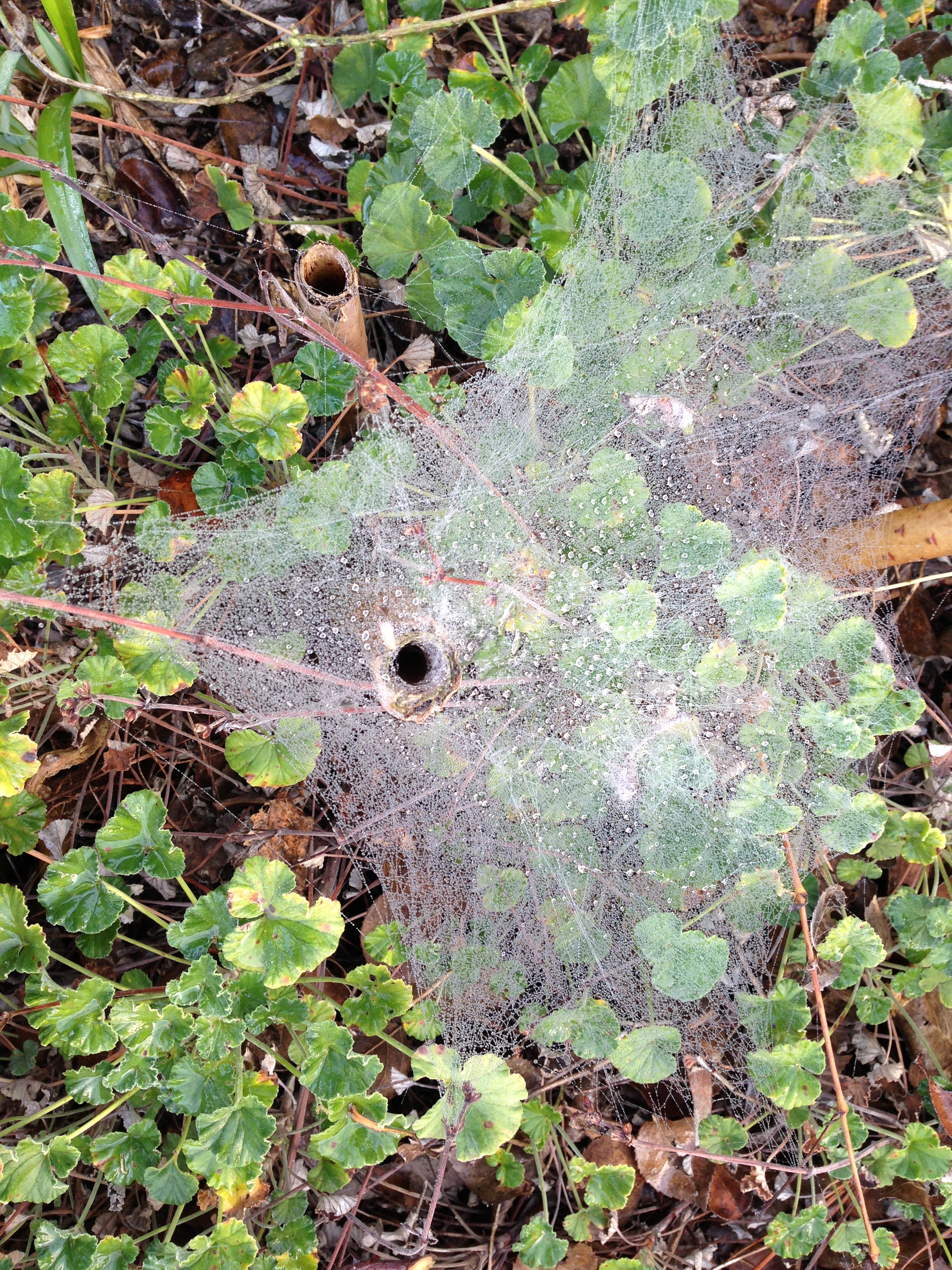
Tu-Swift literally forgot who he was; or, more precisely, Tu-Swift trifurcated. The Tu-Swift that he considered to be him found himself embedded in stickiness, as though he were a hapless bug caught in the web of an onrushing horror of hairy legs and giant fangs. Yet, the more he struggled, the more entrapped he became. He could sense but not really see the spider. He could not even control his eyes. An invisible force focused them on the scene ahead where two other versions of Tu-Swift struggled with each other. 

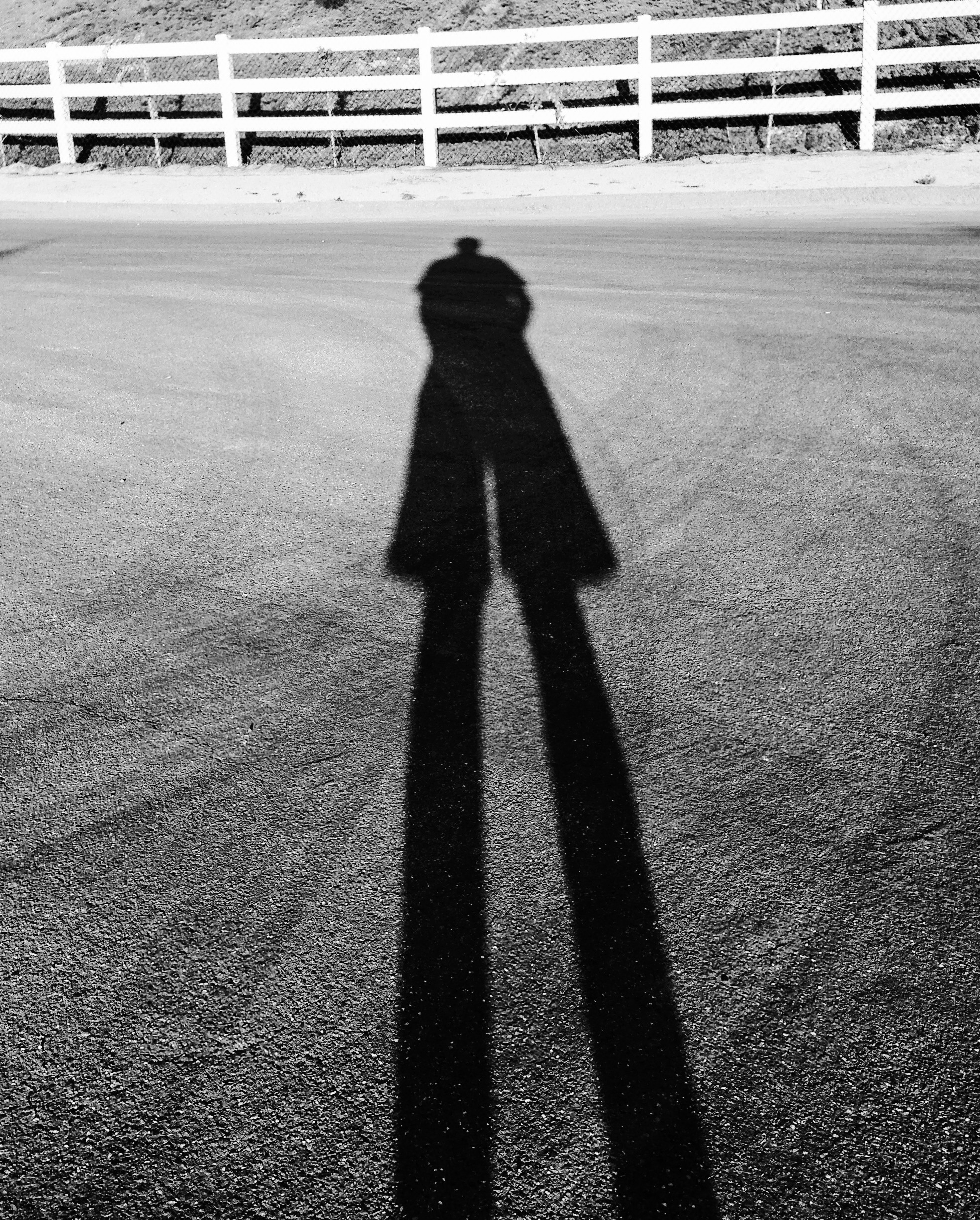
Tu-Swift (the observer) felt a surge of pride at the image on the right. He appeared taller, stronger, prouder looking than he had ever remembered feeling. But despite the outward beauty, something was wrong here. Instead of being connected to life in general and the Veritas in particular, he felt himself to be “it” – the only thing that mattered. From that odd perspective, he didn’t have to “know” how things worked and how to solve problems. He only had to tell a convincing story convincingly — so convincingly that people would mistake it for the truth. He felt strong when he looked at this shadowy reflection of himself; strong, and a little ashamed. He felt ashamed because he recognized that that had been pretty much how he saw the world when he was yet a toddler. Still, it was tempting. In a way, it would be so much simpler never having to know what is actually true; never having to take the needs of others into consideration.

baby child close up crying

Photo by Pixabay on Pexels.com

On the left, the Tu-Swift avatar looked small and somehow — broken. This version of himself made him feel weak and powerless. It (he) sat cross-legged on the grass and petulantly broke blades off. Tu-Swift spoke to the boy. “Get up! Get up!” 

The boy on the left spoke back. “I can’t. It’s too much effort. Anyway, it doesn’t matter. Look!”

The boy pointed at something behind Tu-Swift. He struggled mightily to turn to see what it was, but he could not turn his head. But he could feel the searing heat of the spider. He could only stare at the two boys before him and suddenly, he saw the boys disappear into a web of memories. He did not have to be exactly like the boy on the right or exactly like the boy on the left. He could pick and choose the situations when he wanted to be one or the other, but he was in no way limited to those two boys. He could pick and choose from everyone he ever met. Why had he not seen this before? It was like choosing a mask or garb for a ritual dance. Only … it need not be superficial. Thinking like Many Paths — that was more than putting on a mask. I think better with her.

IMG_5555

He grabbed what he wanted from each of the two boys and immediately felt the searing heat of the monster that burned and blackened everything before it. Tu-Swift began rolling. His pain changed from an ember of deeply burning ruby red to a thunderstorm of flashing blue light and every bolt struck deep into the knee of Tu-Swift. Each bolt exploded outward in further flashes of blue so that, for a moment, his entire left leg erupted in blue pain. 

After a few such rolls, Tu-Swift felt the freezing cold of rushing water. It stung and made him catch his breath, but it felt wonderful and somehow safe. But cold. What’s wrong with my knee, he asked himself. “Where is everyone?” he said aloud. His thoughts now began to once again unravel as he muttered to himself.  

“Need … to take … inventory. Right knee. What is wrong with you, knee?” Tu-Swift, in his altered state, half expected he knew and answered himself back. “But something … something is very wrong. I fell. Need shelter.”

Near the river bank, on one side, lay hard rock cliffs. Tu-Swift managed to crawl into a cleft in such a cliff. His self once more disintegrated.  

photography of flowing plunge waterfall

Photo by Anne-sophie Parent on Pexels.com

This time, instead of seeing two other versions of Tu-Swift, he saw everyone he had ever encountered, or at least, that is how it seemed. Just as he had always been able to hear the voice of Many Paths offering apt advice, he now realized that he could get advice from anyone in the tribe; or those of other tribes; even from the People Who Steal Children.

Tu-Swift imagined the voice of Shadow Walker calling out and showing him how to speak with drums or the sounds of birds. Those turned out to be important skills and he was filled with gratitude for Shadow Walker. And, he imagined he could hear the memory of Hudah Salah also calling out his name with her strange accent. It was exciting to think that people could speak so that only some might understand. Of course, he had been told that there were other tongues besides that spoken by the Veritas people. But it wasn’t until he had really heard such voices that he understood how important it could be to know other languages. Now, it was real and he was filled with gratitude for Hudah Salah for opening his eyes. 

Tu-Swift realized that his own eyes were extremely tired. And he mentally waved farewell to the multitude of people out there ready to lend their knowledge to whatever task was at hand. He closed the eyes of every Tu-Swift he could and fell into a deep, unknowing sleep. 

IMG_2540

————————————————————-

Author Page on Amazon

The Creation Myth of the Veritas

The Myths of the Veritas: The Orange Man

An Essay on Gratitude

Life Will Find a Way

Math Class: Who Are You?

After All

The Self-Made Man

Somewhere a Bird Cries

How the Nightingale Learned to Sing

The Impossible

Is a Dream?

Imagination

Small Things

30 Monday Dec 2024

Posted by petersironwood in creativity, nature, psychology, sports

≈ 3 Comments

Tags

beauty, fitness, gratitude, health, life, mindfulness, plantar-fasciitis, sports, Tennis, truth

Those of you who might not have read every one of my hundreds of blog posts might have missed the story about my bout with “plantar fasciitis.” I had a persistent pain under my right heel. It was painful when I walked and I liked to walk every day. When I described the symptoms to some of my family and friends, more than one suggested I visit a podiatrist. A podiatrist, after all, is an expert in medical issues of the foot. 

I made an appointment and sure enough, she confirmed the diagnosis several of my friends had mentioned: “Plantar fasciitis.” She showed me an exercise to stretch the tendons of my foot; gave me a prescription for megadoses of a non-steroidal anti-inflammatory; and she cautioned me to stop walking so much until my symptoms improved. I followed this advice, but my foot actually began to hurt more. After about a week of this, I went back to walking and my symptoms improved but the pain was still there. 

A week later, I was watching TV with my wife and cats and in our nice warm dry basement (Shout out to Be-Dry). I often like to “fiddle with stuff.” On this particular occasion, I happened to “fiddle with” the sole insert in my shoes. I removed the insert and noticed that a small pebble had somehow managed to lodge itself under the heel of the insert on my right shoe. 

Now, when I call it a ‘pebble’ I do so simply because I don’t know of a better word. It was larger than a grain of sand, but not by much. When I say ‘pebble’ I’m afraid you might be thinking of something more like the pretty pebbles that one might find beach-combing. You would not have seen this ‘pebble’ unless you were crawling along the beach with your nose about two inches from the ground. It was about the size of a lower case ‘o’ in this font size. Hard. Sharp. But tiny! I thought could this possibly be the source of my pain? No. No. It’s much too small.

Nonetheless, I removed it and my ‘plantar fasciitis’ disappeared. 

I was reminded of this today walking my dog Sadie who most often walks with her nose almost on the ground. Sometimes, I see a distinct wet stain that she stops and examines. Most times, I have no idea what she is sniffing at. I presume it’s often a bush leaf where the scent of another dog is particular strong. She pays attention to places I have seen a rabbit or bird earlier. She likes to retrace the path that our other dog Bailey took if I happened to have taken him out to pee. But it isn’t only where he’s peed. She seems to know the path he walked. Similarly, if I have taken the car somewhere in the last 48 hours, she goes over and sniffs that. She sniffs at my door only if I drive somewhere alone. But if I go to the grocery store, she also sniffs at each door that I have take groceries out of. 

Yes. We all know dogs have a good sense of smell. But—seriously—how many molecules can she sense? Apparently, dogs can detect some smells in concentrations as small as 1-10 molecules per milliliter of liquid. A very small number of molecules could spell the difference between an escaped prisoner being tracked and recaptured or escaping to a new country and enjoying decades of freedom. Small thing—big effect.


I recall reading a science book as a youngster that showed a man holding a test tube. At the bottom of the test tube was a small amount of white powder. The caption said that this was enough botulism toxin to kill everyone on the planet if properly distributed. That seems an odd use of the word ‘properly’ but leaving that aside, it is clearly extremely toxic. How does the toxin work? It interferes with your internal communication system. Your brain sends a signal to your diaphragm muscle to contract, but the signal never gets to the muscle. Small thing—big effect. 

Small things having big effects is not always about small things causing problems. Small things can also be important in having big effects in a positive way. For example, if you do such a small thing as look around you for beauty, you will often find it. If you don’t, look harder. If you still don’t, then create some or go elsewhere. If you make this small habit, over the course of your entire life, you will fill your brain with much more beauty. That is no small thing. It will impact your health and your behavior toward others. Small thing—big effect. 

There are many examples from sports. Most athletes realize that they it helps to have a physical routine that is unvarying before throwing a baseball pitch, hitting a tee shot in golf, or hitting a tennis serve. Fewer realize that it’s equally important to have a consistent mental routine as well. I found it useful before every golf shot to say to myself, “Hit it perfect—like you know you can.” 

Small things can also make a big difference in terms of what you observe. For instance, in my tennis group, there were, for a time, a high proportion of left handed players. Roughly half of the players were lefties, though only about 10% of the population is left-handed. Of course, it’s fairly obvious immediately that one’s opponent is left-handed. A clear implication is that what constitutes a backhand and forehand are on different sides. A more subtle difference is from the natural sidespin that is put on a shot. A forehand topspin shot, as the name implies, is mainly topspin. Some players hit a fairly flat shot while others—notably Rafa Nadal and, more recently, Carlos Alcaraz, can hit with tremendous top-spin. This shot also has somewhat of a sidespin component and that varies from player to player. Although professionals can alter the degree of sidespin, the amateurs I play with have a habitual way of hitting the ball. As the ball strikes the ground, a right-hander’s shot toward my side of the court will bounce slightly to my right while a  left-hander’s ball will bounce slightly to my left. This means that positioning my feet optimally for the return shot will be somewhat different for various players. 

There are many small differences in how people play. If you notice such differences, you can do a much better job of “reading” what type of shot a player will hit, where they are aiming, and so on. The differences are slight but cumulatively, the impact of noticing such differences is considerable. Small thing—big effect. 

I don’t like to receive flattery and I don’t like to flatter people either. However, I do make a habit of giving people compliments. If you are observant, this is usually easy to do because most people are doing good things most of the time. When I play tennis, for example, my partners and my opponents will often hit excellent shots. I comment on it. It makes for a better game. Over time, it’s better for everyone. Never admit aloud your opponent has just hit a good shot? Keep on your game face? Not my thing. Why make life grimmer and meaner? Someone hits a great serve or a good tee shot or sinks a long putt, I compliment them. I’m impressed. So why not share that feeling? Small thing—big effect. 

————

How the Nightingale Learned to Sing

Roar, Ocean, Roar

Imagine all the People

Dance of Billions

Life is a Dance

Take a Glance; Join the Dance

Author Page on Amazon

The Winning Weekend Warrior 

To Relish the Steps

23 Friday Sep 2022

Posted by petersironwood in psychology, Uncategorized

≈ 4 Comments

Tags

dogs, gratitude, life, mindfulness, pets, story

Sadie is our Golden Doodle puppy (half poodle and half golden retriever). So far, she looks a lot more like a golden retriever. Anyway, a few short weeks ago, she learned to ascend and descend the stairs to our deck. She typically does that once or twice a day as part of our general walk around, exercise, and potty break. As she grew and became more practiced, the stairs became more and more easily scaled. 

Until today.

She started up the first step and began sniffing every inch of the step. Same for the second step. How could she have lost so much skill? She scrambled up to the third step and began sniffling at every single leaf and bit of random detritus. 

Then, it hit me. She could sprint up the stairs, hindered only by my own oldish legs. She had always viewed the stairs as a means to and end, but now that she had mastered it, she wanted to experience the stairs in the way that she most likes to experience everything — with nose and tongue. 

It took her about two weeks to realize that she had forgotten to properly explore the stairs which she did today…

Photo by Polina Tankilevitch on Pexels.com


Or, 

It could be that the guy who cleans the pool once a week, and himself has a dog, came today and it was his scent that she was particularly interested in. 

Or, both. 

In any case, it made me wonder how often people think of their career ladders, or personal journeys as something to be instrumental; e.g., to get to the top of the stairs. There are advantages to being at the top of the stairs. You can see farther. And, you’re closer to the kitchen. But there are advantages to being at the bottom of the stairs as well. 

Do we ever take the time to really experience and explore the steps along the way? If your whole life is using everything as a means to an end, then in the end, it all means nothing. What of all the opportunities to explore the steps?

Photo by Reza Nourbakhsh on Pexels.com

Corn on the Cob

You Must Remember This

Ah Wilderness

A Cat’s a Cat & That’s That

A Suddenly Springing Something

Sadie Sonnet

Sadie is a Thief

Sadie Shadows

Take Me Out to the Ball Game

Bee Wise

Life Will Find a Way

Peace

The Walkabout Diaries: A Now Rose is a New Rose

05 Wednesday May 2021

Posted by petersironwood in Uncategorized

≈ 11 Comments

Tags

gratitude, love, mindfulness, psychology, rose

Here’s the deal folks. 


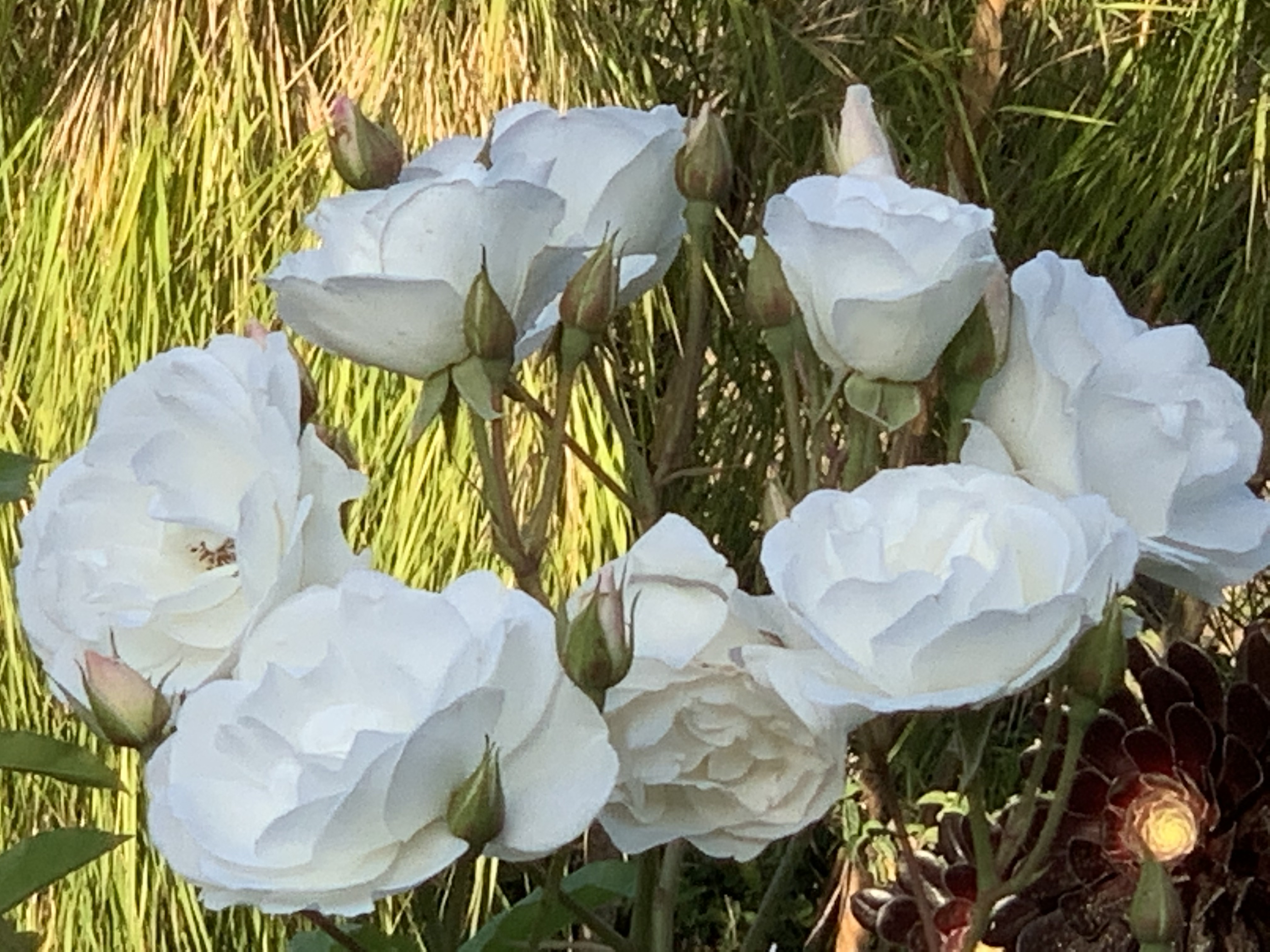
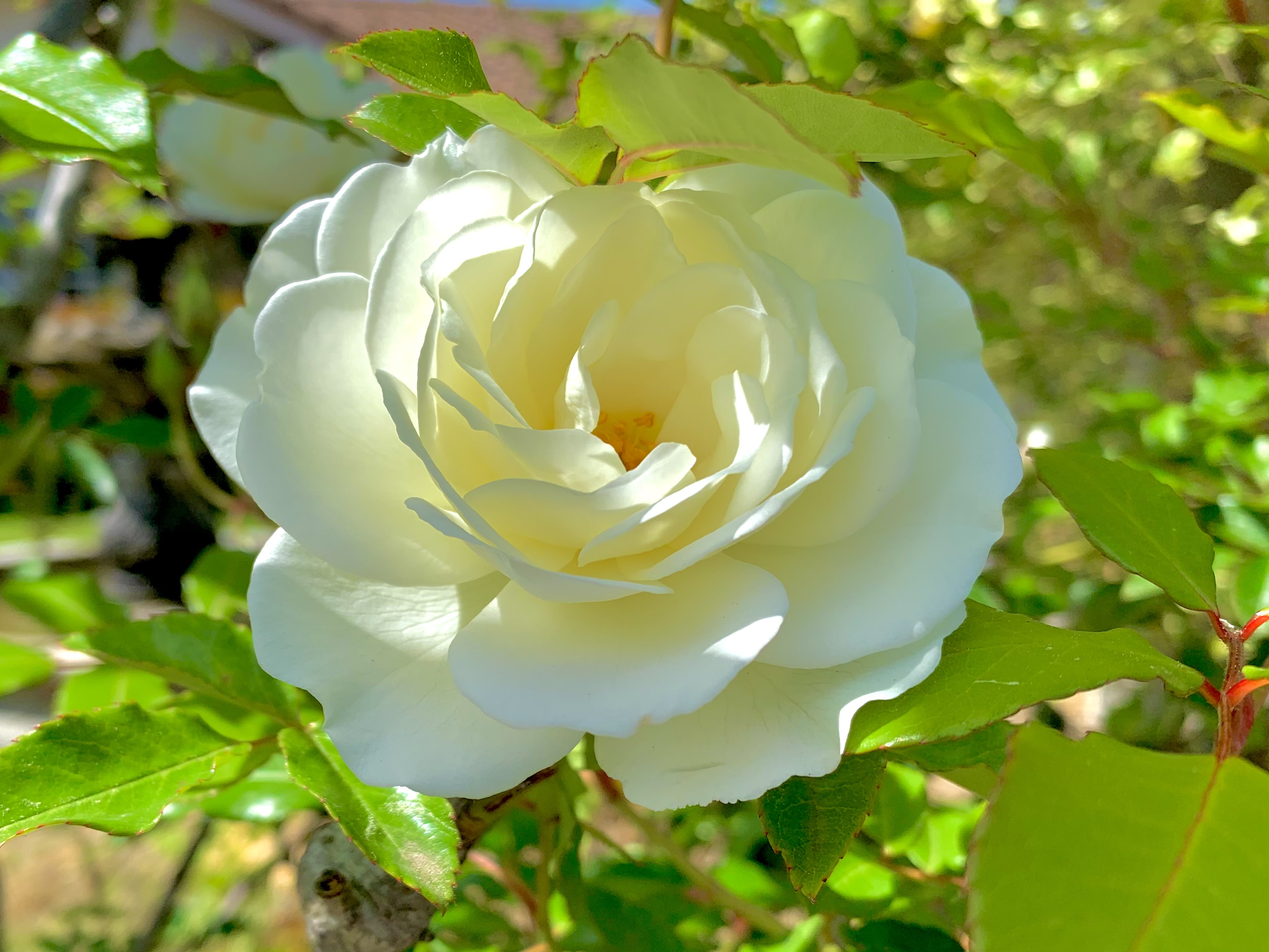
I could take pictures of the same rose bush, and never take exactly the same picture twice. In fact, it wouldn’t even take trying on my part. In fact, no matter how hard I tried to take exactly the same picture, it wouldn’t happen. Moment to moment, my hand would murmur, the sun would slide ever so slightly in the sky, a wanton puff of wind would blow the bush.


Of course, I don’t try to take exactly the same picture. Part of the joy is expanding the universe of possible pictures and being open to the possibilities that abound from angle, light, surround, seasons, my own mood, the bush’s mood, the sun’s mood, the mood of the clouds. No, of course, I don’t believe they have conscious emotions — necessarily — but mood describes it was well as any word and the moods of the world are sometimes extremely important in determining our moods. Ask the survivors of any natural disaster whether their “mood” was “influenced” by the disaster! (No, I won’t pay your medical bills). Of course, we know it in these extreme cases, but don’t we really also know it when it comes to less catastrophic events as well? Isn’t your mood influenced by the weather, the time of day, the noise you’re subjected to, the mood of those around you — all of these impact your mood to some extent and therefore, they will have some impact on the quality of the experiences you have.

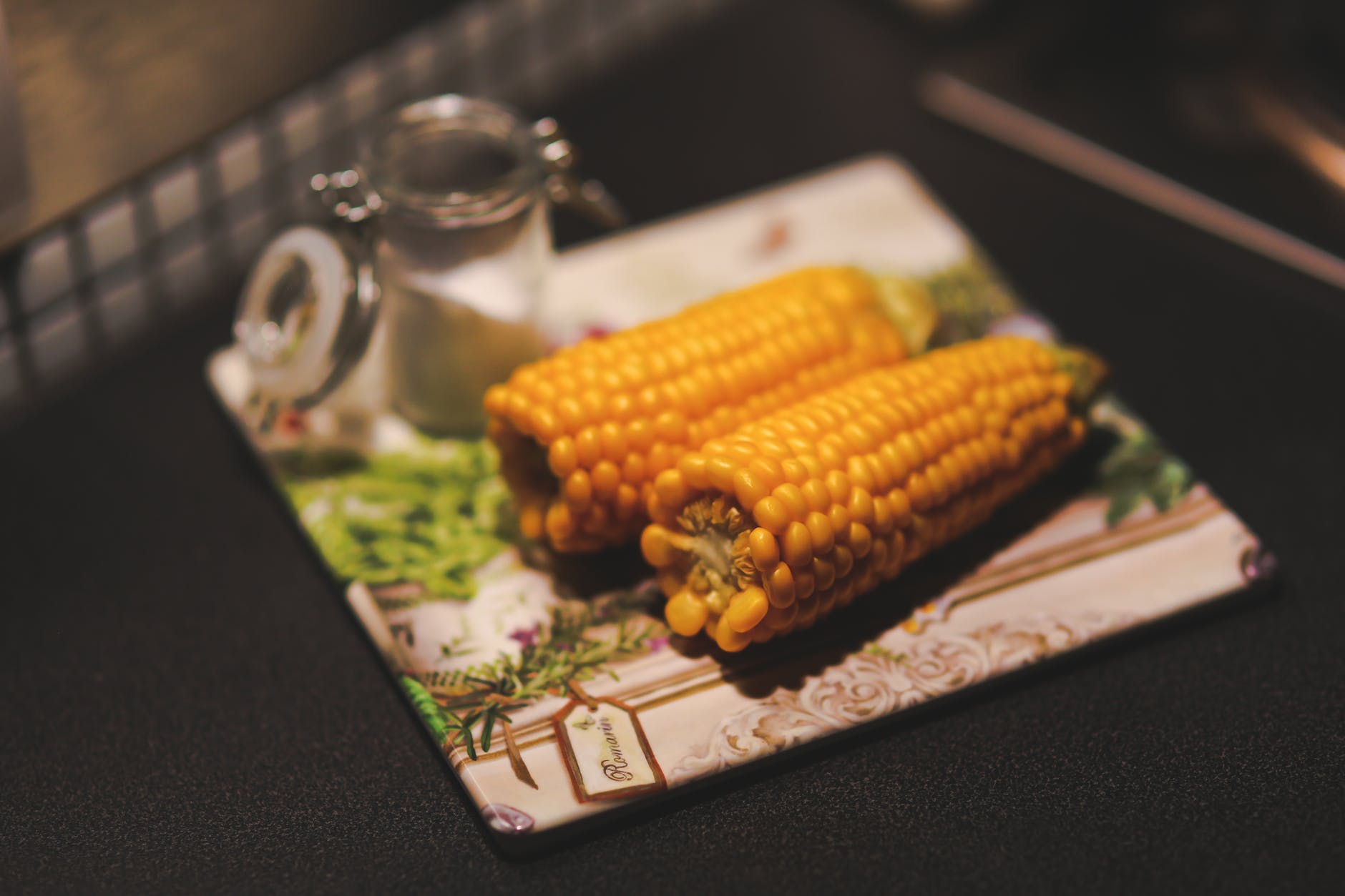
Your experience with a photograph will be altered according to the mood of the photographer who took the picture, the mood of the planet at that place and time, and — let’s not forget — your mood as well. And, even if you’ve seen hundreds of my pictures, there is no way you or I could draw in detail what the next picture will look like. 

I cannot, indeed, take a picture of a rose. I can only take a picture of the now-rose. And, another now-rose. But, since no two ‘now’s’ are identical, so too, the now-rose is never like any other now-rose. Even if we had two pictures a second apart that were pixel by pixel identical (exceedingly unlikely!) It would only be because of the limitations of our sensors. Let’s not forget that these are living plants doing the “business” of life every second! And even the molecules of inanimate things are moving about, assuming the garden is above absolute zero. Roses are not known to thrive at -435 C. That’s the state, though, that some strive toward now. Absolute predictability based on absolute power means nothing learns; nothing adapts; nothing is truly alive. 

Here’s the deal folks. 

Every experience with another human being is unique. 

Yet, we like to try to categorize them. 

By person. 

By age of person.

By skin color of person.

By gender.

By religion. 

By etc. etc. and so forth.

Yet, you have literally no idea for certain what the next moment will be like. Yet, some people are willing to treat what will happen as a certainty, which would be absurd for something as well-regulated and well-studied as, say, baseball. They would never bet their life that a particular hitter would or would not get a base hit. They wouldn’t do that even if they knew his batting average to the third decimal. But they are willing to stake everything, not on a knowledge of the other person, but based on “knowledge” of a category that is not only useless but based on folklore, propaganda, and fakery.

Instead of being scared by the bees, why not take the time to appreciate the now-rose of human experience — the ever-changing dance of all humanity — which moment will never ever come again. No, not that one either. 

Nope, not that one either. 

Still different. 

Just stop now and notice. 

———————————

Go Deep

Corn on the Cob

The Jewels of November

Race, Place, Space

Essays on America: Labelism 

A Cat’s a Cat & That’s That.

07 Tuesday Apr 2020

Posted by petersironwood in family, poetry, psychology, Uncategorized

≈ 27 Comments

Tags

cats, gratitude, kitten, life, love, mindfulness, peace, pets, poem, poetry

93999BA9-3F6B-4069-A0C9-09C02276BD21

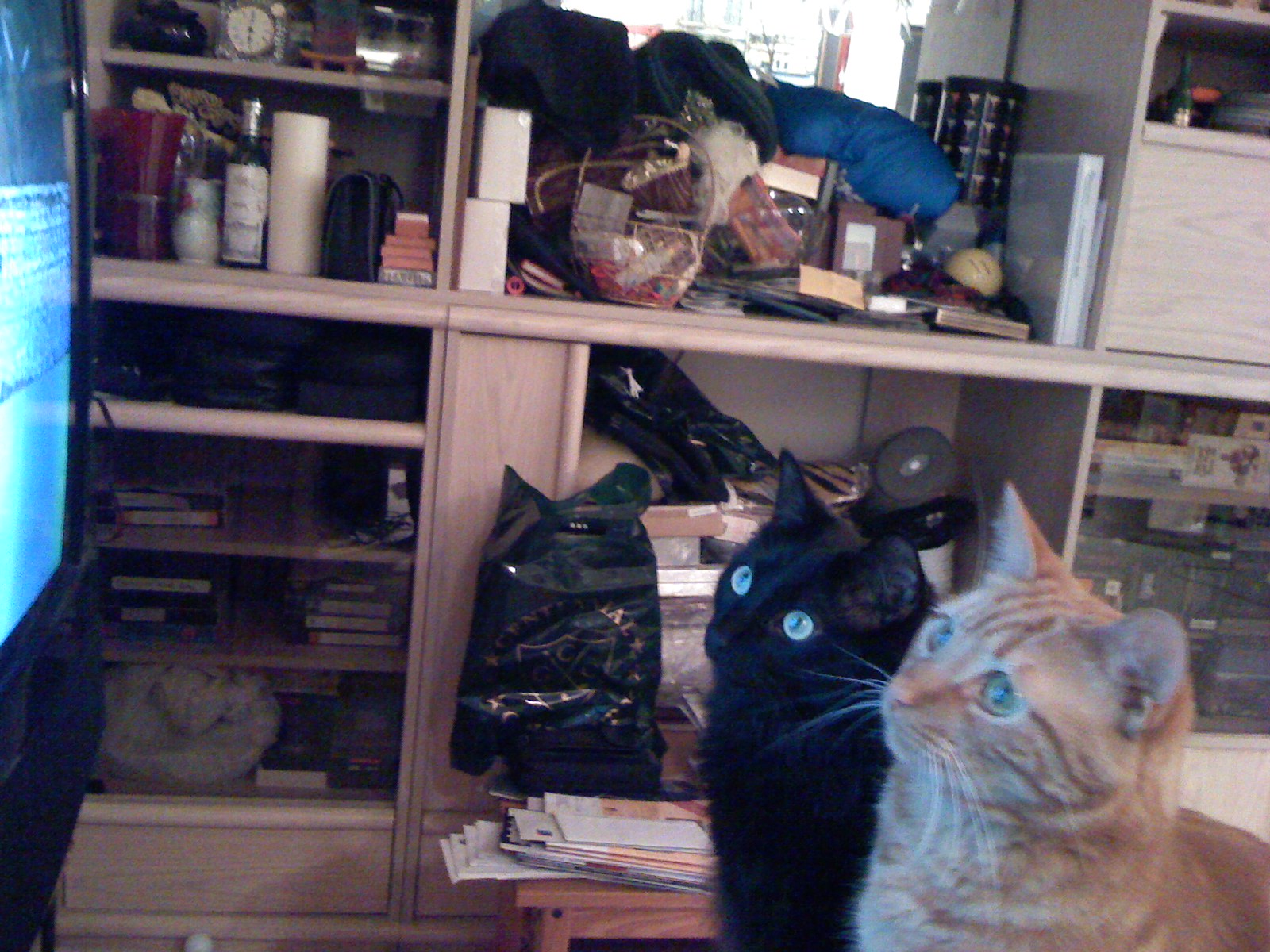
Sirius and Mister Jones watching TV with us.

Mister Mitchell is his name.
He would rather be in my lap
Than curled up beside the keyboard
Sneaking a paw out to help me,
Tapping out a random,
(Or, seemingly random),
// here and there.

ECA59E20-31F0-4D33-8E4C-0A6E5168FC6A

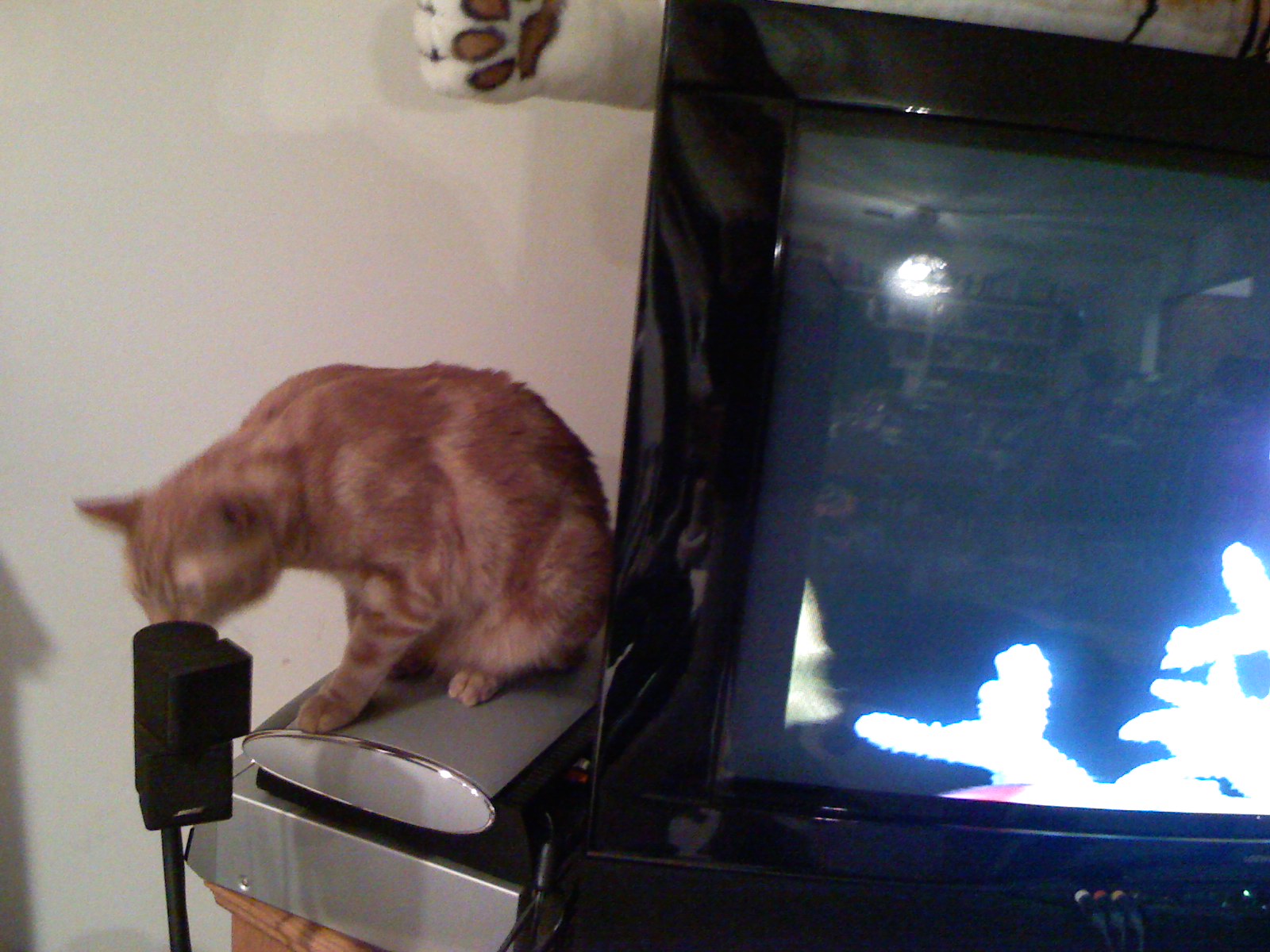
Jones checking out the new sound system.

But //? Who knows?
Perhaps he’s trying to find some website
Devoted to the feline.
After all,
They have a TV program now for cats.

59FF477E-15D8-41D5-B3E1-15B41F02735C

‘Mister Mitchell’ is not a name we chose;
Rather the name came with the cat.
He mostly seems a fur generating machine
Sidling up to the Thinkpad.

orange cat foot on laptop keyboard

Photo by Александар Цветановић on Pexels.com

Yet, he is not a machine
But a living breathing system
Turning fish and turkey into more Mister Mitchell
And every one of his trillions of cells:
A miracle of masterly mechanism,
Much like me,
Getting sick and getting well,
Much like me,
Sleeping, eating, wishing the endless rain would let up
And some sun would shine at last
Much like me.

farm land during sunset

Photo by Pixabay on Pexels.com

I’m not sure he has an opinion on the world situation,
Or of whether we’ll ever fire the Liar-In-Chief,
Or of what should be done with corporate crooks,
Or cares whether the Dow is up or down.

pile of gold round coins

Photo by Pixabay on Pexels.com

Mister Mitchell never helps me take out the recycling
Or do the dishes or the shopping;
In reality, Mister Mitchell is not much use —
And maybe that’s the point:

6EF5F154-38C8-42EA-8854-742770F798BF
The miracle of life is point enough without a use.
People are so forgetful,
Of the miracles all around,
Large and small.

woman raising her hands

Photo by Marlon Schmeiski on Pexels.com

Much like me.


people in concert

Photo by Sebastian Ervi on Pexels.com


Author Page on Amazon

Other Poems on this Blog:

Race, Place, Space, Face

Piano

A Suddenly Springing Something

Hauntings Across the Time Zone

Is a Dream? 

The Most Serious Work 

The Joy of Juggling

Wristwatch

Continental Breakfast

Maybe it Needs a New Starter

The Truth Train

Sunless Sunday of Faith

Camelot

Peace

The Impossible

Ambition

America

Don’t They Realize How Much Better Off They Are Now? 

The Bubble People


Too Many Tu-Swifts?

26 Sunday May 2019

Posted by petersironwood in America, creativity, psychology, story, Uncategorized, Veritas

≈ 1 Comment

Tags

dissociative state, fables, gratitude, legends, myths, psychology, stories, strategy, Veritas

{Translator’s Note}: Sometimes, when one finds oneself in an emergency room, they ask you to rate your pain on a ten point scale. It seems that the Veritas had quite a rich and varied vocabulary for pain — and for pleasure. Although it is clear that the Veritas could count (at least that; though the academic debates are raging now about how they could have made the astronomical predictions that they apparently made without advanced mathematics), they would have found the concept of “rating” pain or pleasure bizarre. Even in my own childhood, the idea of rating something as complex as a movie (let alone a human being!) on a numerical scale would have seemed preposterous. As for the Veritas, precisely because they have so many dimensions and nuances of pain, there are not very many instances of any particular token. So, what follows is, as always, my best effort attempt to describe the pain of Tu-Swift. 

IMG_3108

Tu-Swift literally forgot who he was; or, more precisely, Tu-Swift trifurcated. The Tu-Swift that he considered to be him found himself embedded in stickiness, as though he were a hapless bug caught in the web of an onrushing horror of hairy legs and giant fangs. Yet, the more he struggled, the more entrapped he became. He could sense but not really see the spider. He could not even control his eyes. An invisible force focused them on the scene ahead where two other versions of Tu-Swift struggled with each other. 

Tu-Swift (the observer) felt a surge of pride at the image on the right. He appeared taller, stronger, prouder looking than he had ever remembered feeling. But despite the outward beauty, something was wrong here. Instead of being connected to life in general and the Veritas in particular, he felt himself to be “it” – the only thing that mattered. From that odd perspective, he didn’t have to “know” how things worked and how to solve problems. He only had to tell a convincing story convincingly — so convincingly that people would mistake it for the truth. He felt strong when he looked at this shadowy reflection of himself; strong, and a little ashamed. He felt ashamed because he recognized that that had been pretty much how he saw the world when he was yet a toddler. Still, it was tempting. In a way, it would be so much simpler never having to know what is actually true; never having to take the needs of others into consideration.

baby child close up crying

Photo by Pixabay on Pexels.com

On the left, the Tu-Swift avatar looked small and somehow — broken. This version of himself made him feel weak and powerless. It (he) sat cross-legged on the grass and petulantly broke blades off. Tu-Swift spoke to the boy. “Get up! Get up!” 

The boy on the left spoke back. “I can’t. It’s too much effort. Anyway, it doesn’t matter. Look!”

The boy pointed at something behind Tu-Swift. He struggled mightily to turn to see what it was, but he could not turn his head. But he could feel the searing heat of the spider. He could only stare at the two boys before him and suddenly, he saw the boys disappear into a web of memories. He did not have to be exactly like the boy on the right or exactly like the boy on the left. He could pick and choose the situations when he wanted to be one or the other, but he was in no way limited to those two boys. He could pick and choose from everyone he ever met. Why had he not seen this before? It was like choosing a mask or garb for a ritual dance. Only … it need not be superficial. Thinking like Many Paths — that was more than putting on a mask. I think better with her.

IMG_5555

He grabbed what he wanted from each of the two boys and immediately felt the searing heat of the monster that burned and blackened everything before it. Tu-Swift began rolling. His pain changed from an ember of deeply burning ruby red to a thunderstorm of flashing blue light and every bolt struck deep into the knee of Tu-Swift. Each bolt exploded outward in further flashes of blue so that, for a moment, his entire left leg erupted in blue pain. 

After a few such rolls, Tu-Swift felt the freezing cold of rushing water. It stung and made him catch his breath, but it felt wonderful and somehow safe. But cold. What’s wrong with my knee, he asked himself. “Where is everyone?” he said aloud. His thoughts now began to once again unravel as he muttered to himself.  

“Need … to take … inventory. Right knee. What is wrong with you, knee?” Tu-Swift, in his altered state, half expected the knew to answer back. “But something … something is very wrong. I fell. Need shelter.”

Near the river bank, on one side, lay hard rock cliffs. Tu-Swift managed to crawl into a cleft in such a cliff. His self once more disintegrated.  

photography of flowing plunge waterfall

Photo by Anne-sophie Parent on Pexels.com

This time, instead of seeing two other versions of Tu-Swift, he saw everyone he had ever encountered, or at least, that is how it seemed. Just as he had always been able to hear the voice of Many Paths offering apt advice, he now realized that he could get advice from anyone in the tribe; or those of other tribes; even from the People Who Steal Children.

Tu-Swift imagined the voice of Shadow Walker calling out and showing him how to speak with drums or the sounds of birds. Those turned out to be important skills and he was filled with gratitude for Shadow Walker. And, he imagined he could hear the memory of Hudah Salah also calling out his name with her strange accent. It was exciting to think that people could speak so that only some might understand. Of course, he had been told that there were other tongues besides that spoken by the Veritas people. But it wasn’t until he had really heard such voices that he understood how important it could be to know other languages. Now, it was real and he was filled with gratitude for Hudah Salah for opening his eyes. 

Tu-Swift realized that his own eyes were extremely tired. And he mentally waved farewell to the multitude of people out there ready to lend their knowledge to whatever task was at hand. He closed the eyes of every Tu-Swift he could and fell into a deep, unknowing sleep. 

IMG_2540

————————————————————-

Author Page on Amazon

The Creation Myth of the Veritas

The Myths of the Veritas: The Orange Man

An Essay on Gratitude

Corn on the Cob

06 Monday May 2019

Posted by petersironwood in America, family, management, psychology, Uncategorized, Veritas

≈ 47 Comments

Tags

altrusim, cats, fascism, gratitude, politics, science, selfishness, truth

{This is not part of the “Myths of the Veritas” series. But writing about these ancient, if mythical, people has caused me to reflect on how much we owe today to the millennia of humans who preceded us.}

Corn on the Cob.

boiled corn

Photo by Kaboompics .com on Pexels.com

I made corn on the cob tonight for dinner. I cooked it in the micro-wave the perfect amount  of time and put just the right amount of butter and seasoning. I loved it. And, I have loved corn on the cob ever since I can remember. 

Now, I am guessing that most of you saw no problem with my first statement. Indeed, this is how most people speak about “making dinner” and generally the way I think about it as well. 

But think for another moment. Did I really make the dinner? I might have grown the corn in my garden (in this case, I did not), but I certainly didn’t build the microwave from scratch! And, I did not milk the cow nor churn the butter. And similarly, the seasonings were not something I went out and found. 

Corn? Corn was first domesticated in Mexico about 10,000 years ago. It did not look or taste like it does today. Consider: the first corn was not something that these early Mexicans discovered in a seed catalog or happened across on an afternoon stroll through the supermarket. 

agriculture arable barley close up

Photo by Skitterphoto on Pexels.com

There were people among these tribes who learned from people who learned from people who learned…from many generations how to grow food, how to choose the very best from among those foods and then not eat them but instead use them to seed the next generations. 

I am quite sure that most of you have worked hard in your careers. Maybe your career lasted 50 years, like mine. A half century is not an inconsiderable time. But the corn that we eat today is the result of the labor of many people: ancient Mexicans; early settlers to the American continent; scientists from across the globe. The overall effort it took to create the corn that I cooked today is undoubtedly thousands of times greater than the effort I spent preparing it. 

Not to mention the microwave! How did that come about? How many scientists and engineers over how many years? Of course, they could not even have begun to work on such a thing without other scientists and mathematicians from around the world advancing basic physics, equations, zero, numbers, counting — going back again — thousands of years! 

IMG_8515

Statue of Archimedes who brought value to many, and who was killed by a Roman soldier.

A similar timeline exists for salt, pepper, and butter. Have you ever actually seen a cow? They’re big! They’re strong! Who knows how many ancient peoples died in the process of trying to domesticate cows. 

1E12DBD6-3F3D-465E-890C-D78AC3EF5CE9

And, let us not forget the leisure that comes from living in a house and not fighting off Saber-Tooth tigers while I’m trying to cook. (Although our youngest kitten Luna, did persistently try to lick the butter and nibble the tuna salad. She’s still young and has much to learn.)

Everything in the way of goods and services and security that we enjoy in a so-called “civilized” society is something we might think is something we “deserve” because, after all, we worked hard all our lives. But let’s not forget that if you were born in the stone age, you could work hard all your life and not get anything like the luxuries we have today. Those products and services are the result of countless numbers of other people who tried to leave the earth better for their fellow humans than the way they found it.  

The next time a thought crosses your mind that you ought to be able to keep every cent of the income that “you” earned, hopefully you will chew awhile on the fact that everything you enjoy today is the result of other living beings doing things for themselves and doing things for future generations. Some of them were your direct ancestors but the vast majority were not. They were people of all colors, countries and religious persuasions. 

945E0487-AC0F-45E9-90A8-4F518F0EEDE8

And, every time you look at your computer screen, or watch a movie, or put on a pair of shoes, or use your indoor plumbing, or sleep in a vermin free house, or listen to a song, or pet your dog without it biting off your hand — all these things we take for granted were vast gifts from earlier and current generations. 

Yes, you should we rewarded for your hard work, but let’s not delude ourselves. The fraction of all that we have that we could have achieved on our own is miniscule. 


Author Page on Amazon

Subscribe

  • Entries (RSS)
  • Comments (RSS)

Archives

  • September 2026
  • August 2026
  • July 2026
  • June 2026
  • May 2026
  • April 2026
  • March 2026
  • February 2026
  • January 2026
  • December 2025
  • November 2025
  • October 2025
  • September 2025
  • August 2025
  • July 2025
  • June 2025
  • May 2025
  • April 2025
  • March 2025
  • February 2025
  • January 2025
  • December 2024
  • November 2024
  • October 2024
  • September 2024
  • July 2024
  • April 2024
  • March 2024
  • February 2024
  • January 2024
  • December 2023
  • August 2023
  • July 2023
  • May 2023
  • April 2023
  • March 2023
  • February 2023
  • January 2023
  • December 2022
  • November 2022
  • October 2022
  • September 2022
  • August 2022
  • July 2022
  • June 2022
  • May 2022
  • April 2022
  • March 2022
  • February 2022
  • January 2022
  • December 2021
  • November 2021
  • October 2021
  • September 2021
  • August 2021
  • July 2021
  • June 2021
  • May 2021
  • April 2021
  • March 2021
  • February 2021
  • January 2021
  • December 2020
  • November 2020
  • October 2020
  • September 2020
  • August 2020
  • July 2020
  • June 2020
  • May 2020
  • April 2020
  • March 2020
  • February 2020
  • January 2020
  • December 2019
  • November 2019
  • October 2019
  • September 2019
  • August 2019
  • July 2019
  • June 2019
  • May 2019
  • April 2019
  • March 2019
  • February 2019
  • January 2019
  • December 2018
  • November 2018
  • October 2018
  • September 2018
  • August 2018
  • July 2018
  • June 2018
  • May 2018
  • April 2018
  • March 2018
  • February 2018
  • January 2018
  • December 2017
  • November 2017
  • October 2017
  • September 2017
  • August 2017
  • July 2017
  • June 2017
  • May 2017
  • April 2017
  • March 2017
  • February 2017
  • January 2017
  • December 2016
  • November 2016
  • October 2016
  • September 2016
  • August 2016
  • July 2016
  • June 2016
  • May 2016
  • April 2016
  • March 2016
  • February 2016
  • January 2016
  • December 2015
  • November 2015
  • October 2015
  • September 2015
  • August 2015
  • May 2015
  • January 2015
  • July 2014
  • January 2014
  • December 2013
  • November 2013

Categories

  • AI
  • America
  • apocalypse
  • cats
  • COVID-19
  • creativity
  • design rationale
  • dogs
  • driverless cars
  • essay
    • guns
  • family
  • fantasy
  • fiction
  • HCI
  • health
  • leadership
  • love
  • management
  • nature
  • pets
  • poetry
  • politics
  • psychology
  • Sadie
  • satire
  • science
  • sports
  • story
  • The Singularity
  • Travel
  • Uncategorized
  • user experience
  • Veritas
  • Walkabout Diaries

Meta

  • Create account
  • Log in

Blog at WordPress.com.

  • Subscribe Subscribed
    petersironwood
    Join 653 other subscribers

    Have a WordPress.com account? Log in now.

  • petersironwood
    View site in Reader
    Manage subscriptionsSign upLog in
    Report this content
    Collapse this bar
Loading Comments...