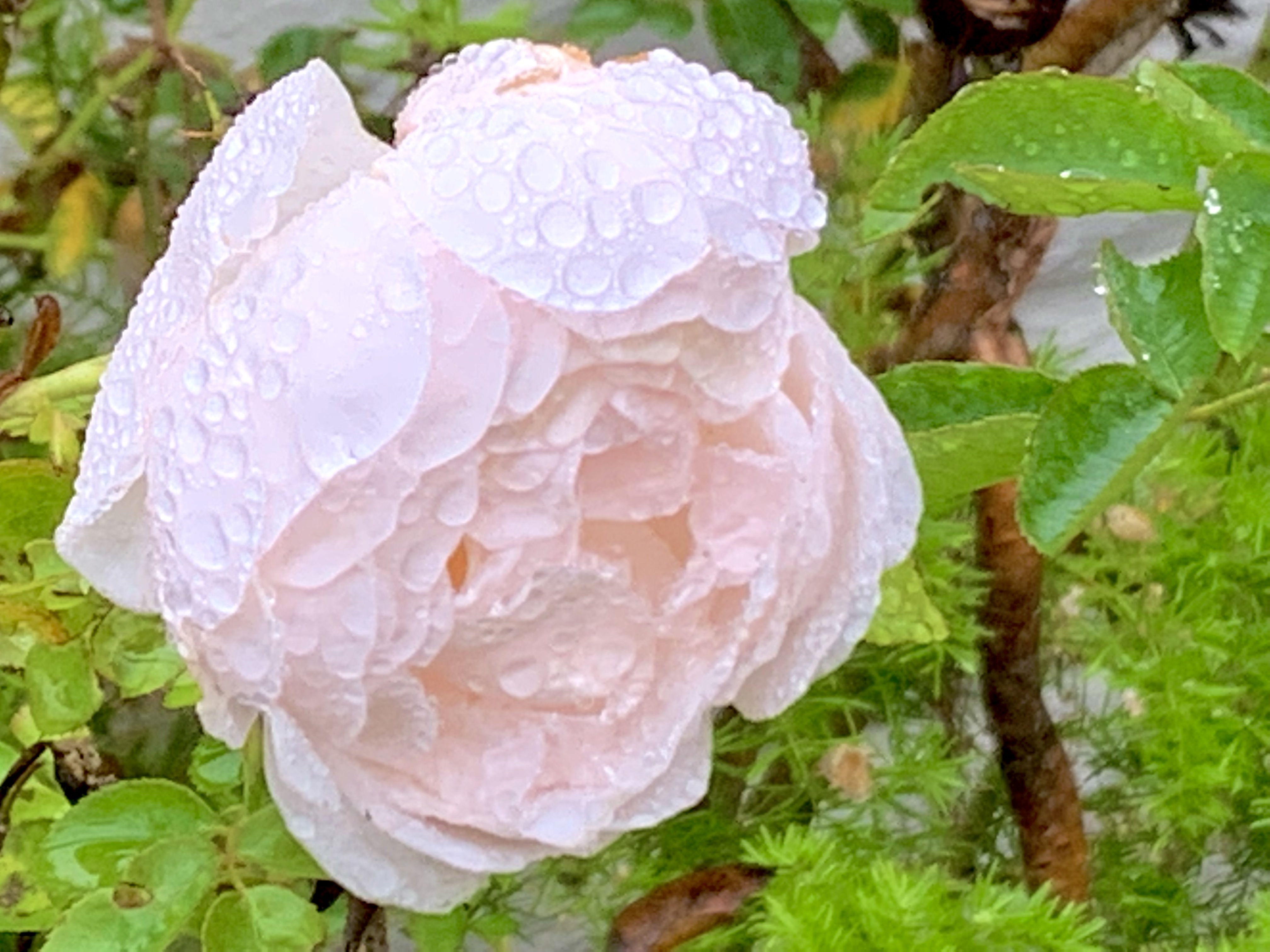
Our morning walk began, appropriately enough, in heavy fog. No sun. Cold. Damp. A slight but persistent icy wind.
How appropriate, I thought. No sign of a sunrise. Not near here.
Sadie, however, seemed oblivious to the fog, the damp, the cold, the politics. Before our walk began, I told her we’d try walking without the shoulder harness but she’d have to do “Good Walking” with no Pulling. She’s strong and pulling hurts my back and knees but especially my ankles and arches. The harness helps prevent her from pulling, but doesn’t really eliminate it.
She did good walking.
And I noticed that, up close, she is still as beautiful as ever. No gold or red from the rising sun, but still beautiful.
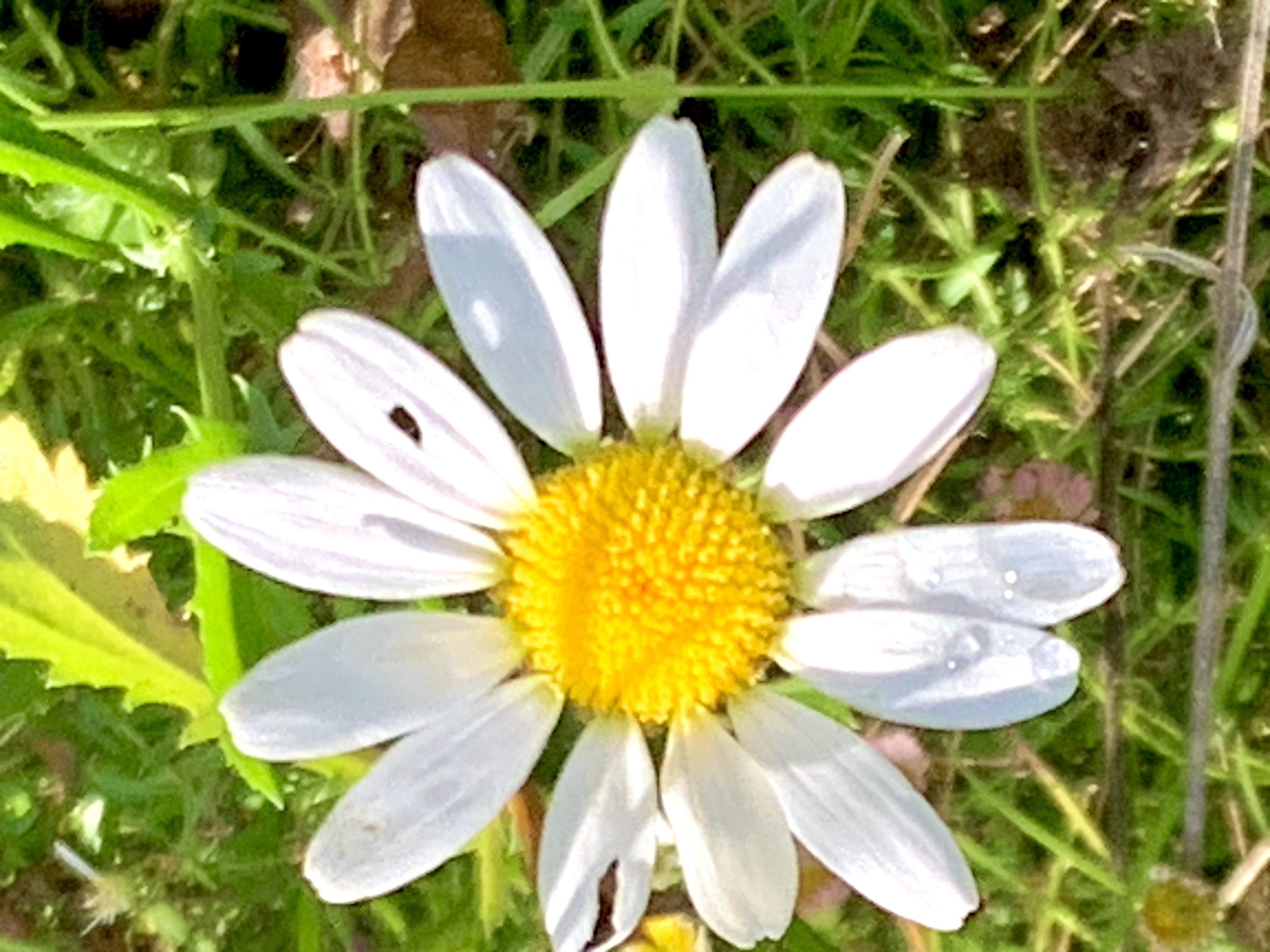
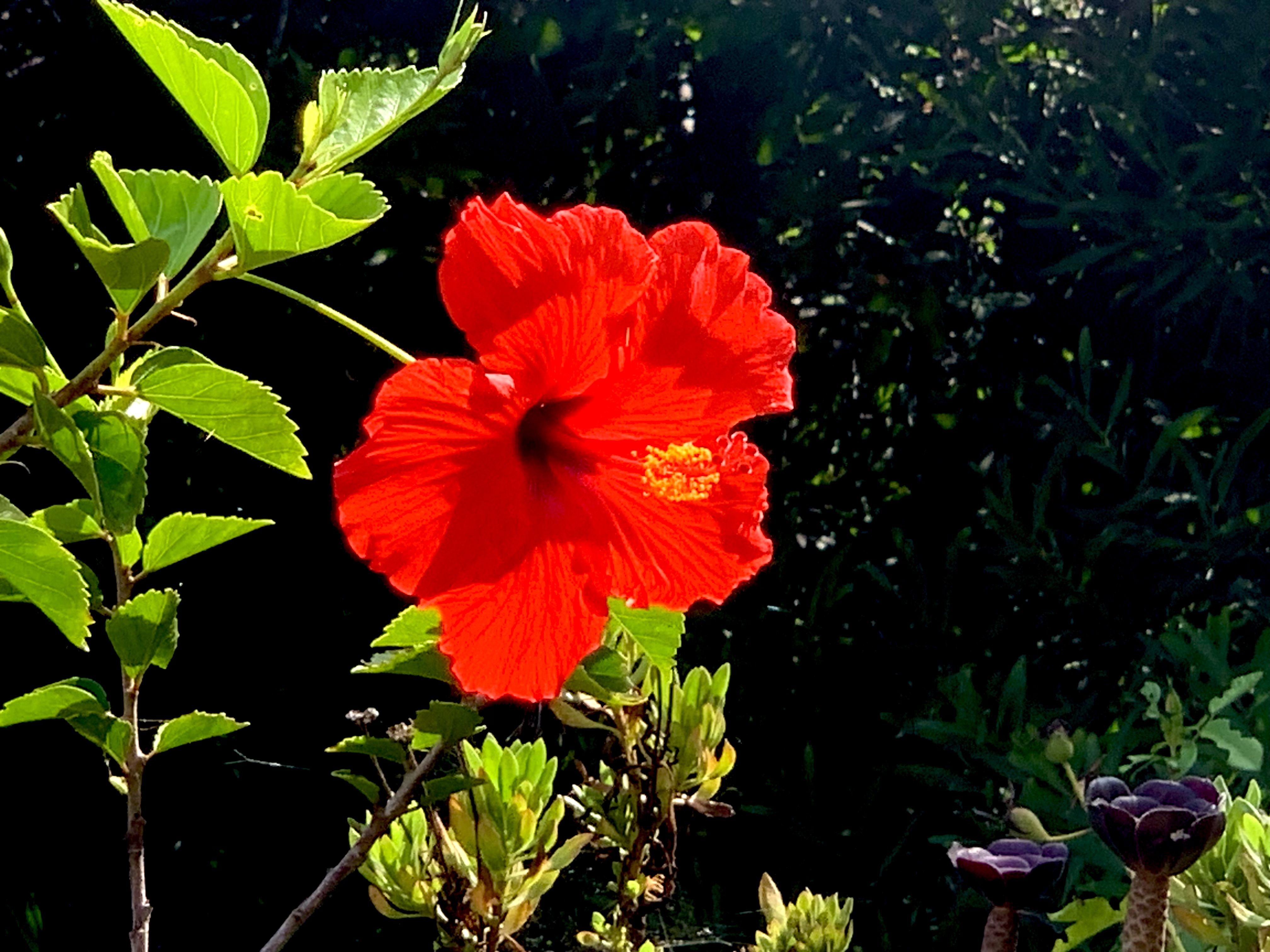
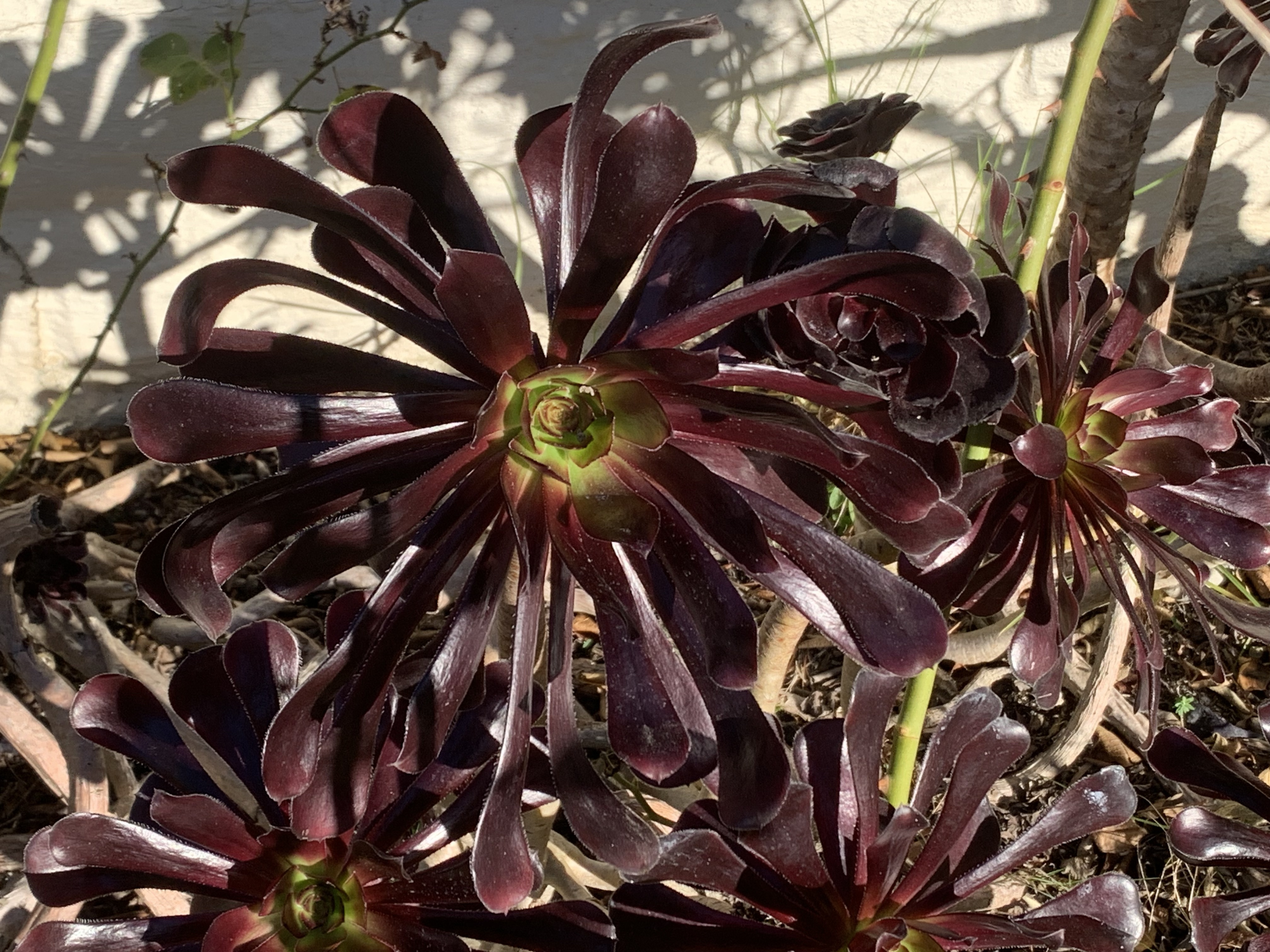
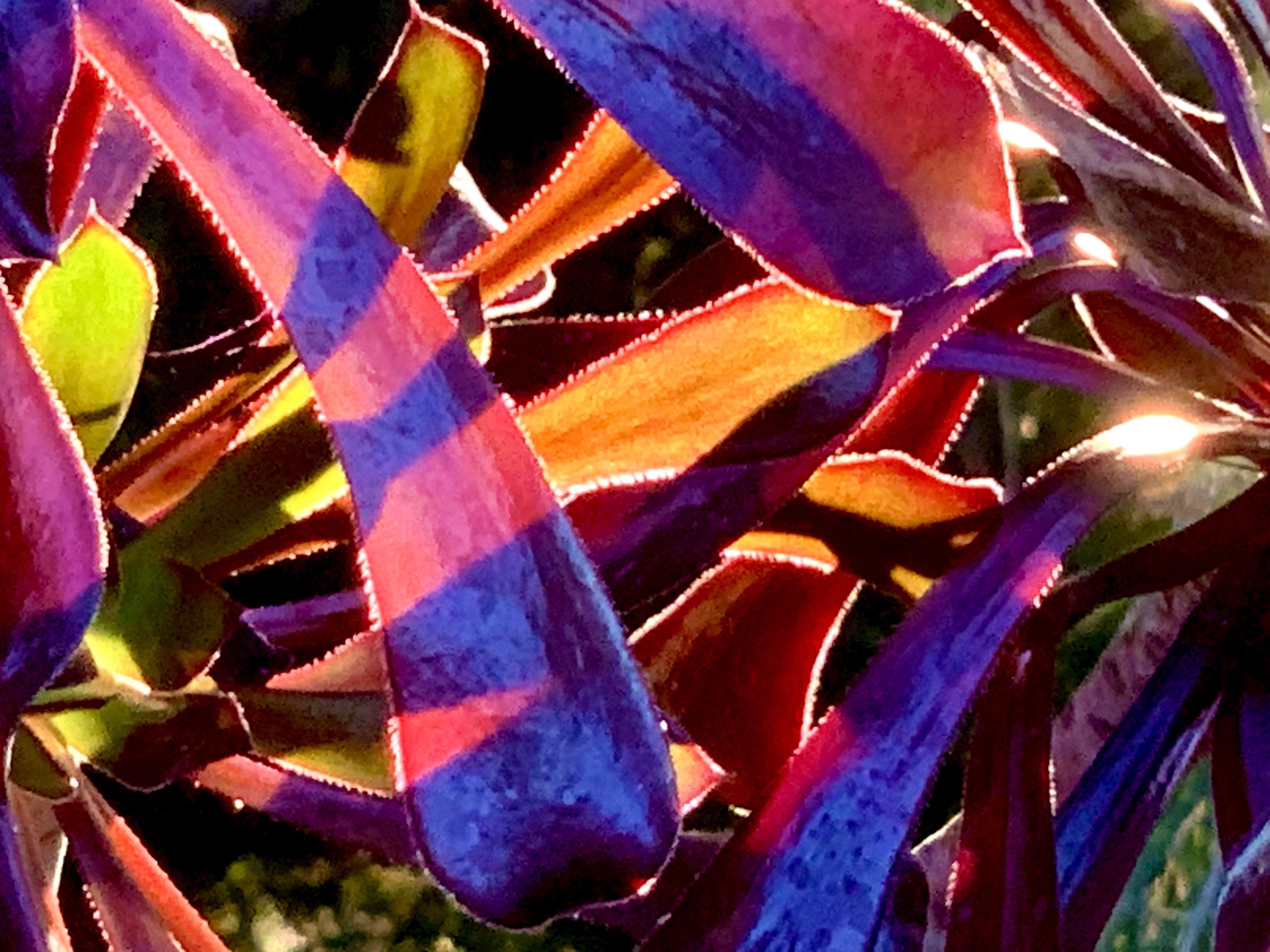
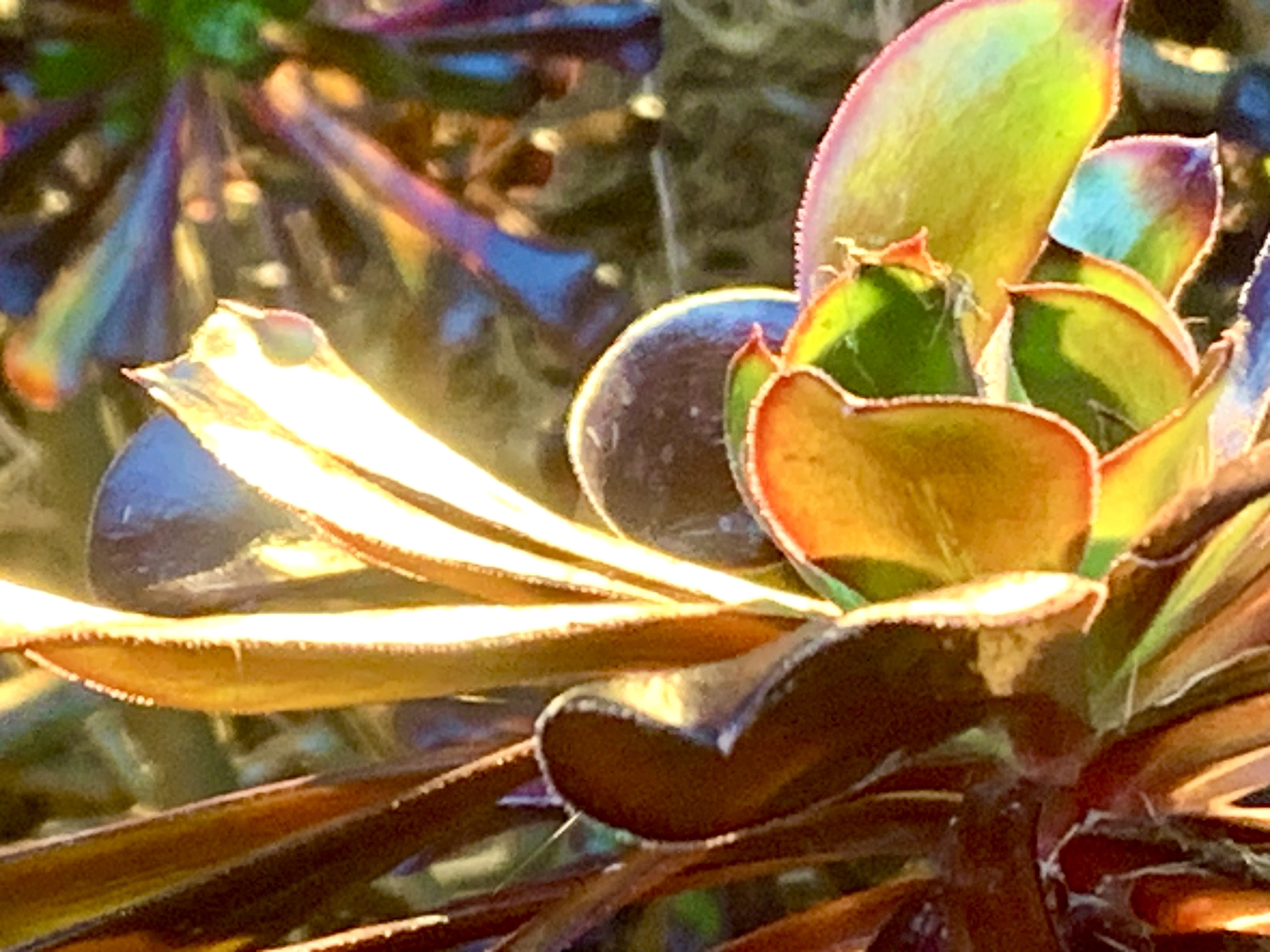
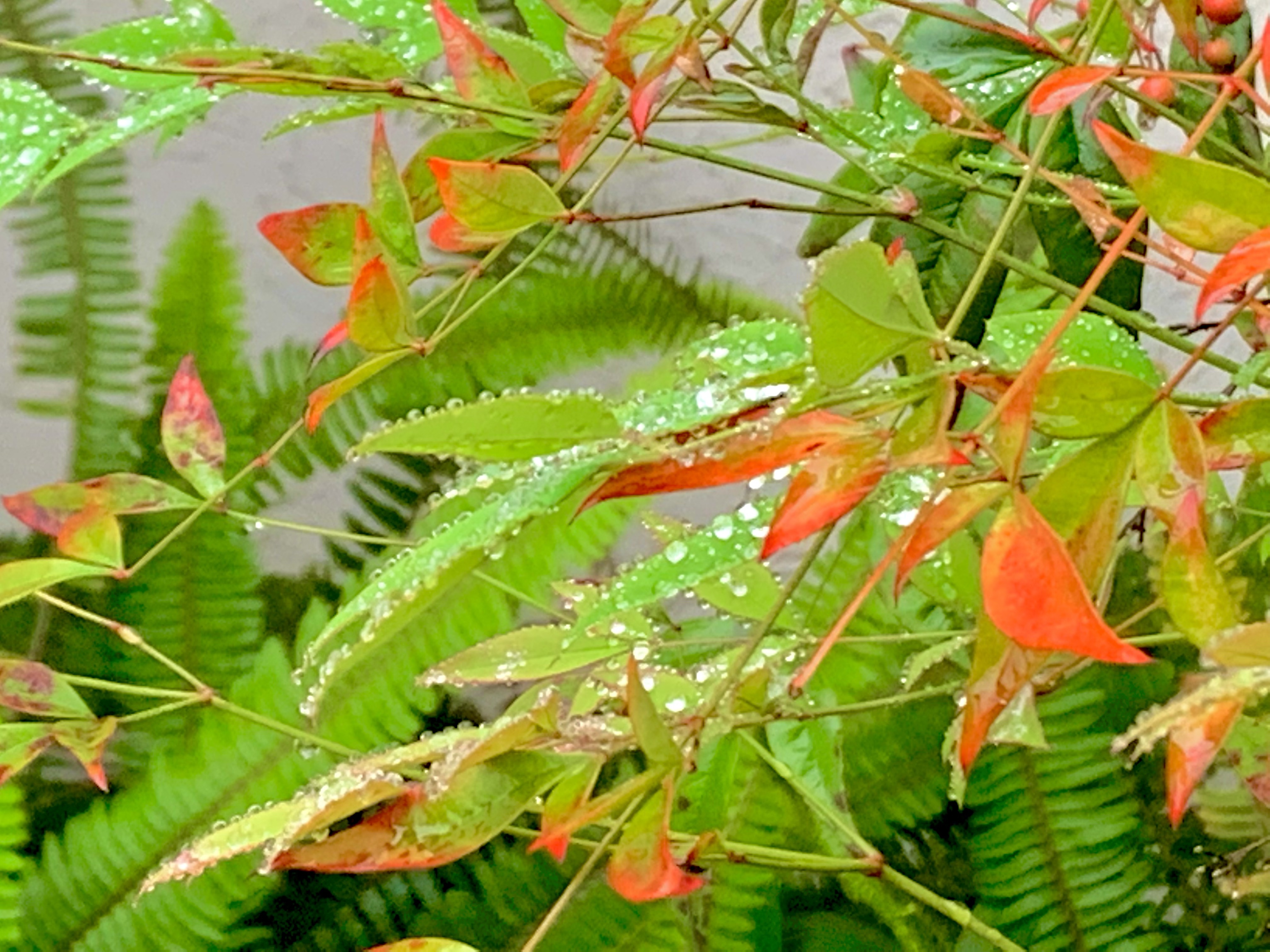
Indeed, the fog shrouds what is distant, but up close? Bright signs of beauty still beckon. If we bother to look.
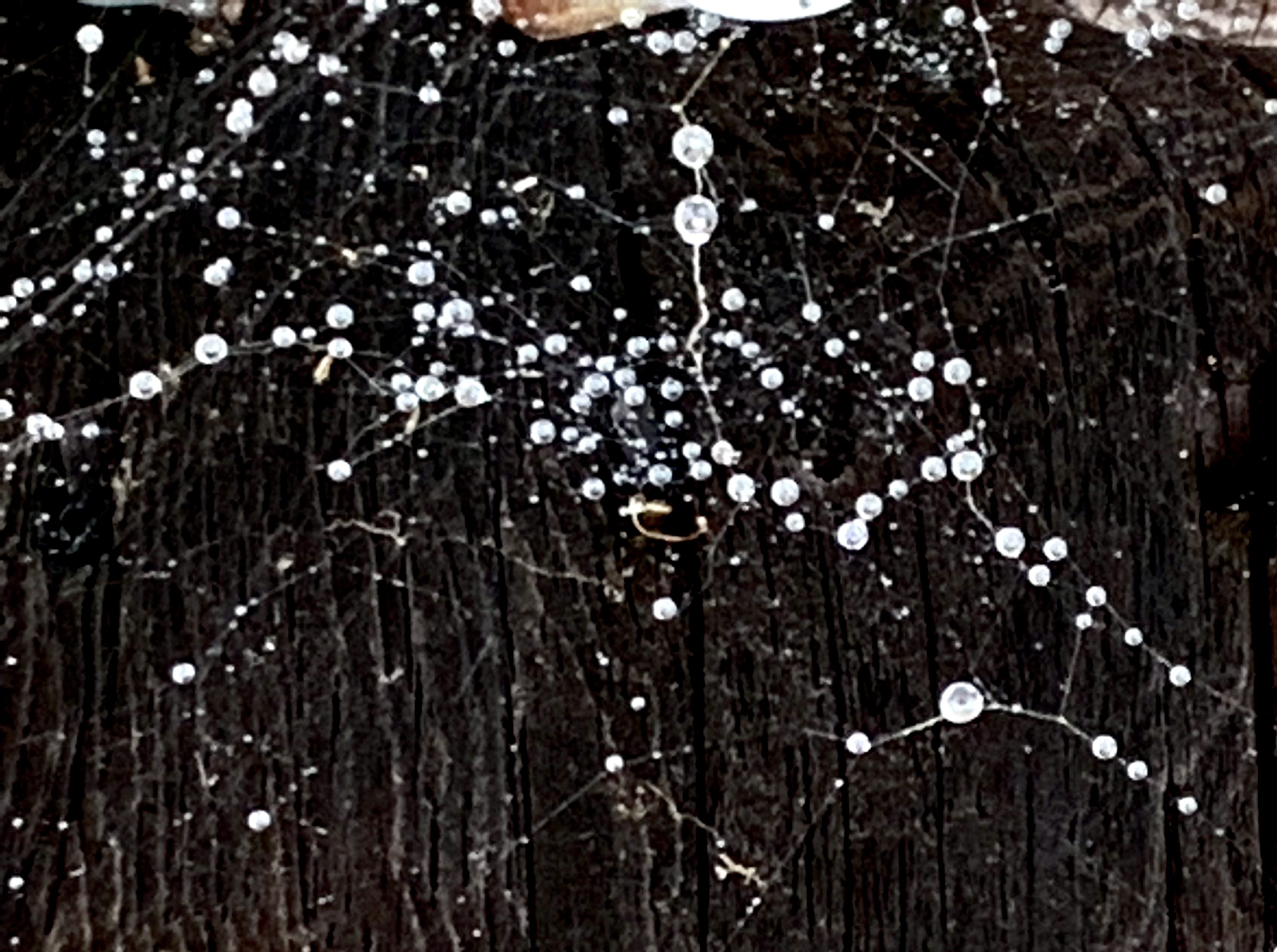
Looking more distantly–ominous, if not downright evil.
Even so, the lonely mourning dove coos on her thin wire perch.
Soon, the sun does begin to shine. Darkness, like cancer and greed, always eventually loses.
Those of you who might not have read every one of my hundreds of blog posts might have missed the story about my bout with “plantar fasciitis.” I had a persistent pain under my right heel. It was painful when I walked and I liked to walk every day. When I described the symptoms to some of my family and friends, more than one suggested I visit a podiatrist. A podiatrist, after all, is an expert in medical issues of the foot.
I made an appointment and sure enough, she confirmed the diagnosis several of my friends had mentioned: “Plantar fasciitis.” She showed me an exercise to stretch the tendons of my foot; gave me a prescription for megadoses of a non-steroidal anti-inflammatory; and she cautioned me to stop walking so much until my symptoms improved. I followed this advice, but my foot actually began to hurt more. After about a week of this, I went back to walking and my symptoms improved but the pain was still there.
A week later, I was watching TV with my wife and cats and in our nice warm dry basement (Shout out to Be-Dry). I often like to “fiddle with stuff.” On this particular occasion, I happened to “fiddle with” the sole insert in my shoes. I removed the insert and noticed that a small pebble had somehow managed to lodge itself under the heel of the insert on my right shoe.
Now, when I call it a ‘pebble’ I do so simply because I don’t know of a better word. It was larger than a grain of sand, but not by much. When I say ‘pebble’ I’m afraid you might be thinking of something more like the pretty pebbles that one might find beach-combing. You would not have seen this ‘pebble’ unless you were crawling along the beach with your nose about two inches from the ground. It was about the size of a lower case ‘o’ in this font size. Hard. Sharp. But tiny! I thought could this possibly be the source of my pain? No. No. It’s much too small.
Nonetheless, I removed it and my ‘plantar fasciitis’ disappeared.
I was reminded of this today walking my dog Sadie who most often walks with her nose almost on the ground. Sometimes, I see a distinct wet stain that she stops and examines. Most times, I have no idea what she is sniffing at. I presume it’s often a bush leaf where the scent of another dog is particular strong. She pays attention to places I have seen a rabbit or bird earlier. She likes to retrace the path that our other dog Bailey took if I happened to have taken him out to pee. But it isn’t only where he’s peed. She seems to know the path he walked. Similarly, if I have taken the car somewhere in the last 48 hours, she goes over and sniffs that. She sniffs at my door only if I drive somewhere alone. But if I go to the grocery store, she also sniffs at each door that I have take groceries out of.
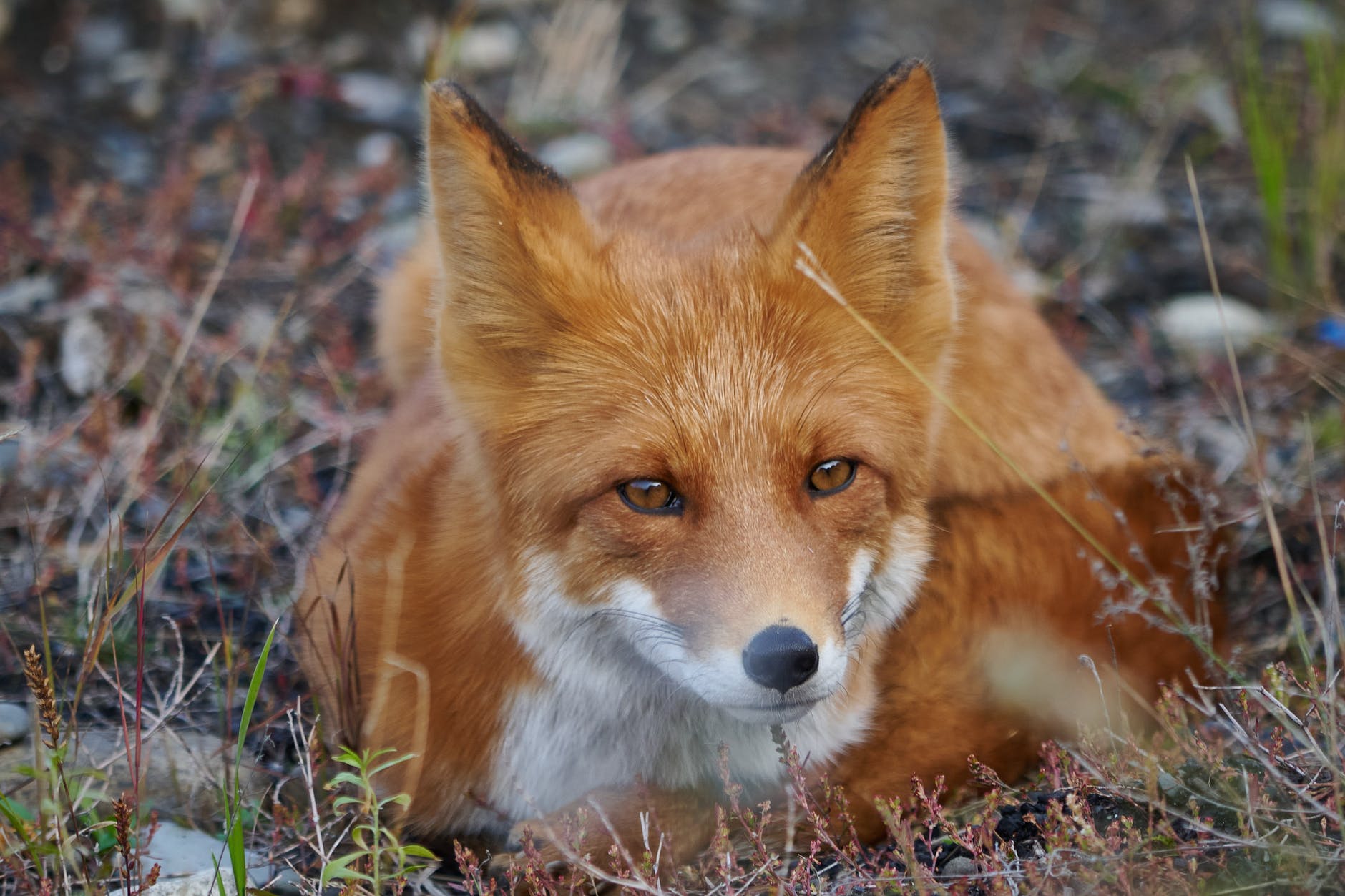
Yes. We all know dogs have a good sense of smell. But—seriously—how many molecules can she sense? Apparently, dogs can detect some smells in concentrations as small as 1-10 molecules per milliliter of liquid. A very small number of molecules could spell the difference between an escaped prisoner being tracked and recaptured or escaping to a new country and enjoying decades of freedom. Small thing—big effect.
I recall reading a science book as a youngster that showed a man holding a test tube. At the bottom of the test tube was a small amount of white powder. The caption said that this was enough botulism toxin to kill everyone on the planet if properly distributed. That seems an odd use of the word ‘properly’ but leaving that aside, it is clearly extremely toxic. How does the toxin work? It interferes with your internal communication system. Your brain sends a signal to your diaphragm muscle to contract, but the signal never gets to the muscle. Small thing—big effect.
Small things having big effects is not always about small things causing problems. Small things can also be important in having big effects in a positive way. For example, if you do such a small thing as look around you for beauty, you will often find it. If you don’t, look harder. If you still don’t, then create some or go elsewhere. If you make this small habit, over the course of your entire life, you will fill your brain with much more beauty. That is no small thing. It will impact your health and your behavior toward others. Small thing—big effect.
There are many examples from sports. Most athletes realize that they it helps to have a physical routine that is unvarying before throwing a baseball pitch, hitting a tee shot in golf, or hitting a tennis serve. Fewer realize that it’s equally important to have a consistent mental routine as well. I found it useful before every golf shot to say to myself, “Hit it perfect—like you know you can.”
Small things can also make a big difference in terms of what you observe. For instance, in my tennis group, there were, for a time, a high proportion of left handed players. Roughly half of the players were lefties, though only about 10% of the population is left-handed. Of course, it’s fairly obvious immediately that one’s opponent is left-handed. A clear implication is that what constitutes a backhand and forehand are on different sides. A more subtle difference is from the natural sidespin that is put on a shot. A forehand topspin shot, as the name implies, is mainly topspin. Some players hit a fairly flat shot while others—notably Rafa Nadal and, more recently, Carlos Alcaraz, can hit with tremendous top-spin. This shot also has somewhat of a sidespin component and that varies from player to player. Although professionals can alter the degree of sidespin, the amateurs I play with have a habitual way of hitting the ball. As the ball strikes the ground, a right-hander’s shot toward my side of the court will bounce slightly to my right while a left-hander’s ball will bounce slightly to my left. This means that positioning my feet optimally for the return shot will be somewhat different for various players.
There are many small differences in how people play. If you notice such differences, you can do a much better job of “reading” what type of shot a player will hit, where they are aiming, and so on. The differences are slight but cumulatively, the impact of noticing such differences is considerable. Small thing—big effect.
I don’t like to receive flattery and I don’t like to flatter people either. However, I do make a habit of giving people compliments. If you are observant, this is usually easy to do because most people are doing good things most of the time. When I play tennis, for example, my partners and my opponents will often hit excellent shots. I comment on it. It makes for a better game. Over time, it’s better for everyone. Never admit aloud your opponent has just hit a good shot? Keep on your game face? Not my thing. Why make life grimmer and meaner? Someone hits a great serve or a good tee shot or sinks a long putt, I compliment them. I’m impressed. So why not share that feeling? Small thing—big effect.
One of the most pleasurable “chores” I’ve ever had is walking our goldendoodle Sadie twice a day. It’s exercise. It’s a chance to see nature’s beauty. It’s a chance to interact with Sadie and informally explore her mind. She likes to vary her route. She likes to return to “known” spots and also to explore new places. She knows when we are “headed home.” And, once we begin heading home, she typically begins to engage in a variety of “procrastination” behaviors. She stops and licks herself. She stops and looks back to see whether any of her neighborhood friends—human and dog—are headed our way. She suddenly finds an incredibly interesting scent to track down.
Her procrastination is something I completely understand. I did the same thing as a kid. And my kids did the same thing. And their kids did the same thing. While I sympathize, it also gives me a chance to think. What does it mean to be heading home? Can one ever go back home?
Undo and Home Base
Early in my career as a researcher in Human-Computer Interaction, I had an opportunity to contribute to a set of “Guidelines.” Although the New York Times once erroneously ascribed the “invention” of UNDO to me, I did not invent it. It seems to me that the concept is actually quite old. I did, however, mention in the guidelines that UNDO should be provided as well as providing a “Home Base”—that is, a way to go to a state where you could begin again.
To Sadie, and to me, our home is our home base. Like other home bases, we conceptualize them as being a return to an unchanging safe space. Relatively speaking, and roughly speaking, that’s a good characterization. It’s relative because no place on earth is absolutely safe. Disasters can come in many forms: extreme weather, wars, crime, and disease to name four. Also, even if disaster doesn’t strike, we can be sure that home will never be exactly the same as when we left it. Everything is constantly in motion and in flux. It can be comforting to imagine that home stays the same, but it doesn’t. Nor does Sadie. Nor do I.
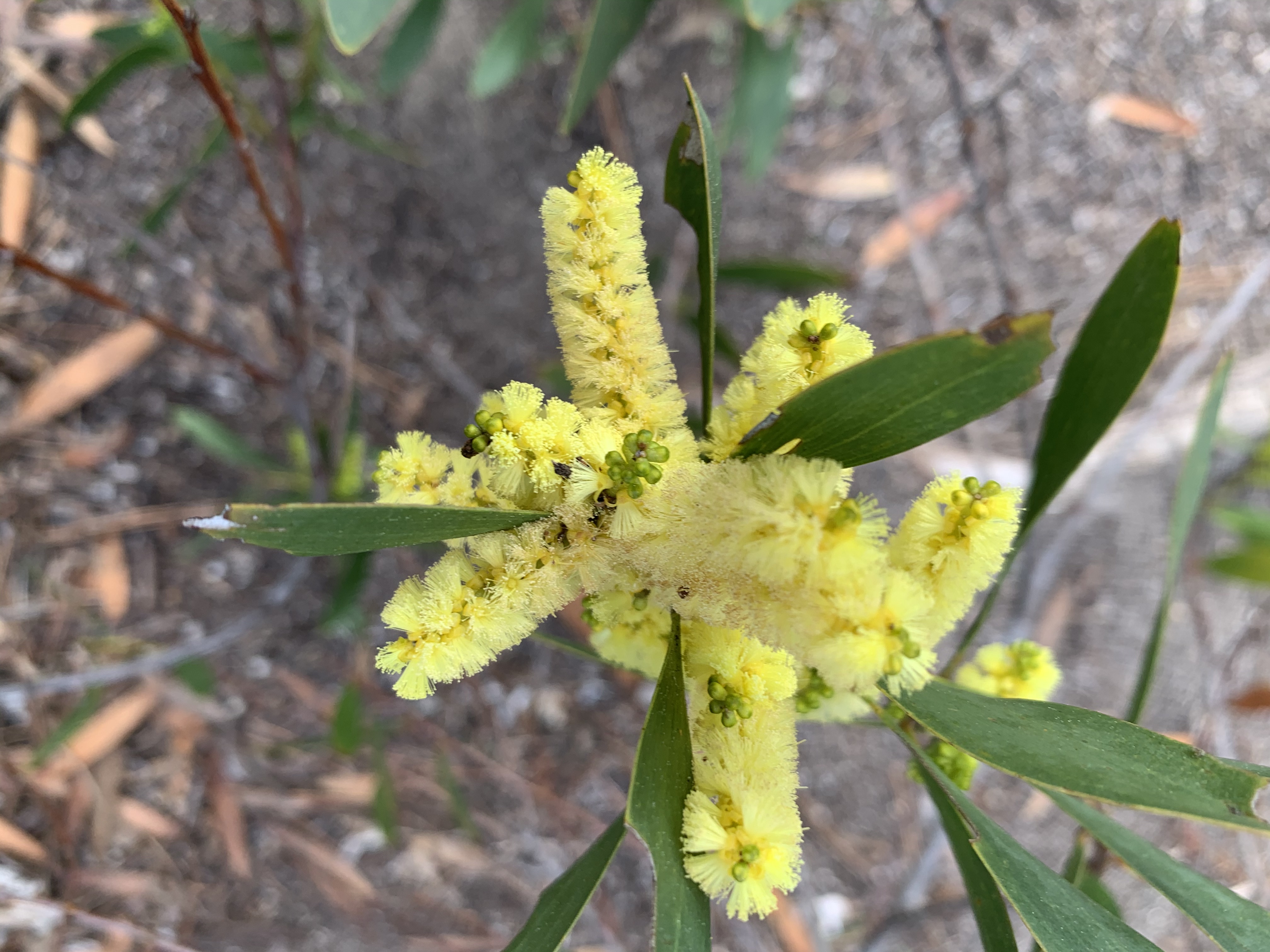
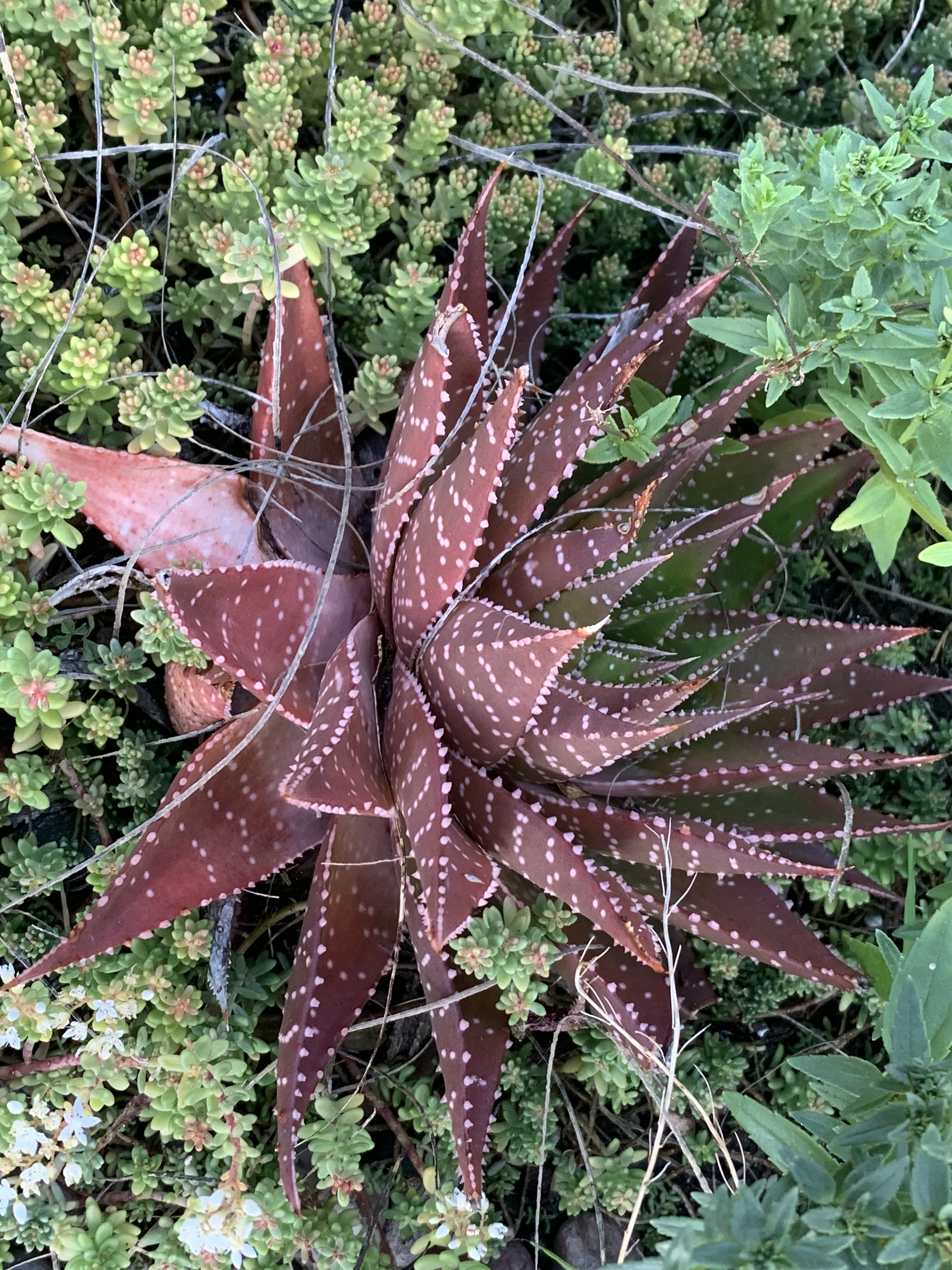
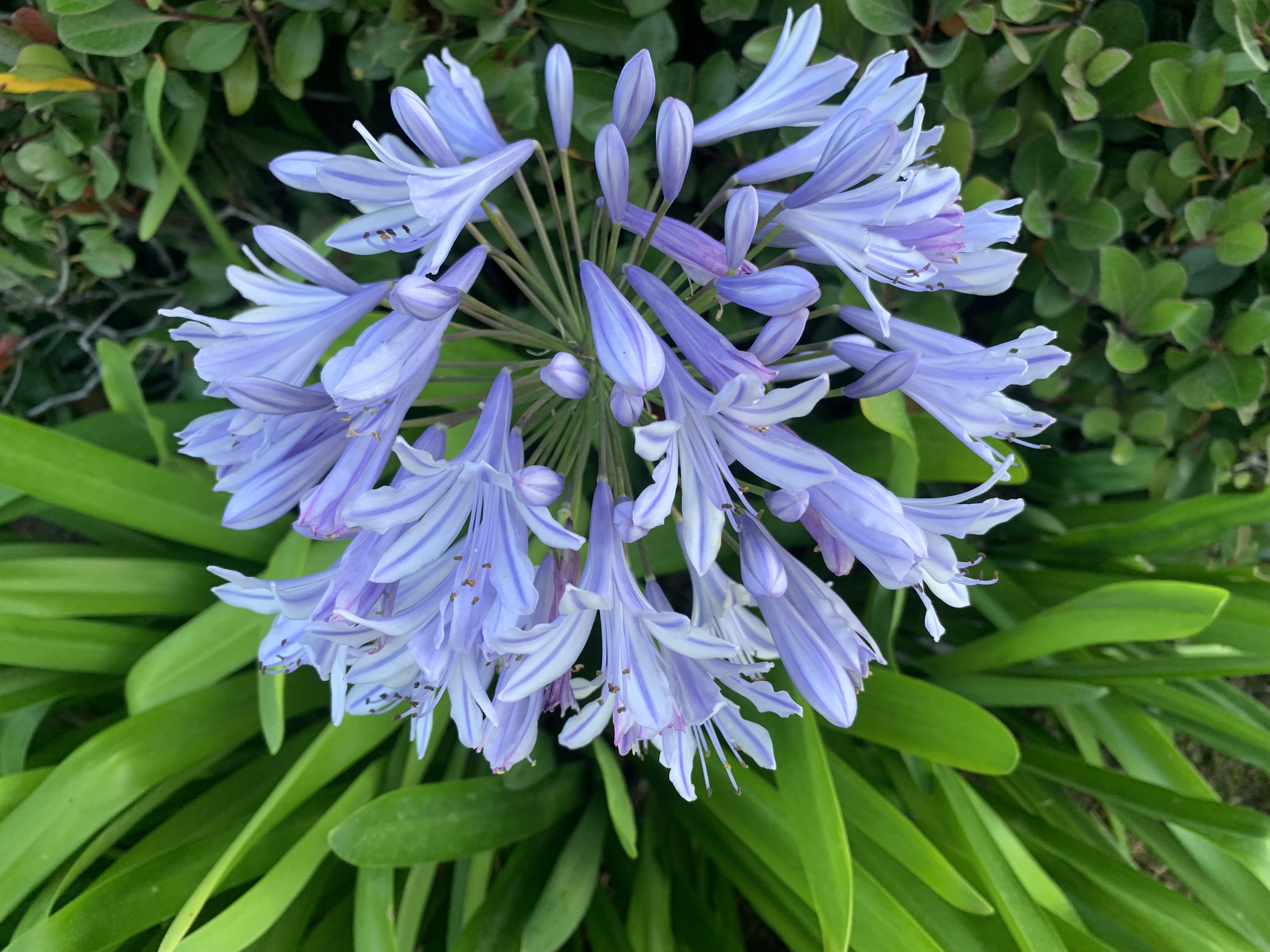
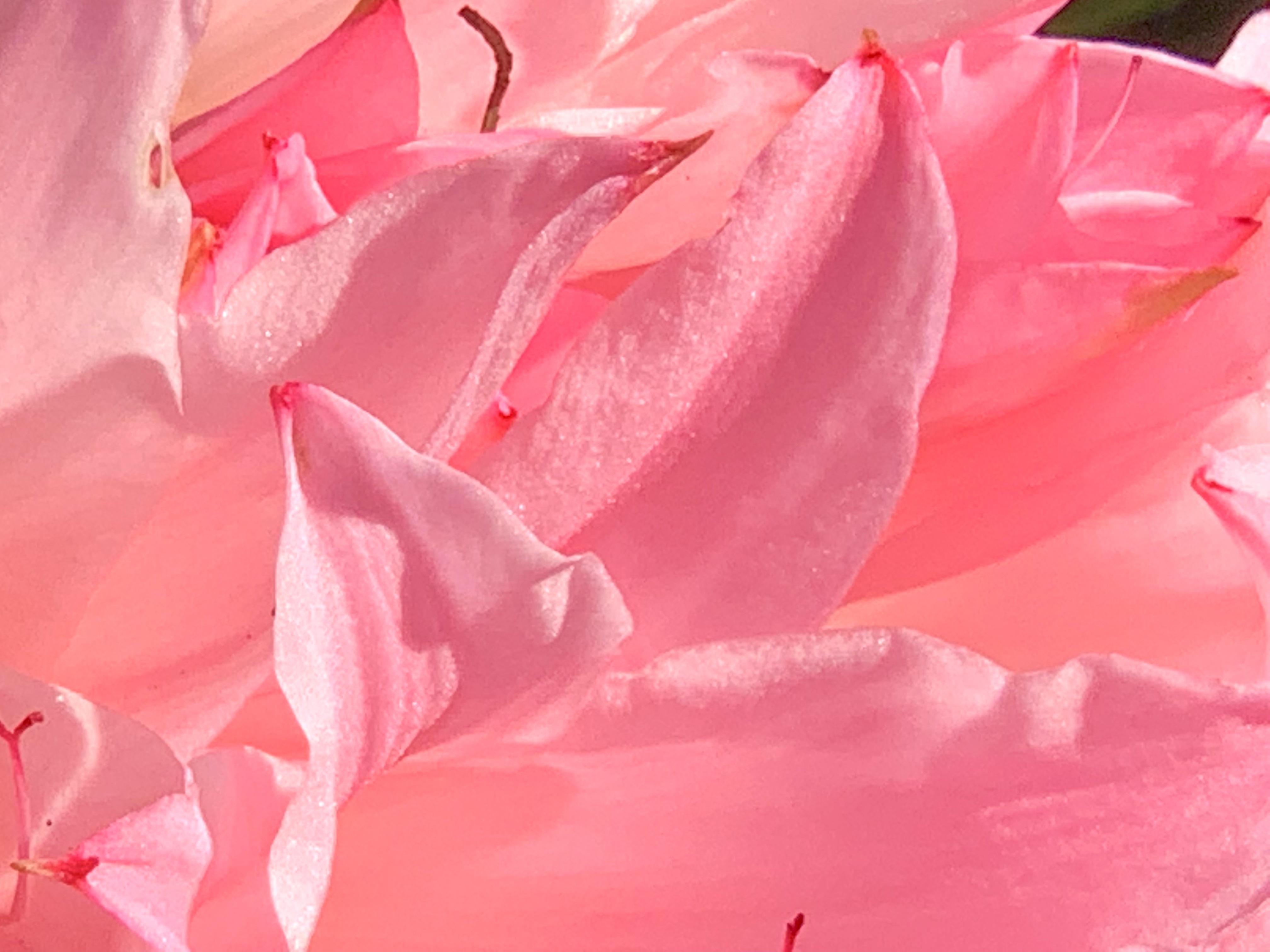
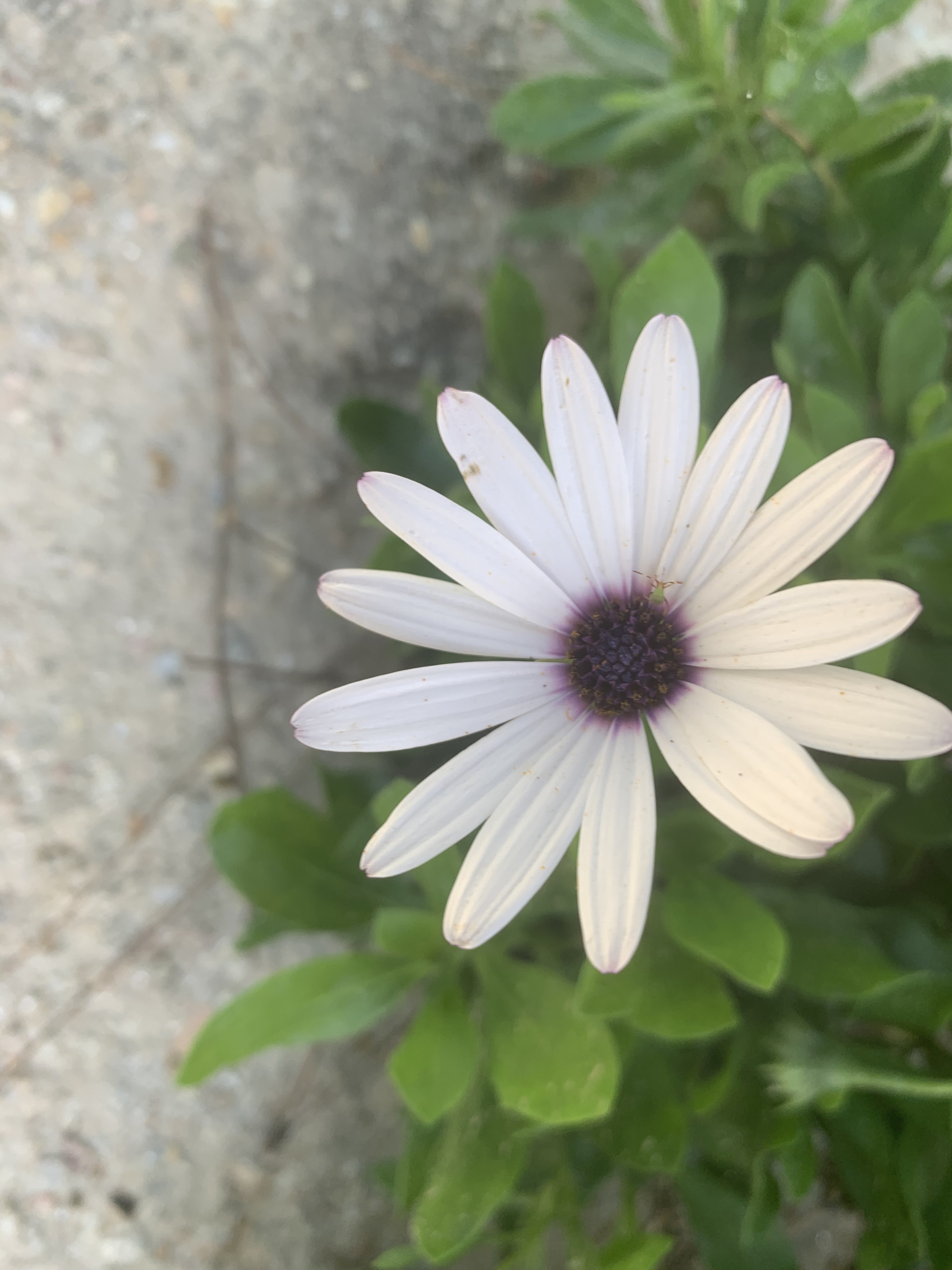
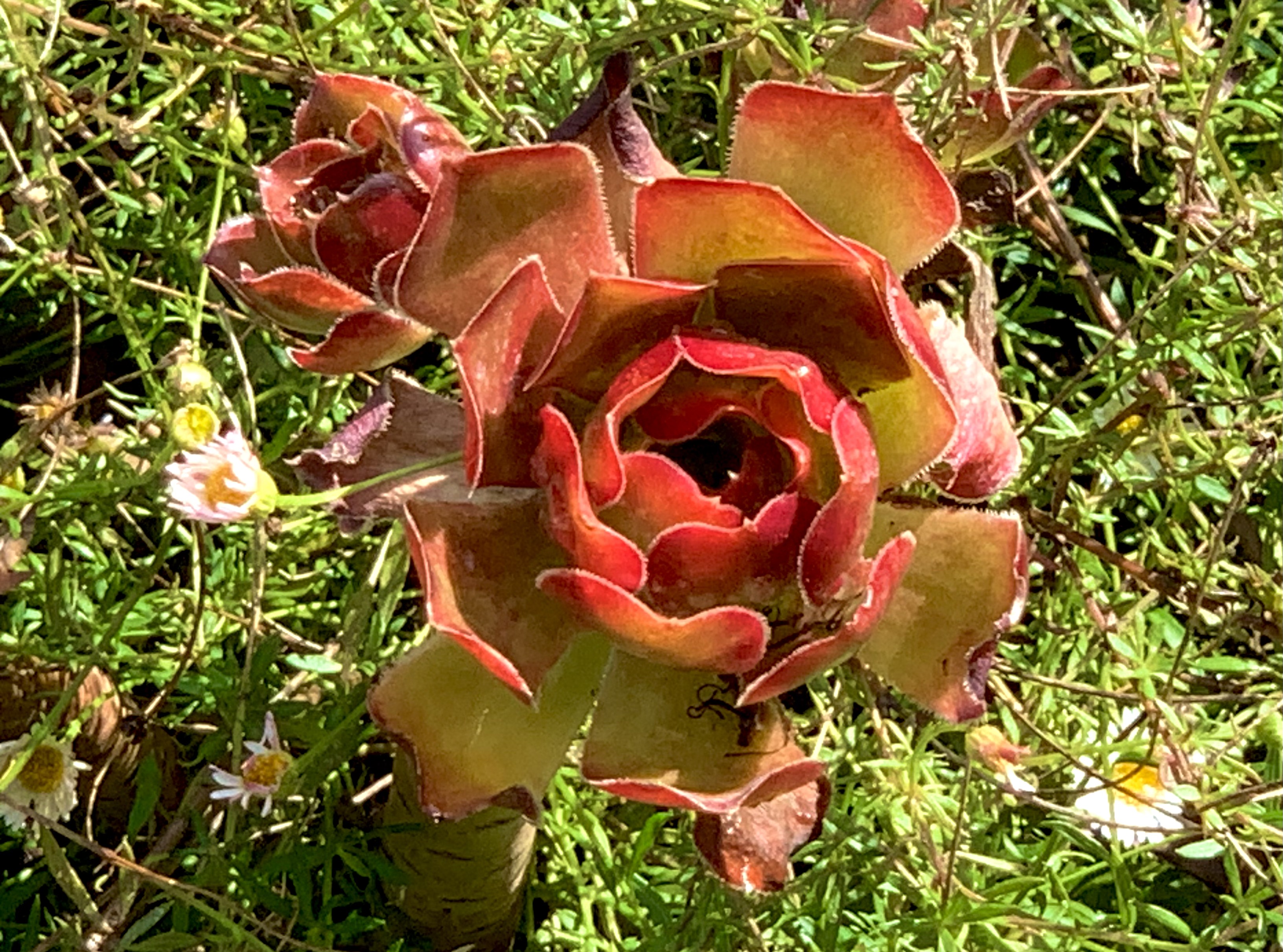
Sometimes, a moderate amount of change is nice. I like to take photos in our beautiful garden. I end up sometimes taking pictures of “the same” plant or flower several days in a row. I also tend to take flowers when they bloom, year after year. Sometimes, these pictures look very similar on successive days or on successive years. But in actuality, they are never exactly the same. The plant itself changes day to day (as do I; as does Sadie; as do you). In addition, the light changes from day to day. The surrounding plants in the garden also change from day to day and year to year. In addition, when I take a picture, I’m not in the exact same position. The software on the iPhone changes over time as well. The lenses on the iPhone change over time. Even if by some industrial strength replicability dream (nightmare?) I could take exactly the same photo, you wouldn’t perceive it as the same because your eye/brain system is always changing, both organically and by virtue of your other visual experiences.
Another Sunset
There are characteristics of sunsets that we see as similar over time. Here are three sunset shots years apart.
Another “Another”
Are there any replications? In my mind, sure. In reality, no.
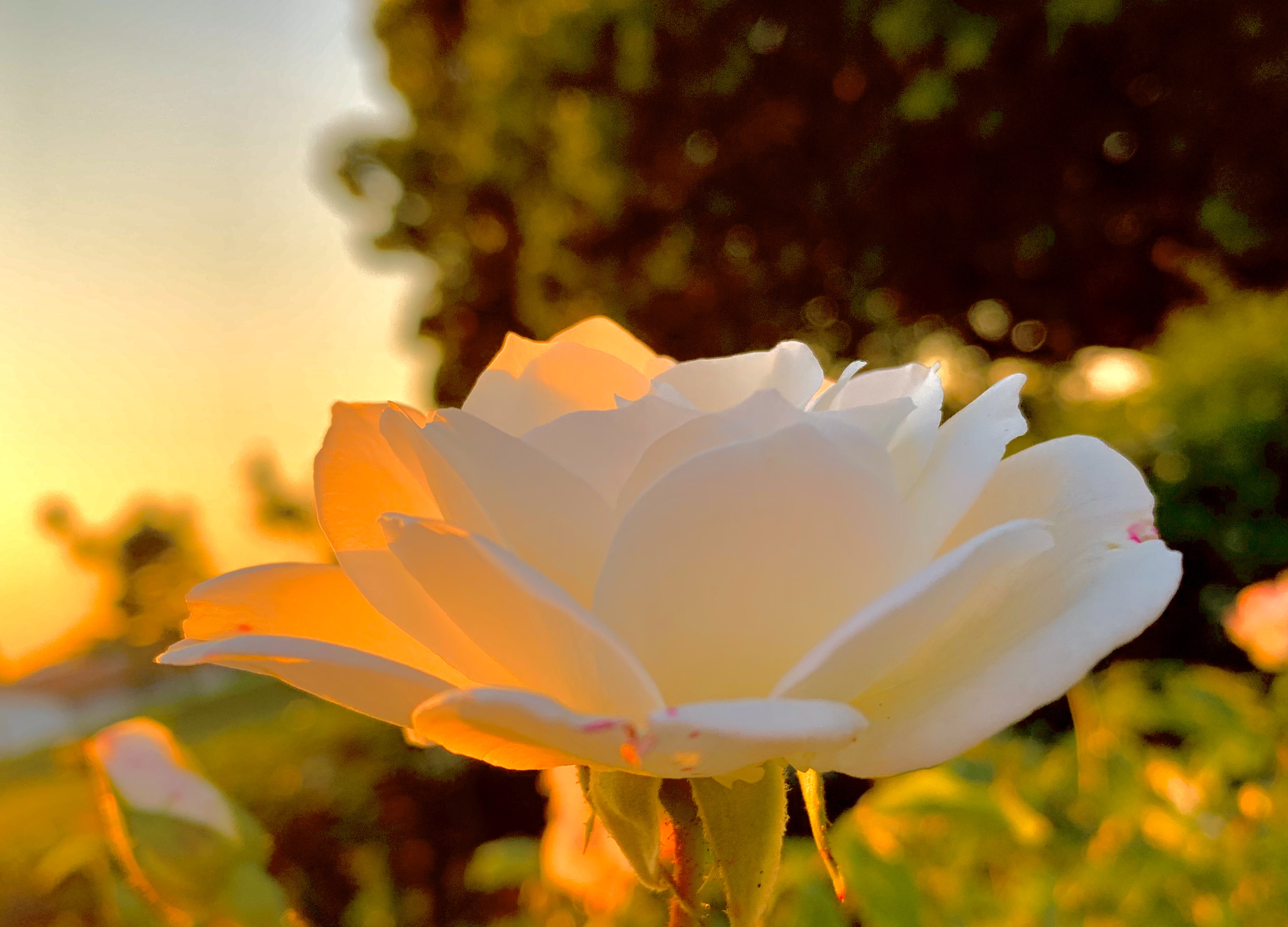
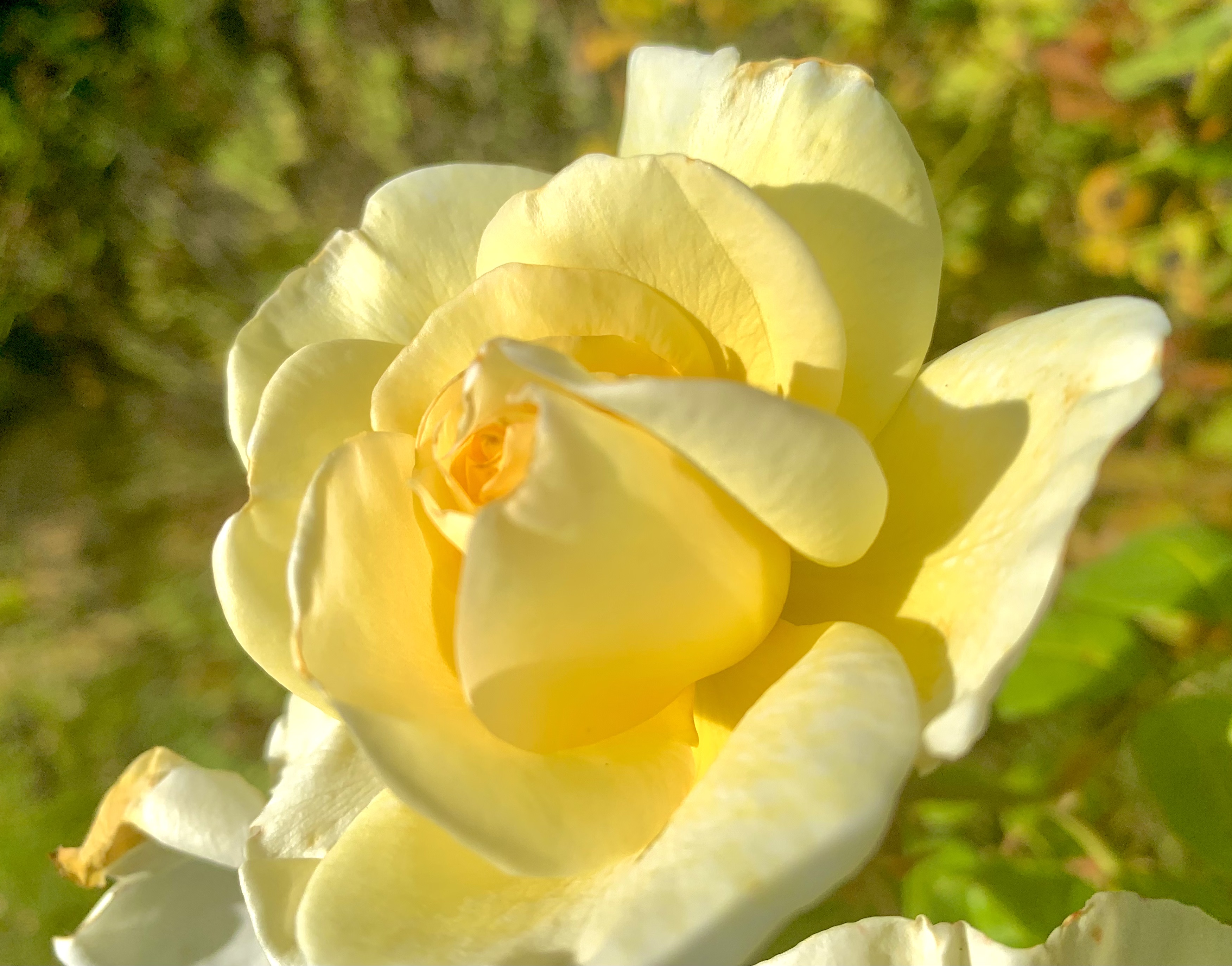
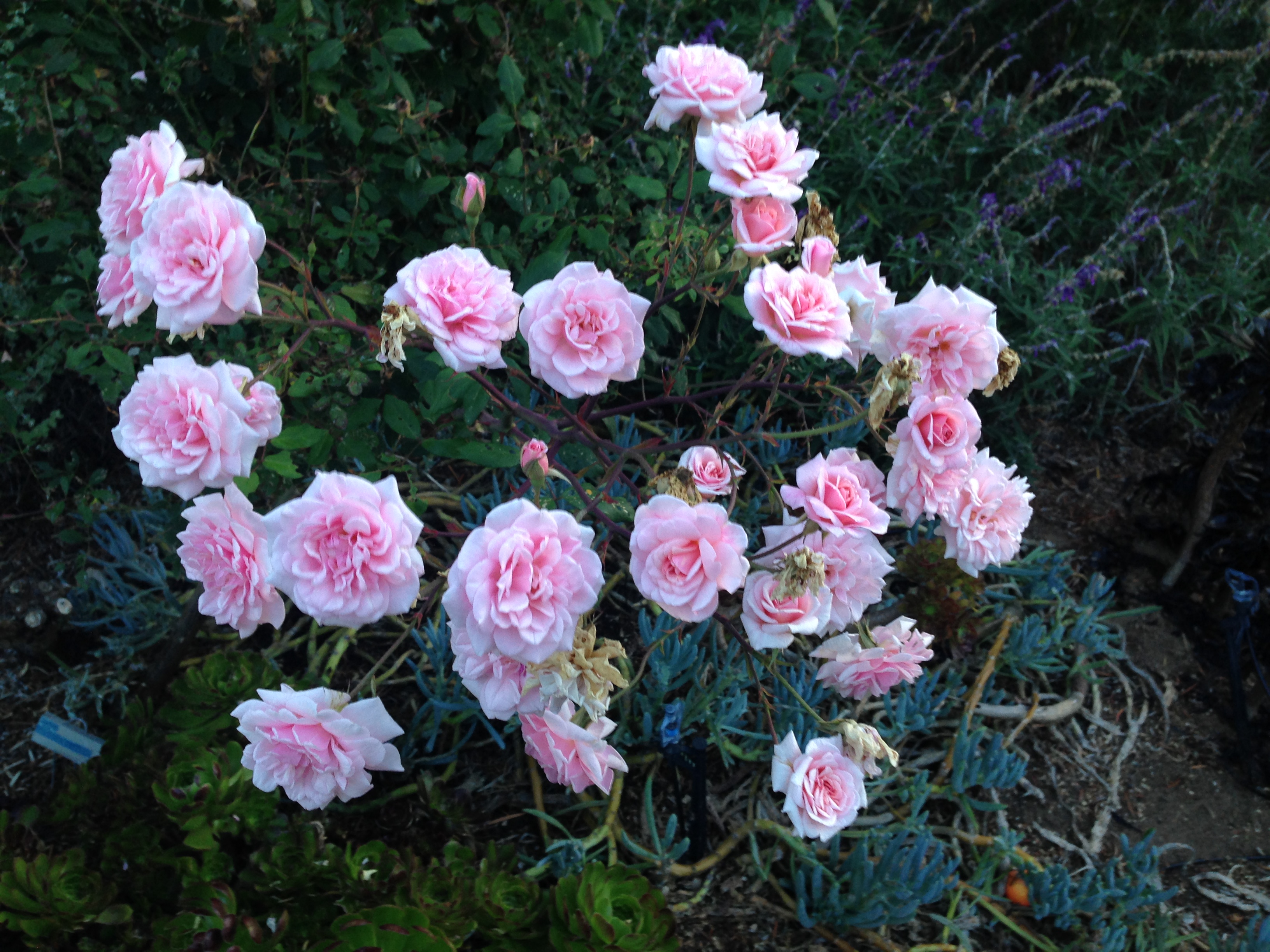
A rose is a rose is a rose, but not only are two different roses ever identical. Even one rose is not the same day after day, hour after hour, or even second by second.
Another Trip Around the Sun
What is more steady than the movement of the earth around the sun…or the sun around the earth. In the Medieval times, the Europeans wanted to describe in perfect circles and put themselves at the center of the universe.
Now, we are more sophisticated and know that the earth actually orbits the sun. Our seasons depend on the relative position of the earth and the sun. But while we are aware of our trip around the sun, earth does not return to the same spot. Today is November 1. Next November first? The sun will have traveled through our galaxy 6,942,672,000 kilometers. That’s a far piece. I’ve run a number of 10K races. The galaxy travels a lot faster.
Another Homecoming? Is it possible? Can we use time machines?
Can we go back to the 1950s?
Can women simply forget that they were once treated as human beings?
In order to work effectively, today’s technology presumes a whole set of other technologies, skills, infrastructure, attitudes, processes, laws, rules, regulations. If we actually tried to go back to 1950, we would miss.
By about 500,000 years. Every so-called primitive tribe ever studied has customs, rules, practices, and rituals. Going back to the 1950’s by destroying the rule of law won’t work no matter how loudly people scream for it. You can’t scream your way to the moon. You can’t scream your way to Mars. You can’t scream your way to happiness. You cannot make two plus two equal five, no matter how loud you scream. Sadie can’t bark them into equivalence. A snake cannot hiss them into equivalence.
You can typically get yourself home. But no matter how hard you “insist,” home will not be in precisely what it was when you left. And, it definitely won’t be in the same place in the universe. Not even close. Going back is a mental exercise and never a physical reality.
When we see that word “Family” most of us think of a relatively small number of people. Maybe when you saw it, you thought of your family of origin. Maybe you thought of your family of generation. Maybe you thought of the people who live in your home which may include some of each. When I was a kid, we had “Family Reunions” which included the extended family of my maternal grandmother. It did not extend to my maternal grandfather’s family nor to my dad’s relatives. Typically, there were 30-40 people who showed up. I know of “Family Reunions” which are much larger, involving hundreds of people. Years ago, when I wrote in this blog of “Family Matters” I mentioned a subset of people who attended my “Family Reunions.”
Occasionally, people think of humanity as their family. I have been lucky enough to visit a respectable number of countries (28) and I’ve met people from over a hundred and in every single instance, it’s very easy to see that they are basically like me both physically and mentally.
Like many people, I was brought up in a religious tradition that reinforced the idea that all of us are in this together. Beyond my personal experience, it is just plain fact that human beings share most of their history (4 billion years) before we began diverging slightly a hundred thousand years ago. Beyond that, we are all sharing the planet. While, borders may keep some people out (or more commonly, keeping them in), in the long run, the water, air, and pollution is shared world wide across all “boundaries” of religion, philosophy, or nation.
It may be difficult for some to accept that all humans are part of their extended family.
The truth is that our actual family is far broader and wider than the 8 billion people on the planet today. We share more than half of our “family history” with every single creature and plant on earth today. When you think about vertebrates, for instance, we have similar bodily systems. We mate. We eat food. We eliminate wastes. Even those who live in the water actually breathe air that’s dissolved in the water. We learn. We flee. We are curious. We are aggressive. We solve problems.
The earth is basically covered with living organisms. That is our family. It can be a source of inspiration and comfort if you let it be. And, you can love that family.
Sunshine was one of my reasons for moving to San Diego. It wasn’t the most important, but it was important and I appreciate the Sunshine. For the past week, however, Sunshine took a long-awaited vacation. Apparently, Sunshine was running some sort of scam on the weather forecasters, calling up and saying, “Hi! It’s Sunshine! I’m feeling so much better today! I’ll be at work as usual tomorrow. You can count on it.
And then, when daybreak arrives the next day, it doesn’t. That is to say, when it should arrive, it doesn’t because Sunshine has overslept. Again. I suspect it might be because of all-night partying last night on the other side of the world.
You would think that the weather forecasters would catch on. You might even think that they would have seen the famous “Charlie Brown” cartoon meme in which Charlie Brown’s frienemy Lucy, promises him, year after year, that she will dutifully hold the football and not pull it away—not this time. And, dutifully, year after year, Charlie Brown decides that this will, or at least might be, the year that Lucy finally does the right thing.
But of course, she doesn’t do the right thing. And, Charlie falls flat on his back every time. Lucy smiles.
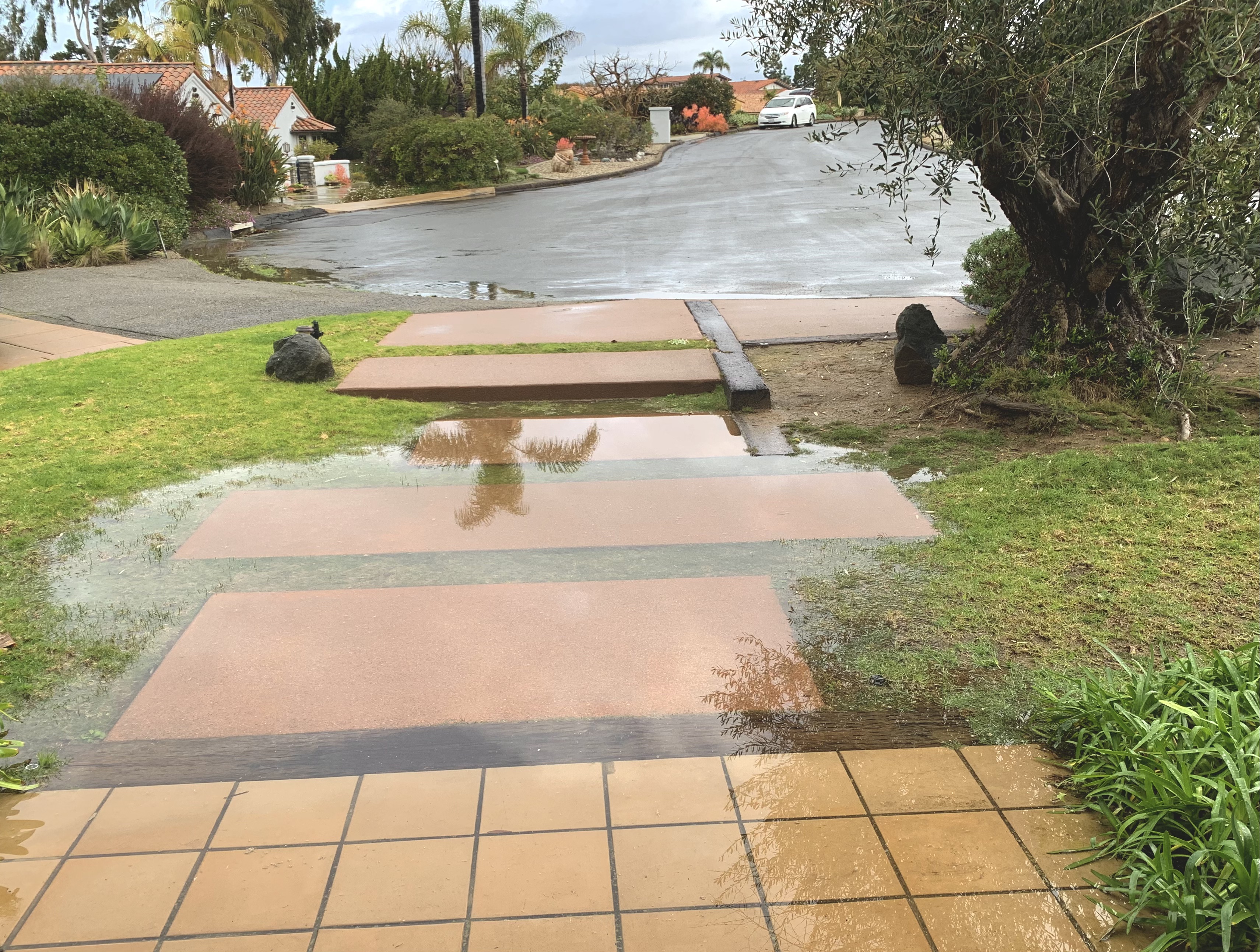
So apparently, this week, did the Sunshine. Taking vacation elsewhere and not showing more than a stray ray or two in San Diego allowed for the deluge. Other places farther north had it much worse, in terms of rainfall and damage. Worldwide, what we now call extreme weather may, in many places, become more “normal” and extreme weather will become deadlier.
In any case, I am have been just as foolish as the weather forecasters and Charlie Brown. Every day, my phone app has said the rain would be over in a day or two. And, then, two days later…same forecast is dutifully presented. But not the promised reality.
Sadie, meanwhile has been very patient about the fact that our walks have been typically much shorter all week. She has also been patient about not being allowed to dig in the dirt. More accurately, she wasn’t allowed to dig in the mud. There was no “dirt” around. It’s not idle digging. She hears and smells gophers and goes after them. Unsuccessfully. Every time. She’s dug for gophers more than the San Diego weather forecasters trusted Sunshine’s repeated false assurances that tomorrow the rain would end; indeed, even more often than Charlie Brown has over-trusted Lucy.
She persists. She enjoys the process. Maybe the weather forecasters enjoy knowing that they made everyone feel hopeful that could play tennis in a few days (or have a picnic or mow the lawn or harvest their fruit in sunshine). Maybe Charlie Brown enjoys being the kind of person who would give another one more chance to be good, even if they never take that chance than to be more cynical and realistic.
I can’t say what the motivations are for Charlie Brown and the weather forecasters, but I am sure Sadie enjoys the digging. She certainly has little care for how dirty her paws get or whether she spews mud on my shoes. My philosophy may be a mixture of Charlie Brown and the San Diego Cabal of Sun Predictors. I believe Sadie should spend some time “just being a dog.” In other words, she should be in at least partial charge of what she does and be allowed to follow her “instincts” unless it poses a true danger and not just because, say, she tracks mud into the house.
As I was watching Sadie dig, and I was sliding sideways to prevent becoming inundated with wet dirt, it occurred to me that I too, had some years of “just being a dog.” My parents, I think, thought of it as time for my “just being a kid.” In some cases, I heard adults say, “Oh, it’s just boys being boys” when we played in the dirt, fought with sticks, or had “rock wars” wherein we literally threw rocks at each other.
Not all adults were on this plan 100%. My own parents would let me play in the dirt often times, but they did not want me to participate in rock fights or stick duels. Evading those restrictions was trivial. We weren’t trying to be bad. But we knew our friends would not to try to blind us with sticks or stones. We believed implicitly that since we weren’t intentionally trying to blind each other, it wouldn’t happen.
Though there were local variations in the strictness of restrictions, we were always able to do some version of “just being a kid” which truthfully, was not all that different from “just being a dog.”
I had just as little care about muddying my shoes or fingernails as Sadie does about muddying her paws. I’d say my “dog years” were mainly between six and thirteen. Before six, my parents or other caregivers wouldn’t leave me alone long enough to get in real trouble. I mean, I managed all the usual little things like peeing into electrical outlets, throwing stuff down the “registers” (heating vents) to see what would happen, and writing in books and on walls, but there was no opportunity to have rock fights or get muddy from head to foot.
From ages six to thirteen, however, I spent a lot of time outdoors unsupervised. Plenty of time to be a dog. A few years later, however, it dawned on me that girls might find me more attractive if I were less muddy. My mother might have planted that suggestion.
There’s no doubt that many of the “instincts” I had were not very effective guides. They weren’t as effective as the knowledge that science and society had developed over centuries. On balance, I still believe having some dog years is a risk worth taking.