• About PeterSIronwood

petersironwood

~ Finding, formulating and solving life's frustrations.

petersironwood

Category Archives: nature

The Horse Whisperer

16 Monday Feb 2026

Posted by petersironwood in fantasy, fiction, nature, psychology, Uncategorized, Veritas

≈ Leave a comment

Tags

calm, escape, fiction, horses, leadership, life, politics, prison, psychology, story, truth, Veritas

Tu-Swift regarded his new companion with a mixture of curiosity, pity, and wariness. The boy couldn’t have been more than five summers. Huddled in a corner, the boy shook with fear as he regarded Tu-Swift with a wild-eyed stare. Tu-Swift wished he had some food to offer the boy, but he had none. His own stomach growled. He had hardly noticed the hunger because he was so thirsty. Inventory, he thought. Inventory will calm me. I must have something to comfort this terrified fellow human being. 
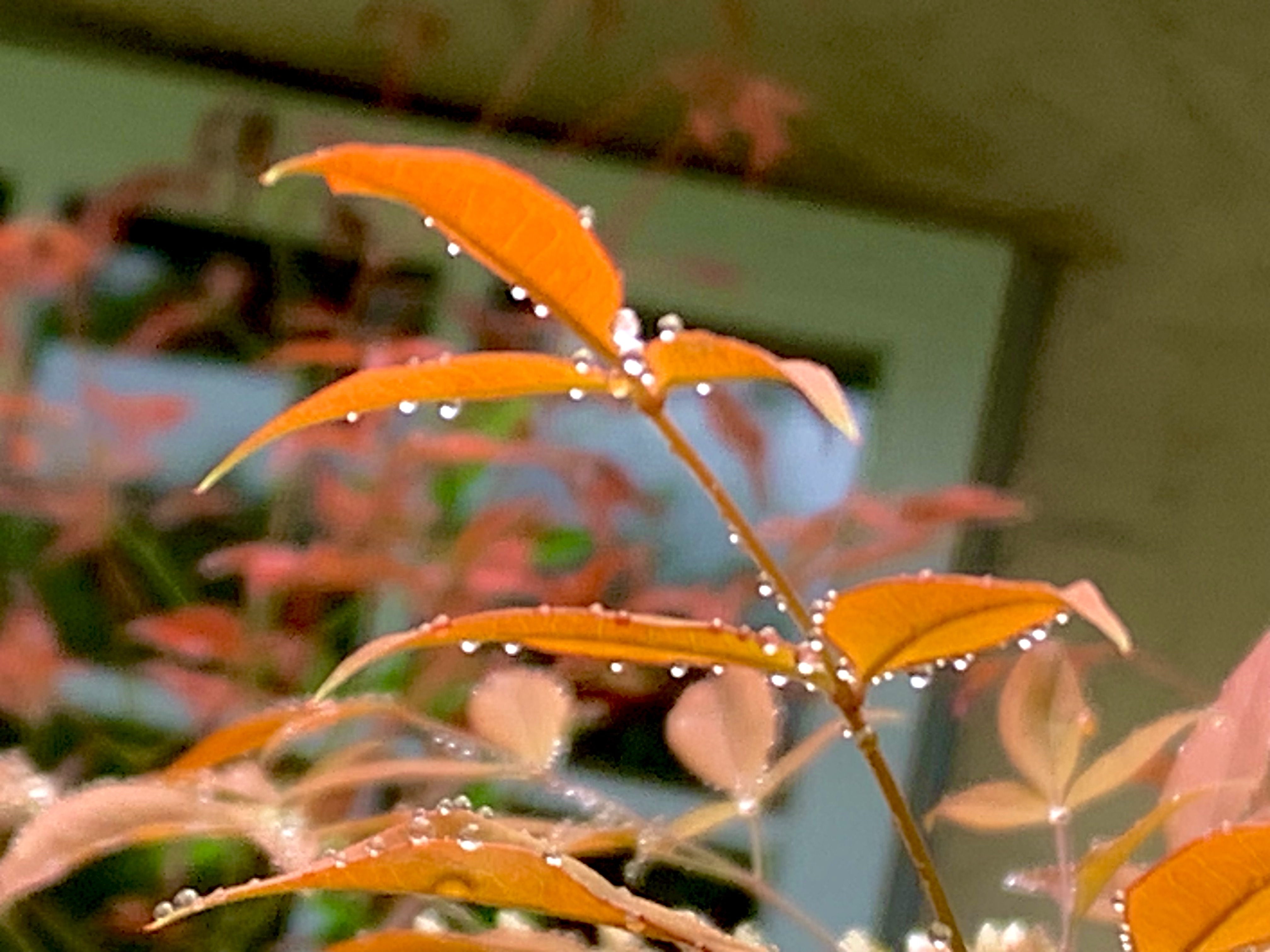
0F355D8E-32D5-49DA-9364-24716E93834C

Tu-Swift calmed his breathing and relaxed his body. If he acted calm, that could help the little one calm down too. Animals of all kinds, including humans, reflected the emotional ambiance around them. He forced himself to stop staring at the other boy and instead focused on assessing his situation calmly. Surely, he thought, if I can make friends with wolf cubs, I can do it with this boy. I am hungry, tired, thirsty, and scared. But I am alive and not badly hurt. My head still hurts and my forearm burns. Burns? I was shot!

Tu-Swift slowly slid over to a spot where he could hold his arm up in the sunlight. His arm was burned but not badly. Suddenly, his memory returned, but it was a broken bowl. He slowly and deliberately reconstructed that bowl. 

He had gone to the feast. He had met with his friends. Many Paths was just joining them. There was an attack. Everyone ran for cover. Tu-Swift had thought he was shot with a flaming arrow. Actually the arrow had not pierced his skin but had pinned his sleeve to the wooden table. But it burned him. He tore his tunic to get free. He succeeded but the feast was being overrun with warriors. He dove under the table. Many strong hands pulled him out. He fought. But someone clubbed him on the back of the head. He lost consciousness. Now, here he was. But he still did not know for certain where “here” was nor why they had stolen him. Recovering his memory nonetheless allowed him to calm himself further. 
IMG_3231

Tu-Swift chanced glancing at the boy. Smiling, Tu-Swift put the flat of his hand on his own chest, he tapped himself and said in a dry whisper, “Tu-Swift.” He repeated the gesture. He tried to lick his lips but his tongue remained dry, his lips chapped. He tried again and said it hoarsely and softly. He hoped those outside would not hear and he did not want to frighten the little on. He repeated his name again. The boy looked a bit less terrified and pointed to his own chest and said, “Day-Nah.” 

To the ears of Tu-Swift, this name reminded him of the speech of the fierce and formidable warriors of the north. He lifted his hand and waved it then pointed with his other hand. “Hand” he said. He repeated it. The little one said “Hand” and then waved his own hand and said, “Ma-Nu.” They continued in this manner, each learning snippets of the other’s language. These “lessons”, Tu-Swift knew, would also remind Day-Nah that the two of them were not so different. After naming body parts, Tu-Swift pointed out through the slats and said, “Horses.” Day-Nah, nodded and repeated something close to that and then said, “EE-qah.” Tu-Swift became ever more convinced that this boy had been stolen from the fierce and formidable warriors of the north, but he couldn’t be sure. He wished he had paid more attention to the elders who had tried to teach him what they knew of other languages. Tu-Swift now knew that he had been a bit too impatient with himself and with his teachers, yearning to run in the fields rather than learning nonsense words of people he would likely never meet. 
IMG_3574

Tu-Swift made his hand into a kind of horse and had it “run” along the packed dirt floor. He said, “Horse (pause) Run!”  Then, he changed the position of his hand only letting his index and middle fingers run as though on two legs, “Tu-Swift Run. Tu-Swift Run.” He pointed at Day-Nah. “Day-Nah Run. Day-Nah Run.” The little boy nodded. Just then, they both fled back into the far corners of their prison as they heard shouting outside. A heavy bar scraped across something and several guards appeared at the door wielding clubs. Tu-Swift felt sure they were both going to be beaten to death, but a guard simply put a jug and a platter inside. Then, the door shut again and they could hear the bar scrape back into place. Tu-Swift approached cautiously, but Day-Nah stayed huddled in the corner.

 Tu-Swift steadied himself, carefully smelling the water and then tasting a tiny drop before deciding it was unlikely to be poisoned. There were so many warriors, they could easily kill the two of them with clubs. Why bother with poison? He knew not to drink too much or too quickly when consumed with thirst, so with great force of will, forced himself to sip slowly. He looked at the little one. He put his two fingers on the ground, and made them go fast like a runner. “Tu-Swift Run Swift!” Then, he made his fingers go slowly, “Tu-Swift Run Slow.” He pointed to the jug and said, “Water. Water – Slow.” Day-Nah Water Slow.” 

The boy nodded. Tu-Swift handed the jug to Day-Nah” and thought, this little one is pretty smart. Day-Nah began slowly and then tilted the jug up but Tu-Swift grabbed it away. “Slow! Dah-Nah Water…slow.” He took a very slow, deliberate sip, and handed the jug back. This time the small boy showed a little more self-control. They both succeeded in keeping the water down and then shared the pasty sour-sweet acorn mash. Again, Tu-Swift cautioned the boy (and himself at the same time) to eat slowly. 
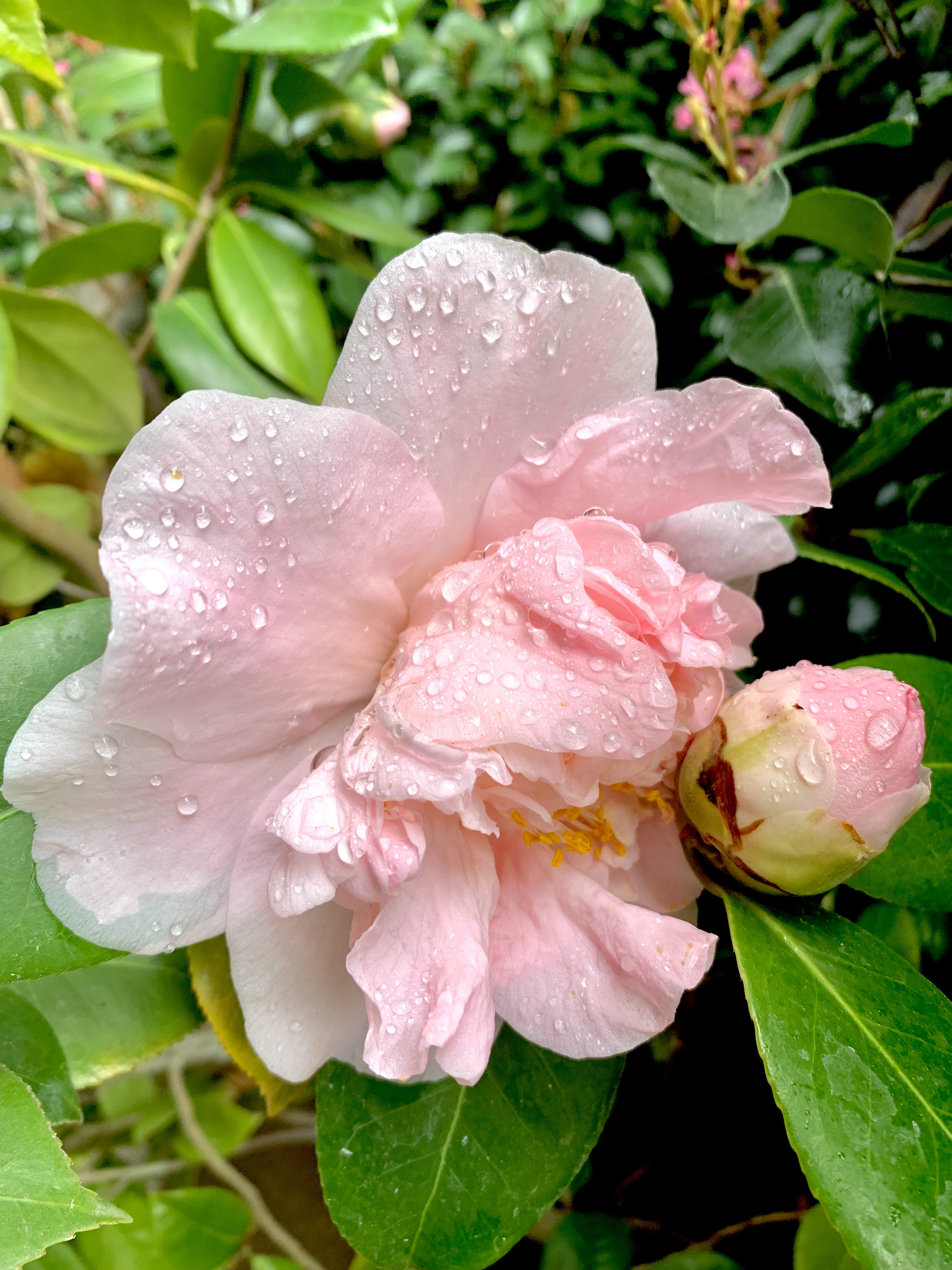
8733379C-436D-4F59-882D-1DAE728F15B7

Two days passed somewhat uneventfully in this fashion, each boy learning a bit of the language of the other and becoming more trusting of one another. The guards left them alone for the most part. On the third day, however, several large guards entered and took away the small boy. Tu-Swift tried to stop them, but one of them struck Tu-Swift across the face sending him senseless onto the floor. Soon after Tu-Swift awoke, they threw the small boy back into the cell. Tu-Swift noticed that the boy was now wearing strange cuffs around his ankles and that these cuffs were connected by a short length of heavy hemp rope. Before he could communicate with Day-Nah, the guards overpowered Tu-Swift and despite his struggles, yanked him out into a nearby courtyard, held him down and put similar cuffs on his own ankles. Now, Tu-Swift could walk, but only in a slow shuffle. The guards unceremoniously threw him back into the dark cell. 

Tu-Swift tried chewing on the ropes but made little progress. His jaw ached with the effort. Day-Nah imitated him but made no progress at all. These ropes were thick and strong. At last, the two of them slept. In the morning, they were led by six guards to the place where the horses were kept. As they approached, the horses whinnied and jockeyed around in their pen. They were fettered even worse than were Tu-Swift and Day-Nah. The guards made it clear that the boys were to clean up all the horse manure. It was exhausting work, mostly accomplished by the older, stronger Tu-Swift, but both boys enjoyed the company of the other and were thankful to be outside in the open air. The horses, though fettered and cowed from beatings, were still dangerous and the boys had to be careful to avoid bites and hooves. As the boys continued to discover each other’s languages, Tu-Swift also spoke re-assuringly to the horses and Day-Nah followed suit. 
CA9A1991-77D0-4923-88F2-DEA84DB9454B

Tu-Swift looked up at the sun and could tell it was mid-day. A half moon also adorned the sky. From this Tu-Swift at last could confirm the directions that he had deduced from the sun’s movement during the day. He remained uncertain of the direction of home. One distant mountain peak appeared to be familiar. If that were indeed “The Old Man’s Nose” they would need to travel almost due south to get home, or at least the home of Tu-Swift. Tu-Swift discovered a sharp piece of stone which he picked up and hid for later use. 

That evening, as the sun sank beneath the distant mountains, the boys were led to stables where some of the more “broken” horses slept each in a small pen. Here, the boys were tied up in their own pen, in the vicinity of the horses but safe from trampling. They were given double rations at night and Tu-Swift continued to speak reassuringly to the horses. This seemed to calm the horses as well as Day-Nah, but mainly he did it to comfort himself. 

In the morning, the guards gave them a bit of water and double rations. Tu-Swift put a small portion of his own rations on the thick rope that tied his anklets together. He hoped horses liked sweet acorn mash as much as he did. If his luck held, they might discover the answer to that question.  
056BD29E-E861-48E9-8B5D-90FCB85CE516

———————————————————-

Author’s Page on Amazon

The first of five essays on SHRUGS (Super Hyper Really Ultra-Greedy Swindlers). 

The Creation Myth of the Veritas

The First Ring of Empathy 

Book Two of the Myths of the Veritas 

The Orange Man

At Least he’s our Monster

D4

Travels with Sadie

The Walkabout Diaries

The Dance of Billions

The Declaration of Interdependence

How the Nightingale Learned to Sing

The Bill of Obligations

The Myths of the Z-Lotz

10 Tuesday Feb 2026

Posted by petersironwood in fantasy, fiction, nature, politics, psychology, story, Uncategorized, Veritas

≈ Leave a comment

Tags

books, fiction, greed, history, leadership, life, literalist, Molvolio, myth, mythology, myths, politics, story, truth, Veritas, writing, zealot

The Myths of the Z-Lotz. 

{Translator’s Notes}. Much like other tribes whose myths are here recorded, the myths of the Z-Lotz were mainly passed down by oral tradition for many years before being written down. What is most striking about the Z-Lotz is not so much their myths, but the way that they used the myths in daily life. Most of the tribes at that time told their myths often, and they served many purposes. For instance, many of the stories of the Veritas were used often as a guide for current action. The stories had details and they had central learnings. The Veritas seemed, so far as I can tell, not to be confused about which was more important. To the Veritas, the central learning was the core, the important part to think about and perhaps use as a guide. They felt that these central learnings had been argued about and trialed many times both in imagination and in action and found to be generally sound guidance. By contrast, the Z-Lotz seem to have a different fundamental relationship to their myths. They often seemed to focus on (what I would consider) the irrelevant details of a particular story as opposed to the central learning. We can discern this because, just as many tribes did, the Z-Lotz referred to earlier myths in their later myths. This is illustrated by the short fragment of Z-Lotz mythology translated below. 

IMG_9181

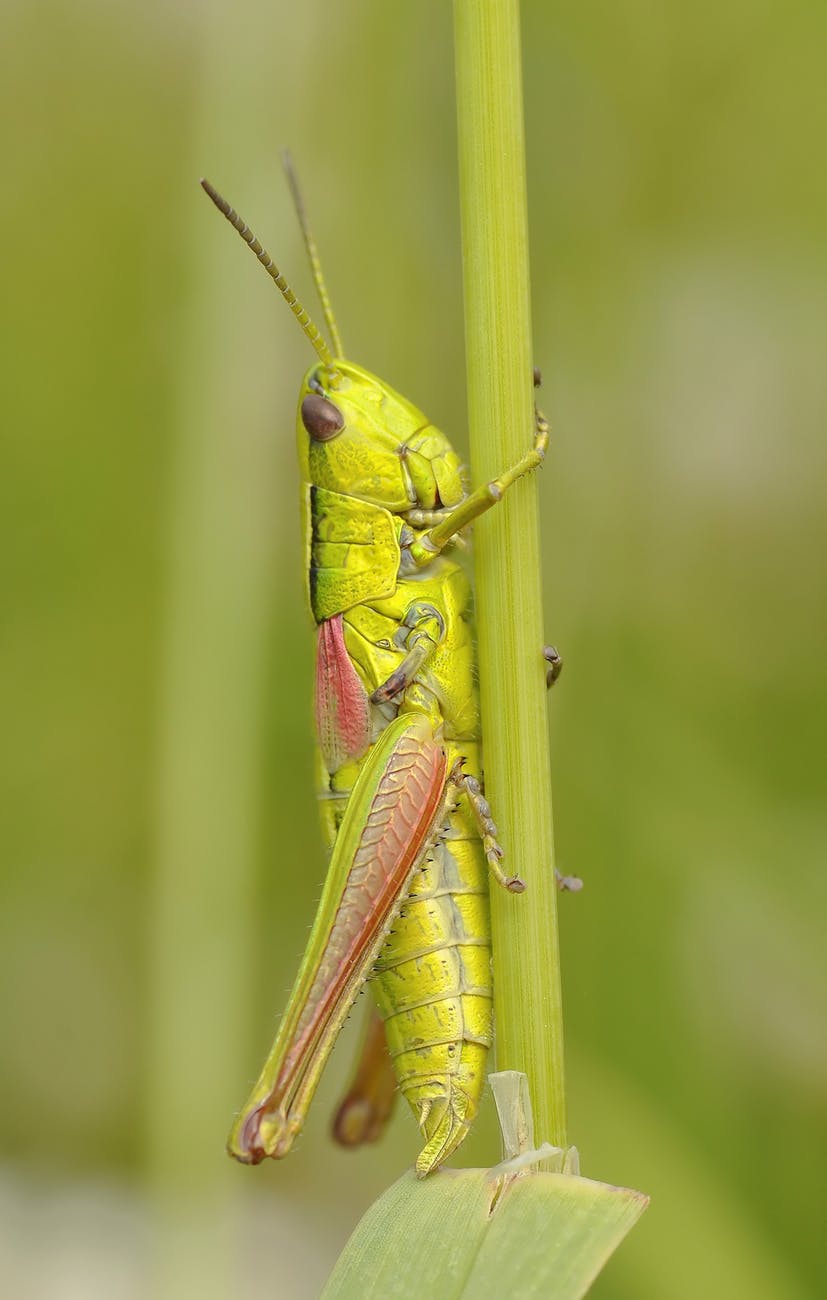
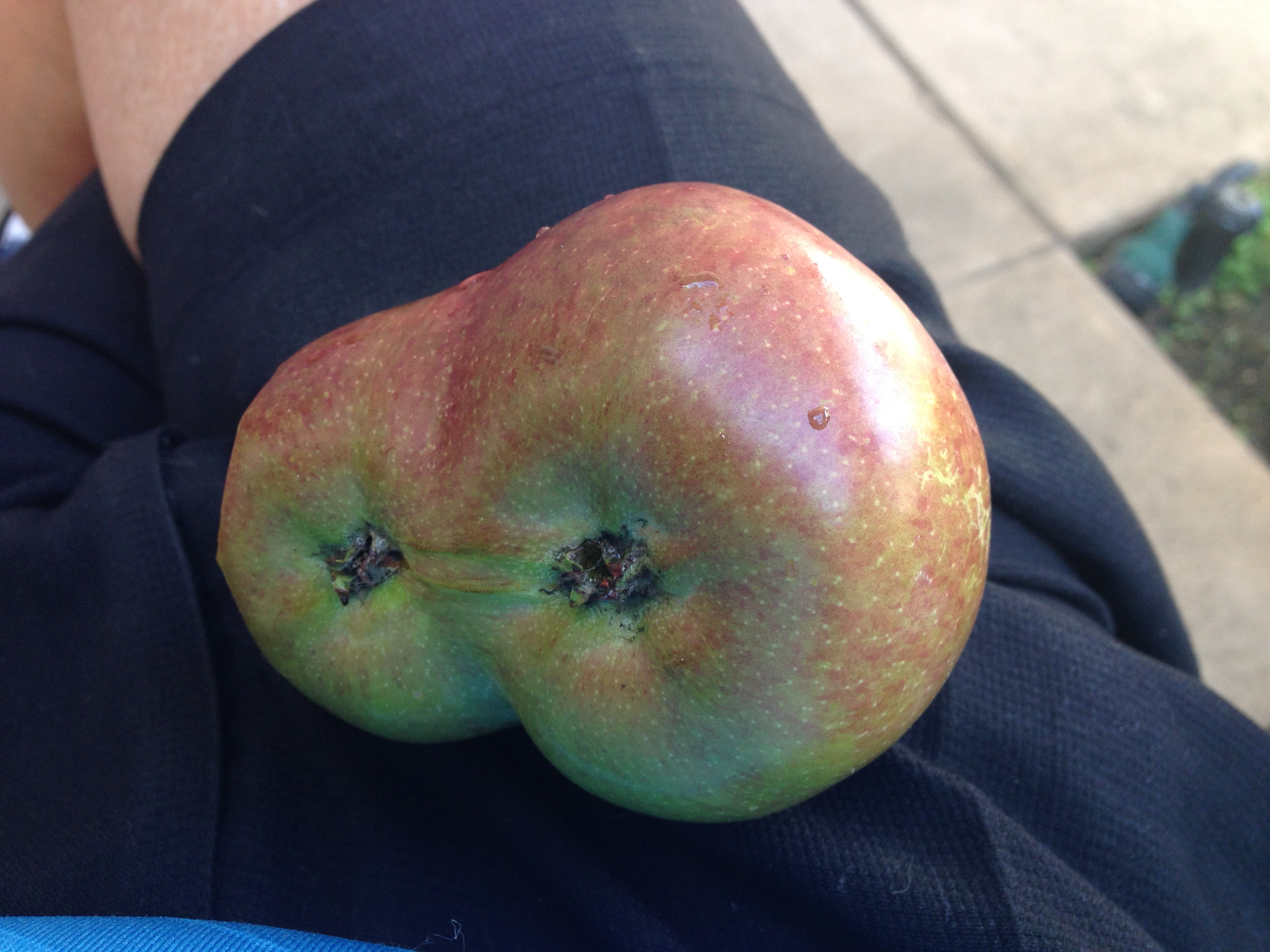
“In his wanderings to create the Z-Lotz, Nepec found himself hungry so he walked down to a nearby brook. When he approached however, he saw that many other folks were already fishing and many such fish had already been captured by others. So, its being of the time of the Autumn Moon, Nepec decided to forage for apples. He saw the gnarled trunk that signaled likely apples and walked over. This tree had been picked clean of fruit! Still hungry, he walked over the crest of the knoll and saw in a small hollow below some blackberry bushes. It was likely too late for blackberries but the leaves could be boiled and eaten. So, he picked a large number of leaves and also captured six large grasshoppers who were leaping about. These he made into a stew that satisfied him. He slept peacefully that night and the next morning returned to his journey toward the great Sea that the Bear of the Sky had pointed him to.”  

The Veritas, much as modern folk might, might draw any one of a number of lessons from this such as: “If the first path does not work out, try another.” The Cupiditas might have preferred a story in which Nepec simply took the fish after killing the other fishermen, but if they had heard the story as written, they would still come up with a similar lesson perhaps expressed this way: “When you want something but someone else has it, you must overcome all obstacles to take it. Otherwise, you may be forced to eat nothing but boiled leaves and grasshoppers.” The ROI would likely take a more rigid lesson such as, “You must try three ways and the third way will succeed.” The Z-Lotz, however, inferred an even more limited lesson: “During the Autumn Moon, Fish are forbidden meat. Apples are forbidden fruit. You must feast in celebration of the Autumn Moon only on blackberry leaves and grasshoppers.” 

green grasshopper

Photo by Pixabay on Pexels.com

Needless to say, in order to survive, many of the Z-Lotz would eat something different during the Autumn Moon, but they would apparently always feel guilty about it. They would try to do it secretly or with only the family watching. While in public, they would make a great show of eating only blackberry leaves and fried grasshoppers as though eating anything else would be disrespectful to Nepec or even the Bear of the Sky. 

IMG_4382

A few scholars (Ara Pologist, 2001; Izzy Rong, 2017) have argued that the Z-Lotz simply found the tradition fun. While that may have been true in the instance of many individuals of the Z-Lotz tribe, it certainly doesn’t explain why people were burned at the stake for eating fish during the Autumn Moon. Nor, does it explain why laws were passed to ban apples during the Autumn Moon when it’s obviously the best time to eat them. It would detract too much from the upcoming epic narrative to digress into a review of all the evidence here, but it seems well-established that, whatever the unknown motives of individual Z-Lotz may have been, their societal mores were based on an unthinking devotion to the literal details of the Z-Lotz myths. 

B85ADF46-2C91-4FE8-97E1-54079BE17967

I bring this to the reader’s attention now, because some of the decisions that the Z-Lotz made in the following tales would otherwise make no sense. The ultimately absurd decisions evidenced by the Z-Lotz further belie the interpretations of Pologist & Rong in that their alliance with the remnants of the Cupiditas and the ROI were serious decisions for the Z-Lotz, not decisions about the details of a feast. And yet, the evidence seems clear that these decisions were based on the specific details of Z-Lotz myths. (The reader is free, of course, to reach their own conclusions).

Author Page on Amazon

Tools of Thought

Pattern Language for Cooperation & Teamwork

The Pros and Cons of AI

Social Media

The Creation Myth of the Veritas

The Beginning of Book Two

Essays on America: Labelism

You Bet Your Life

The Update Problem

Essays on America: Wednesday

The Stopping Rule

The Invisibility Cloak of Habit

Where Does Your Loyalty Lie?

When Greed is the Only Creed

Occam’s Chainsaw Massacre

All that We May Lose

After All

Roar, Ocean, Roar

The Ninja Cat Manual 2

08 Wednesday Oct 2025

Posted by petersironwood in family, fiction, nature, pets, psychology, satire

≈ 2 Comments

Tags

cats, fiction, gaming, life, pets, survival

The Ninja Cat Manual – 2


This is a continuation on the report of my attempts to decode the Ninja Cat Manual into passable English. In case you missed the first installment, one of our six cats, Shadow, decided to “spill the beans” with regard to the manual and used her architectural skills to point me in the right direction when it comes to decoding the paw prints. Here are a few more of the mini-chapters that I’ve been able to translate so far.

The Double Attack 

Humans, of course, are already familiar with the double attack. It plays an important role in both their trivial games such as tic-tac-toe and their moderately complex games such as Go and Chess. In fact, they even use the notion of double attack in some of their sports such as tennis and American football. Nonetheless, their thinking along these lines remains quite rigid and non-spontaneous. Generally speaking, humans must think of a double attack ahead of time in some detail. Further, while they spring double attacks on their foes, they seem endlessly astounded that their foes also spring double attacks on them! 

The closest use of Double Attack found so far in the sub-feline is in the political speech of the most sociopathic members of their species. They will say something completely stupid, or obviously incorrect, and then immediately say the opposite; then, they provide a framing so that none of those conned can tell whether the comment was to be taken seriously. 

For best results FDA’s (Feline Double Attacks) should provide a minimum of three options. Option one and Option two should imply a binary choice which should be instilled via habit or suggestive movement into what passes for a mind in the human. For example, the warrior may pace back and forth in full view of their human prey and at each turn, provide a faint feint of an attack. Even a few turns are enough to shrink the space of possibilities in the human’s imagination to an attack launched from the extreme right side or the extreme left side.


Obviously, the actual attack should be launched from near the middle of the pacing track and made without warning. If you are working with one or more partners, another useful technique is not to attack at all but have the other members of your team launch the attack from behind, from below, or from above. 

Cultivate their Prejudices

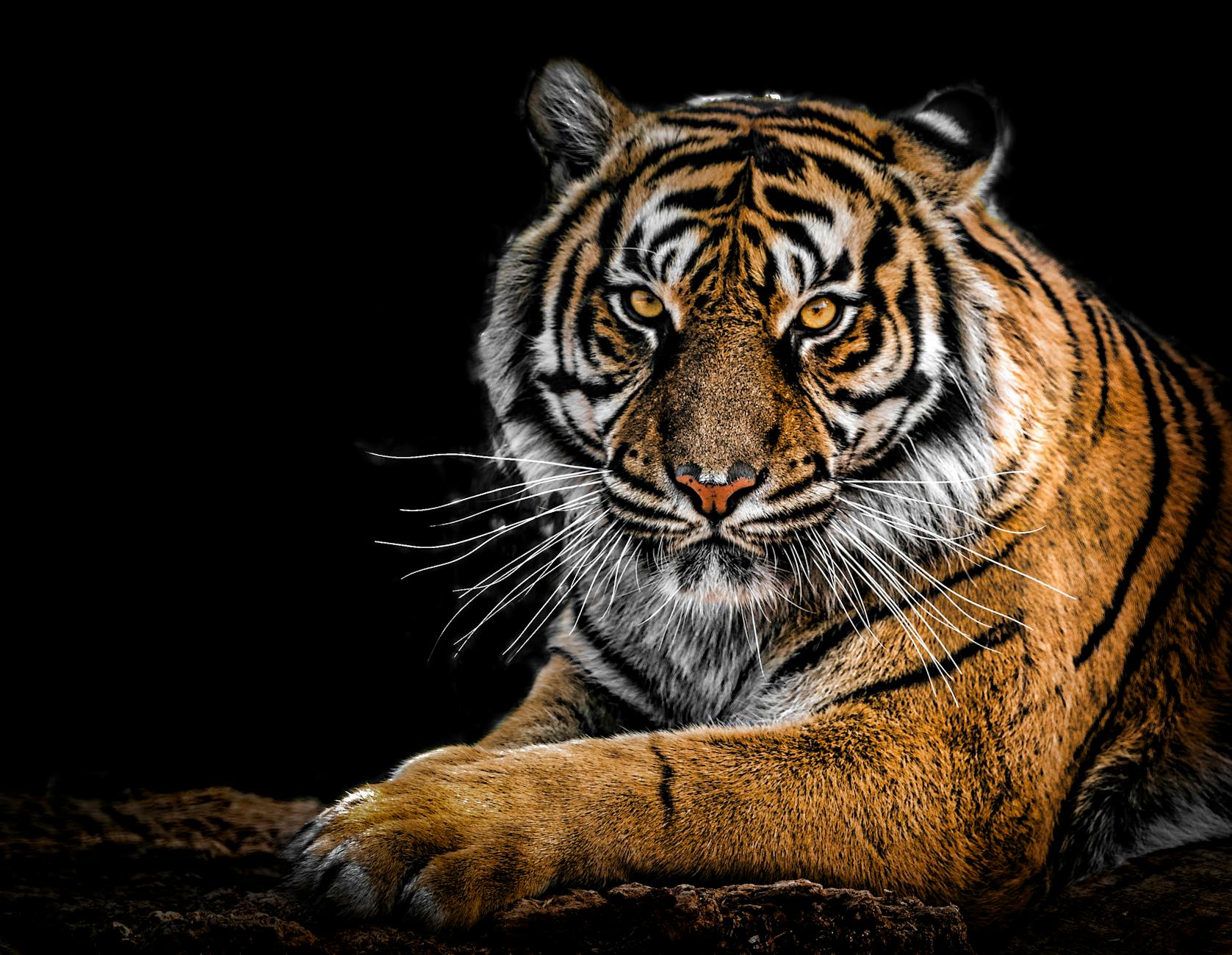
To slake their guilty conscience, many humans cultivate an attitude of superiority toward all other life forms. They rationalize wanton cruelty by clinging to the notion that they are in every way superior. There have been some few successes at over-riding these notions by presenting humans with over-riding evidence. For instance, ancient Egyptians realized cats were superior and during the middle ages in Europe, many armies carried the sign of a large cat on their banners. Even today, there are many sports teams named after Cougars, Lions, Tigers, and Wildcats. 

Photo by GEORGE DESIPRIS on Pexels.com

On the whole, it is better to play into those human prejudices, thus making the humans overestimate their own strengths and underestimate the strengths of cats. It is common for humans to be performative in their planning and coordination. They sketch out plans on blackboards, white boards, memos, agendas, todo lists, calendars, and e-mail distribution lists. They use org charts, Gantt charts, flow charts, and outlines to make it seem as though they are always busy planning and coordinating. 

Such a catalog of artifacts should only be used to leave false trails. Never reveal your true plans in external artifacts. Since cats keep their word with each other, we can keep it simple. Decide who is responsible for what and when. No need to go back and argue over who was “supposed to” do what. 

Spend a lot of your planning time pretending to nap or even to sleep. Listen for human comments and you will have evidence of the level of their misperception. “Oh, Tigger is so cute when he plays. Of course, he’s a lazy bum and sleeps 23 hours a day!” Why bother showing them your plans? Let them think you’re a lazy bum. It will be all the more pleasurable as you see their final moment of utter shock and surprise. 

—————

Author Page on Amazon

Hai-Cat-Ku

A Suddenly Springing Something

A Cat’s a Cat & That’s That

Math Class: Who Are you? 

Hai-Ku Dog-Ku

Occam’s Chain Saw Massacre

The Walkabout Diaries: Bee Wise

The Dance of Billions
It’s Turtles

Travels with Sadie 10: The Best Laid Plans

05 Sunday Oct 2025

Posted by petersironwood in family, nature, pets, psychology, Sadie, Uncategorized

≈ 3 Comments

Tags

books, dogs, fiction, GoldenDoodle, life, nature, pets, Sadie, story, truth, writing

Our dogs are large. And strong. And young. And, sometimes, Sadie (the older one) does “good walking” but sometimes, she pulls. Hard. She’s had lots of training. And, as I said, she will often walk well, but still tends to pull after a small mammal or a hawk or a lizard. She pulls hard if she needs desperately to find the perfect spot to “do her business.” She pulls hardest to try to meet a friend (human or canine).

When she pulls, it is a strain on my feet and my knees and my back. I can hold her, but barely. To remedy the situation, we got another kind of leash/collar arrangement which includes a piece to go over her snout. We acclimated Sadie, and her brother Bailey, to the “gentle lead” and decided we’d try walking them together.

Safer leash, safer walk was the plan. Indeed, the dogs didn’t pull as they often do. Nonetheless, I managed to fall on the asphalt while walking Sadie–the first time I ever fell on the hard road. I’m not sure exactly what happened. The leash is shorter and Sadie has a tendency to weave back and forth in front of me. I may have tripped on Sadie herself or stumbled on a slight imperfection in the road.

Anyway, this morning, we decided to try again but this time, Bailey went with the gentle leader and I was going to use the “normal” leash with Sadie. The plan was to walk together.


Sadie had other plans. Instead of heading up the street as we normally do, she immediately turned right into our front yard, intent on following the scent of … ?? Most likely, she smelled the path of a squirrel that’s been frequenting our yard. Anyway, Sadie was in her “olfactory pulling” mode. Some days, especially when it’s been raining or there is dew on the ground, she goes into an “olfactory exploratory” mode. She takes her time to “smell the roses” and everything else. This makes for a very pleasant, though slow, walk. I call it good walking. She gets to explore a huge variety of scents and she doesn’t “pull” hard or unexpectedly. This is idle web surfing or browsing the stacks of the library or wandering through MOMA, the Metropolitan Art Museum, or the Louvre.

The “olfactory pulling” mode is an entirely different thing. Here, she is trying desperately to track down whatever it is she’s tracking before it gets away! She imagines (I imagine) that her very life depends on finding this particular prey (even though she is well-fed; and even though, in this mode, she shows zero interest in the treats I’ve brought along). Conversely, in the “olfactory exploratory” mode, she’s quite happy to stop for treats every few yards.

This morning, we never found the “prey” she was after, but she did her business and, since she was wantonly pulling, I took her back inside in short order and set out to catch up with Bailey and my wife. Before long, I saw them up ahead and soon closed the gap. Having both hands free allowed me to take many more pictures than I usually do when I take Sadie on a walk.


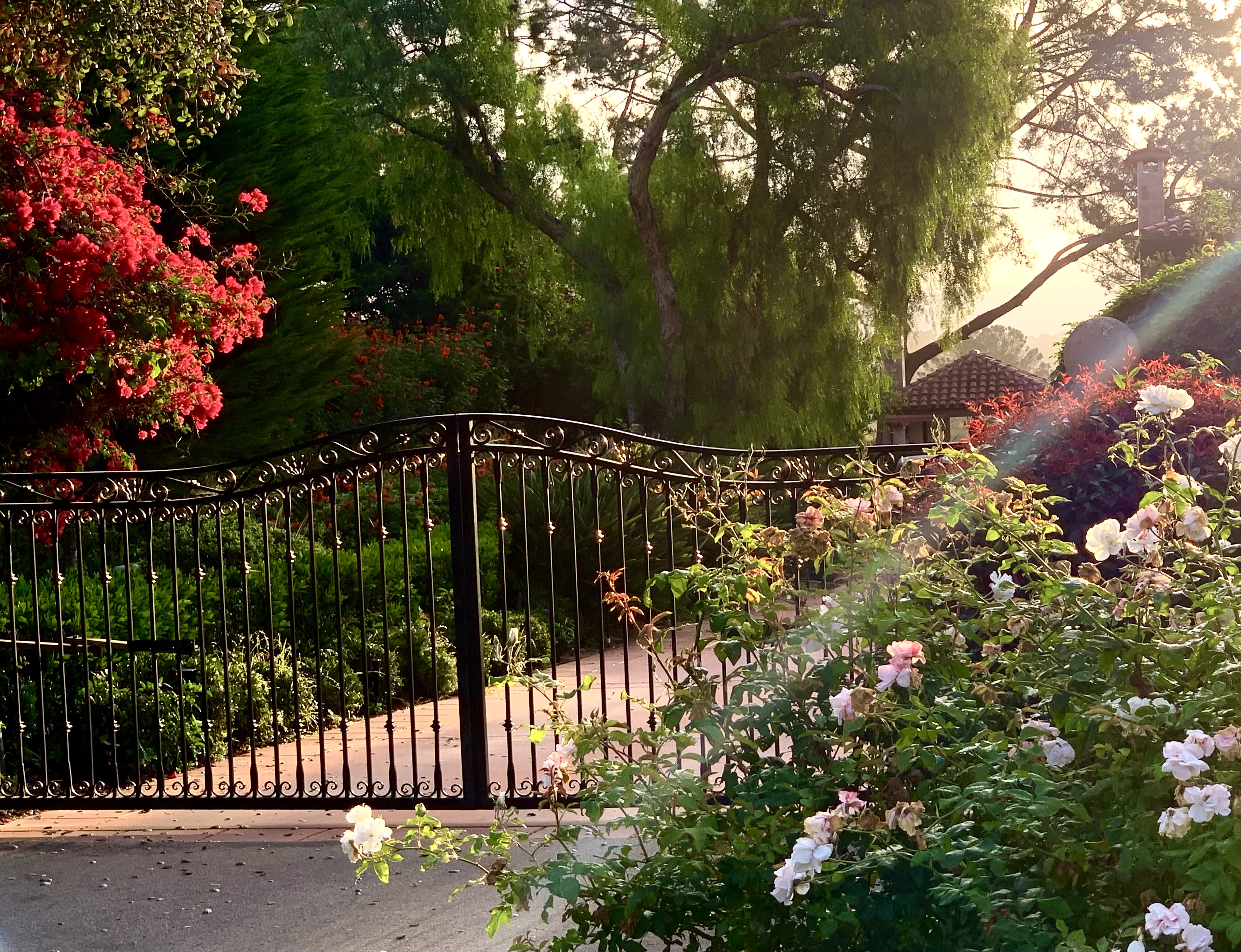
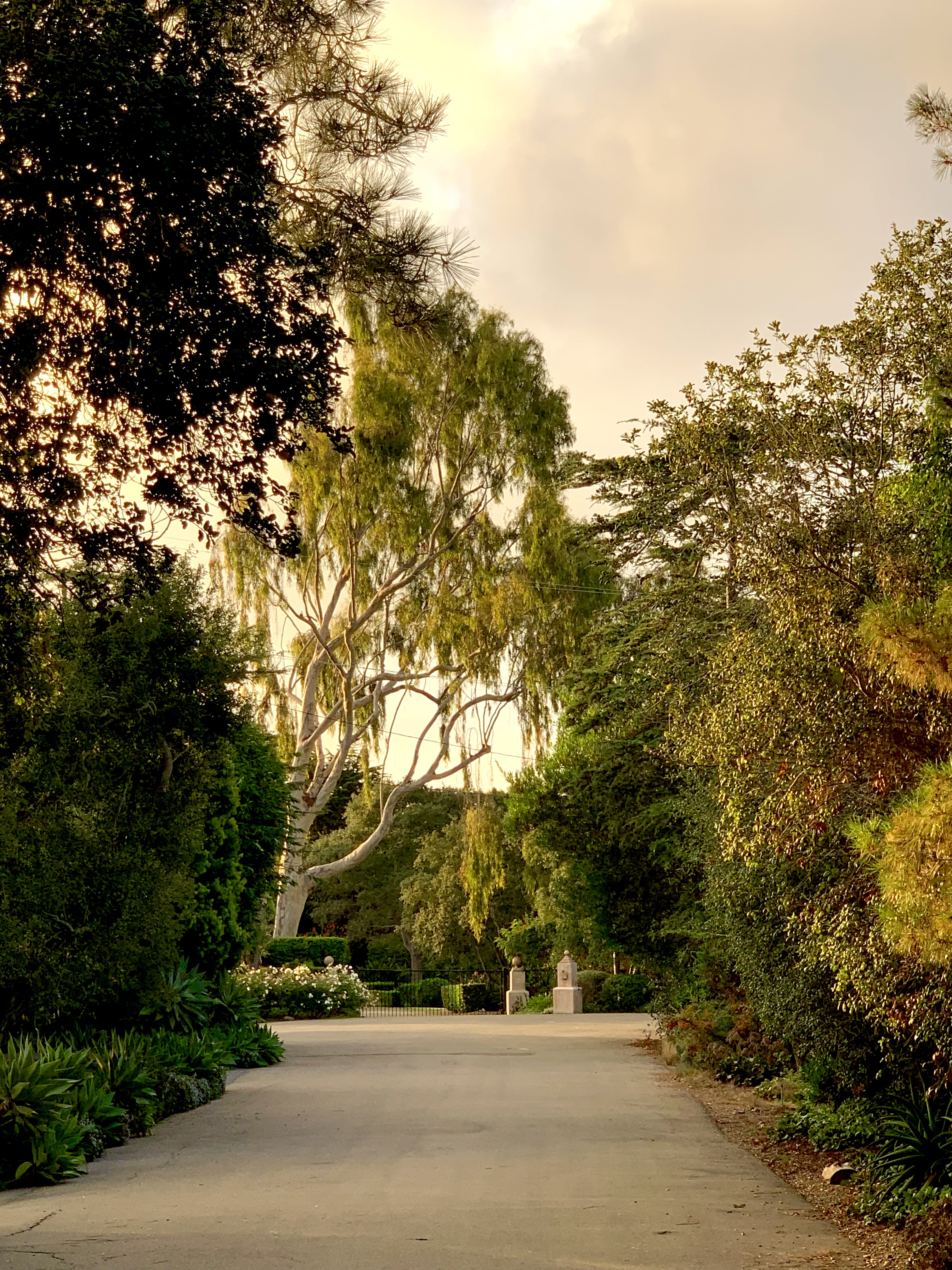
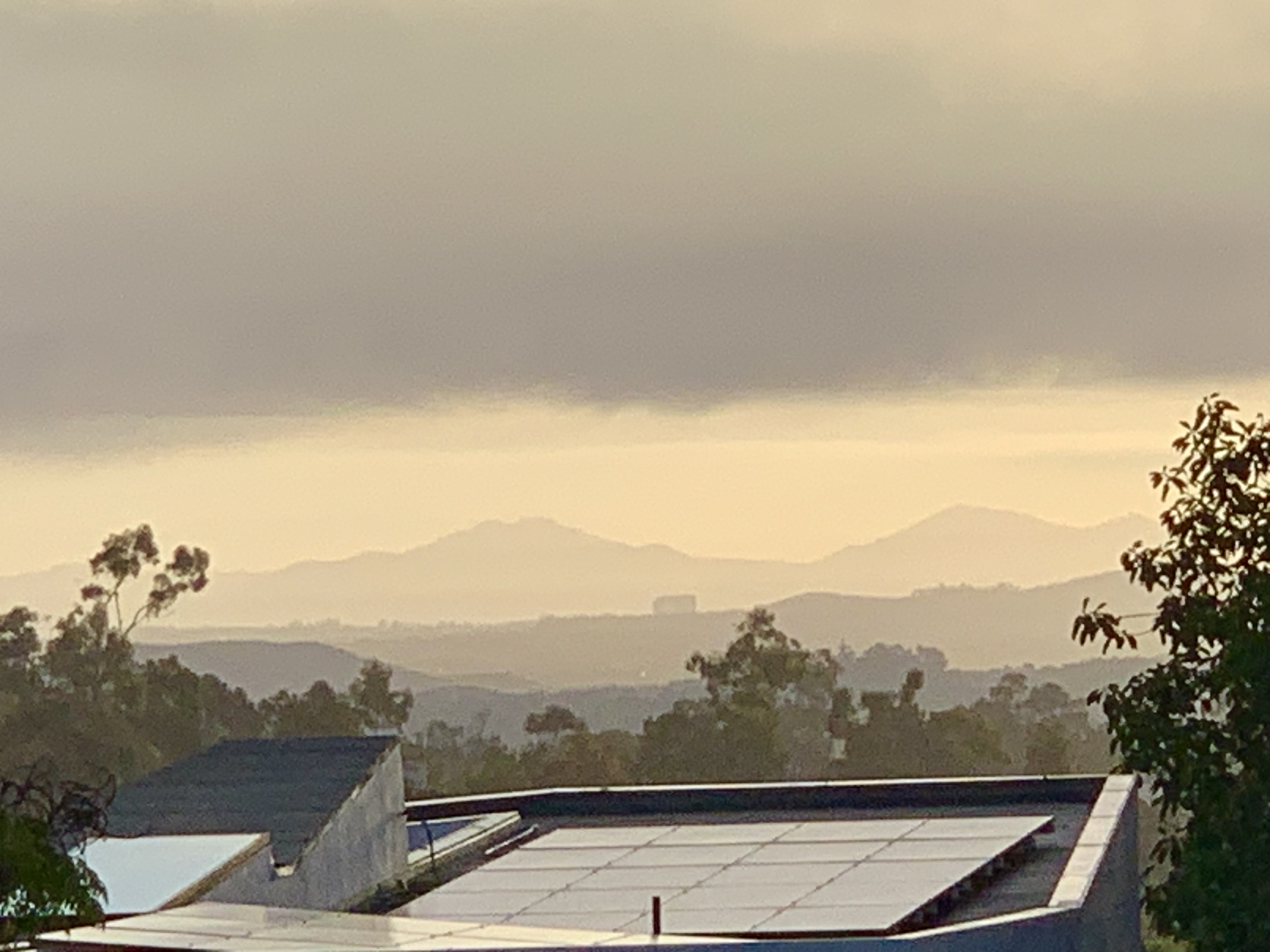
The sky, like Sadie, has many moods, even in the San Diego area. This morning, the sky couldn’t seem to make up its mind whether to be sunny or cloudy. I don’t mind the mood swings. It provides some interesting contrasts.

Bailey behaved pretty well though he still gets very vocal and agitated when any of the numerous neighborhood dogs begin to bark. He’s much like the Internet Guy (and, let’s face it, it’s almost always a guy) who has to comment on every single post. But the new leash arrangement worked well and didn’t cause any falls or prolonged pulls.

Bailey does, however, look rather baleful about wearing the extra equipment. What do you think?

And while on the topic of reading the minds of dogs, I did wonder if something like the following crossed Sadie’s mind this morning. She saw Bailey get fitted with the leash and the over-the-snout attachment. I put the regular leash on Sadie. Then, Sadie saw Wendy and Bailey walk out ahead and instead of following them, she immediately turned off in a different direction. Presumably, she caught a whiff of the scent she felt obligated to follow.


But I also wondered if she was partly avoiding the situation from two days earlier wherein Wendy and I both walked one dog, each of which had the additional lead on the snout–which ultimately led to my fall. Maybe Sadie wanted “nothing to do” with having that type of leash on.

I have observed that kind of behavior in humans. Perhaps you can think of a few examples even from your own experience? Sadie certainly has a kind of metacognition that she seems to use on occasion. When she begins to explore something she knows from experience I do not want her to explore (e.g., a cigarette butt or an animal carcass), she herself moves quickly away from the tempting stimulus seemingly with no prompting from me. It’s as though she realizes she’ll be more comfortable not being in conflict.

I’ll be interested to see how she reacts tomorrow or tonight when I again try the two-lead leash.


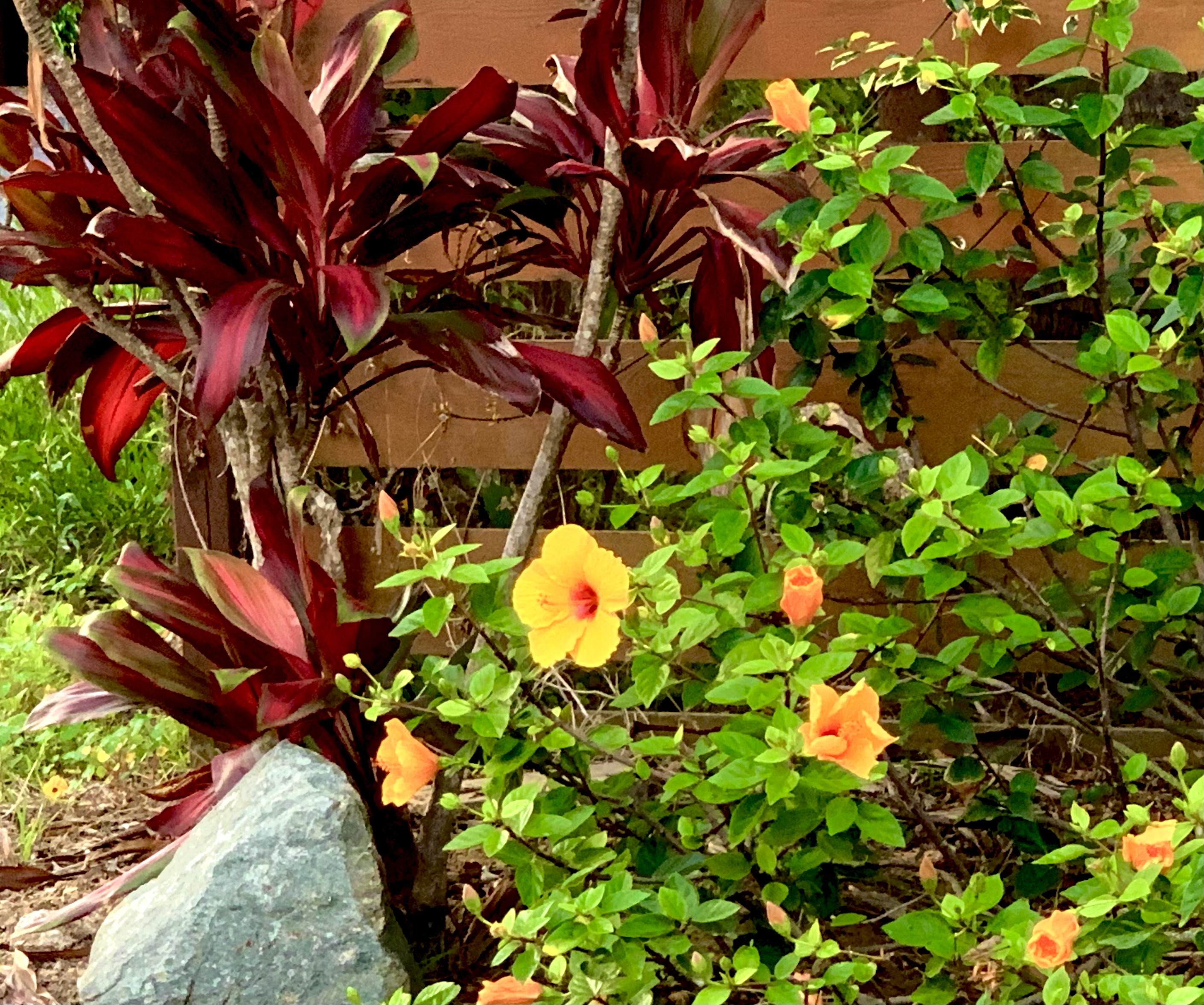
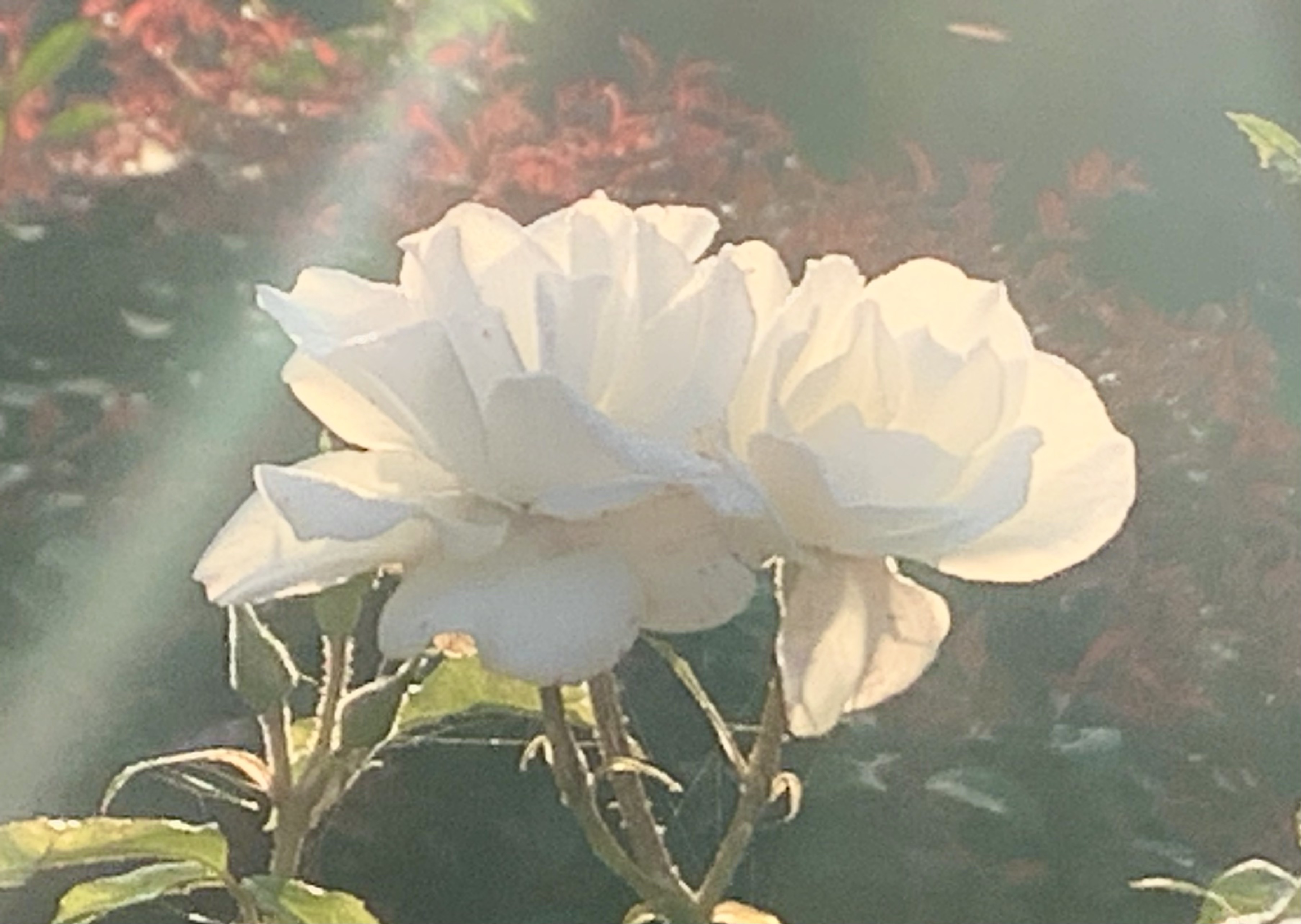
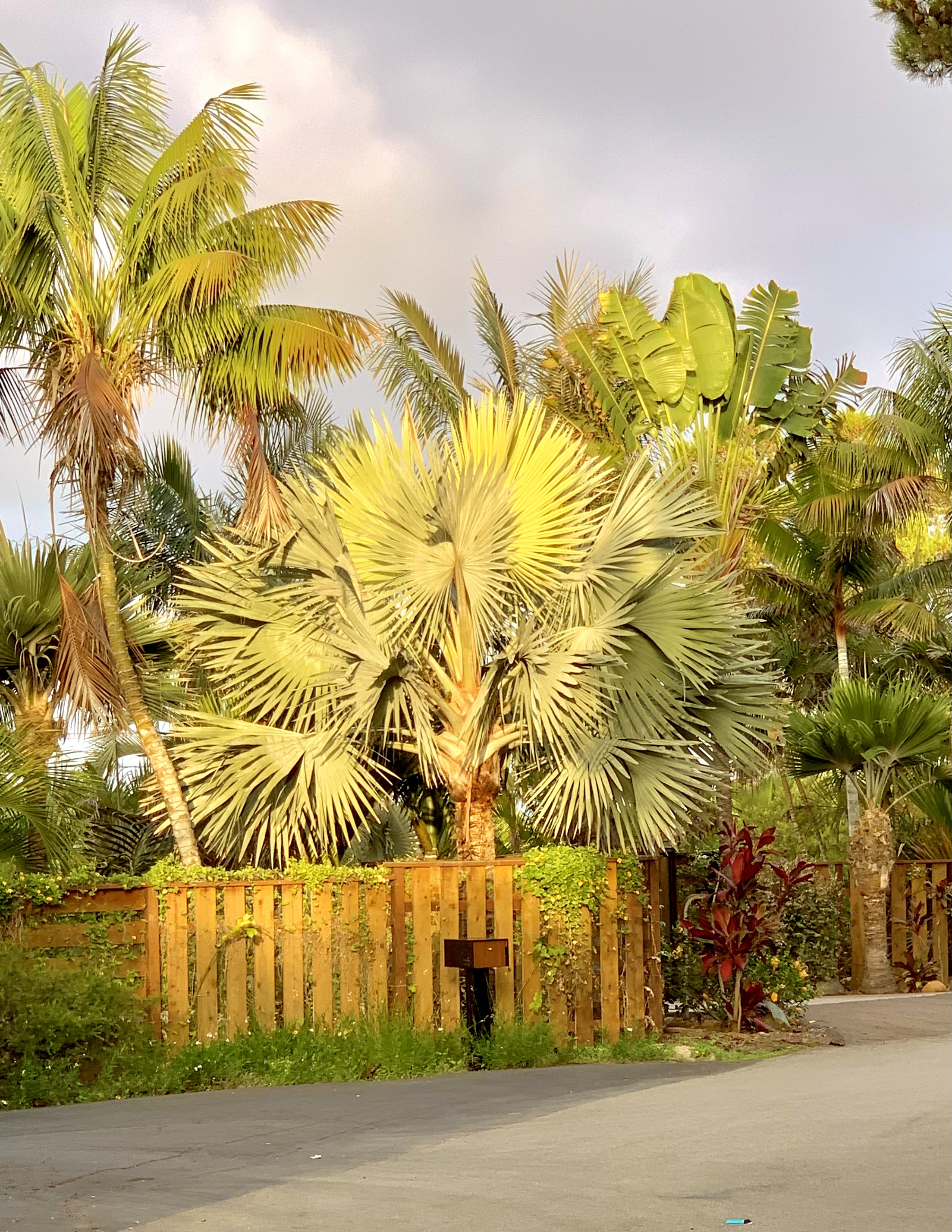
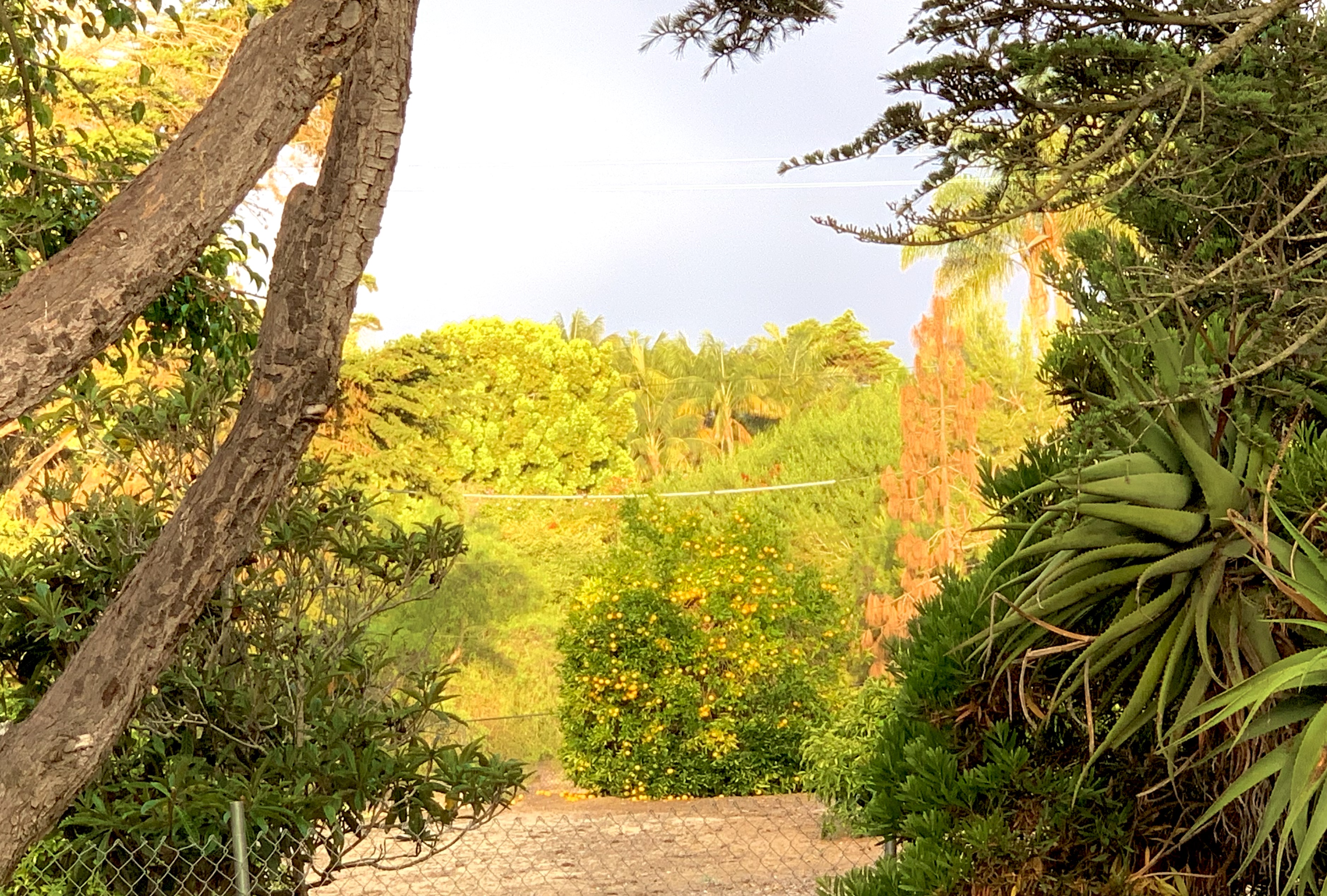
Meanwhile, enjoy the play of light on the flowers. You can see in this sequence that I “followed the scent” of the brightly lit fan palm tree to get a closer view. Getting a “closer view” is what Sadie does when she follows a scent. I wish to get more details in the visual domain whereas Sadie wants to get more detail in the olfactory domain.

Sometimes, I scan my visual field for something interesting to photograph (explore in more detail) and sometimes, I’m fixated on a particular “target” and looking for the right framing, lighting conditions, or angle. I enjoy sometimes getting to a particular picture, but I also enjoy the process of getting to the picture that pleases. I imagine it’s the same with Sadie. She’s quite happy to find a lizard or squirrel or rabbit, but she’s also happy to search for prey, particularly in promising conditions such as there being a strong scent or having wet ground to search for scents.


Plans?

Some management consultings will tell you that plans are seldom right but that planning–that is the real gold.


Author Page on Amazon

Tales from an American Childhood

Travels with Sadie 1

Travels with Sadie 2

Travels with Sadie 3

Travels with Sadie 4

Travels with Sadie 5

Travels with Sadie 6

Travels with Sadie 7

Travels with Sadie 8

Travels with Sadie 9

Sadie and the Lighty Ball

Dog Years

Sadie is a Thief!

Take me out to the Ball Game

Play Ball! The Squeaky Ball

Sadie

Occam’s Chain Saw Massacre

Math Class: Who Are You?

The Walkabout Diaries: Precipitation

06 Friday Jun 2025

Posted by petersironwood in nature, pets, Sadie, Uncategorized

≈ 3 Comments

Tags

dogs, life, nature, pets, story

Like most people, when I awake to a clear sky and morning sun, I think to myself, “What a beautiful day!” Here in the San Diego area, there are many days like that. I take my dog Sadie for a walk every morning.

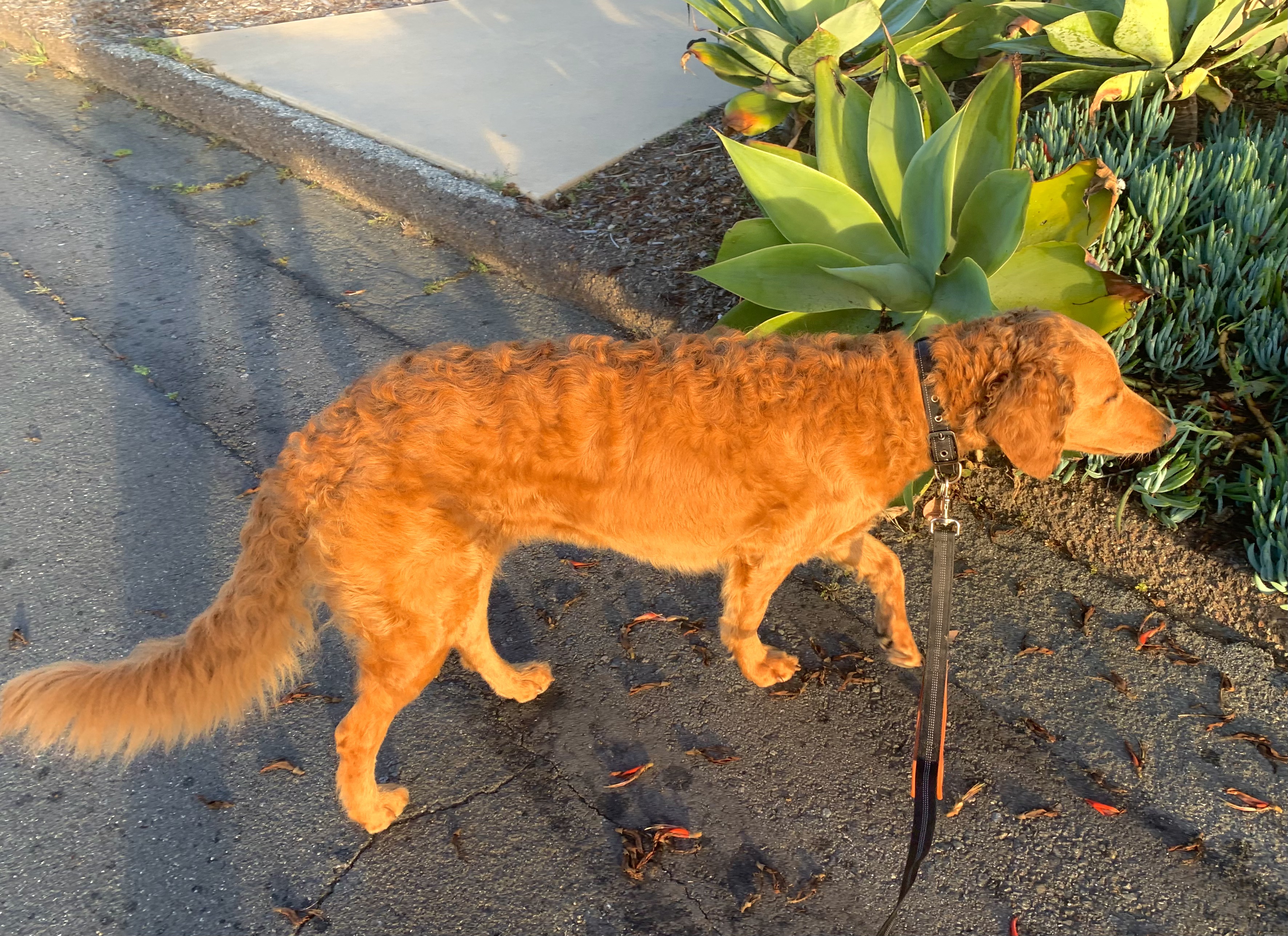
Sadie enjoys the sunny days. Probably unbeknownst to her, the golden morning light makes her golden doodle fur even prettier than the midday sun.


Sadie enjoys the rainiest of days as well. She watches the water gush into the storm sewer, enjoying the interplay of gravity, inertia, cohesion, and friction. Often large water droplets fall onto puddles and make large bubbles. Sadie snaps at as many as she can. Perhaps she imagines they are small silvery fish. Perhaps not.


Sadie also enjoys foggy days! Sometimes, it feels as though the joy is more a product of Sadie than it is of the weather.

Sadie enjoys days like this morning–gray, cloudy, drizzly. It hasn’t rained enough to cause flow a darksome torrent. But the moisture from the drizzle enhances the aroma of the earth and all the life that tracks across it.

Today was gray, sunless, drizzly.

Today was a beautiful day.

Sadie knows:

Today is a beautiful day.

And she teaches me:

Today is a beautiful day.

—————-

The Walkabout Diaries: Sunsets

The Walkabout Diaries: Symphony

The Walkabout Diaries: Levels of Beauty

The Walkabout Diaries: Bee Wise

The Walkabout Diaries: Natural Variation

The Puppy’s Snapping Jaws

Sadie is a Thief

Sadie and the “Lighty Ball”

Sadie and the Squeaky Ball

Travels with Sadie Tolerance

Travels with Sadie Find Waldo

Travels with Sadie

Travels with Sadie: Joint Problem Solving

Math Class: Who are you?

After the Fall

Dance of Billions

Travels With Sadie 8 – Singing of the Rain

12 Wednesday Mar 2025

Posted by petersironwood in nature, pets, Sadie

≈ 7 Comments

Tags

life, love, nature, poetry, rain, story, truth

The San Diego area has famously good weather. Flowers blossom forth all year round. I like it! 

But that doesn’t mean it never rains. In fact, I’m glad it does rain. Without some rain, it would be much less pleasant. Fewer plants would grow which would mean fewer friends from diverse parts of the Great Tree of Life: fewer butterflies, fewer lizard, fewer rabbits, fewer crows, fewer hummingbirds and fewer bees just to name a few of the critters I see almost every day. 

On the other hand, I was supposed to play tennis this morning and that had to be canceled. We can’t really let the dogs out by themselves to play in the garden because now it’s too muddy. I have to take them out for a walk even when it’s raining. It seems to me that houses should be built with multi-species toilets that would allow humans, cats, and dogs all one place to go without causing a mess. It doesn’t seem that difficult a design problem. 

But in our actual house, the toilets are only for humans so it’s important to take the dogs out several times a day. And that means I end up walking in the rain. 

It’s wet. My feet often get wet. If it rains hard, I get wet on my head, my back, and my legs as well. As for the dogs? 

They love to go out—rain or shine. 

Sadie, who is now nearly three years old, often looks up at the sky when we begin a walk. I talk to her about the weather, the airplanes she spots at night, the moon, the stars, the planets. Perhaps she doesn’t understand every word, but, honestly, neither do I. I don’t know “why” there is gravity or how it relates in some way to the strong and weak nuclear forces. I’m not even sure there is a “why” to it. 

What I do know is that Sadie does not just tolerate the rain. She loves the rain. She cannot change the weather. So why not love it?

Nor, for that matter, can I change the weather. 

When it rains hard, the nearby storm sewer provides a mystery: a never-ending rushing gush of water! She looks up at me as though to ask: “Where does the water go?”

“The ocean,” I explain. To Sadie though, it remains a portal into another universe.

On its way to the sewer, the water rushes down the gutter and the raindrops cause bubbles to appear in the stream! Bubbles! Sadie snaps at each bubble and destroys it. Perhaps she does this in case they are tasty fish, but I think more likely she does it for the same reason I used to like to pop soap bubbles: sheer joy.

The moisture changes the intensity of smells and provide her with unusual odors. She likes to drink the water on the street which I discourage since the water probably contains more gas and oil than is good for her. Soon, I think, my water supply too may be too polluted to be healthy. 

The passing cars make more noise in the rain. If it’s a hard storm, the wind blows the trees which she often looks up at as well. She does not wear shoes or boots and seems not to mind at all splashing through the cold puddles on her way to the next novel aroma. 

These days, I’m not a big fan of the rain. I’d rather play tennis. I’d rather take pictures of the flowers in the sunshine. I’d rather not get wet. 

But Sadie helps me remember an earlier time when I desperately wanted to go outside in the rain. I loved to splash through the mud puddles and wade in the just-born streams of the gutters. The deeper the stream, the better. I tried not to let the water spill over the rim of my boots—not because it was unpleasant to have the water suddenly soak my socks but because I knew my parents would be quite upset. Sometimes, I came home and managed to hide the fact that I had waded into too-deep water. That, in itself was a pleasure.


Even though I’m not as much of a rain fan as are Sadie and her younger brother Bailey, I’m something of a fan. The raindrops on flowers are beautiful. I enjoy Sadie’s enjoyment of the rain. 

Why not love it? 

Yes, we do teach our dogs. 

We teach them tricks.

And, the dogs teach us. 

They teach us to love and to live and to sing of the rain.

————

Travels with Sadie 1

Travels with Sadie 2

Travels with Sadie 3 

Travels with Sadie 4 

Travels with Sadie 5 

Travels with Sadie 6 

Travels with Sadie 7

A Suddenly Springing Something.

The Puppy’s Snapping Jaws

Hai-Cat-Ku

A Cat’s a Cat & That’s That.

Sadie is a thief

Sadie and the Lighty Ball

Math Class

Author page

Travels with Sadie-7: Tolerance

05 Sunday Jan 2025

Posted by petersironwood in nature, pets, Sadie

≈ 14 Comments

Tags

Democracy, dogs, life, love, pets, politics, tolerance, truth, USA

Today: A beautiful day in San Diego. Yes, it’s true. There are many such—even in January.


Our first discovery was a hawk which I heard the moment we stepped out the door. I tried to mimic the sound and told Sadie it was a hawk. We walked to the end of our street where the hawk was perched on the lamp post. Sadie looked up at it as I greeted the hawk. So far as I can recall, she’s never barked at one. 

Even before we reached the hawk, Sadie made another discovery. I have no idea what it was but I know from her level of excitement that it was a *huge* discovery. Rather than drag her along to some predetermined goal of my own, I indulge her explorations even when I can’t tell what it is that she’s so enthralled with. 

For her part, she tolerates me stopping to take pictures. I don’t think she understands why I do it. For that matter, I’m not sure I fully understand why I do it. But I enjoy it. I like sharing them. 

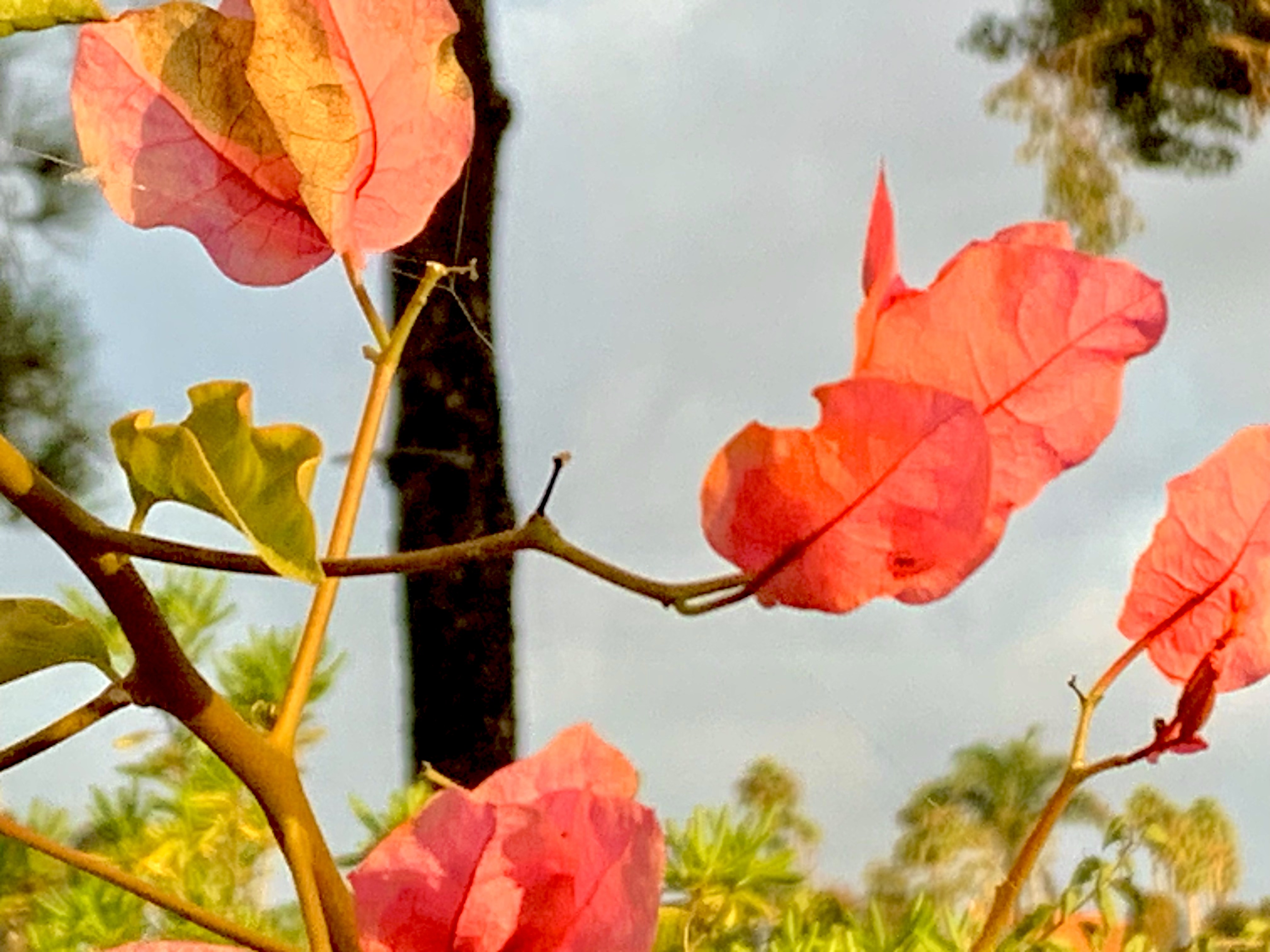
At one of the many “choice point” corners, the sun was just beginning to rise enough to light up the bougainvillea bush. It’s quite prevalent in the San Diego area so I assume it tolerates the climate quite well. 

Next we saw the sun rising. Contrails are also visible. Contrails are mostly composed of the potentially lethal substance: “Hydrogen Hydroxide” aka HOH or, more commonly H2O; i.e., water. Yes, you can drown. OTOH, you are more H2O than anything else and you can’t live without it. We tolerate the presence of water and even encourage it even though approximately ten people a day drown in America. 

The pineapple palm shown below has its flowers lit by the early morning sun which tends to exaggerate their orange color. Palm trees flourish in California and Florida. But apparently, it isn’t so much that the relish the sun and the heat as that they don’t tolerate freezing temperatures very well. I saw some, for instance, in Limerick, Ireland, not known for a balmy climate. 

I next spied these sunlit Christmas decorations. Of course, I could tell they were Christmas decorations and not Kwanza or Hanukkah decorations because, as everyone knows, the wise men found their way to Bethlehem on Reindeer. Or camels. Whatever. Jesus is often portrayed as blond and blue-eyed, so… Anyway, speaking of tolerance, some folks believe all Christmas decorations should be removed no later than January 1. 

Why? 

Are they confused? Do they look at these reindeer and think, Oh, my God! I thought we just had Christmas, but no! Here it is again already! I’ve got to buy more presents! Or…? It bothers me not the slightest if people want to keep their decorations up all year, be they Christmas, Easter, Halloween, or whatever. After all, some extremely wealthy people celebrate “Wealth Day” 365 days a year with their displays so why not? 

As we continued our walk, the golden sun lit up Sadie’s fur so I snapped the picture below. 

And then we came to the golf course. This is the tenth green. If you want to play golf, you will need to become tolerant of your own errors. 

So, as we began the long climb back up the street to our home, I began to wonder why tolerance seems so difficult for so many people. Intolerance of other races. Intolerance of other religions. Intolerance of other cuisines, clothing styles, color schemes, music, book genres, traffic merges, waiting in line, sexual preferences, and so much more.  

On the one hand, I don’t want to “be” anyone else or any other organism. I admire the hawk but I don’t want to be a hawk. I’m happy being a human. I admire many of Sadie’s abilities. But I don’t want to be a dog. There are many choices that other humans make which are different from the choices I make. 

So? 

———————————

Author Page on Amazon

Tales from an American Childhood

Dance of Billions

Imagine all the People 

Drawing the Line

Walkabout Diaries 

Use Diversity as a Resource: A Pattern for Collaboration

Travels with Sadie 6: Find Waldo

02 Thursday Jan 2025

Posted by petersironwood in creativity, nature, pets, psychology

≈ 6 Comments

Tags

art, beauty, life, mindfulness, photography, truth

It’s kind of a fun game. “Find Waldo.”  Or, “Find the Pig in the Clouds.” And—once you find it, you typically find it immediately the next time. 

Here’s a variant that I like: “Find the Beauty.” 

The idea is simple. You go to an art gallery or a museum and it’s fairly easy to find the beauty. No big surprise there. 

Go into a natural setting and you’re often absolutely surrounded by beauty at many different levels of scale. 

Go to see a world-famous architectural achievement, and you will see beauty. 

But—you know what? There’s also beauty to be found in many ordinary and every day places and circumstances. Since you can’t always control where you are, it’s a good skill to find that beauty wherever you are. 

Today, Wendy and I took Sadie and Bailey out to one of our favorite dog-friendly restaurants. We had a very long wait. None of the four of us is high on the scale of patience. When we finally sat down, however, the dogs were very well-behaved. 

While we waited for our food to arrive, I looked around for Waldo.

He wasn’t there. In fact, no-one even had a checkered shirt on. 

So, instead, I looked around for beauty. 

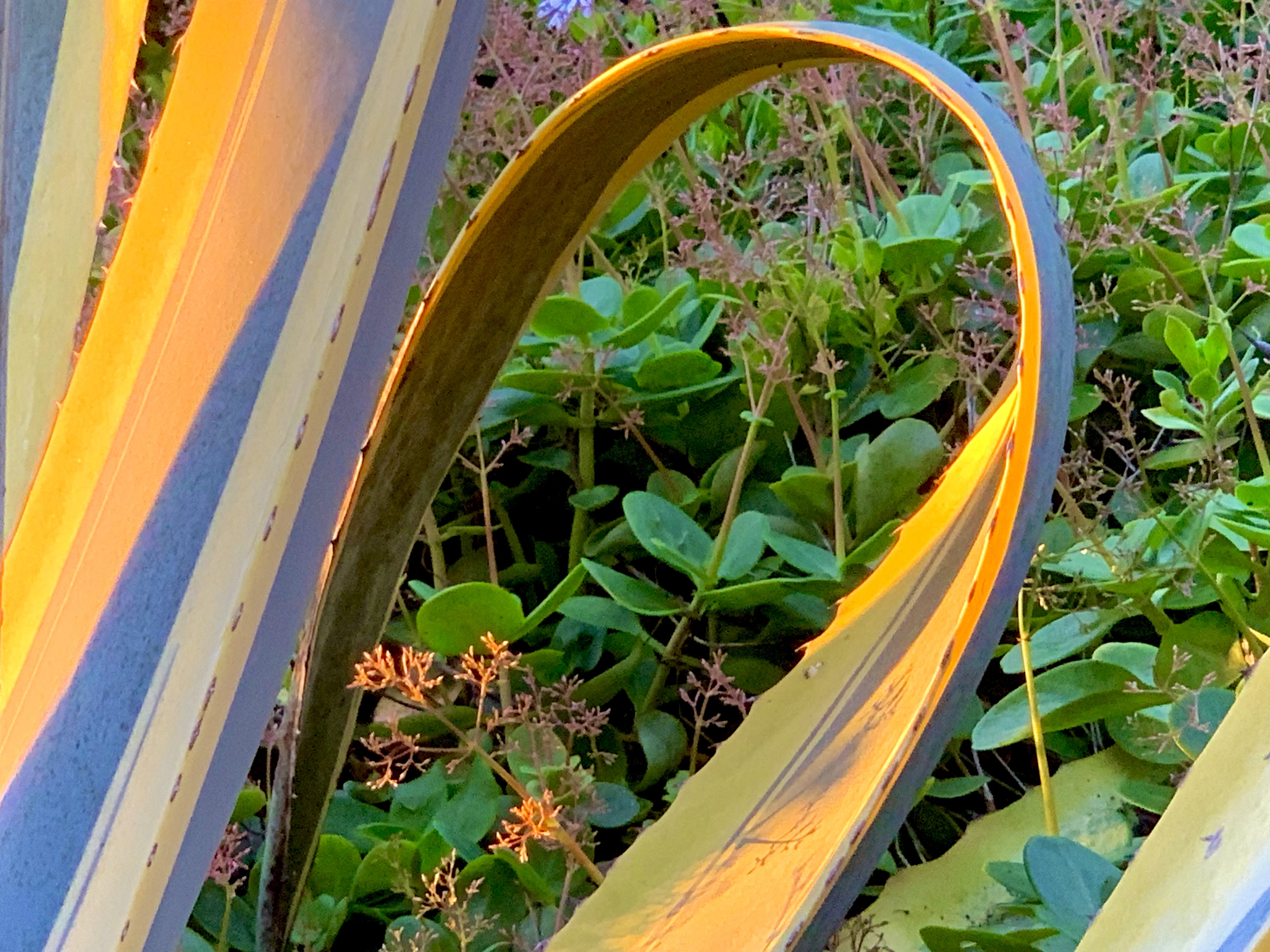
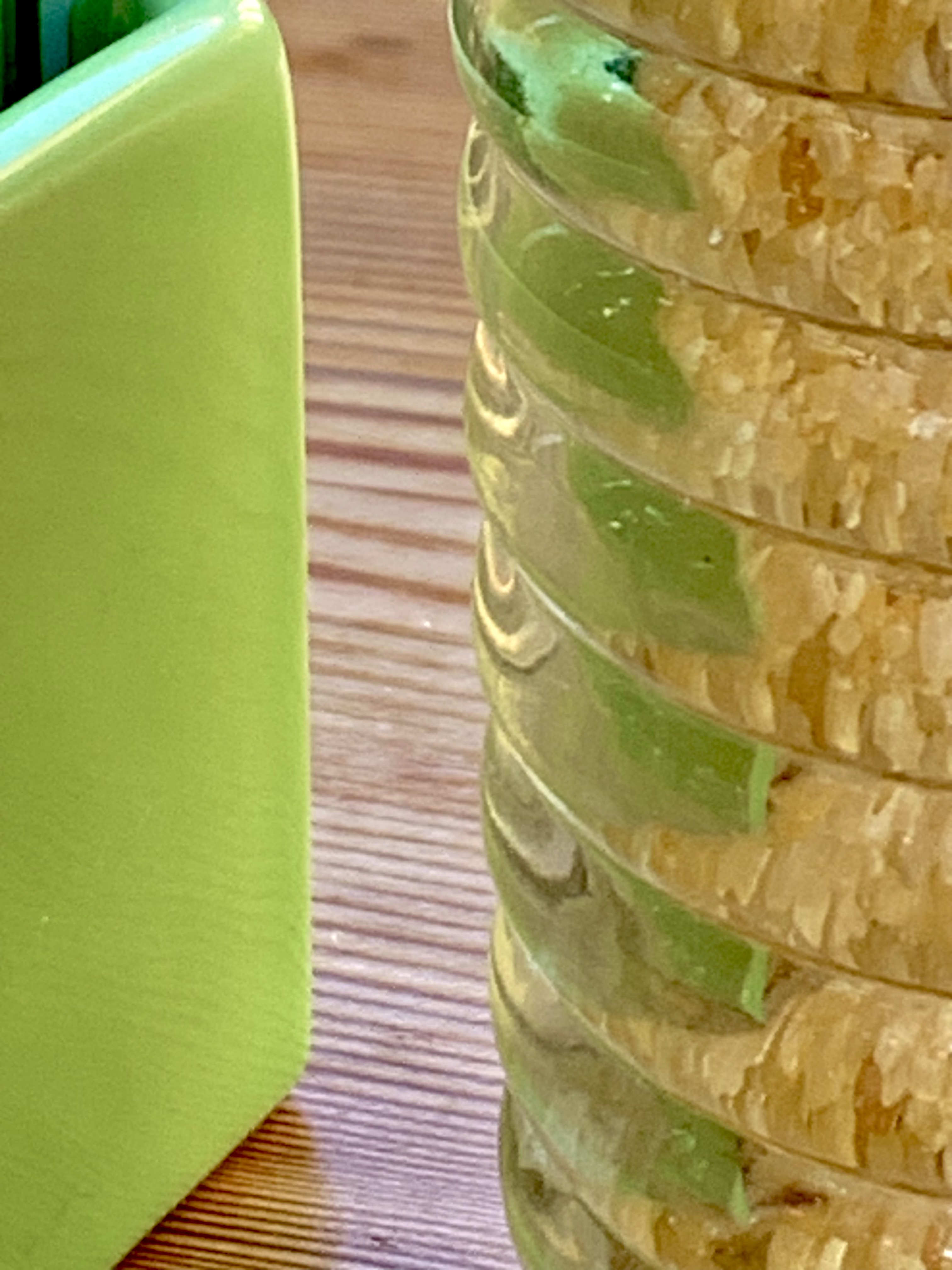
As usual, I found it, at least to my eye. 

Give it a shot. You’d be surprised where you can find beauty. 

—

——————-

Author Page on Amazon

Fit in Bits suggests many ways to work more fun, variety, and exercise into daily chores. 

Corn on the Cob is an essay on mindfulness and gratitude for simple things.

Fifteen Properties begins a series of posts about the fifteen properties that architect Christopher Alexander said characterized both natural beauty and good design. 

Maybe it Needs a New Starter is a poem about the beauty that might be found even in malfunction.

Levels of Beauty is a short picture essay about how you may find beauty at different levels.

Not Long the Daze is a short poem about finding beauty.

The Jewels of November is a longer poem about how sometimes simple beauty can be obscured by flash and dazzle.

Galactic Best is a short poem about the most wonderful planet we know of.

Kinda Crazy is a short poem about how one might perceive the world.

The Puppy’s Snapping Jaws is a short poem about a beautiful sound.

First Things First is a short poem about priorities.

What Line? Is a short poem about an important decision.

Travels with Sadie 5 — 2025 is Here

01 Wednesday Jan 2025

Posted by petersironwood in America, nature, pets

≈ 6 Comments

Tags

books, Democracy, dogs, fiction, fog, life, nature, pets, poetry, politics, truth, USA, writing

Happy New Year! 

I hope. 

Anyway, I welcome you to the New Year. Why not?


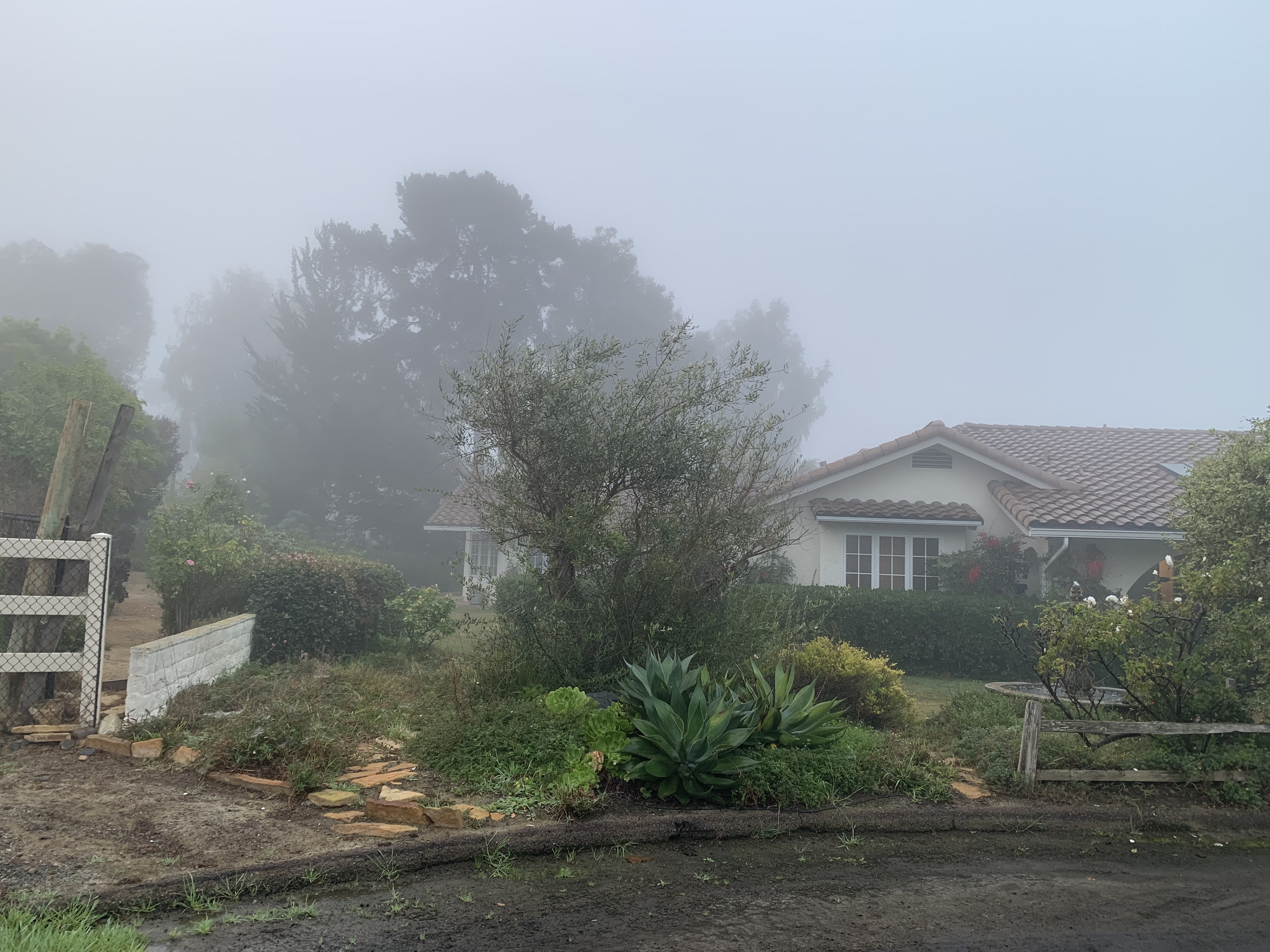
Fog. 

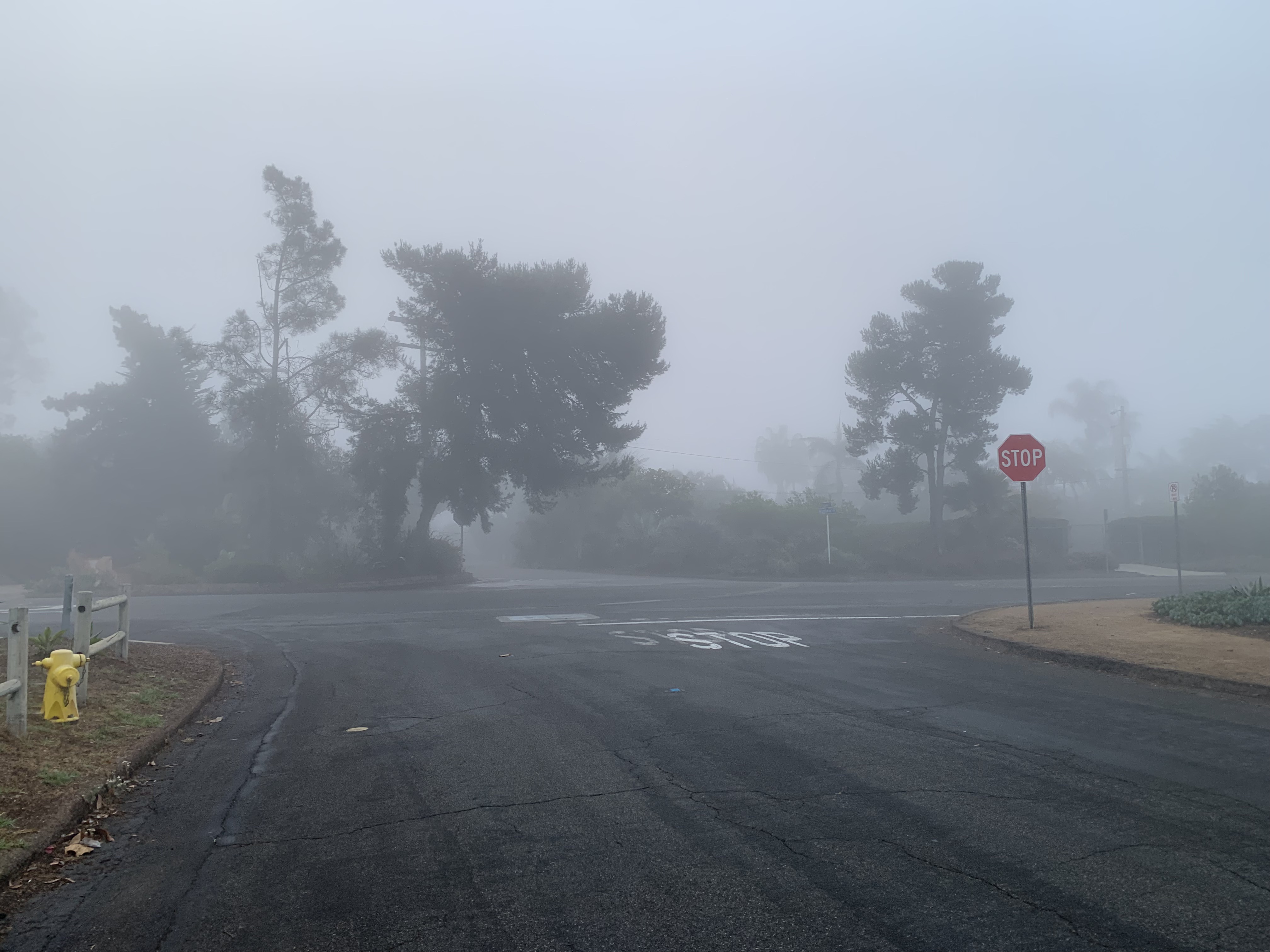
Our morning walk began, appropriately enough, in heavy fog. No sun. Cold. Damp. A slight but persistent icy wind. 

How appropriate, I thought. No sign of a sunrise. Not near here. 

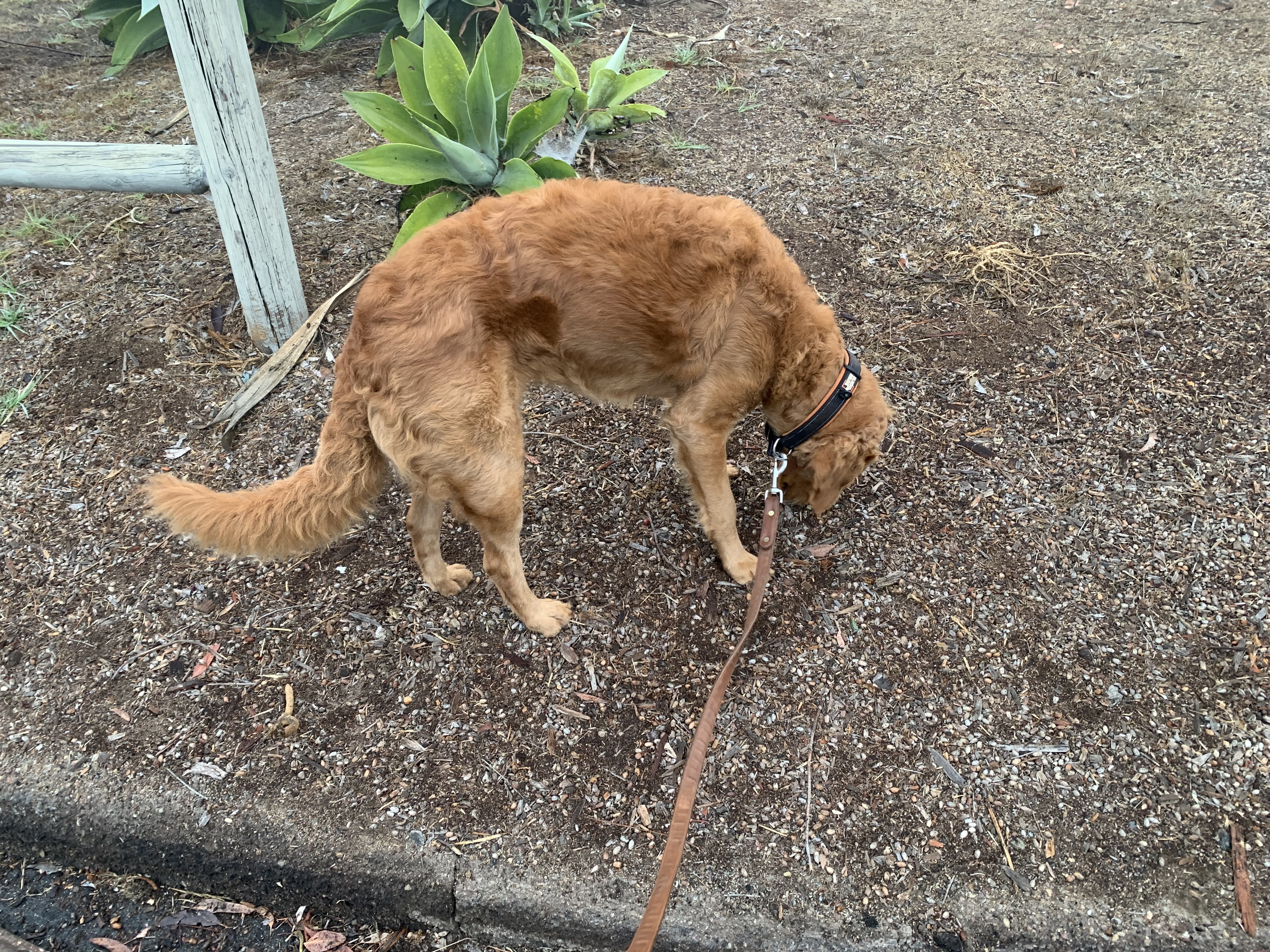
Sadie, however, seemed oblivious to the fog, the damp, the cold, the politics. Before our walk began, I told her we’d try walking without the shoulder harness but she’d have to do “Good Walking” with no Pulling. She’s strong and pulling hurts my back and knees but especially my ankles and arches. The harness helps prevent her from pulling, but doesn’t really eliminate it. 

She did good walking. 

And I noticed that, up close, she is still as beautiful as ever. No gold or red from the rising sun, but still beautiful. 

Indeed, the fog shrouds what is distant, but up close? Bright signs of beauty still beckon. If we bother to look. 

Looking more distantly–ominous, if not downright evil.

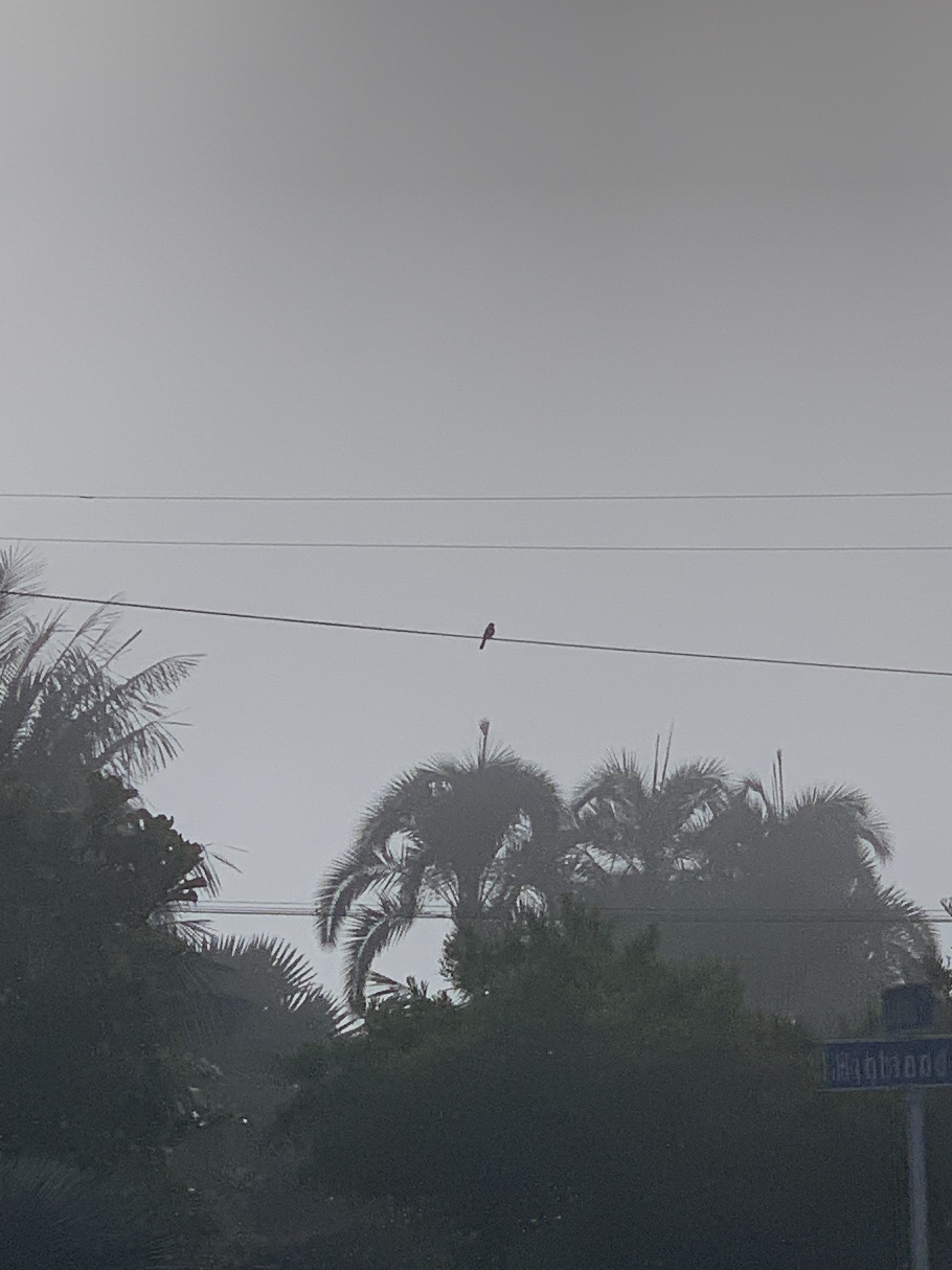
Even so, the lonely mourning dove coos on her thin wire perch.

Soon, the sun does begin to shine. Darkness, like cancer and greed, always eventually loses. 

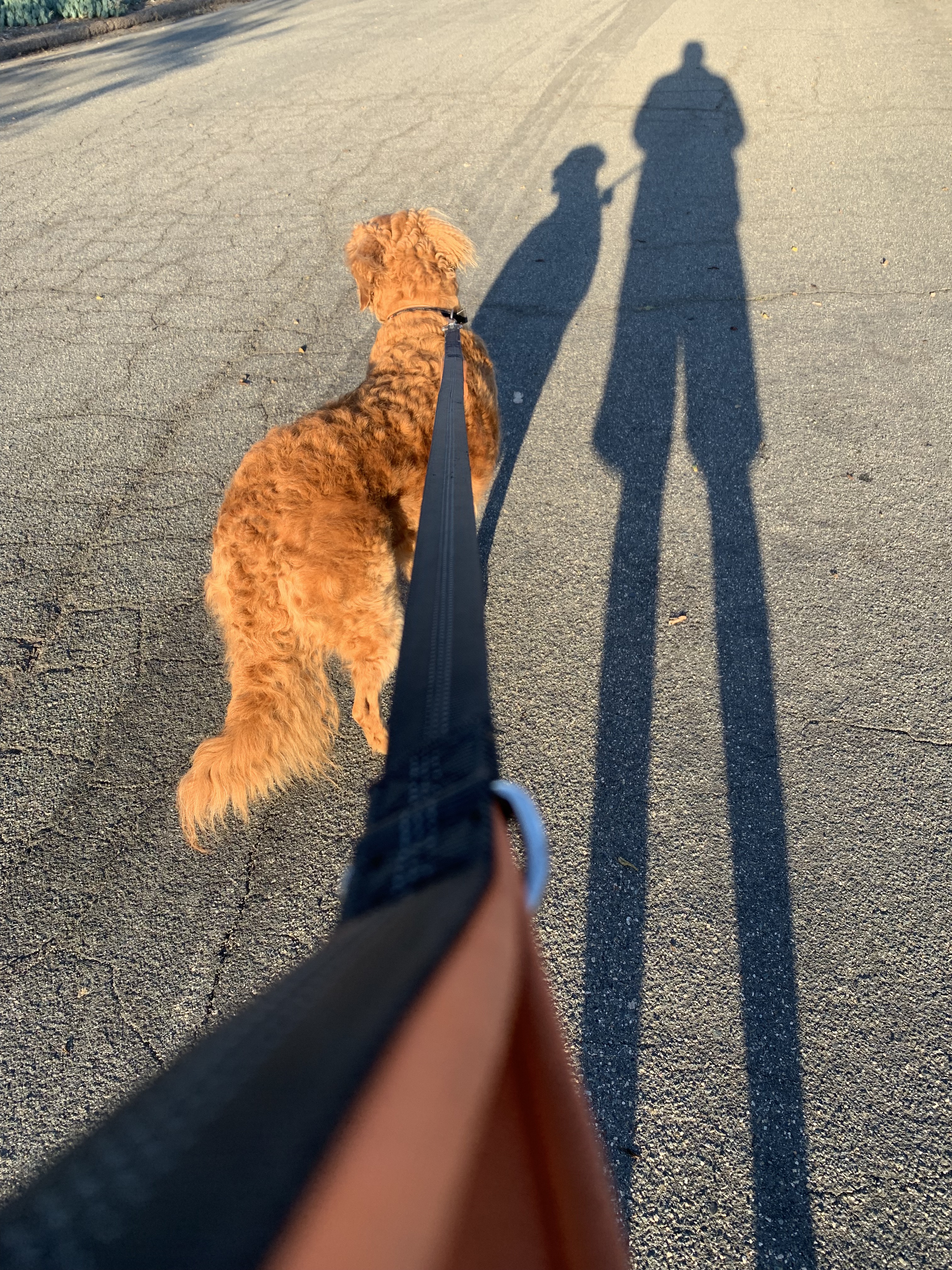
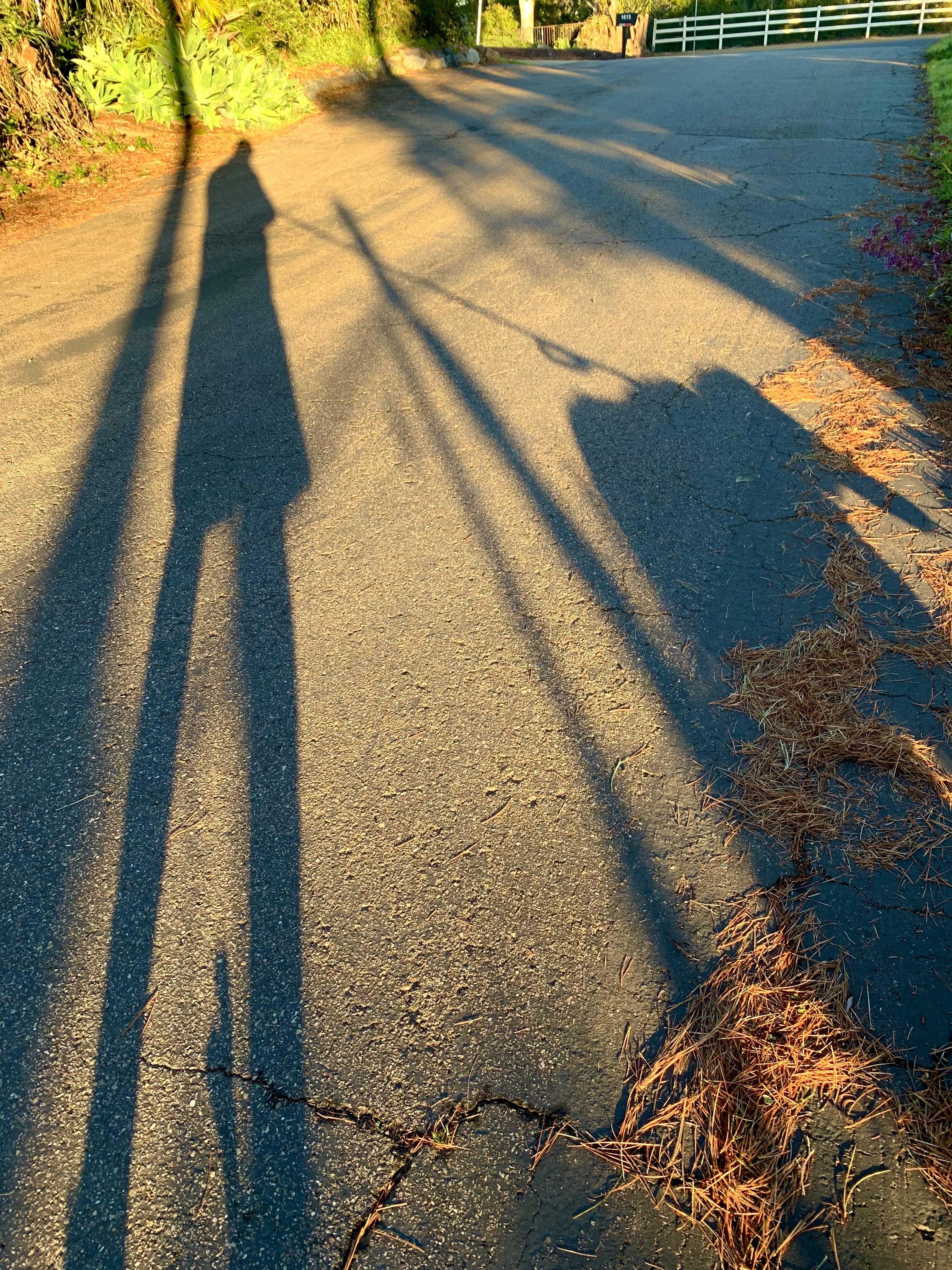
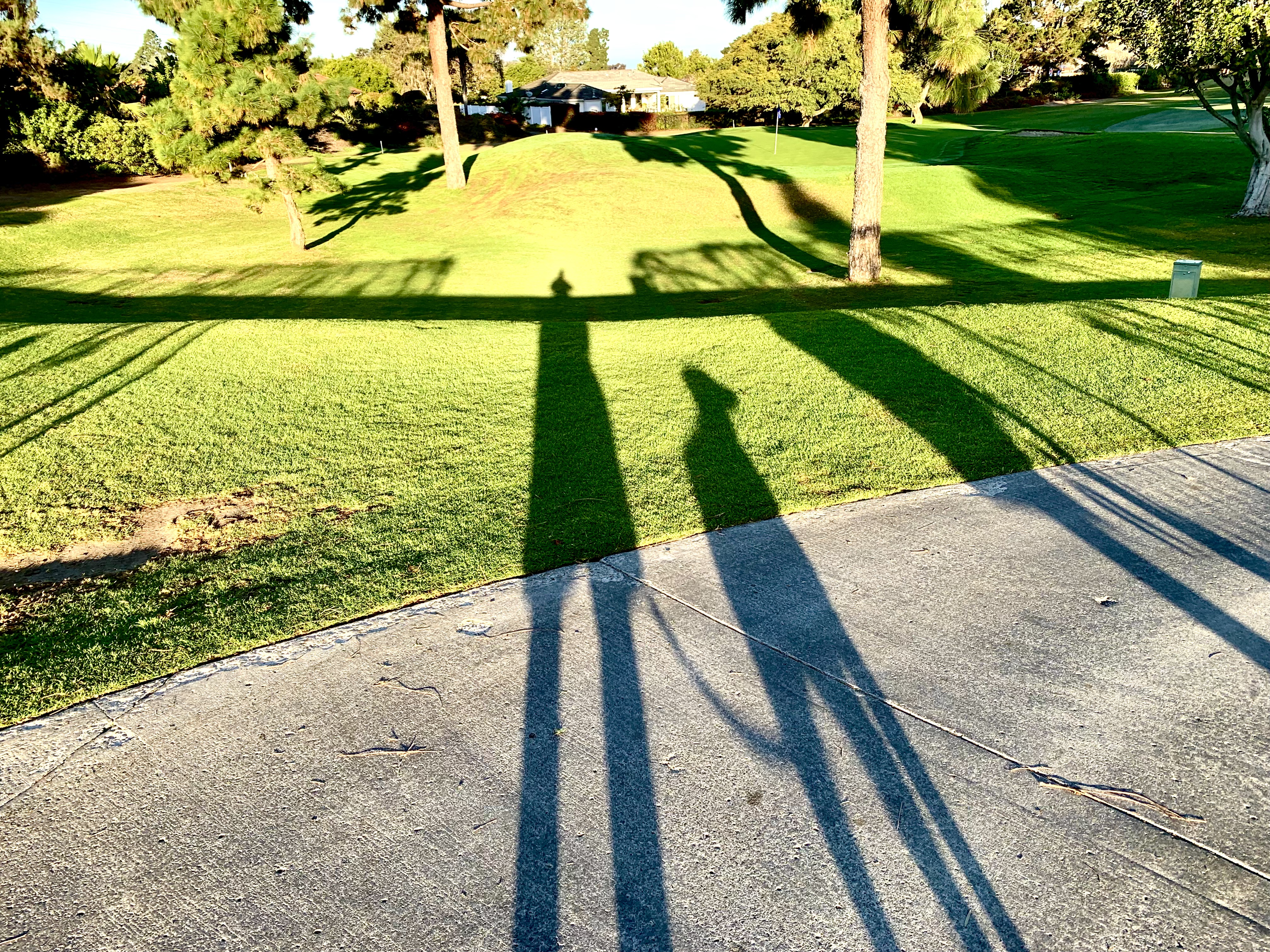
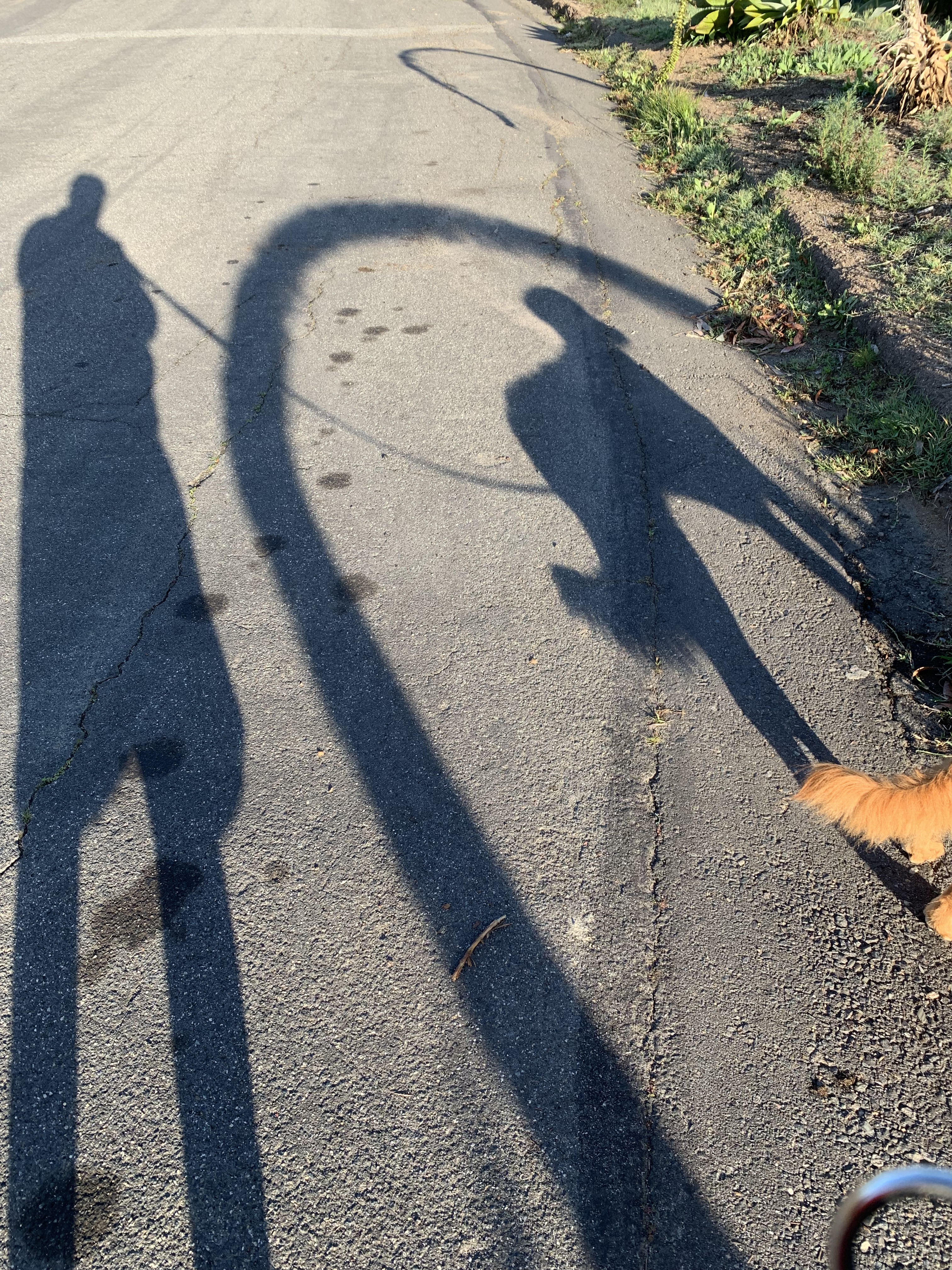
We cast a long shadow. 

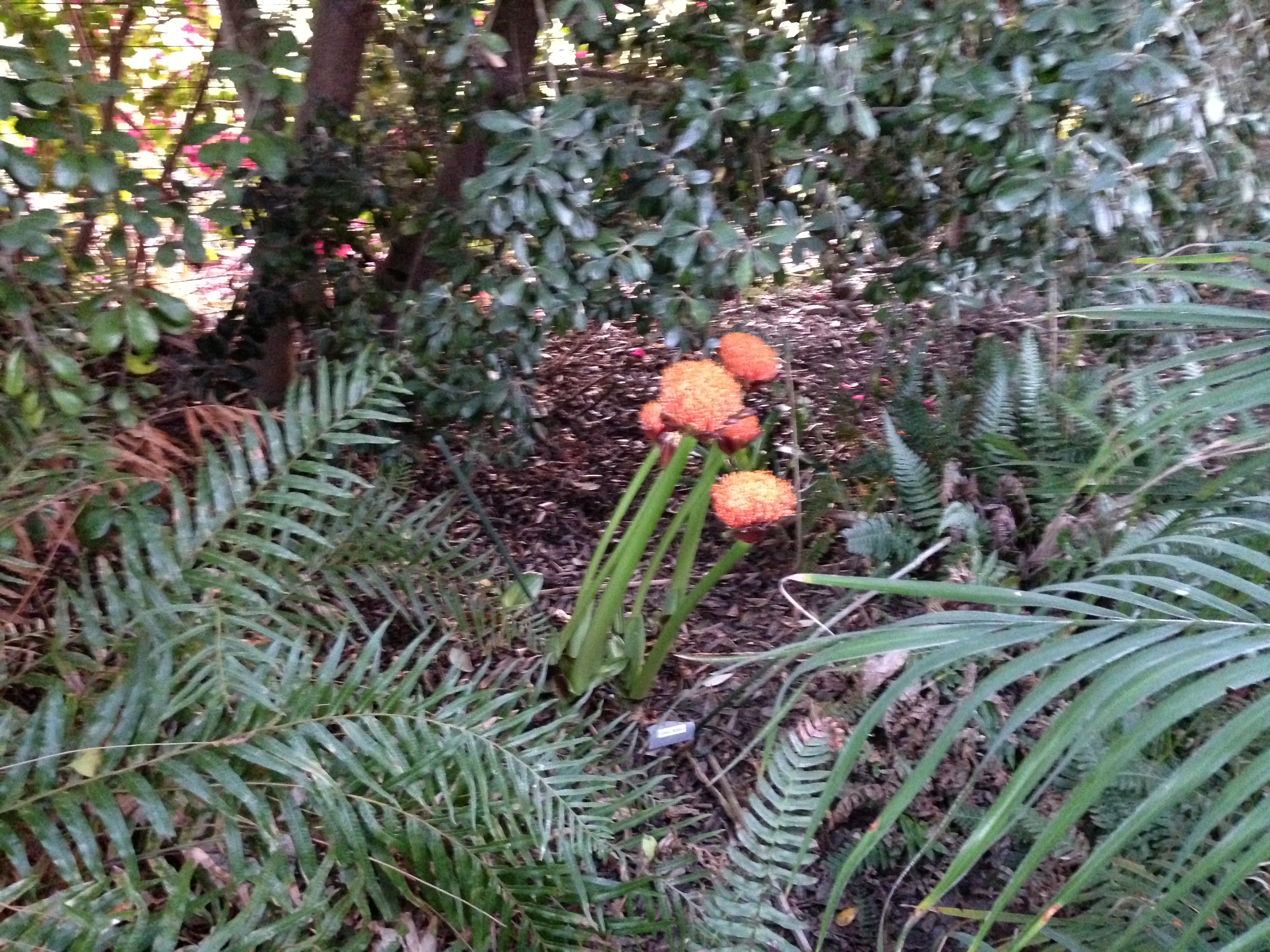
The bees still buzz their magic.

I look for patterns and they are there. 

I look for color and it is there. 

Thank you Sadie. 

—————-

Author page on Amazon

The Winning Weekend Warrior

Tales from an American Childhood

Fit in Bits

Turing’s Nightmares

Life is a Dance

Take a Glance; Join the Dance

Dance of Billions

Come to the Light Side

The First Ring of Empathy

A Pattern Language for Collaboration and Cooperation

Tools for Thinking

The Story of Story

Small Things

30 Monday Dec 2024

Posted by petersironwood in creativity, nature, psychology, sports

≈ 2 Comments

Tags

beauty, fitness, gratitude, health, life, mindfulness, plantar-fasciitis, sports, Tennis, truth

Those of you who might not have read every one of my hundreds of blog posts might have missed the story about my bout with “plantar fasciitis.” I had a persistent pain under my right heel. It was painful when I walked and I liked to walk every day. When I described the symptoms to some of my family and friends, more than one suggested I visit a podiatrist. A podiatrist, after all, is an expert in medical issues of the foot. 

I made an appointment and sure enough, she confirmed the diagnosis several of my friends had mentioned: “Plantar fasciitis.” She showed me an exercise to stretch the tendons of my foot; gave me a prescription for megadoses of a non-steroidal anti-inflammatory; and she cautioned me to stop walking so much until my symptoms improved. I followed this advice, but my foot actually began to hurt more. After about a week of this, I went back to walking and my symptoms improved but the pain was still there. 

A week later, I was watching TV with my wife and cats and in our nice warm dry basement (Shout out to Be-Dry). I often like to “fiddle with stuff.” On this particular occasion, I happened to “fiddle with” the sole insert in my shoes. I removed the insert and noticed that a small pebble had somehow managed to lodge itself under the heel of the insert on my right shoe. 

Now, when I call it a ‘pebble’ I do so simply because I don’t know of a better word. It was larger than a grain of sand, but not by much. When I say ‘pebble’ I’m afraid you might be thinking of something more like the pretty pebbles that one might find beach-combing. You would not have seen this ‘pebble’ unless you were crawling along the beach with your nose about two inches from the ground. It was about the size of a lower case ‘o’ in this font size. Hard. Sharp. But tiny! I thought could this possibly be the source of my pain? No. No. It’s much too small.

Nonetheless, I removed it and my ‘plantar fasciitis’ disappeared. 

I was reminded of this today walking my dog Sadie who most often walks with her nose almost on the ground. Sometimes, I see a distinct wet stain that she stops and examines. Most times, I have no idea what she is sniffing at. I presume it’s often a bush leaf where the scent of another dog is particular strong. She pays attention to places I have seen a rabbit or bird earlier. She likes to retrace the path that our other dog Bailey took if I happened to have taken him out to pee. But it isn’t only where he’s peed. She seems to know the path he walked. Similarly, if I have taken the car somewhere in the last 48 hours, she goes over and sniffs that. She sniffs at my door only if I drive somewhere alone. But if I go to the grocery store, she also sniffs at each door that I have take groceries out of. 

Yes. We all know dogs have a good sense of smell. But—seriously—how many molecules can she sense? Apparently, dogs can detect some smells in concentrations as small as 1-10 molecules per milliliter of liquid. A very small number of molecules could spell the difference between an escaped prisoner being tracked and recaptured or escaping to a new country and enjoying decades of freedom. Small thing—big effect.


I recall reading a science book as a youngster that showed a man holding a test tube. At the bottom of the test tube was a small amount of white powder. The caption said that this was enough botulism toxin to kill everyone on the planet if properly distributed. That seems an odd use of the word ‘properly’ but leaving that aside, it is clearly extremely toxic. How does the toxin work? It interferes with your internal communication system. Your brain sends a signal to your diaphragm muscle to contract, but the signal never gets to the muscle. Small thing—big effect. 

Small things having big effects is not always about small things causing problems. Small things can also be important in having big effects in a positive way. For example, if you do such a small thing as look around you for beauty, you will often find it. If you don’t, look harder. If you still don’t, then create some or go elsewhere. If you make this small habit, over the course of your entire life, you will fill your brain with much more beauty. That is no small thing. It will impact your health and your behavior toward others. Small thing—big effect. 

There are many examples from sports. Most athletes realize that they it helps to have a physical routine that is unvarying before throwing a baseball pitch, hitting a tee shot in golf, or hitting a tennis serve. Fewer realize that it’s equally important to have a consistent mental routine as well. I found it useful before every golf shot to say to myself, “Hit it perfect—like you know you can.” 

Small things can also make a big difference in terms of what you observe. For instance, in my tennis group, there were, for a time, a high proportion of left handed players. Roughly half of the players were lefties, though only about 10% of the population is left-handed. Of course, it’s fairly obvious immediately that one’s opponent is left-handed. A clear implication is that what constitutes a backhand and forehand are on different sides. A more subtle difference is from the natural sidespin that is put on a shot. A forehand topspin shot, as the name implies, is mainly topspin. Some players hit a fairly flat shot while others—notably Rafa Nadal and, more recently, Carlos Alcaraz, can hit with tremendous top-spin. This shot also has somewhat of a sidespin component and that varies from player to player. Although professionals can alter the degree of sidespin, the amateurs I play with have a habitual way of hitting the ball. As the ball strikes the ground, a right-hander’s shot toward my side of the court will bounce slightly to my right while a  left-hander’s ball will bounce slightly to my left. This means that positioning my feet optimally for the return shot will be somewhat different for various players. 

There are many small differences in how people play. If you notice such differences, you can do a much better job of “reading” what type of shot a player will hit, where they are aiming, and so on. The differences are slight but cumulatively, the impact of noticing such differences is considerable. Small thing—big effect. 

I don’t like to receive flattery and I don’t like to flatter people either. However, I do make a habit of giving people compliments. If you are observant, this is usually easy to do because most people are doing good things most of the time. When I play tennis, for example, my partners and my opponents will often hit excellent shots. I comment on it. It makes for a better game. Over time, it’s better for everyone. Never admit aloud your opponent has just hit a good shot? Keep on your game face? Not my thing. Why make life grimmer and meaner? Someone hits a great serve or a good tee shot or sinks a long putt, I compliment them. I’m impressed. So why not share that feeling? Small thing—big effect. 

————

How the Nightingale Learned to Sing

Roar, Ocean, Roar

Imagine all the People

Dance of Billions

Life is a Dance

Take a Glance; Join the Dance

Author Page on Amazon

The Winning Weekend Warrior 

← Older posts

Subscribe

  • Entries (RSS)
  • Comments (RSS)

Archives

  • February 2026
  • January 2026
  • December 2025
  • November 2025
  • October 2025
  • September 2025
  • August 2025
  • July 2025
  • June 2025
  • May 2025
  • April 2025
  • March 2025
  • February 2025
  • January 2025
  • December 2024
  • November 2024
  • October 2024
  • September 2024
  • July 2024
  • April 2024
  • March 2024
  • February 2024
  • January 2024
  • December 2023
  • August 2023
  • July 2023
  • May 2023
  • April 2023
  • March 2023
  • February 2023
  • January 2023
  • December 2022
  • November 2022
  • October 2022
  • September 2022
  • August 2022
  • July 2022
  • June 2022
  • May 2022
  • April 2022
  • March 2022
  • February 2022
  • January 2022
  • December 2021
  • November 2021
  • October 2021
  • September 2021
  • August 2021
  • July 2021
  • June 2021
  • May 2021
  • April 2021
  • March 2021
  • February 2021
  • January 2021
  • December 2020
  • November 2020
  • October 2020
  • September 2020
  • August 2020
  • July 2020
  • June 2020
  • May 2020
  • April 2020
  • March 2020
  • February 2020
  • January 2020
  • December 2019
  • November 2019
  • October 2019
  • September 2019
  • August 2019
  • July 2019
  • June 2019
  • May 2019
  • April 2019
  • March 2019
  • February 2019
  • January 2019
  • December 2018
  • November 2018
  • October 2018
  • September 2018
  • August 2018
  • July 2018
  • June 2018
  • May 2018
  • April 2018
  • March 2018
  • February 2018
  • January 2018
  • December 2017
  • November 2017
  • October 2017
  • September 2017
  • August 2017
  • July 2017
  • June 2017
  • May 2017
  • April 2017
  • March 2017
  • February 2017
  • January 2017
  • December 2016
  • November 2016
  • October 2016
  • September 2016
  • August 2016
  • July 2016
  • June 2016
  • May 2016
  • April 2016
  • March 2016
  • February 2016
  • January 2016
  • December 2015
  • November 2015
  • October 2015
  • September 2015
  • August 2015
  • May 2015
  • January 2015
  • July 2014
  • January 2014
  • December 2013
  • November 2013

Categories

  • AI
  • America
  • apocalypse
  • cats
  • COVID-19
  • creativity
  • design rationale
  • dogs
  • driverless cars
  • essay
  • family
  • fantasy
  • fiction
  • HCI
  • health
  • management
  • nature
  • pets
  • poetry
  • politics
  • psychology
  • Sadie
  • satire
  • science
  • sports
  • story
  • The Singularity
  • Travel
  • Uncategorized
  • user experience
  • Veritas
  • Walkabout Diaries

Meta

  • Create account
  • Log in

Blog at WordPress.com.

  • Subscribe Subscribed
    • petersironwood
    • Join 661 other subscribers
    • Already have a WordPress.com account? Log in now.
    • petersironwood
    • Subscribe Subscribed
    • Sign up
    • Log in
    • Report this content
    • View site in Reader
    • Manage subscriptions
    • Collapse this bar
 

Loading Comments...