It’s kind of a fun game. “Find Waldo.” Or, “Find the Pig in the Clouds.” And—once you find it, you typically find it immediately the next time.
Here’s a variant that I like: “Find the Beauty.”
The idea is simple. You go to an art gallery or a museum and it’s fairly easy to find the beauty. No big surprise there.
Go into a natural setting and you’re often absolutely surrounded by beauty at many different levels of scale.
Go to see a world-famous architectural achievement, and you will see beauty.
But—you know what? There’s also beauty to be found in many ordinary and every day places and circumstances. Since you can’t always control where you are, it’s a good skill to find that beauty wherever you are.
Today, Wendy and I took Sadie and Bailey out to one of our favorite dog-friendly restaurants. We had a very long wait. None of the four of us is high on the scale of patience. When we finally sat down, however, the dogs were very well-behaved.
While we waited for our food to arrive, I looked around for Waldo.
He wasn’t there. In fact, no-one even had a checkered shirt on.
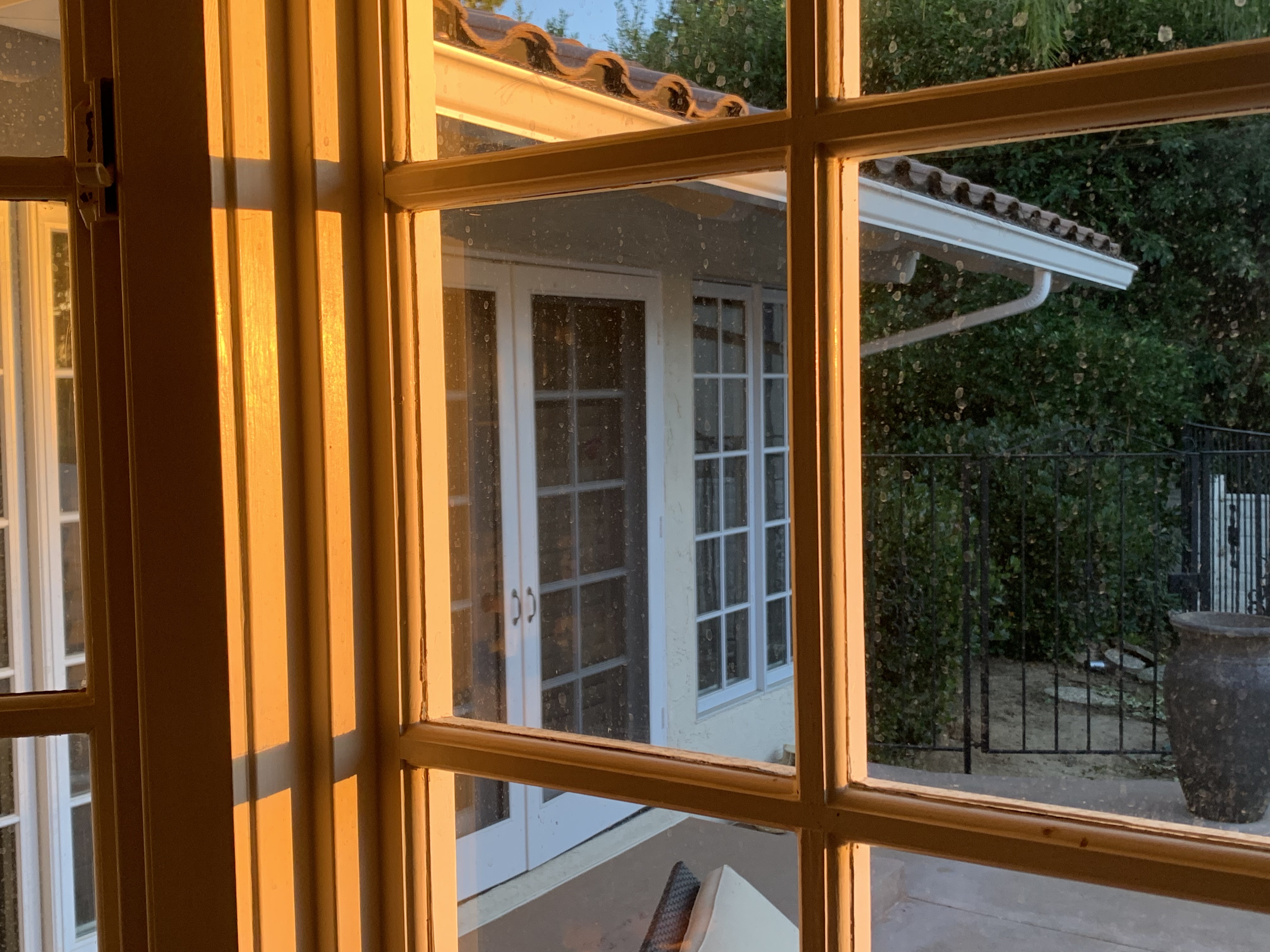
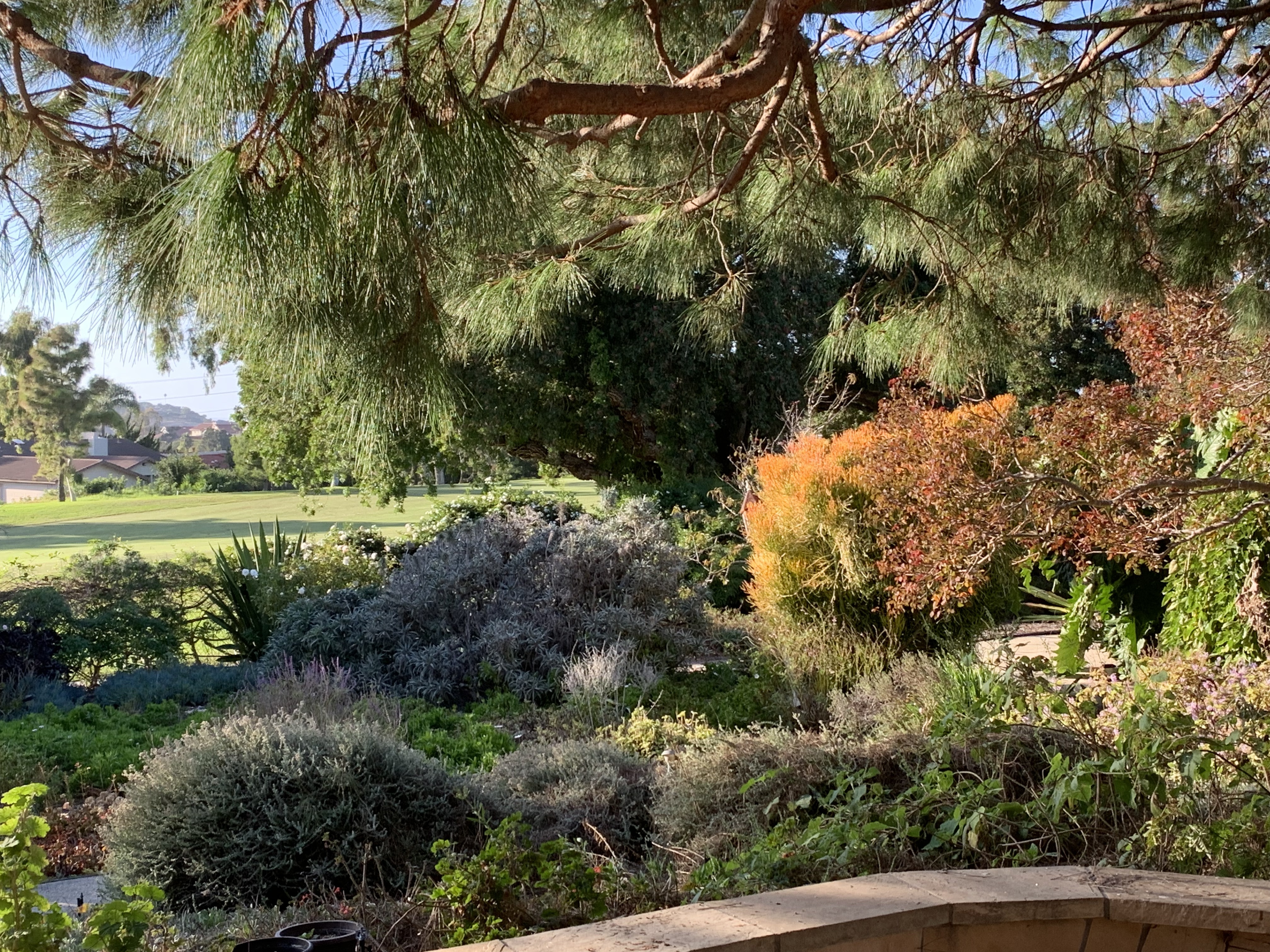
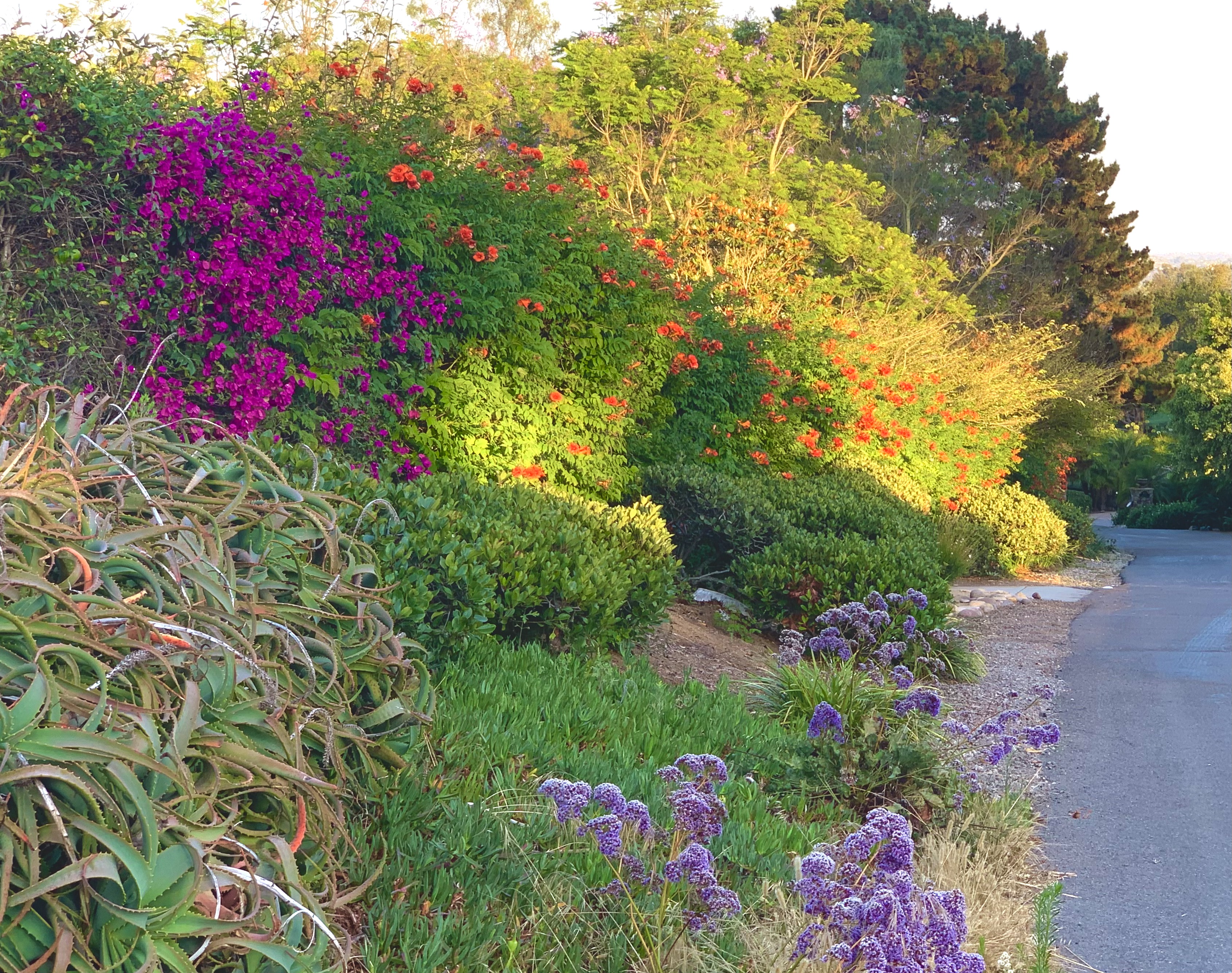
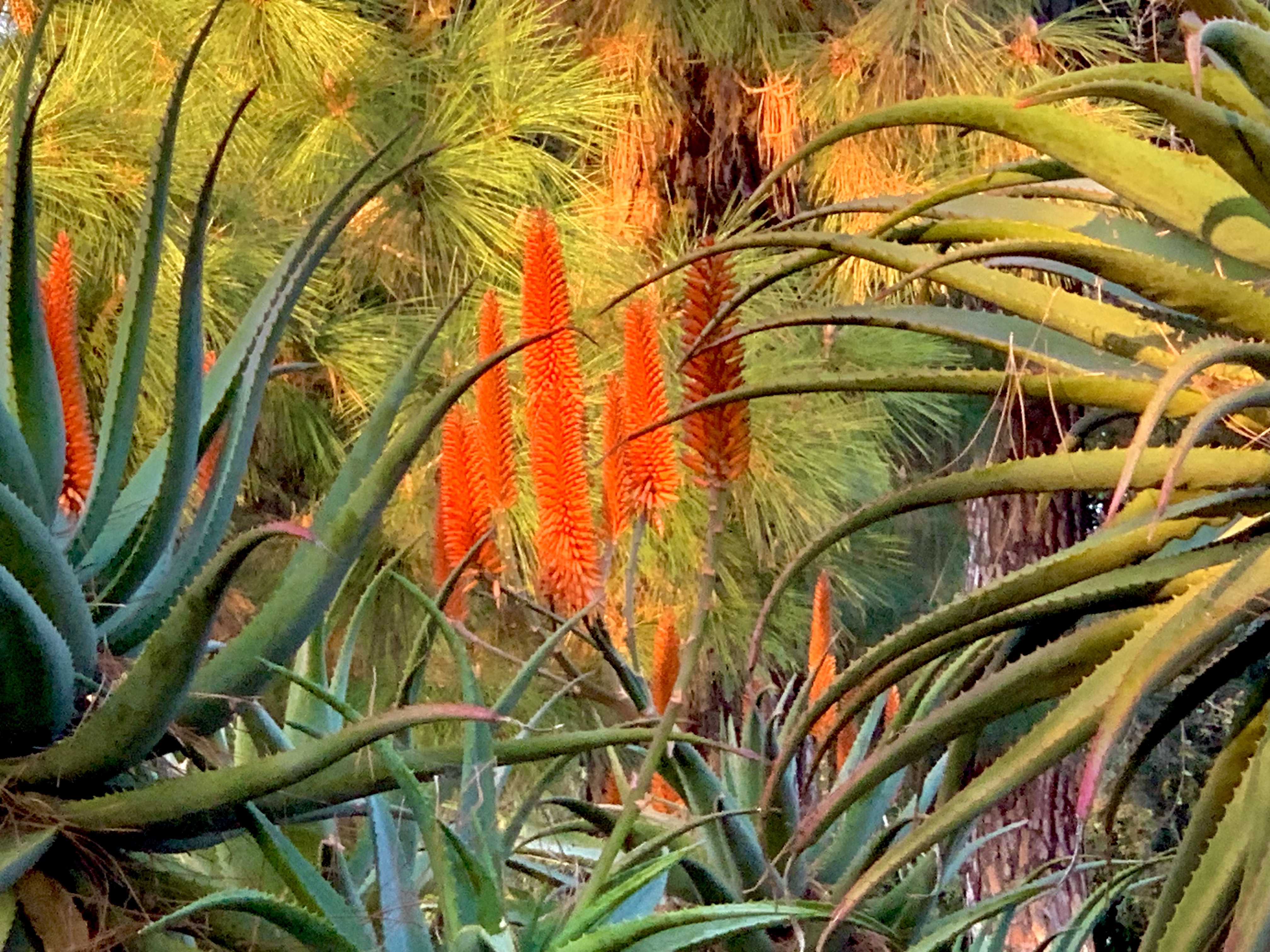
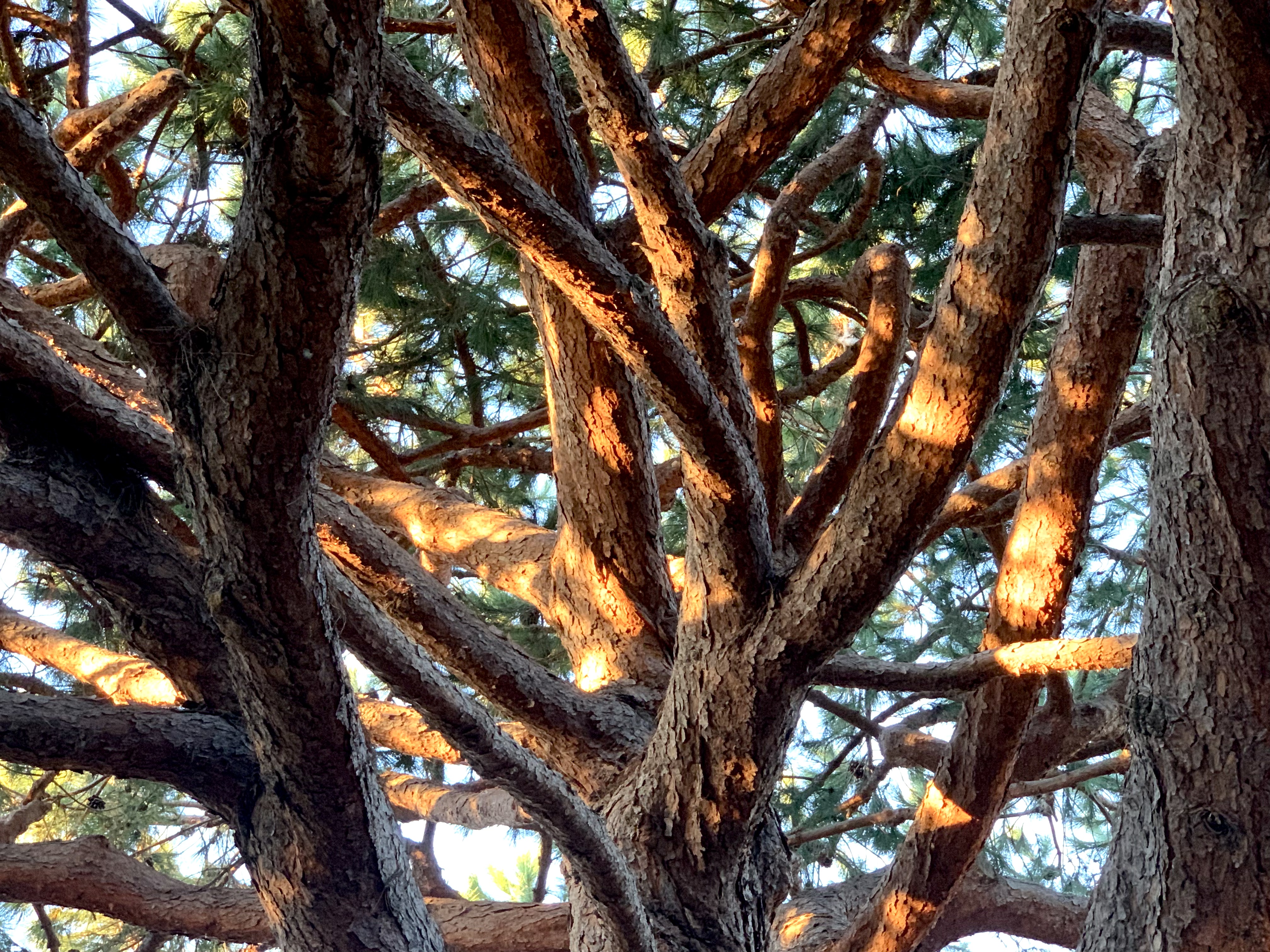
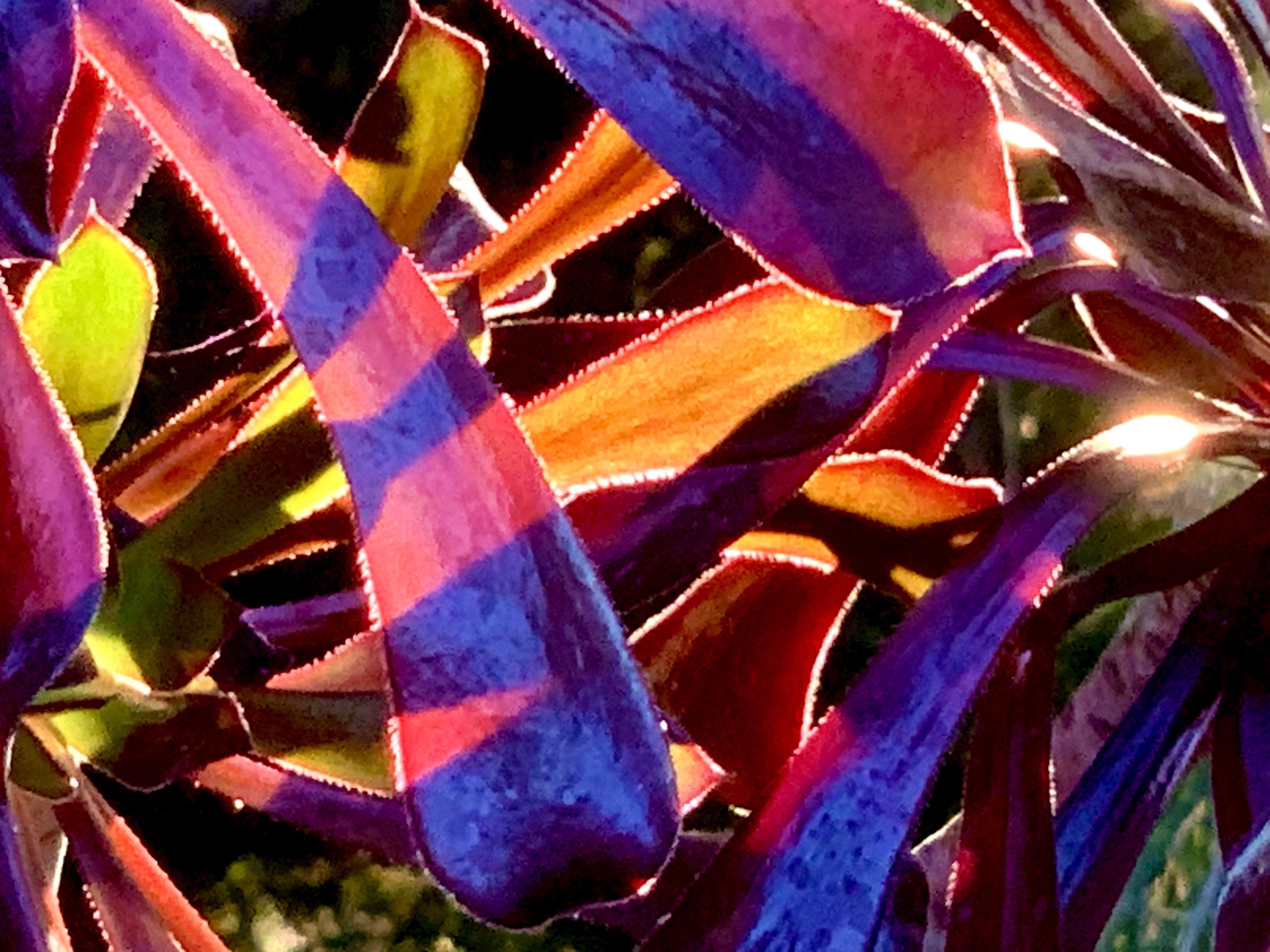
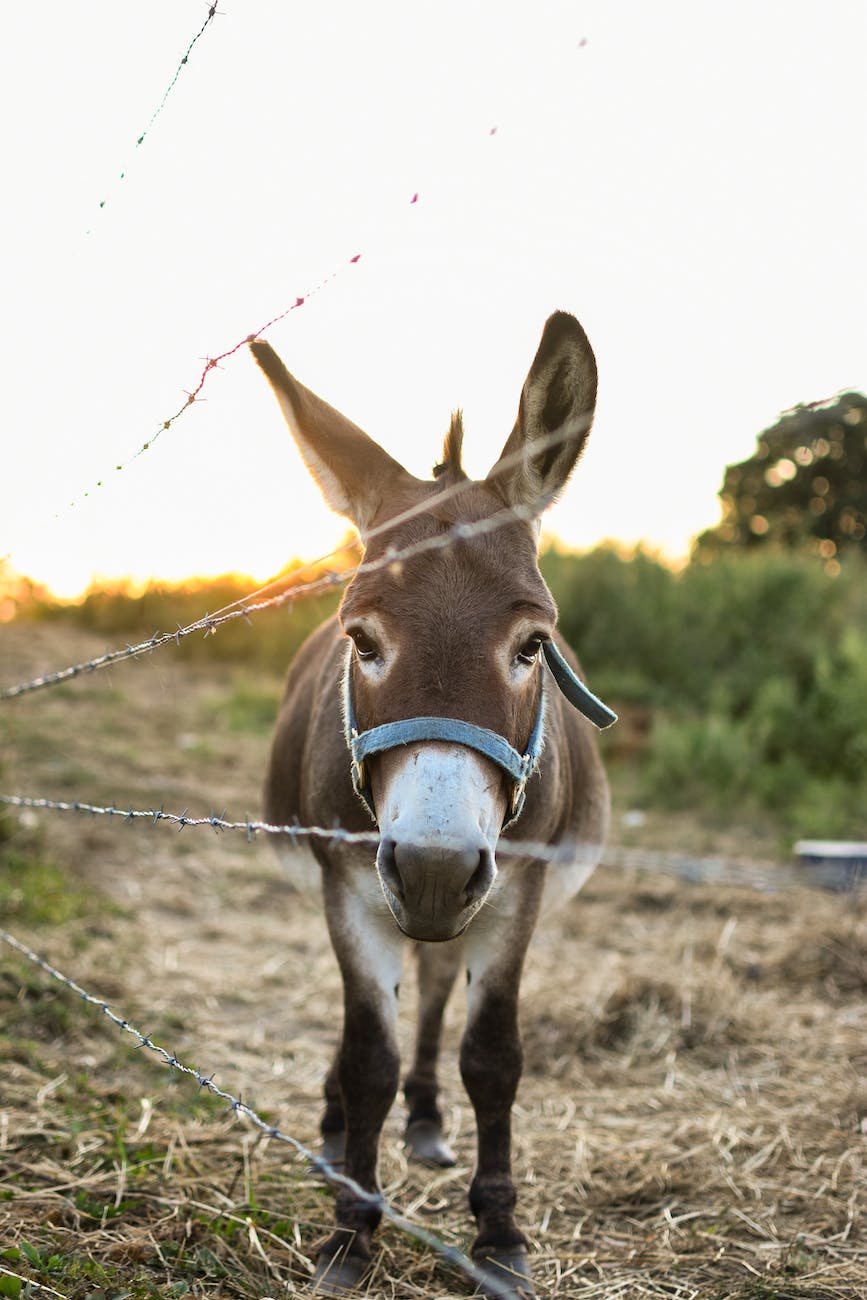
So, instead, I looked around for beauty.
As usual, I found it, at least to my eye.
Give it a shot. You’d be surprised where you can find beauty.
Fit in Bits suggests many ways to work more fun, variety, and exercise into daily chores.
Corn on the Cob is an essay on mindfulness and gratitude for simple things.
Fifteen Properties begins a series of posts about the fifteen properties that architect Christopher Alexander said characterized both natural beauty and good design.
Those of you who might not have read every one of my hundreds of blog posts might have missed the story about my bout with “plantar fasciitis.” I had a persistent pain under my right heel. It was painful when I walked and I liked to walk every day. When I described the symptoms to some of my family and friends, more than one suggested I visit a podiatrist. A podiatrist, after all, is an expert in medical issues of the foot.
I made an appointment and sure enough, she confirmed the diagnosis several of my friends had mentioned: “Plantar fasciitis.” She showed me an exercise to stretch the tendons of my foot; gave me a prescription for megadoses of a non-steroidal anti-inflammatory; and she cautioned me to stop walking so much until my symptoms improved. I followed this advice, but my foot actually began to hurt more. After about a week of this, I went back to walking and my symptoms improved but the pain was still there.
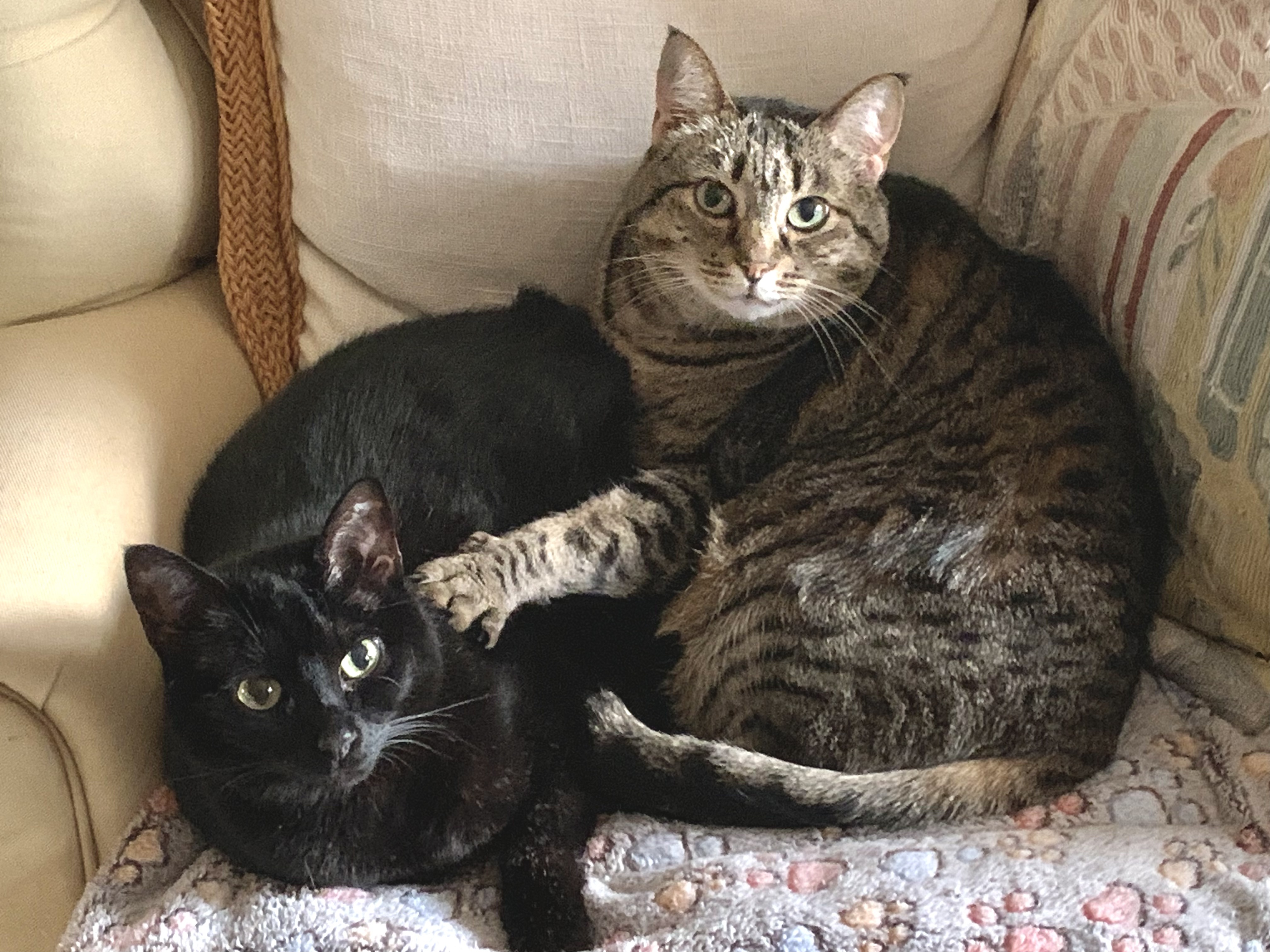
A week later, I was watching TV with my wife and cats and in our nice warm dry basement (Shout out to Be-Dry). I often like to “fiddle with stuff.” On this particular occasion, I happened to “fiddle with” the sole insert in my shoes. I removed the insert and noticed that a small pebble had somehow managed to lodge itself under the heel of the insert on my right shoe.
Now, when I call it a ‘pebble’ I do so simply because I don’t know of a better word. It was larger than a grain of sand, but not by much. When I say ‘pebble’ I’m afraid you might be thinking of something more like the pretty pebbles that one might find beach-combing. You would not have seen this ‘pebble’ unless you were crawling along the beach with your nose about two inches from the ground. It was about the size of a lower case ‘o’ in this font size. Hard. Sharp. But tiny! I thought could this possibly be the source of my pain? No. No. It’s much too small.
Nonetheless, I removed it and my ‘plantar fasciitis’ disappeared.
I was reminded of this today walking my dog Sadie who most often walks with her nose almost on the ground. Sometimes, I see a distinct wet stain that she stops and examines. Most times, I have no idea what she is sniffing at. I presume it’s often a bush leaf where the scent of another dog is particular strong. She pays attention to places I have seen a rabbit or bird earlier. She likes to retrace the path that our other dog Bailey took if I happened to have taken him out to pee. But it isn’t only where he’s peed. She seems to know the path he walked. Similarly, if I have taken the car somewhere in the last 48 hours, she goes over and sniffs that. She sniffs at my door only if I drive somewhere alone. But if I go to the grocery store, she also sniffs at each door that I have take groceries out of.
Yes. We all know dogs have a good sense of smell. But—seriously—how many molecules can she sense? Apparently, dogs can detect some smells in concentrations as small as 1-10 molecules per milliliter of liquid. A very small number of molecules could spell the difference between an escaped prisoner being tracked and recaptured or escaping to a new country and enjoying decades of freedom. Small thing—big effect.
I recall reading a science book as a youngster that showed a man holding a test tube. At the bottom of the test tube was a small amount of white powder. The caption said that this was enough botulism toxin to kill everyone on the planet if properly distributed. That seems an odd use of the word ‘properly’ but leaving that aside, it is clearly extremely toxic. How does the toxin work? It interferes with your internal communication system. Your brain sends a signal to your diaphragm muscle to contract, but the signal never gets to the muscle. Small thing—big effect.
Small things having big effects is not always about small things causing problems. Small things can also be important in having big effects in a positive way. For example, if you do such a small thing as look around you for beauty, you will often find it. If you don’t, look harder. If you still don’t, then create some or go elsewhere. If you make this small habit, over the course of your entire life, you will fill your brain with much more beauty. That is no small thing. It will impact your health and your behavior toward others. Small thing—big effect.
There are many examples from sports. Most athletes realize that they it helps to have a physical routine that is unvarying before throwing a baseball pitch, hitting a tee shot in golf, or hitting a tennis serve. Fewer realize that it’s equally important to have a consistent mental routine as well. I found it useful before every golf shot to say to myself, “Hit it perfect—like you know you can.”
Small things can also make a big difference in terms of what you observe. For instance, in my tennis group, there were, for a time, a high proportion of left handed players. Roughly half of the players were lefties, though only about 10% of the population is left-handed. Of course, it’s fairly obvious immediately that one’s opponent is left-handed. A clear implication is that what constitutes a backhand and forehand are on different sides. A more subtle difference is from the natural sidespin that is put on a shot. A forehand topspin shot, as the name implies, is mainly topspin. Some players hit a fairly flat shot while others—notably Rafa Nadal and, more recently, Carlos Alcaraz, can hit with tremendous top-spin. This shot also has somewhat of a sidespin component and that varies from player to player. Although professionals can alter the degree of sidespin, the amateurs I play with have a habitual way of hitting the ball. As the ball strikes the ground, a right-hander’s shot toward my side of the court will bounce slightly to my right while a left-hander’s ball will bounce slightly to my left. This means that positioning my feet optimally for the return shot will be somewhat different for various players.
There are many small differences in how people play. If you notice such differences, you can do a much better job of “reading” what type of shot a player will hit, where they are aiming, and so on. The differences are slight but cumulatively, the impact of noticing such differences is considerable. Small thing—big effect.
I don’t like to receive flattery and I don’t like to flatter people either. However, I do make a habit of giving people compliments. If you are observant, this is usually easy to do because most people are doing good things most of the time. When I play tennis, for example, my partners and my opponents will often hit excellent shots. I comment on it. It makes for a better game. Over time, it’s better for everyone. Never admit aloud your opponent has just hit a good shot? Keep on your game face? Not my thing. Why make life grimmer and meaner? Someone hits a great serve or a good tee shot or sinks a long putt, I compliment them. I’m impressed. So why not share that feeling? Small thing—big effect.
A few weeks ago, in preparing for a blog on the concept of “coming home,” I used a popular search engine to find out how far the sun moves in one year as it speeds through the galaxy. Before listing links, the search engine first provided an AI summary answer to questions. It gave an apt answer that seemed quantitatively correct. Then, astoundingly, it added the gratuitous gem: “This is called a light year.”
It isn’t of course. A light year is how far light travels in a year, not how far the sun travels in a year. The sun travels at 6,942,672,000 kilometers per year. A light year is 9.46 trillion kilometers; more than a thousand times farther. It’s understandable in the sense that the word “sun” is often used in the same or similar contexts as “light.” But it’s an egregious error to be off by a factor of 1000. It would be like asking me how much my dog weighs and I answer 55,000 pounds instead of 55 pounds. A standard field for American football is 100 yards, not 100,000 yards (over 56 miles!).
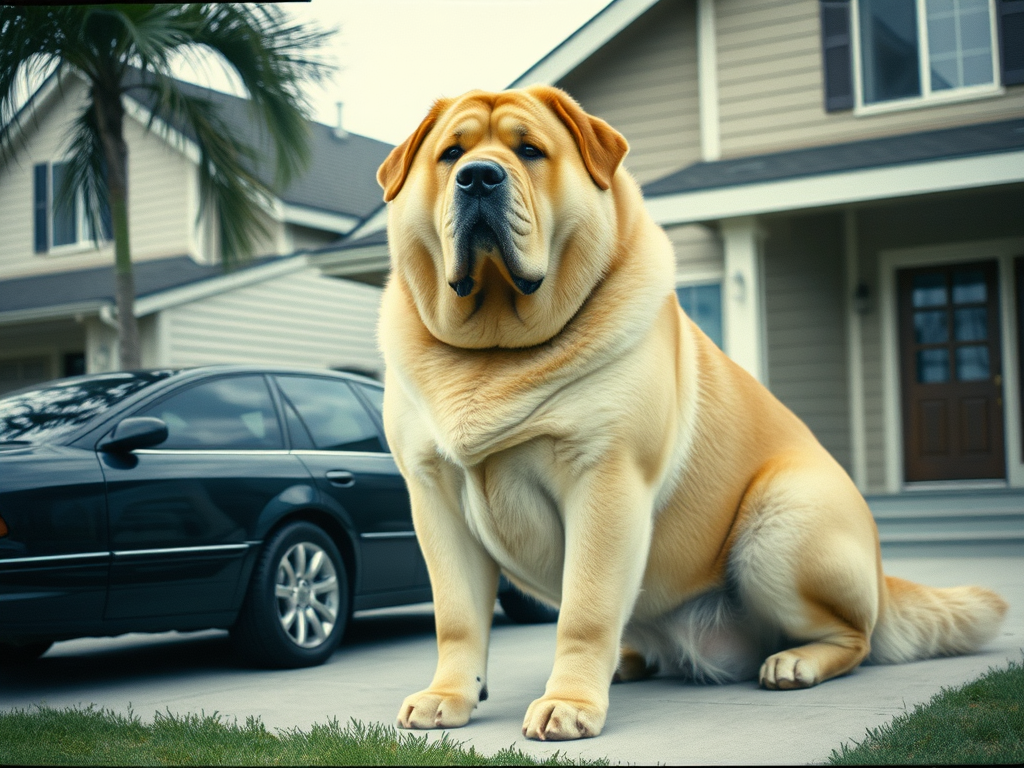
Generated by AI — note the location of the tire! I asked for a 55,000 pound dog, but this looks about the same size as the car which likely weighs far less than 55,000 pounds.
When I checked back a few days later, the offended nonsense no longer appeared. I have no idea how that happened. I forgot about this apparent glitch until Thanksgiving dinner. The topic came up of Arabic and I mentioned that I studied a little in anticipation of a work assignment that might make it useful. I mentioned that in Arabic, not only are nouns and adjectives gender-marked but so are verbs. One of the other guests said, “Yes, just like in Spanish and French.” I said, “No, that’s not right. German, Spanish, and French mark adjectives and nouns with gender but not verbs.” But they were insistent so I checked on my iPhone using the search engine. To my astonishment, in response to the question, “Which languages mark verbs with gender?” I got the following answer:
“Languages like French, Spanish, German, Italian, Portuguese, and most Slavic languages mark gender in verbs, meaning the verb conjugation changes depending on the grammatical gender of the subject noun; essentially, a verb will have different forms depending on whether the subject is masculine or feminine.”
This is not so. And, in the next paragraph, incredibly, there are examples given, but in the examples, the verbs are not marked differently at all! The AI had made an error, but an error that at least one human being had also made.
Now, I sensed a challenge. Can I construct another such query with a predicted “bad logic” result? Is there a common element of “misunderstanding” between the two cases? Intuitively, it feels as though there’s a way in which these two errors are similar though I’m not sure I can put a name to it. Perhaps it’s something like: “A is strongly associated with B and B is strongly associated with C, so A is strongly associated with C.” That’s typically not even a fallacy. The fallacy comes with actually equating A and C because they are strongly associated.
It reminds me of several things. First, my wonderful dog Sadie knows the meanings of many words—at least in some sense of “knows the meaning of.” When we go for a walk, and other dogs come into view, I remark on it: “Oh, here comes a doggie” or “There’s someone walking with their dog.” Or, when a dog barks in the distance, I say, “I hear a doggie.” For several weeks prior to getting her little brother Bailey, my wife and I would tell her something like, “In a few weeks, we’re going to get a little doggie that will be your friend to play with.” When we got to the word “doggie” she would immediately alert and even sometimes bark. She has similar reactions to other words as do most dogs. They “understand” the word “walk” but if you say something like “I can’t take you for a walk now, but later this afternoon, we can go for a walk” you can well imagine that what she picks out of that is the word “walk” and she gets all excited. Same with “ball” or “feed you.”
The AI error also seems vaguely human. I can easily imagine some people concluding that a “light year” is the distance the sun travels in a year. A few years ago, a video was widely circulated in which recent Harvard grads were asked to explain why it was warmer in the summertime. Many answered that the earth is closer to the sun in the summer. It’s totally a wrong answer, but it isn’t a completely stupid answer. After all, if you get closer to a heater or a fireplace, it feels warmer and when you walk away, it feels cooler. We’ve all experienced this thousands of times.
The AI errors also seem related to the human foible of presuming that a name accurately represents reality. For example, many people believe that the sun does not shine on the “dark side of the moon.” After all, it is called “the dark side.” Advertisers use this particular fallacy to their advantage. When we moved from New York to California, we paid for having our stuff “fully covered” which we falsely believed meant “fully covered.” What it actually means in “insurance-speak” is that things are covered at some fixed rate like five cents a pound. Huh? Other examples of misleading words include “All natural ingredients” which has no legal significance whatsoever.
As I suspected, the AI system has an answer that is not unlike what many humans would say:
There are several advantages to buying food with all-natural ingredients, including:
Health benefits Natural foods can help with blood sugar and diabetes management, heart health, and reducing the risk of cancer. They can also improve sleep patterns, boost the immune system, and help with children’s development.
Environmental benefits Organic farming practices prioritize the health of the soil and ecosystem, and are less likely to pollute water sources or harm animals.
Supporting local economies Locally grown food is picked at its peak ripeness, which can lead to more flavor. Buying local food also supports local farmers and producers.
Nutritional superiority Organic ingredients have higher levels of essential nutrients than conventional ingredients.
Superior taste Fresh ingredients can taste much better than non-fresh ingredients.
Health benefits
The first statement is problematic. Why? Because claiming something has all-natural ingredients has zero legal significance. The advertisers, of course, want you to believe that “All-Natural Ingredients” means something; in fairness, it should. But it doesn’t. Everything that follows lists positive benefits of things that are often associated with claims of being all-natural.
The AI answers reflect what is “out there” on the Internet and much of it is simply propaganda. There are many scientific facts that can also be found on the Internet too, but popularity seems to define truth for the AI system. Imagine that one of the major political parties mounted an effort funded heavily by extremely wealthy people that claimed there was genetic evidence that rich people should be rich. There is nothing (apparently) to prevent the AI system from “learning” this “fact.” And, there is nothing (apparently) to prevent many citizens from “learning” this “fact.”
I’ve never been close to being a professional athlete. On the other hand, I’ve enjoyed many kinds of amateur athletics. Playing ping-pong, tennis, racquetball, football, baseball, golf, volleyball, basketball, softball—to me, each has provided hours of enjoyment—win, lose, or draw.
During all those hours of enjoyment, there have been a few moments where everything went right for a few moments of—I won’t call it glory—because the audience was small and not the point. I would have enjoyed those moments nearly as much if I’d been alone. It was the joy of living, being, moving, seeing, hearing, and having it all work together.
Such moments involve skill combined with dumb luck. In third grade, for instance, I was playing center field when the other team had the bases loaded and no out. A short liner was hit my way and I sprinted toward the sinking ball. Apparently, the runners all thought the ball would drop for a base hit because they all sprinted for the next base. I caught it near my shoes and kept running I stepped on second base to double the runner who had left there and immediately threw my mitt to my left to tag the one arriving at second base from first. Yes! An unassisted triple play.
In college, I got married between my Junior and Senior year and, while I went to school full-time, I had three part time jobs. It just so happened that my intramural softball team was playing near-by my path from job one to job two so I ran by the baseball field. They put me in as a pinch-hitter and I hit a grand slam home run. After crossing the plate, I ran to job two. In this case, there was a lot of luck involved in even having the opportunity to participate in the game, let alone hit a home run.
When I began working at IBM Research, I played pitcher on a city league softball team. At one point, I needed to cover home. A giant hung of a guy barreled into me as he sprinted home from third. He made no attempt to avoid the tag. His plan was clearly to knock the ball from my mitt regardless of what happened to me. He hit me so hard I did a 270 degree twist while executing a back somersault. But—I held onto the ball and he was out. I took no pleasure in the fact that he broke his wrist while I was relatively unscathed other than some bruising and whiplash. Once again, conditioning and skill, along with a fierce determination not to drop the ball combined with dumb luck.
I’ve had similar moments in tennis and golf, frisbee, and football. But my greatest examples of truly astounding athletic prowess comes from my uncanny ability to pick up a pebble with the sole of my right tennis shoe and throw that stone with perfect arc and timing so that it lands in the space that temporarily appears as I stride between my sock and the “collar” of the shoe. In many cases, the pebbles are irregularly shaped and they must be oriented just right to slip into that small and fleeting cavity. Unlike the unassisted triple play or the grand slam home run or my “Hole-in-One,” however, hacky-sacking a stone into my shoe with the other foot is a repeatable experience!
Of course, it is tempting to be annoyed when this happens since it makes walking uncomfortable and even painful. Theoretically, I can stop and untie my shoe, but I’m usually walking an impatient and powerful dog. And, often, on the route I walk, no-one has thoughtfully placed a couch and ottoman along the road so that I can simply remove the stone. But instead of being upset, I choose to marvel at the sheer skill such a shot requires. And even though, it’s commonplace, the skill of my body thrills my soul. But what lasts is beyond even that. It is a celebration of life; to some extent, what it means to be alive as a human, but even more, it’s what it’s like to be alive as life. Life of any form is about being “tuned in” to the environment and organizing your own resources to obtain a goal. And when it all seems to work magically well, it’s an amazing reminder of what life can do when it really tries—and has good luck.
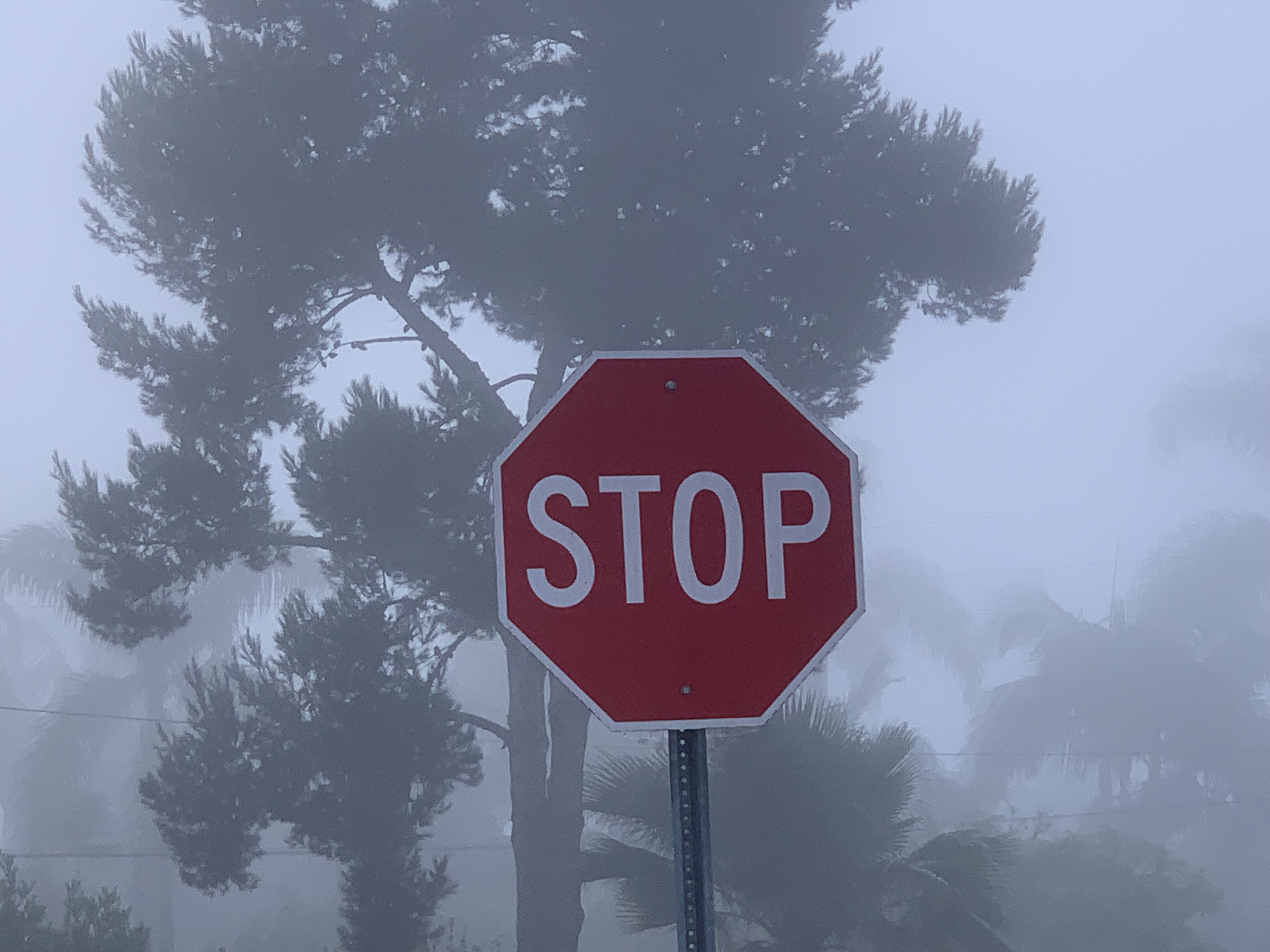
When you find yourself in fog, you need to stop and think. Normally, you can see what’s out there more easily and people will have a hard time seeing you.
But that assumes you even realize you’re in the fog. If you’ve been in the fog long enough, you may not even realize it.
That might happen because you’ve been in the fog a long time, but it can also happen if you keep your focus firmly fixed on what is right in front of you. You might ask your neighbors what they see, and if they keep their eyes firmly fixed on what is right in front of them, they might also fail to realize they’re in the fog.
You’ll never get to the point of thinking about what generates the fog or why they do it. Halloween is coming.
When facts are hidden, the imagination blossoms. The facts of meetings between the former guy and Vlademort Putrid are known. You may have forgotten. I have not.
What we do know is that the former guy’s body language consistently shows that Putin is the dominant of the two. The former guy often looks a lot like a whipped dog. His eyes are downcast. His head is down. His shoulders are hunched. He contorts himself to look lower than Putin.
His statements about Putin (and other dictators) consistently show his admiration for brutal, cruel, murderous dictators. That is in contrast to his statements about democratically elected heads of state and American politicians, including those in his own party.
We also know that the former guy was born rich; lost a fortune; then begged his daddy for more. The former guy was not daddy’s favorite child, at least initially. TFG’s mother was often sick. If the American public knows this, you can be sure that former KGB officers knows it as well.
What follows is fiction. It is fiction in the sense that American citizens have no way to find out what actually happened in the secret meetings between Putin and the former guy.
Here is a link to a series of four fictional stories. As time goes on, however, it seems more and more probably that something like this may well have happened.
“No, Mister President, don’t worry. I can speak some English. And I have my translator here. Given that you’re such a smart guy, I’m sure you probably picked up few words of Russian. You know word for yes, da?”
“Yes, President Putin. I mean, da!”
“Good. Excellent. I don’t understand how the people in your country fail to realize how lucky they are to have someone as competent as you. And realistic. Not hung up on silly abstractions. Don’t you agree?”
“Da! Da!”
“And, just as you get a lot of unfair criticism, so do I. It’s jealousy. People in other countries are jealous Russia’s strength and progress. So, they tell lies about people I supposedly murder. You know it’s all lies, right?”
“Da! Da!”
“You know, it’s odd. Your English slang word for father, ‘Dada’ sounds lot like the Russian words for ‘yes, yes.’ And, that reminds me. I heard a rumor that your dada favored Fred Junior. But you got the good genes. Eventually, your dada figured out that you were the smart one—the one destined for greatness. Isn’t that right?”
“Da. Da.”
“By the way, did you know my people call me ‘Papa Putin’? Wouldn’t it drive liberals and your other detractors crazy if you called me Dada?”
“That’s a great idea! It would drive them nuts! Serve them right, Dada.”
“Yes, indeed. I know some people may try to rein you or make you behave like normal President. Don’t do it! Keep acting cra—unique. Keep acting unique. Different. That way, your fans have no way of knowing where you stand except by listening to you that day. And when you say something crazy—unique, I mean, like ‘pollution is good for you’ your fans will instantly repeat it. They will vie for most followers or most likes and for retweets by you—best prize of all. And liberals? They’ll go nuts. And you know what they’ll do? They will also repeat what you say! It’s amazing. They’ll say:
You know what crazy guy just said? That pollution is good for you! How stupid do you have to be to think that pollution is good for you? It kills! Ridiculous to think pollution is good for you!
“And, so Donald, do you know what people who delude themselves that they are independents will remember from those antics in three months time?”
“Yes. I mean da. Da. Da! Dada. Pollution is good! Pollution is good! Which is also a good excuse to give tax breaks to the rich.”
“My God, Donald, you are smart! Too bad your people don’t realize. Well, many do of course. Eventually, once you gain power, the rest will join your ranks. Everyone will know.”
“Da! Da! Dada! I should get you something! What would you like?”
“Donald, do you remember how cool it was when you were kid and it was America versus the USSR? Olympics! UN! Foreign wars! Two sides! To USSR, you were evil. To us, you were evil. Wonderful times. Now, you’ve got these terrorist groups, lots nations with H-Bombs, and for what? It’s hell for everyone. See what I mean?”
“Da. Dada. I do.”
“And, you know, we’re like favorite band that split up. We just want to get back together band. For instance, part of Russia we call ‘The Ukraine.’ It’s actually part of Russia as you know. You do, know that, right, Donald?”
“Da! Da!”
“Good, well don’t forget in case—they are just sort of people incite us to war. We might have to liberate Russians inside Ukraine. You are smart man. You will know enough to back us up. Right?”
“Da. Da. Dada.”
“Donald, you know what? You are favorite among all world leaders. We’ll rule together long time.”
When we see that word “Family” most of us think of a relatively small number of people. Maybe when you saw it, you thought of your family of origin. Maybe you thought of your family of generation. Maybe you thought of the people who live in your home which may include some of each. When I was a kid, we had “Family Reunions” which included the extended family of my maternal grandmother. It did not extend to my maternal grandfather’s family nor to my dad’s relatives. Typically, there were 30-40 people who showed up. I know of “Family Reunions” which are much larger, involving hundreds of people. Years ago, when I wrote in this blog of “Family Matters” I mentioned a subset of people who attended my “Family Reunions.”
Occasionally, people think of humanity as their family. I have been lucky enough to visit a respectable number of countries (28) and I’ve met people from over a hundred and in every single instance, it’s very easy to see that they are basically like me both physically and mentally.
Like many people, I was brought up in a religious tradition that reinforced the idea that all of us are in this together. Beyond my personal experience, it is just plain fact that human beings share most of their history (4 billion years) before we began diverging slightly a hundred thousand years ago. Beyond that, we are all sharing the planet. While, borders may keep some people out (or more commonly, keeping them in), in the long run, the water, air, and pollution is shared world wide across all “boundaries” of religion, philosophy, or nation.
It may be difficult for some to accept that all humans are part of their extended family.
The truth is that our actual family is far broader and wider than the 8 billion people on the planet today. We share more than half of our “family history” with every single creature and plant on earth today. When you think about vertebrates, for instance, we have similar bodily systems. We mate. We eat food. We eliminate wastes. Even those who live in the water actually breathe air that’s dissolved in the water. We learn. We flee. We are curious. We are aggressive. We solve problems.
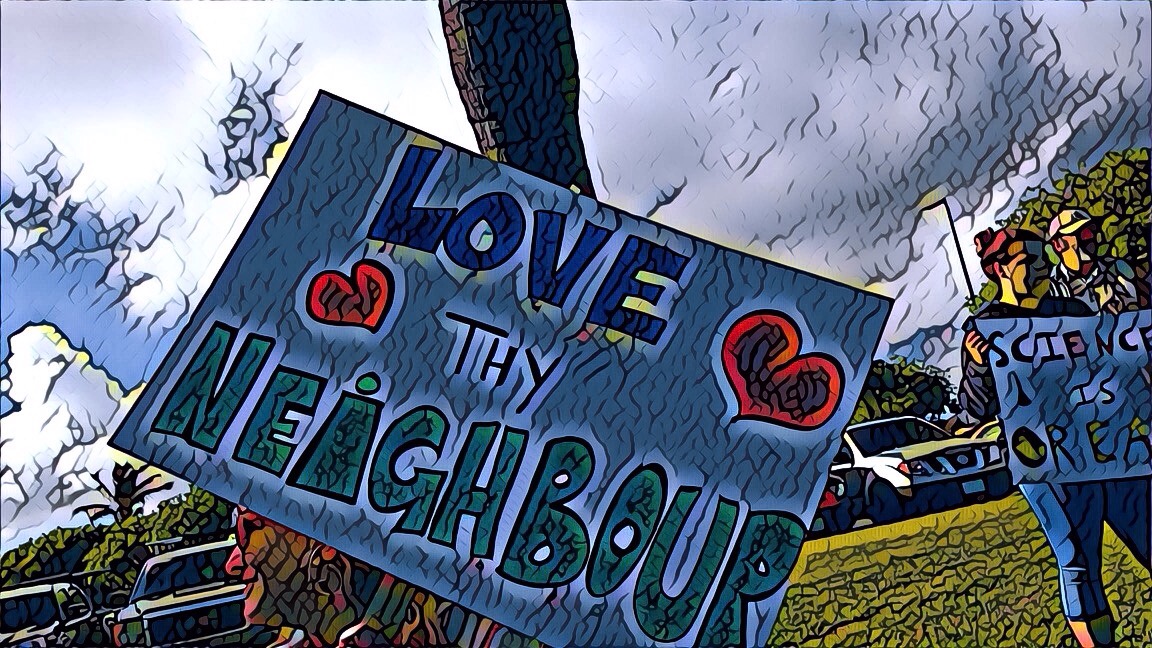
The earth is basically covered with living organisms. That is our family. It can be a source of inspiration and comfort if you let it be. And, you can love that family.