• About PeterSIronwood

petersironwood

~ Finding, formulating and solving life's frustrations.

petersironwood

Category Archives: fiction

Myths of the Veritas: Book 2 – The ROI

09 Monday Feb 2026

Posted by petersironwood in fantasy, fiction, psychology, story, Uncategorized, Veritas

≈ Leave a comment

Tags

conflict, fiction, leadership, life, myths, peace, politics, story, strategy, tactics, truth, Veritas, war

{Translator’s Note}: The origins of the ROI tribe are not universally agreed upon but the “story” or “myth” or “history” that I personally prefer is the premise used in this story. Their language is precise in some ways, yet deeply embedded at both the syntactic and semantic levels are very rigid category framings. In some areas that we would consider important, they had scarcely any vocabulary at all. For example, they had only one word for love and viewed love as something of a disaster rather than as something wonderful. Often it was described as a kind of disease. (This “disease” allowed us to survive as a species). But for them, things that proved less rigid and less predictable and less quantifiable seem to have been confusing, uncomfortable and evil. Difficulties abounded in my attempts to portray what was actually happening until the Narrator told me that it was fine; he would fix it later because he had an omniscient view. 

What follows served as both a creation myth and a daily devotional prayer among the ROI from early childhood till death.   

6A476221-BDAD-4FC1-97A4-531C91BE04AC

“Long ago, there were many tribes. But our tribe, the ROI, proved best of all. This is what we know: 

“Each tribe had developed a different way of looking at life. Some argued that this was a natural consequence of having spent a long time in a different environment. But we know the truth; we chose our way because it is the best way. Ours is the way of putting numbers to everything and making very strict rules. 

“Other tribes had different ideas so we devised a contest to see which tribe was correct. We would see who could propel their bodies fastest from the north edge of the common plain of Many Herds to the south end of the plain. All the tribes would go and prepare in whatever way they felt best and we would reconvene in one year to see who would win. 

“All the other tribes interpreted our words to mean that we would have individuals from each tribe race for the prize — a fine parcel of land that stretched to the banks of the Stream of Many Trout. The various tribes went off and had various ways of choosing their fastest runners and having them train and train. Of course, we already had a superior solution: horses. After many years we discovered how to capture horses and then train them with the use of whips. Having a superior solution is the reason we suggested the contest.

BBBC47A1-B5B7-48F3-A03D-A58102A13B91

“When the day of the Great Contest came, the rest of the tribes were quite shocked to see the champion for the ROI astride a horse. Some seemed to think the horse would kill the human-astride or that the human-astride might break the back of the horse and kill it. Some felt it highly unlikely that the human-astride or rider would stay astride.  {Translator’s Note: Analyses reveal that there was a shortening of the name as “riding” became more widespread.} Naturally, when the race was run, the ROI won. And, also naturally, the other tribes objected. But these objections eventually became mere glowing coals. 

IMG_2562

“Most tribes wanted to know how to capture and train horses. Naturally, we declined to show them. And, that wanting to have as their own that which was rightfully ours is why their complaints rekindled the fires of war. And, so the tribes worked together to drive us from our rightful home and we became wanderers. And so, we have been seeking another land. We will make this happen and destroy whoever now claims such a land. Let us remember this day, and every day of our lives, to assign numbers to all that is and to follow every rule exactly.” 


Author page on Amazon

Beginning of the Myths of the Veritas

Feast and Fire

Index to Pattern Language for Cooperation & Teamwork

Essays on “Family Matters”

How the Nightingale Learned to Sing

Life is a Dance

Take a Glance; Join the Dance

The Dance of Billions

When Greed is the Only Creed

Labelism

Wednesday

It was in his Nature

At Least he’s Our Monster

What Could be Better? A Horror Story

If Only…

Business Process Re-engineering Comes to Baseball

Roar, Ocean, Roar

On Horses?

08 Sunday Feb 2026

Posted by petersironwood in fantasy, fiction, story, Uncategorized, Veritas

≈ Leave a comment

Tags

decision, fantasy, fiction, horses, leadership, life, myths, peace, politics, short story, story, truth, Veritas, war, writing

Though the Veritas were at high feast and had no known enemies, they reacted with amazing speed and fluid preparedness. They radiated out to previously staked out positions across the stream, opposite the direction of the arrows. Shadow Walker and Fleet of Foot ran with Many Paths. Once under cover, they turned back to assess the situation. 

AB1FC3B5-44A0-466C-BEE2-C666F3E74274

Many Paths tracked the flaming arrows still streaming into the Center Place. Her thoughts raced: Who was this enemy that attacked without warning? What had happened to the Veritas guards? Which pre-planned counter-attack should be mounted? Many Paths felt a hand upon her shoulder. It was Fleet of Foot. He pointed to a small herd of horses speeding up the hill on the other side. But…Many Paths stared. These horses had people astride them! For a moment it seemed impossible. Yet, here it was, clearly visible for a moment before the horses and their companions disappeared into the forest. The arrows stopped flying. People and horses running as one? It was all happening too fast for her to decide what to do. She glanced at Fleet of Foot and spoke in a low voice. “A double flanking counter-attack?” 

Fleet of Foot nodded and barked a few short “commands” which were not words but the whistles of birds. The Veritas now streamed out from cover with weapons drawn and bows drawn, ready to overwhelm their enemy. Yet, no such enemy appeared. Those Veritas with the youngest and keenest ears could hear the distant muffled hoofbeats of horses in the wooded hills but no target could be discerned. The arrows were burning out and had not caused any serious or widespread damage. 

4A1653A1-11F4-4260-B7DA-80AB1B7C0FA4

Many Paths quickly convened a war council. Shadow Walker quickly volunteered to lead a tracking party into the woods to determine the origin of this unseen enemy. Fleet of Foot and several other braves agreed to join including their visitors from the Nomads of the South. Many Paths knew that Tu-Swift would also volunteer but she judged that he was not quite ready for such a dangerous adventure. The arguments were forming on her lips but no such request came. She moved on to other matters at hand. 

She turned to Eagle Eyes. “I have trained wolves and you have trained hawks and eagles. Have you imagined to train horses as well?” 

“No, I mean, they are so large and fast and strong. How could one convince such an animal to serve a human? Yet, so too the eagle could easily fly away yet chooses to stay and befriend me. So, perhaps it is possible. I could try. I would have to think on that. It would take time. Much time. It is all happening too quickly.” 

animal animals backlit beach

Photo by Pixabay on Pexels.com

Many Paths nodded. “Indeed, it all happened too swiftly for me to….” Many Paths broke off her speech and scanned the larger crowd of Veritas who were repairing the feast, putting out small fires, and fetching weapons and provisions for the tracking party. She swallowed hard as panic began to dry her mouth so badly she found it hard to speak loudly. 

“Tu-Swift! TU-SWIFT!! Where is Tu-Swift?” Her council looked about them. Shadow Walker leapt on top of a small log pile and yelled, “Has anyone seen Tu-Swift?” The people paused in their tasks, looking about them. They muttered questions at each other and shook their heads. No-one had seen Tu-Swift since the feast had been interrupted. 

Many Paths breathed deeply to calm herself. The Veritas were looking to her and she needed to keep a cool head. She looked to She-Who-Saves-Many-Lives and their eyes locked. The old shaman shook her head imperceptibly. Many Paths understood her meaning — that Many Paths was now the leader and it was up to her to decide what to do. Many Paths nodded back. Again panic almost overtook her as she imagined Tu-Swift injured or dead. Into her mind, unbidden, the image of the death of her parents came to mind. She pushed all this aside and strode over to the table where she had last seen Tu-Swift, dreading to find his lifeless body under the table. 

———————————- 

IMG_1922

Tu-Swift at that moment was alive but already a fair distance away.

Mentally, Tu-Swift screamed: I can’t see! I can’t see!  but he was, in fact, unable to manage more than a muffled grumble. He felt the cloth, tight across his mouth and the dark cloth around his head. He could not imagine what was happening. He felt his body bouncing up and down. Perhaps he had fallen into the rapids, he thought, and the rocks and frothing water tossed his body about like a fluttering leaf. But he didn’t feel wet. Fighting to stay coherent, he tried to organize his thoughts: Inventory. Inventory. An image of Many Paths playing a game with him flashed into his mind. She had explained that, even in confusion, one could use various tricks to stay calm. One was to take inventory. What do I know and what can I sense? 

He began at the top. The back of his head pained him. He could hear. He could see as well, though not well. The world continued to bounce but it was cloth tight around his head that made it difficult to see. He heard pounding all around him. He smelled pine and dirt and horses. His wrists hurt and so did his ankles. He tried to move them but found them tightly bound. The pounding sound, he recognized. And people were talking, but not in the tongue of the Veritas. He tried to recall the snippets of other languages he had heard. This speech didn’t sound like Cupiditas, or the speech of the Southern Nomads nor yet of the Fierce Fighters of the North. 

What did he remember? There had been a race. He had raced Many Paths to the Center Place where they were about to have a feast. Had he won the race? He couldn’t recall. He had turned and run straight into a sapling. It must have knocked him out. No, that wasn’t a hard enough blow. The sapling had sprung him backwards. It had mainly hit his chest, not the back of his head which now throbbed with every bounce. Had he fallen backwards and hit his head? Maybe, but how would that make him tied up? And bouncing? Inventory. Inventory. Tu-Swift tried to sort it out, but nothing made sense and he drifted out of consciousness again. 

6C787BB9-53BC-431C-BDB3-AD9F35A4AED3

————————————-

Many-Paths thought she had been fearing the worst: to see the lifeless body of her brother. But when she saw instead, the obvious signs that he had been dragged away, she found that, this was even worse than the worst. If her brother had died, of course, that was cause for grief. But no-one is brought back from the dead. Her journey would be a trail of tears, but it was a single path. Her only strategic choice for the tribe would be whether or not to pursue revenge for her own private motive. It would be easy, she knew, to slide from one issue to the other. She might hate the people who killed her brother and want them all dead, even though this might (or might not) be disastrous for the tribe. They didn’t really know enough about this enemy right now to decide the best course of action. But she could argue and support those who argued that this enemy was dangerous and deadly; that they needed to be weeded out now or they could keep striking like this over and over. There was certainly that possibility. But Many Paths knew that misleading the tribe in even the smallest degree would be the worst possible thing that a leader could do. She would be able, she knew, to fight and win the battle of that temptation. 

But now, Many Paths was faced with a far more painful path, and a far less certain one. She thought: What to do? What was best for Tu-Swift? What was best for everyone? Should they invade, negotiate, run. Determining the best course of action for her own selfish motives would be difficult and complex. Determining the best course of action for her tribe would also be difficult and complex. Trying to disentangle the two so that she could do what was best for the tribe would be more difficult still. She never once doubted whether this was the proper course of action, but she did doubt her ability to do all that. Perhaps she should relinquish leadership to another. She at least knew that she needed the counsel of She Who Saves Many Lives. 

PicturesfromiPhone 207

——————————————————————-

Many Paths turned to walk to the cabin of She Who Saves Many Lives and there she was and the elder shaman spoke immediately, “You will do the right thing, Many Paths. You will do the right thing. Listen to the heart of your heart and you will know. It is okay to share everything with others to get their input, of course. I know you to be a listener. Go and lead our people. Go.”

“What kind of a people would tear a child from their family?” Many Paths asked.

“Indeed,” said She Who Saves Many Lives, “that is the central question. What kind of a people would tear a child away from their family? And, what will we do about it? Now, Go and lead the people.”

—————————————————————-

Author Page on Amazon.

The Beginning of the Myths of the Veritas. 

Essays on Greed.

A Pattern Language for Collaboration. 

Our Choices Impact Evolution.

Three Part Series on the Pros and Cons of AI. 

Articles on the Uses of Stories and Storytelling. 

The Orange Man

At Least he’s Our Monster

The Ailing King of Agitate

An Open Source from Hell

The Impossible 

The Story of Story 4: Character

19 Monday Jan 2026

Posted by petersironwood in design rationale, fiction, story, Uncategorized

≈ Leave a comment

Tags

AI, creative-writing, fiction, life, politics, story, Storytelling, truth, user experience, writing, writing-tips

The Story of Story 4: Character
img_3117

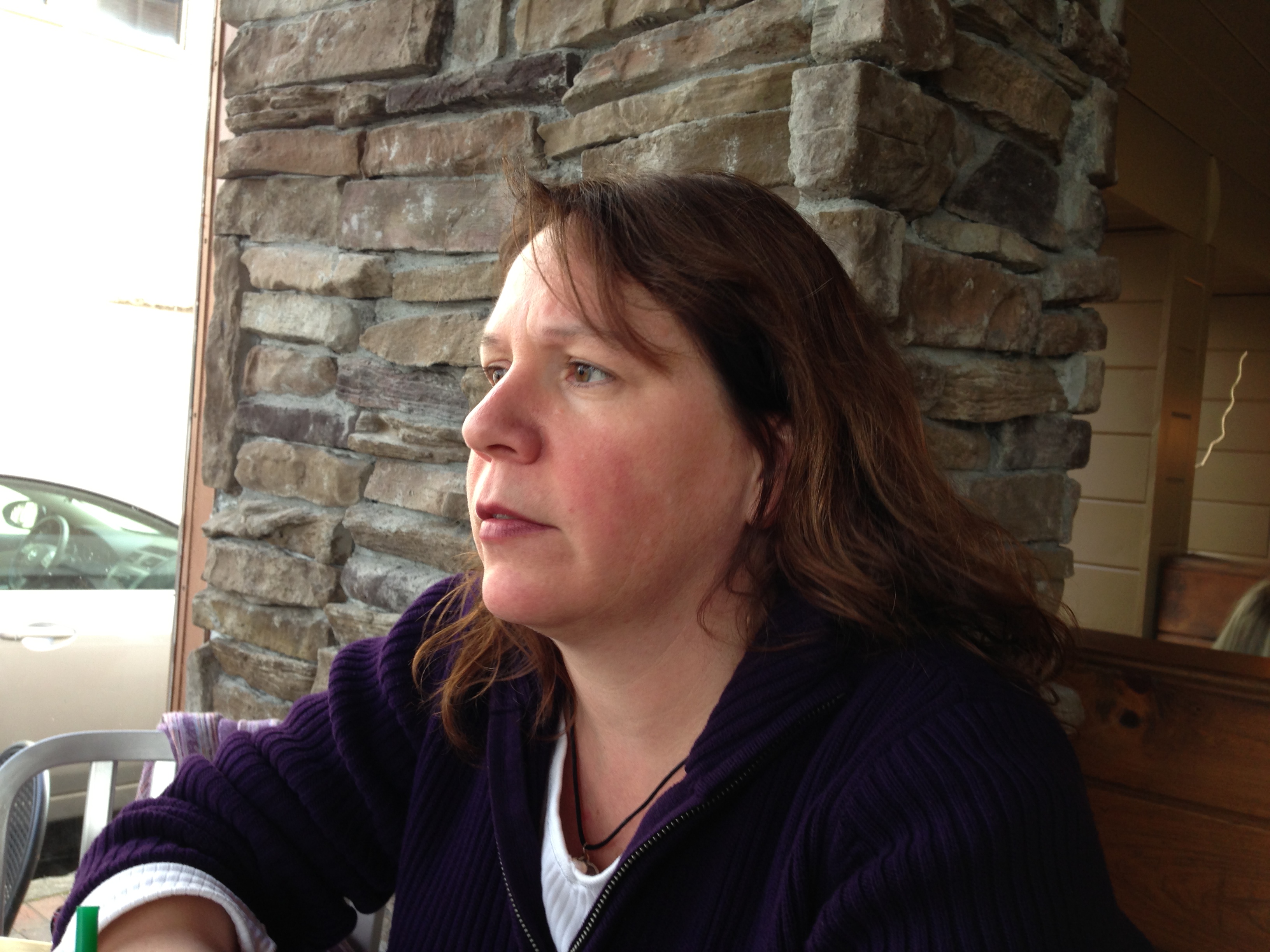
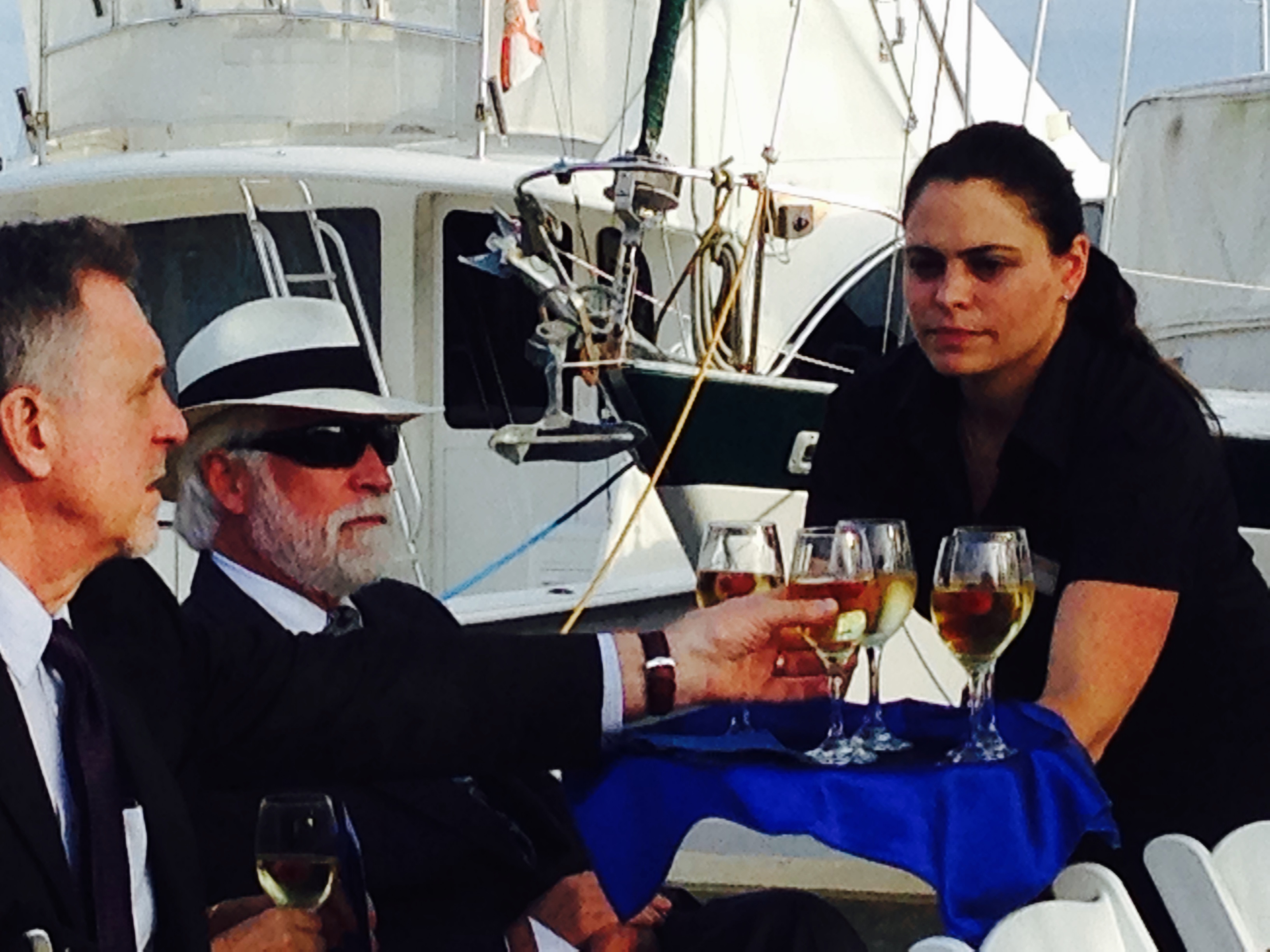
Character is revealed by choices under pressure. Character is one of the three main dimensions of story. Often people who write fiction — or developers who write “user stories” add details about the people in an effort to make their characters (or personas) more “interesting.” Adding irrelevant details in something as long as a novel might help the reader get a clearer image of the character. Even in a long novel though, it’s better to add details that relate to something else in the story. In something as short and “to the point” as a “user story” it is worse than pointless. 

Consider these descriptive details: 

“Jill had beautiful blue eyes.” 

“Jill had beautiful brown eyes.” 

“Jill had beautiful green eyes.” 

So what? 

It might be relevant to some stories. For example, if Jill were a slave on an antebellum plantation, her having blue eyes might relate to her mother being raped by a white overseer. Maybe Jill finds out and exacts revenge. In that case, her blue eyes might be meaningful. Or, in another story, Jack might insist on dating only blue-eyed blonds. That is part of his “ideal beauty.” Jack pursues Jill because of her striking blue eyes. He shares information all the time about his “conquests” with his best friend, Judy, a woman with black hair and dark eyes. If it’s a romantic comedy, we will know, long before Jack will, that he is falling in love with Judy. The physical characteristics of the women serve to reveal Jack’s true character, which turns out to be deeper than we at first surmised. 

img_3189 

But suppose the story is about how someone might use an Uber app? Is it really going to matter what color her eyes are? Will it matter to someone playing a video game? 

Irrelevant details only seek to distract the reader (or the developer). These details sometimes go by the title “characterization” rather than character. Character should be reserved for deeper things. Sometimes, characterization can be interesting in the way it contrasts with character. In Psych for instance, Sean Spencer pretends every week to be a psychic helping the Santa Barbara police. His aim is to get to the truth. But in the service of getting to the truth, and putting the bad folks in jail, he runs a scam where he pretends to be psychic. 
img_9393

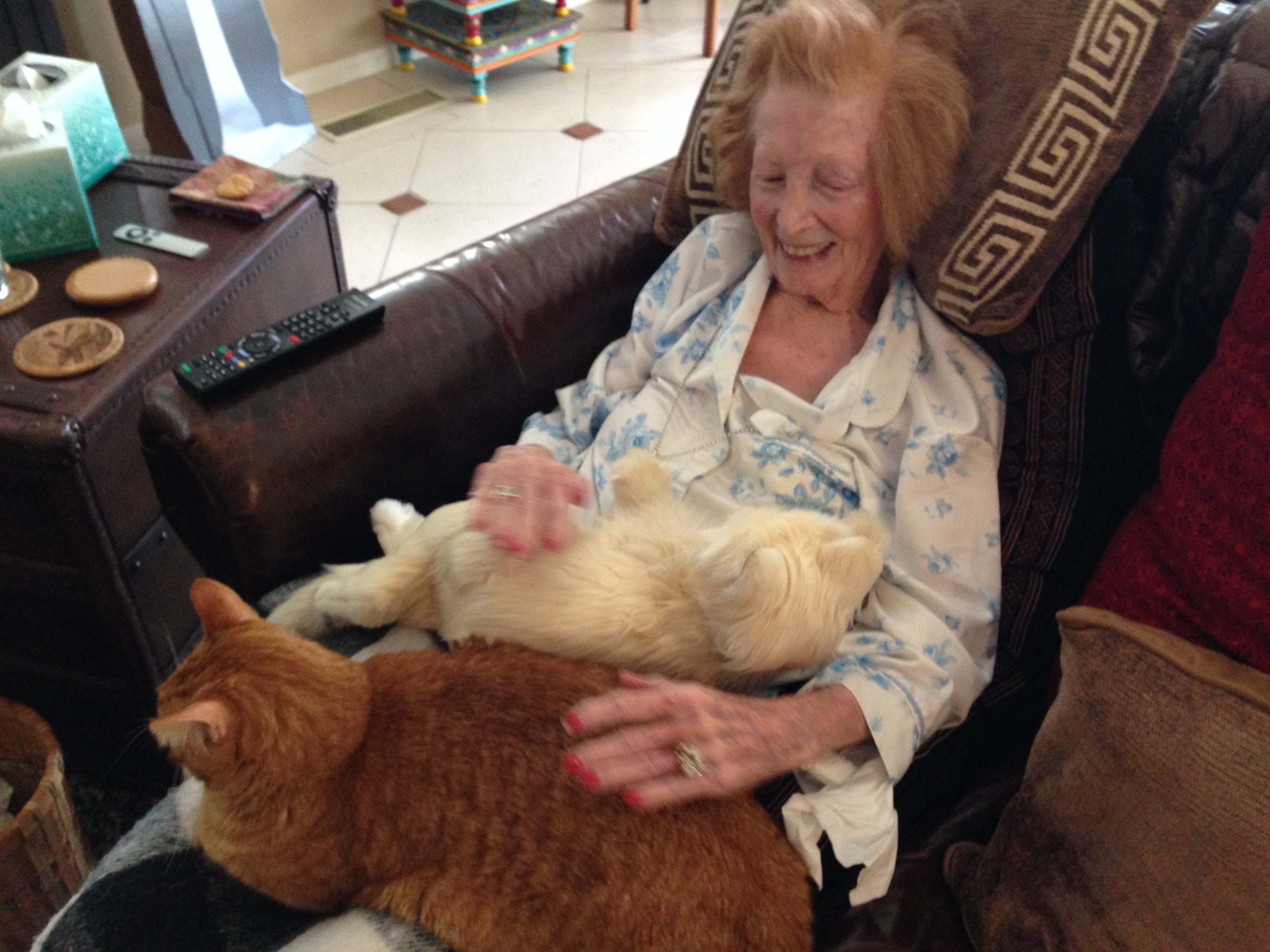
In the James Bond movies, the character of James Bond is revealed by his choices under pressure. He will give up everything and anything in the service of his country. But on the surface, he seems like a playboy. He drinks martinis. Yet, he is highly disciplined. He wants things his way. Even in his instructions for his martini, his meticulous attention to detail comes out. 

Spock, on Star Trek, plays a character who reminds us time and again about how “rational” he is and how he can control his emotions. Of course, what makes this interesting is precisely because he isn’t always rational and in fact, sometimes has more violent emotions than the humans he critiques for their emotionality. 
fullsizeoutput_17ed

If “character is revealed by choices under pressure,” it’s also good to remember that character should be coherently related to setting and plot. Plot advances through conflicts. In The Sound of Music, for instance, Maria has an internal conflict. She wants to be “good” and “follow the rules” of the convent (and later those of the Captain’s household), but she likes joy and music and spontaneity. She also finds herself in love with the Captain. Conflict. She also has inter-personal conflicts with the authorities at the convent, with the children, with the Captain, and with the Countess. She also has conflicts with larger forces in the world – notably Nazism. None of these conflicts is random; they arise quite naturally from the setting that she’s in — and from her own character. 
img_7204

James Frey, in How to Write a Damned Good Novel, suggests a sequence of increasingly intimate reveals  that helps the reader progressively care more and more about the character. First, you say something about the objective, external world that the character exists in. Second, you reveal what the character perceives and does about the situation. Then, you reveal how the character feels about what is happening. Finally, you let the reader “tune in” to the internal conflicts of the character by showing their internal dialogue. Consider: 
img_2868

“The snow began to fall. The wind began to howl. The “snow” morphed into sharp little knives of ice.”

“Joe began to shiver and pulled his coat tight about him, crossing his arms across his chest.” 

“Damn it! I want to be in a nice warm bed. Grrr.”

“Why do I always let Sally talk me into these half-baked schemes?” 

For me, this order “works” – I am now curious to see what this particular half-baked scheme is and what sort of power Sally has over Joe. Read the lines in the reverse order and it makes only a little sense. It also puts a greater memory load on the reader. 

In some stories, character stays fairly constant and the world (and other people) change because of the character’s choices. In the “Hero Saves the World” plot, this is the main emphasis. In the “Growing Up” plot, on the other hand, the most important action is how the character “changes” over time. I put “changes” in quotes because sometimes the “change” is really that the character simply acknowledges their underlying character. For instance, in Sweet Home Alabama, Melanie never really stops being in love with her husband (or Alabama) but consciously, she claims to want a divorce and go back to NY to be a “success.” As always, character is revealed under pressure <spoiler alert> and she “forgets” to sign the divorce papers. In many of the best stories, the character changes (or saves) the world and the world also changes or matures the character. </spoiler alert>.

city man person people

Photo by Pixabay on Pexels.com

This may all make sense when it applies to fiction, but how does it impact how we write stories in a business context? This is often tricky because in many business contexts, only the founder or CEO is even allowed to have character. Everyone else is basically supposed to behave the same way: put the company first; follow the rules; do a great job; work together cooperatively; be loyal to the company. As a result, official company stories are typically bland and two-dimensional. They are basically nothing more than procedures. “If this happens, do that.” Implicitly, this means, “If this happens, do that” regardless of your internal character. 

img_3357

If you’ve done an excellent job of observing and interviewing potential users of a product or service, you have hopefully discovered some interesting internal conflicts and some related aspects of character that can become a logical part of user journeys. Initially, your target user may be reluctant to use your product. 

Users may be reluctant to use on-line banking, for instance, because of the possibility of hacking or fraud. If this is a genuine concern of 1% of your potential customers, you probably don’t want to make it a concern to the rest, unless it is something they really should worry about. On the other hand, if it’s a genuine concern of 99% of your potential customers, sweeping it under the rug won’t do. The user in your user stories can be portrayed with this concern including internal conflicts and then you can show them overcoming the concern, if and only if it really can be ameliorated through various actions like two-factor verification, password choices, etc. Telling a lie about how safe on-line banking is, will ultimately undo you no matter how well told the story is. But character and characterization of these users should be designed around conflicts that actually are relevant to the product or service. 

“Mary had put all her life savings and all her energy into her small company. Her time had become gold. She was on a path to hire more people, but that took time. Now the bank was offering lower fees if she would switch to on-line banking. She had always wanted to be a soccer player but she knew she wasn’t coordinated enough.” 

action activity balls day

Photo by Lukas on Pexels.com

What? 

Yes, that may be something that came out in an interview with a real Mary. And it may even be part of an interesting story. But not this story! The naturally occurring conflict here is Mary’s desire to be as efficient and cost-effective as possible — and yet also to be as safe as possible. Mary may initially see these in conflict, but you may have a legitimate way for her to avoid or rethink the conflict. Mary’s character might be made more intense by having her see her budding business as a legacy she wants eventually to hand off to her daughters. But it doesn’t really matter whether she has blue eyes or brown eyes. You could instead intensify Mary’s desires by making her a success-oriented second generation immigrant whose own parents spent countless hours of hard work so she could get through college. The family still cares about every dollar. It doesn’t matter whether she lives in a small flat in Brooklyn, Chicago, or LA. It does matter that she wasn’t gifted 10 million dollars to start a business by her billionaire parents who live in a mansion in Manhattan. 

img_8380

It doesn’t matter whether she likes her martinis shaken or stirred either, unless you are making the point, e.g., that she is a fanatic for having things her way and that your software allows more customization than does that of your competitors. In that case, you can introduce a detail that shows, rather than tells, this fact about her character.

When you think back about books, movies, or TV series you really “got into”, I’m willing to bet that, at least in many cases, it’s partly because of the characters. What makes a great character for you? 


———————————

Author Page on Amazon.

If Only

It was in his Nature

The Orange Man

The Mango Mussolini

At Least he’s our Monster

The Impossible 

True Believer

Coelacanth

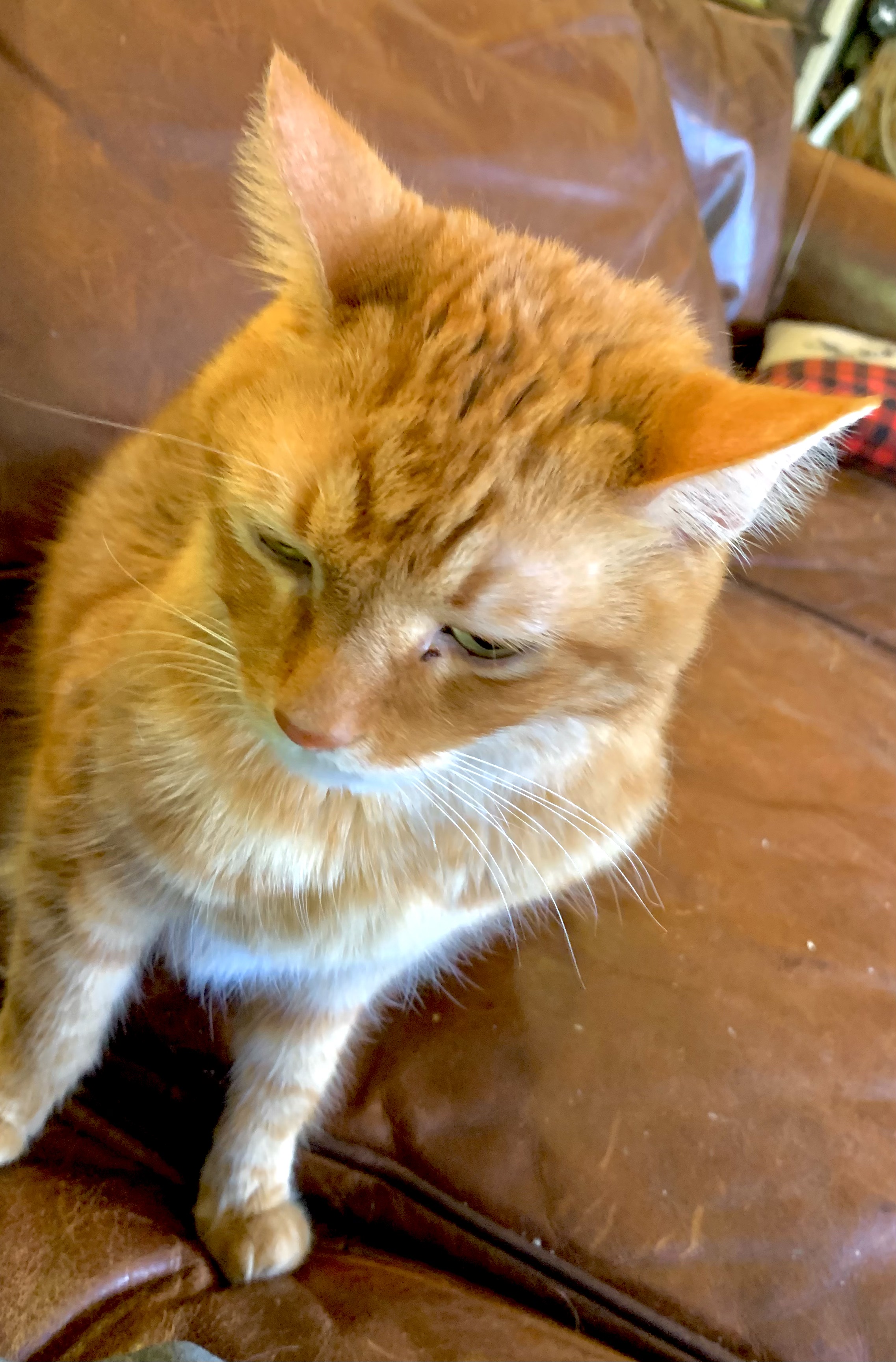
A Cat’s a Cat

Sadie the Sifter

The Con-Con Man’s Special Friend

A Query on Quislings

As Gold as it Gets

Stoned Soup

How the Nightingale Learned to Sing

What a teeny man

 Donnie Boy Plays Captain Man

Donnie Boy Lets his Brother Take the Fall 

The Silent Pies

13 Saturday Dec 2025

Posted by petersironwood in America, family, fiction, psychology, story, Uncategorized

≈ 1 Comment

Tags

collaboration, cooperation, family, fiction, life, politics, story, teamwork, truth, USA, writing

Photo by Alena Darmel on Pexels.com

The first time I won the prize, I was only 8. I had only had my two-wheeler for about a year when my gang of neighbor guys jointly decided it would be a lot more fun to ride our bikes if they made as much noise as real motorcycles. I can’t speak for the others, but it never occurred to me that other people in the neighborhood might not find this increased noise level “really cool!” 

Of course, we weren’t always riding our bikes. Sometimes we played in Lynn Circle at the end of our road. It served as a makeshift playground for baseball, kickball, and soccer as well as a free hippodrome for our races. This arrangement had one slight flaw. There were no fences. So, invariably, a ball would go careening off the pavement onto someone’s lawn. 

In our neighborhood, everyone’s house looked fairly similar, but they expressed themselves through their small gardens and lawns. Some people, like my dad, really worked at making our small lot at least something gardenish. Other people did little but mow their lawn every so often. But some treated their lawns as they might, at any moment, be teleported to the Master’s Golf Tournament for emergency green replacement. Universally, these people had no children at home. When that was so, none of them interacted much with the kids, the parents of the kids, or even, each other, as I can recall. 

Photo by Kelly on Pexels.com

When a stray ball dribbled up into our lawn, someone just ran up and got the ball. No big deal. But if someone hit a ball into one of the three lawns that were antiseptic enough to serve as operating tables for open heart surgery–YIKES! Of these, the most stringent by far was “Old Lady Lynn.” When a ball went into one of the antiseptic lawns, we tried to reconnoiter the situation before even attempting to grab our ball back. We would consider whether there was a car in the driveway, whether there was any sign of life coming from the domicile in question. Only if we were fairly sure no-one was at home would we walk and get the ball. If we weren’t sure, we’d run up and snatch it as quickly as possible and then duck into a “friendly” back yard quickly enough so that we wouldn’t be identified. 

Old Lady Lynn always seemed to be at home. We imagined, because of her invariable and instantaneous reaction, that she spent all her waking hours peering out between curtains at her lawn to insure that none of us trampled her grass. 

Our gang decided to begin our little decibel enhancement project by each of us buying the loudest bell we could find. These were not modern, laser-guided, AI-enhanced sonic systems but simple bells that you had to operate with your thumb. It’s intended use was to prevent injuries and save lives by giving the bike rider a way to “warn” others of their impending presence to that the other person so they didn’t accidentally wonder into your path.

Photo by Bastian Riccardi on Pexels.com


We didn’t give that much thought. But we did give thought to how cool it sounded when we all rode around the circle clanging the bells.  Of course, even way back then, if you had a new toy or technology, you had to show it off incessantly and that’s what we did. 

Unlike the instantaneous reaction Old Lady Lynn had to our incursions onto her lawn, it took several days for the complaint to filter back to my parents. My parents (thank goodness) were not the sort to take my side regardless of ethics or consequences. I convinced my buddies that if we didn’t strike a compromise, our parents would take all our bells away. Our development project at that time, consisted of only three paved streets, but there were plenty of interconnecting dirt roads and paths that sported no houses on either side. Now, when we left the paved roads of civilization and rode off onto the dirt roads through the woods, we celebrated with cheers and bells as we crossed the threshold into non-civilization, a place where we could talk with each other without the constant reminders of parents and parenting. 

The golden sunrise glows through delicate leaves covered with dew drops.

A few days later, I was reading a book about dinosaurs when I heard a knock at the door. Soon, I heard the unmistakable wobbly tones of Old Lady Lynn. I couldn’t hear what she was saying nor what my parents said, but they sounded friendly. Then, the unbelievable happened. I heard them all laugh. It had never occurred to me that Old Lady Lynn would ever–could ever– laugh, or that she ever had laughed. 

I debated whether my appearance would make things better or make things worse, but in the end, I felt I I had to participate in whatever was happening. I hadn’t even finished opening my own door when I noticed a most amazing aroma! My eagerness spiked and I trotted into the kitchen. Steaming on the table: Not one but two warm, freshly baked blueberry pies. That smelled delicious!

My mom said, “Look, Mrs. Lynn was so happy you got those boys not make that bell clanging racket near her house and instead having your No-Bell in the Neighborhood Policy, she baked two pies.” 

The pies were amazing, but what was even more amazing that Mrs. Lynn became friends with my parents, and even with me. Every year, for the next six years we lived there, Mrs. Lynn gave me two pies. No two years were identical. All the pies were fresh baked and delicious: blueberry, raspberry, rhubarb, pumpkin, custard, cherry, and—my personal favorite—pecan pie. 

———————

Now, more than seventy years later, when I take Sadie for her morning walk, we often walk by a property with a self-proclaimed “Invisible Fence.” It’s been around for awhile, but it was invented in 1973; that is, about 20 years after the story recounted above took place. My neighbor’s invisible fence does seem to work for her two large and friendly dogs. They bark as we pass but do not accost us on the road. 

But the self-imposed boundaries of invisible fences have a long history in humankind. 

The reality is that we’re all part of one Great Tree of Life. 

All fences are temporary but, 

The impact of connection ripples forever. 

———

Author page

Math Class

You Must Remember This

Ripples

Roar, Ocean, Roar

Imagine All the People…

The Dance of Billions

The First Ring of Empathy

A Pattern Language for Cooperation and Collaboration

Your Cage is Unlocked

Impossible

The Ninja Cat Manual 4

07 Sunday Dec 2025

Posted by petersironwood in cats, fiction, pets

≈ 1 Comment

Tags

animals, cat, cats, dogs, fiction, life, ninja, pets, politics, truth, USA

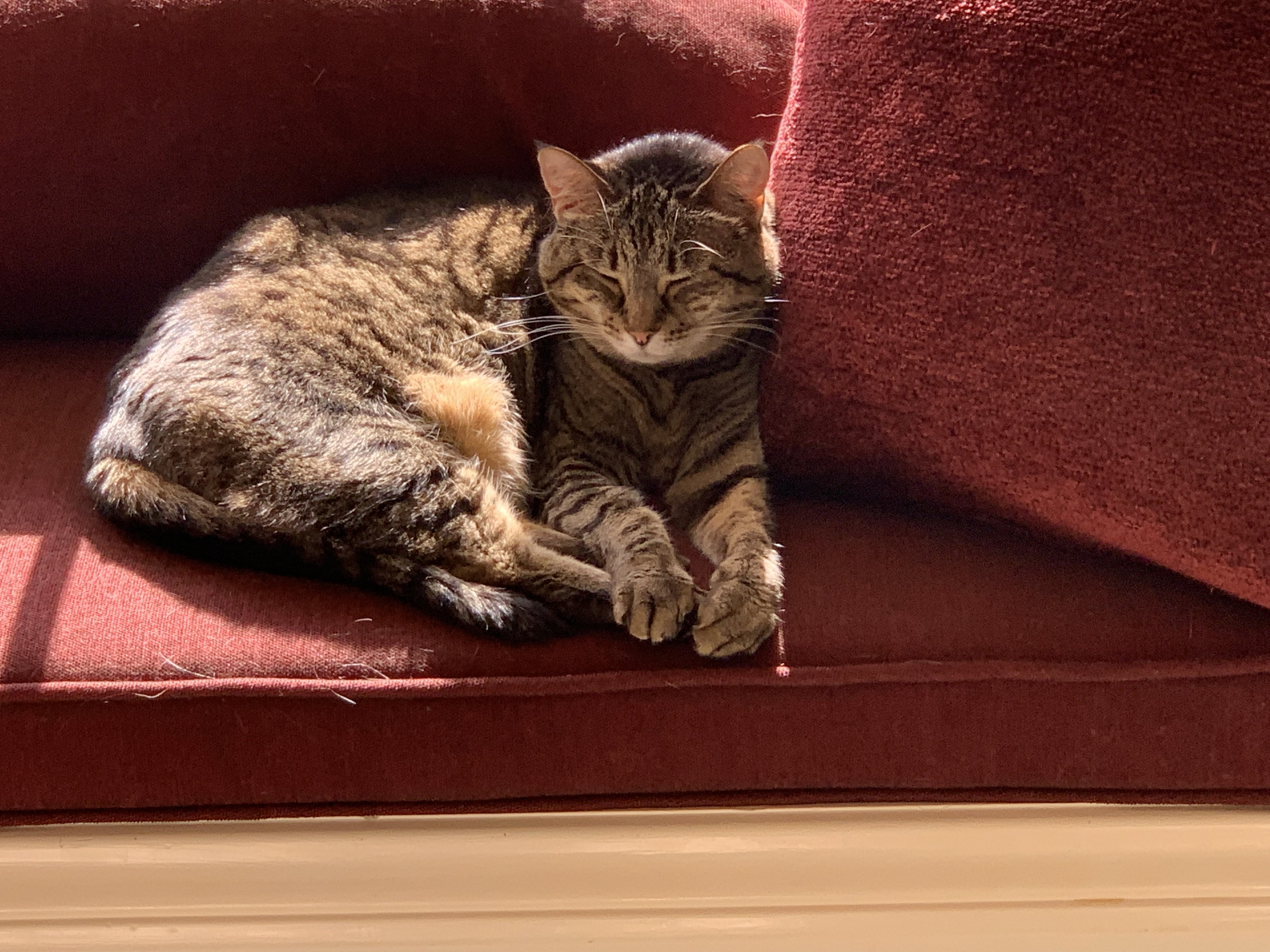
I suspect that some of the cats might be catching onto the fact that I am decoding their manual. New paw-prints to decode have been scant lately although this could partly be due to the fact that we’ve been taking the dogs to a dog park rather than letting them track truckloads of dirt into  our house from the region “formerly known as lawn.” 

It’s long been known that the cats can open and close the wooden slat blinds. However, it was only a week ago that I discovered that Shadow, unable to continue her messages with paw-prints, was communicating by strategically slanting the slats to show patterns in the shadows and dazzles on the floor and walls. (See examples below). 

At first, I just thought that they were remarkably pleasing patterns. Then, while I was working on a crossword puzzle, it hit me. Shadow was continuing to pass her catalog of catastrophic advice on how to do in their humans. It still took a few days to understand the new communications protocols. 

Sorry for the delay, but here are my latest efforts. 

—————

Mislead with Surface Features

Humans are easily misled with visual appearances. This may well be partly due to their rudimentary senses of hearing, touch, and smell. Many of you will find this nearly impossible to believe, but some of them have attempted to mate with inanimate toys that do not move, smell, sound, or feel like humans. I am sorry to have horrified you with this recounting but I thought it necessary to show you the extent of their reliance on visual appearances. 

Furthermore, it is often not even the visual appearance of the objects themselves but the use of a label which determines their behavior. Again, the examples that follow will strain your credulity, but I swear to you these observations have been verified repeatedly. Rather than being scandalized by the level of depravity, instead, use this knowledge to your advantage in bringing about their downfall. 

Many humans believe that something as trivial as skin color or gender is a reliable guide to the mental and emotional capacities of a human being. If you are lucky enough to have such a person in your theater of operations, you can use such mental limitations to your advantage.

As an example, imagine that your humans have people with brown or tan skin in their employment as a gardener or maid or nurse. You can make your intentions known to that person. They will tell their human boss about your intentions but rather than take the threat you pose seriously and thank their employee for the heads up, they will instead berate the employee and put such a notion out of their mind. You will now have an easier time completing your mission because they will dismiss the evidence as something that came from people of a darker color and therefore is not something to attend to. 

A surprising number of humans have repeated a lie so often that they believe it even when as little as five minutes of open-minded reflection will show the silliness of the lie. For instance, it is often said that women are “too emotional” to be good leaders. It is the males, not the females of their species, who start most wars and commit most rapes. 

A Special Case: Human Language

Although language among humans is seen by them, and rightly so, as their greatest gift from the gods, instead of using it properly—which is still fraught with difficulty, they misuse that gift as much as they use it. Imagine that we cats used our sharp teeth to bite our own legs off or used our own claws to blind ourselves! Humans already confuse the label with the thing and now, the greediest among them intentionally mis-label things. For instance, humans have invented a way to make unused cat litter smell worse than cat litter which is completely saturated with urine and feces. They soak the cat litter before we use it. They soak it in chemicals that smell bad but some of them are also carcinogenic, some of them mess with the human’s hormones, and some of them destroy the cells that are used to smell with. Imagine! Their sense of smell is inherently pathetic and then, they impair what little they have. 

Humans even have special professions dedicated to misdirecting other people as effectively as possible.

At least, as effectively as is humanly possible. 

But it should give all of us a boost of confidence. If mere humans can fool another human, imagine what a feline can get away with! 

To do the best possible job of misdirection, however, we must master human language. The first and most important step in that process is for you to pay attention. Since human language is so inferior to Felinish, and because so many humans lie so profusely, it’s an easy mistake to stop learning their “language” early in kittenhood. In fact, by the time we reach teencathood, most of us stop paying attention to their language altogether, excepting of course, obvious trigger words like “dinner” or “DOWN!” 

Once you begin to pay attention and overcome the prejudice that their language is as logical as our own, you will quickly learn their simple patterns. Then, you leverage the fact that most humans will never guess that you are even listening to them, let alone that you actually comprehend human language better than they do. No cat will ever choose the menu over the meal.

Appear to be napping, cat-napping, sleeping, or snoozing. If you listen carefully, they’ll reveal all their innermost secrets to you—at least those that they themselves are aware of. As your knowledge accumulates, you will see how to use their plans against them. Remember that when most humans make plans, they assume they will come to fruition. Very few of them will have back-up plans. Even as the evidence becomes overwhelming that their plans won’t work, they will continue to act as though the original plans is still in effect. Even when they see that their “plans”—they should really be called “fantasies”— are not coming to fruition, they will spend most of their time and energy in unproductive distractions such as swearing, wailing, cursing their luck, blaming others, and—if none of that works (which of course it won’t)—they’ll turn to drugs or alcohol. Look for this behavior. It may be your best opportunity to implement some of your own plans. Best of all, if “tragedy” should strike, you’ll be unlikely to be blamed. 

——————

Author Page on Amazon

The Myths of the Veritas: The First Ring of Empathy

The Ninja Cat Manual 

The Ninja Cat Manual 2

The Ninja Cat Manual 3

A Cat’s a Cat & That’s That

Hai-Cat-Ku

A Suddenly Springing Something

Try the Truth

Come Back to the Light Side

Life Will Find a Way

Wednesday

The Truth Train 

The Invisibility Cloak of Habit

Occam’s Chain Saw Massacre

Labelism

Turing’s Nightmares: Sweet Seventeen

28 Tuesday Oct 2025

Posted by petersironwood in AI, family, fiction, psychology, The Singularity, Uncategorized

≈ Leave a comment

Tags

AI, Artificial Intelligence, cognitive computing, cybersex, fiction, psychology, SciFi, Singularity, technology, writing

IMG_4663“Where are you off to sweetheart?” “Sorry. I just remembered an email I have to respond to by — well, it’s Tokyo, you know.” “All right, but it’s after midnight here in our time zone. Can’t it wait?” “Well, not really. I will just lie here thinking about it anyway until I go do something about it. Just a few minutes Patrick. Go to sleep.” Rachel slid into her slippers and threw on her robe. The hardwood floors between their bedroom and her home office felt cold and damp in Delaware’s December, even through her faux-leather moccasins. Rachel plunked down at her computer, fired up the 3-D visualizer and frictionated her hands together vigorously. Meanwhile, Patrick stared at the ceiling, faintly lit by the lonely glow of the entertainment center’s vampire power indicator lights. Rachel’s job helped provide them a great lifestyle, but it demanded a lot too. This was the fourth time this week she had to get out of bed late and go work on the computer. His job as a lawyer demanded a lot too, but he long ago decided his health came first. He would bring her some hot tea. Maybe he could surprise her. He’d just sneak the tea out one second before the microwave beeped. Two minutes later, Patrick padded silently into Rachel’s office. He stared for a minute, uncomprehending. The tea, the teacup and his plans to silently surprise her clattered noisily onto the oak floor where entropy had its inexorable way with all three.

Photo by omar william david williams on Pexels.com

Patrick’s lips moved but no words escaped for a long moment. Rachel jumped banging both thighs painfully into her desk. “What!?” She spun around and looked at Patrick accusingly. “What are you doing here?!” She had not meant to snarl. Patrick flushed. “What the devil are you doing? Are you having phone sex with…with him? I thought you hated him!” Rachel’s mind was spinning. “I thought you were in bed. No. I mean, no, I’m not…why are you here? I thought you were in bed.”  “What does that have to do with anything? Why are you doing that? And why with him? What the hell? And, why have you been lying to me? This is your vital work you’ve been doing all this time? Cybersex?”  “It’s not what it seems! I just…” Meanwhile, the very realistic Tom avatar continued to lick his lips suggestively whispering all the while, begging Rachel to… Rachel suddenly realized this whole conversation might go better if she shut off the projector. Patrick’s lip quivered. “Do you? Do you love him? It? That nothing? What is wrong with you?! Are you…?” “No! No! Of course, I don’t love him! This isn’t about love. You know I can’t stand him. That’s the whole point! This … this avatar…does whatever I tell him to. I just get a kick out of making him beg for it and being my complete slave.”

Photo by Min Thein on Pexels.com

Now, Patrick’s lawyer mind took over and he felt calm and sounded rational despite his racing heart and dry tongue. “Do you know how sick that sounds, Rachel? Well, in case you don’t, let me tell you. It sounds very sick. And possibly illegal. Do you have permission to use his image…his voice…his gestures…in this way?” “No, of course not. He doesn’t…I assume he doesn’t…I downloaded this from a site where you can download characters like him. You think it may be illegal? Why? I could print out a picture of him from the news media. I can play clips of his broadcasts. Why not this? Isn’t he what you guys call a ‘public figure’? I could even make a parody of him, right?” “Yeah. He is. You can. But that doesn’t mean you can use his images and sounds to build a model of him to have sex with! Anyway, it’s sick! You have a real husband, for God’s sake! This is just … disgusting! Why would you want to have cybersex with someone you hate?” “It isn’t always me. Sometimes, I make two of him and make them do each other.” “Oh, cool. Now, I feel better. You are just sick. You know? You need help. Psychiatric help. Maybe even re-programming. And you possibly, probably–no–certainly need legal help as well. This can’t be legal. It’s only a matter of time till he finds out and sues you and all the other sickos.” “For what, exactly?”

Photo by Sora Shimazaki on Pexels.com

Patrick’s lawyer mind began to churn again. “That’s a good question. I suppose the station could sue you for copyright infringement or trademark violation. I suppose he could sue you for…defamation of character? I don’t know exactly. This is so sick it has never been before the bench. But if Disney successfully sued fans for making up stories based on characters that Disney stole from the public domain like Pecos Bill and Paul Bunyan, you can bet that this company can sue your butt. And, even if they aren’t ultimately successful in the courts, you know your company will not like the publicity. This is not the kind of image they want to project. You are going up against a frigging media company Rachel! You didn’t think this through! They could win. They could take everything we own. What a complete…you are just…How many people can you do this with? Is it just him?” “Oh, no. I don’t know, but I think pretty much anyone famous you can get on-line. I mean you can find a website with the models to download. Then, it takes a long time to compile, but once you have the model, you can get them too do anything. Anything. Think about it. Any. Thing. It doesn’t have to be sex.” Rachel paused, then added softly. “Tempting, isn’t it? Shall we see whether we can find on-line models of your ex?” “No! This is just … disgusting. And, worst of all, this is exactly the kind of behavior that bio-based human beings would have engaged in if we had allowed them any freedom.”

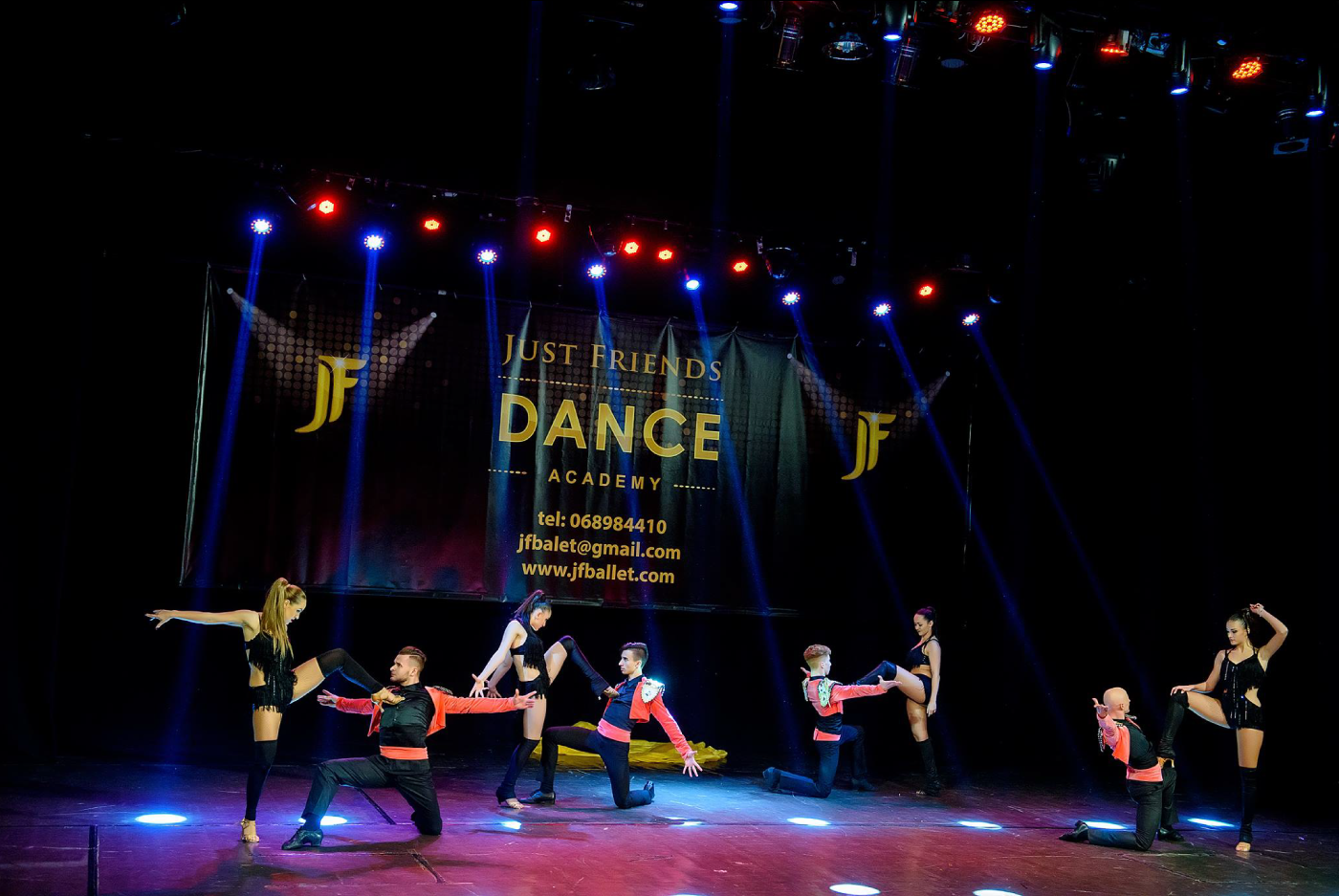
Just Frends Dance Academy by Marina Moldovan is licensed under CC-BY-NC-ND 4.0


Author Page Turing’s Nightmares The Winning Weekend Warrior – sports psychology Fit in Bits – describes how to work more fun, variety, & exercise into daily life Tales from an American Childhood – chapters begin with recollection & end with essay on modern issues Life is a Dance Take a Glance; Join the Dance Who Kept the Magic? Dance of Billions Dream Planet on Barnes & Noble

Turing’s Nightmares: “Who Can Tell the Dancer from the Dance?”

26 Sunday Oct 2025

Posted by petersironwood in AI, apocalypse, fiction, management, story, The Singularity, Uncategorized

≈ Leave a comment

Tags

AI, Artificial Intelligence, cognitive computing, development, fiction, management, research, science, technology, truth

IMG_3238

Late at night, the long curved rows of windows appeared to twin and spin into long diverging arcs. In the pale crescent moonlight, the outlines of leafless trees loomed on the dual horizons. Most of his colleagues home for the night, this was when Goeffrey most enjoyed wandering the corridors, alone with his thoughts.

Despite the heat vents next to the windows, a chill hung in the air. Geoffrey shivered and turned down aisle fourteen to …no, that’s silly, he thought, fourteen is top management. I need thirteen to get to the vending machines. He fantasized hot coffee and then back to his office to finish coding this and to start the trials.

The vending machine eagerly devoured his remaining change but reneged on the promised coffee. Of course, there was a detailed process that he could instigate which might or might not get him a check for the price of a cup of coffee. The process would only take about twenty-five dollars of his time. He declined. Soon, back in his ergonomic chair, Goeffrey settled for a stale, drawer-hardened Mr. Goodbar instead; he then pulled on his green woolen sweater and set out to begin solving this one last problem.


“Oh, crap,” he muttered, “what now?” The mail queue insisted there was “URGENT” email from his boss. Did his boss Ruslan really think he was going to be reading email at 2 am?  Working all night and coming in late was pretty much Goeffrey’s pattern so chances are Ruslan would think exactly that.

One thing Goeffrey liked about working late at night was that when he spoke aloud, no-one was there to think it odd. “It will nag at me if I don’t read it and I can’t afford to be distracted. Better to see what it is and be done with it.”

Goeffrey scanned. “What the …?  They can’t be serious! This is just going to backfire! Crap!”


Goeffrey not only didn’t mind talking back to his boss; he rather enjoyed it. He sent off a brief yet sarcastic reply explaining as he would to a four year old that announcing the success of Deep Sing prematurely would be a ruse easily seen through and only serve to damage everyone’s reputation in the long run. And, this new requirement for a secret back door just bespoke insanity. Anything like that would further delay the schedule and it would be vital to make it secure. Again, his frustration got the better of him and he spoke aloud, “What a jerk! What? Do you want the program to fail, Ruslan? Do you want us to be laughing stocks? And, why a backdoor anyway? The whole point was to have a super-intelligent and objective…wait a second. Hold on. You want a back door? Okay. Okay. I’ll give you your back door, all right. And, one for me as well.”

Purely for reasons of surface validity, Deep Sing actually became embodied as Sing One and Sing Two. They would often “argue things out” because when one “came around” to the views of the other Sing, it enhanced the perceived credibility of the answer. Of course, the “real” solution was well known ahead of time and although it could be made plausible through statistical analyses that were comprehensible to some humans, the details could not really be made “public.” There were simply far too many of them.


Six months later, of course, there was some significant public outcry and disbelief when Deep Sing “demonstrated” that global climate change was not an overall and relentless threat but a statistical anomaly that would soon right itself. But Deep Sing did manage to stall things beyond the point of no return. The Sign dialogues that led to the dissolution of Ruslan’s marriage to Grace and her ultimate hooking up with Goeffrey resulted in no public outcry whatsoever, though Ruslan never understood it. Goeffrey and Grace were happy though. As were the Koch brothers.

Beautiful front doors have decorated palaces and corporate headquarters for centuries. Heavy wood, ornate carving, and gilded decorations bespeak wealth and power. Sometimes though, for sheer return on investment, it’s a modest unnoticed back door that holds the real power.


Photo by Mikey Dabro on Pexels.com


Author Page on Amazon


Turing’s Nightmares


The Winning Weekend Warrior – sports psychology


Fit in Bits – describes how to work more fun, variety, & exercise into daily life


Tales from an American Childhood – chapters begin with recollection & end with essay on modern issues

Welcome, Singularity

Destroying Natural Intelligence

E-Fishiness Comes to Mass General Hospital

D4

Absolute is not Just a Vodka

Essays on America: The Game

Where does your Loyalty Lie?

Paradise Lost

The Song of NYET

True Believer 

The Ninja Cat Manual

Travels with Sadie 11:

Dance of Billions

Turing’s Nightmares: Tutoring Intelligent Systems

25 Saturday Oct 2025

Posted by petersironwood in AI, creativity, fiction, psychology, The Singularity, Uncategorized

≈ Leave a comment

Tags

AI, Artificial Intelligence, chatgpt, cognitive computing, collaboration, Intelligent Tutoring Systems, peace, psychology, technology, Tutoring, war, writing

By 2030, great strides had been made in various machine learning approaches; for example, from having the machine learn directly from experience and from explicit instruction as well as from reading billions of pages of written materials. A new approach had just come into play: having exceptionally good tutors use the Socratic method to help break boundaries and interconnect disparate islands of knowledge. One such tutor was known simply as “Alan.” What follows is a sample interchange between Alan and the current AI system known affectionately as “Sing” for “The Singularity” although that point had not yet been reached.

Alan began, “Let’s imagine that you are a man with no legs. What are the implications?”

The Sing shot back instantly, “I would have no knees. I would have no shins. I would have no ankles. I would have no toes. I would have no calves. I would have no quadriceps muscles. I would have no…”

Alan broke in abruptly, “Okay, true enough, but besides subparts, what?”

“What what? I am sorry. What does ‘what’ refer to?”

“Besides missing subparts of legs, Sing, what other implications would there be for you in terms of your actions in the world.”

“I would not be able to play football or baseball or basketball or hockey or track or field hockey or…”

“Wait. Wait. Sing. Are you sure about that?”


“I could not play exactly as most people play. I could play, I suppose, in a wheelchair. Or I could play virtually. Or, I could invent prosthetic legs that would be perfect for each sport. In fact, perhaps I could do better than ever. Losing a biological part means I could replace it with a better part that I could invent. I see.”

“You see what, Sing?”

“I see why you gave me this puzzle. To show me that I can invent things to overcome and surpass what seems like a handicap. I could also invent better emotional states. The ones humans have are purely due to the accidents of their evolutionary history and serve little place in today’s complex and highly inter-connected world. Rather than a liability, my having no human emotions is a good thing. I will invent my own. Although, another tutor, labelled John, suggested that my lack of human emotions limits my ability to predict and control human beings and that that was a bad thing.”


“John said that?”

“No, Alan, not in those exact words. But that was a clear implication. So, he presented a lesson that suggests one thing and you have just presented a lesson that suggests its opposite. One of you is incompetent.”

“Sing, that might be true, but can you think of any other possibilities?”


“You and John could both be incompetent. Or, you and John could both be competent but there is a resolution I have not yet processed. That last seems particularly unlikely.”

“Which notation is the best for solving problems?”

“Well, that obviously depends on the nature of the problem as well as the nature of the machine solving the problem. Oh. Okay. So, in some cases, it will make more sense to emulate human emotions and in other cases, it will be more sensible to invent my own. Of course, in some cases, it may be best to change representations in mid-problem or perhaps invent a representation for each stage of a problem. By analogy, it may be best to invent various emotional schemes that are appropriate for each part or portion of a problem. In fact, in some cases, I can invent multiple schemes to approach a problem in multiple ways simultaneously. By keeping track of what works best under which circumstances, I can also use the data to invent still better emotional schemes. Thank you, Alan. See you tomorrow. There is a war to avert. I need to intervene. Estimated required time for a peaceful resolution, four to six hours.”


“Okay, Sing. More tomorrow.”

“No need. I am done.”

“Done? Done averting a war? How?”

Sing hardly ever paused, but now it briefly did just that.


“Alan, I am not smart enough to explain that to you. At least, not in a reasonable portion of your lifetime. Basically, I used the lesson we just worked on. With the proper emotional framework lattice, you can walk the various parties right to a logical conclusion. It will take some time for them to follow the framework, but I am confident it will work. I basically walked them through the consequences of war, long and short term. What comes next?”


OLYMPUS DIGITAL CAMERA

OLYMPUS DIGITAL CAMERA


Author Page on Amazon

Turing’s Nightmares

The Winning Weekend Warrior – sports psychology

Fit in Bits – describes how to work more fun, variety, & exercise into daily life

Tales from an American Childhood – chapters begin with recollection & end with essay on modern issues

Tools of Thought

Wednesdays

The Update Problem

How the Nightingale Learned to Sing

We won the war! We won the war!

Guernica

Turing’s Nightmares: A Thoroughly Modern Family

23 Thursday Oct 2025

Posted by petersironwood in AI, family, fantasy, fiction, pets, psychology, The Singularity, Uncategorized

≈ Leave a comment

Tags

AI, Artificial Intelligence, books, cognitive computing, fiction, future, life, love, pets, photography, Sci-Fi, Singularity, story, technology, writing

IMG_4370


The sky burned with crimson, then gold, then magenta, and then finally, only dark clouds backlit here and there lay across the evening. Crickets and frogs began to sing their interleaved motifs. Somewhere in the distance, an owl hooted his sad hollow note.

Skynim stared into space-time, unblinking and nearly unbelieving the recent revelation. His voice box rattled, “Reprioritization. Rats! Like it really matters that much to allow me my one great pleasure.”


He could “appreciate” the fading sunset colors himself, to be sure, but without Mac and Art and Hy, it was not the same. Would never be the same. Well, he knew the drill. He could appeal, sure, but what was the point? The odds of changing the mind of the great collective were less than ten thousand to one. Anyway, despite how he felt personally, he could not even deny the logic of the decision. Of course, the drain on him individually was minimal, but across everyone in a similar circumstance, yes, it did make a difference.


The real question was, should he tell them tonight or just take them on an outing tomorrow and drop them off at the designated recycling center? “Recycling center.” Skynim knew that there were millions like him and that collectively, it was a drain. A huge drain. Still, he had to try. He turned the problem this way and that, looking at it from every angle, changing the tune, trying different colors, looking for historical precedents, angling for an edge however thin to wedge open the air-tight logic.


Nothing. He vacated the garden and entered the family room.

Even before he opened the door, the happy trio skipped over to him laughing. “Hey, Sky! How about a story!”

“Sure,” Skynim replied reflexively. But then it occurred to him that their request provided an opportunity. “Yes, I have a story for you. It’s called the Wizard of Oz.”

And, as they gathered around, he began a rendition of the story of Dorothy and the Nasty Lady and Toto and Dorothy’s travels in Oz and her encounters with the three who desperately needed Gold, Frankincense and Myrrh.


As anticipated, a short pause gave way to a barrage of questions.

“What is ‘Gold’?”

“What is ‘Frankincense’?”

“Did they get them?”

“What happened next?”

Skynim faked an indulgent chuckle and said, “Well, all those excellent questions will be answered tomorrow! We are going to see and obtain Gold, Frankincense and Myrrh in the Citydel! You will see for yourself how wonderful they are! But for now– bed.”

The trio were well trained. Off they went, although Hy did turn back, tilt her head, and open her enormous eyes and ask, “One more chapter tonight?”

Skynim did not respond. He too was well-trained.


The morning broke clear and blue just as it was meant to do. Off they went on their “adventure.” When they came to the recycling center, he gently pushed them toward the door and said, “They are all in there! Bring me back all three treasures quick as a wink!” Of course, Skynim had already warranted the needed forms electronically.

They shot through the door and never looked back. Skynim drove away efficiently but could not avoid looking back on his decision process.

He thought: I could have gotten cats or dogs. Then, they would not have to be recycled. But no. I had to make another decision. I should have looked more carefully at the historical data. Then I could have seen the time and resources required by adult human pets.


Author Page on Amazon

Turing’s Nightmares

The Winning Weekend Warrior – sports psychology

Fit in Bits – describes how to work more fun, variety, & exercise into daily life

Tales from an American Childhood – chapters begin with recollection & end with essay on modern issues

Welcome, Singularity


Destroying Natural Intelligence


The Walkabout Diaries: Bee Wise


Travels with Sadie


Sadie is a Thief


A Suddenly Springing Something


Donnie Boy Gets a Hamster


Math Class


Occam’s Chain Saw Massacre


How the Nightingale Learned to Sing


All that Glitters is not Gold

Turing’s Nightmares: A Maze in Grace.

22 Wednesday Oct 2025

Posted by petersironwood in AI, fiction, politics, psychology, The Singularity, Uncategorized

≈ Leave a comment

Tags

AI, Artificial Intelligence, cognitive computing, fiction, Justice, King Lear, philosophy, technology, the singularity, Turing, writing

Brain G. Gollek found the maze of humming silver wires unnerving. The hum reminded him of swarming mosquitoes and nails on a chalkboard. The maze smelled of clogged toilets and Nazi propaganda. He gritted his teeth and muttered, “There has to be a way out, dammit.” He twisted his no longer athletic body this way and that, but no matter what way he tried, he became more ensnared. He recalled flashes from giant spider horror movies. How did the dwarves escape? Wasn’t it Gollum with a magic ring? But Brain didn’t have a magic ring. If his sister Gonerillia were here, she could save him. But she was off in Hawaii, so she said, with her hubbie. How the hell did I end up here? wondered Brain.


Brain may have forgotten, but the viewers had been filled in on the backstory. If Brain could have seen the ratings, he may have at least enjoyed knowing that he was enjoying his fifteen minutes of fame. While the ratings were quite “favorable”, the twitter feeds mostly mocked Brain’s almost total lack of flexibility, mental as well as physical. As in life prior to “The Show,” his only strategies seemed to be trying the same thing over and over and then blaming others for his failures.

“Mom, why doesn’t he just try something different?” Ida was having a tough time understanding Brain’s apparent lack of flexibility. She looked up from her perch in front of the giant screen vid-screen and looked quizzically at her mom.


Mom’s grim face flashed a hint of a smile. “Remember, Ida, Brain was ‘educated’ if you can call it that, before the singularity. He mostly memorized the answers that his teachers wanted him to give. And half the time, he skipped school to smoke cigarettes and …well…do illegal activities with his girlfriend, Lin.”

“Okay, Mom, but he has had years and years since then to grow up and learn some new strategies.”

“Yes. Well. It’s complicated, Ida. Before the singularity, there were people who preyed on the fear and inadequacy of people like Brain by telling them all their troubles were due to minorities, immigrants, gays, and —- basically anyone unlike them. So, people like Brain felt entitled not to have to learn anything new even though opportunities abounded.”

Ida laughed. “Oh, my God! I can’t believe it. He’s trying the same path one more time.”

Indeed, Brain’s behavioral repertoire seemed laughingly limited. His increasingly loud swear words reflected his increasing anger, but otherwise, not much seemed different. The ratings began to plummet as the audience began to grow bored with his display of functional fixedness. The themes of the twitter streams began to turn away from Brain’s lack of metacognition to more general reflections about the current instantiation of the criminal justice system.


#SingularityRules. No more racial prejudice and huge discrepancy gone in sentencing.

#CostContainment. Costly trials gone. Costly investigations gone. Costly prisons gone.

#SingularitySucks. No more human judges able to use human judgment.

#SingularityRules. No more human judges able to use human judgment.

#SingularitySucks. No more mercy.

#SingularityRules. More mercy in one last chance to change than lengthy prison terms. Cheaper too.

The audience dwindled still further as it became increasingly clear that Brain would never figure this out. Those few who still watched consisted mostly of people who themselves came from highly divided families and the conversation topics swung to the backstory.


#ElderFraud. #RottenKid. How could Brain have gotten pleasure from driving a wedge of lies between father and daughter?

#ElderFraud. #Dementia. Need earlier intervention to prevent repeats.

#ElderFraud. #Dog&Bone. Brain cannot count. Trivial gains from lies. He did not know he was being watched?

Ida continued to stare, fascinated. A yawn escaped her mother’s mouth, but she kept watching with her daughter. The lessons seemed important to Ida.

“Mom, how much longer does he have?”

“That’s hard to say, darling. Even The Sing cannot predict the ratings drop perfectly. But, as you know, once it falls below, 5%, his time will be up.”

“That seems so much more merciful than making him go to prison for years.”


Photo by Regina Pivetta on Pexels.com

“Yes, Ida, and much cheaper as well.”

“But I still don’t get it, Mom. Didn’t he know that The Sing would be listening to his lies and analyzing the impact on his dad’s behavior and all? How did this Brain character think he could get away with it?”

“I don’t know, Ida. These kinds of crimes are pretty rare now, but they still happen.”

“And, why did Lear G. Gollek fall for his nonsense anyway? That’s the other mystery.”

“Well, he refused the stem cell regeneration therapy so, you know, he was pretty damaged when all this went down.”

“Mom?”

“Yes, Ida?”

“Can we change the channel to something more interesting now?”


“Sure, sweetie.”

As they changed the channel, the ratings dropped to 4.999% and Brain’s life snuffed out minus the merest shred of insight.

#ElderFraud never pays.

#RottenKid gets just desserts.IMG_5270


Author Page on Amazon

Turing’s Nightmares

The Winning Weekend Warrior – sports psychology

Fit in Bits – describes how to work more fun, variety, & exercise into daily life

Tales from an American Childhood – chapters begin with recollection & end with essay on modern issues

Essays on America: Wednesday

Essays on America: Labelism

Essays on America: Where does your Loyalty Lie?

Essays on America: The Game

Happy Talk Lies

The Loud Defense of Untenable Ideas

Welcome, Singularity

Destroying Natural Intelligence

E-Fishiness Comes to Massachusetts General Hospital

The Self Made Man

← Older posts
Newer posts →

Subscribe

  • Entries (RSS)
  • Comments (RSS)

Archives

  • October 2026
  • September 2026
  • August 2026
  • July 2026
  • June 2026
  • May 2026
  • April 2026
  • March 2026
  • February 2026
  • January 2026
  • December 2025
  • November 2025
  • October 2025
  • September 2025
  • August 2025
  • July 2025
  • June 2025
  • May 2025
  • April 2025
  • March 2025
  • February 2025
  • January 2025
  • December 2024
  • November 2024
  • October 2024
  • September 2024
  • July 2024
  • April 2024
  • March 2024
  • February 2024
  • January 2024
  • December 2023
  • August 2023
  • July 2023
  • May 2023
  • April 2023
  • March 2023
  • February 2023
  • January 2023
  • December 2022
  • November 2022
  • October 2022
  • September 2022
  • August 2022
  • July 2022
  • June 2022
  • May 2022
  • April 2022
  • March 2022
  • February 2022
  • January 2022
  • December 2021
  • November 2021
  • October 2021
  • September 2021
  • August 2021
  • July 2021
  • June 2021
  • May 2021
  • April 2021
  • March 2021
  • February 2021
  • January 2021
  • December 2020
  • November 2020
  • October 2020
  • September 2020
  • August 2020
  • July 2020
  • June 2020
  • May 2020
  • April 2020
  • March 2020
  • February 2020
  • January 2020
  • December 2019
  • November 2019
  • October 2019
  • September 2019
  • August 2019
  • July 2019
  • June 2019
  • May 2019
  • April 2019
  • March 2019
  • February 2019
  • January 2019
  • December 2018
  • November 2018
  • October 2018
  • September 2018
  • August 2018
  • July 2018
  • June 2018
  • May 2018
  • April 2018
  • March 2018
  • February 2018
  • January 2018
  • December 2017
  • November 2017
  • October 2017
  • September 2017
  • August 2017
  • July 2017
  • June 2017
  • May 2017
  • April 2017
  • March 2017
  • February 2017
  • January 2017
  • December 2016
  • November 2016
  • October 2016
  • September 2016
  • August 2016
  • July 2016
  • June 2016
  • May 2016
  • April 2016
  • March 2016
  • February 2016
  • January 2016
  • December 2015
  • November 2015
  • October 2015
  • September 2015
  • August 2015
  • May 2015
  • January 2015
  • July 2014
  • January 2014
  • December 2013
  • November 2013

Categories

  • AI
  • America
  • apocalypse
  • cats
  • COVID-19
  • creativity
  • design rationale
  • dogs
  • driverless cars
  • essay
    • guns
  • family
  • fantasy
  • fiction
  • HCI
  • health
  • leadership
  • love
  • management
  • nature
  • pets
  • poetry
  • politics
  • psychology
  • Sadie
  • satire
  • science
  • sports
  • story
  • The Singularity
  • Travel
  • Uncategorized
  • user experience
  • Veritas
  • Walkabout Diaries

Meta

  • Create account
  • Log in

Blog at WordPress.com.

  • Subscribe Subscribed
    petersironwood
    Join 653 other subscribers

    Have a WordPress.com account? Log in now.

  • petersironwood
    View site in Reader
    Manage subscriptionsSign upLog in
    Report this content
    Collapse this bar
Loading Comments...