Here’s the context of the sonnet below. It is written by a sixteen year old fictional character who is nerdy, smart, and a bit on the Asperger’s spectrum. He’s also not a very experienced poet. But what I try to show is that he improves a little as he goes, falling back to teenhood toward the end of the poem. Why doesn’t he just keep improving? Because when he gets close to the true nature of love in lines 7-11, he realizes if he keeps going with this, he will be changed forever. He’s giving up partial control of his life to someone else. And it scares him so he backs off from that and just tries to show off how he can write a sonnet and be cool and funny.
Ultimately, I may or may not include the poem in the novel. If I do, I’d be inclined to add the inner dialogue of the Main Character as he’s creating the poem. I can see it getting too tedious for the reader. By the way, Edgar Allan Poe wrote a lengthy and detailed design rationale for “The Raven.” Notwithstanding that fact, there are many other folks who have a different interpretation. That’s fine. But it does remind me that if I do write a design rationale, it’s not as though everyone will say, “Oh, well that’s that then. The author has gone and told us what he meant and why he did what he did. What more to be said?”
And, of course, people do go on and there is more to be said because we know intuitively that none of us knows our complete design rationale. Others see patterns in our behavior that offer quite different hypotheses about why we do what we do. It doesn’t mean that they are right and we are wrong, but it does offer an opportunity to learn—about them as well as ourselves.
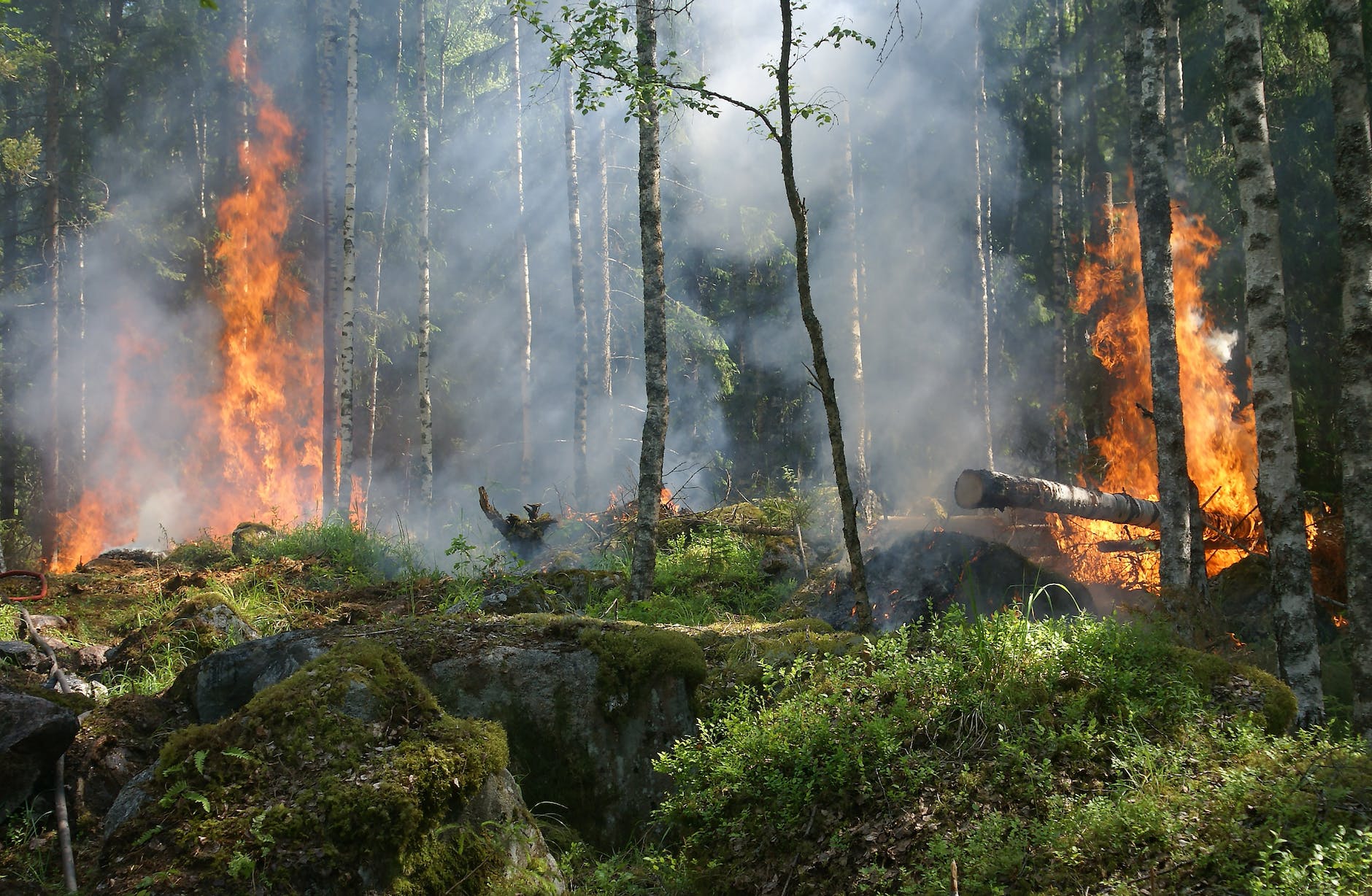
(First appeared as part of The Poetry Exchange’s Featured Poet, Spring, 1997 under the title: “Deforested”)
Gray day wasted while the whippoorwill Wishes that the slushy city sewers Had not replaced the only lonely home he knew. The groggy foggy unfocussed hurly-burly rushing Of splashing autos on the gray macadam roadways That gnarl through the neighborhoods Is vaguely deja vu. Silhouetted smokestacks shadowly seen, Limned in gray on gray-green, Remind the mind how poor people pass the day after day. Where no home fire hearth lighted cabin In the winter woods beckons, beacons, hearkens Heartily a red sunset glow on white snow For a day’s work done.
One hardly knows.
Here, where machine clouds of steam unsentiently sip, sap the soul, You wonder as the rain water wanders, Then rushes through the gurgling gutters, What foul trick man played upon his own brave soul, To have forsaken all the fiery emotion that makes life great To sit at desks, to stand in lines, to wait. Where are the country color and The rich thick loves hidden Beneath the inventions, interventions, and pretensions of society?
We wander in our own gray-glass cages In a lurching kind of mock-precision, Like the nightmare dream of a psychotic technician. And the only color the commuter encounters In his travels to and from, Is the scarlet and the gold of a raccoon Too stupid to stay off the highways of modern civilization.
————
Pet Sematary (A relevant book by Stephen King which was a partial inspiration for the poem)