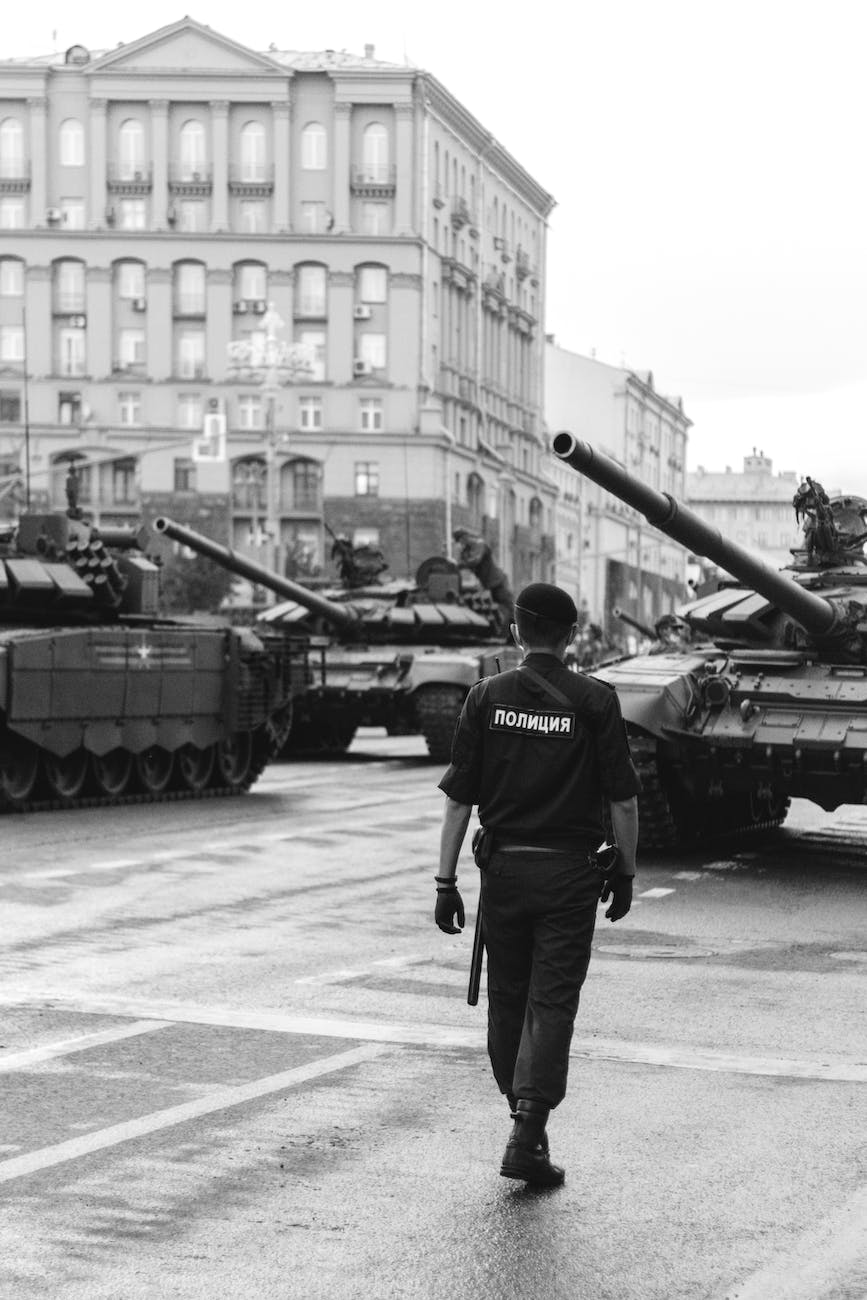
One of the things that the “winning side” of a war loses is the opportunity to spend those resources spent on war instead spent on making life better for its citizens. Even if the “winners” have a very quick and lopsided victory, they will have contributed to world-wide pollution and global climate change that will negatively impact nearly everyone on the planet including most of the people on the “winning” side and their descendants. Many of the soldiers will have died, but in almost every single case, many more innocent people will have died. In some cases, those will be minimal for the “winning” side, but not always. Meanwhile, soldiers who returned to society, even if they are not physically impacted permanently are surely impacted psychologically. Among other things, if they were successful, they killed other human beings. Some of those human beings were almost certainly innocents, but even the other soldiers were mainly people forced into fighting.
In a way, they will be carrying seeds of some very bad experiences and some of those seeds will undoubtedly leak out into that person’s environment impacting, his friends and family, as well as random strangers. But the war mentality is not limited to serious effects on fighting soldiers. To some small extent, everyone is damaged. There is more stress for everyone. There is always the threat of reprisal or that someone you care deeply about will be maimed or killed. Not only are people’s sense of fear heightened; typically, so is their hatred and anger. For many, this will be directed far beyond those actually most responsible for starting a war.
During a war, people will be asked, or ask themselves, to view the killing of a whole bunch of their fellow humans as the best course of action. Some will embrace that with relish and a side order of over-generalization. Others will embrace the killing with reluctance. Few will object outright. So, after your victory, you will be living in a society that rationalizes killing others more often and more easily than they did before. Of course, it’s generally even worse for the “losing” society. Both sides lose. The “losing side” loses more and that keeps the war fueled as long as possible. But make no mistake. Both sides lose.
Democracies have often gone to war against each other. But far more often in modern times, war has been instigated by dictators. They rule by hate and fear. Having an enemy is an entry fee and a talking point. If there’s no-one else around, they’ll simply pick on the vulnerable within their own society. Through constant repetition about extremely rare cases or even just outright lies, people can actually be made to hate people who have, in reality, done them zero harm.
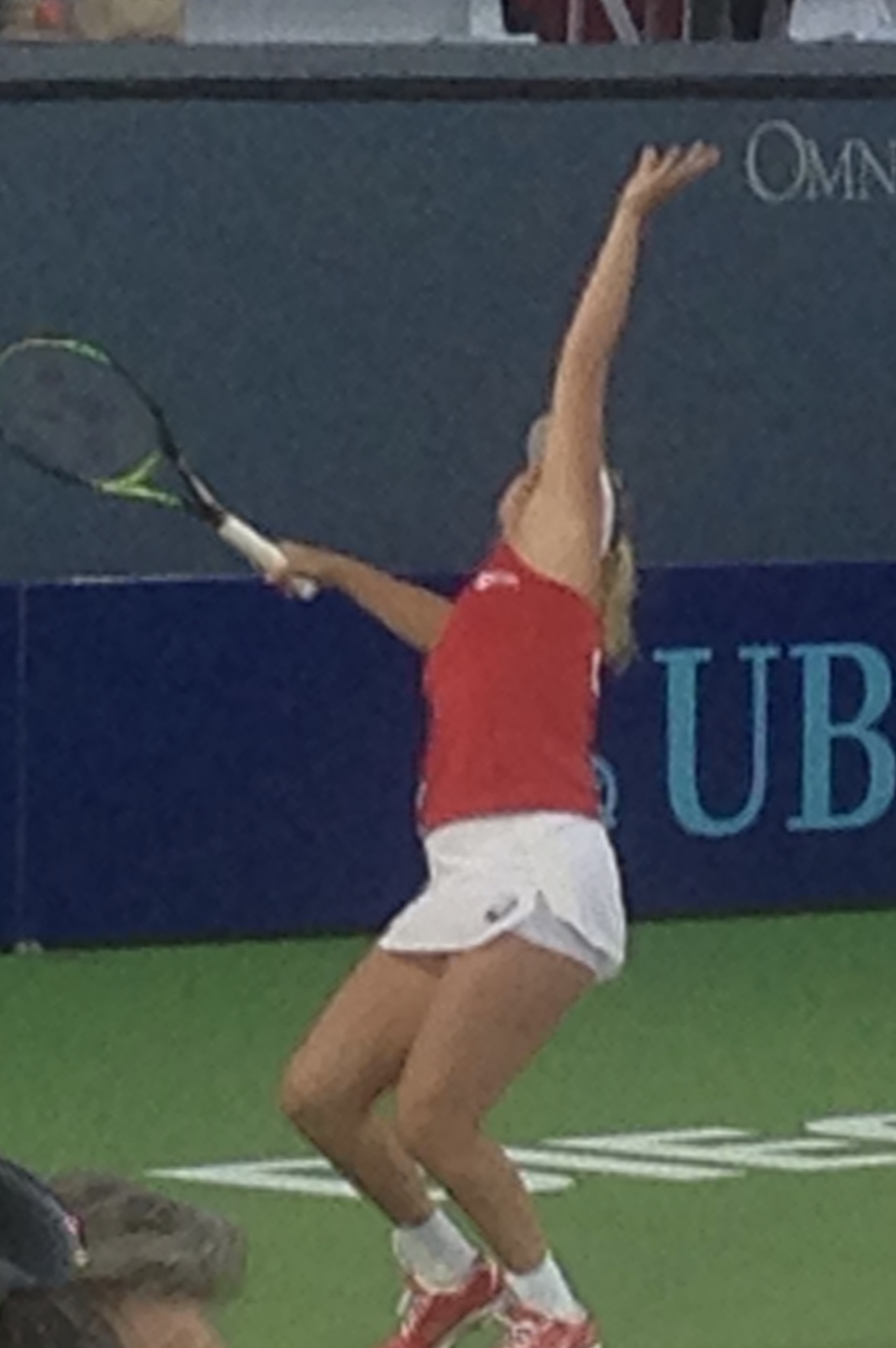
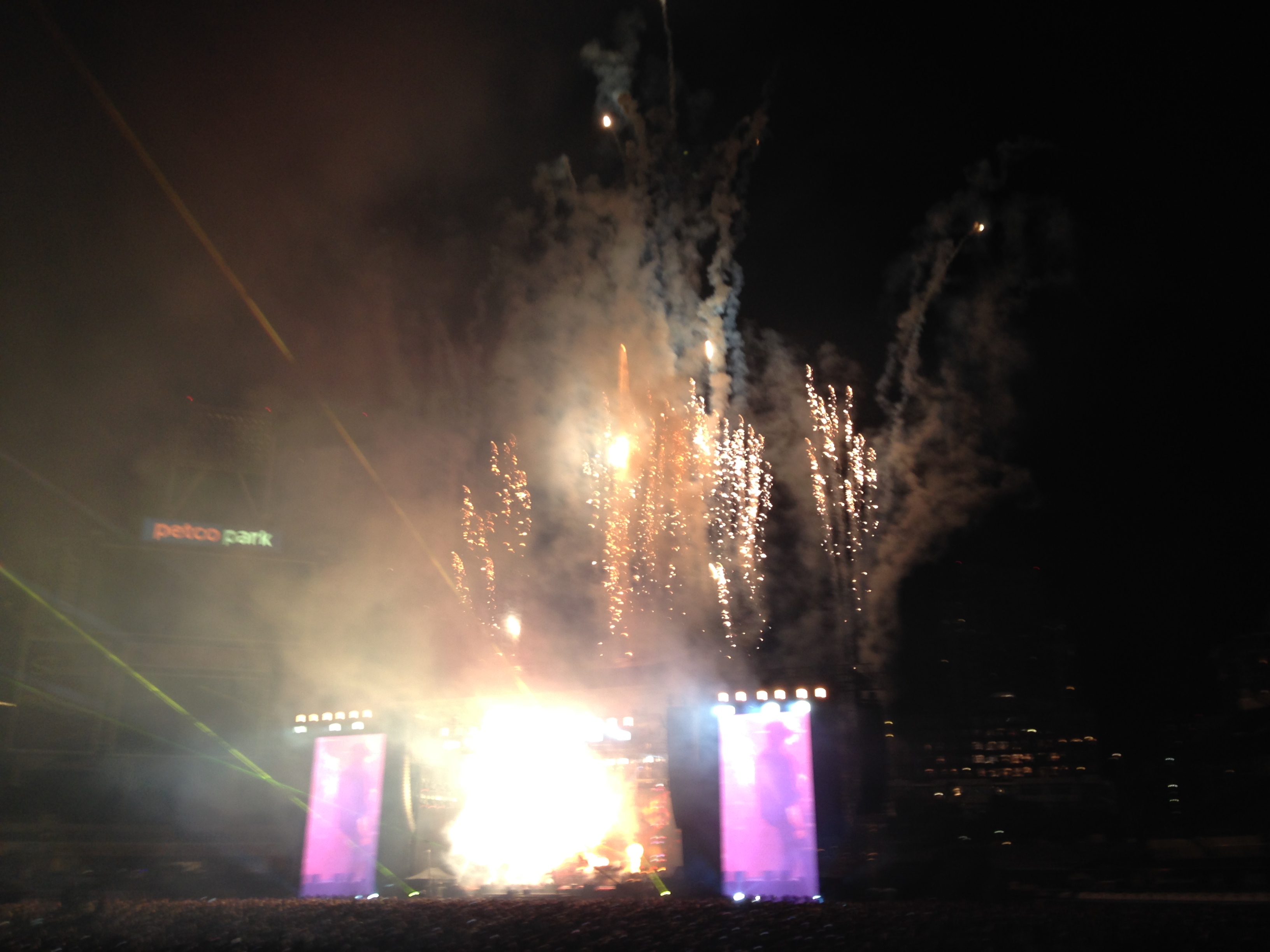
Preamble: We’ve been watching and enjoying the Australian Open. We both play tennis and enjoy watching good play. I might mention that I also enjoy rock concerts. In general, I have no philosophical problem with mixing genres. It was worth a try to mix rock concert with tennis coverage. For me, it utterly failed. The hype spoils the game for me. I want the loudest voice on the tennis coverage to be the Thwack of a well-hit shot. To contextualize the game of tennis (a game of centimeters) with giant dimensions does not serve it well. And, it certainly doesn’t serve me well. I want to skip over all that part and get to the tennis.
It’s a Hoopla, and Koopla, and WOWness and Feel!
A Laser of Rainbows and Medleys of Steel!
Australian regalia and Wimbledon shouts
It’s jeering and cheering and drunken old louts!
It’s Fireworks a Poppin’ and the Gonging of Gongs!
It’s screaming the dreaming and shouting of songs!
It’s Christmas and New Year and Eastertime crosses!
We’ve Icons and Symbols and Cherrypicked Glosses!
Each Shot is aMAZing and Dazing and Crazily Fine!
Each Sigh is a Feast that’s complete with red Wine!
Christopher Alexander was an architect who wrote much about architecture, including the well-known book, A Pattern Language. Later, he also wrote about “The Nature of Order.” He posits 15 properties of natural beauty and good design, the first of which is “Levels of Scale.” I was thinking about that today as I admired our Jacob’s Coat Rose bush which blooms about 3-4 times a year here in San Diego.
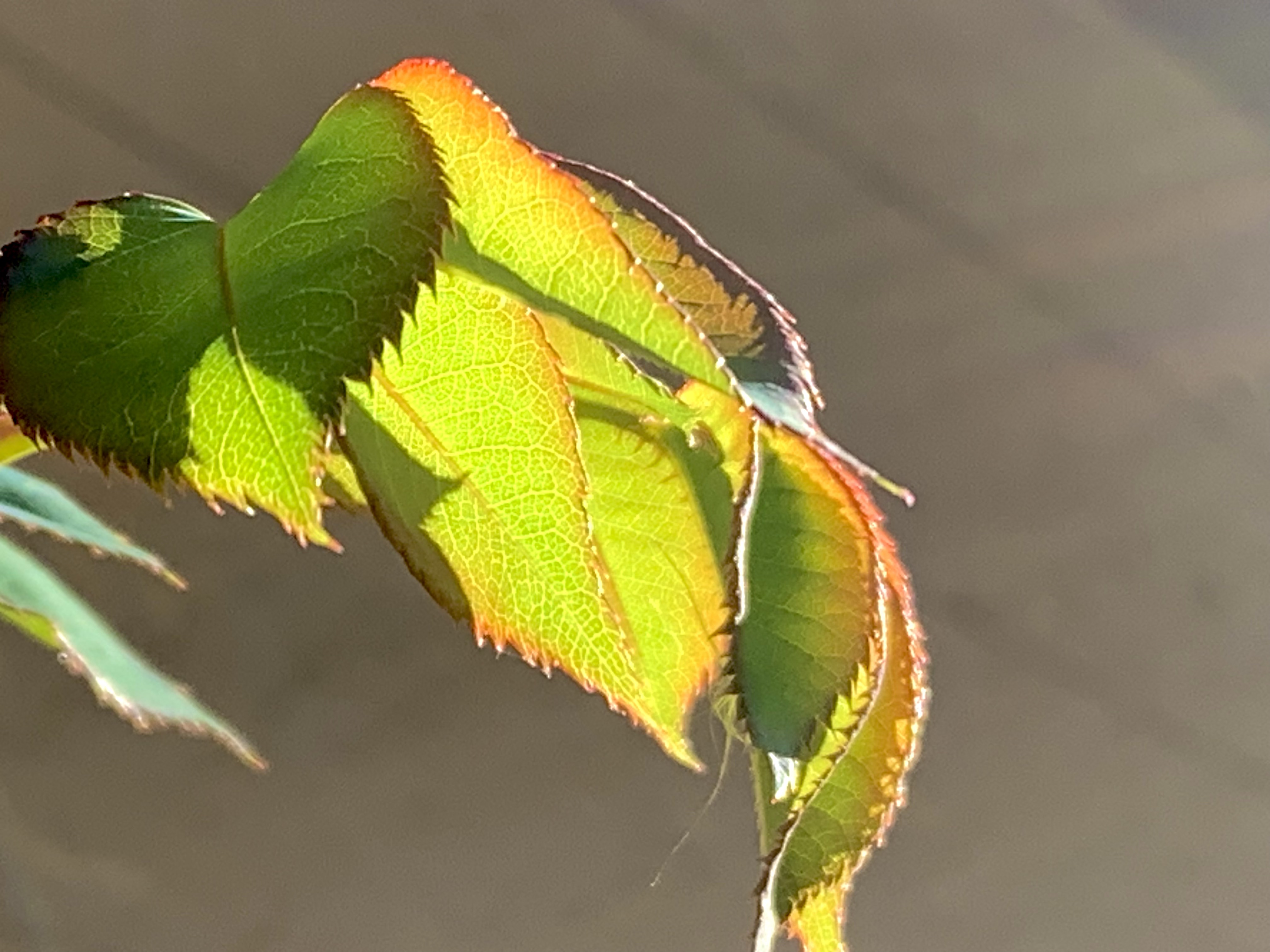
Most of us see the flowers of the rose as beautiful. And indeed they are. They are beautiful from afar. They are beautiful up close. But so too are the other parts of the rose plant. At least, sometimes, the leaves are also quite beautiful.
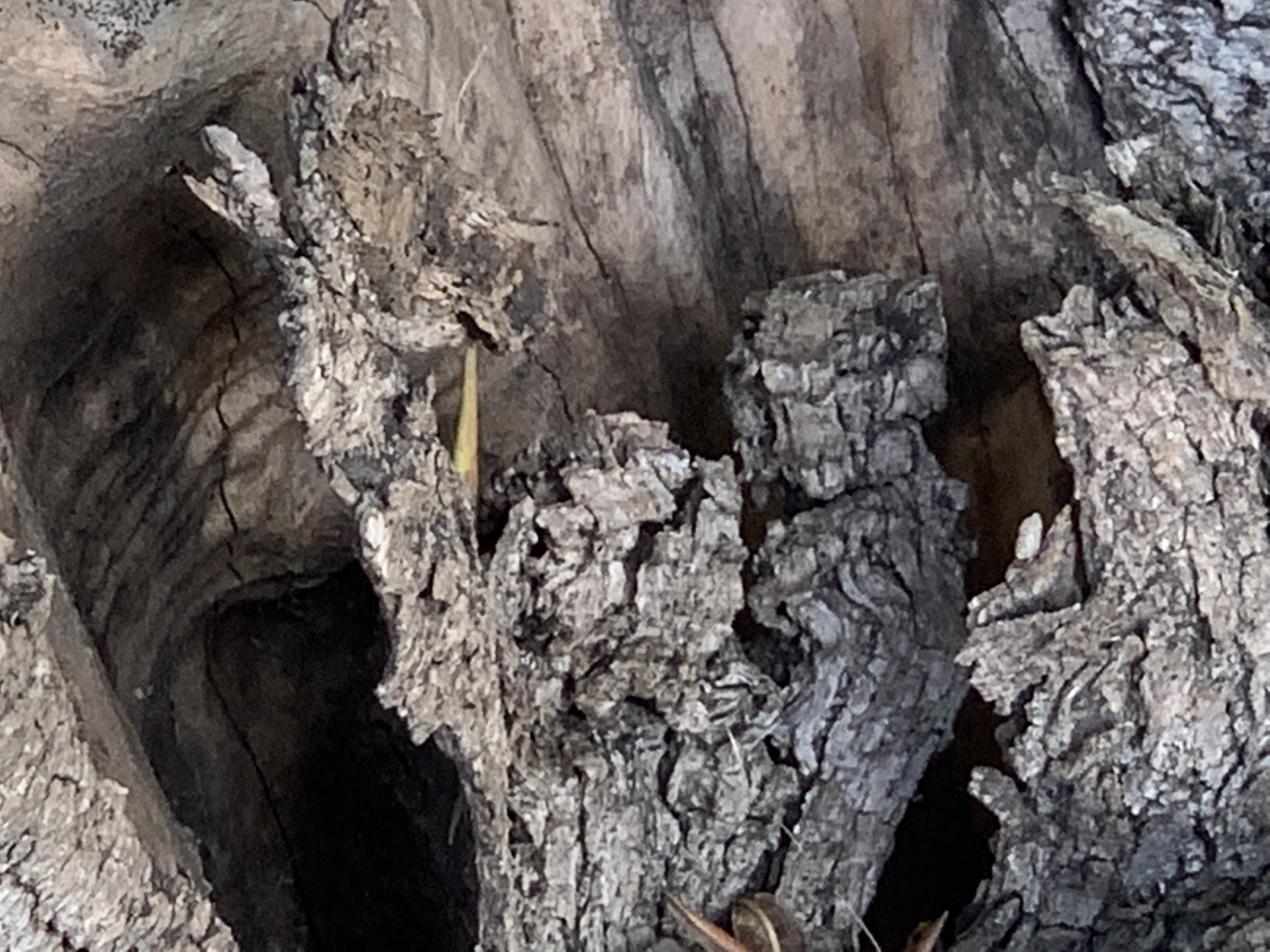
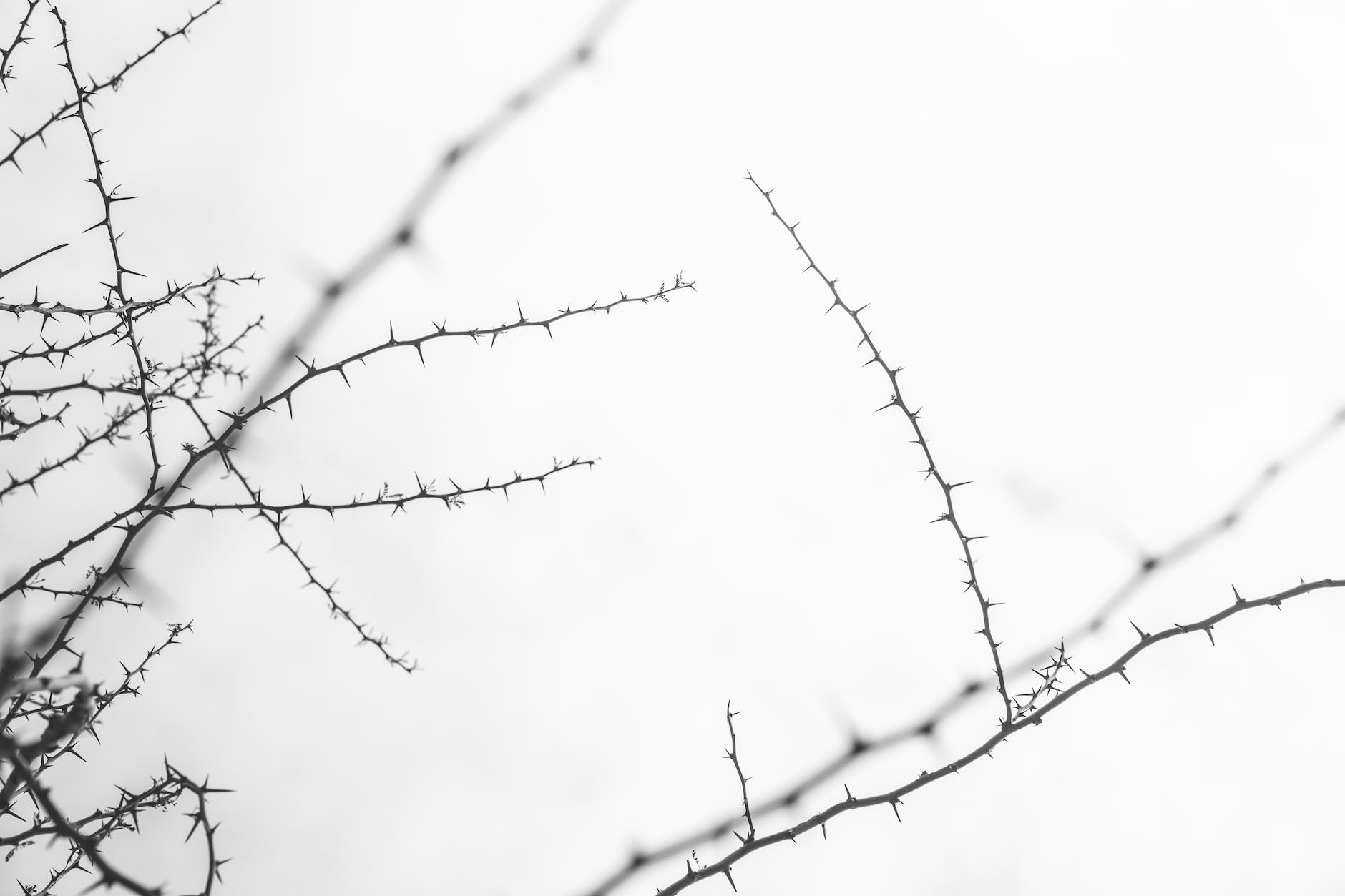
Even the thorns are beautiful.
Beyond this surface level, the rose, like all living things, is beautiful inside. Like all living things, it’s survived four billion years of evolutionary time. The way cells are arranged and the way they work–this is beautiful as well. Moreover, the relationship that roses have to humans and bees are also beautiful. Imagine having the faith and hope to depend on a completely different species to reproduce. Imagine being so beautiful that human being across the globe spend their time and money to keep you thriving.
Did I mention that, like other green plants, roses remove carbon dioxide from the atmosphere and provide oxygen for animals like us?
Roses are so famous that they play a part in history and pageantry. The War of the Roses. The White House Rose garden. Destroying part of the Rose Garden is also symbolic. The Rose Parade. Individuals give each other roses. They are variously symbols of love, friendship, and peace. Roses appear in poetry, songs, paintings, and both first and last names.
Before we bought a new dishwasher, a new deodorant, or a new doodad, most of us would want to read some opinions from others about the dishwashers, deodorants, or doodads we were interested in. We would want to talk to some folks who had first hand experience with those dishwashers, deodorants, or doodads.
That makes sense.
We certainly wouldn’t buy a new dishwasher, deodorant, or doodad simply because the sales person said it was going to be great. Would we?
Democracy is a difficult and time-consuming deal. It’s frustrating. And, it is likely the worst form of government there is—except for all the others.
So, before we throw it out with the dishwater because someone tells us how great a dictatorship would be instead, it makes sense to see what has happened with some of the other dictatorships that went before.
There was Mussolini. It’s said that he made the trains run on time. But would we ever really know? No, because the one thing dictatorships always have in common is that they refuse to allow others to measure, comment, or critique on what’s actually happening. Free press? Gone. Independent monitoring agencies? Gone.
The complaint department in a democracy may not always seem to listen to your particular concern. The complaint department in a dictatorship sends you to prison. If you’re lucky.
How did Italy fare under Mussolini? According to the online Britannica, nearly a half million Italian civilians and soldiers died. And in return? Nada. How about Mussolini? Oh, yeah, that’s right—beaten to death by an angry mob.
Well, we can’t make a sound conclusion based on just one customer’s experience, right?
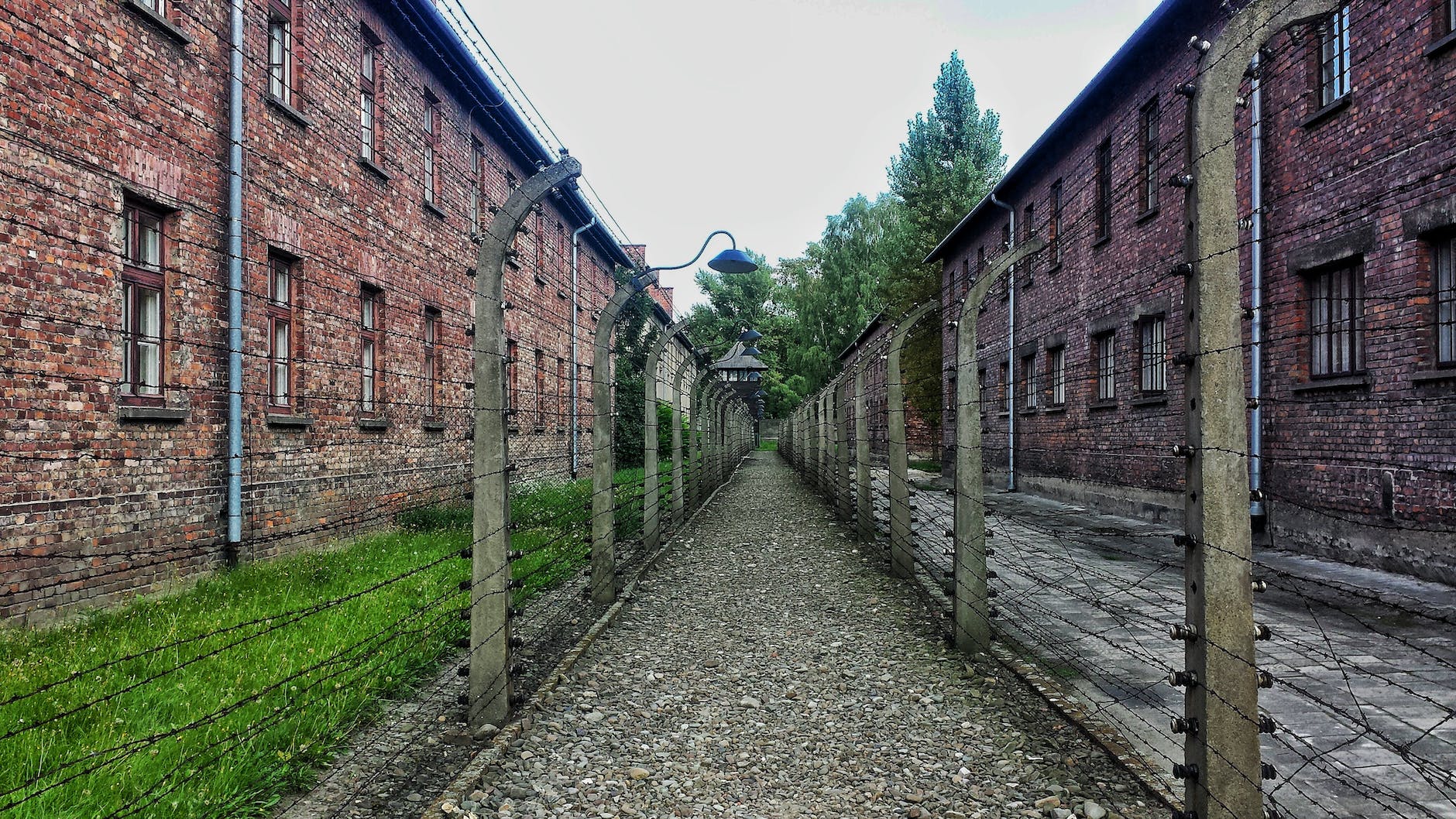
How about Hitler? After all, he promised to make Germany great and said his Reich would last a thousand years! That must have been a pretty cool outcome. Hitler, was famously responsible for about 6 million deaths in the Holocaust, but he was also responsible for needless deaths of German soldiers, the people who died at the hands of German soldiers, and many German and other civilians. And, how did that end for Hitler? Oh, yeah, that’s right. He committed suicide rather than face the defeat of his own making.
Stalin? Surely, Stalin did better. Right? Well…in a word…no. It’s complicated. Stalin was responsible for Russian deaths by war, criminal execution, starvation due to inept government, and neglect. Here’s a link if you’d like to try to disentangle it.
Then, there was Mao. He is generally credited with the death of about 40-80 million of his own countrymen. As is often the case with totalitarian dictatorships, it’s hard to know how many died of starvation due to ineptitude and how many died of intentional cruelty.
—————
Once upon a time, there was a bratty kid who wasn’t very good at tennis. And, because he wasn’t very good, he cheated. And because he wasn’t even a very smart cheater, he got caught. And because he didn’t like getting caught, he destroyed all the factories that made tennis balls and told everyone else that he had done it for them. And he promised everyone that it was just a cool thing and he would make tennis much, much better because he replaced all the tennis balls with ping pong balls and that they should therefore put him in charge of officiating all tennis matches.
And, he picked the winners and losers of every game. Those people who said he was amazing and wonderful and the best tennis player ever were allowed to win. And those people who said that was nonsense were allowed to lose. Some were arrested and said to have committed suicide.
[Note: I’ve been working most of the year on a Sci-Fi novel about AI & doing only a little blogging. In the novel, the poem below was “created” by one of the three Main Characters: An AI system named JASON. JASON didn’t create it “for” a human audience. It’s purely expressive].


































 petersironwood