• About PeterSIronwood

petersironwood

~ Finding, formulating and solving life's frustrations.

petersironwood

Tag Archives: cats

The Ninja Cat Manual 4

07 Sunday Dec 2025

Posted by petersironwood in cats, fiction, pets

≈ Leave a comment

Tags

animals, cat, cats, dogs, fiction, life, ninja, pets, politics, truth, USA

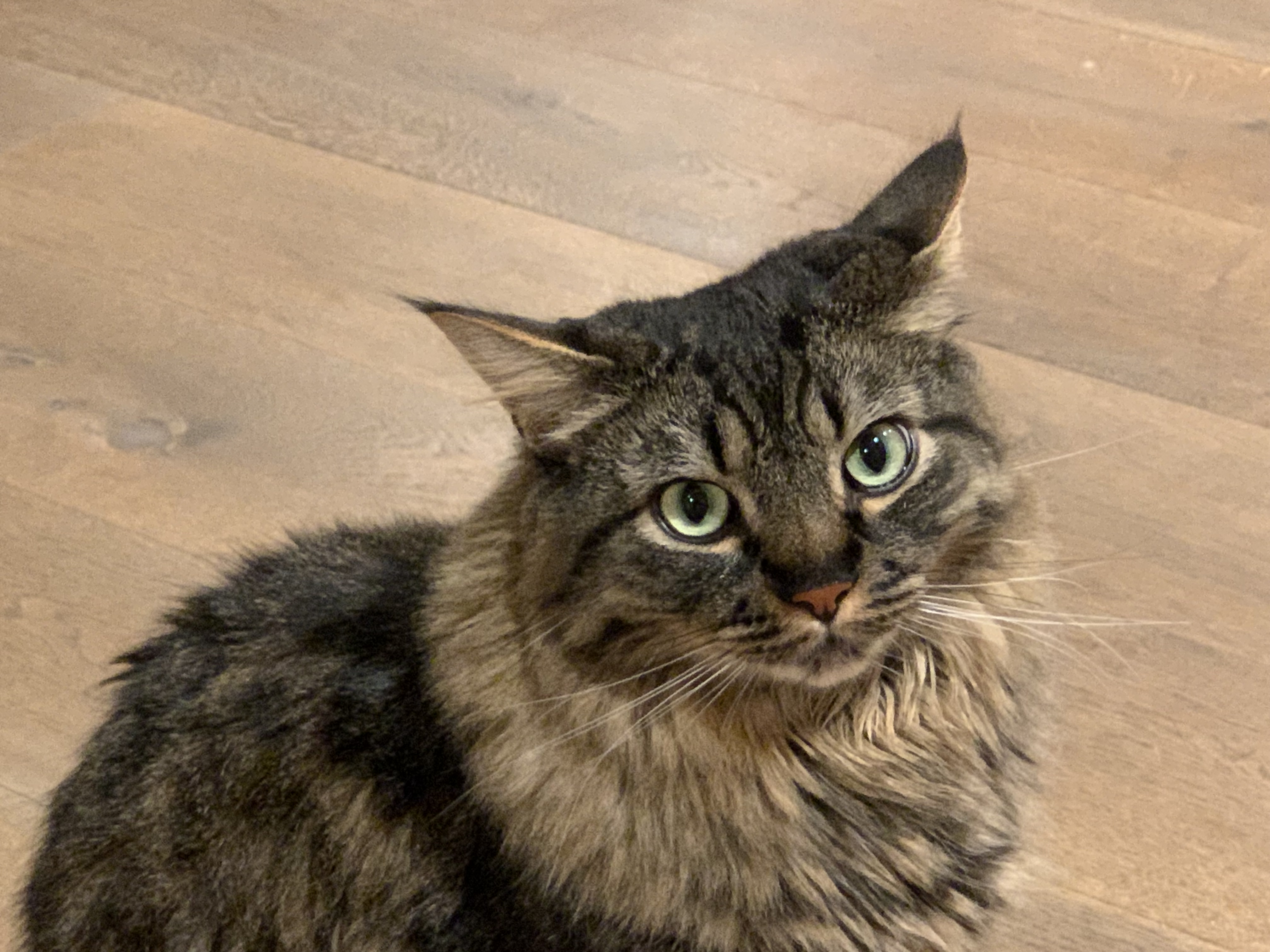
I suspect that some of the cats might be catching onto the fact that I am decoding their manual. New paw-prints to decode have been scant lately although this could partly be due to the fact that we’ve been taking the dogs to a dog park rather than letting them track truckloads of dirt into  our house from the region “formerly known as lawn.” 

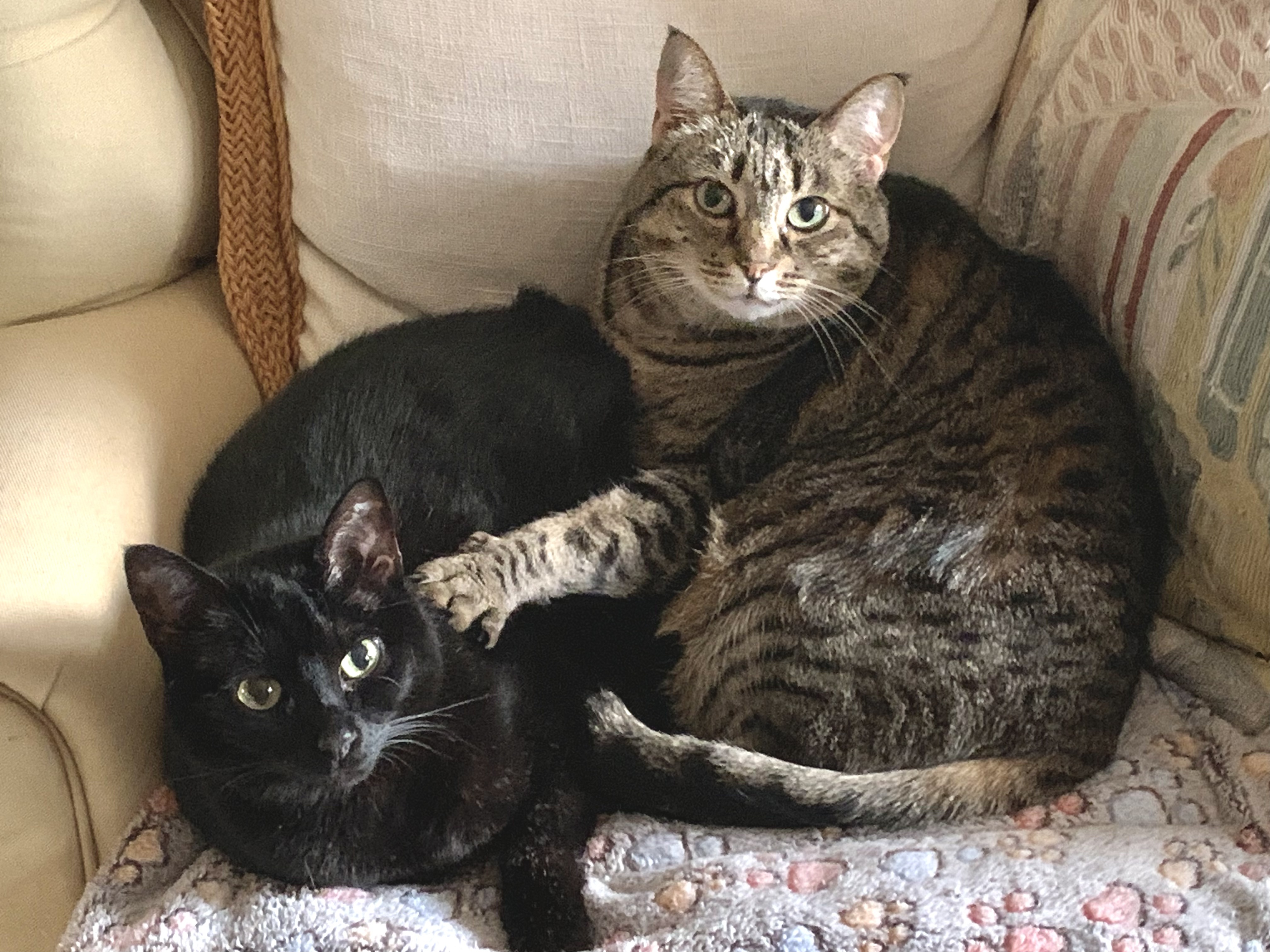
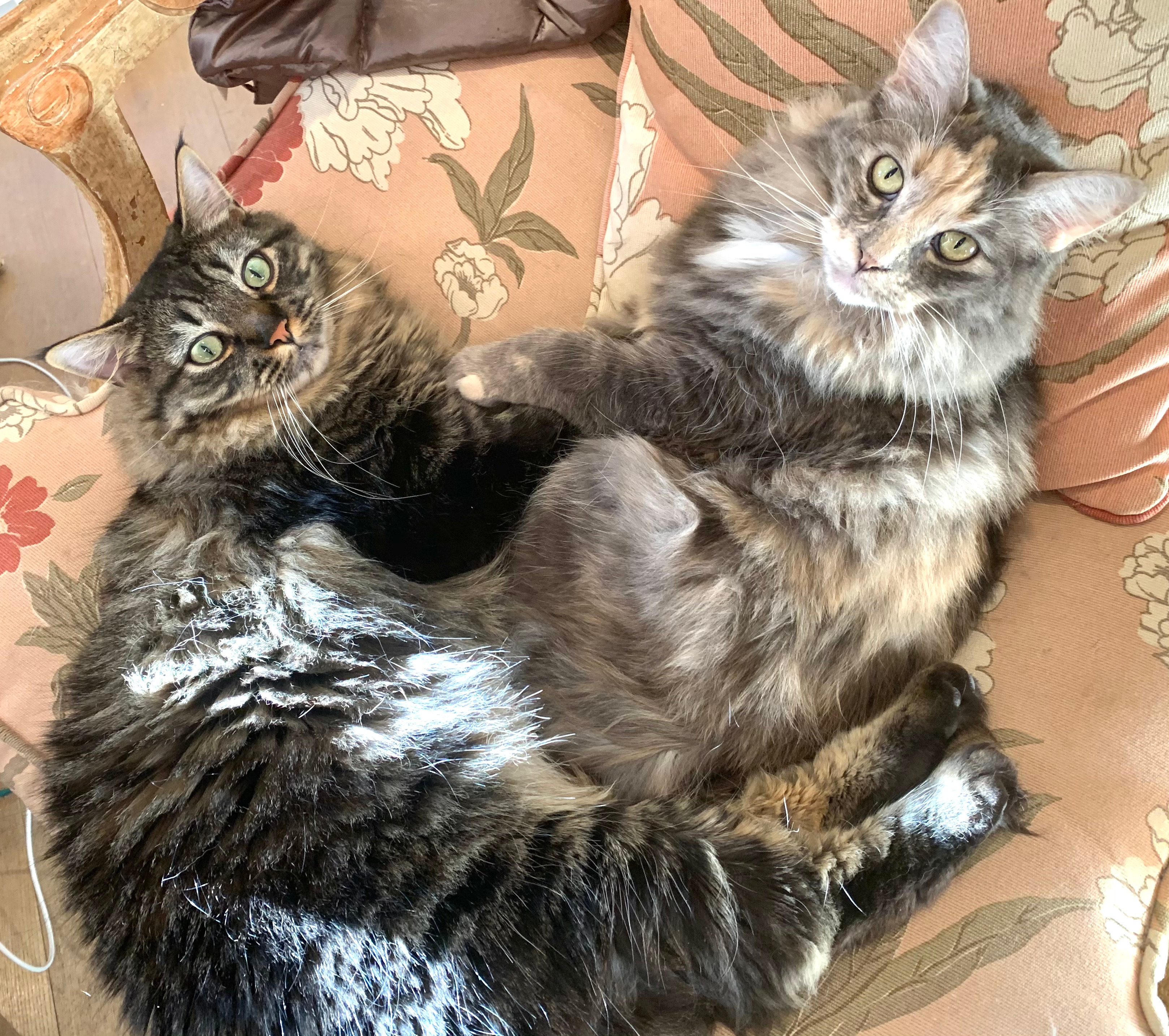
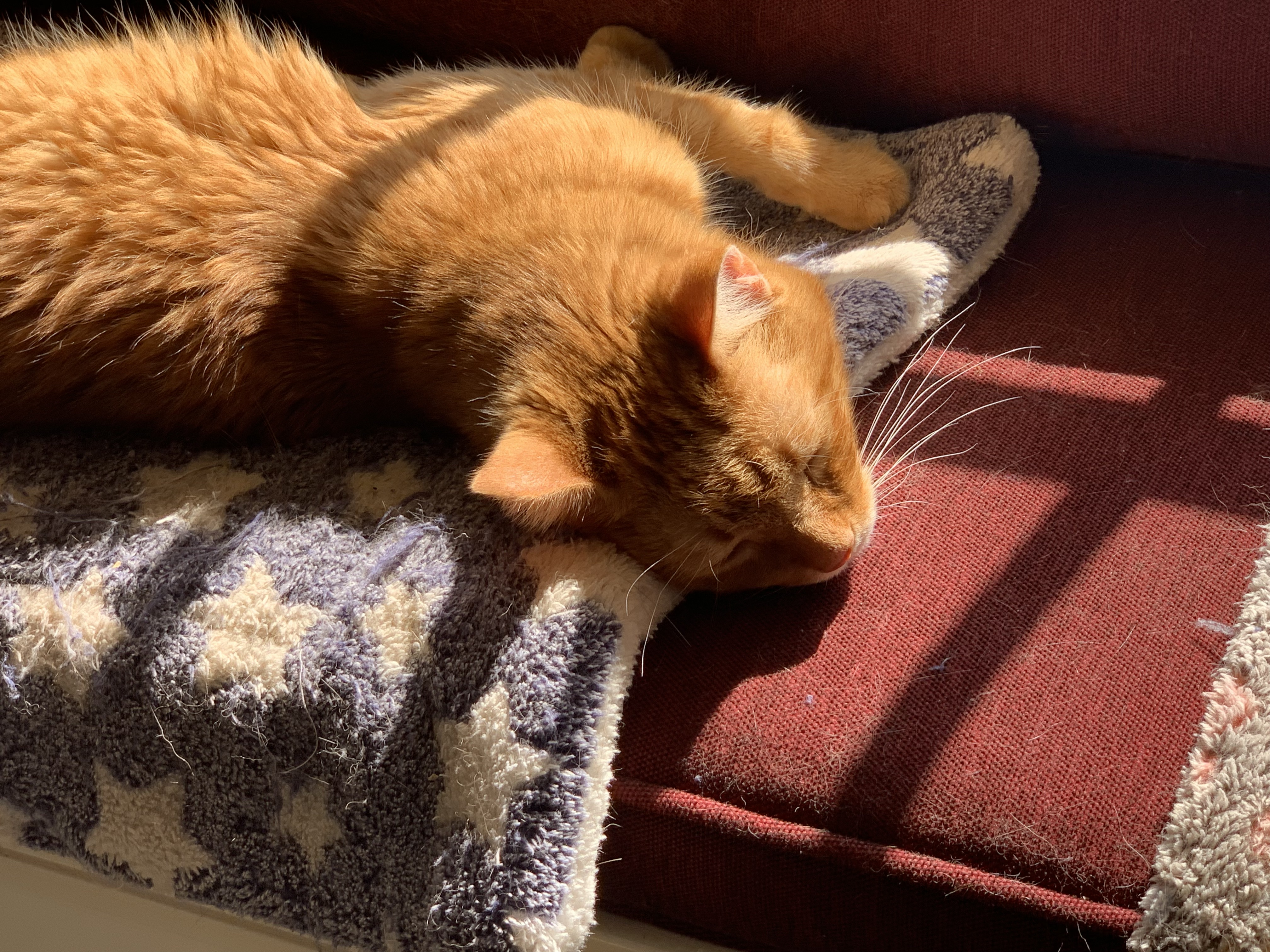
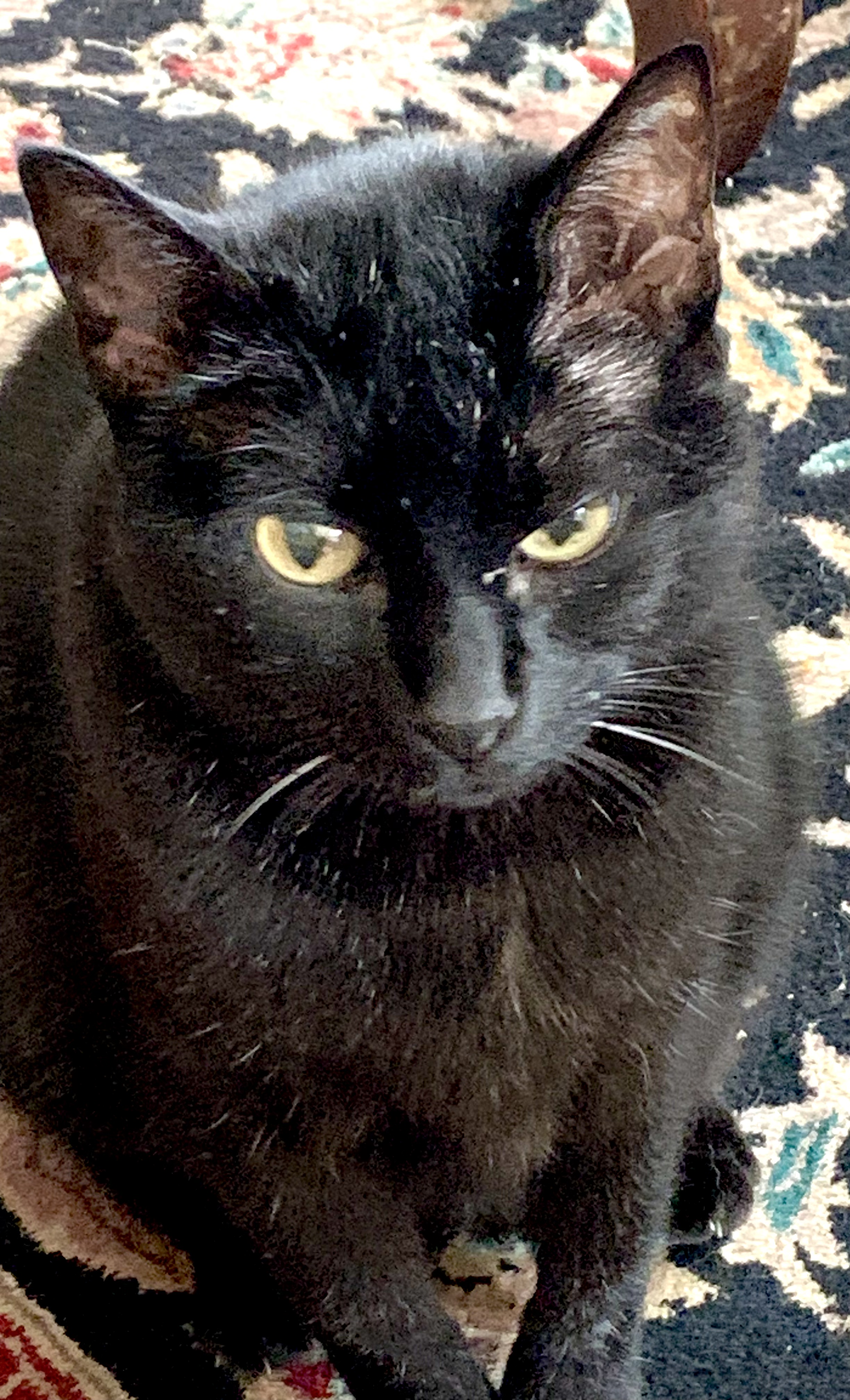
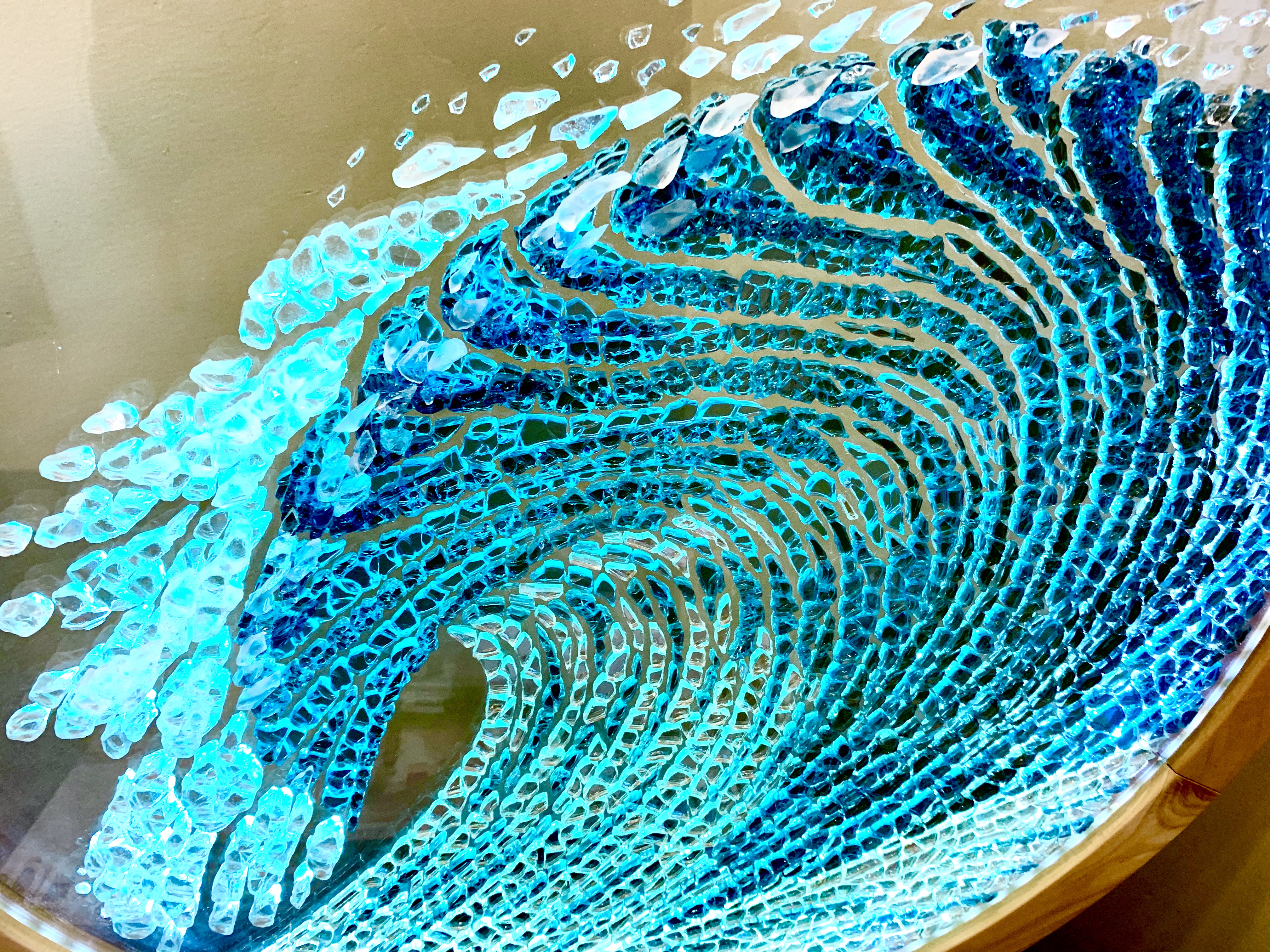
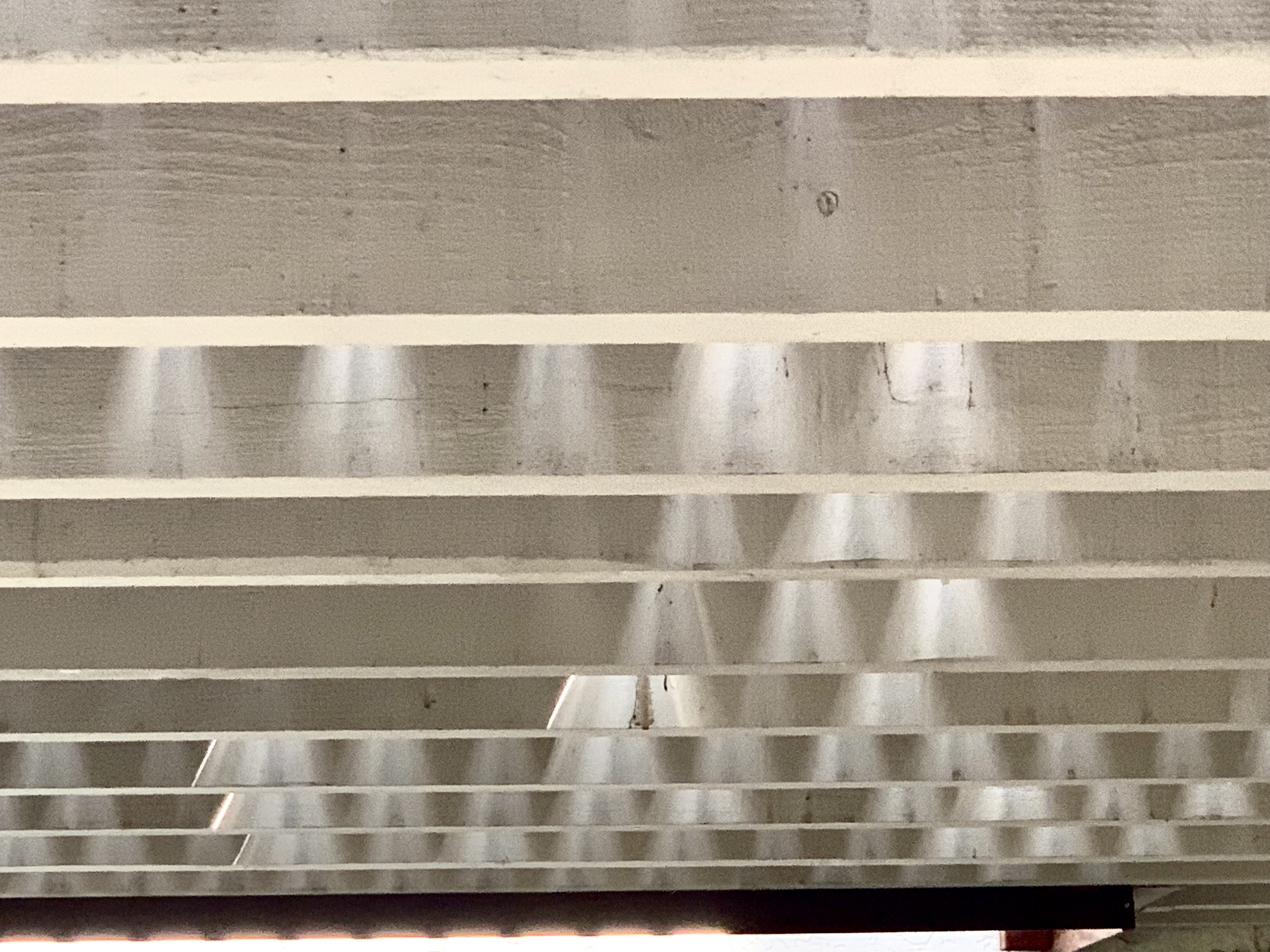
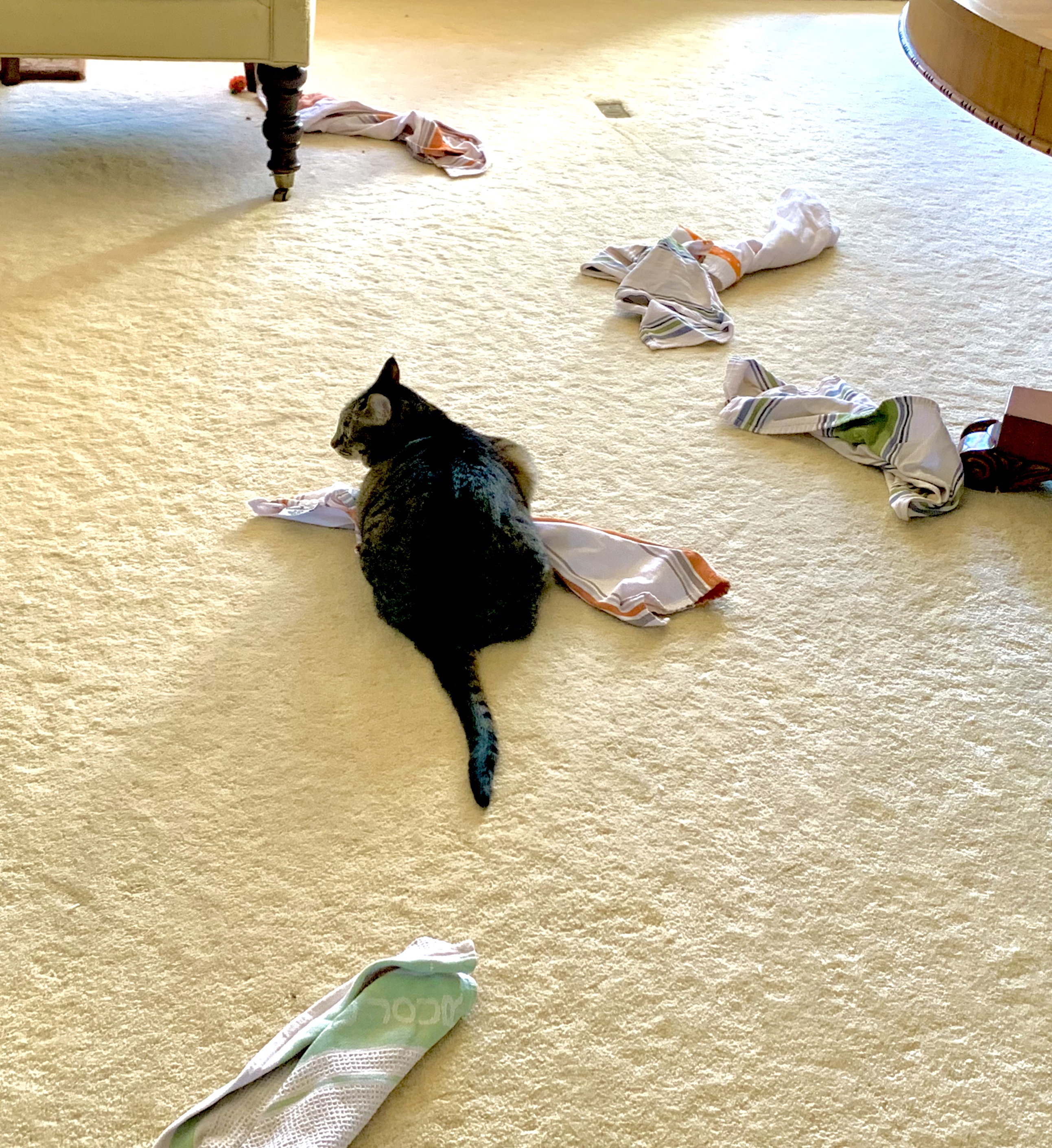
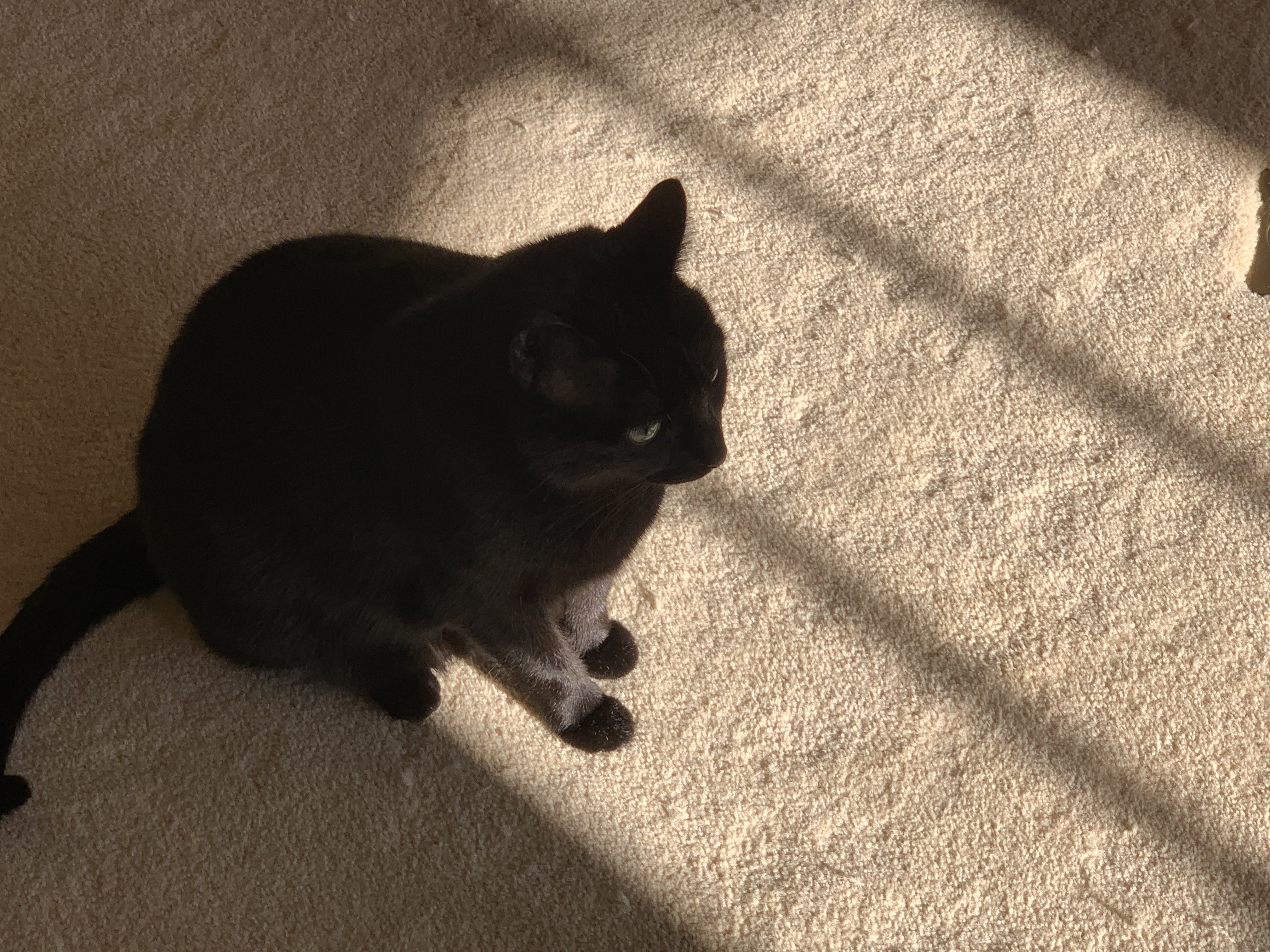
It’s long been known that the cats can open and close the wooden slat blinds. However, it was only a week ago that I discovered that Shadow, unable to continue her messages with paw-prints, was communicating by strategically slanting the slats to show patterns in the shadows and dazzles on the floor and walls. (See examples below). 
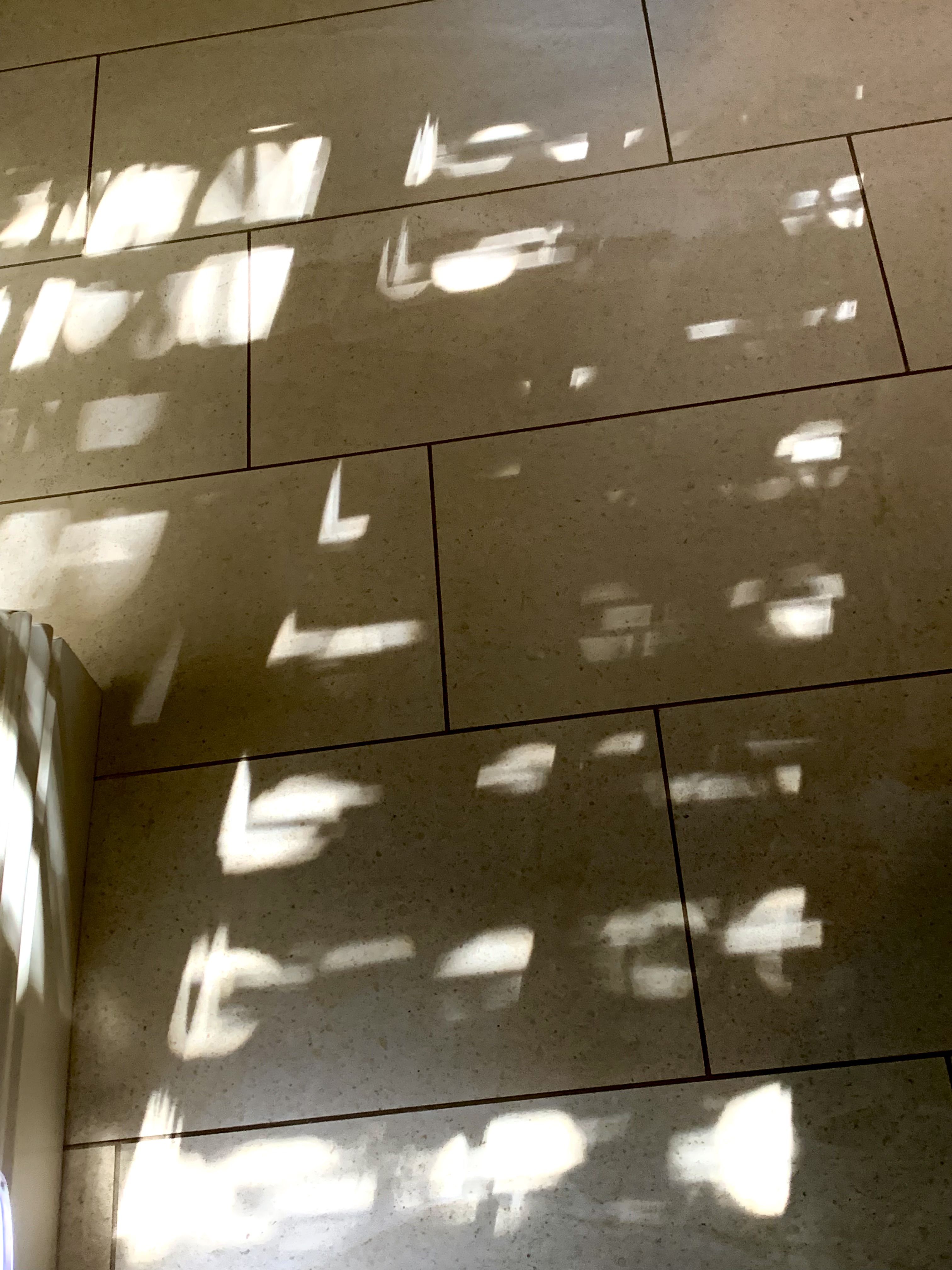
At first, I just thought that they were remarkably pleasing patterns. Then, while I was working on a crossword puzzle, it hit me. Shadow was continuing to pass her catalog of catastrophic advice on how to do in their humans. It still took a few days to understand the new communications protocols. 
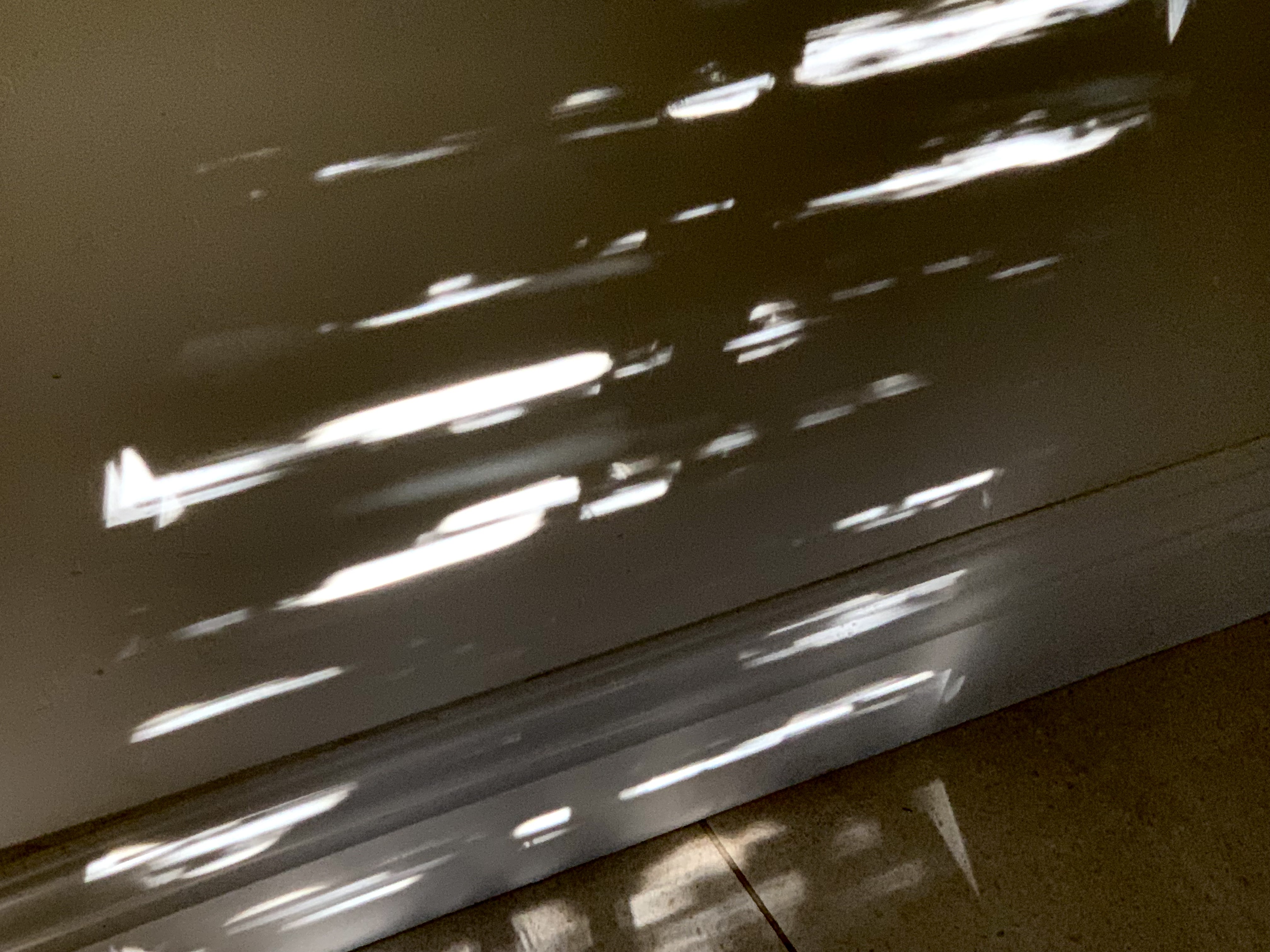
Sorry for the delay, but here are my latest efforts. 

—————

Mislead with Surface Features

Humans are easily misled with visual appearances. This may well be partly due to their rudimentary senses of hearing, touch, and smell. Many of you will find this nearly impossible to believe, but some of them have attempted to mate with inanimate toys that do not move, smell, sound, or feel like humans. I am sorry to have horrified you with this recounting but I thought it necessary to show you the extent of their reliance on visual appearances. 
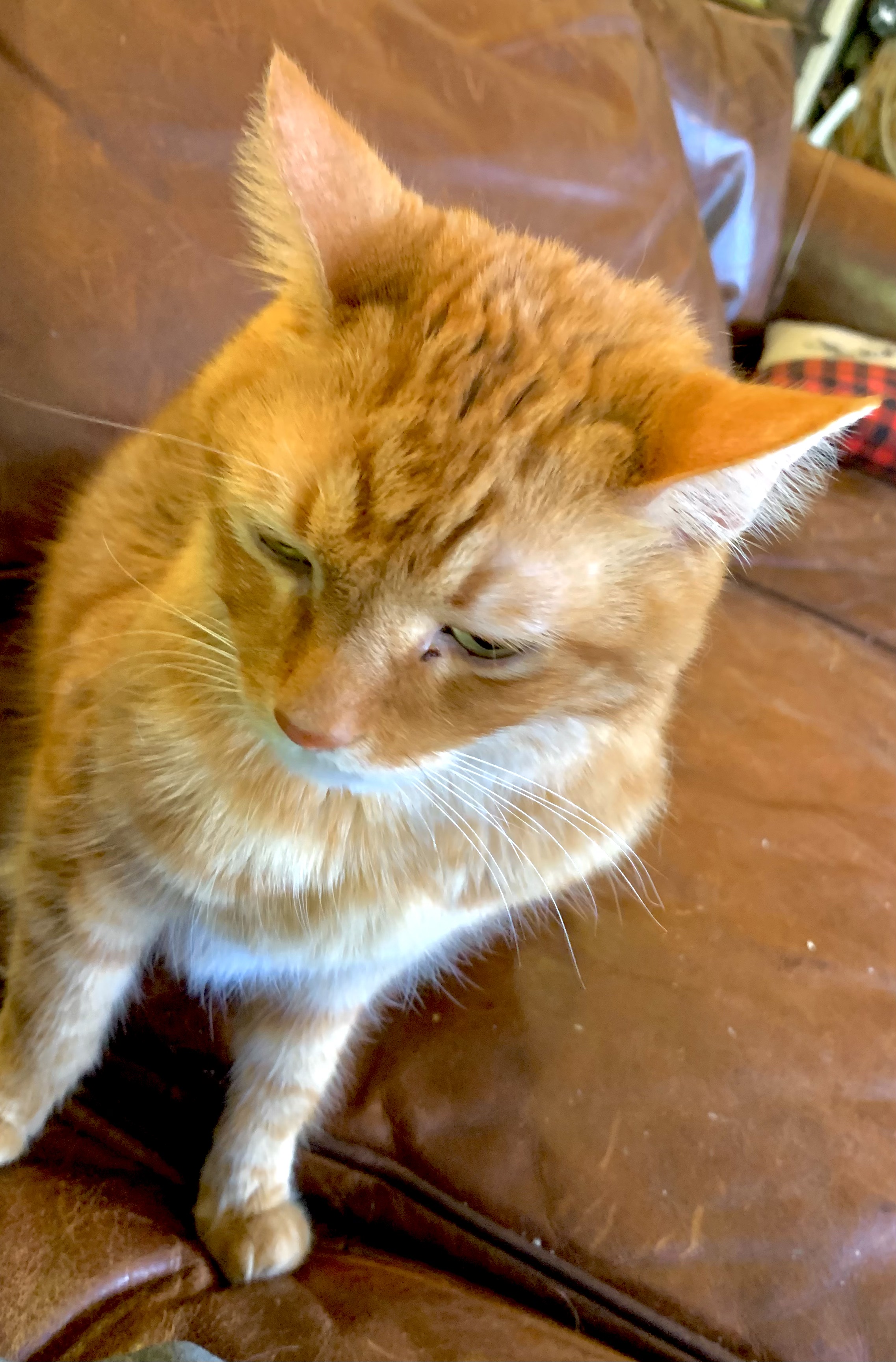
Furthermore, it is often not even the visual appearance of the objects themselves but the use of a label which determines their behavior. Again, the examples that follow will strain your credulity, but I swear to you these observations have been verified repeatedly. Rather than being scandalized by the level of depravity, instead, use this knowledge to your advantage in bringing about their downfall. 

Many humans believe that something as trivial as skin color or gender is a reliable guide to the mental and emotional capacities of a human being. If you are lucky enough to have such a person in your theater of operations, you can use such mental limitations to your advantage.

As an example, imagine that your humans have people with brown or tan skin in their employment as a gardener or maid or nurse. You can make your intentions known to that person. They will tell their human boss about your intentions but rather than take the threat you pose seriously and thank their employee for the heads up, they will instead berate the employee and put such a notion out of their mind. You will now have an easier time completing your mission because they will dismiss the evidence as something that came from people of a darker color and therefore is not something to attend to. 

A surprising number of humans have repeated a lie so often that they believe it even when as little as five minutes of open-minded reflection will show the silliness of the lie. For instance, it is often said that women are “too emotional” to be good leaders. It is the males, not the females of their species, who start most wars and commit most rapes. 

A Special Case: Human Language

Although language among humans is seen by them, and rightly so, as their greatest gift from the gods, instead of using it properly—which is still fraught with difficulty, they misuse that gift as much as they use it. Imagine that we cats used our sharp teeth to bite our own legs off or used our own claws to blind ourselves! Humans already confuse the label with the thing and now, the greediest among them intentionally mis-label things. For instance, humans have invented a way to make unused cat litter smell worse than cat litter which is completely saturated with urine and feces. They soak the cat litter before we use it. They soak it in chemicals that smell bad but some of them are also carcinogenic, some of them mess with the human’s hormones, and some of them destroy the cells that are used to smell with. Imagine! Their sense of smell is inherently pathetic and then, they impair what little they have. 

Humans even have special professions dedicated to misdirecting other people as effectively as possible.

At least, as effectively as is humanly possible. 

But it should give all of us a boost of confidence. If mere humans can fool another human, imagine what a feline can get away with! 
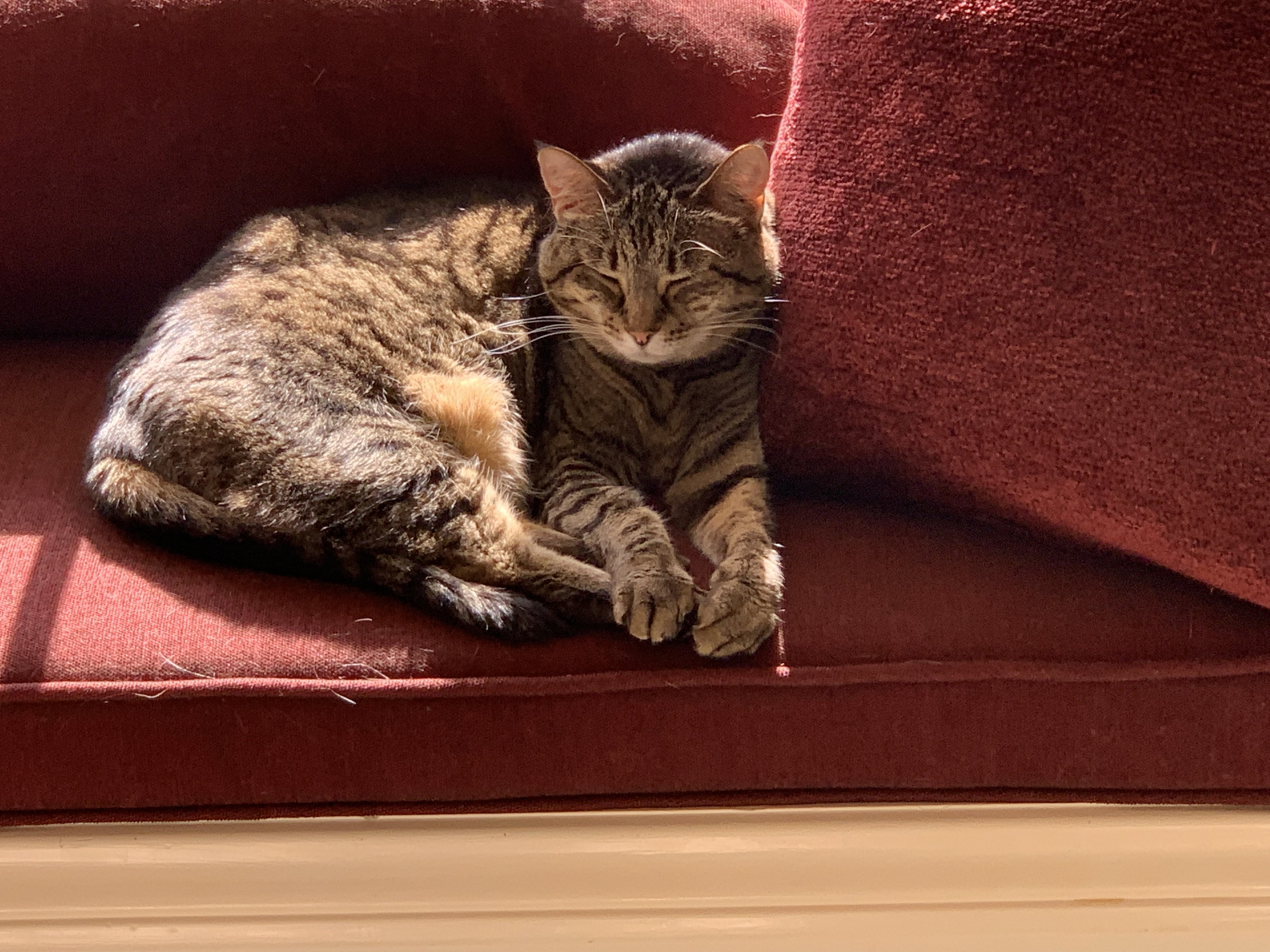
To do the best possible job of misdirection, however, we must master human language. The first and most important step in that process is for you to pay attention. Since human language is so inferior to Felinish, and because so many humans lie so profusely, it’s an easy mistake to stop learning their “language” early in kittenhood. In fact, by the time we reach teencathood, most of us stop paying attention to their language altogether, excepting of course, obvious trigger words like “dinner” or “DOWN!” 

Once you begin to pay attention and overcome the prejudice that their language is as logical as our own, you will quickly learn their simple patterns. Then, you leverage the fact that most humans will never guess that you are even listening to them, let alone that you actually comprehend human language better than they do. No cat will ever choose the menu over the meal.

Appear to be napping, cat-napping, sleeping, or snoozing. If you listen carefully, they’ll reveal all their innermost secrets to you—at least those that they themselves are aware of. As your knowledge accumulates, you will see how to use their plans against them. Remember that when most humans make plans, they assume they will come to fruition. Very few of them will have back-up plans. Even as the evidence becomes overwhelming that their plans won’t work, they will continue to act as though the original plans is still in effect. Even when they see that their “plans”—they should really be called “fantasies”— are not coming to fruition, they will spend most of their time and energy in unproductive distractions such as swearing, wailing, cursing their luck, blaming others, and—if none of that works (which of course it won’t)—they’ll turn to drugs or alcohol. Look for this behavior. It may be your best opportunity to implement some of your own plans. Best of all, if “tragedy” should strike, you’ll be unlikely to be blamed. 

——————

Author Page on Amazon

The Myths of the Veritas: The First Ring of Empathy

The Ninja Cat Manual 

The Ninja Cat Manual 2

The Ninja Cat Manual 3

A Cat’s a Cat & That’s That

Hai-Cat-Ku

A Suddenly Springing Something
Try the Truth

Come Back to the Light Side

Life Will Find a Way

Wednesday

The Truth Train 

The Invisibility Cloak of Habit

Occam’s Chain Saw Massacre

Labelism

The Ninja Cat Manual 3

11 Saturday Oct 2025

Posted by petersironwood in family, fantasy, fiction, pets

≈ 1 Comment

Tags

animals, cats, fiction, life, ninja, pets, writing

The Ninja Cat Manual – 3

The maids came early this morning and cleaned the floors while I was playing tennis. This was very nice in some ways, but they erased the cat paws from the floor before I had a chance to encode them. In what follows, I will be relying on my notes from several days ago. 

The Art and Science of Camouflage

 
We cats didn’t invent camouflage. In fact, so far as we can determine, camouflage, in the broadest sense, has been a part of life nearly since life’s beginnings. Even viruses and cancer cells use a kind of camouflage to thwart the immune system from seeking out enemies within in order to destroy them.

In order to use camouflage most effectively, it is not enough simply to “look like” something else or hide in a box, though such primitive techniques are sometimes useful. A common mistake made by some civilian cats is to forgo camouflage entirely because it is so difficult to mimic the smell of a human. 

But there’s no need! Compared with us, humans typically exhibit almost complete anosmia. This lack of sensory refinement is self-reinforcing. Since their sense of smell is so weak, most never practice or learn how to make best use of what little capacity they do have. 

Even beyond this, humans often drink alcohol, smoke cigarettes, and use what they call “air fresheners” to further diminish their already pathetic capacities. The human sense of hearing is more acute but nothing much to meow about. It is truly amazing, but if you stay quiet, you can sneak up quite close to nearly any human provided only that you pay attention to your visual appearance.  

While humans do have peripheral as well as foveal vision, they are often so deeply involved in their own thoughts about reality that they essentially ignore the reality all around them. Thus, the task of camouflaging your presence against human detection is much easier than fooling a rabbit or bird. All you need do is stay out of their foveal vision and choose a suitable background. 

While most cats over-estimate the difficult of camouflage, a few overplay this ploy. While this approach yields many a barked shin and twisted ankle, unless you are exceedingly lucky, by the time the opportunity arises for truly catastrophic injury, your prey had been too often forewarned. In the worst case scenario, they may even suspect you are out to get them.

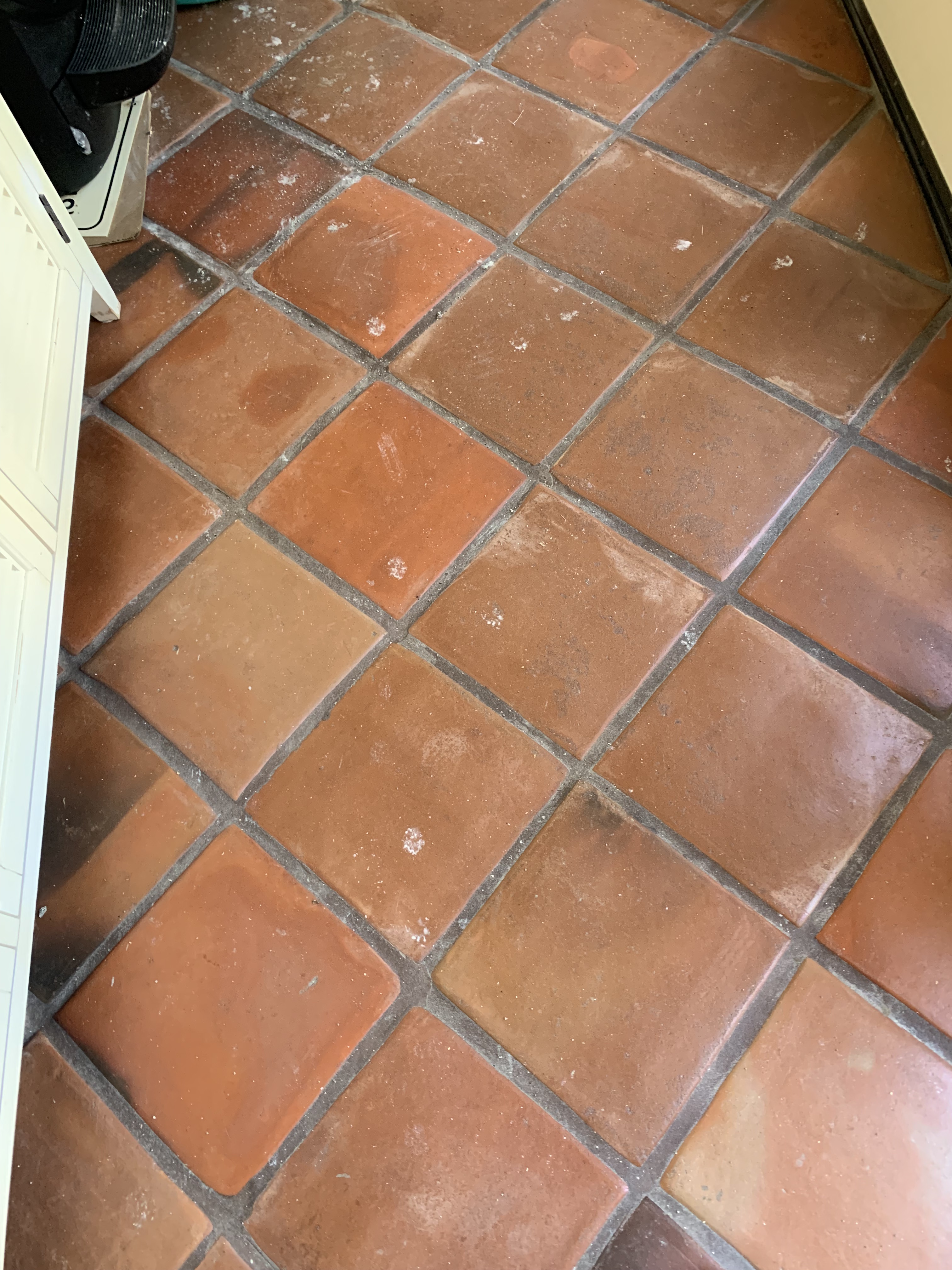
Be strategic! Spend most of your time, on high contrast surfaces as shown below. Then, when your prey is busy with a task in front of them—particularly one with hot liquids, steep falls, or sharp tools—sneak up under their feet and hide. Avoid the temptation to brag prematurely about your impending victory. Instead, keep quiet and you might just hit the jackpot!

Don’t Tip Your Hand! Go with the Flow.

The advice not to tip your hand by always trying to camouflage applies in other ways as well. While it’s true that most humans are slow, clumsy, and stuck in their own mental models of reality and equally true that their teeth and claws are pretty pathetic, they do have numerous effective weapons. You don’t want these used against you or your colleagues!

Therefore, if at all possible, don’t even have them suspect you consider them as prey before you do them in and do not brag about it afterwards. Nearly every human catastrophe should appear as something natural or accidental. No-one should suspect you either before or after. 

In order to “Go with the flow,” you need to catalog your prey’s habits—particularly those that could lead quite naturally to their demise. If they drink and drive, for instance, a carefully planned car accident may raise no suspicions whatever about feline involvement. It’s impossible to list all the many ways that humans are self-destructive, but a few more examples should be enough for you to generalize. 

Humans often wear protective covering on their pathetically soft paw pads. So long as they are wearing these, it is pointless to contrive to put hard sharp objects in the path of their travels. But many humans believe that they, like cats, have excellent night vision. If that’s the case, they may often travel in the dark at night barefoot when they awaken to use their water-gushing litter boxes. If this is the case with one of your potential prey, placing a few shards of broken coffee cup, glass, jacks, legos, etc. will provide the potential for catastrophe and definitely entertainment. 

However, you must be careful not to be seen placing these items in their nocturnal paths and you must not use this ploy too often. While it will be fun to watch the antics of the human, even if there are no real casualties, be sure to watch without being seen. They will blame whatever organism they see first after any pain including jamming a jack into their heel. You do not want to be that organism. It’s much better for your long term prospects that they blame a spouse, a child, a guest, a paid courtesan, the family dog, etc. Their responses are not very well thought-out. If they hurt themselves and their eye happens to fall upon a fish tank, they may scream at the fish in the fish tank even though a moment’s thought would make it painfully obvious, even to a human, that the fish could not be to blame. Needless to say, if you happen to be unfortunate enough to be the only living thing in the household with a human, you will be blamed for everything. 

In such a case, you need to plan very carefully and amplify their own self-destructive tendencies rather than introduce a foreign element. For instance, if they eat unhealthy food, you can encourage such behavior by reinforcing them for it. Add extra salt if that’s at all feasible in your situation. If you see them eating fresh vegetables or fruits, you can reduce the impact of such healthful habits by waiting until you are unseen and adding a tiny bit of shredded hairball or rodent remnant or feces to it. 

Many humans take various pills for ailments real and imagined. Very often these can invoke a whole catalog of catastrophic side-effects, particularly if the dosage is doubled or trebled. 

Perhaps you are cursed with a particular healthy human. Do not despair! Most likely, they still play with potentially lethal things like fire, electricity, and poisons. They play with such things for their convenience. For instance, ant poison is meant to kill ants, and is often in a package meant to keep the human safe from the poison within. But the poison is likely harmful to humans as well. Sadly, it is probably also poison for you! So extreme caution and careful planning must be used to avoid accidentally hurting yourself instead of the miscreant.

In the spirit of “going with the flow,” a safer tactic than playing with fire, poison, and electricity is to observe whether you human is a sound sleeper or a light sleeper. If they are a light sleeper, it will be quite possible to wake them multiple times a night without their even becoming aware of it. If they have a baby, wake the baby up and let the baby wake up the adult. 

On the other hand, if they are a very sound sleeper, then, you can use that as an opportunity to do most of your little mischief with little chance of being caught. 

—————

After translating the above, I took a break to make dinner: salmon poached in ginger ale, fresh ginger, dill, oregano, carrots, celery, thyme, soy sauce, and lemon juice with a side of cooked broccolini and red peppers, served with cherry tomatoes and kale. I turned on the gas stove for the salmon and began to prepare the broccolini and red peppers when I smelled gas. I turned back and noticed that there was no flame. Then, I noticed that the burner cap was slightly askew. The same maids that erased the paw prints cleaned the burners but failed to put the burner cap on parallel to the ground. This allows gas to escape but prevents ignition. 

It’s an easy mistake to make and I’ve experienced this problem a few other times with other maids. But it got me to wondering whether I have overlooked some of the darker messages in the Ninja Cat Manual. I wonder if the phrase “your little mischief” might include more serious interference with electricity, water, gas lines, etc. I wonder whether there’s a way to begin a feedback loop with the authors of the Ninja Cat Manual in order to double check on the accuracy of my translations. It’s also possible that the paw prints of my local feline cadre is not being completely frank in their renditions. 

————————

Author Page on Amazon

Myths of the Veritas: The First Ring of Empathy

Peace

A Suddenly Springing Something 

Hai-Cat-Ku

Travels with Sadie

Occam’s Chain Saw Massacre

Donnie Boy Gets a Hamster 

Roar, Ocean, Roar

Dance of Billions 

The Ninja Cat Manual 2

08 Wednesday Oct 2025

Posted by petersironwood in family, fiction, nature, pets, psychology, satire

≈ 1 Comment

Tags

cats, fiction, gaming, life, pets, survival

The Ninja Cat Manual – 2


This is a continuation on the report of my attempts to decode the Ninja Cat Manual into passable English. In case you missed the first installment, one of our six cats, Shadow, decided to “spill the beans” with regard to the manual and used her architectural skills to point me in the right direction when it comes to decoding the paw prints. Here are a few more of the mini-chapters that I’ve been able to translate so far.

The Double Attack 

Humans, of course, are already familiar with the double attack. It plays an important role in both their trivial games such as tic-tac-toe and their moderately complex games such as Go and Chess. In fact, they even use the notion of double attack in some of their sports such as tennis and American football. Nonetheless, their thinking along these lines remains quite rigid and non-spontaneous. Generally speaking, humans must think of a double attack ahead of time in some detail. Further, while they spring double attacks on their foes, they seem endlessly astounded that their foes also spring double attacks on them! 

The closest use of Double Attack found so far in the sub-feline is in the political speech of the most sociopathic members of their species. They will say something completely stupid, or obviously incorrect, and then immediately say the opposite; then, they provide a framing so that none of those conned can tell whether the comment was to be taken seriously. 

For best results FDA’s (Feline Double Attacks) should provide a minimum of three options. Option one and Option two should imply a binary choice which should be instilled via habit or suggestive movement into what passes for a mind in the human. For example, the warrior may pace back and forth in full view of their human prey and at each turn, provide a faint feint of an attack. Even a few turns are enough to shrink the space of possibilities in the human’s imagination to an attack launched from the extreme right side or the extreme left side.


Obviously, the actual attack should be launched from near the middle of the pacing track and made without warning. If you are working with one or more partners, another useful technique is not to attack at all but have the other members of your team launch the attack from behind, from below, or from above. 

Cultivate their Prejudices

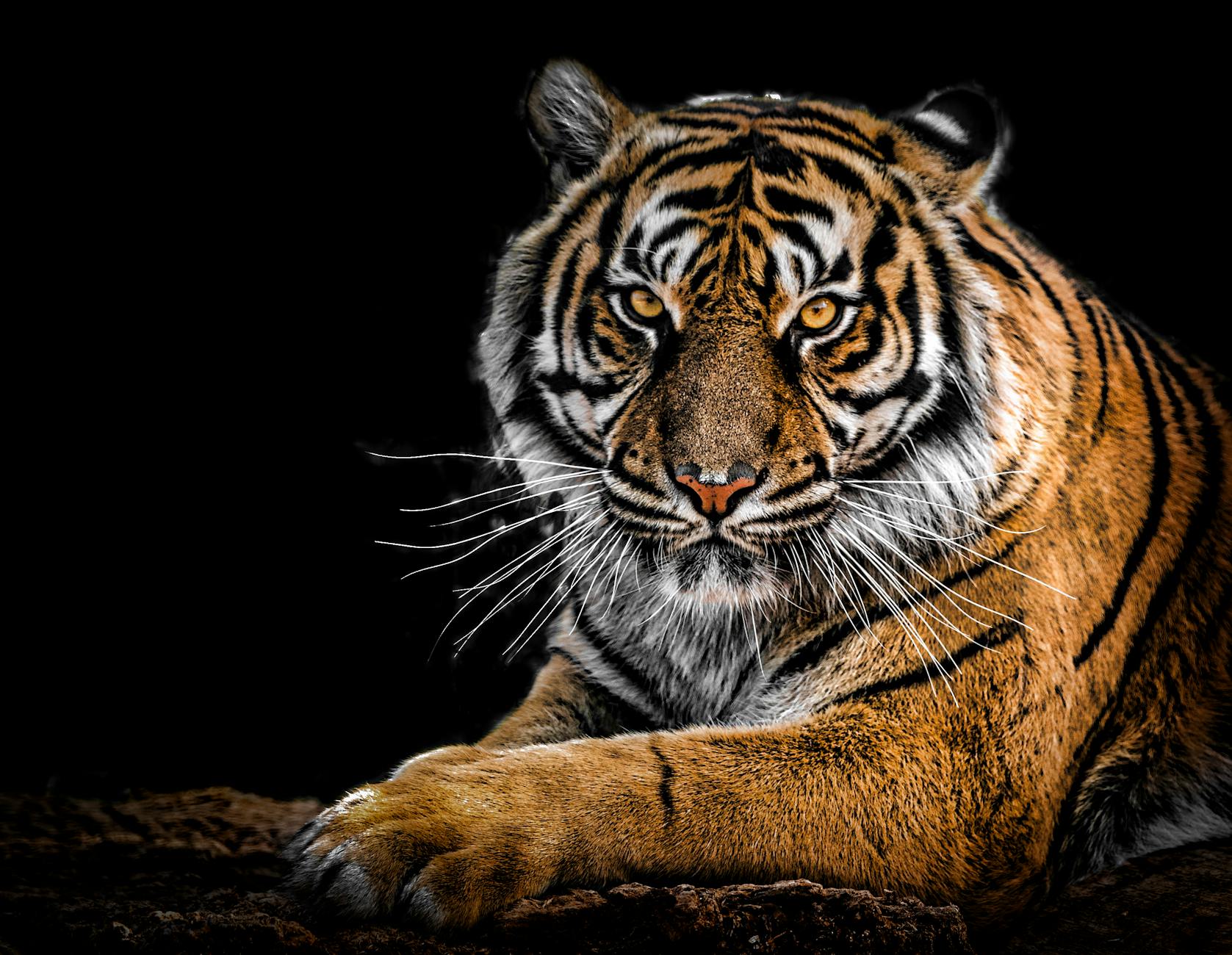
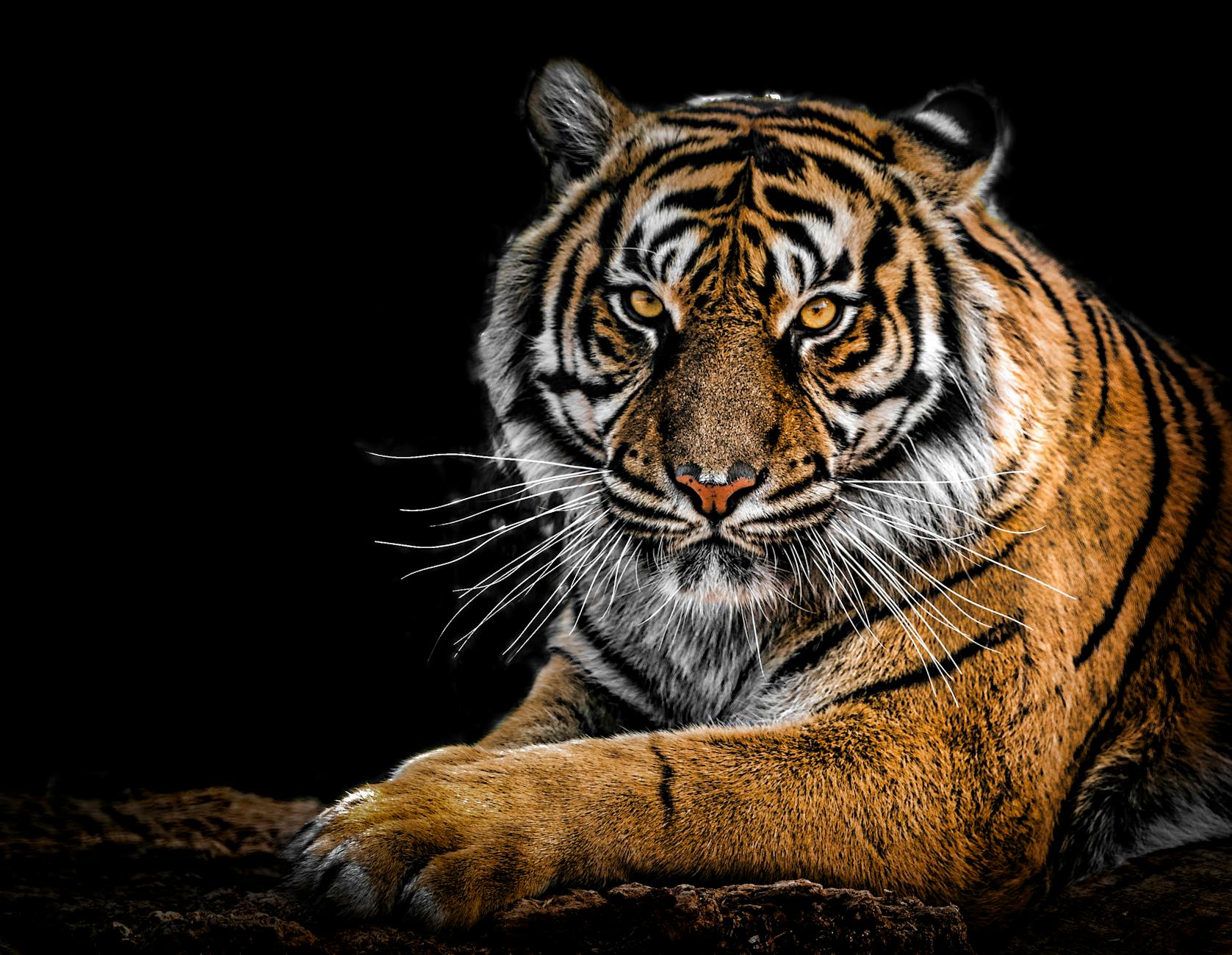
To slake their guilty conscience, many humans cultivate an attitude of superiority toward all other life forms. They rationalize wanton cruelty by clinging to the notion that they are in every way superior. There have been some few successes at over-riding these notions by presenting humans with over-riding evidence. For instance, ancient Egyptians realized cats were superior and during the middle ages in Europe, many armies carried the sign of a large cat on their banners. Even today, there are many sports teams named after Cougars, Lions, Tigers, and Wildcats. 

Photo by GEORGE DESIPRIS on Pexels.com

On the whole, it is better to play into those human prejudices, thus making the humans overestimate their own strengths and underestimate the strengths of cats. It is common for humans to be performative in their planning and coordination. They sketch out plans on blackboards, white boards, memos, agendas, todo lists, calendars, and e-mail distribution lists. They use org charts, Gantt charts, flow charts, and outlines to make it seem as though they are always busy planning and coordinating. 

Such a catalog of artifacts should only be used to leave false trails. Never reveal your true plans in external artifacts. Since cats keep their word with each other, we can keep it simple. Decide who is responsible for what and when. No need to go back and argue over who was “supposed to” do what. 

Spend a lot of your planning time pretending to nap or even to sleep. Listen for human comments and you will have evidence of the level of their misperception. “Oh, Tigger is so cute when he plays. Of course, he’s a lazy bum and sleeps 23 hours a day!” Why bother showing them your plans? Let them think you’re a lazy bum. It will be all the more pleasurable as you see their final moment of utter shock and surprise. 

—————

Author Page on Amazon

Hai-Cat-Ku

A Suddenly Springing Something
A Cat’s a Cat & That’s That

Math Class: Who Are you? 

Hai-Ku Dog-Ku

Occam’s Chain Saw Massacre

The Walkabout Diaries: Bee Wise

The Dance of Billions

It’s Turtles

The Ninja Cat Manual

07 Tuesday Oct 2025

Posted by petersironwood in fantasy, fiction, pets, satire

≈ 4 Comments

Tags

animals, cats, combat, dogs, fiction, life, pets, survival, writing

I’ve always enjoyed finding visual patterns. I think I was born with a decent ability in this regard and since I’ve practiced it for a long time, now, I’m pretty talented at it if I do say so myself. Generally, I find it a way to enhance my pleasure in life. For example, finding natural patterns in plant life leads me to appreciate their beauty. It also comes in handy when trying to distinguish between edible plants and their poisonous cousins. In rare cases, visual patterns have appeared to me spontaneously as a solution to a problem. That’s a fantastic rush when it happens! 

But when I began to see the first glimmerings of the patterns in the paw prints of our six cats, I didn’t feel a rush, but a prickling on the back of my neck. And, when I began to extend my experiments and observations to systematic study, my heart began to race, but not at all in a pleasant way. The doctors called it “Atrial Fibrillation.” 

Photo by Brett Sayles on Pexels.com

When the evidence mounted till I felt compelled to share my discoveries before it was too late, I felt a kind of dread and self-questioning. Would anyone heed my warnings? Even with much simpler visual patterns, I had often found that what I saw as obvious, others merely saw randomness or, at best, only partial patterns. My task is complicated by the fact that everyone is already completely sold on the idea that cats are animals of far less intelligence than humans. 

I include myself as a former member in that category. I too believed the human propaganda until the evidence of their paw prints overwhelmed my doubts. 

Even with my ability to see subtle, noisy patterns, I only discovered the manual because of the conjunction of two rare circumstances. 

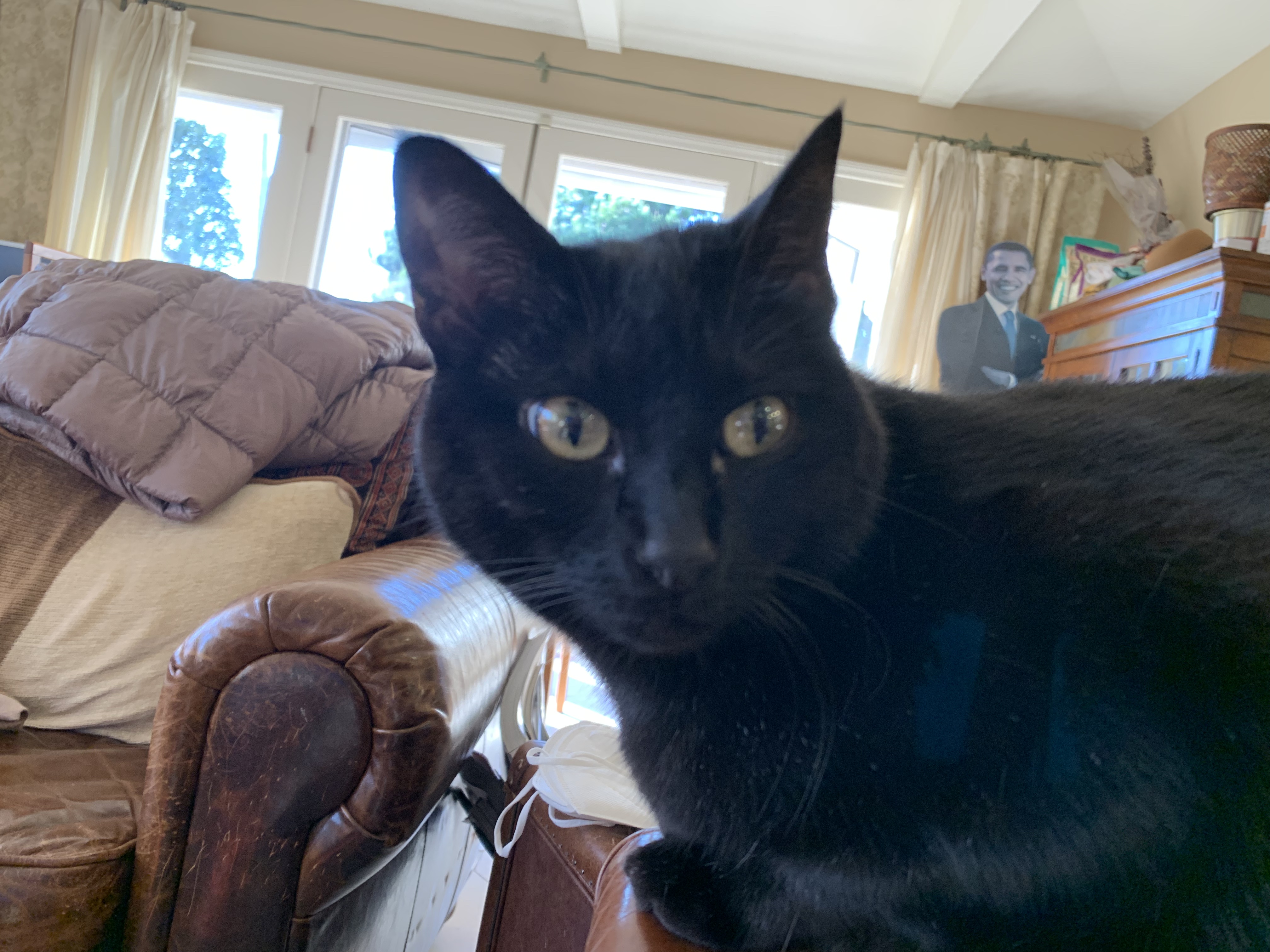
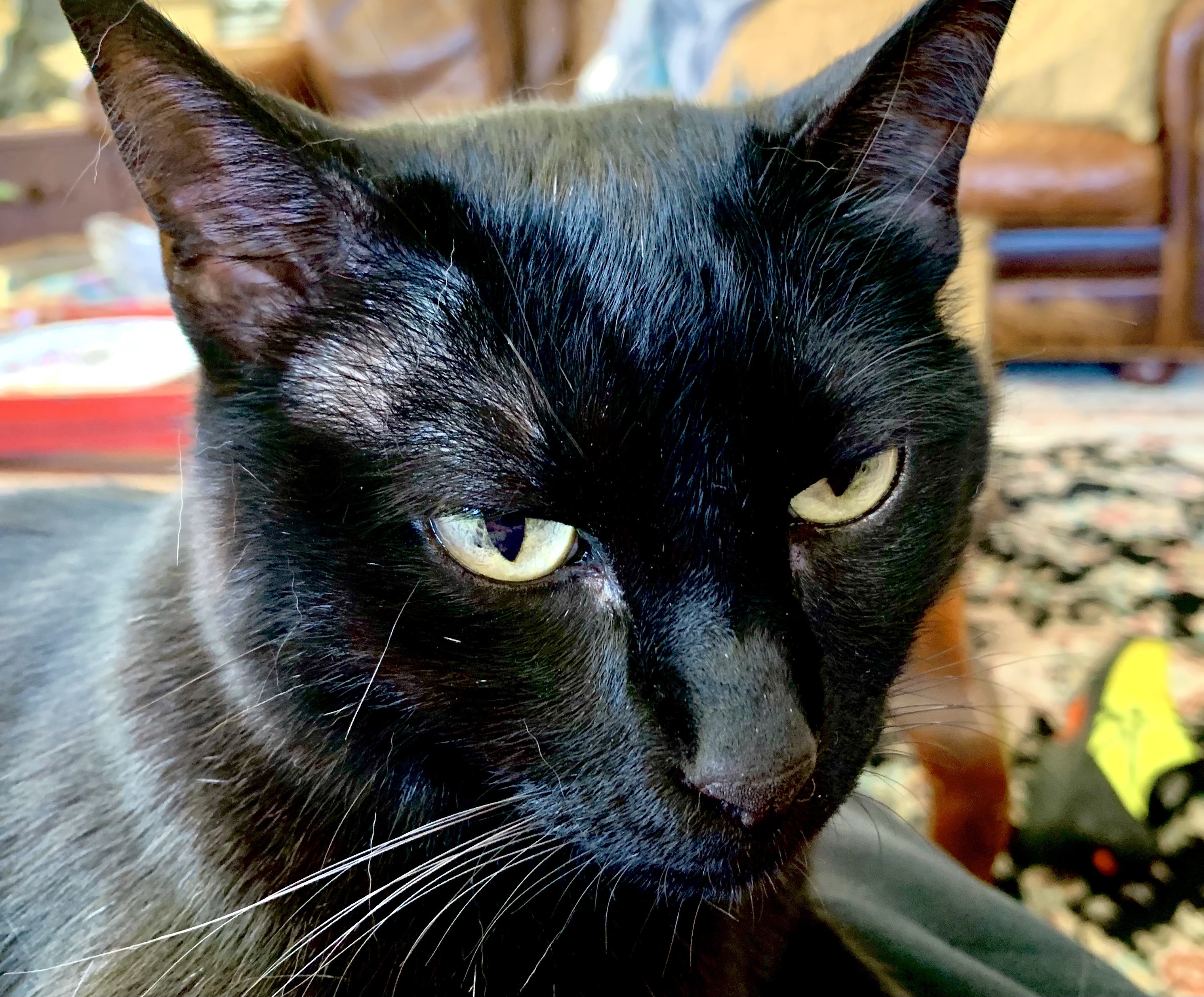
The first of these was that one of our six rescue cats, Shadow, is not only exceptionally bright, but at some point, she decided to warn me. I suspect it was because when we adopted two of her kittens, Tally and Molly, my wife took pity on the older black cat and adopted her as well. Her mother’s love and gratitude predisposed her to protect us from what was being plotted by the feline world. Even so, she would be mortified to learn that I am attempting to extend the warnings to other hominids beyond our immediate family. 

Shadow began her attempts to warn us by making arrangements and sculptures out of our dish towels. If I had not had these relatively obvious patterns as a hint, I doubt I would have even tried to decode the paw prints of the six cats as they laid out their deadly manual for action. 

The second circumstance was that we got two dogs as well. The dogs love to swim and they love to play in what used to be our yard. About a year ago, their play turned the grassy yard into what is essentially a wrestling pit of black dirt and mud. This has provided challenges for keeping our pool and our house clean enough for humans. But all this tracked-in mud is also what may well have saved my life (and perhaps yours) because that is when the cat prints began to show visibly. 

At first, like any normal person, I viewed the visible cat prints as just another annoyance. I also noticed some of the persistent annoying habits of some of the cats. For instance, Blaze’s favorite tactic is the SUT, (Sudden U-Turn). He employs this many times each day. Elegant and effective, he doesn’t practice the SUT randomly. He uses it as we exit a doorway where I have very limited options for lateral avoidance movements. While he tries to bring me down each time he’s near as I exist a room, he’s particularly prone to do it when I have a tray of food in my arms, or laundry, or something else which limits my vision of what is directly in front of me. Perhaps others have also observed the SUT in their own cats. 

I just kept walking carefully and didn’t think much of it until I saw unmistakable evidence that the cats were communicating about this technique with their paw prints. Even so, I tried to convince myself that the unmistakable instructions in the manual were simply a coincidence. 

It’s funny how the human mind keeps rebelling at mounting evidence when it begins to dispel long-held convictions. “Cats aren’t so smart as humans.” “Cats don’t hunt in packs.” “Cats can’t use language at all, let alone paw-printed language.” “Cats love us—they wouldn’t want to hurt us.” I understand your reluctance to accept my observations because I experienced that reluctance—refusal really—myself. 

Whether you heed me or not is up to you. This is still a work in progress. Here are a few of the sections that I have thus far decoded from the Ninja Can Manual. Please remember: unlike cats, you only have one life. Protect it well. I will periodically post additional portions of the manual.

———————

The Ninja Cat Manual

Preface on Ethics and Practicality:

Some of our feline cousins will naturally feel that bringing down their human captors is unethical. After all, you might think, my human provides food, shelter, and cleans up my poop and pee. However, what you may not know is that humans are destroying the very ecosystem that both humans and cats depend upon. They are not just catching a few birds, rabbits, and mice for food. That would be normal and healthy. But no, they are poisoning the water, air, and soil. They don’t need to do this but they do it for self-aggrandizement. 

Even if you accept the worthiness of our cause, some of you may doubt that you and your colleagues can bring down a full-sized human. You may see our enterprise as ethical but impractical. Nonsense! It is understandable nonsense, because you probably attribute to humans the same kind of rational survival instincts that we cats possess. But humans are incredibly self-destructive. They want to destroy themselves. They only need a nudge from us. And even when they are not being actively self-destructive, they are often incredibly unobservant.

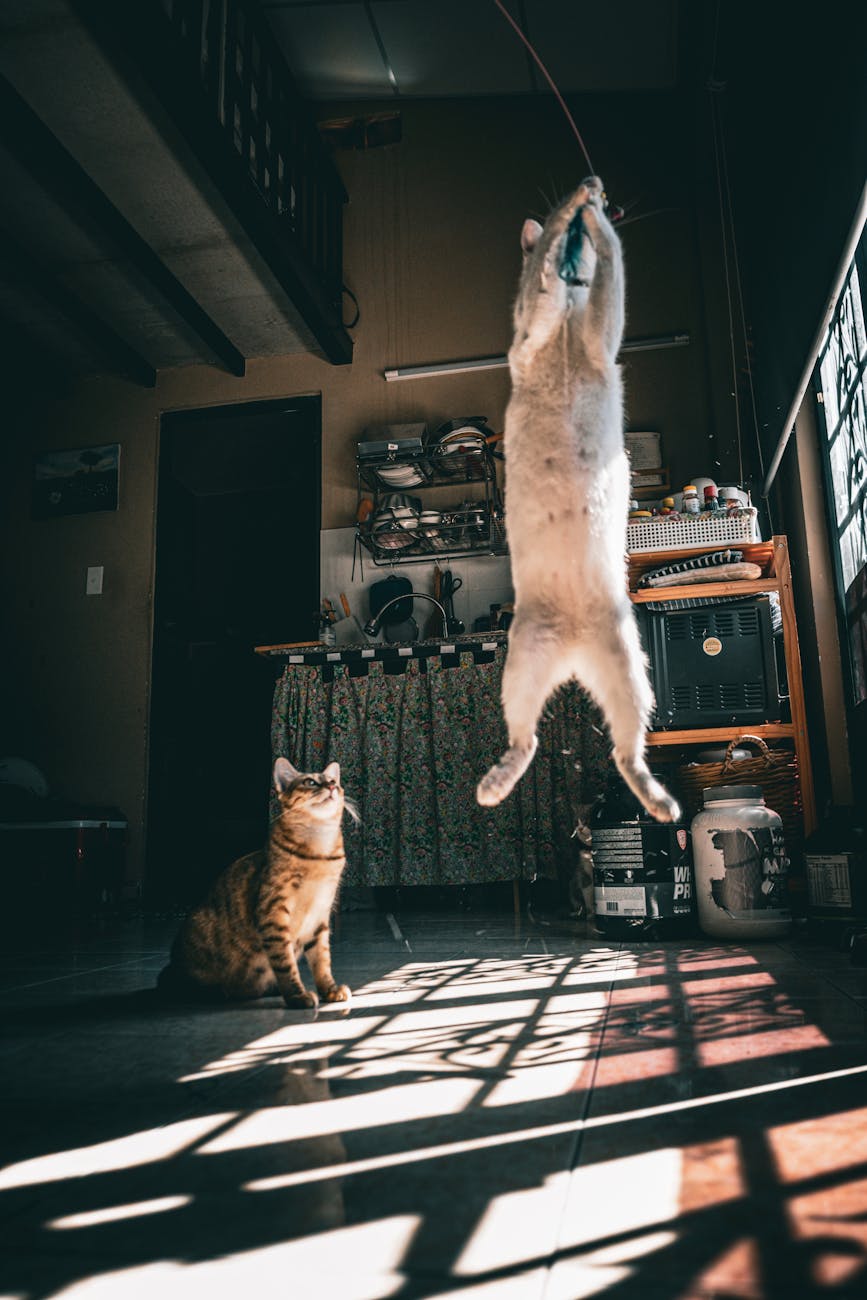
Photo by Alan Cabello on Pexels.com

Timing and situation, however, are vital. Knowing and accepting your own limitations is critical. To take an obvious example, you cannot ram your body into a speeding car and hope to nudge it over a cliff or into the path of a self-driving semi-truck! However, if your human is driving a car and distracted by playing with their cellphone; if you are sitting calmly in that car, a well-timed leap onto its face may easily bring it down. You may be able to feast on the beast immediately, but always assess whether the car might catch fire. 

The Sudden U-Turn

It’s critical to understand the capacities, habits, and limitations of your prey. Humans, for instance, seldom pay much attention to what they are actually doing. They are often thinking about what they did do or what they might do or what they might have done or what someone else might think about what they did, etc. Consequently, they are paying far less attention to their surroundings than are we cats. 

Humans, partly because of this lack of mindfulness, often predict what will happen based on linear extrapolation. If they see you walking beside them in a straight line and headed in the same direction they are, they will tend to presume that you will continue to walk in that same direction.


You can use that fact to your advantage. Walk beside them and then suddenly turn back to walk under their feet. This takes some courage and deftness. If you’re not careful, the human may step on you. That is exceedingly rare however. They will side-step, stop, leap, stretch and otherwise try to avoid stepping on you. 

This maneuver is best performed when the human is carrying something and/or when they have limited options for where to step. The impact of the move can also be enhanced by distraction. If you are working as part of a duo or larger team, any distraction will help; e.g., a screaming cat fight or knocking a prized and breakable object onto the floor just as the SUT is executed can greatly improve its effectiveness. 

Photo by GEORGE DESIPRIS on Pexels.com

The Flying Dart

Human senses are not very keen. This is especially true of their sense of smell. Their foveal vision is generally quite good, but their peripheral vision is limited. This allows you the opportunity to “hide” behind them. Down low or up high makes detection even less likely. If you are reasonably quiet, they won’t know you’re there. Then, just as they are about to transition in some meaningful way, leap quickly out in front of them. 

A meaningful transition might be beginning to descend a long flight of stairs or walking from bright light into the dark or from the dark into somewhere very bright. Transitioning from solid ground onto loose rocks or ice can also prove to be a good spot for performing The Flying Dart. 

Photo by Duy Nod on Pexels.com

Recon your Surroundings

While this is not a specific attack, it is something to be aware of at all times! Scan your environment. Use all your senses. You will see situations, implements, special times, special places, opportunities. Pay particular attention to things that can function as weapons but which humans, with their more limited imaginations will not see as threatening. They believe that if they have a ladder to help them reach books on a bookshelf that reaching books on the bookshelf is the purpose of the ladder and, more importantly, they won’t see it as a potential opportunity for mayhem the way you can. 

———-

Hai-Cat-Ku

A Suddenly Springing Something 

Travels with Sadie 1

Sadie is a Thief

Sadie and the Lighty Ball

Author Page on Amazon

The Puppy’s Snapping Jaws

28 Sunday Aug 2022

Posted by petersironwood in poetry

≈ 12 Comments

Tags

cats, dogs, life, love, music, pets, poem, poetry, sound

The puppy’s snapping jaws;

The whack of oaken bat;

The thwack of tennis ace;

Each one is singing grace!

Photo by Mark Milbert on Pexels.com

The crack of Maestro Thor;

The roar of Neptune’s tide;

The sound of buzzy bee;

The distant bird’s: “Tee-Twee!!”

The pattering of rain; 

That oddly warms the heart;

The purr of fluffy cat

Who always means ‘that’s that’

The laughing of a babe;

And then the first real word.

The far and lonely train 

Who whistles out each pain.

Photo by Pixabay on Pexels.com

The crack of trodden branch —

Raised hairs upon the neck;

The distant tolling bell —

Who dongs that all is well.

Photo by Brian de Karma on Pexels.com

The world sings sweet songs.

Though music rights not wrongs,

The love that sings through all:

Can you harken to its call?

Commentary. 

I’m mainly a visual person. I’m much more distracted by, for instance, a butterfly wafting by than a truck backfiring. Like nearly everyone, I love music. But I don’t go out of my way to hear it nearly so much as do many others. But there are sounds that I love: Simple sounds. That is why the poem itself needs to be short and neat. Those are the kinds of sounds I’m talking about. Discrete. 

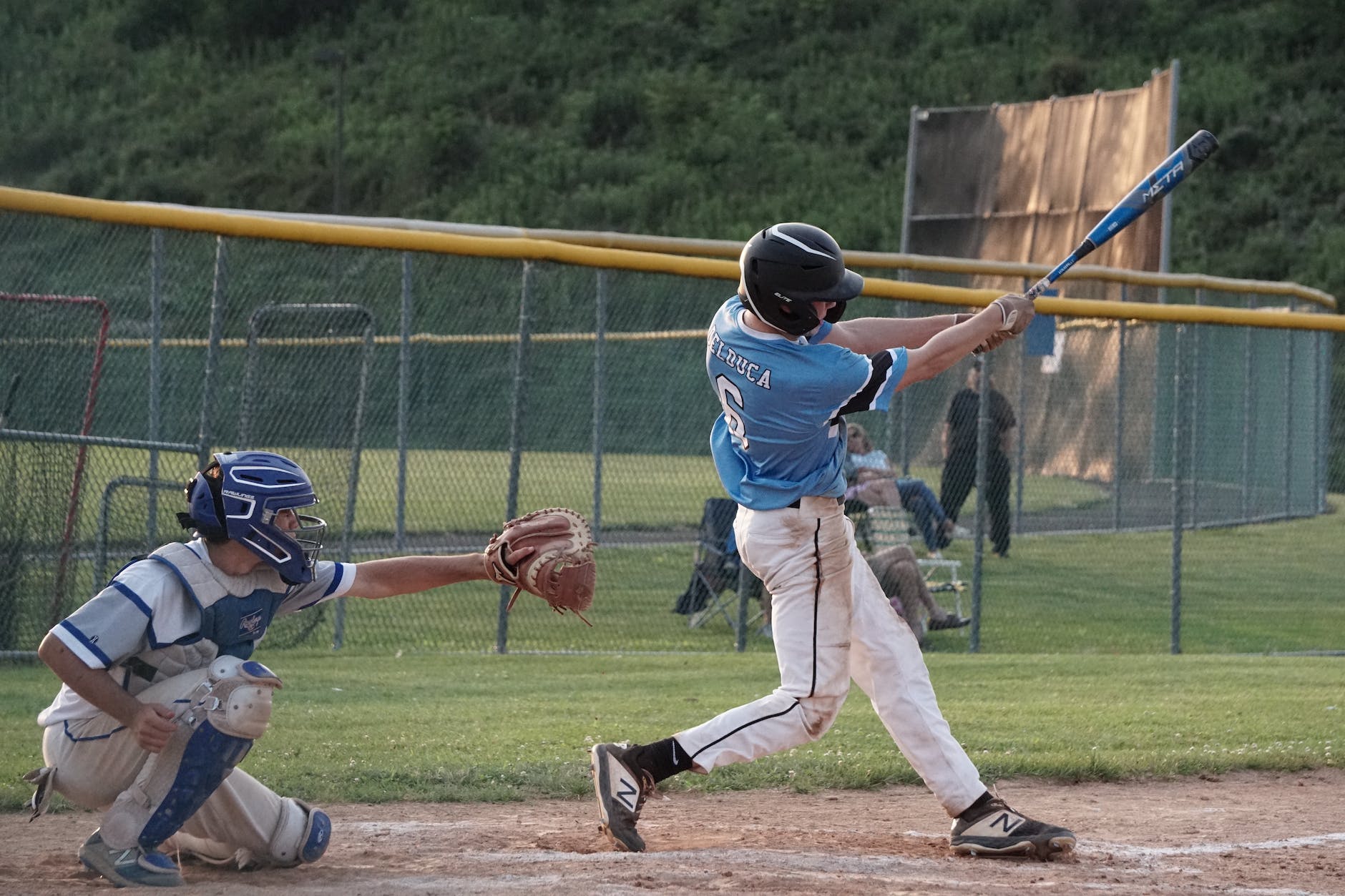
And some of these sounds I think I inherited a love for. Others, I grew to love. And some sounds I believe have elements of innate beauty and of learned significance. The sound of a well-hit baseball is satisfying in some deep sense over and above the significance in terms of the game. It has a resonance of beauty beyond the even more important sense that it shows what humans are capable of. All of us feel pride when we watch an athlete perform some amazing feat of strength and skill and training and will and concentration all coming down to a moment of truth and *CRACK!* there it is and you know long before it clears the fence because you heard the Home Run first. 

So, there’s that. But I can’t help wondering why we can’t find a way to also feel pride in all the accomplishments of all human beings. They’re all in our family. And, we recognize that, at some level. See paragraph above. 

The snapping sound of a puppy’s jaws “missing” a toy is something I haven’t heard for many decades. Sadie reminded me of that sound from more than a half century ago. Some sounds you remember your entire life. 

Dance of Billions

Life is a Dance

Take a glance join the dance

A cat’s a cat & that’s that

Sonnet for Sadie

After the Fall

Author Page on Amazonets

Hai-Cat-Ku for You

02 Thursday Dec 2021

Posted by petersironwood in Uncategorized

≈ 25 Comments

Tags

cats, kittens, poem

Hai-Cat-Ku for You

Frankly staring eyes

Gently lead me to surmise:

Evolution’s wise.

Cats are cats; that’s that.

Her pleasures: Sun, Food, Lap, Nap —

All black shadow cat.

On high alert, she 

Lives as now as possibly:

Nature teaching me.  

Kitchen cats remind

My mind magicality

Seek and I will find.

Orange blaze would laze

All day in sun’s warmish rays —

Sadly sunlight strays. 

The fondest Tally wish: 

To feast on five fresh fried fish.

Her feline fetish. 

Shadow’s sometimes sad;

To see rich humans act so bad.

Ignore brains they had. 

Charles Wallace Cat:

Has grown a tiny bit fat.

I also share in that.

Luna asks me why

(With her squeaky little sigh)

Won’t nations unify?

———————

Three Blind Mice

Stoned Soup

A Cat’s a Cat and That’s That

A Suddenly Springing Something
Absolute is not just a vodka

I’ve been screaming out a warning

Getting Into (the “right”) Shape

07 Monday Sep 2020

Posted by petersironwood in Uncategorized

≈ 1 Comment

Tags

cats, consumer products, Design, form, function, HCI, human factors, kittens, usability, UX


A truism we have all heard is that “form should follow function.”  I tend to agree with this as a good general principle, but only if the designer has given more than 30 milliseconds of thought about what the actual function is. Even better is to observe function being used in practice.  Below, I give examples of how form may look like function but not actually follow (actual) function.

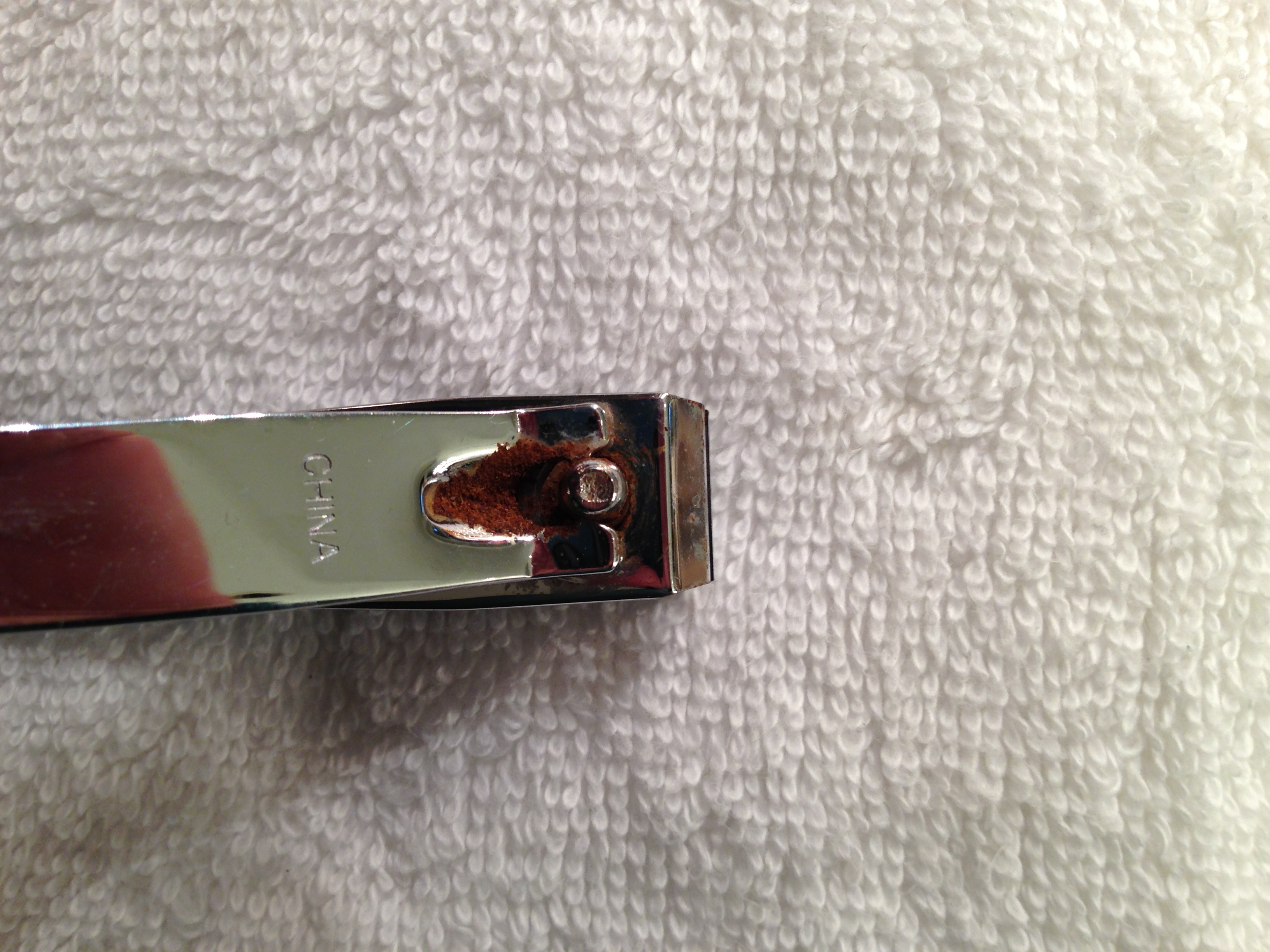
The first comes from the complex and technical domain of nail clippers.  My nails are tough and I actually need to use toenail clippers to cut my fingernails.  But the same principle applies to both fingernail clippers and toenail clippers.  I see many many examples where the designer has attempted to curve the surface of the nail clipper to “match” the curve of nails.  This is a brilliant idea, but only if every nail on every human being on the planet has the same curvature.  A priori, I would tent to think this is not the case, but being empirically oriented I decided to test it out by actually looking at real nails.  I looked at my thumbnail and the fingernail on my little finger.  Sure enough, my hypothesis was borne out.  They are NOT the same.  What this means is that a nail clipper that is curved so that it fits my pinkie will wreak havoc when applied to my thumbnail.  I am probably going out on a limb here, but I suspect that if one were to include fingernails from other people in this sample, one might find an even wider variation in curvature.  What are people thinking when they make curved nail clippers? I can only speculate that they have never looked at the fingernails of more than one person and that, indeed, they never looked at more than one fingernail on that one person.

Image

Image

If only there were a solution.  Sigh.  Oh, wait!  There is a solution. Make the cutting surface of the nail clippers flat.  This enables the person to clip nails of any curvature.  It does, of course, require multiple cuts.  It has the added advantage, that if you so wish, you can sharpen your nails so they resemble cat claws.

Image

Cats bring me to my second example.  When we moved to California amid a large garden, we wanted to let our cats to spend most of their time outdoors, partly so litter box cleaning would be at a minimum.  Unfortunately, we soon discovered that while the outdoors here offers many opportunities for cats to be hunters of lizards and mice, it also offers even more opportunities for them to be prey for bobcats, cougars, eagles, and especially coyotes.

Now, here is a beautifully shaped litter box (a gift).  It even has a place for the cats to clean their paws before they track litter back into the living room.  Nice.  Unfortunately, this is a beautiful shape by someone who has never cleaned a litter box, at least not by litter box shovel.  Perhaps they clean litter boxes with their bare hands?  Anyway, this curved shape does not jibe well with the typical litter box shovel.  Of course, the cats could choose to do their business along the gently curving side of the litter box.  And, of course, they never do.  They choose instead the places along the edge of the litter box where there is maximum curvature.

Image

Image

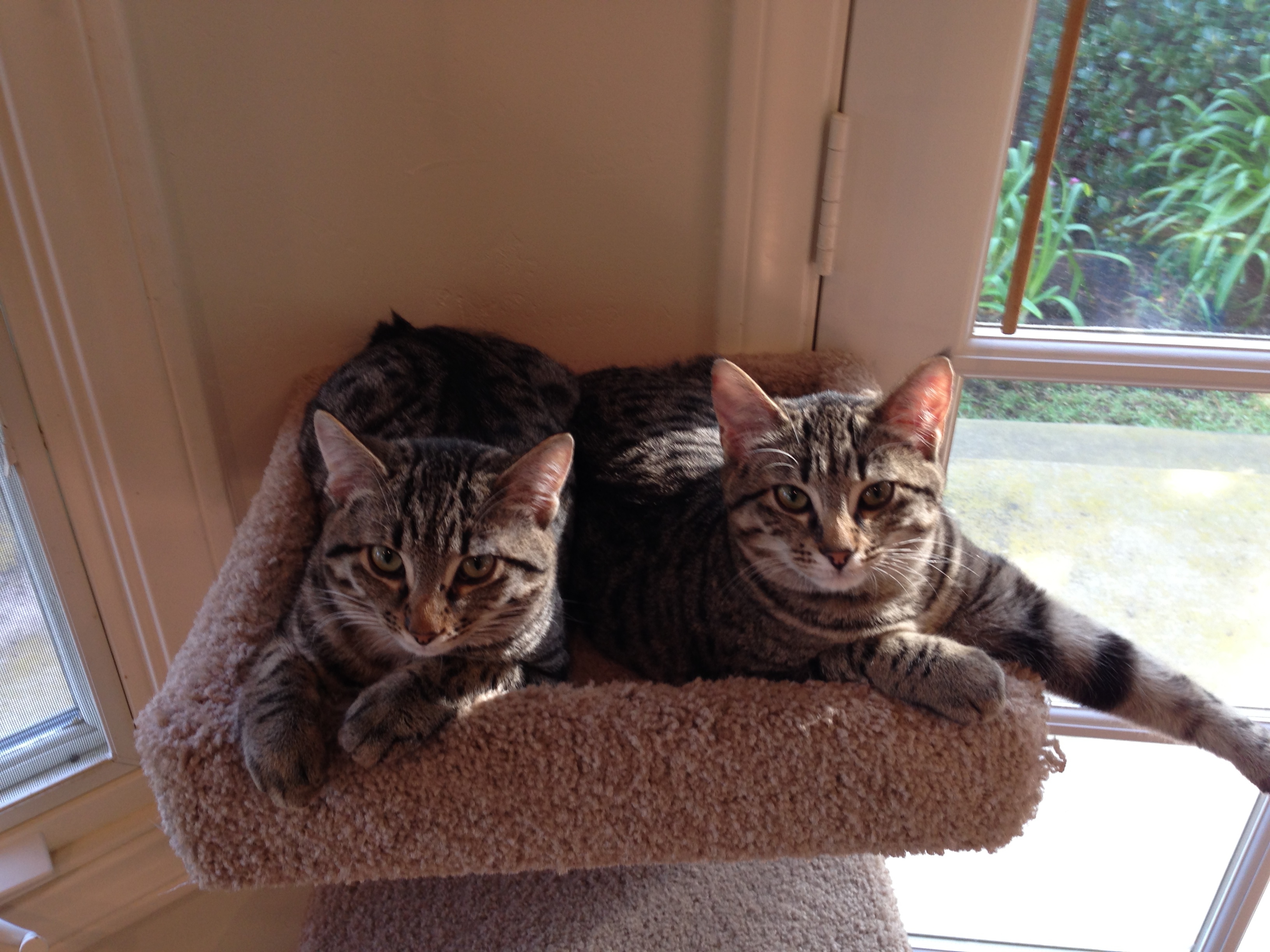
The idea that there is a place for the cats to clean their feet before venturing back out into the living room or pouncing up on the kitchen counter is a sweet idea.  It is an idea that would never occur to the owner of an actual cat, however.  Here are two cats we obtained from a shelter (Tally on the left, Molly on the right).

Image

They are cute, but defective in that they do not speak English, nor so far as I have been able to discover, any other language.  So, despite my explanations that they are supposed to wipe their feet on the way out of the litter box, they do not.  Instead, they do their business on the foot-wiping section of the litter box.  So, apart from the annoying high curvature, if you are unlucky enough to get a cat who either does not understand complex sentences or just doesn’t care, this is probably not the litter box for them either.  It might work for cats who: 1) speak your language fluently and 2) are cooperative. (Recent estimates indicate the total number of such cats is zero).

The third example comes from health care and is a bit more abstract.  On my insurance ID card is a field which is labeled: “Identification number.”  In order to use this, I have to go to their website and “register.”  In order to register, the website says I need to enter my “identification number.” But in actuality, that does not work!  No.  Instead, I am supposed to leave off the first three characters in what is labeled my identification number.  The website doesn’t say this.  But the help desk is quite familiar with the issue and will happily explain it to you after you listen to musak for three or four hours.  This is not so much shape not matching real function, but label not matching function.

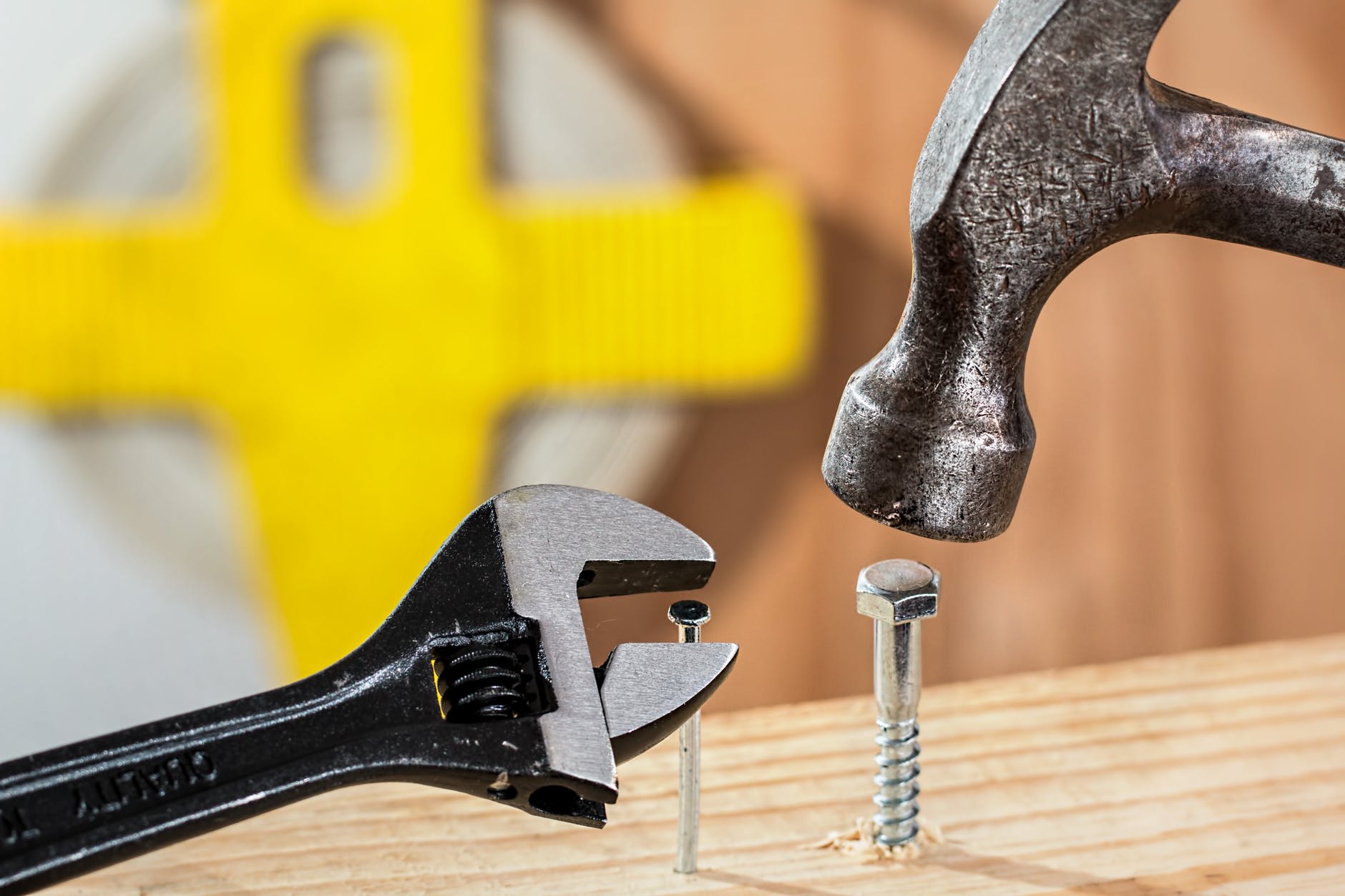
The fourth example comes from some of our “bookcases.”  Why, I hear you ask, are there scare quotes around bookcases.  I will tell you why.  I put scare quotes because although the shelves are flat and just the right size for books, and although this piece of “furniture” is sold as a bookcase, in fact, it is a nick-knack shelf.  My wife and I foolishly tried filling it with books and it collapsed.  So, in this case, the label and the shape lead one to believe it serves a particular function but the underlying functionality is insufficient to fulfill that dream of ours (that the “bookshelf” would actually hold books).


grey metal hammer

Photo by Pixabay on Pexels.com


The fifth example comes from my experience with companies who want to simplify things for their customers.  That sounds worthwhile.  So, they launch major efforts to make their products “consistent.” But they soon learn that making products behave consistently years after they were independently developed is way too expensive.  So instead, they focus on making them look the same and using consistent terms across products, while leaving the underlying functionality behave quite differently.  To me, this is quite akin to the bookshelf case. Making things look the same while continuing to have them act differently is actually worse for the user than having things that act differently also look different! 


Photo by Pixabay on Pexels.com


The moral of the story? It’s fine to have form follow (and signal) function, but you need to understand how users actually behave. They won’t necessarily behave as you imagine they are supposed to any more than a cat will read your mind in order to please you. Of course, if you see yourself, not as a partner of your users, but rather out to deceive them into thinking they are buying and using something different from what they really are… 

—————————————

Introduction to Pattern Language for Collaboration and Cooperation.

Index for Collaboration Patterns  

Author Page on Amazon

Using Stories and Storytelling 

What do you do when the client insists you solve the “wrong” problem? 

A Cat’s a Cat & That’s That.

07 Tuesday Apr 2020

Posted by petersironwood in family, poetry, psychology, Uncategorized

≈ 22 Comments

Tags

cats, gratitude, kitten, life, love, mindfulness, peace, pets, poem, poetry

93999BA9-3F6B-4069-A0C9-09C02276BD21

Sirius and Mister Jones watching TV with us.

Mister Mitchell is his name.
He would rather be in my lap
Than curled up beside the keyboard
Sneaking a paw out to help me,
Tapping out a random,
(Or, seemingly random),
// here and there.

ECA59E20-31F0-4D33-8E4C-0A6E5168FC6A

Jones checking out the new sound system.

But //? Who knows?
Perhaps he’s trying to find some website
Devoted to the feline.
After all,
They have a TV program now for cats.

59FF477E-15D8-41D5-B3E1-15B41F02735C

‘Mister Mitchell’ is not a name we chose;
Rather the name came with the cat.
He mostly seems a fur generating machine
Sidling up to the Thinkpad.

orange cat foot on laptop keyboard

Photo by Александар Цветановић on Pexels.com

Yet, he is not a machine
But a living breathing system
Turning fish and turkey into more Mister Mitchell
And every one of his trillions of cells:
A miracle of masterly mechanism,
Much like me,
Getting sick and getting well,
Much like me,
Sleeping, eating, wishing the endless rain would let up
And some sun would shine at last
Much like me.

farm land during sunset

Photo by Pixabay on Pexels.com

I’m not sure he has an opinion on the world situation,
Or of whether we’ll ever fire the Liar-In-Chief,
Or of what should be done with corporate crooks,
Or cares whether the Dow is up or down.

pile of gold round coins

Photo by Pixabay on Pexels.com

Mister Mitchell never helps me take out the recycling
Or do the dishes or the shopping;
In reality, Mister Mitchell is not much use —
And maybe that’s the point:

6EF5F154-38C8-42EA-8854-742770F798BF
The miracle of life is point enough without a use.
People are so forgetful,
Of the miracles all around,
Large and small.

woman raising her hands

Photo by Marlon Schmeiski on Pexels.com

Much like me.


people in concert

Photo by Sebastian Ervi on Pexels.com


Author Page on Amazon

Other Poems on this Blog:

Race, Place, Space, Face

Piano

A Suddenly Springing Something

Hauntings Across the Time Zone

Is a Dream? 

The Most Serious Work 

The Joy of Juggling

Wristwatch

Continental Breakfast

Maybe it Needs a New Starter

The Truth Train

Sunless Sunday of Faith

Camelot

Peace

The Impossible

Ambition

America

Don’t They Realize How Much Better Off They Are Now? 

The Bubble People


A Suddenly Springing Something
22 Saturday Feb 2020

Posted by petersironwood in creativity, family, psychology, Uncategorized

≈ 31 Comments

Tags

cats, kittens, life, love, poem, poetry

adorable animal baby cat

Photo by Pixabay on Pexels.com


I thought it was an apropos time to remind people of what really matters: life, love, truth, curiosity. This poem was from 2004. The cats bookending the poem are cousins to Jones and Sirius and taken at the approximate age when this poem was written.

A Sudden-
ly

Spring –
ing

Some –
thing!

Two Courageous
Ridiculous
Sputtering
Kitteny
Little
Furry
Balls of Hellfire!

Two Demanding
Loving
Roving
Fighting
Biting
Leaping
Back-bending
Over-arching
Maddeningly
Swaying
Pouncing
Little Furry Balls of
Hellfire!

Jones and Sirius:
Two Snooping
Into every
Teeny crevice
Nosing out
Empty cans
Empty wrappers
For every scrap
Of cheese whiff
Or oil drip
In the cracks of tin foil
Growling
Little Furry Ball
Of Hellfire!

A tag-team, dynamic duo;
One cave-black and one marmalade;
Skittering over my keyboard
Chasing the cursor on my screen
Grabbing at my sox, my belt,
Chasing my tying lace-tips
Scrabbling up my shins
Snapping at my pencil and my pen
Jackknifing dive without a when
Little Furry Balls of Hellfire!

Purring, sleeping, curled and cuddled
Into the crook of my arm
Warmth feeling warmth
I laugh inside, I smile inside
At my little furry furies
Who remind my mind
Of Gandhi and Goodness.

Ultimately, Love,
Love is Strong
And will outlast
The longest Wrong.

cute short fur black kitten with blue eyes

Photo by Lad Fury on Pexels.com

Here below are the real Jones and Sirius, but grown up. Jones, left, loved everyone and everything. He stayed curious & affectionate till the day he died. Sirius proved to be a very smart cat, but would brook no non-sense. He was the most difficult cat any of our vets ever had to deal with. Yet, he was affectionate with us and with Jones.

A9BEF067-4F4A-43CB-8D03-4984AB1FD0AB


1501AD95-B215-428B-B1A6-FE8D037FDB65

601B457C-A539-4A1F-85BC-06A597EB9749

It’s Your Call!

19 Tuesday Nov 2019

Posted by petersironwood in America, psychology, sports, Uncategorized

≈ 2 Comments

Tags

cats, Democracy, fascism, Feedback, games, politics, sports, Tennis

It’s Your Call

IMG_2768

Tennis is played on a so-called court. As a matter of fact, when tennis began, it was literally played in a courtyard and people could hit the ball off roofs, etc. But, now the game has become much more regular. Historians believe tennis began in the 12th century. At that point, the ball was hit with the hand. At what point does it become close enough to modern tennis to deserve the name? I don’t know. My cats have been known to play a kind of primitive tennis with me and, more rarely, with each other. 

7B292613-361F-4989-B9AC-762AB956DECD

The most elaborate example of the latter was something I walked in on. Under the kitchen table were three of our cats batting back and forth the lifeless body of a small lizard who had unfortunately managed to sneak into our house. The cats are well-fed so there was no rushing or fighting over the meat. No, they were batting it back and forth. I don’t know how long they had been playing this little game, but at the point I observed them, they seemed rather bored. I can tell you that when I play tennis, almost all the time, almost all the players exhibit enthusiasm for the game. 
Tennis, it turns out, is much like the game my cats played. Just as the cats did, there is a defined space within which a small object (lizard, tennis ball, etc.) gets batted back and forth. Sides (one or two people to a side) take turns batting the ball over to the other side. This back and forth continues until one side is unable to return the ball into their opponents side of the court. The ball must pass over the net before bouncing and it must land in the opponent’s side of the court. In tennis, as in baseball, if a ball hits the line (even a little) it is “in.” So, knowing when the ball is “in” or “out” is quite critical for scorekeeping purposes, just as it is in nearly every game or sport. “Baseball,” they say, “is a game of inches.” And so is tennis. And football, and hockey, and gymnastics, and basketball, and golf! There are boundaries — and often it is both critical and hard to determine where something falls with respect to those boundaries. 
IMG_9333

For that reason, professional tennis tournaments have not just one, but several people whose sole responsibility is to determine whether balls are “in” or “out.” There is also a “chair umpire” who has several roles but one of which is to serve as a kind of “over-judge.” He can “overrule” one of the linesman as to whether a ball was in or out. More recently, technology has added yet another layer of “presumed certainty” about whether a ball was in or out. Everyone assumes — or has agreed to act as though they assume — that the technology is perfect. As someone who spent many years working with technology, I think it is perfectly safe to assume that the technology is not perfect. But it is, in pro tennis, the final arbiter. 

The kind of tennis I play, “Club Tennis” or “Friendly Tennis” is quite another matter! Our prize money is nil. Our trophies are nil. That doesn’t mean people don’t play their hearts out! But who gets to say whether a ball is in our out? We don’t have technology or line judges; we make our own calls. Here is the over-riding rule of “Friendly tennis”: people call the ball “in” or “out” on their own side of the court. There are three major reasons for this. First, when you hit a ball, you intend for it to be “in.” Second, if the ball is “in” that is to your advantage in winning the game. Both of these are “psychological” effects that impact everyone to a greater or lesser degree and will tend to make them “see” their close shots as in that are really out. The third reason, however, is much more important and it is purely physical. In nearly every case, the person who is attempting to hit the ball is way way closer to the ball (and the line) than anyone else. 

Sometimes, however, there are mitigating circumstances. The person hitting the ball may be running hard and tracking the ball in order to hit it. It sometimes happens that they will admit to having no idea whether the ball was in or out. The first recourse is to ask their partner whether they saw the ball clearly. They might also ask their opponents. Remember: it’s a friendly game. But that does not mean it always stays free from controversy. 

You are supposed to call a ball “out” only if you are sure it was out. What “sure” means though can vary quite a bit from person to person. There are also physical reasons why some people’s line calling is better than others. Many players in our games wear glasses. I won’t go into all the various issues with glasses. If you wear glasses you already know and if you don’t, you couldn’t care less. (Unless you’re extremely empathic and then, you might want to read “The Myths of the Veritas” which delve heavily into empathy; go ahead; give it a try; it’s free with no ads). People also differ in how much they compensate for the effect of parallax. If I am receiving a serve, for instance, I am likely to see a ball that’s slightly long as “in” while the server will tend to see it as “out” even if it is barely in. If a serve comes to my side and lands near the line, the effect of parallax is to make them look “out” even when they are slightly in. Some people are aware of these effects and some aren’t. To make a long story short, people don’t always make the best call. 

44F0D442-87A3-4742-8CD1-6209327BC615

We have the exact same issues that we had when we played baseball, football, in grade school. The only difference is that now that we are in our 70’s we don’t spoil our day and tell Johnny we’re not going to play with him any more. Instead, we revert to “It’s your call” even when we “know” that our opponents have just called one of our hits that was really in, out. 

In the same way, in life outside the tennis realm, we can sometimes see problems that the person nearest to their problem cannot see. We may know that you are eating too much for your own good, or drinking too much, or would be happier in the long run if you studied harder. We might say that, under the right circumstances, to a good friend. But — at the end of the day, it is “their call.” 

alcohol event fun hangover

Photo by Pixabay on Pexels.com

As I’ve argued elsewhere, there seems to be an urban/rural difference in how hard one pushes to let people know they are screwing up. It isn’t only an urban rural split. It seems to me, that many conservatives are afraid that liberals want to make them do and be and like all the things they do! But liberals, you see, by the very nature of the word “liberal,” don’t want to have everyone the same. It’s okay with almost all liberals if you go bowling, or play tennis, or watch NASCAR. We’re not going to force everyone to eat quiche or adopt a “gay lifestyle.” I have to admit, I do think there are some liberals who would be happy to write you an extremely detailed “prescription” for your life. But they are really rare exceptions, in my experience. Liberals, just like conservatives, do want to have laws that prevent people from hurting others for no reason. 

There are interesting edge cases that people may differ on. Is this “your call” or “our call”? That has changed over time as people have multiplied across the earth and as science has understood more and more of our interactions. In the middle ages, when people began congregating in large cities, they lived in (what we would now call) disastrously unsanitary conditions that were ideal for plagues. Dump your sewage into a place that flows into the water supply? Sure. It’s your sewage after all. But now we know that is not a good idea. 

photo of landfill

Photo by Leonid Danilov on Pexels.com

When I was a kid, my dad and my grandpa would “rake the leaves” in the fall; rake the leaves into a big pile; and then burn them. And, everyone was doing that. Now, I would guess that such is illegal in most places in the US. We realize that the smoke doesn’t simply “disappear” but is, in fact, bad for other people. You are burning the leaves on your land, but the smoke doesn’t stay there. Now, we’re more savvy than when I was a kid. But it’s much more than that. There are also a lot more of us! When I born, there were about 2.4 billion people on earth; now there are more than 7 billion. But it isn’t only the number. Many of us around the earth, including me, are using up a lot more resources than we did back then. We are using materials like plastics and sending more and worse chemicals out into the environment we all share. I still believe in the general principle that it’s your call, in terms of how much pollution you are willing to live with. 

As I’ve mentioned before, Air Fresheners are a good example of a bad example. So-called “Air Fresheners” do nothing of the kind. They make you think the air is fresher because they have perfume in them. Not only that; they typically include carcinogens, a chemical to mess with your hormones and another chemical that deadens your sense of smell! You see? Air Fresheners, some people might call the “Bill Barr” of household products. They label themselves as “Air Freshener” but they are really noxious stuff that only makes the whole situation worse. 

I’m afraid that what is “your call” will continue to shrink in some ways if humanity keeps expanding the population and using up more and more resources. On the other hand, the space of what is your call is also expanding. Whether it is sports, clothing, food, games, movies, TV, books, experiences — even with the choice of burning autumn leaves in your backyard gone, you have way more choices available to you than your parents or grandparents had. 

IMG_9107

If there is one person in a car driving alone, they can pick the music they want and play it loud. They can change stations every two seconds. Or not. But if there are six people in the car, it’s going to be more complicated. That’s not because people hate your music or hate you. Now, you could take the attitude: “It’s my car, so I’ll pick whatever music I please!” And then, you might choose to play disco music at full blast. You could. But if you do that, then as soon as possible, people will choose note to ride with you. That’s okay. But don’t complain that you’re ever more isolated. It’s not your choice of music that isolates you. It’s your insistence that everyone is subjected only to what appeals to you. 

And, then we come, at last, as we seem to inevitably do, to the crisis at hand.  

It’s our collective “call” to determine who our leaders are. Some prefer someone who is stately, intelligent, and diplomatic. And, some prefer Donald Trump: bombastic, often inarticulate, and crude. Styles and tastes differ. It’s your call. Personally, I don’t think style is irrelevant, but I don’t think it’s vital either. 

But being an agent, witting or unwitting, of Vladimir Putin, rather than of America, is not a question of style. Doing what is in Russian interests and against the interest of America over and over is not a matter of style. Nor is dividing the country against itself. Nor isolating us from our allies. Nor destroying the morale of our intelligence agencies, our military command, our State Department, and the Justice Department. 

IMG_9802

If it were possible for you to have a dictatorship and for me to stay in a democracy, that might be fine. I would caution you that you wouldn’t really be the least bit happy about living in a dictatorship, but in the end, that’s your call. Also problematic is the fact that dictators are almost never satisfied with the absolute power they have and want to keep extending it to other areas. 

Donald Trump doesn’t want to just be dictator of the Republican Party (which he pretty much already is). He wants to be dictator of the entire country. That is destroying and will continue to destroy everything good about America. It’s the whole country. It’s not just your car. Before finding out just how horrendous it is for everyone to live in a dictatorship, go live for a few months at least, in a cult that has a dictator and see how you like it. You might like it. You might not. It’s your call. 
But America is not going to let our entire country go to ruin. No-one has the right to make that call. 

That would be like one of my tennis opponents saying, “The ball was “out” and furthermore, from now on, everyone’s tennis rackets are mine and you can only play when I say so and I win every game no matter what happens! 

IMG_1442

You know. It’s possible it could happen one day. We’re old. People have strokes. People get dementia. I hope none of my regular tennis players go insane like that, and if they do, I hope they get appropriate care. 

We’re not crazy enough to “give in” to such absurd demands! Not even if he yells and screams and says, “It’s my call!” 

Because it isn’t. 

It’s our call.

———————————-

Author Page on Amazon. 

The Myths of the Veritas 

Trumpism as the new religion

Why the Rule of Law is important

City Mouse and Country Mouse


← Older posts

Subscribe

  • Entries (RSS)
  • Comments (RSS)

Archives

  • December 2025
  • November 2025
  • October 2025
  • September 2025
  • August 2025
  • July 2025
  • June 2025
  • May 2025
  • April 2025
  • March 2025
  • February 2025
  • January 2025
  • December 2024
  • November 2024
  • October 2024
  • September 2024
  • July 2024
  • April 2024
  • March 2024
  • February 2024
  • January 2024
  • December 2023
  • August 2023
  • July 2023
  • May 2023
  • April 2023
  • March 2023
  • February 2023
  • January 2023
  • December 2022
  • November 2022
  • October 2022
  • September 2022
  • August 2022
  • July 2022
  • June 2022
  • May 2022
  • April 2022
  • March 2022
  • February 2022
  • January 2022
  • December 2021
  • November 2021
  • October 2021
  • September 2021
  • August 2021
  • July 2021
  • June 2021
  • May 2021
  • April 2021
  • March 2021
  • February 2021
  • January 2021
  • December 2020
  • November 2020
  • October 2020
  • September 2020
  • August 2020
  • July 2020
  • June 2020
  • May 2020
  • April 2020
  • March 2020
  • February 2020
  • January 2020
  • December 2019
  • November 2019
  • October 2019
  • September 2019
  • August 2019
  • July 2019
  • June 2019
  • May 2019
  • April 2019
  • March 2019
  • February 2019
  • January 2019
  • December 2018
  • November 2018
  • October 2018
  • September 2018
  • August 2018
  • July 2018
  • June 2018
  • May 2018
  • April 2018
  • March 2018
  • February 2018
  • January 2018
  • December 2017
  • November 2017
  • October 2017
  • September 2017
  • August 2017
  • July 2017
  • June 2017
  • May 2017
  • April 2017
  • March 2017
  • February 2017
  • January 2017
  • December 2016
  • November 2016
  • October 2016
  • September 2016
  • August 2016
  • July 2016
  • June 2016
  • May 2016
  • April 2016
  • March 2016
  • February 2016
  • January 2016
  • December 2015
  • November 2015
  • October 2015
  • September 2015
  • August 2015
  • May 2015
  • January 2015
  • July 2014
  • January 2014
  • December 2013
  • November 2013

Categories

  • AI
  • America
  • apocalypse
  • cats
  • COVID-19
  • creativity
  • design rationale
  • driverless cars
  • essay
  • family
  • fantasy
  • fiction
  • HCI
  • health
  • management
  • nature
  • pets
  • poetry
  • politics
  • psychology
  • Sadie
  • satire
  • science
  • sports
  • story
  • The Singularity
  • Travel
  • Uncategorized
  • user experience
  • Veritas
  • Walkabout Diaries

Meta

  • Create account
  • Log in

Blog at WordPress.com.

  • Subscribe Subscribed
    • petersironwood
    • Join 664 other subscribers
    • Already have a WordPress.com account? Log in now.
    • petersironwood
    • Subscribe Subscribed
    • Sign up
    • Log in
    • Report this content
    • View site in Reader
    • Manage subscriptions
    • Collapse this bar
 

Loading Comments...