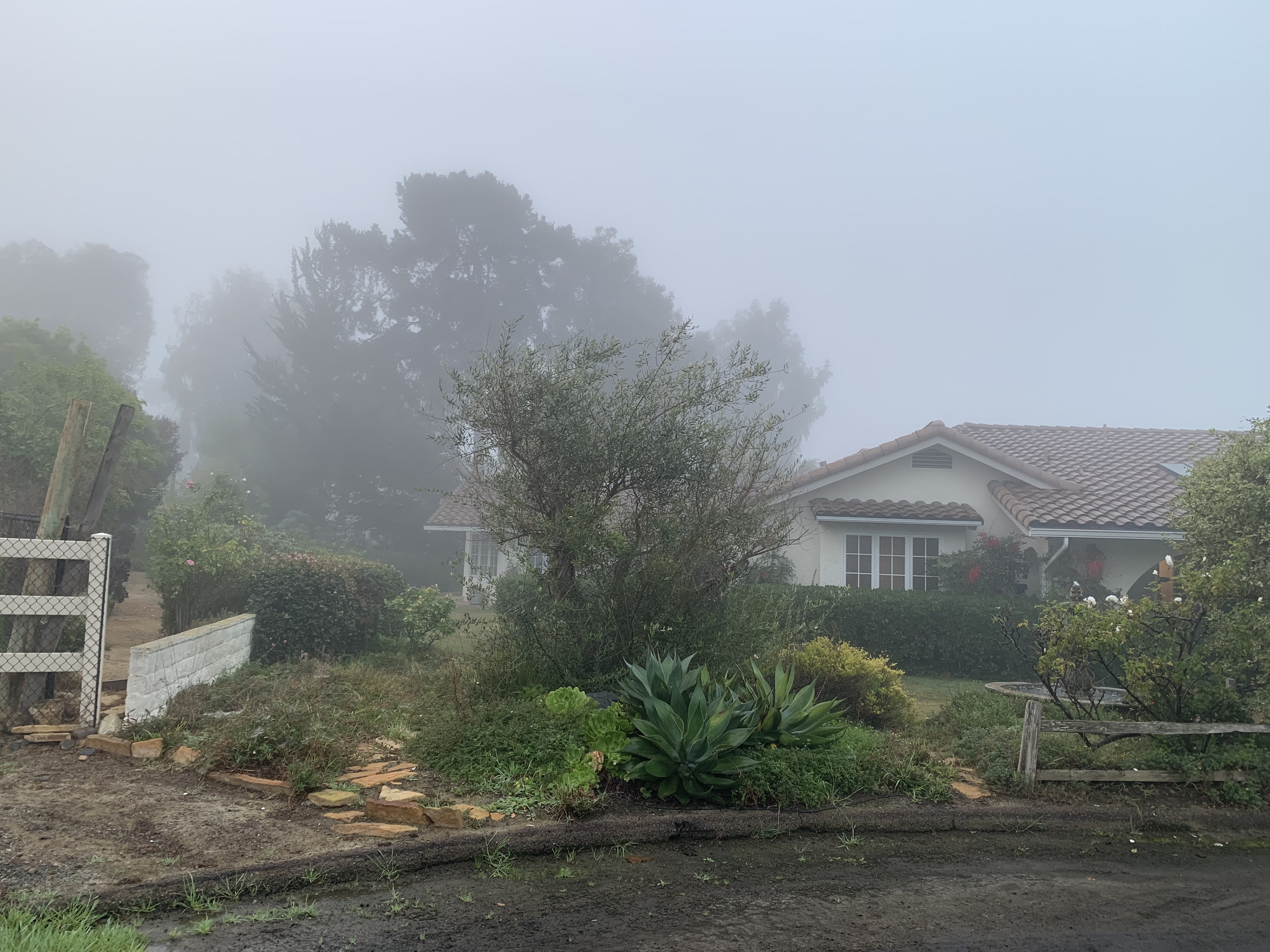
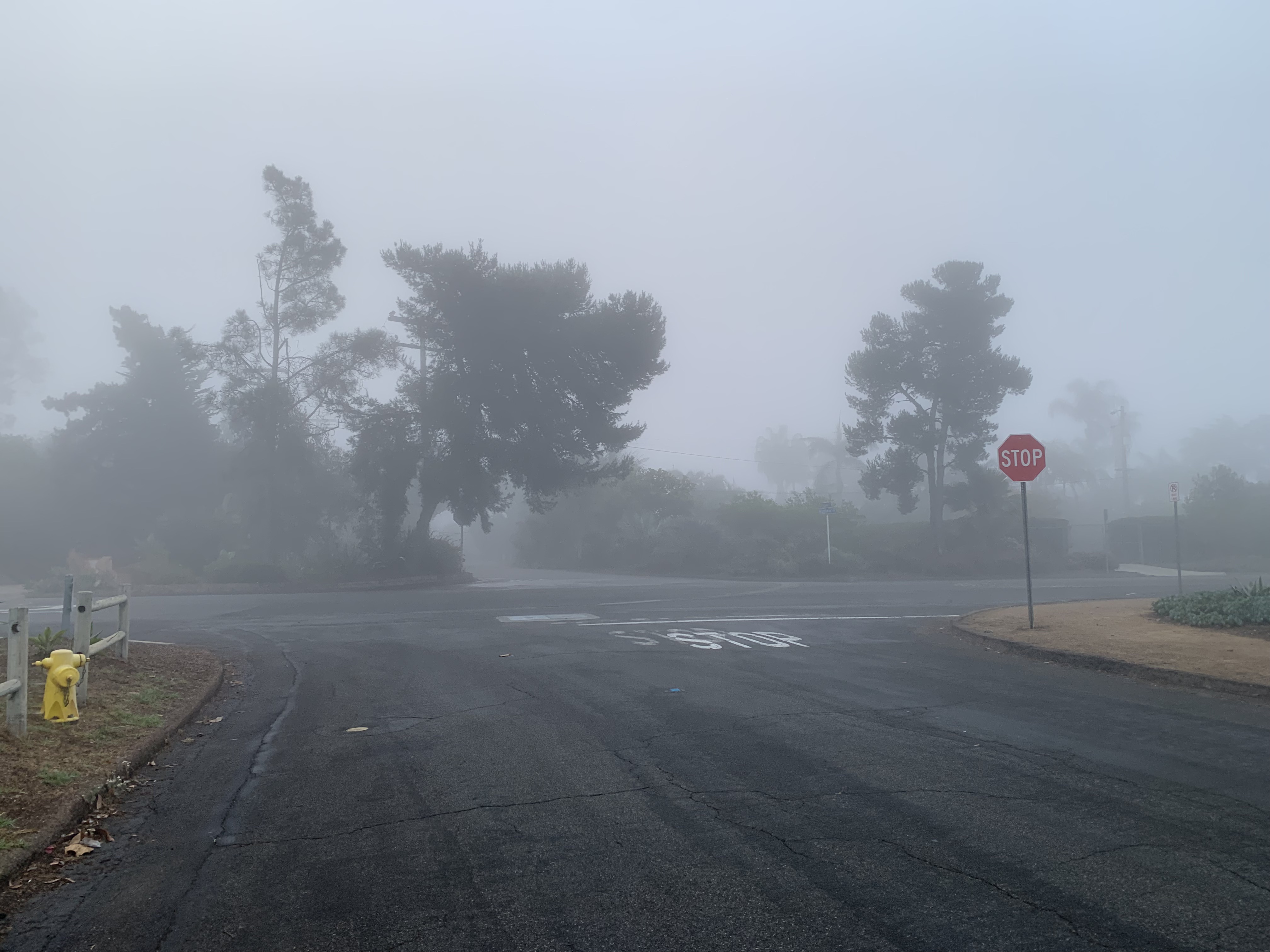
Our morning walk began, appropriately enough, in heavy fog. No sun. Cold. Damp. A slight but persistent icy wind.
How appropriate, I thought. No sign of a sunrise. Not near here.
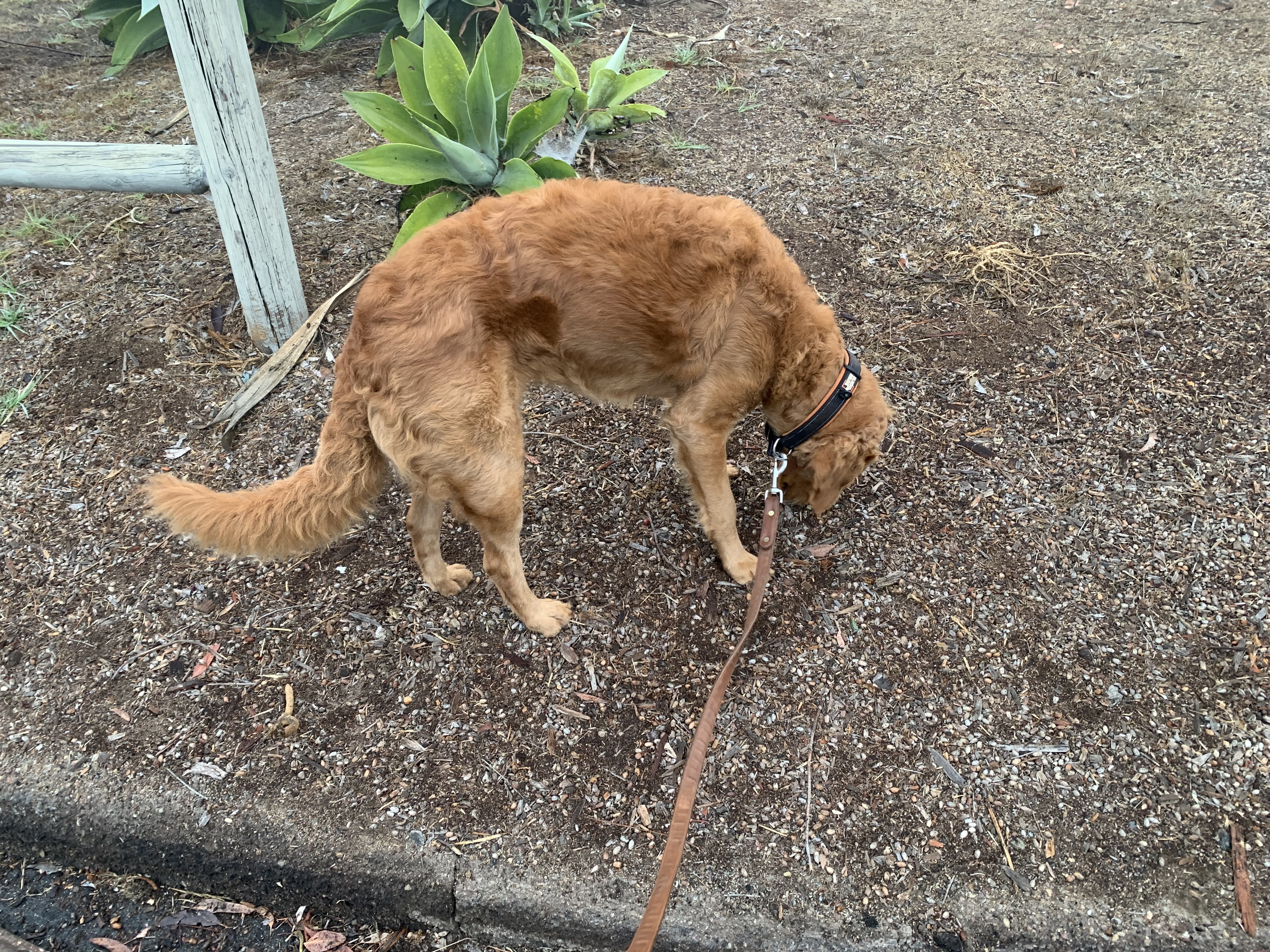
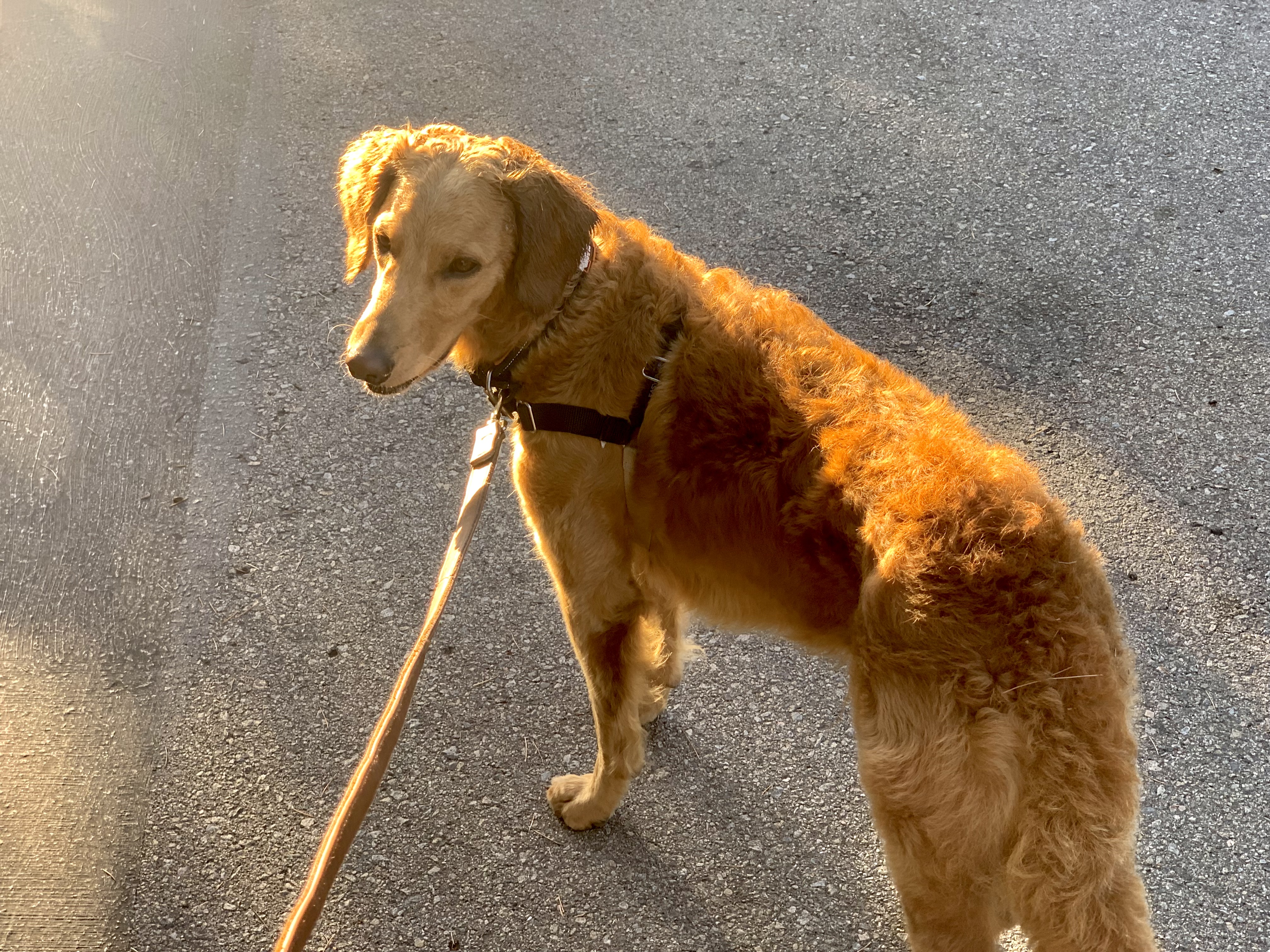
Sadie, however, seemed oblivious to the fog, the damp, the cold, the politics. Before our walk began, I told her we’d try walking without the shoulder harness but she’d have to do “Good Walking” with no Pulling. She’s strong and pulling hurts my back and knees but especially my ankles and arches. The harness helps prevent her from pulling, but doesn’t really eliminate it.
She did good walking.
And I noticed that, up close, she is still as beautiful as ever. No gold or red from the rising sun, but still beautiful.
Indeed, the fog shrouds what is distant, but up close? Bright signs of beauty still beckon. If we bother to look.
Looking more distantly–ominous, if not downright evil.
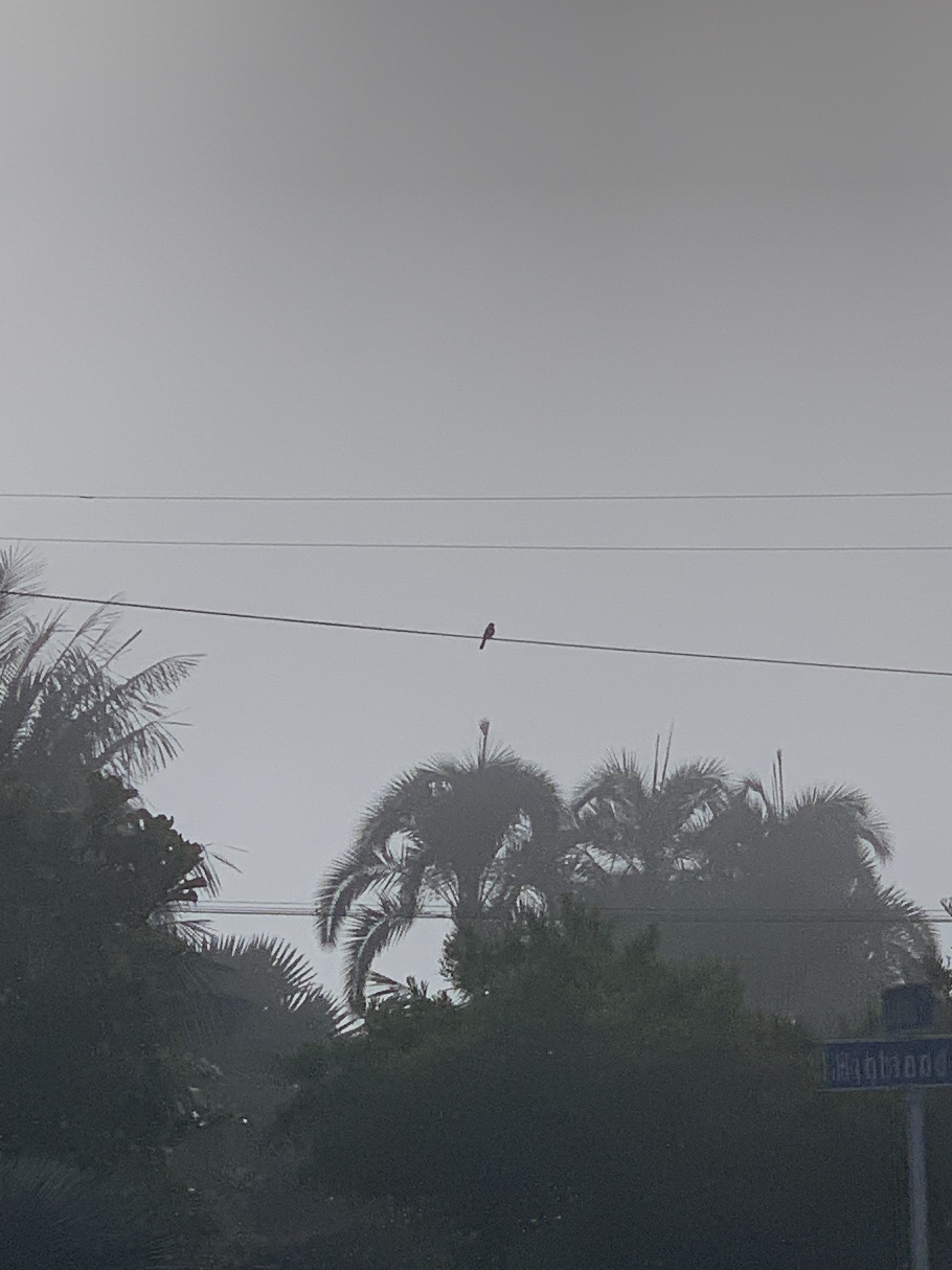
Even so, the lonely mourning dove coos on her thin wire perch.
Soon, the sun does begin to shine. Darkness, like cancer and greed, always eventually loses.
One of the most pleasurable “chores” I’ve ever had is walking our goldendoodle Sadie twice a day. It’s exercise. It’s a chance to see nature’s beauty. It’s a chance to interact with Sadie and informally explore her mind. She likes to vary her route. She likes to return to “known” spots and also to explore new places. She knows when we are “headed home.” And, once we begin heading home, she typically begins to engage in a variety of “procrastination” behaviors. She stops and licks herself. She stops and looks back to see whether any of her neighborhood friends—human and dog—are headed our way. She suddenly finds an incredibly interesting scent to track down.
Her procrastination is something I completely understand. I did the same thing as a kid. And my kids did the same thing. And their kids did the same thing. While I sympathize, it also gives me a chance to think. What does it mean to be heading home? Can one ever go back home?
Undo and Home Base
Early in my career as a researcher in Human-Computer Interaction, I had an opportunity to contribute to a set of “Guidelines.” Although the New York Times once erroneously ascribed the “invention” of UNDO to me, I did not invent it. It seems to me that the concept is actually quite old. I did, however, mention in the guidelines that UNDO should be provided as well as providing a “Home Base”—that is, a way to go to a state where you could begin again.
To Sadie, and to me, our home is our home base. Like other home bases, we conceptualize them as being a return to an unchanging safe space. Relatively speaking, and roughly speaking, that’s a good characterization. It’s relative because no place on earth is absolutely safe. Disasters can come in many forms: extreme weather, wars, crime, and disease to name four. Also, even if disaster doesn’t strike, we can be sure that home will never be exactly the same as when we left it. Everything is constantly in motion and in flux. It can be comforting to imagine that home stays the same, but it doesn’t. Nor does Sadie. Nor do I.
Sometimes, a moderate amount of change is nice. I like to take photos in our beautiful garden. I end up sometimes taking pictures of “the same” plant or flower several days in a row. I also tend to take flowers when they bloom, year after year. Sometimes, these pictures look very similar on successive days or on successive years. But in actuality, they are never exactly the same. The plant itself changes day to day (as do I; as does Sadie; as do you). In addition, the light changes from day to day. The surrounding plants in the garden also change from day to day and year to year. In addition, when I take a picture, I’m not in the exact same position. The software on the iPhone changes over time as well. The lenses on the iPhone change over time. Even if by some industrial strength replicability dream (nightmare?) I could take exactly the same photo, you wouldn’t perceive it as the same because your eye/brain system is always changing, both organically and by virtue of your other visual experiences.
Another Sunset
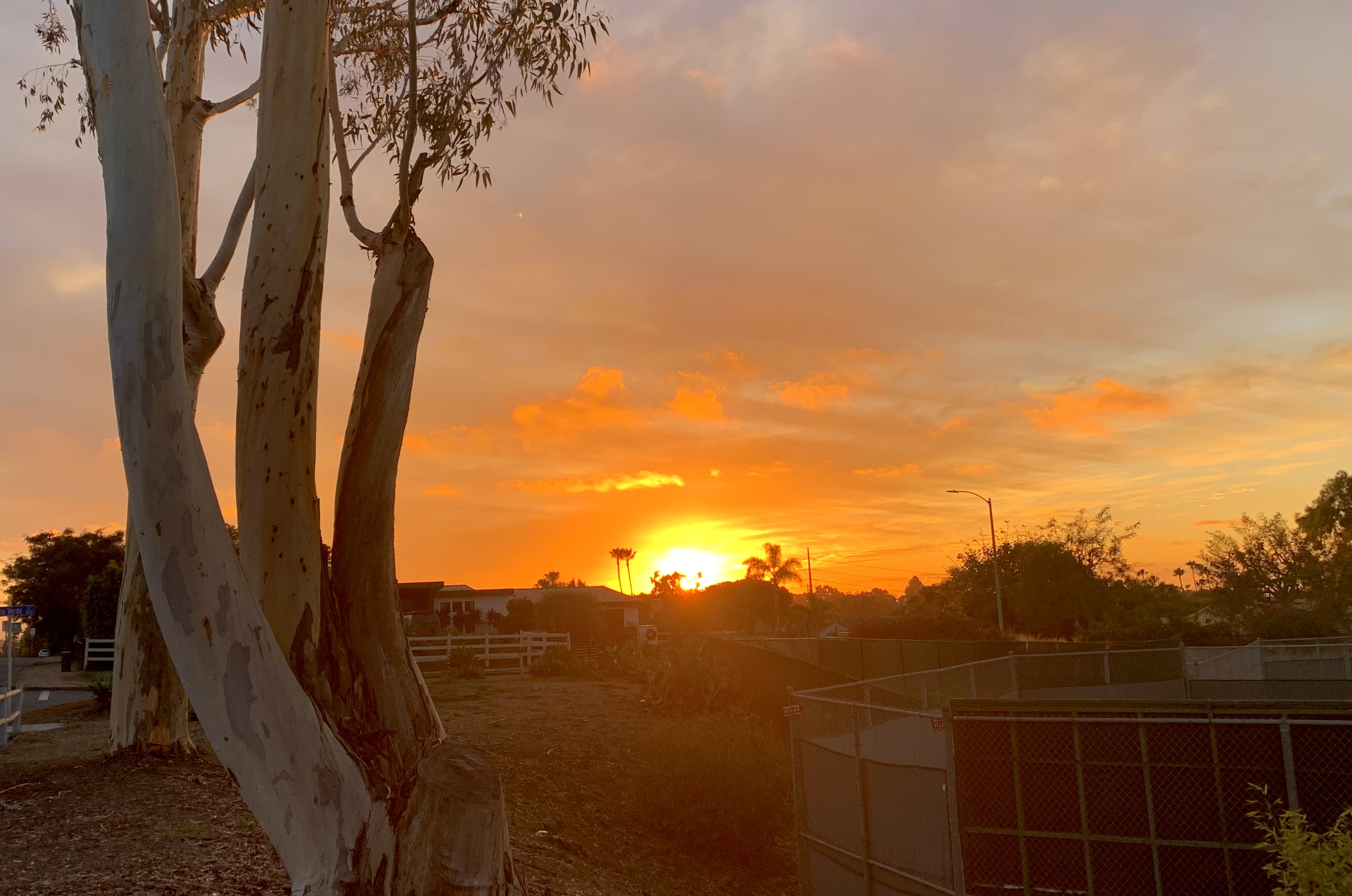
There are characteristics of sunsets that we see as similar over time. Here are three sunset shots years apart.
Another “Another”
Are there any replications? In my mind, sure. In reality, no.
A rose is a rose is a rose, but not only are two different roses ever identical. Even one rose is not the same day after day, hour after hour, or even second by second.
Another Trip Around the Sun
What is more steady than the movement of the earth around the sun…or the sun around the earth. In the Medieval times, the Europeans wanted to describe in perfect circles and put themselves at the center of the universe.
Now, we are more sophisticated and know that the earth actually orbits the sun. Our seasons depend on the relative position of the earth and the sun. But while we are aware of our trip around the sun, earth does not return to the same spot. Today is November 1. Next November first? The sun will have traveled through our galaxy 6,942,672,000 kilometers. That’s a far piece. I’ve run a number of 10K races. The galaxy travels a lot faster.
Another Homecoming? Is it possible? Can we use time machines?
Can we go back to the 1950s?
Can women simply forget that they were once treated as human beings?
In order to work effectively, today’s technology presumes a whole set of other technologies, skills, infrastructure, attitudes, processes, laws, rules, regulations. If we actually tried to go back to 1950, we would miss.
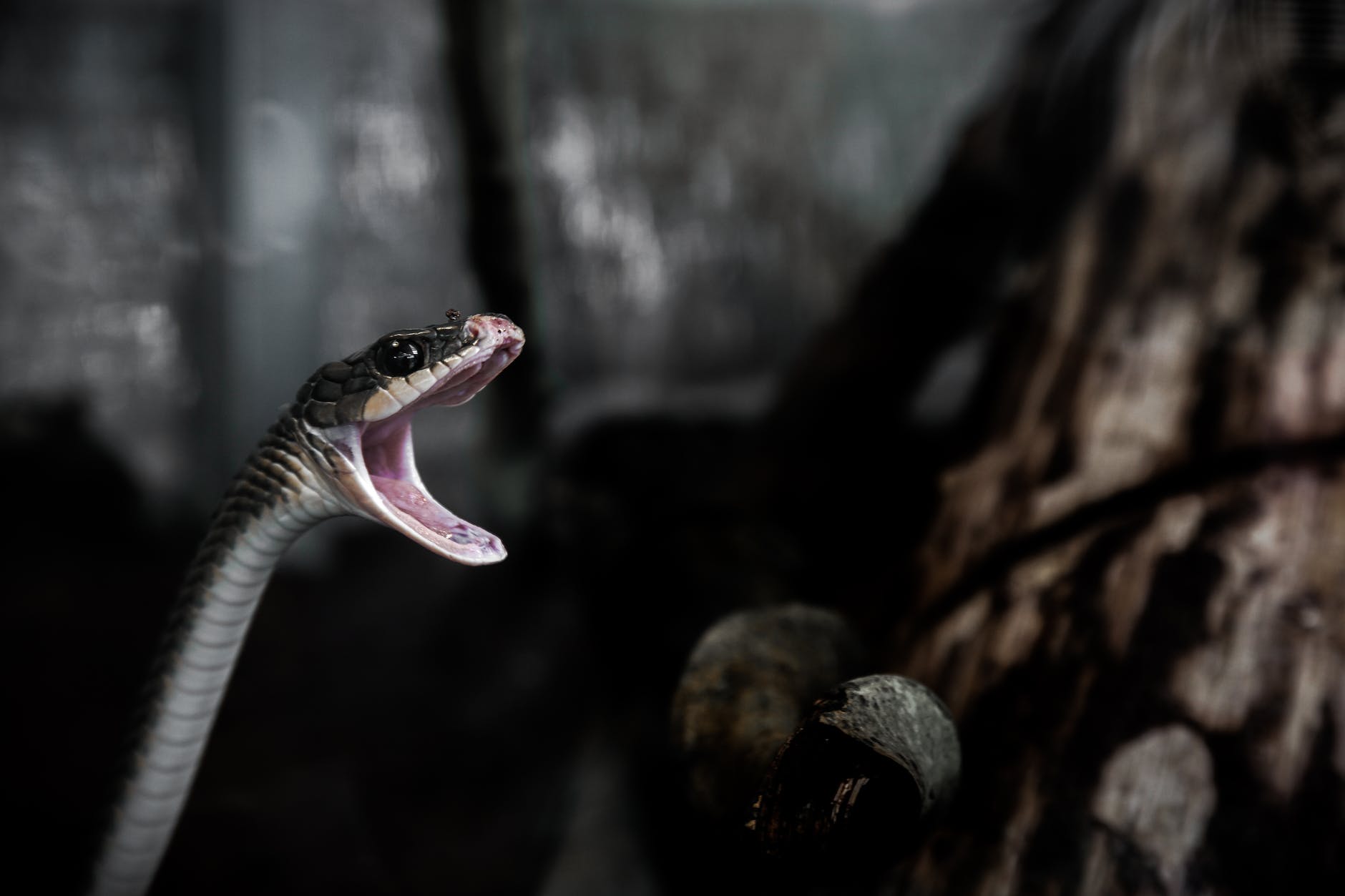
By about 500,000 years. Every so-called primitive tribe ever studied has customs, rules, practices, and rituals. Going back to the 1950’s by destroying the rule of law won’t work no matter how loudly people scream for it. You can’t scream your way to the moon. You can’t scream your way to Mars. You can’t scream your way to happiness. You cannot make two plus two equal five, no matter how loud you scream. Sadie can’t bark them into equivalence. A snake cannot hiss them into equivalence.
You can typically get yourself home. But no matter how hard you “insist,” home will not be in precisely what it was when you left. And, it definitely won’t be in the same place in the universe. Not even close. Going back is a mental exercise and never a physical reality.
Dan Johnson’s family had been dairy farmers for as long as any of the folks in or around Oshkosh could remember. Like his pa and grandpa, Dan dressed the part. Going to the general store, fiddling a jig at the barn dances, or tending to his herd, Dan could be seen in his checkered shirt and blue jeans held up by red suspenders. Like many (but not all) of the Johnson clan, Dan sported curly red hair and freckles. His once-handsome face now bore a strong resemblance to corrugated cardboard from his many years in the sun.
Now that Cindy was gone, he didn’t much care. And he didn’t even care that he didn’t care. Life went on, and he did have flashes of pleasure, but they grew ever dimmer and rarer as the lonely years passed. Dan still enjoyed his herd. He enjoyed feeding them, milking them—hell, he had even come to love the putrid smell of cow patties. He also enjoyed the occasional visits from some of the other old codgers in Winnebago County.
Though winter seemed to come later each year, he hadn’t yet thoroughly prepared for this one. He stayed strong from handling the chores on his own. He still felt pangs of regret that he hadn’t had more kids. Now he had no surviving sons or even cousins to help, and, more importantly to take over once he…”passed on.”
Dan took a breather from wood-chopping and made himself a cup of black coffee. He had always considered cream and sugar a “sissy way” to enjoy coffee. He loved the unadulterated bitter taste. He set down his cup to cool a bit. His fingers idly pulled the stack of papers toward him across the slick formica. He squeaked and squinched his chair around so the dim light of late October fell onto the contract. He shook his head.
In his younger days, he’d never imagined ever selling his farm. If he had imagined it, it sure as hell would have been to a neighbor, not some dark-suit, white-shirt, red-tie from New York, of all places. Of course, back then, he’d had no idea that he’d lose both sons, one to war and one to COVID. Every year, it got just a little harder. He’d had no idea how difficult it would become to compete with the huge agro-business factories.
“Factories.” Dan couldn’t bring himself to think of the “Golden Opportunity Pastures” as actual farms. The way that smooth-talking New York fellah—Steve Banshee—talked about the cows—well, come to think of it— the way he talked about everything—yeah, Mr. Banshee talked about everything like he was doing some kind of math problem. But the math never seemed to add up. Banshee’s way was to scream and coo and wave his hands and then go back to screaming again.
Dan looked over to where Cindy had sat for four decades. He imagined her and smiled. “Well, Cindy, what do you think? Should I sell this old place? This city fellah, you heard him, I guess, he says they don’t have any use for this old house and I can stay here as long as I’m above ground and then he’ll arrange for me to be buried right beside you. He promised you and I could sleep under the old black walnut tree forever. And, he promised to let Old Blue stay on too, though she can’t give milk any more.”
The light began to fade. Dan sighed. It was some good money, all right. “Cin—I’ll tell you what—I can buy a real nice headstone for you. I know. You’re happy with the little cross I make for you every spring. I don’t want those city folks forgetting where you are. Sure, I admit, I’ll buy a few thing for myself as well. But I’ll send along a check to your friend Sue in Milwaukee too. It would be from both of us. Appears, I’ve made my mind up.”
Dan stared at the contract. He began to read it and it made no more sense than it had the first few times. But, after all, this Mr. Banshee from New York said he was an expert about these things. And, he had made it very clear how much the money was and about the provision for Dan to keep the house and burial plot. Dan signed the papers. For a moment, he hesitated because he couldn’t see Cin’s signature. Then, he realized that was just habit. He didn’t feel sad. But a single teardrop fell onto the spot where Cin’s name had been.
Now that he and Cin had finally made up their mind, he felt lighter, younger. He slept very well that night. He mailed back the signed contract and his week went on as it usually did and he talked to the cows as he milked them and he told them about selling the place and tried his best to paint the buyer, Mister Banshee as a nice person, but the cows weren’t buying it. They pretended as though they didn’t really understand what Dan was saying.
It wasn’t until the following Monday that Mr. Banshee showed up along with two young linebackers or professional wrestlers.
Dan hated to scream, but once Banshee had told him “how it’s going to be” that didn’t stop him, “Mister Banshee! You agreed! We shook hands! Right here in this kitchen! Shook hands.”
Banshee held up his hands like a crossing guard, “Hold it right there, Dan, you know as well as anybody that people say all sorts of things when they’re negotiating, but what matters is the signed document. Why? Different people have different memories of conversations, but the written document is in black and white. It is what it is. And a good thing because I don’t even recall talking about having you stay here, let alone anything about a burial plot or a sacred cow. Good Lord, man. Think! We have standard contracts. The only thing that changes are the amounts and dates of payouts.”
Dan pursed his lips tight. He clenched his jaw. He stared at Mr. Banshee without speaking. He glanced at the two thugs who stood behind Banshee. For a moment, his mind fled to the two cords of wood he’d stacked up for the winter. Then, he thought of “Paul Bunyan”—not the legendary giant woodsman—but the axe he used to chop firewood. It was a name Cin came up with many years ago.
Dan, shirtless, had been splitting logs on a warm summer’s day. She’d come out to him with a jam jar filled with lemonade. She’d smiled as she handed it to him and said, “Well, now, if you don’t just look like Paul Bunyan himself!” Dan had blushed as he took the glass, beaded with condensation, and lightly stroked her fingers.
He liked the name Paul Bunyan, but applying it to himself? No. He had smiled at her though and tapped the oaken axe handle. “This is the real Paul Bunyan.” From then on, they’d both referred to the axe as “Paul Bunyan.”
From somewhere far off, he heard someone talking. It was that Banshee fellow. He was still jabbering on about how the time for negotiating was over. They had a signed contract and Banshee had placed a check right before him. Dan stared at the check. It was a lot of money. It was the largest single check amount made out to him that he’d ever seen. It was also about one quarter of what they had “agreed to.”
Mr. Banshee reminded him once again that he needed to move out by Friday. At the latest. After that, anything remaining on the property would belong to “Golden Opportunity Pastures.” Dan nodded and followed them out to their car. The trio of “city folk” leaned on their car and Mr. Banshee said one last thing, “That money should last you awhile, Mr. Johnson, if you’re wise with it. I hope you learned a valuable lesson. Watch what you sign. Oh, and remember city folks are just plain smarter than the folks hereabouts.”
Dan nodded and said softly, “Hold on, Mr. Banshee, I’ve got some maps & schedules in the barn that you’ll find useful. I’ll be right back. Just take a minute. You folks stay there. I’ll get everything you need.”
The thugs that Mr. Banshee brought with him were strong, but they were no match for a herd of cows driven by a cattle prod that Dan had very seldom used until today. One of the thugmen had reached into a holster and taken out a pistol. Paul Bunyan took care of that arm. The man screamed and tried to stop the bleeding. Uselessly.
Dan saw the wounded men and took pity on them. Lots of broken bones. Lots of pain. Paul Bunyan fixed all that in a few moments. Dan sighed.
“Well, Cin, we got us a lot of work to do. Can’t bury them here. Ground’s too near frozen. Gonna have to drag them one by one to the marsh. Old Blue can help though.”
Two weeks later, after a light brushing of snow, the local sheriff, Bill Baxter drove up in his “Oreo” which is how the locals referred to the police cars. Dan offered Bill a cup of coffee. Bill took his black, just like Dan. “What’s up?”
“Well, Dan. Here’s the thing. There’s a real estate guy missing by the name of Banshee. That name mean anything to you?”
“Yeah. That’s the name of a fellah who came all the way from New York City. He wanted to buy my farm. Came up a couple times. He didn’t want to take “no” for an answer. I guess he finally got the hint. Haven’t seen him for awhile.”
“Okay. Well, he seems to be missing. Any idea about that?”
Dan bit his lip and tilted his head. “No, he didn’t say where he was headed next. Last time I saw him, he handed me a contract. I signed it, ‘Suck my Johnson’ and mailed it to him. I figured that might help him get the message. Anyway, he hasn’t been back since. So I guess it worked.”
Bill stared for awhile at Dan. “Maybe. Thing is, the people at his office apparently didn’t notice that you hadn’t signed your actual name and cut a check. And that check was cashed. It was a good deal of money. They seem to think you sold the farm.”
“No idea, but I am sure I’m not rich. Look around. Same as always. If there’s a check, I haven’t seen it. And, I sure as hell will never sell this farm. Especially not to a New York City guy in a suit.
Dan smiled at Bill and thought, Guess the trip to Minneapolis was worth it. Dressed in a suit and tie, with his beard trimmed short and wearing a white cowboy hat, Dan had looked quite different standing in line at Sunrise Bank. Not that anyone bothered to look for him on security footage, but if they had, not even officer Baxter wouldn’t have recognized farmer Dan.
Bill finished his coffee and stood. “Well, Dan, if you hear from this guy Banshee again, let me know. Or, if you remember anything he said about where he might be headed next. Okay?”
“Sure will. Have a great day now.”
Dan looked out the window and saw Bill do a Y-turn in his gravel driveway. He nearly backed into the chopping block into which Paul Bunyan sank his single sharp tooth.
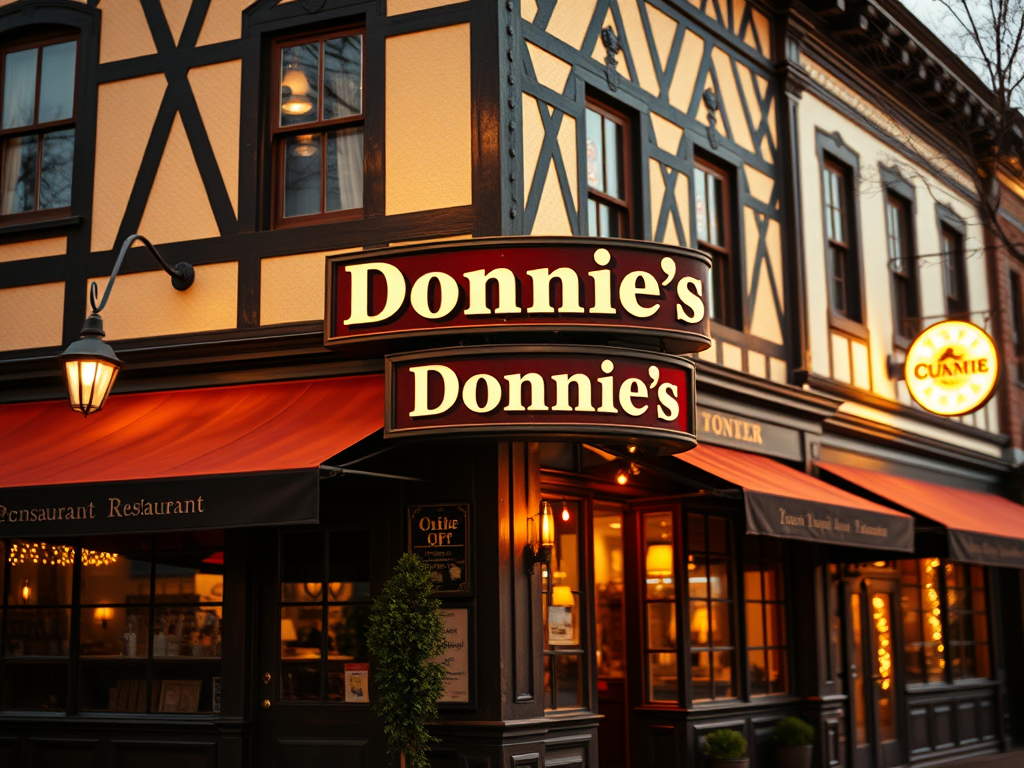
“Donnie’s Restaurant,” located in the town center of Lancaster, Pennsylvania, began business in 1854, a quarter of a century before Franklin Winfield Woolworth opened his first five and dime store in 1879. Of course, back then, it wasn’t called “Donnie’s Restaurant.” It was originally called “George’s” named after the original proprietor, George Oglethorpe Parsons. Lancaster was originally named “Hickory Town.” Indeed, for many years, a stately grove of shagbarks abutted the estate upon which George decided to open his general store and tavern.
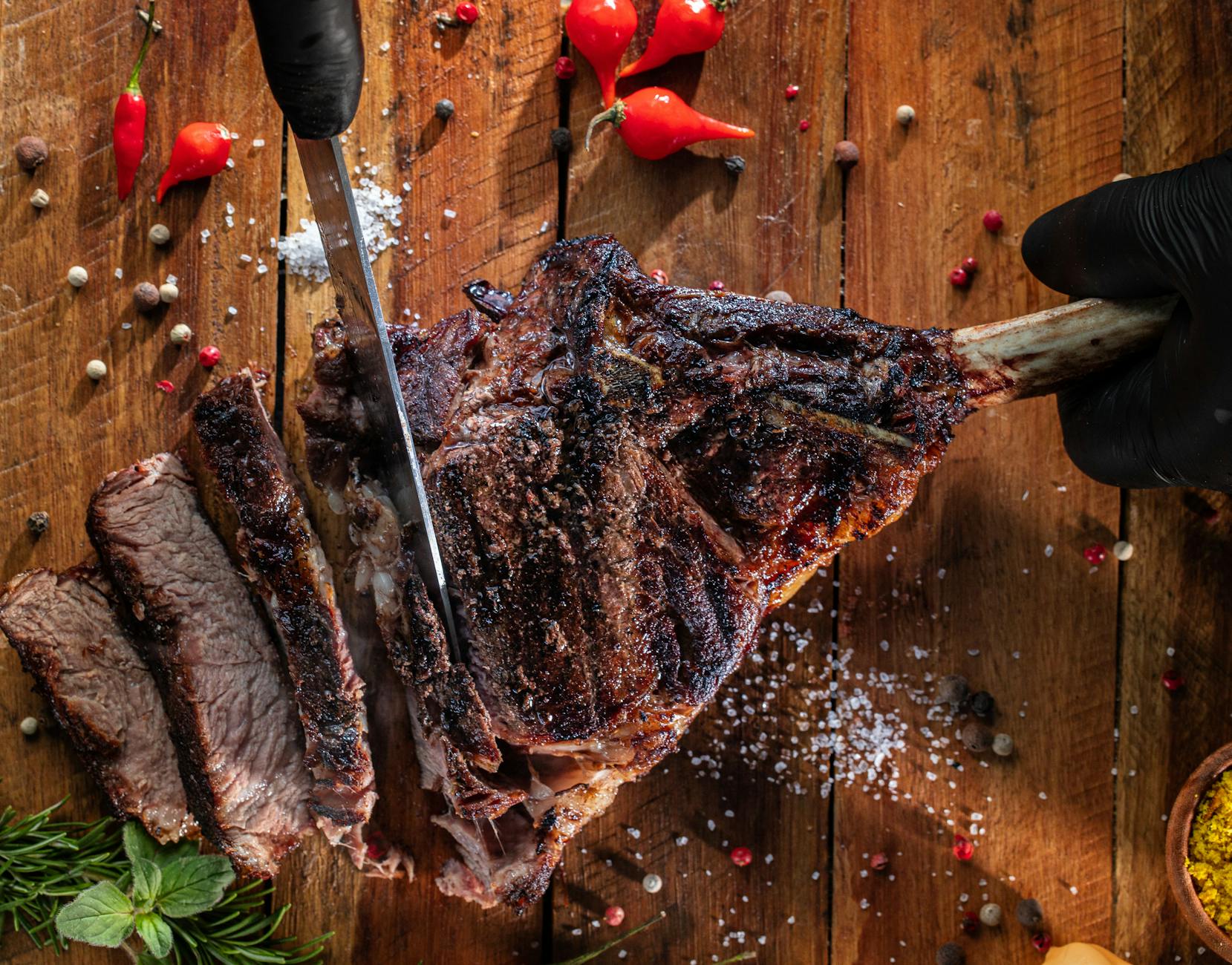
If we now fast forward (and who, these days, doesn’t love to fast forward?) to 1985, the name was changed to “Donnie’s Restaurant” by one of George Parsons’s descendants Donnie Parsons. Donnie continued many of the Restaurant’s traditions, including hickory nut pancakes with real maple syrup and local butter; beans and franks in homemade basil tomato sauce; and a one pound serving of prime rib. The prime rib came from local Holsteins. Though not officially “organic,” both beef and butter were free from toxic concentrations of antibiotics and pesticides.
In the summer of 2015, the restaurant changed hands again and for the first time, the proprietor bore no known blood relationship to the earlier owners. Nonetheless, as luck would have it, his name was also “Donald” so he decided to keep the name “Donnie’s Restaurant” as well as the “Pennsylvania Dutch” architecture fused with Italianate features.
The restaurant’s popularity grew under the new owner during the first few months. He kept the traditional dishes and promised to lower prices considerably as soon as possible. He also promised that he would increase the salaries of the cooks and waiters as soon as economically feasible. He fired most of the servers and replaced them with more attractive women.
(AI generated image above)
If one had judged the success of the restaurant by Donnie’s residence, one would have concluded that the restaurant was doing quite well indeed. Donnie found it expedient to cut costs by replacing some of the daily and weekly cleaning routines of the former owners with well-timed bribes for the health inspectors. At first, the bribing was initially more expensive but Donnie recorded the health inspector’s bribe-taking which reduced the necessary fee considerably.
Donnie kept the menu unchanged although he found ways to save more money by replacing the most absurdly expensive ingredients. For example, Donnie’s famous hickory nut pancakes were still listed that way on the menu, but instead of paying a fortune for hand-picked hickory nuts, he bought walnuts in bulk from China. Instead of paying a fortune for locally produced butter, he bought butter in bulk from India. Instead of using real maple syrup, he found that most people could not distinguish it from “Aunt Jemima’s” provided he simply ordered staff to pour the sugar syrup into a serving container that was labelled “100% pure Vermont Maple Syrup.”
(AI generated image above)
By greatly reducing the cost of hygiene and ingredients, Donnie had the option of raising wages or lowering prices or both. He decided it would be more prudent however, to increase profits. After all, Donnie found that if one promised to lower prices and increase wages, it worked nearly as well as actually doing it. This is particularly true if one promises with passion and sincerity.
Despite all the time and effort Donnie put into the restaurant, he found that after several months, fewer people actually went to the restaurant. There were still a large group of faithful customers who showed up on a regular basis, but he was not attracting any new clientele and even the faithful didn’t always show up. Donnie considered spending money on an advertising campaign but decided it was too expensive. Instead, he launched his own anti-advertising campaign aimed at discouraging people from dining at other local restaurants. He wrote letters to the editor. He dropped hints in conversation. He privately told several of his staff members that if they wanted to keep their jobs, they had better join in with his whispering campaign.
A local diner was said to be adding rat turds to bulk up their pecan pie. A fried chicken house went bankrupt from continual reports of Salmonella poisoning despite the fact that there were no actual cases of Salmonella. A sandwich shop, famous for its sourdough bread, had to close doors because one of the bakers had been “caught” urinating in the dough. This too was an out and out lie, but, more importantly, from Donnie’s perspective, it cut his competitor’s business in half. The local “Ponderosa Steakhouse” was said to be using horse meat instead of beef. Again, although completely unfounded, this persistent rumor cut their business in half.
It worked! As the number of options for restaurant-goers diminished, more business returned to Donnie’s. To celebrate the uptick in business, he painted a lot of gold trim on the doors to the restrooms which were newly labelled “Women ONLY” and “Men ONLY.” He found other ways to cut costs. For inspiration, he needed to search no further than his own smear campaigns. He bulked up his pies with rat turds. He told his chefs to save time by not cleaning cutting boards between cutting raw chickens and preparing fresh vegetables. He substituted horse meat for prime beef. Initially, these changes increased his margins and he was happy.
These changes, however, did not go completely unnoticed by his customers. Let’s zoom in for a moment (and who, these days, doesn’t love to zoom?) to a couple of long-term customers of “Donnie’s Restaurant” as they sit in their kitchen and contemplate dinner plans.
(AI generated image above)
Mildred sighed and banged the cupboard shut. She peered over at Gerald whose brow furrowed as convoluted and hateful as an Alito decision rationale. He grunted a single syllable: “Well?” Mildred sighed again and tip-toed across the kitchen to the table and sat beside him.
“We have no pasta, Ger. Sorry. We haven’t been to “Donnie’s” for a while. On the way home, I could run in to Walmart & grab some pasta for tomorrow. Doesn’t a prime rib sound good? You used to love them.”
Gerald grunted. “Yeah. I dunno. Lately, their steaks and prime rib haven’t been as good. Tough. I think maybe they overcook them. I dunno. Also, they replaced their home fries with whipped potatoes but they kind of suck. I think they may be powdered.”
Mildred nodded and bit her lip. “Funny you say that. I used to like the meatloaf. But lately, it has tasted…I dunno…off somehow.”
Gerald peered up at the ceiling and once again thought about what could possibly be causing the ever-widening stain. He shook his head slightly and thought, I’ll deal with that later. First things first. Gerald said, “Well, it can’t really be that different. After all, it’s got the same menu and the same name.”
Mildred and Gerald sat in silence for a few moments before Gerald said, “Not much else in town these days. Such a string of gross stuff. You could stand to lose a few pounds anyway. How ‘bout we just go have a couple slices of pie and a cup of coffee? Skip the main course? What say?”
“That sounds good, actually. Hard to mess up a pie, after all.”
Hard, but not impossible.
Unlikely as it might seem, most people don’t care much for the taste of rat feces. Sure, Donald had the chef throw in loads of extra sugar but it didn’t completely obscure the vermin taste. Privately, neither Mildred nor Gerald cared at all for their desserts. An observer wouldn’t guess that from their conversation however.
“Oh, fine. Yeah, it’s fine. I should have ordered pecan, I think. I generally like pumpkin, but I think this whole season, I’ve been close to ODing on pumpkin spice. How’s yours?”
“Um. Great. Really. Not like I remember it when gramma used to make peach pie. She got fresh peaches from the Farmer’s Market. Can’t expect the same from canned fruit, I suppose. But it’s good. Yeah. I’m not all that hungry.”
“Yeah.”
“Yeah.”
“Donnie’s” became popular with tourists who wanted to see “what all the outsized complaints were about.” Tourists soon found out for themselves that the various reviews they have read were not exaggerations. The service was terrible. The prices never fell but continued to rise. The ingredients were low quality and having them put together haphazardly by inept cooks didn’t really help much. Still, it was fun to watch “Crazy Donald” come storming out of the kitchen and swear at the servers, the busboys, the hostess, and often, even the customers. Although neither Mildred nor Gerald liked the food, they were not disappointed when it came to the show. Sure enough, right before they paid their bill, Donnie stormed out through one of the kitchen’s swinging doors and knocked a large tray of drinks smashing onto the floor. He ignored his bleeding employee and screamed at no-one in particular:
“What the hell do you mean, it’s not good! It tastes good to me! What the hell’s wrong with you people! I’ll tell you what’s wrong! You’ve had your sense of taste destroyed by fast food and TV dinners and foreign sushi and pho soup and sauerkraut and some of those foreign restaurants even serve raw shark and cooked dog! If you don’t like my food, just leave! Give the receptuous, the receptive, the velocitoraptor! Damn! Whaddayacallit. The bitch. Give the bitch your credit card number and I give you double your money back.”
(AI generated image above)
Mildred and Gerald smiled at each other. Fifty bucks for two pieces of pie and coffee? Seriously overpriced, but the show was worth it they both thought (and, these days, who doesn’t like a good show?)
At least they had thought the show was worth it until they awoke around midnight and spent the wee hours alternating between diarrhea and vomiting. (These days, very few people enjoy the consequences of doing business with a liar).
“I never took a test. There’s been a mistake. I’m a supporter.”
“Shut up or I’ll break every finger. Capiche?”
The guard grinned a moon of bloody teeth and pushed his nightstick against Bob’s lips. Hard.
Bob grunted but said nothing; decided he’d bide his time for now. This will all get sorted later.
It didn’t get sorted. Why would it? Along with tens of thousands of other “supporters” the only thing Bob got for his support? A free one-way ticked to the burn pits. He’d been beaten enough that when his time came, he jumped of his own accord.
When facts are hidden, the imagination blossoms. The facts of meetings between the former guy and Vlademort Putrid are known. You may have forgotten. I have not.
What we do know is that the former guy’s body language consistently shows that Putin is the dominant of the two. The former guy often looks a lot like a whipped dog. His eyes are downcast. His head is down. His shoulders are hunched. He contorts himself to look lower than Putin.
His statements about Putin (and other dictators) consistently show his admiration for brutal, cruel, murderous dictators. That is in contrast to his statements about democratically elected heads of state and American politicians, including those in his own party.
We also know that the former guy was born rich; lost a fortune; then begged his daddy for more. The former guy was not daddy’s favorite child, at least initially. TFG’s mother was often sick. If the American public knows this, you can be sure that former KGB officers knows it as well.
What follows is fiction. It is fiction in the sense that American citizens have no way to find out what actually happened in the secret meetings between Putin and the former guy.
Here is a link to a series of four fictional stories. As time goes on, however, it seems more and more probably that something like this may well have happened.
“No, Mister President, don’t worry. I can speak some English. And I have my translator here. Given that you’re such a smart guy, I’m sure you probably picked up few words of Russian. You know word for yes, da?”
“Yes, President Putin. I mean, da!”
“Good. Excellent. I don’t understand how the people in your country fail to realize how lucky they are to have someone as competent as you. And realistic. Not hung up on silly abstractions. Don’t you agree?”
“Da! Da!”
“And, just as you get a lot of unfair criticism, so do I. It’s jealousy. People in other countries are jealous Russia’s strength and progress. So, they tell lies about people I supposedly murder. You know it’s all lies, right?”
“Da! Da!”
“You know, it’s odd. Your English slang word for father, ‘Dada’ sounds lot like the Russian words for ‘yes, yes.’ And, that reminds me. I heard a rumor that your dada favored Fred Junior. But you got the good genes. Eventually, your dada figured out that you were the smart one—the one destined for greatness. Isn’t that right?”
“Da. Da.”
“By the way, did you know my people call me ‘Papa Putin’? Wouldn’t it drive liberals and your other detractors crazy if you called me Dada?”
“That’s a great idea! It would drive them nuts! Serve them right, Dada.”
“Yes, indeed. I know some people may try to rein you or make you behave like normal President. Don’t do it! Keep acting cra—unique. Keep acting unique. Different. That way, your fans have no way of knowing where you stand except by listening to you that day. And when you say something crazy—unique, I mean, like ‘pollution is good for you’ your fans will instantly repeat it. They will vie for most followers or most likes and for retweets by you—best prize of all. And liberals? They’ll go nuts. And you know what they’ll do? They will also repeat what you say! It’s amazing. They’ll say:
You know what crazy guy just said? That pollution is good for you! How stupid do you have to be to think that pollution is good for you? It kills! Ridiculous to think pollution is good for you!
“And, so Donald, do you know what people who delude themselves that they are independents will remember from those antics in three months time?”
“Yes. I mean da. Da. Da! Dada. Pollution is good! Pollution is good! Which is also a good excuse to give tax breaks to the rich.”
“My God, Donald, you are smart! Too bad your people don’t realize. Well, many do of course. Eventually, once you gain power, the rest will join your ranks. Everyone will know.”
“Da! Da! Dada! I should get you something! What would you like?”
“Donald, do you remember how cool it was when you were kid and it was America versus the USSR? Olympics! UN! Foreign wars! Two sides! To USSR, you were evil. To us, you were evil. Wonderful times. Now, you’ve got these terrorist groups, lots nations with H-Bombs, and for what? It’s hell for everyone. See what I mean?”
“Da. Dada. I do.”
“And, you know, we’re like favorite band that split up. We just want to get back together band. For instance, part of Russia we call ‘The Ukraine.’ It’s actually part of Russia as you know. You do, know that, right, Donald?”
“Da! Da!”
“Good, well don’t forget in case—they are just sort of people incite us to war. We might have to liberate Russians inside Ukraine. You are smart man. You will know enough to back us up. Right?”
“Da. Da. Dada.”
“Donald, you know what? You are favorite among all world leaders. We’ll rule together long time.”
Though she trained diligently for years to lead such a mission of mercy, Ptera-1-Hym felt a complex panoply of Arcturian chemotions. One of those chemotions hovered close to the human concept of pride but with none of the egotistical and hubristic accoutrements that often cloud human judgement and, according to the ancient Greeks of Earth, often lead to deadly divine interventions. Ptera-1-Hym, like nearly all her nano-horde, saw duty, pride, inevitability, fate, faith, and fastidiousness as six petals of the same cosmic flower.
Another chemotion she felt: oscillations between droning fear on the one pincer and waxy determination on the other pincer. All this with an undertone vibration of vigilance along her ventral chitin. Obsessed, she checked and double-checked with her colleagues to make sure everyone was not only literally in their proper place on board their interstellar vessel but also “on board” with their role in the complex and well-planned Protocol of Peace.
Sure enough, the TruthStone was polished and in place. The roles and responsibilities were crystal clear in the brains of the crew. They rehearsed and re-rehearsed the pictorial, narrative, and mathematical persuasions that would forever make war on earth literally unthinkable. There had not been much else to do during those hundreds of earth years the Arcturian spacecraft sped toward the third planet circling the small green star earthlings called “The Sun.”
The xeno-psychologists had studied and re-studied primate psychology. Their on-board AI systems double-checked the pattern-growths and plasmic gambloids. Clear predictions emerged. Intervention was both necessary and would prove successful. After all, not only humans, but all the primates possessed the ability to solve simple logic puzzles. When presented with simple alternatives such as: “To be or not to be” most primates chose “To be.”
Among the many brilliant design innovations for the mercy mission to earth was the exterior design of the spaceship itself which greatly resembled a honeybee. Studies of earth’s ecosystems revealed that all of humanity depended on honeybees in order to feed earth’s blossoming population. This would ensure that none of the great apes would unwittingly destroy their ship.
Completely unaware that an inter-galactic star ship sped toward their negotiating table, David Ibbar, Jamal Mami, and Epop Het, glared at each other. Each successive “communication” cycle resulted in increasing resentment and dislike. Not only did the three great apes become more and more frustrated with each other; they also became more frustrated with themselves because they couldn’t make an inch of progress.
David ground his teeth so hard, the enamel was about to chip. Jamal gripped his hands so tightly around the arms of his chair, that two metacarpals were in danger of snapping. Epop Het bit his lower lip hard enough to make it bleed. These injuries, of course, were trivial indeed compared with the destruction that could be caused by what each side was now threatening: an all-out thermo-nuclear war.
The Arcturian ship flew in through a thin slit under the front door of the mansion where the hostile parties talked of preventing war. The Arcturians in general, and this crew in particular, had little interest per se in whether or not the great apes destroyed themselves. The problem for the Arcturians was that over the centuries, it became increasingly clear that the great apes would not only destroy themselves but the monstrous perversions of their mating rituals would also destroy a number of truly magnificent species including all the Cetaceans, Anisopteras, and Cryptodira.
Ptera-1-Hym checked the scanners and announced to her crew: “We’re here in the nick of time! Prepare the Truthstone!” Moments later, the Arcturian ship skidded to a stop atop the negotiating table in clear sight of the three human “Ambassadors of Peace.” Epop-Het noticed the annoying intrusion first, and picked up a nearby copy of what he considered to be The One True Holy Book. Jamal and David noticed the sudden gesture, and, not to be outdone, even in so small a matter as swatting an insect, grabbed their own Holy Books. Their younger hands compensated for their slower wits and all three Holy Books came crashing down together on the Arcturian ship, smashing it to smithereens.
Ptera-1-Hym and all her crew mates died instantly. The blow pulverized the centuries old Truthstone. One of the smithereens, a particularly jagged shard of adamantine hypermetal, flew into the eyeball of Epop-Het. Unsure which of his two antagonists had attacked, he, or more accurately, his chemotions, ordered an all-out attack on both their kingdoms.
The mathematical projections of the Arcturians proved correct. The heat and radiation of the thermonuclear blasts destroyed all the Cetaceans, Anisopteras, and Cryptodira within days. A few of the great naked apes survived in their underground bunkers for months.
I am alive and well. I haven’t blogged for a while. Here’s why: I’ve been taking a year-long course on novel writing. Yesterday, I sent off my book to the instructor for feedback. To me, writing a full-length novel has been more difficult than writing a Ph.D. dissertation. Writing non-fiction requires research, discipline, organization, and being willing to work hard.
Writing a novel requires all of those but it also requires keeping track of the implications of many little decisions. It is not only a cognitive strain but often an emotional one as well. It’s a never-ending series of choices. Science is often, but not always, a series of choices where there is an agreed upon better answer. Even when there isn’t agreement, there are a much smaller number of choices.
To me, writing non-fiction is like taking a long trip on existing roads. You may certainly face unanticipated difficulties such as construction zones, flat tires and bad weather.
Writing fiction is more like bushwhacking. No-one has ever trod (or will ever trod) your exact path. You may learn something by discovering or following the paths of previous writers. You might, for instance, discover that some writers go over logs that lie across their intended path. Others, may crawl under. Still others might go around the fallen log. Others might choose to back-track until another path is found. What should you do?
It depends.
And, that’s the nature of fiction. It all depends. It depends on what else happens in the book. How you choose to construct and describe one character depends on the others. Even what you name them depends on the other names. What happens in character development interacts with the plot. The plot interacts with the landscape and the mood. The mood depends on the tempo. The tempo, if it’s dialog must be consistent with the character who’s doing the talking.
Our dog Sadie and I have been co-creating and co-evolving games from the days she first came to live with us. Currently, we are playing a variant of “fetch.” Here’s how it works. One of us (most often Sadie) finds a squeaky ball. At some point, I get a squeaky ball from somewhere in the garden and say, “Get up on the deck! I’m going to throw the ball on the deck.”
Now matter where she is when she hears that, she sprints to the deck and awaits my throw. She sprints with spirit! I love to watch her run, not only for her grace and speed but even more so, for the whole-heartedness with which she runs every single time. I throw the ball up and she catches it in the air more than half the time. Even when she misses, she’ll scramble after it and proudly perch on the spot on the deck where I can see that she’s caught the ball. After elaborate and genuine praise, she sprints down the stairs to the lawn near me. Then, she will lie down with the squeaky ball in her mouth. After a time, she’ll move the ball away from her some distance. I walk over casually, as though I am not trying to “steal” the ball from her. When I get close to the ball, she quickly re-grabs it. After she’s had a few “successes” she will start hanging out farther and farther away from the ball. At some point, I’ll grab the ball and announce, “I’ve got it!” At that point, she again sprints up the stairs to go the deck where I will throw the ball up to her.
The part of this scenario that I think is most like writing the fiction is the part where Sadie is judging how far away the ball should be from her buzz-fast jaws. If it’s too close, I won’t even try for it. If it’s too far away, I’ll immediately grab the ball. Similarly, as an author, I want to keep the reader interested. If my writing is too predictable, it might be clear, but it will be uninspiring and dull. The reader will quit before they get to the end of the story. On the other hand, if I write too far from the reader’s expectations, they will quit because they cannot grab the threads of the narrative.
To me, the benefits of co-creating with Sadie (rather than “training her” to play the game in a particular and predetermined way) include that I can learn a lot by observing her. Another benefit is that it keeps both of our minds more flexible and more engaged (just as does good literature). Of course, there are two of us in this exercise and that is also true in the reading of fiction. Every author, including me, will make miscalculations about how far to stray from expectations. But whether you can follow across those miscalculations is not only a measure of my skill as a writer but is also a measure of your skill as a reader.
In the past, I’ve self-published my books on Amazon. These are mostly non-fiction, but one of them is a collection of fictional short stories. This time, I think I will try traditional agent/publishing. I am also thinking of putting together several more books, using the blog posts here as the seeds.
After a year long writing course, the single most important piece of advice I can give is:
“Get a dog.”
Don’t get me wrong. We have six cats and we love them dearly. The cats are smart, and I can certainly empathize with the cats. But their ability to empathize with me is either very limited or, as I suspect is more likely, they really don’t give a damn. On the other hand, Sadie is a pleasure to co-create with because she intuitively “gets” cooperation and collaboration. We accommodate each other and neither of us has any idea how the game will evolve.
By the way, I would feel I would be remiss not to share my secret of Holiday Gift shopping. There are literally millions of possible gifts! It makes choosing nearly impossible. Instead of putting yourself through that agony, simply go to my author page on Amazon and choose which book is most appropriate for which gift recipient. It’s fast, it’s easy, and you’ll have the thanks of at least on person which cannot be said for any other gift idea. And, in many cases, you’ll have two grateful people.









































 petersironwood