So, in 2013, I changed from four medical plans to four different medical plans to six plans for 2014. Thank goodness we don’t have a “single payer” system because there is nothing I love more than pouring through a hundred pages of text for each plan which is mainly garbage but occasionally has important information. There is nothing more fun than ping-ponging among doctors every time your plan changes. Oh, wait! I forgot that in addition to the plans I *actually* had, IBM also sent me huge packets of information on plans that were no longer relevant. In the midst of all this, I was heartened to find a concise 72 page document from my dental plan which also informs me: “Please note: if you are a previous user of MyBenefits, you can still enjoy all the same features under the new plan. Simply visit (our website) and re-register with an updated username and password for access to your new plan.” It is the word, “simply” that I object to. Indeed, in some parallel universe, there is probably a time and place for the word “simply” but in has no legitimate place in actual 21st century America. It *invariably* signals this message: “We are going to make this difficult for you. But we don’t want to come out and say that so we will preface our instructions with the word ‘simply’ so when you do have trouble you won’t have anyone to blame but yourself.”
(Why do I need a different userid and password?). Anyway, you know the drill. You go to the website and the first six userids that bear any resemblance to your name are taken. But they don’t typically tell you that till you also enter a password. And, of course, there are the typical “security questions” such as “What sized underwear did you wear in the fourth grade?” “What was your second grade teacher’s maiden name?” “What was the name of the company you bought your first ant farm from?” And so on.
This ironic use of “simply” is not confined to websites. It also applies to packaging as in, “SIMPLY remove the plastic overwrap.” Yeah. But, what if you left your chain saw in the garage? “Simply, tear the plastic along the indicated line.” In the rare case, when it is physically possible to tear, it never tears evenly. More typically it is some semi-metalic plastic that requires an industrial laser cutter. the most recent example involved two different kinds of dry cat food. These were nearly impossible for me to “simply” open. I left the bags for a few minutes to get an exacto knife and when I returned two minutes later, my CATS had indeed simply opened the packages and spread the contents around the hallway. For all I know, they might have actually ingested a piece of cat food but it was clear that their main intent was simply to cause a mess. The reason they could open the packages simply is that they have cat claws! I don’t! Not sure what genius came up with the idea that packages of cat food should be opened simply by cats but not simply by humans.
A variant on the use of industrial grade titanium plastic the requires war-appropriate hardware to open, is the soft, slippery plastic around cheese or ham that actually does open easily under a specific set of conditions. You have to be young. You have to have a strong grip. You have to have fingerprints–mine are gone (because of using too many touch screens?) Most importantly, your hands must be completely dry and free of any trace of any kind of oil.
Luckily, when preparing food, one’s hands never get damp or oily. Not if everything you touch is already pre-packaged in a box or a can. Of course, if you’re foolish enough to use fresh vegetables or fruits, you may be tempted to wash off bacteria and poison. You can do that, but you have to wait at least forty hours before attempting to open a package that requires you to “simply” tear off the tab.
And, while we’re on the subject of tear off tabs, did you ever wonder what kind of a bonus the MBA whiz kid who first mathematically modeled the MRA (Minimally Required Area) for a pull-off tab? I sometimes add a dollop of milk to my coffee and get one of two brands of milk. One has a pull-off tab of aluminum foil that allows me to use my bare hands to tear off the tab (even if they are a bit moist). The second brand sometimes has a plastic tab which is usable. But sometimes, it has a tab of aluminum foil carefully calculated to bear a visual resemblance to a usable tab but which, in fact, is only about 1/20th the surface area required to actually use it. The marketers however, have made it quite clear that I can open it by “simply” pulling the tab. And that is true, provided I use pliers.
Since the word “simply” has simply gone out of fashion in its true meaning, I think we should simply ban its use. Period.
If you guesses heart disease and cancer, you’re right! Yay! RFK Junior and the Second Putin Misadministration may well change that in the next few years. By discouraging vaccinations, rolling back regulations for food quality, air quality, and water quality; by making proper nutrition much harder for non-wealthy families, the causes of death may change and infectious diseases my well rise to the top of the list again.
The First Putin Misadministration had a dry run by mishandling COVID. They did just about everything they could to kill additional Americans. By modeling disease-spreading behavior, waffling on whether vaccines were good, pooh-poohing the very existence of the disease for the critical early months, and, importantly, by making sure that the logistics of tests, masks, & other protective equipment was put in the hands of an over-spoiled teenager rather than any one of the hundreds of world class logistics experts in America, they did what they could but COVID only rose to third.
We could argue about the details, however, because it is undeniable that, because of the pandemic, many people did not get tests and interventions designed for early diagnosis of cancer and heart disease. So some of the deaths attributed to cancer and heart disease may also have been partly due to COVID. Nonetheless, cancer and heart disease do cause a lot of deaths even without any help from COVID.
Both “cancer” and “heart disease” are very broad labels. And, in both cases, we know that there are a number of factors that influence the incidence of various types of cancer and heart disease. A large number of genetic factors play a part. So too do diet and exercise. A completely sedentary life-style is bad for your health in many ways. One of the motivations for my book, Fit in Bits, is to make it easier for people to incorporate more exercise into daily life.
However, there is evidence that the environment also plays a large part in the prevalence of both cancer and heart disease. Almost all of these studies are understandably correlational in nature. I say “understandably” because most people are unwilling to have their behavior dictated for twenty years. So, we are left with comparing people who, left primarily to their own devices, encounter different environmental factors. However, lab rats and cell cultures do not object to being mistreated so we have additional indirect evidence that plastics are bad for life. For these reasons, one environmental factor that is drawing increasing attention is the “one word” for Benjamin in The Graduate: “Plastics!”
I don’t like plastic. I’m not saying that because I don’t like sea turtles and sea birds strangled with plastic. Of course, I don’t like those things either, but I’m talking about my sensory experience. I’m saying that for me, plastic doesn’t smell, taste, sound, or feel good. For that matter, it doesn’t even look that nice.
Materials I do like include metal, rock, wood, glass, and ceramics. I like them at a sensory level.
Recently, it has struck me just how prevalent plastic has become in my own life. When I was a kid, I had some things that were plastic, but it was much less prevalent than it is today. Let’s take a little look.
One of the first things I do in the morning is have coffee. That’s made from a bean. That’s not plastic.
Or, is it?
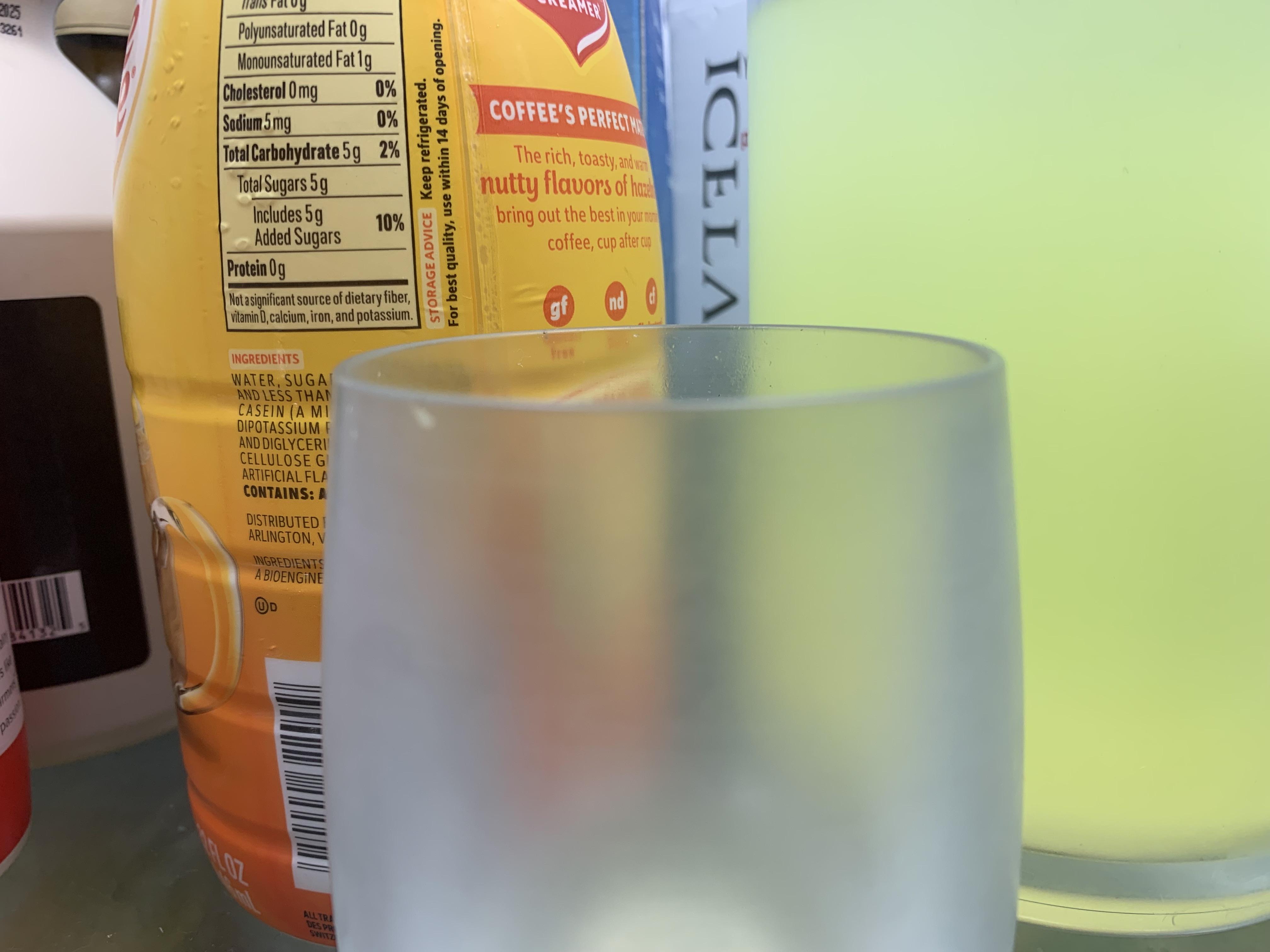
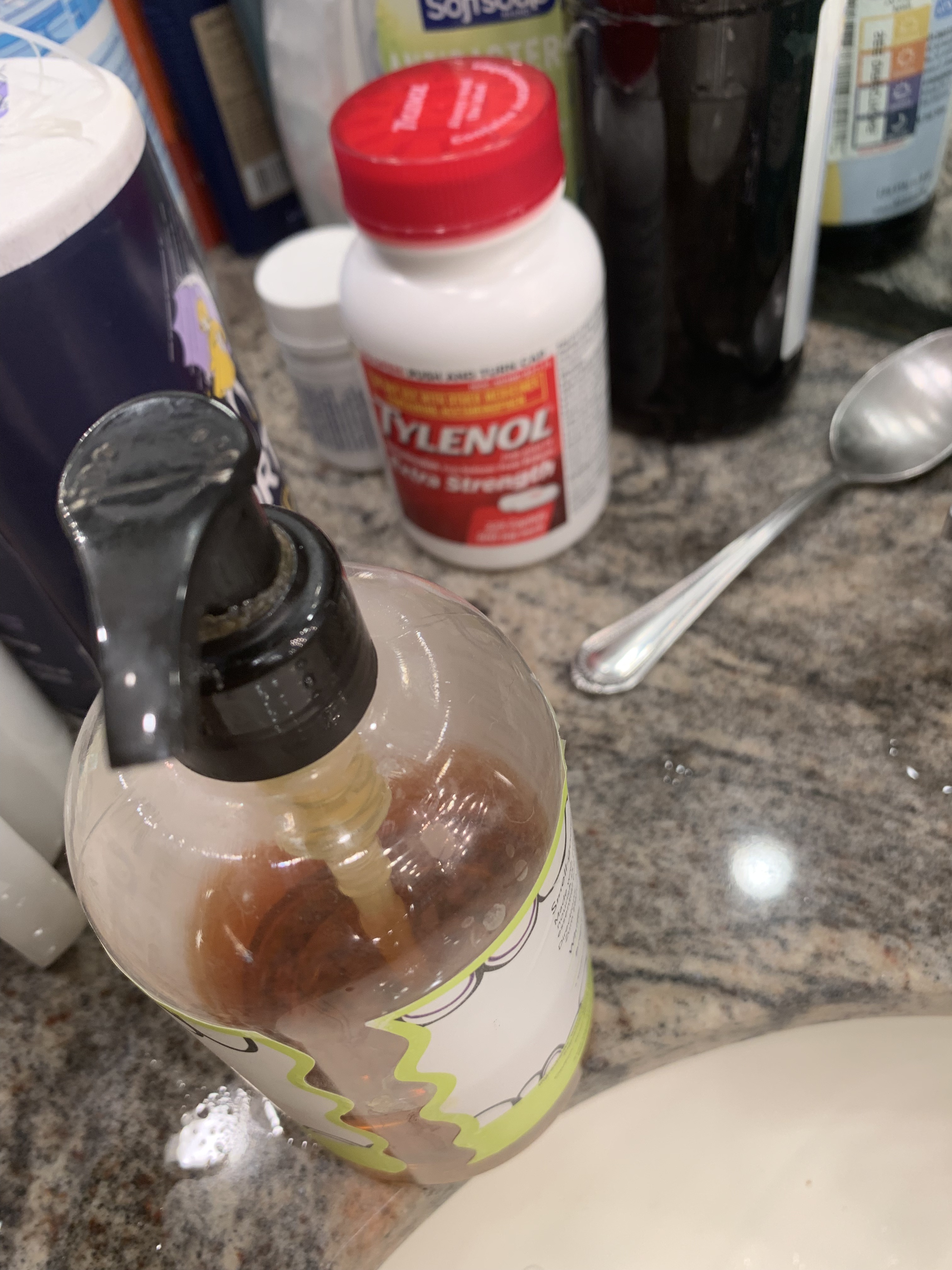
Lately, I make it in this coffee maker which holds coffee in little plastic capsules. The water sits in a plastic reservoir. The sugar sits in a plastic jar. I put in a little milk and hazelnut creamer. Guess what? They also come in plastic.
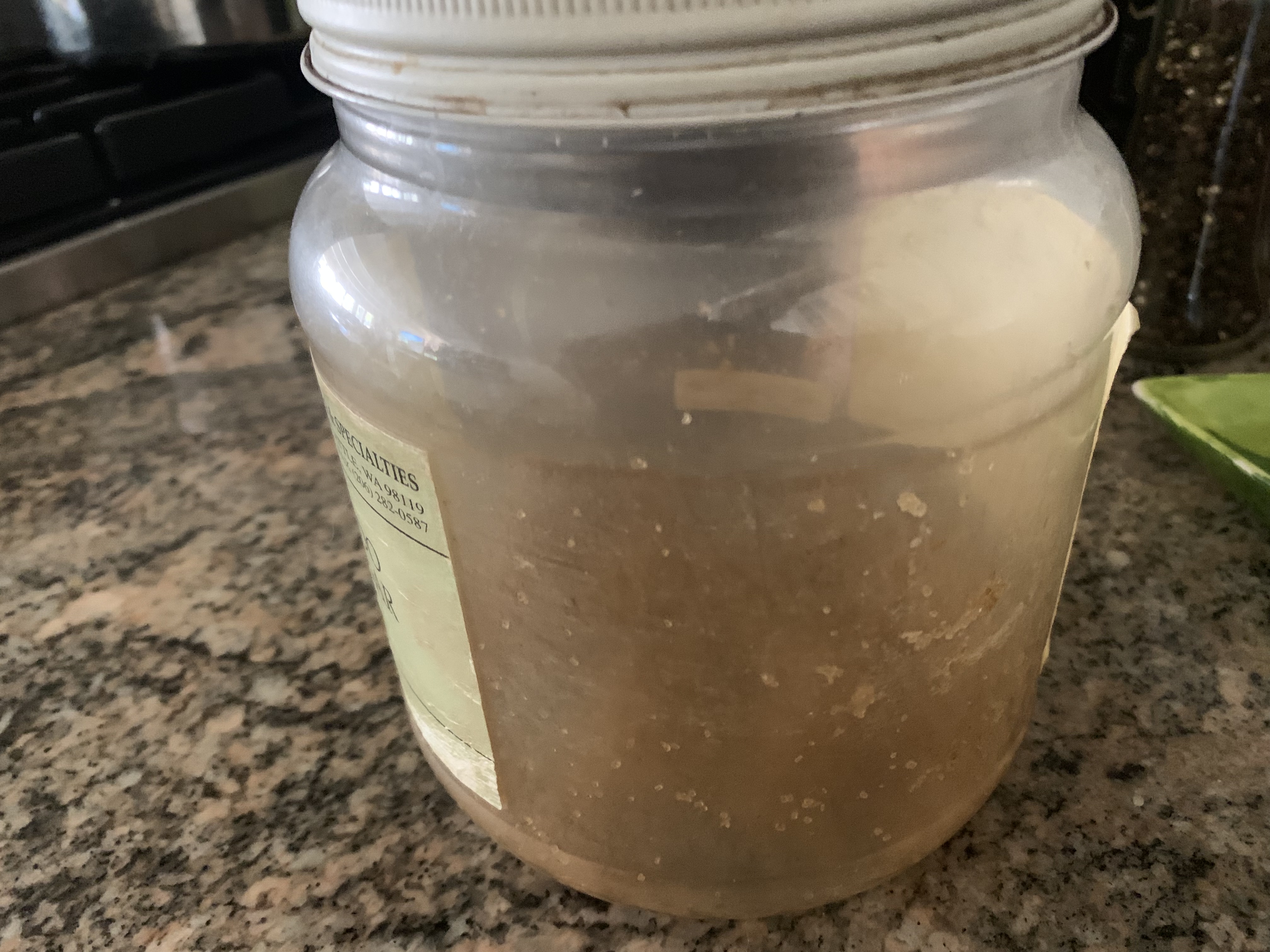
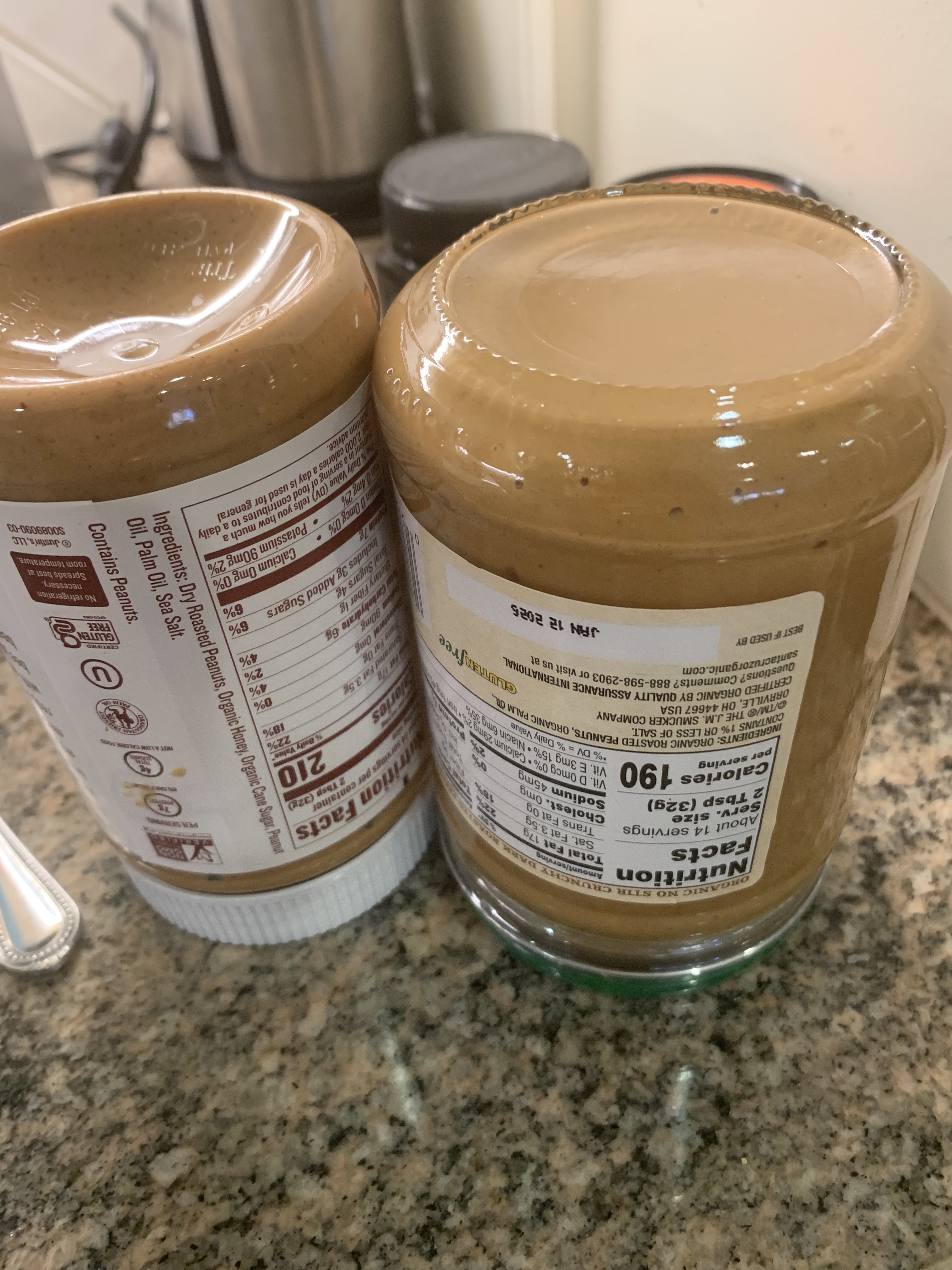
The cup, at least, is ceramic. I often have a whole wheat English muffin. The muffin comes in a container that is part paper and part plastic. I often like to put peanut butter on it. The peanut butter I usually buy comes in plastic. I often put honey or berries on the peanut butter. They come in plastic.
Sometimes, rather than a high fiber English Muffin, I enjoy a bread which is called “Fitness Bread.” It’s high fiber and tasty. And, it comes wrapped in plastic. I often spread hummus or guacamole on it. These are also pretty healthy choices. But they spend a lot of their life in plastic.
As I side dish, I like cherry tomatoes. They are colorful and tasty and low calorie. And they come packaged in–did you guess? Plastic. On sandwiches, I often put ketchup or mayo. They also come in handy squeeze bottles made of…let’s say it together: “Plastic.”
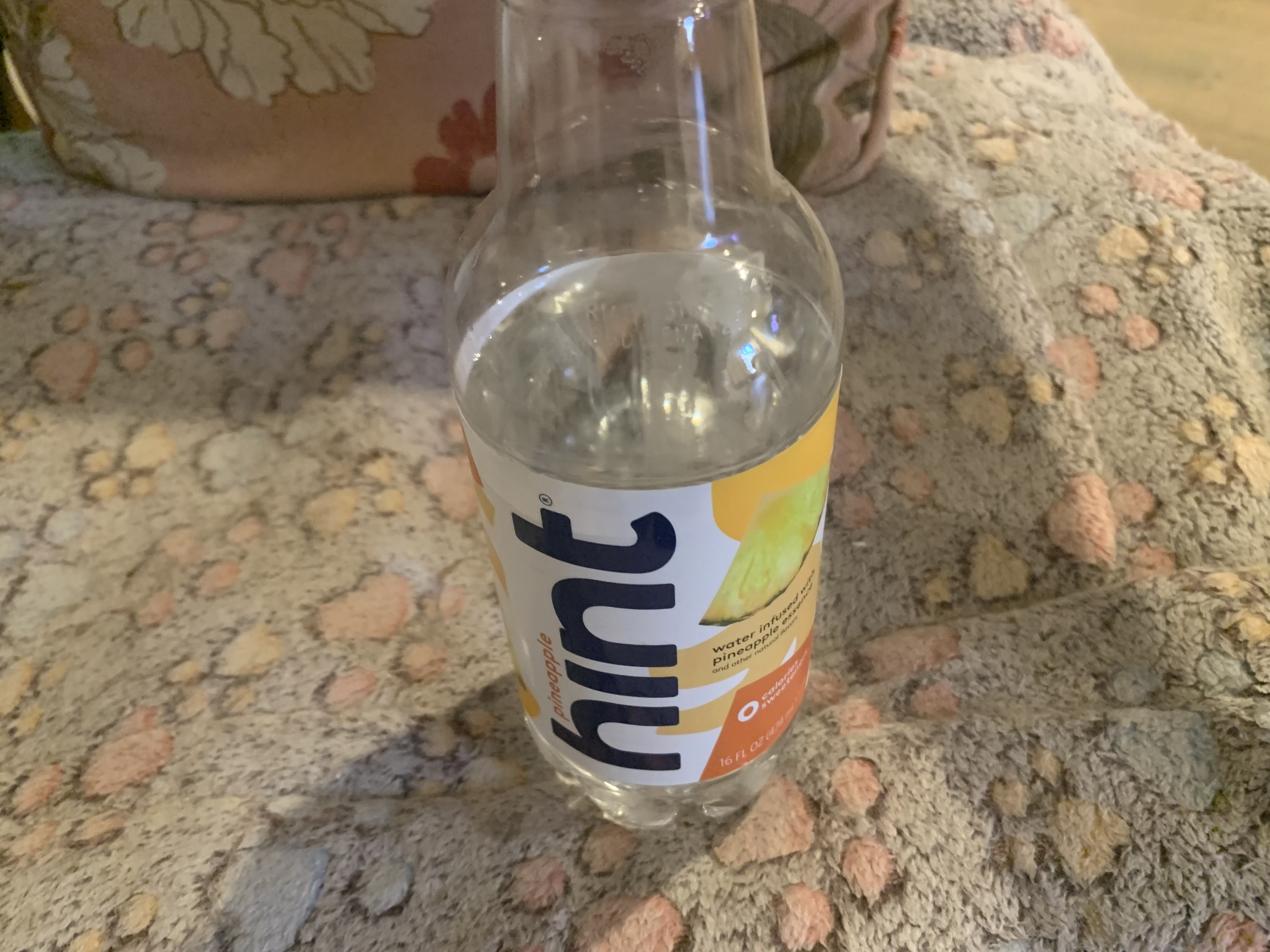
I don’t drink any alcohol, and often drink Hint or BAI, both of which I like quite a lot and both of which come only in plastic containers. This is not great for the environment at large, but also not good for the environment of my body. We also sometimes drink a powdered lemonade mix which comes in plastic packets. Then, a pitcher in the fridge keeps it cold. The pitcher is plastic. Then it is served in a “glass” which is, in fact, not glass, but plastic.
There’s an advantage to plastic over glass. We have cats and dogs and they have a tendency to knock things onto the floor. Plastic things are far less likely to break. Plastic glasses also weigh less than glass.
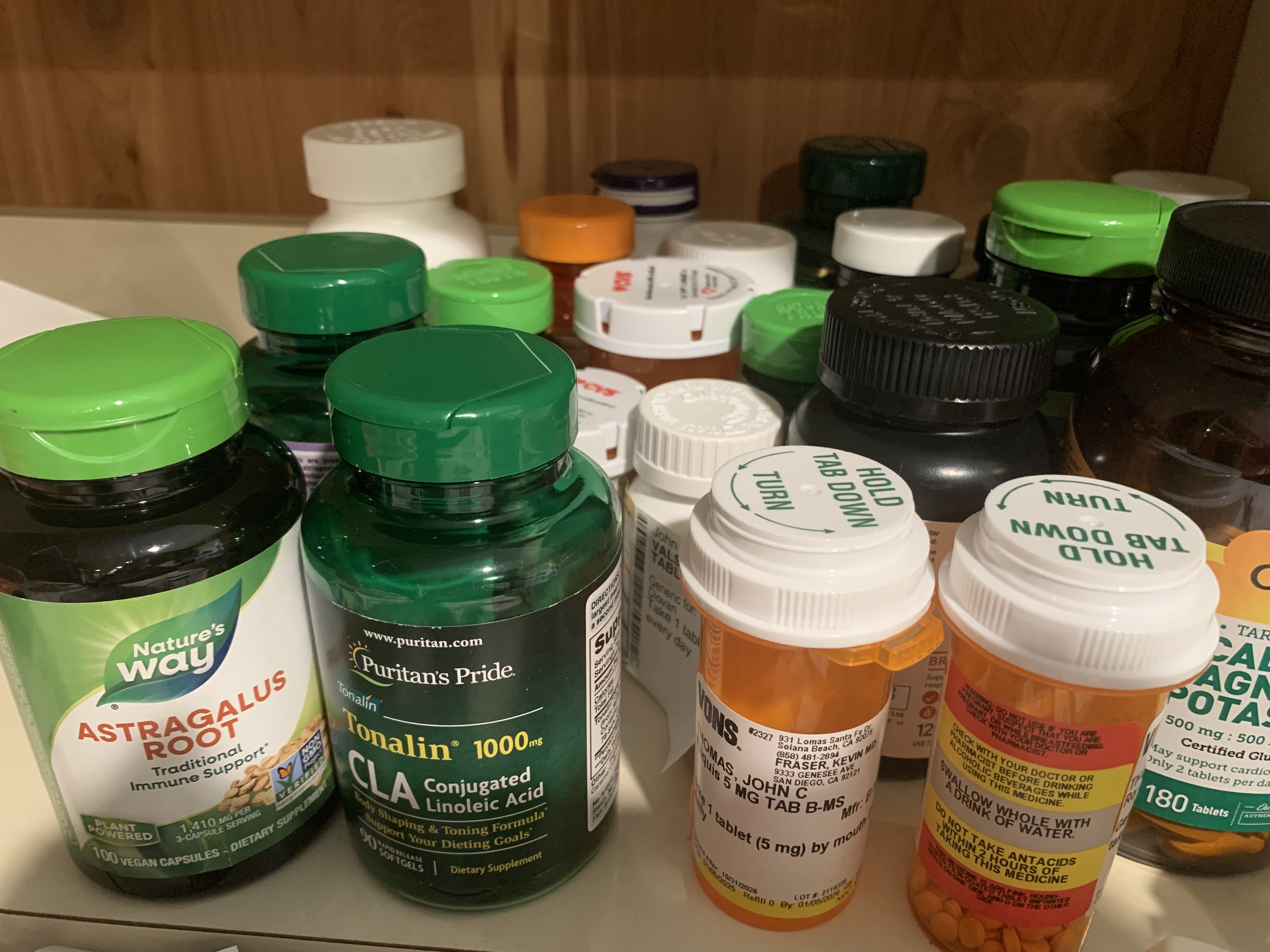
After breakfast, it’s time to take some supplements for my health. These almost always come in plastic containers as do the prescribed medications I take.
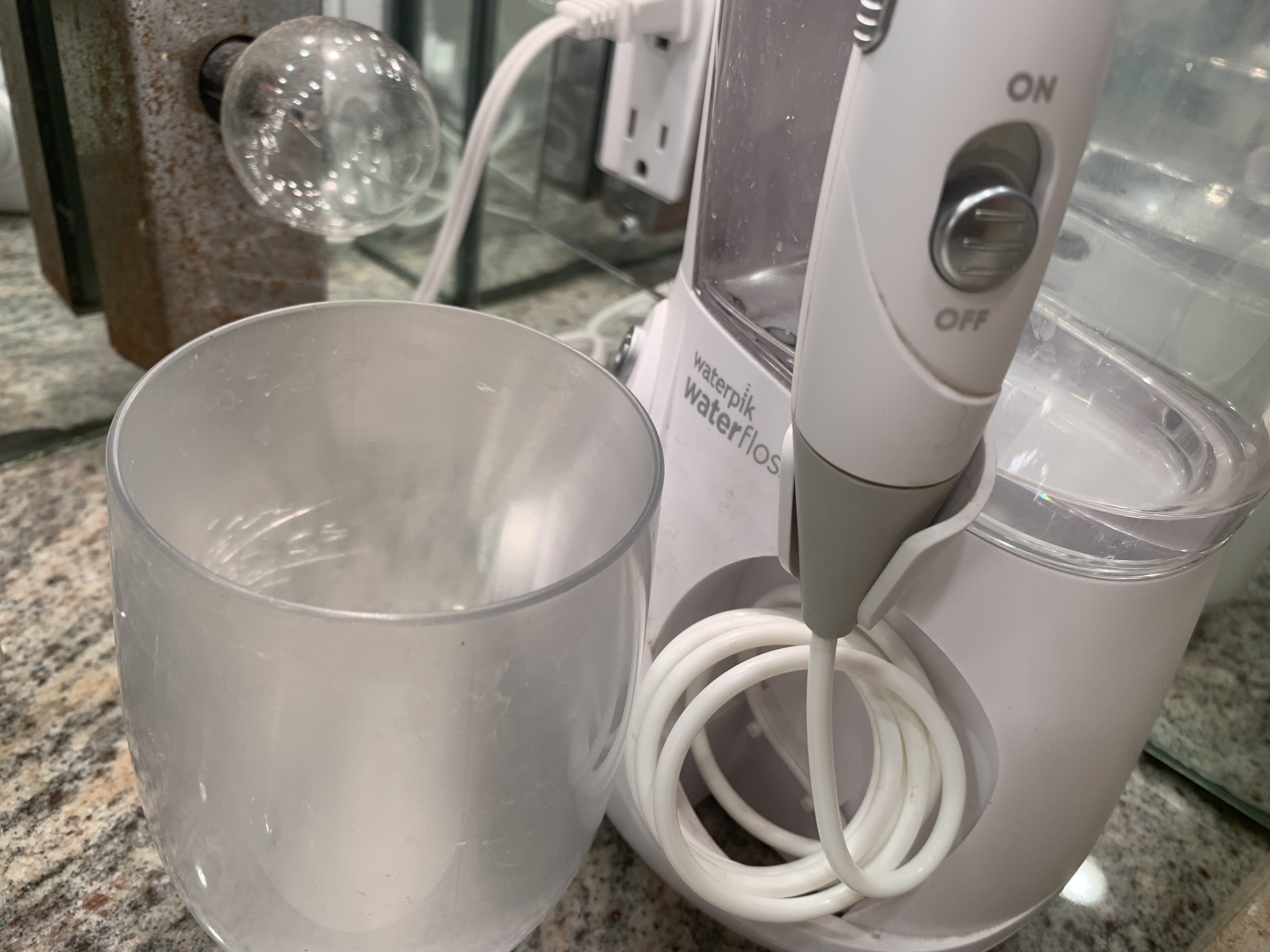
I brush my teeth. That’s a health-promoting activity. But the water glass I use is plastic. The toothbrush bristles are plastic. Lately, I’ve started using a water pick as well, which I highly recommend, by the way, though the reservoir for the water and the entire mechanism is made of plastic.
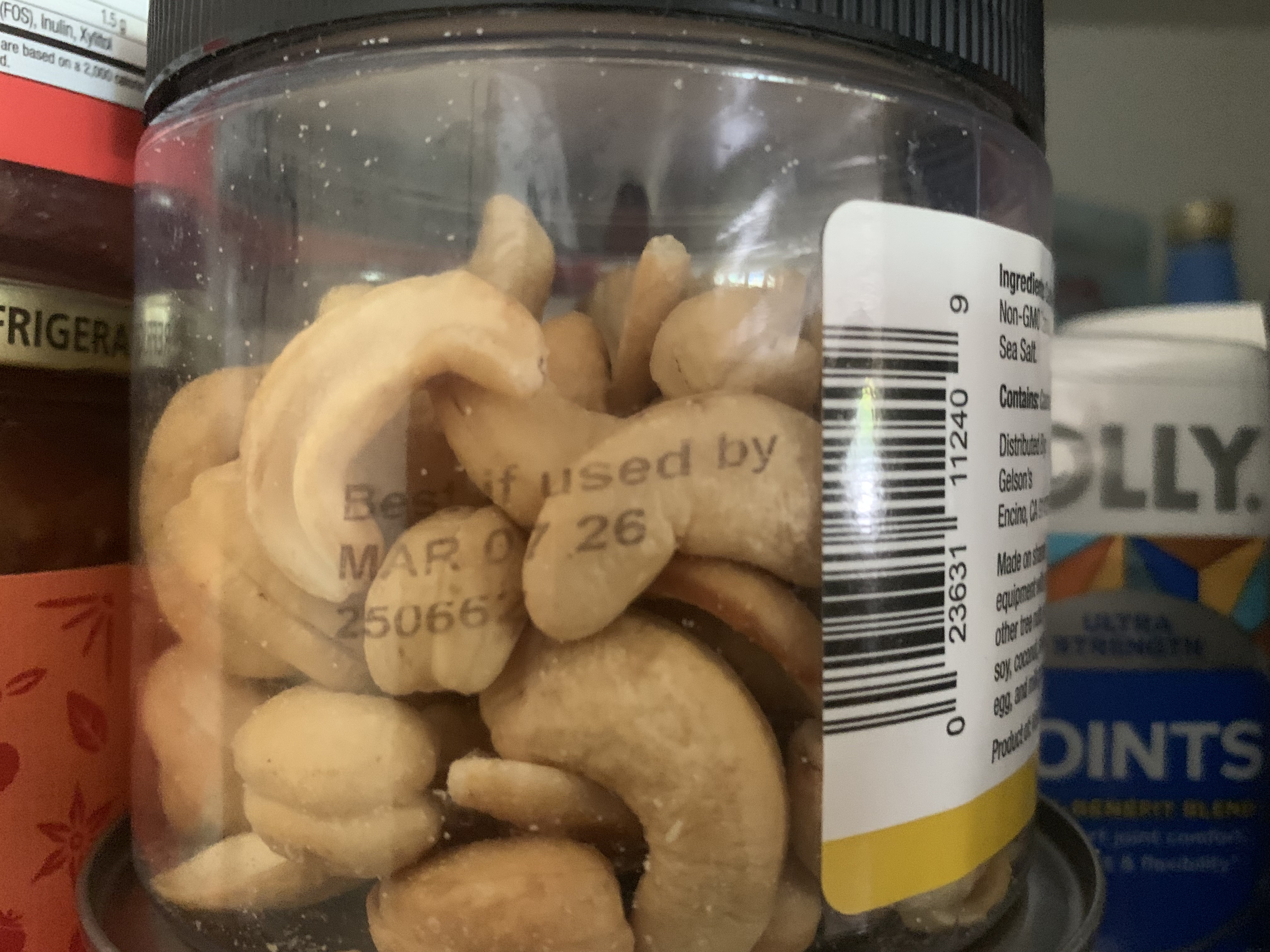
I often cook for the two of us. Lately, I’ve been using cutting boards made of…you guessed it! Plastic! For healthy snacks, I like dried fruit and nuts. Guess what? They come in…
What’s to be done?
In today’s America, with science and truth becoming illegal, it probably won’t make a huge difference. I’m more likely to die of infection or Civil War or unprovoked police violence than from plastic, but I am making some changes.
We bought bamboo cutting boards and paper cups. I’m cutting out the BAI and Hint and exploring options for drinks that come in glass or non-BHA coated metal. I am trying out another type of peanut butter that comes in a glass container. But the vast majority of products at the grocery store come in plastic. Even the vegetables and fruits.
Despite all the years of increasing the percentage of items that are plastic, I still do not actually like plastic.
I’m switching out what I can, and it may be too late in life to make a lot of difference for me personally, especially with a Misadministration that wants to end American lives (and brags about it!). But it may not be too late for you.
Do your own inventory. Hopefully, you will find things you like that are not wrapped in that one word of biological disaster wrapped up with economic faux-prosperity. The word? Here’s a
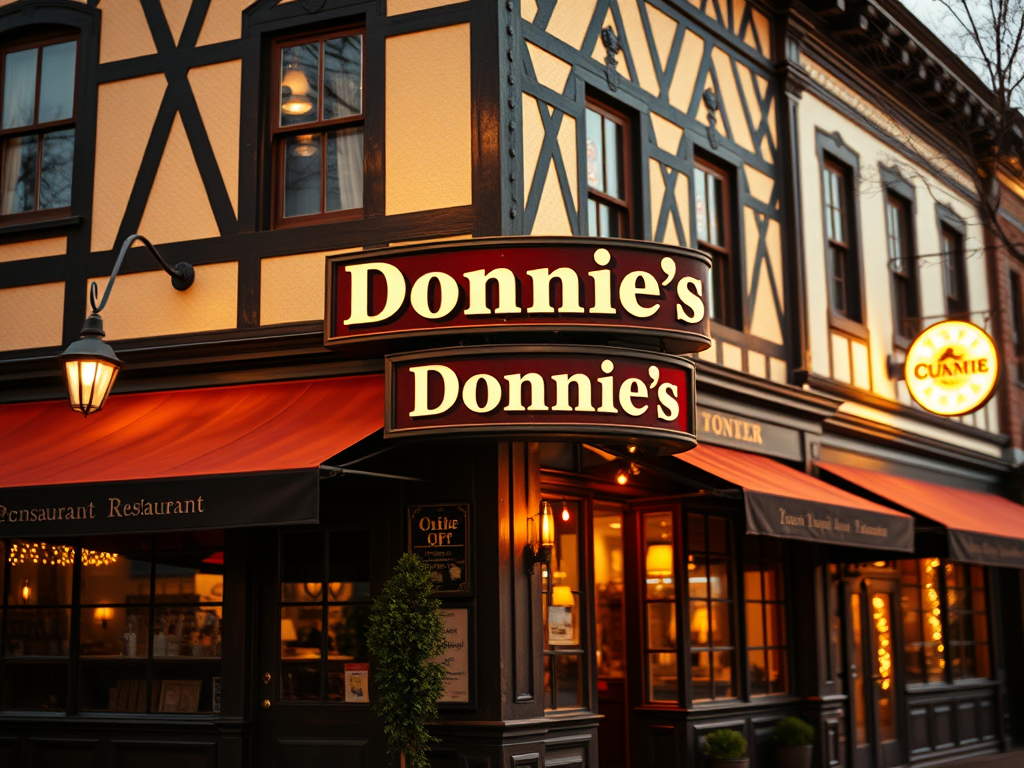
“Donnie’s Restaurant,” located in the town center of Lancaster, Pennsylvania, began business in 1854, a quarter of a century before Franklin Winfield Woolworth opened his first five and dime store in 1879. Of course, back then, it wasn’t called “Donnie’s Restaurant.” It was originally called “George’s” named after the original proprietor, George Oglethorpe Parsons. Lancaster was originally named “Hickory Town.” Indeed, for many years, a stately grove of shagbarks abutted the estate upon which George decided to open his general store and tavern.
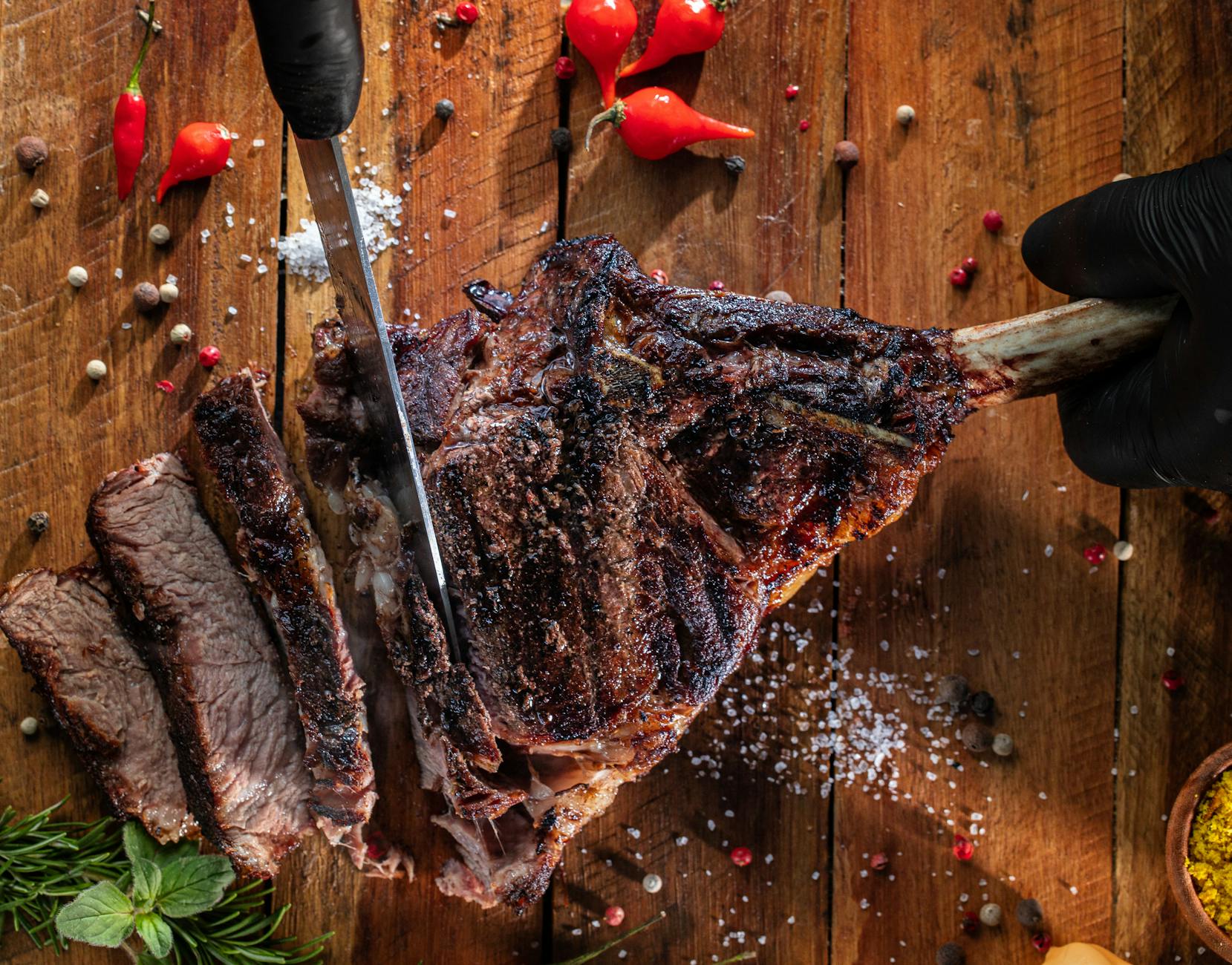
If we now fast forward (and who, these days, doesn’t love to fast forward?) to 1985, the name was changed to “Donnie’s Restaurant” by one of George Parsons’s descendants Donnie Parsons. Donnie continued many of the Restaurant’s traditions, including hickory nut pancakes with real maple syrup and local butter; beans and franks in homemade basil tomato sauce; and a one pound serving of prime rib. The prime rib came from local Holsteins. Though not officially “organic,” both beef and butter were free from toxic concentrations of antibiotics and pesticides.
In the summer of 2015, the restaurant changed hands again and for the first time, the proprietor bore no known blood relationship to the earlier owners. Nonetheless, as luck would have it, his name was also “Donald” so he decided to keep the name “Donnie’s Restaurant” as well as the “Pennsylvania Dutch” architecture fused with Italianate features.
The restaurant’s popularity grew under the new owner during the first few months. He kept the traditional dishes and promised to lower prices considerably as soon as possible. He also promised that he would increase the salaries of the cooks and waiters as soon as economically feasible. He fired most of the servers and replaced them with more attractive women.
(AI generated image above)
If one had judged the success of the restaurant by Donnie’s residence, one would have concluded that the restaurant was doing quite well indeed. Donnie found it expedient to cut costs by replacing some of the daily and weekly cleaning routines of the former owners with well-timed bribes for the health inspectors. At first, the bribing was initially more expensive but Donnie recorded the health inspector’s bribe-taking which reduced the necessary fee considerably.
Donnie kept the menu unchanged although he found ways to save more money by replacing the most absurdly expensive ingredients. For example, Donnie’s famous hickory nut pancakes were still listed that way on the menu, but instead of paying a fortune for hand-picked hickory nuts, he bought walnuts in bulk from China. Instead of paying a fortune for locally produced butter, he bought butter in bulk from India. Instead of using real maple syrup, he found that most people could not distinguish it from “Aunt Jemima’s” provided he simply ordered staff to pour the sugar syrup into a serving container that was labelled “100% pure Vermont Maple Syrup.”
(AI generated image above)
By greatly reducing the cost of hygiene and ingredients, Donnie had the option of raising wages or lowering prices or both. He decided it would be more prudent however, to increase profits. After all, Donnie found that if one promised to lower prices and increase wages, it worked nearly as well as actually doing it. This is particularly true if one promises with passion and sincerity.
Despite all the time and effort Donnie put into the restaurant, he found that after several months, fewer people actually went to the restaurant. There were still a large group of faithful customers who showed up on a regular basis, but he was not attracting any new clientele and even the faithful didn’t always show up. Donnie considered spending money on an advertising campaign but decided it was too expensive. Instead, he launched his own anti-advertising campaign aimed at discouraging people from dining at other local restaurants. He wrote letters to the editor. He dropped hints in conversation. He privately told several of his staff members that if they wanted to keep their jobs, they had better join in with his whispering campaign.
A local diner was said to be adding rat turds to bulk up their pecan pie. A fried chicken house went bankrupt from continual reports of Salmonella poisoning despite the fact that there were no actual cases of Salmonella. A sandwich shop, famous for its sourdough bread, had to close doors because one of the bakers had been “caught” urinating in the dough. This too was an out and out lie, but, more importantly, from Donnie’s perspective, it cut his competitor’s business in half. The local “Ponderosa Steakhouse” was said to be using horse meat instead of beef. Again, although completely unfounded, this persistent rumor cut their business in half.
It worked! As the number of options for restaurant-goers diminished, more business returned to Donnie’s. To celebrate the uptick in business, he painted a lot of gold trim on the doors to the restrooms which were newly labelled “Women ONLY” and “Men ONLY.” He found other ways to cut costs. For inspiration, he needed to search no further than his own smear campaigns. He bulked up his pies with rat turds. He told his chefs to save time by not cleaning cutting boards between cutting raw chickens and preparing fresh vegetables. He substituted horse meat for prime beef. Initially, these changes increased his margins and he was happy.
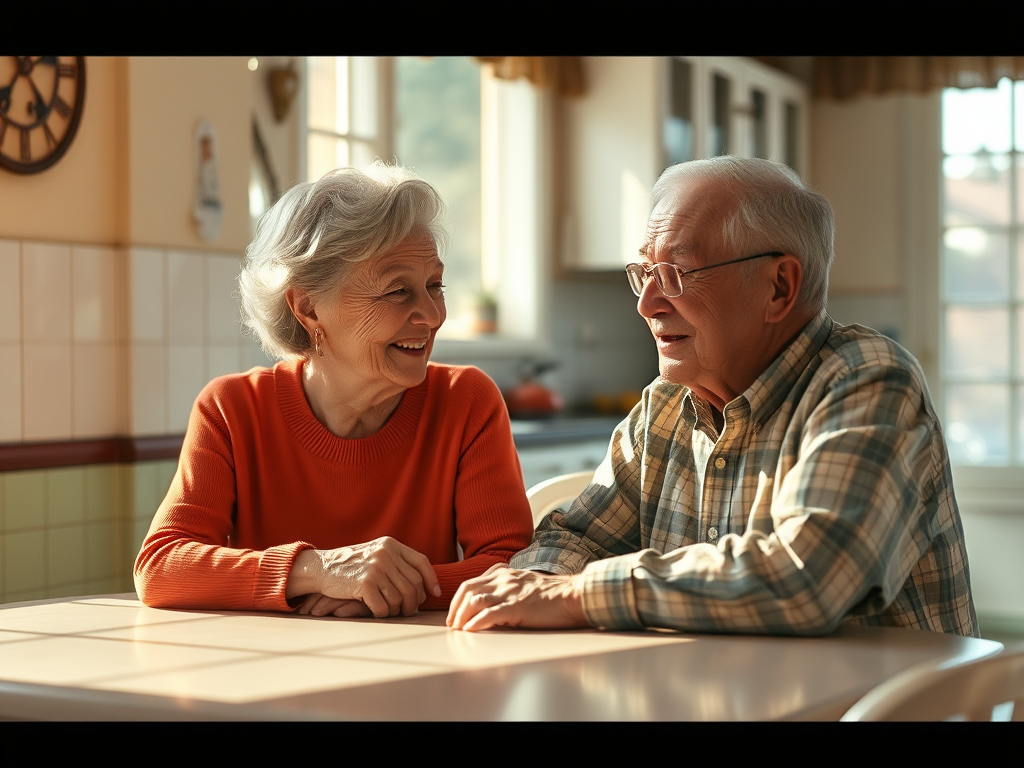
These changes, however, did not go completely unnoticed by his customers. Let’s zoom in for a moment (and who, these days, doesn’t love to zoom?) to a couple of long-term customers of “Donnie’s Restaurant” as they sit in their kitchen and contemplate dinner plans.
(AI generated image above)
Mildred sighed and banged the cupboard shut. She peered over at Gerald whose brow furrowed as convoluted and hateful as an Alito decision rationale. He grunted a single syllable: “Well?” Mildred sighed again and tip-toed across the kitchen to the table and sat beside him.
“We have no pasta, Ger. Sorry. We haven’t been to “Donnie’s” for a while. On the way home, I could run in to Walmart & grab some pasta for tomorrow. Doesn’t a prime rib sound good? You used to love them.”
Gerald grunted. “Yeah. I dunno. Lately, their steaks and prime rib haven’t been as good. Tough. I think maybe they overcook them. I dunno. Also, they replaced their home fries with whipped potatoes but they kind of suck. I think they may be powdered.”
Mildred nodded and bit her lip. “Funny you say that. I used to like the meatloaf. But lately, it has tasted…I dunno…off somehow.”
Gerald peered up at the ceiling and once again thought about what could possibly be causing the ever-widening stain. He shook his head slightly and thought, I’ll deal with that later. First things first. Gerald said, “Well, it can’t really be that different. After all, it’s got the same menu and the same name.”
Mildred and Gerald sat in silence for a few moments before Gerald said, “Not much else in town these days. Such a string of gross stuff. You could stand to lose a few pounds anyway. How ‘bout we just go have a couple slices of pie and a cup of coffee? Skip the main course? What say?”
“That sounds good, actually. Hard to mess up a pie, after all.”
Hard, but not impossible.
Unlikely as it might seem, most people don’t care much for the taste of rat feces. Sure, Donald had the chef throw in loads of extra sugar but it didn’t completely obscure the vermin taste. Privately, neither Mildred nor Gerald cared at all for their desserts. An observer wouldn’t guess that from their conversation however.
“Oh, fine. Yeah, it’s fine. I should have ordered pecan, I think. I generally like pumpkin, but I think this whole season, I’ve been close to ODing on pumpkin spice. How’s yours?”
“Um. Great. Really. Not like I remember it when gramma used to make peach pie. She got fresh peaches from the Farmer’s Market. Can’t expect the same from canned fruit, I suppose. But it’s good. Yeah. I’m not all that hungry.”
“Yeah.”
“Yeah.”
“Donnie’s” became popular with tourists who wanted to see “what all the outsized complaints were about.” Tourists soon found out for themselves that the various reviews they have read were not exaggerations. The service was terrible. The prices never fell but continued to rise. The ingredients were low quality and having them put together haphazardly by inept cooks didn’t really help much. Still, it was fun to watch “Crazy Donald” come storming out of the kitchen and swear at the servers, the busboys, the hostess, and often, even the customers. Although neither Mildred nor Gerald liked the food, they were not disappointed when it came to the show. Sure enough, right before they paid their bill, Donnie stormed out through one of the kitchen’s swinging doors and knocked a large tray of drinks smashing onto the floor. He ignored his bleeding employee and screamed at no-one in particular:
“What the hell do you mean, it’s not good! It tastes good to me! What the hell’s wrong with you people! I’ll tell you what’s wrong! You’ve had your sense of taste destroyed by fast food and TV dinners and foreign sushi and pho soup and sauerkraut and some of those foreign restaurants even serve raw shark and cooked dog! If you don’t like my food, just leave! Give the receptuous, the receptive, the velocitoraptor! Damn! Whaddayacallit. The bitch. Give the bitch your credit card number and I give you double your money back.”
(AI generated image above)
Mildred and Gerald smiled at each other. Fifty bucks for two pieces of pie and coffee? Seriously overpriced, but the show was worth it they both thought (and, these days, who doesn’t like a good show?)
At least they had thought the show was worth it until they awoke around midnight and spent the wee hours alternating between diarrhea and vomiting. (These days, very few people enjoy the consequences of doing business with a liar).
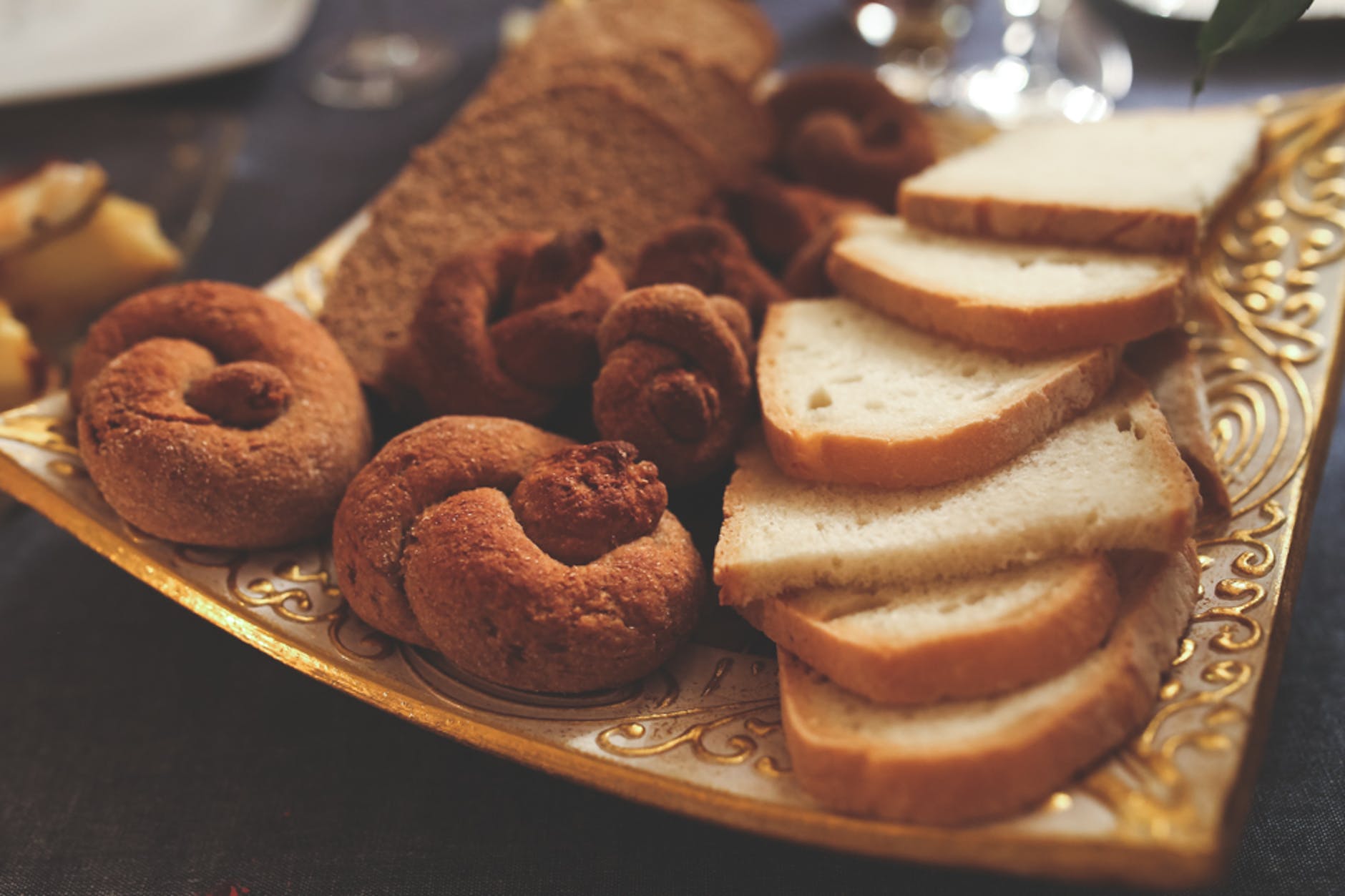
You could call it “cheap.” Now, that’s okay by me.
Just don’t call it “Continental.” Don’t call it “Breakfast.”
No-one from Barents to Biscay breakfasts thus;
No-one from Lisbon to Odessa eats like us.
Meetings mainly manifest mush mundanities;
Hard enought to keep sagging eyelids parted
Among the Poppy-seeds of Powerpoint and Platitude.
Without a caffiene/cake sugar crash; how rude!
I/ve been to Brussels and to gay Paris;
I’ve been to Amsterdam and Zurich too;
Flown to Vienna; seen Den Hague;
Milano, Ivrea, Helsinki and Copenhag’
Variations on a theme – there are many.
On one thing they unanimously agree:
A breakfast is not a breakfast worthy of you
Unless there is food included on the menu too .
Beans and greens and grains and eggs;
Fruit and cheese and bread and tea;
Meat and tomatoes as well as jams and jellies —
These fill morning European bellies.
So, please agenda setters, meeting planners,
Hear my call to call a spade a spade, and call
Those pathetic servings of coffee and sweets
Just what they truly are: “Cheap Eats.”















 petersironwood