
Tags
books, creativity, fiction, invention, leadership, life, problem solving, psychology, sense making, story, truth, writers, writing, writing-tips
What if…?
Generally speaking, our thoughts and certainly our actions should be grounded in reality. To take a random, yet extremely poignant example from my own life, human-caused global warming is real. Treating it as though it doesn’t exist in order to rationalize further swaths of our country’s and the world’s wealth to oil oligarchs is not only bad thinking; it is suicidal.

Sometimes, however, during the process of thinking about a situation or trying to solve a problem, it may be useful to imagine that the state of affairs were different that they are. That is not denial; it is a heuristic for sense-making.
One of the most famous examples were the “what if” conjectures about parallel lines. It’s a theorem of Euclidian geometry that parallel lines never meet. Other thinkers in early Greece, Babylonia, Egypt probably other places also used the idea of parallel lines, but Euclid formalized it in his “The Elements” around 300 BCE.
It wasn’t until the early 1800’s that mathematicians systematically explored other geometries in which, for instance, Gauss, Lobachevsky, Bolyai, looked into non-Euclidian geometries. In effect, they took an intuitive and long-standing idea and asked “What if…?” What if parallel lines did meet? What if parallel lines diverged? These ideas ultimately turned out to be useful in navigation, general relativity, astrophysics, and computer graphics.

In general, playing “what if” games with reality can be a useful way to generate ideas. It’s important not to get so carried away by the “what if” games that you believe, with no evidence that your “what if” applies to reality. I could say, for example, “What if I could jump off a tall building and land without injury?” That might be fun to imagine.
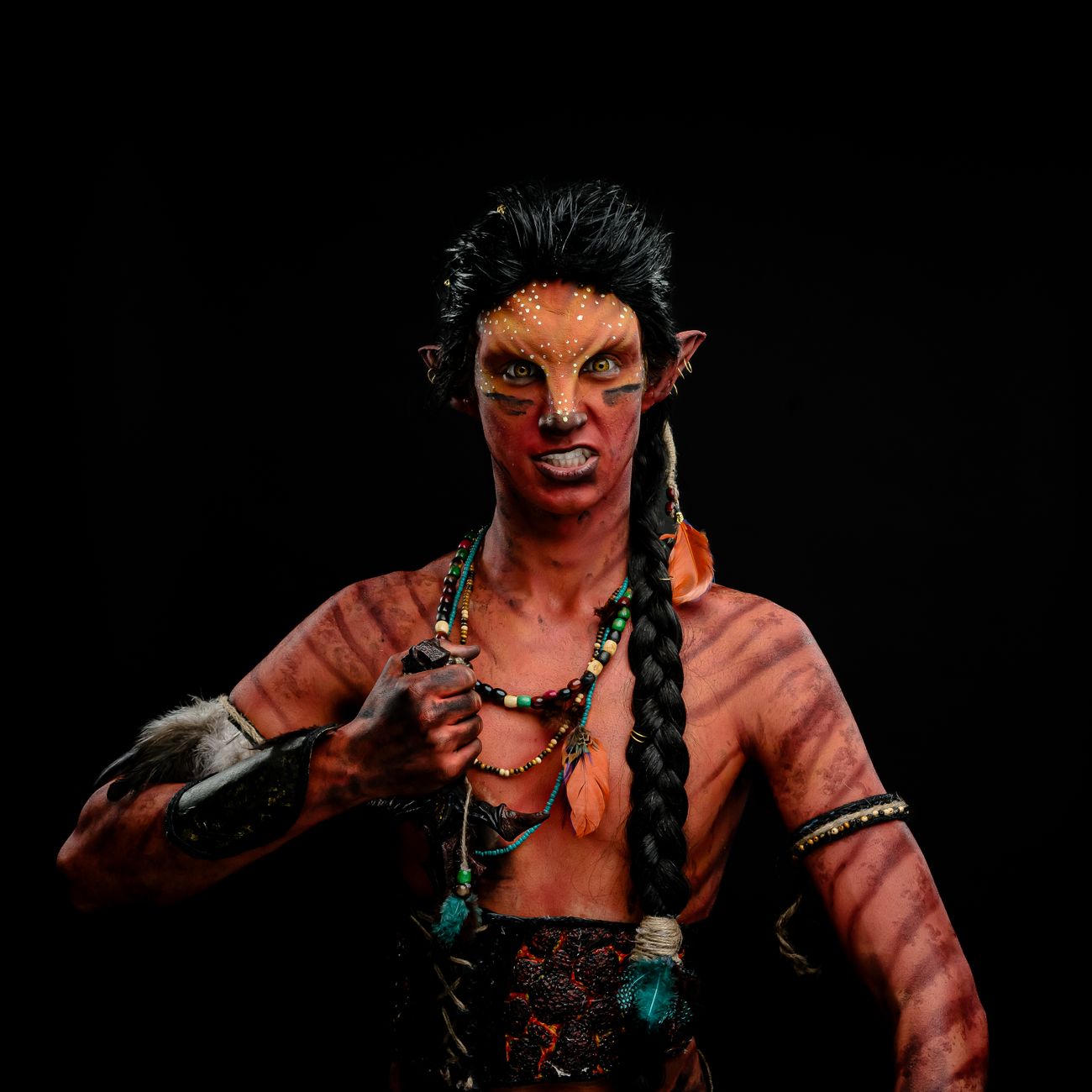
It could also lead to various other ideas; e.g., a race of beings on another planet who could do just that. How? Could the gravity of their planet be so low that they could get away with it? Might the atmosphere be so thick that a body’s acceleration would reach terminal velocity of only 10 miles per hour? Or, might they be made of different material.
Such a line of enquiry might naturally lead to a study of real animals on earth that are capable of absorbing a great deal of shock. Woodpeckers come to mind. Peregrine Falcons kill their prey by diving into them at high speed from above. The Falcons themselves have numerous adaptations to surviving the collisions.
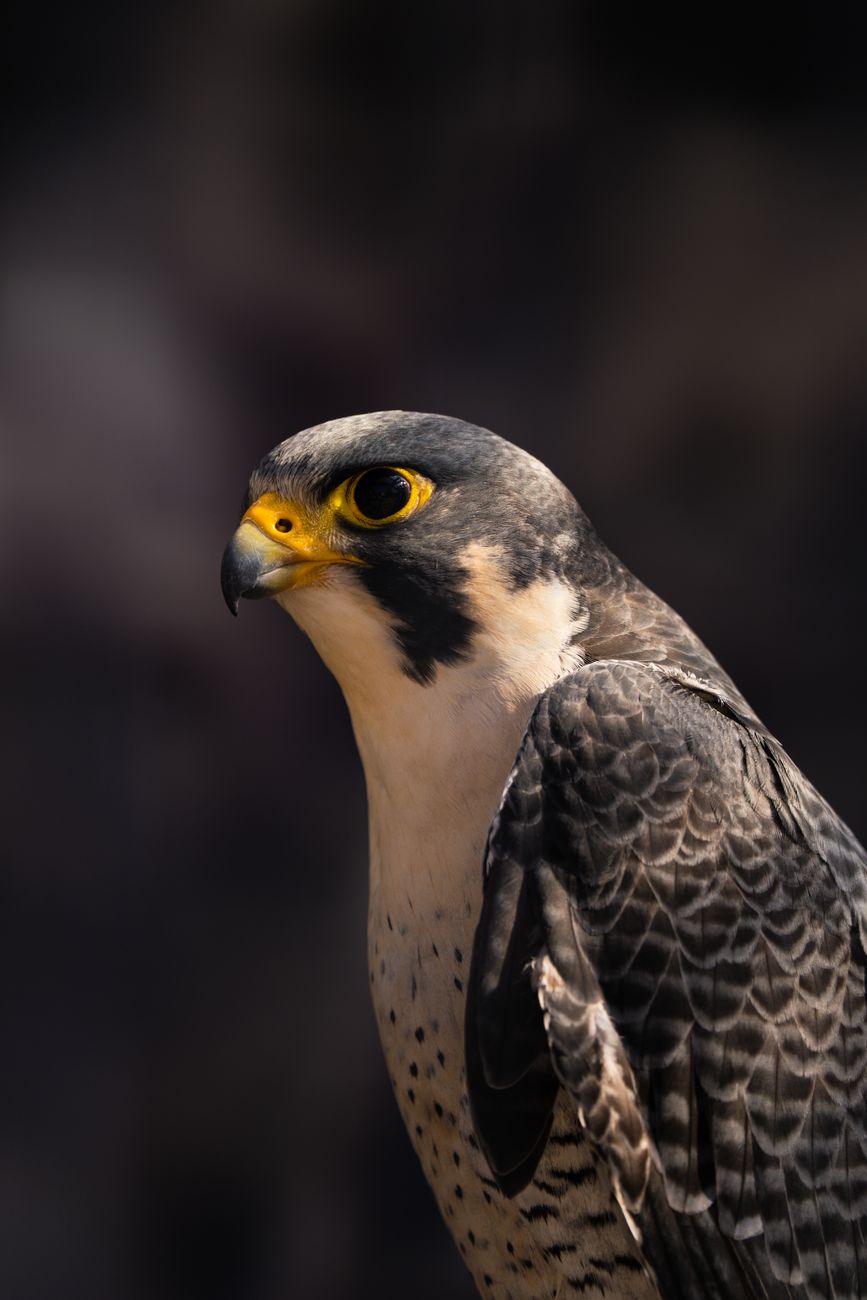
Looking into the details of organisms adapted to high speed collisions might lead to new inventions for car collisions, football helmets, hiking boots, or armor for vehicles traveling in minefields.
Using the “What if…?” Tool can lead to inventions, insights, or the premise for writing fiction, fantasy, science fiction, a mystery, etc. It can help you see problems, re-frame problems, solve problems or make sense of the world around you. Like any tool, it should be used wisely. Don’t run with scissors; don’t use a hacksaw to remove a splinter, and don’t use “What if…?” as an excuse to deny reality.
—————
Recommended books.
The Winning Weekend Warrior focuses on the mental game for all sports using examples from tennis, golf, baseball, and other sports. It covers self-talk, imagery, mental practice, strategy, tactics, & sportsmanship. http://tinyurl.com/ng2heq3
Turing’s Nightmares explores the implications and ethics of Artificial Intelligence through fictional short stories. http://tinyurl.com/hz6dg2d
Fit in Bits shows many ways to put more fun, variety, & exercise into daily chores and habits to help with strength, flexibility, fitness, and balance. http://tinyurl.com/h6c7fce
Tales from an American Childhood recounts early experiences mainly in the American Midwest in the 1950’s and relates them to contemporary issues and events. https://tinyurl.com/y9ajvz9j
Dream Planet. Where do you run when the whole world is crumbling under the weight of human folly? When the lethal Conformers invade 22nd century Pittsburgh, escape becomes the top priority for lovebird scavengers Alex and Eva.
https://www.barnesandnoble.com/w/dream-planet-david-thomas/1148566558
Further tools of thought can be found here:
Photoessays inspired by walks with our Golden Doodle Sadie:
Travels with Sadie: Precipitation
Photoessays inspired by walks in natural settings such as gardens, parks, wilderness, and fields:
The Walkabout Diaries: Symphony
The “Myths of the Veritas” explores Leadership based on values of truth, empathy, creativity, love, participation, and cooperation. Our tale begins as the leader/shaman of the Veritas seeks an eventual successor so she devises a series of seven trials that mainly test empathy.

