
Tags
books, civility, collaboration, cooperation, Democracy, dogs, fiction, life, love, pets, truth, USA
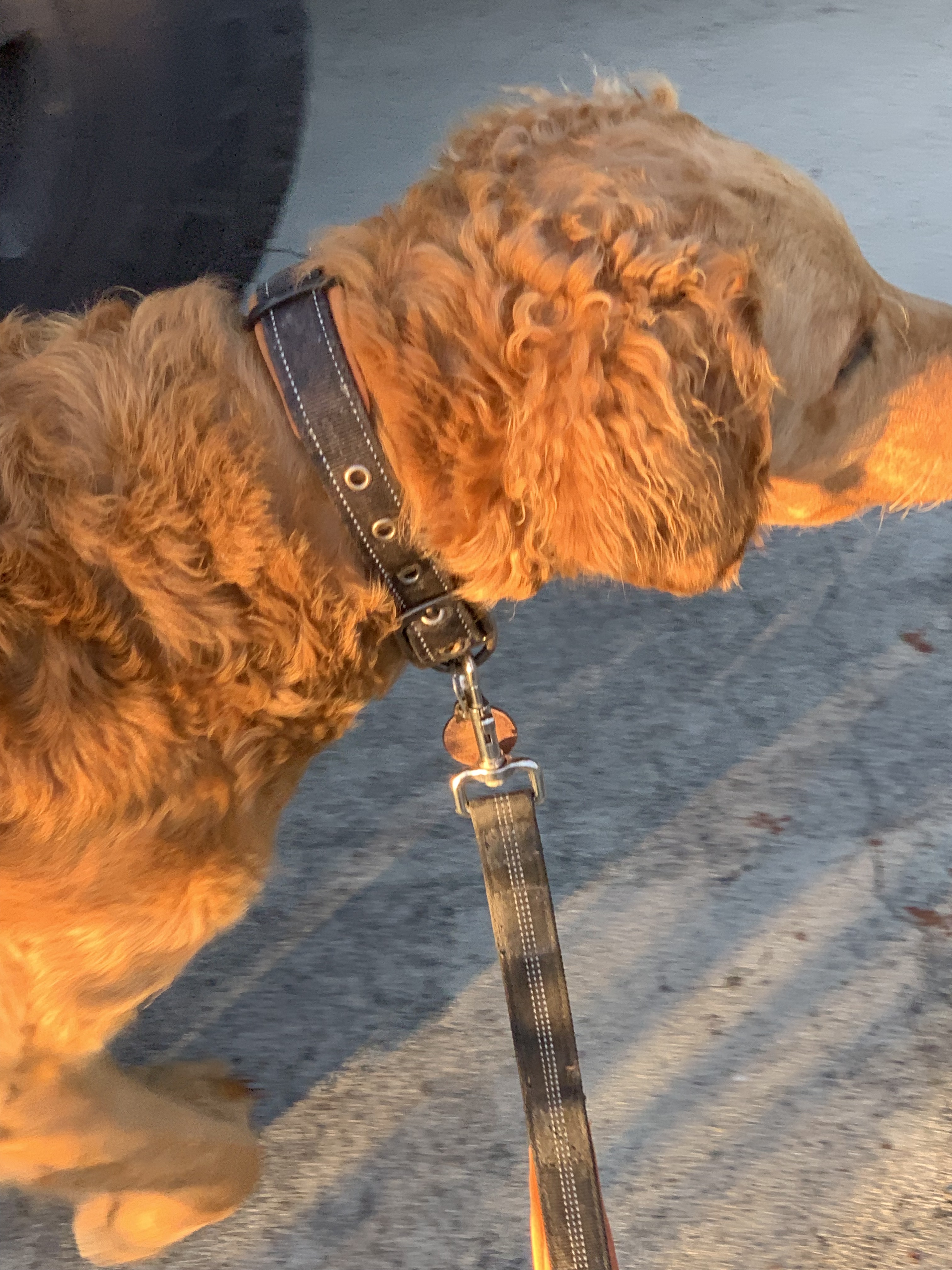
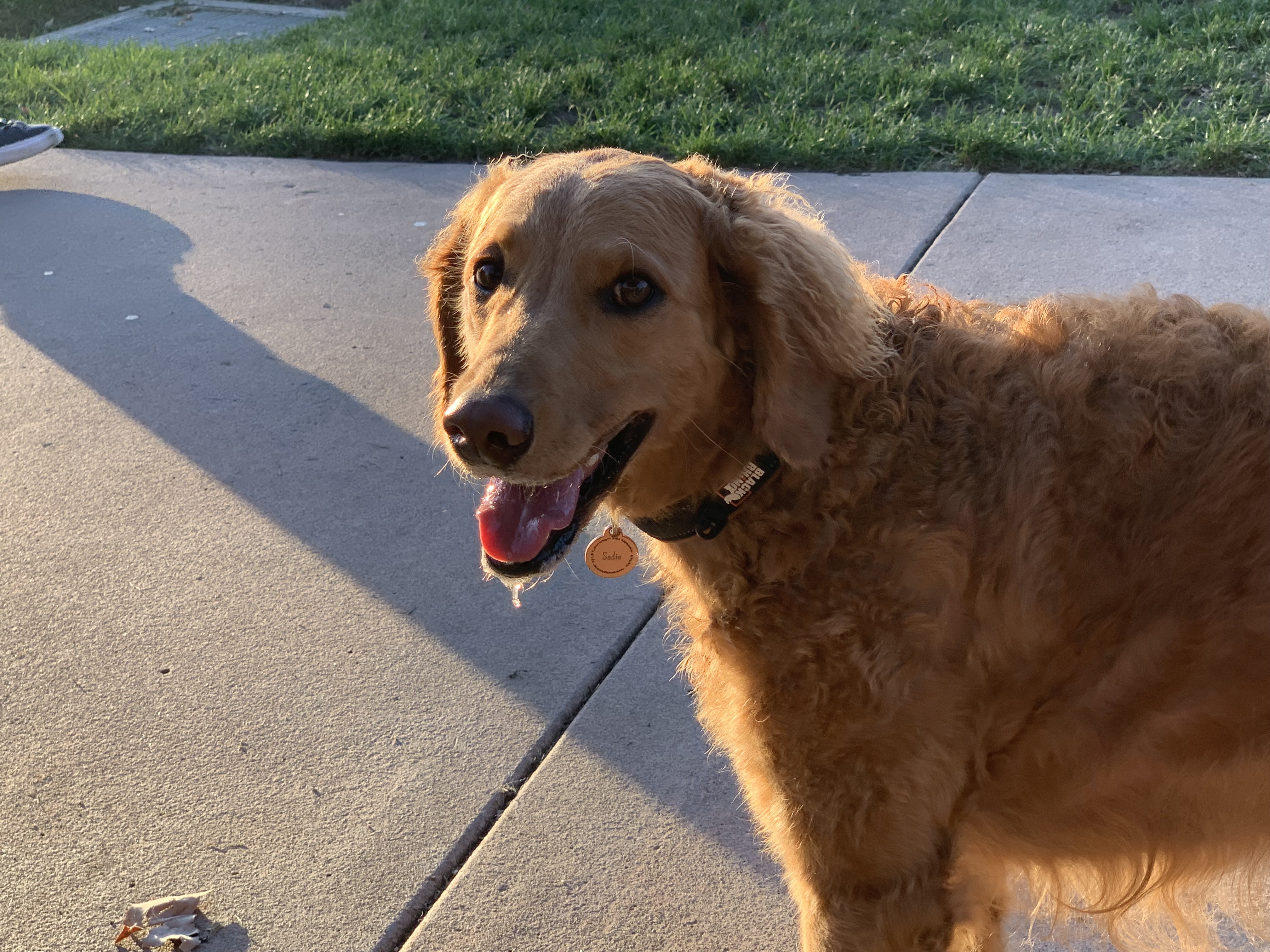
When I take Sadie for her morning or evening walks, she generally does “Good Walking.”
There are some exceptions. If a small animal passes too close to us, she will sometimes lunge toward it. She also tends to pull if she’s desperate to “do her business.” She seems to have a particular place in mind. The third common situation is when we get close to one of her neighborhood dog-friends who is also out for a walk. She approaches nicely until we’re about ten feet away and then—she wants to greet the other dog—immediately. Instantaneously. NOW!
Sometimes, though, she approaches or sits and awaits, vibrating with excitement, but controlling herself. She and the other dog sniff and then suddenly, it’s all too much as she breaks into a sprint. That’s fine.
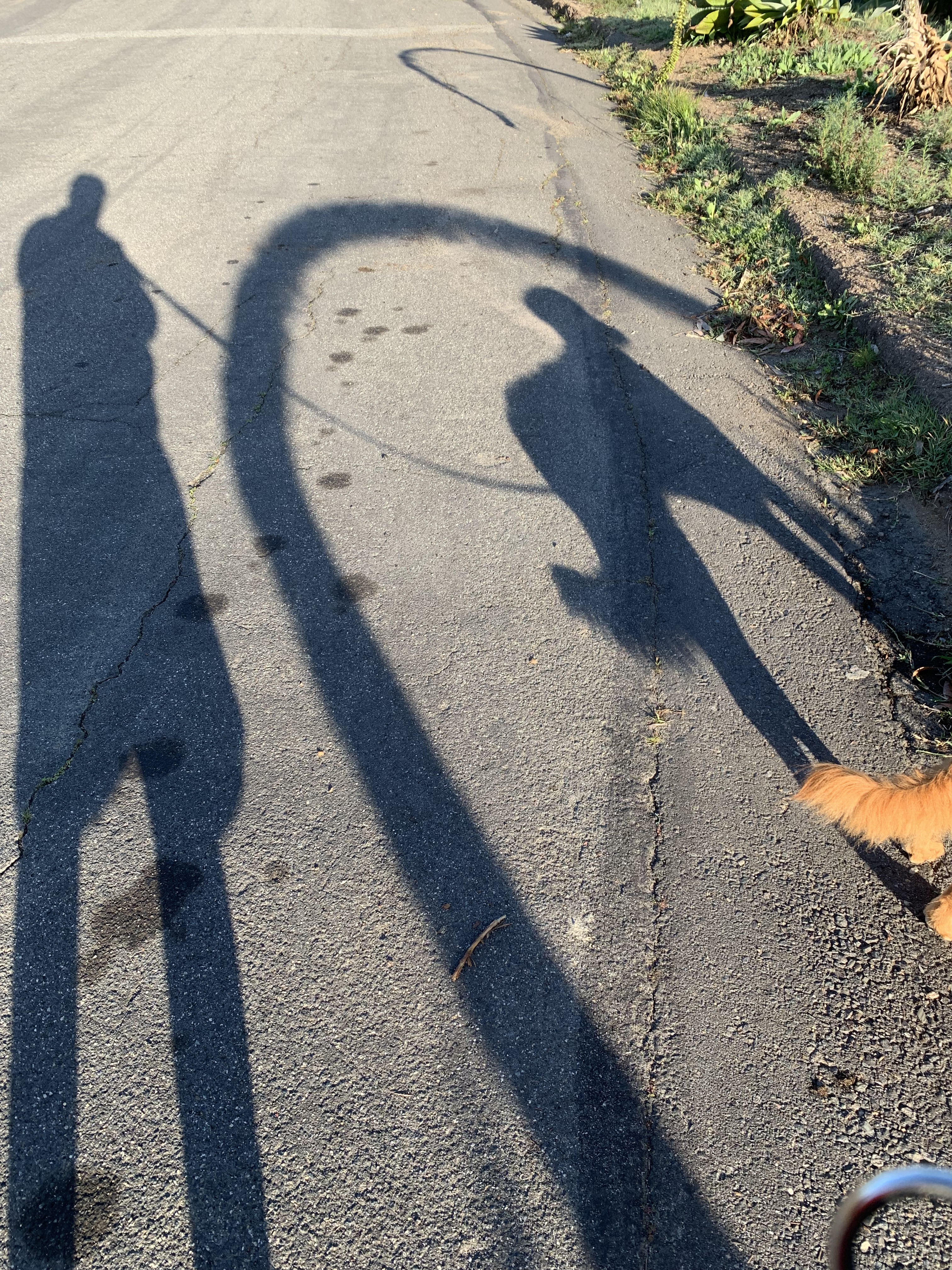
Except for one thing. We’re attached by a leash, and, alas, I cannot sprint. I probably never could sprint nearly so fast as Sadie, but certainly not now.
In addition to ball playing in the garden, swimming, and walks, we also take the dogs to nearby dog parks. No big surprise, but they love it.
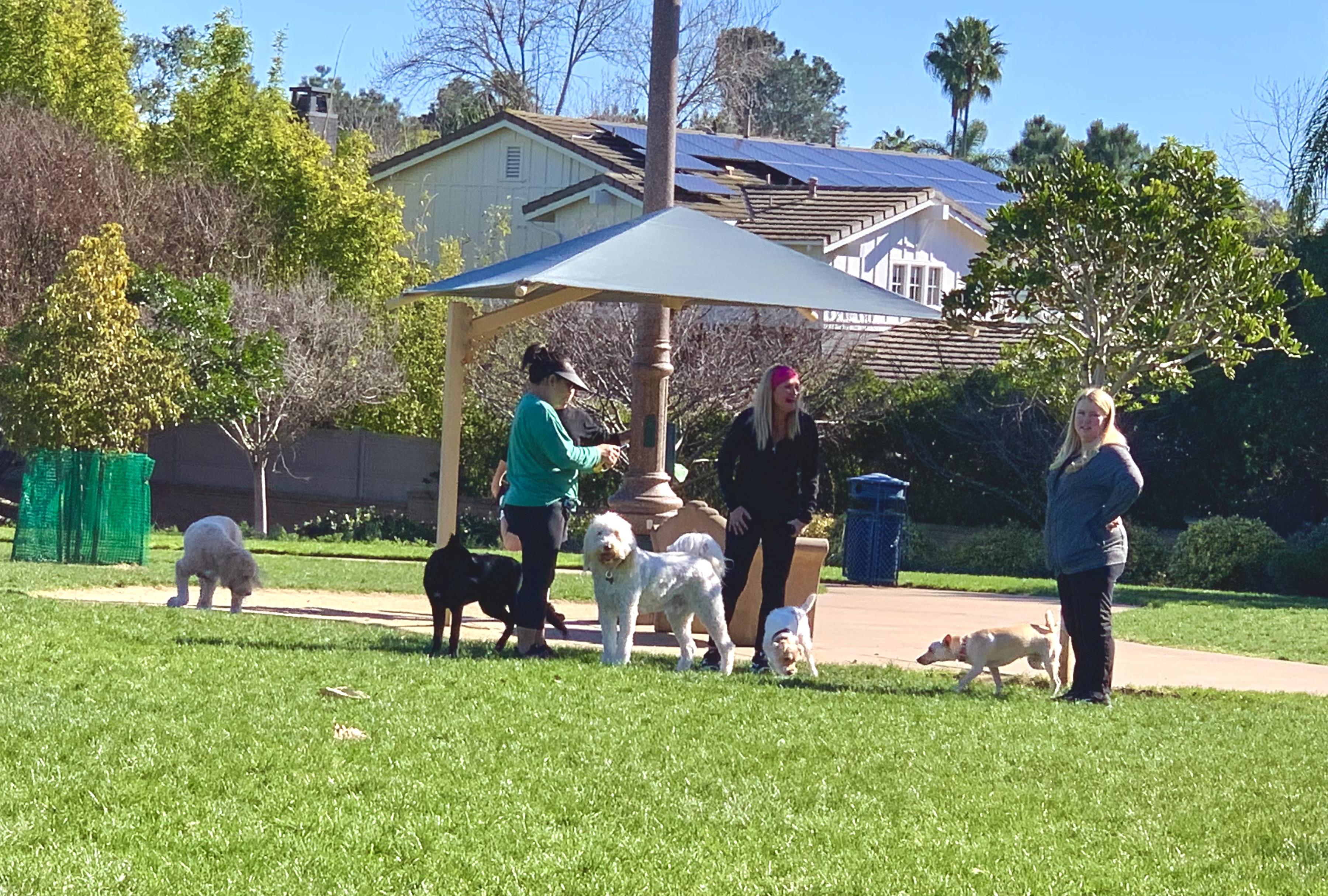
The truth is, I like it too. Many of the dogs are friendly to strangers. That’s fine with me. It’s not always fine with Bailey, however, who definitely has a jealous streak in him. Even when my wife and I hug, he wants to join in the loving. But he has gotten more tolerant of other dogs coming to say “hi” or to ask for a ball or frisbee to be thrown.
Sadie doesn’t seem much bothered when other dogs giving me some attention. Though Sadie and Bailey are both Golden Doodles and have many similarities such as their love of ball playing, they also have numerous differences. For instance, to signal that she really needs to go outside for a potty break, Sadie comes and stares at me. Bailey comes over to me and acts crazy. Sadie is much more likely to lie down and be mellow when I’m writing on the computer or watching Astrid. Bailey will continue to want to play ball and when all else fails, he’ll play ball by himself.
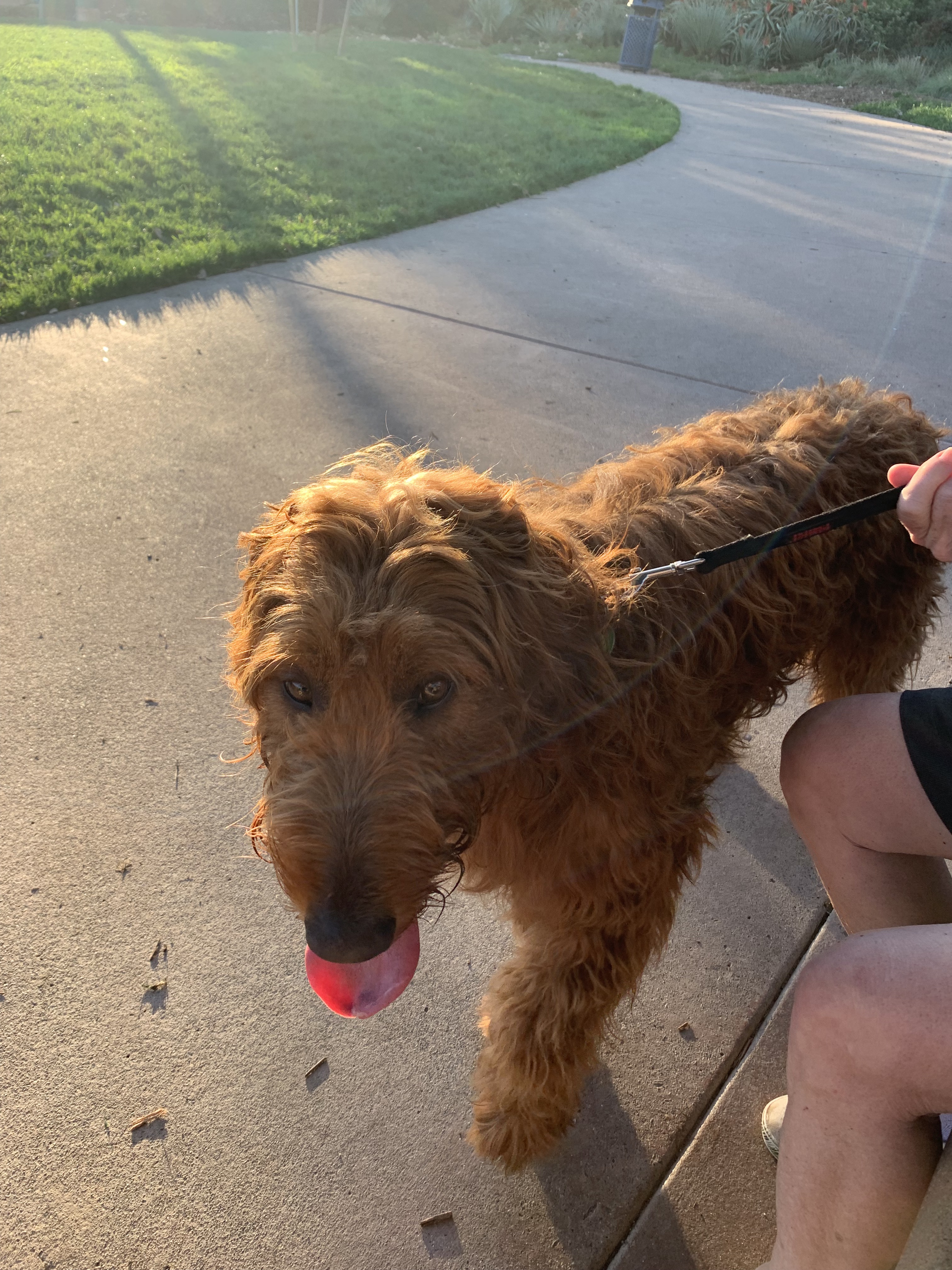
Ironically, I’ve never suggested this to Bailey. When Sadie was young, I tried on many occasions to show Sadie how she could play ball by herself, but she never caught on or showed any interest.
Bailey very much wants our approval. Sadie likes our approval too, but she does have a stubborn streak. Following the instructions of her own inner demons is relatively more important to her.
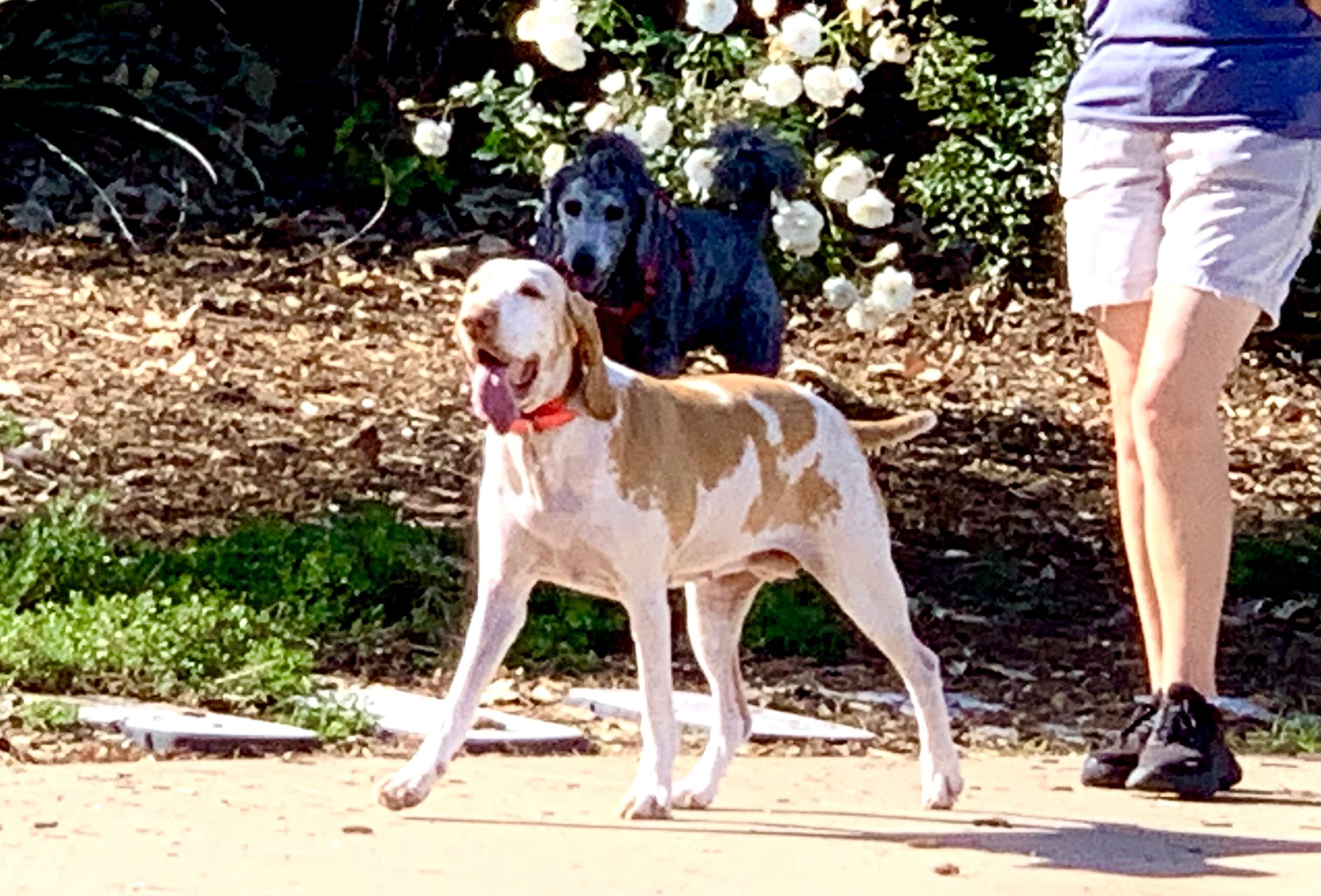
The differences among dogs are one of the reasons that I like going to the dog park. It’s fun to see the physical differences among the dog population. Equally, it’s interesting to see the differences in the ways that the dogs behave, both with each other, and with humans.
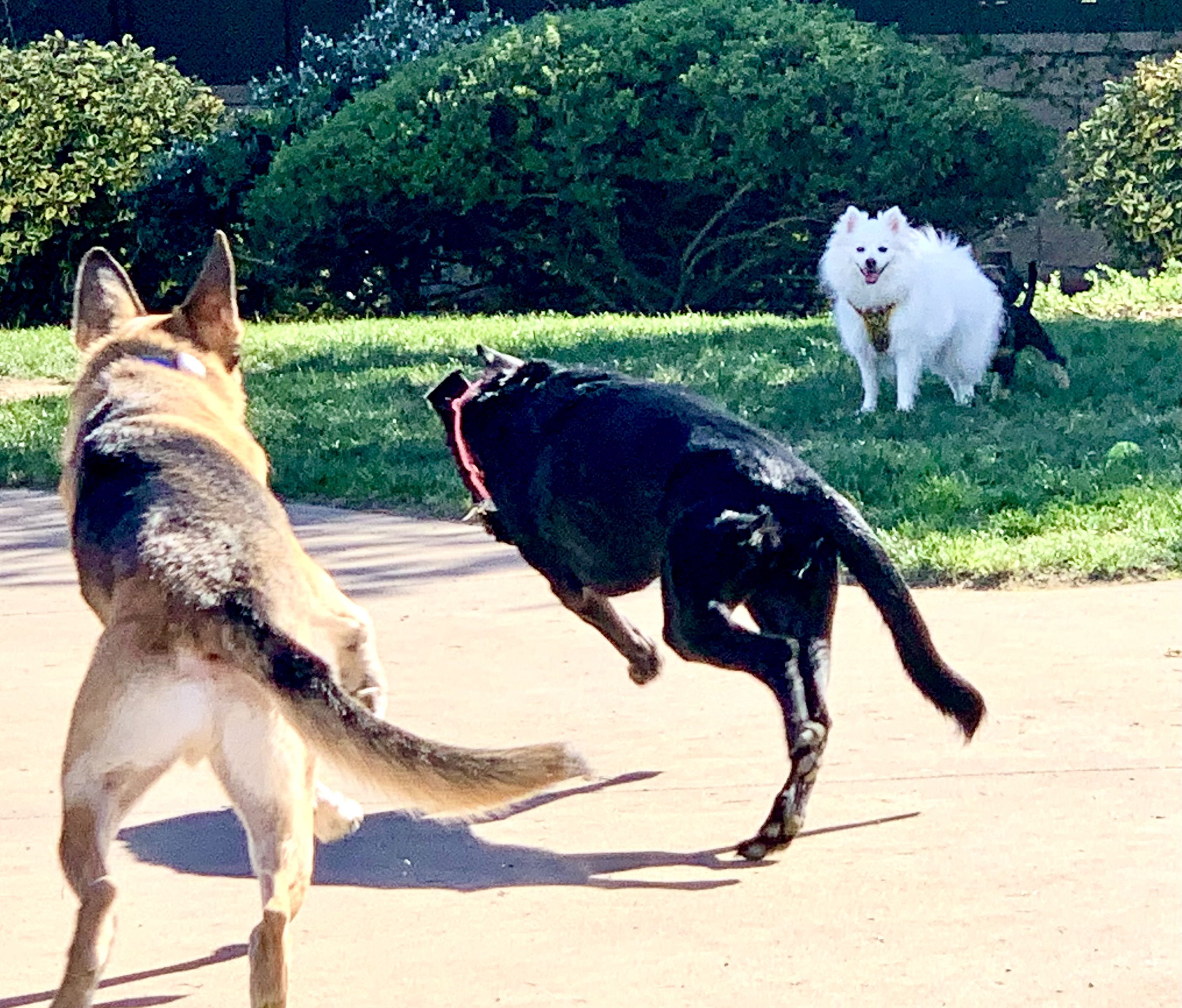
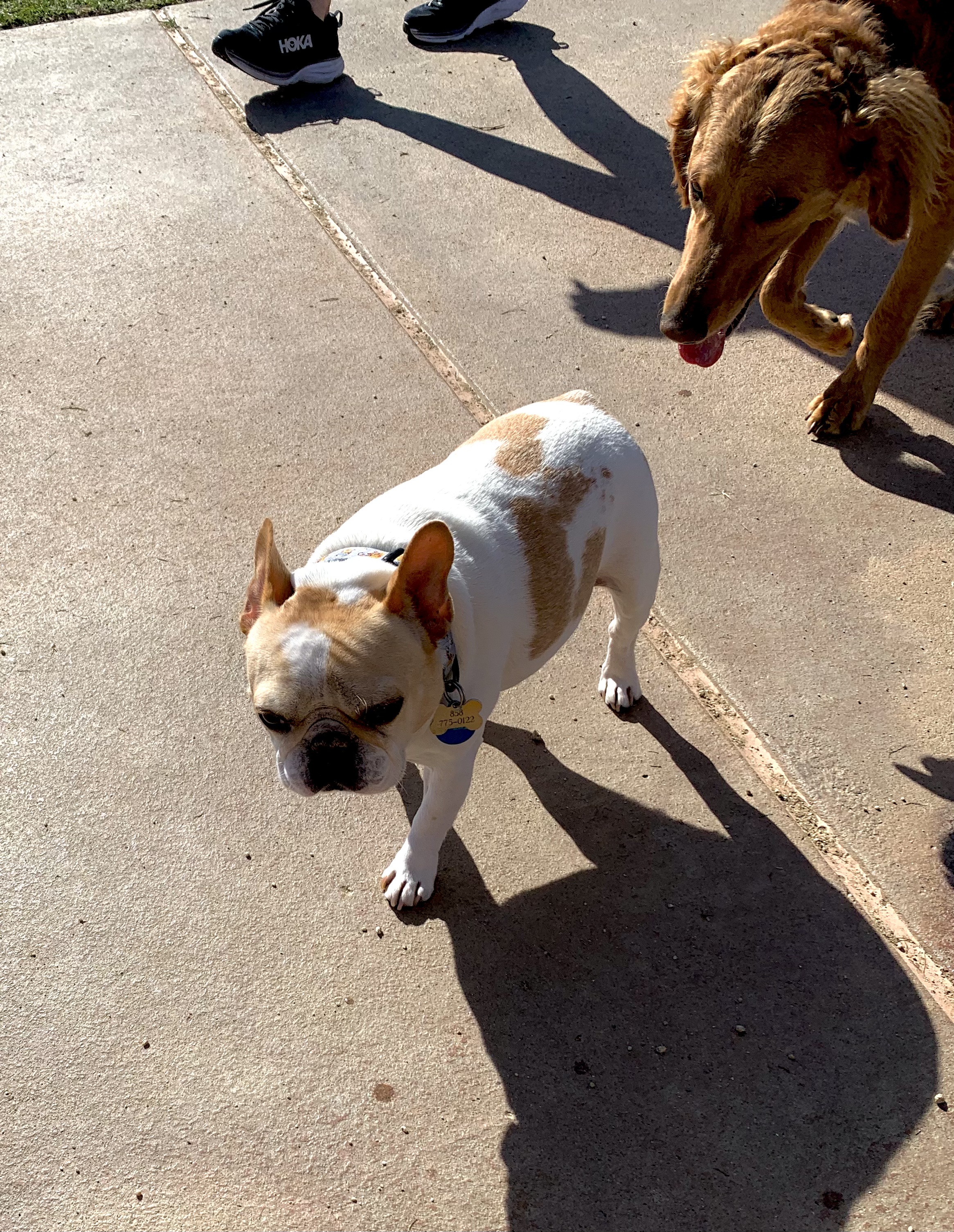
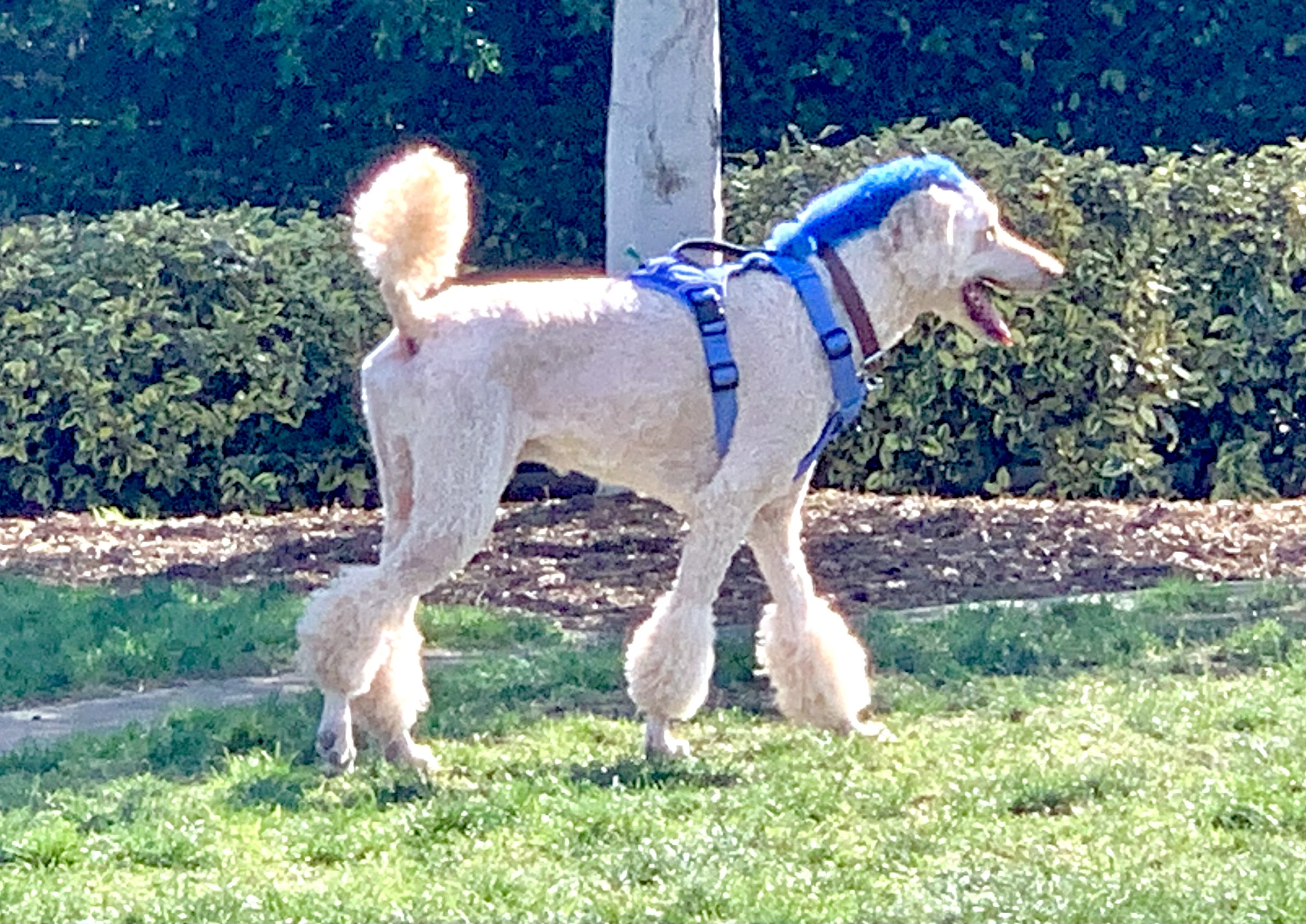
Another thing that’s nice about dog parks is that the people tend to be friendly. They too exhibit many differences in physical and behavioral characteristics. It’s a venue that seems to lend itself to informality and openness. When I’ve chatted with people, I don’t feel that they are trying to “impress me” with name dropping, etc. A few people—a distinct minority—show up and basically spend the whole time on the phone with very little of their attention going to the real world around them including their own dog. But that’s far from the modal behavior.
On the way out of the dog park, I passed by a flag pole with a large round concrete base. You don’t need a dog’s superior nose to know that this spot is frequented a lot by the canine population. Part of the reason is that it is frequented a lot by the canine population. In other words, there’s a “bandwagon” effect.
Looking at the dark stains all round the base of the flagpole makes me think of the way twitter devolved, but it applies to much of what happens on all social media. A small number of posts have a huge number of likes, reactions, and repostings while most have none. The algorithms of most social media platforms help promote this.
It isn’t just social media, however. There are many such positive feedback loops in our society. Wealth and power result in more access to health, food, shelter, convenience, and education. This in turn, leads to more power and wealth. At the very high level, the wealthy and powerful don’t just win more competitive contests; they can and often do rig the contests.
The dogs at the dog park differ in age, strength, speed, and size as well as breed. Yet, in many ways, it’s very egalitarian. No dog gets all the attention or all the water or “rules” the other dogs or fetches every ball.
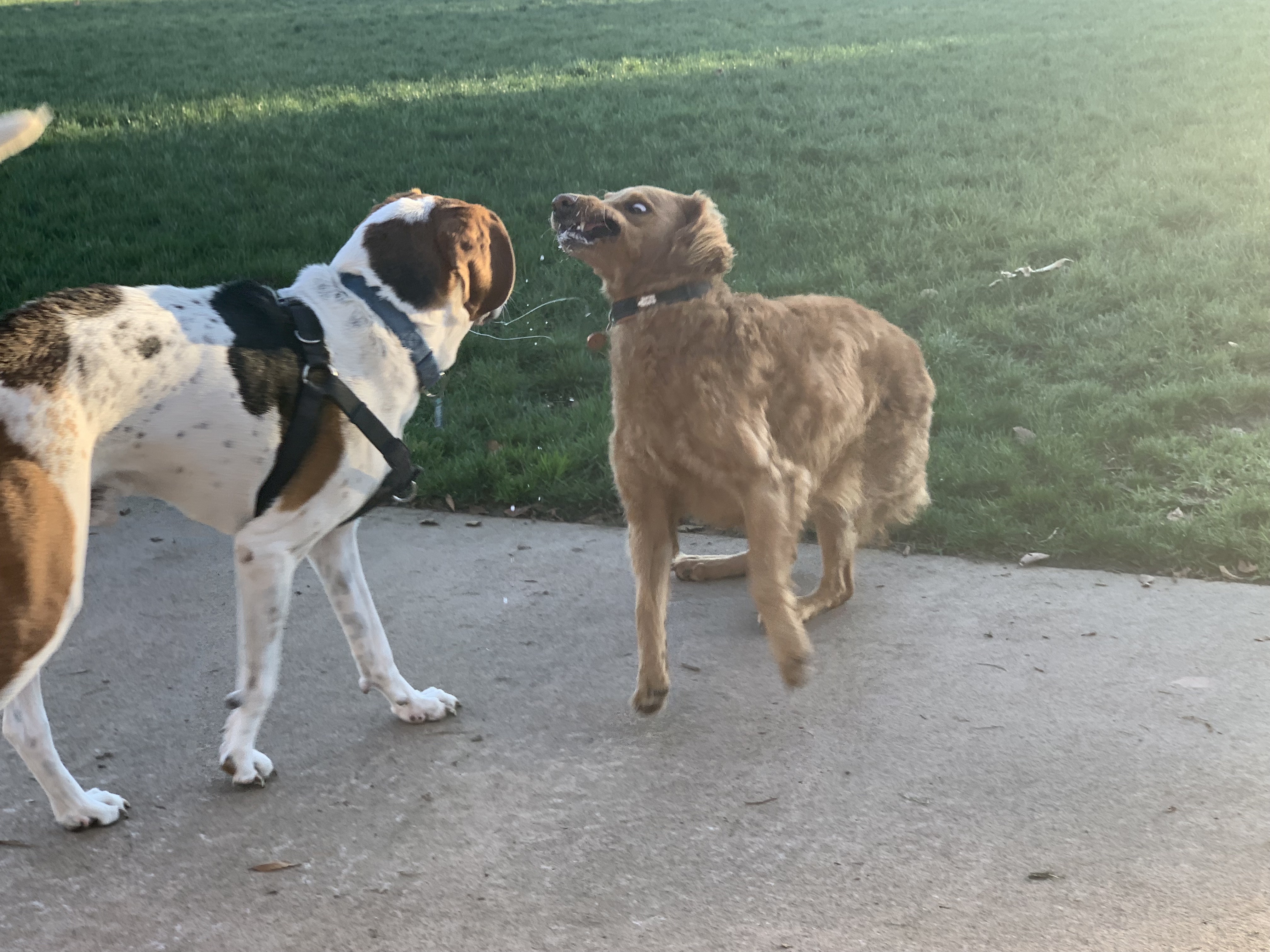
That seems okay with the dogs and okay with the “owners” of the dogs.
—————————-
 petersironwood